
 Heidi Bucolo
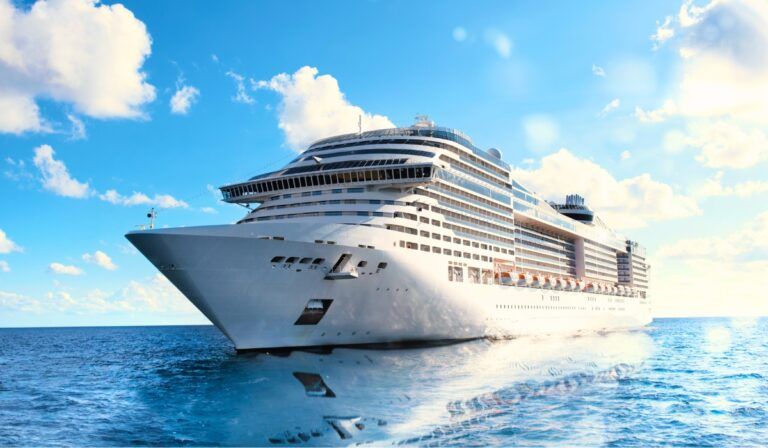
Cruising is one of the best ways to see the world. And the good news is that cruising on a budget is absolutely possible — the key is booking at the right time, choosing the right ship and cabin, and being smart about onboard spending. We have been cruising for over two decades and have sailed on more than 100 cruises, and we firmly believe that a well-planned cruise can be one of the best values in travel. That said, all the add-ons can rack up the bill rather quickly if you are not careful. Fortunately, there are plenty of ways to go cruising on a budget. In this post, we share our 22 best tips for finding affordable cruises and making the most of your money while still enjoying everything a cruise has to offer.
1. Cruise During Off-Peak Times
One of the best ways to save money on a cruise is to choose the right time to sail. Peak season, which typically falls during the summer months and major holidays, is the most expensive time to cruise. If you are flexible with your travel dates and can sail during the off-season or shoulder season, you can often find significant savings.
Off-peak times vary depending on the destination. For seasonal regions like Alaska and Bermuda, cruises are cheaper at the beginning and end of the season. If you want to cruise the Mediterranean on a budget, avoid the summer months. In Europe, the off-season is generally November through March, while the shoulder season runs from late April through early June and again in September and October.
While the Bahamas and Caribbean enjoy warm weather year-round, there are still times when cruising on a budget is easier. Hurricane season might sound like a bad idea, but it is actually one of the best times to cruise these regions if you are flexible on itinerary changes.

2. Book Early
Booking a cruise as far in advance as possible can save you money, and you will get the best selection of cabins along with other perks. For most of our vacations, we tend to book six to eight months (or more) in advance. In general, we have not found prices to drop below our original booking price over time. On the rare occasion that the price does drop after you have booked, you can usually request a price adjustment — just be sure to read the fine print when booking.
That said, some travelers swear by last-minute cruise deals. If you are willing to book close to the sailing date, you may find discounted rates as cruise lines try to fill unsold cabins. While not as common as they once were, last-minute cruise deals work best if you have flexible vacation time or live near a cruise port.
3. Watch for Cruise Line Deals and Promotions
Cruise lines run promotions throughout the year, with some of the best savings occurring during Wave Season. These deals can include BOGO 50% off fares, kids sail free offers, free drink packages, onboard credit, and more. If you have a specific cruise in mind, check the cruise line’s website and your email or social media regularly to make sure you catch the best deal when it is available.
If you are looking for cheap family cruises, time your booking around a Kids Sail Free or Third and Fourth Guest Sail Free promotion. Most cruise lines offer these periodically, with Norwegian’s Free at Sea being one of the most well-known ongoing examples.

4. Pick the Right Ship
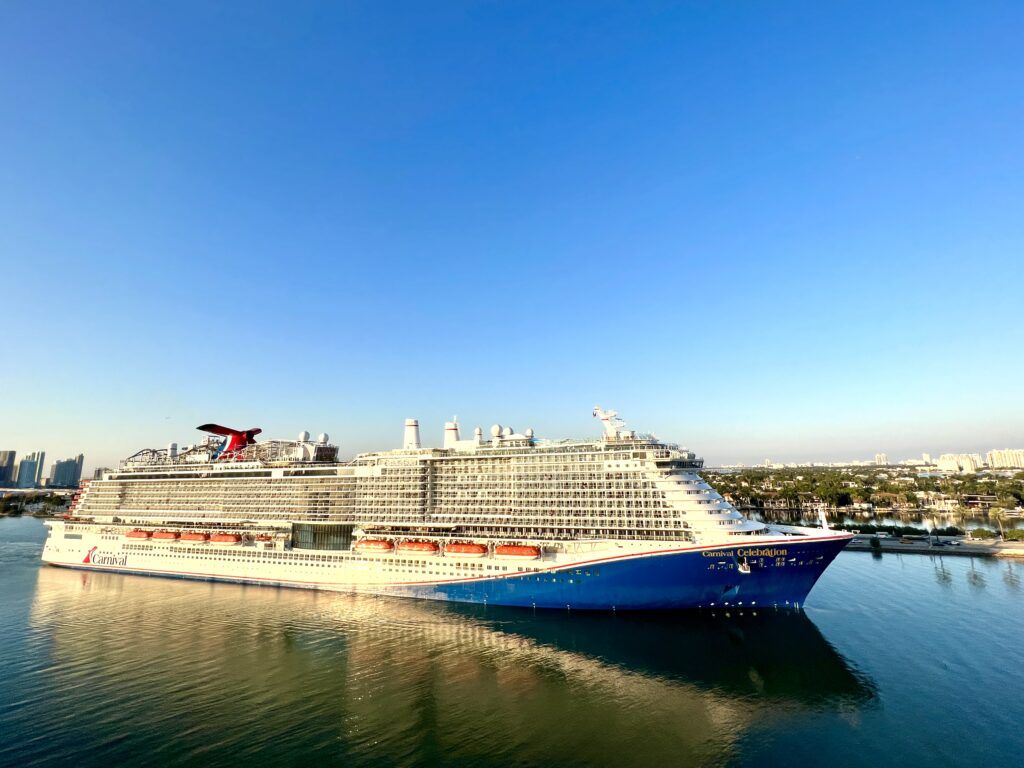
We love a brand-new ship as much as anyone. However, if you are cruising on a budget, you should probably skip the newest vessels with all the bells and whistles, as these typically carry the highest price tags.
Within the same cruise region, older (and often smaller) ships from a particular cruise line almost always offer better pricing than the newest additions to a fleet. You can still have the full experience you know and love on that particular cruise line — the same dining, entertainment, and service — just without the premium price tag that comes with a brand-new ship. If you are looking for the best value for money, some cruise lines are better than others.
5. Consider a Shorter Itinerary
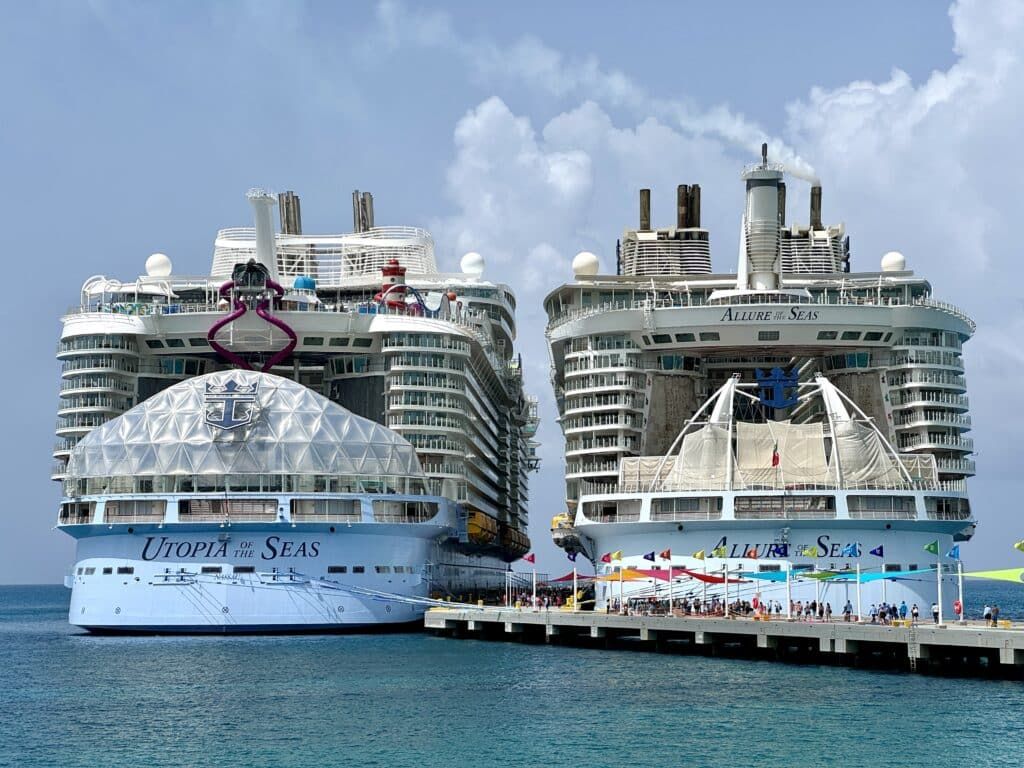
While it might sound pretty obvious, shorter cruises generally cost less money. Many cruise lines now offer several 3 and 4-night options to destinations like the Bahamas, and many of these itineraries include stops at the cruise line’s private island. From Royal Caribbean’s Perfect Day at CocoCay and Norwegian’s Great Stirrup Cay to Half Moon Cay, Ocean Cay, and Celebration Key, among others, these short trips can be as action-packed or relaxing as you want them to be.
Additionally, these quick weekend getaways mean less time away from home and less PTO days from work.
With that said, if you’re looking to stretch your vacation dollars further, longer sailings typically have a lower per-day cost than these shorter sailings.
6. Choose a Budget-Friendly Destination
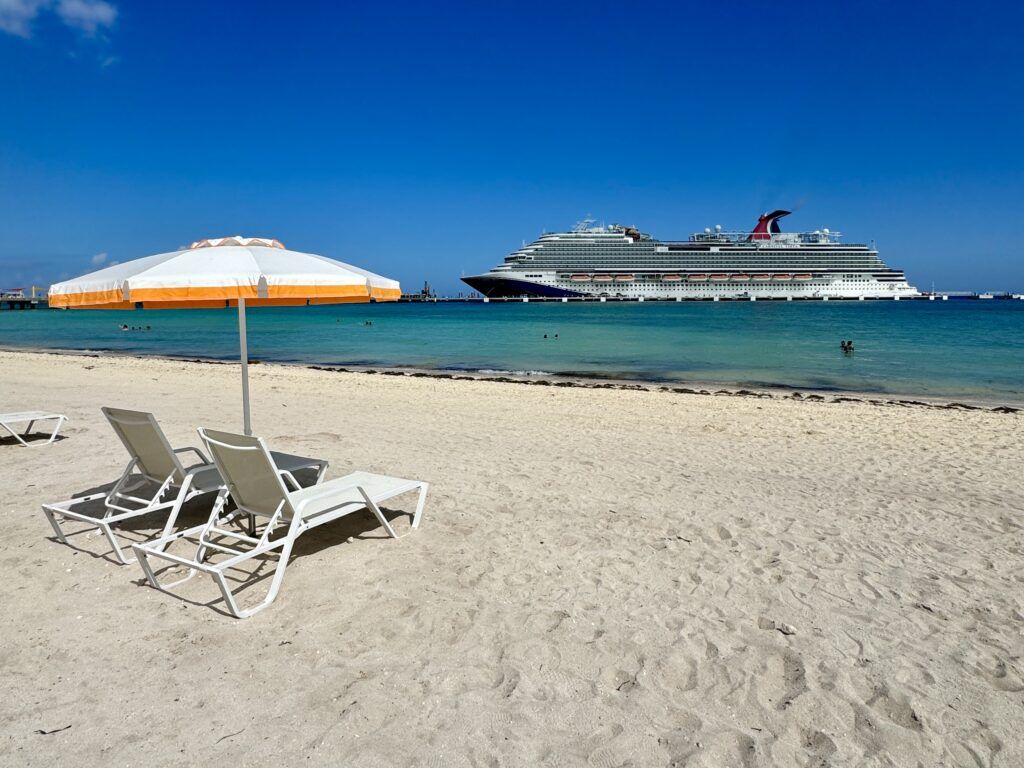
Not all cruise destinations are priced equally, and where you sail can have just as big an impact on your budget as when you sail. Caribbean and Bahamas cruises tend to be the most affordable options, with a wide range of ships, itineraries, and departure ports to choose from year-round. Alaska and Mediterranean cruises, while incredible experiences, typically command higher base fares due to the seasonality of those regions and the demand for itineraries in peak travel windows.
If you are cruising on a budget for the first time or simply want to maximize your dollar, a Caribbean or Bahamas itinerary is almost always going to give you the best value. You still get the full cruise experience — multiple destinations, great food, entertainment, and sea days — just at a lower starting price.
7. Sail From a Nearby Port
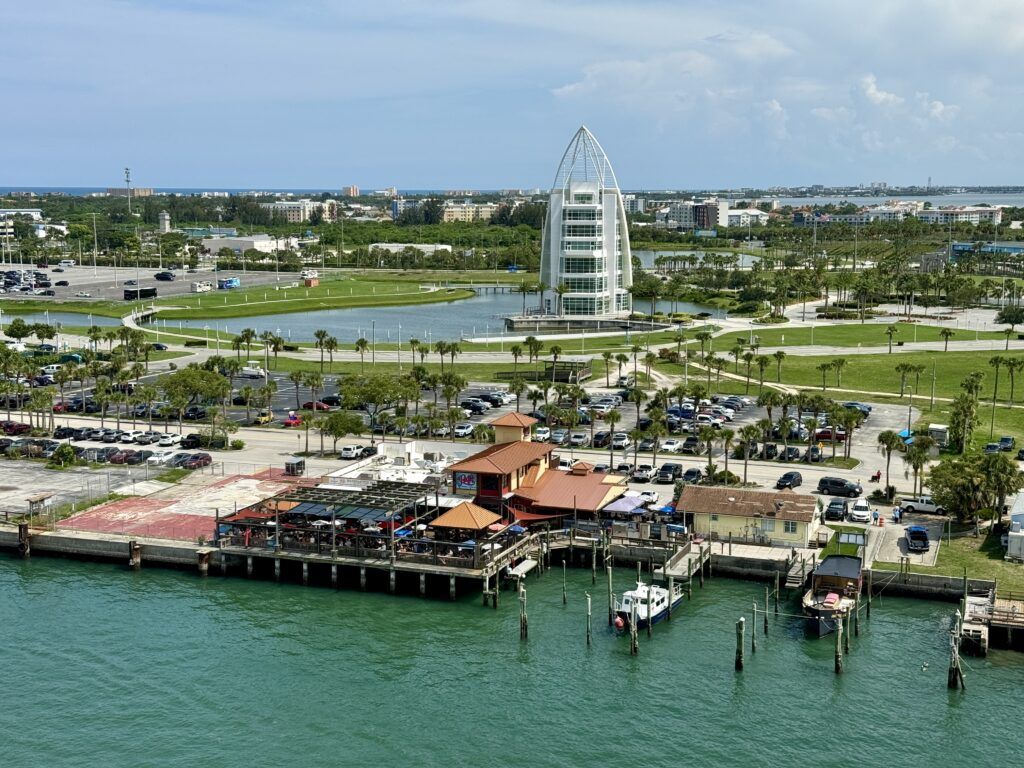
Sailing from a port close to home eliminates the cost of flights and a pre-cruise hotel stay, which can add up quickly. With cruise ships departing from more locations across the United States, it may be more feasible than you think to find a cruise within driving distance.
Beyond Florida, cruise ships are homeported in states including Washington, California, Texas, Louisiana, Massachusetts, New York, and New Jersey, among others. While some of these homeports are seasonal, many offer year-round sailings to the Bahamas, Caribbean, and Mexican Riviera. If you live in New England like us, Boston or New York to Bermuda is a popular summer option, and Canada and New England fall foliage cruises are another great choice.
8. Look for Resident Rates
When researching cruise options, it’s worth asking your travel agent whether any resident rates apply to your booking. Some cruise lines offer special discounted fares for residents of certain states, particularly for last-minute sailings. There is no guarantee these will be available for every itinerary, but it never hurts to check. Even if a resident rate is not available, sailing from a nearby homeport can still save you hundreds of dollars in travel expenses.
9. Try a Repositioning Cruise
A repositioning cruise is a voyage that begins and ends in different locations, typically when a ship moves between seasonal deployment regions. For example, ships that spend winter in the Caribbean often reposition to Europe or Alaska for the summer.
Transatlantic cruises — which cross between Europe and North or South America — are another variation of this. Whether a true repositioning or a regularly scheduled transatlantic sailing like those offered by Cunard, these cruises tend to have fewer ports and significantly lower per-day pricing than a traditional 7-night itinerary. If you enjoy sea days and want to maximize your time onboard while keeping costs down, a repositioning cruise is one of the best-kept secrets in budget cruising.
10. Book an Inside Cabin
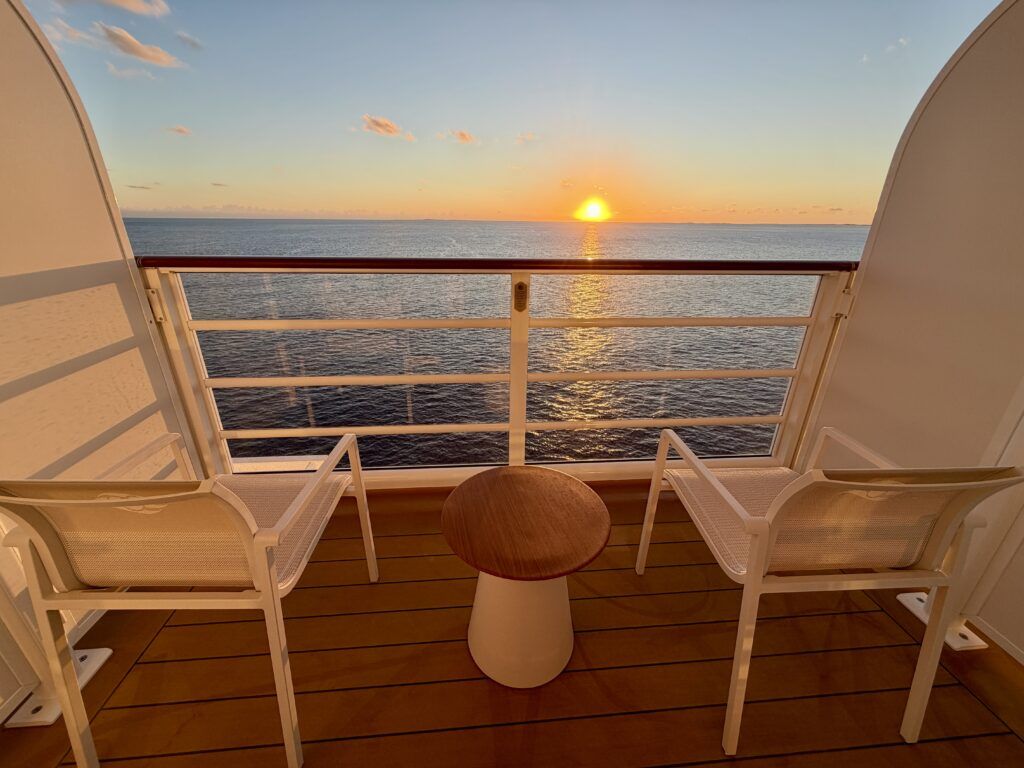
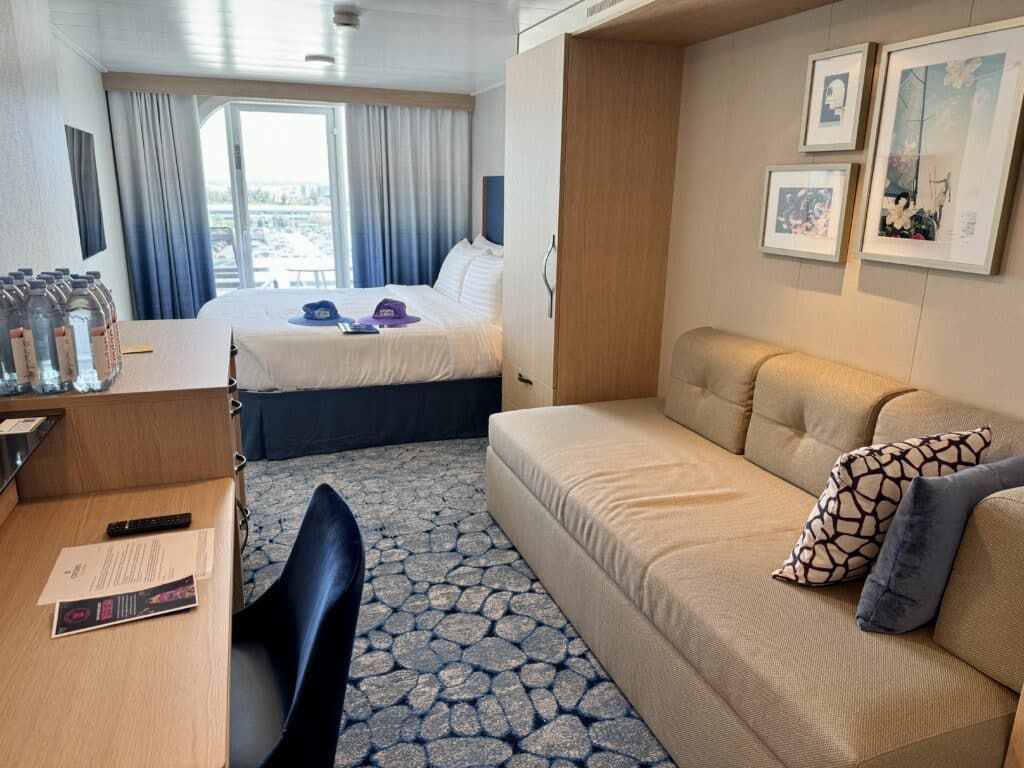
Giving up a balcony or ocean view is one of the easiest ways to cruise on a budget. Inside cabins are the most economically priced cabin category, and you can still enjoy every amenity and activity the ship has to offer. Most passengers spend very little time in their cabins anyway.
An inside cabin can run several hundred dollars less per person than a standard balcony on the same sailing. That savings adds up fast, especially for a family or a group.
11. Or Book a Guaranteed Cabin
If you cannot bring yourself to book an inside stateroom, consider a guaranteed cabin instead. With a guarantee rate, you are locked into a cabin category but will not know your exact room assignment until closer to the sailing date. While you are guaranteed a room in your chosen category, there is always a chance of an upgrade.
A guaranteed cabin is a great way to cruise on a budget. However, if you are particular about room location — avoiding cabins near the elevators, under the pool deck, or at the far forward or aft of the ship — this option may not be for you.
12. Use a Travel Agent
You almost never get the best deal booking directly with the cruise line. While it is not very common to find a lower advertised fare through a travel agent, the added value comes in other ways.
A good travel agent can provide first-time cruisers with expert guidance throughout the planning process. But even seasoned cruisers benefit from using one. We always book our cruises through MEI-Travel, and we recommend them to every cruiser looking to get the most out of their vacation. MEI-Travel can offer perks with real monetary value — things like onboard credit, free specialty dining, and free gratuities — that you simply will not get booking on your own. Best of all, their services are completely free to you as the traveler.
13. Avoid the Add-Ons
While a lot is included in your cruise fare, there are often extra charges for things like specialty dining, spa treatments, and internet access. To cruise on a budget, consider skipping these extras or finding less expensive alternatives.
Modern cruise ships offer plenty of casual and complimentary dining options, as well as elegant multi-course meals in the main dining room. Instead of paying for internet access, try to disconnect during sea days and use free WiFi at ports of call. If you want a spa treatment, consider booking one ashore in a port of call instead — you will almost always pay less.

14. Purchase Extras Pre-Cruise
If you do decide to purchase any onboard add-ons, buy them before you sail. Drink packages, shore excursions, WiFi, and specialty dining are often available at a discount when booked in advance through the cruise line’s website. Sales and promotions on these items can range from 10% to 40% off. If you book a package and later find a lower price, you can usually cancel and rebook up to a few days before your cruise.
One exception: if you are interested in a spa treatment, head to the spa on embarkation day. Along with getting a tour of the space, you can often lock in a deal by booking on Day 1.
15. Take Advantage of Free Drinks on Your Cruise
Drink packages are pricey, and skipping them is one of the easiest ways to keep costs down. But that does not mean you have to go thirsty. Most cruise lines allow guests to bring at least one bottle of wine or champagne onboard in their carry-on luggage. Some lines, like Carnival, even permit a limited number of non-alcoholic beverages.
Beyond that, there are some other easy ways to score free or cheap drinks on a cruise. Look for happy hours, BOGO drink promotions, the Captain’s Reception, loyalty cocktail parties, and free tastings throughout the sailing.

16. Make the Most of Free Onboard Offerings
One of the best-kept secrets of cruising on a budget is that you really don’t have to pay extra for anything once onboard the ship. On the dining side, modern cruise ships have come a long way when it comes to complimentary options. Beyond the main dining room, most ships offer casual buffets, poolside grills, pizza, and more at no extra charge. Mixing up your dining venues throughout the sailing keeps things fresh without adding to your onboard bill.
The same goes for entertainment and activities. Trivia contests, live music, Broadway-style shows, deck parties, waterslides, use of the sports court or gym, and more are all part of the experience on most major cruise lines at no extra cost. Before you spend money on onboard extras, take a look at your daily program — you may find your schedule is already packed without spending a dime.
17. Enjoy Lunch at a Specialty Restaurant
If you want to experience one of the ship’s specialty restaurants without paying full dinner prices, book a lunch reservation instead. Many cruise lines offer lunch service in some (or all) of the specialty restaurants on sea days at a significantly lower cover charge than dinner. You get the same kitchen, the same food quality, and often a much more relaxed atmosphere at a fraction of the cost. The menus are usually pretty similar too, with only a select few entrees reserved exclusively for dinner.

18. Skip Shore Excursions — or DIY Them
Shore excursions booked through the cruise line are convenient but expensive. To save money, consider exploring ports on your own. Hiring a local taxi, joining a free walking tour, or doing some research in advance to create your own itinerary can all be just as rewarding at a much lower cost.
If you prefer an organized tour, look at third-party operators like Shore Excursions Group or local providers, which often offer similar experiences at lower prices than the cruise line. One important note: if you book independently, always confirm the operator has a return-to-ship guarantee or build in enough buffer time to get back to the port before the ship departs. Unlike cruise line excursions, the ship will not wait for you if an independent tour runs late. Just be sure to also read the cancellation policy carefully in case your ship skips the port altogether.
19. Stay on the Ship in at Least One Port
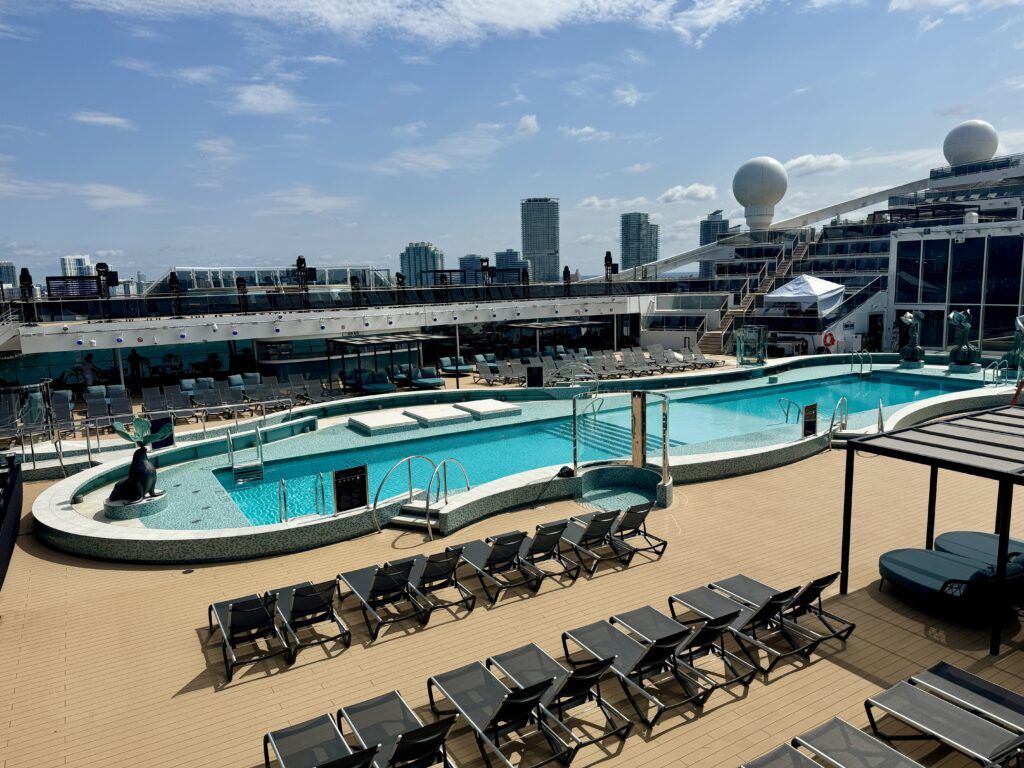
Here is a tip most budget guides leave out — consider staying on the ship at one of your ports of call. While everyone else heads ashore, you will have the pool, hot tubs, and bars almost entirely to yourself. Many complimentary dining venues are still open, the ship is quiet, and you are not spending a cent. It is one of the most underrated experiences in cruising and a great way to recharge mid-voyage without dipping into your budget. This works especially well if you’ve visited a port several times before or there aren’t any activities ashore that interest you.
20. Take Advantage of Loyalty Programs
If you cruise regularly with the same cruise line, make sure you are enrolled in their loyalty program. These programs offer meaningful perks as you accumulate nights at sea — things like discounted room rates, free drink coupons, laundry discounts, priority boarding, free specialty dining, and more. Royal Caribbean’s Crown and Anchor Society, for example, offers balcony discounts on top of current promotions once you reach certain status levels.
Staying loyal to one brand often pays off.
21. Use Rewards Points
Another effective way to cruise on a budget is to use credit card rewards points. Several major cruise lines offer co-branded credit cards that let you earn points toward cruise discounts, onboard credit, and even free sailings. Royal Caribbean, Norwegian, and Carnival all have their own credit card programs. We have personally used rewards points from cruise line credit cards to cover multiple sailings over the years.
General travel rewards cards and airline miles can also be redeemed toward cruise-related expenses like flights to the embarkation port, making them worth considering as part of your overall cruise budget strategy.
22. Cruise Solo Strategically
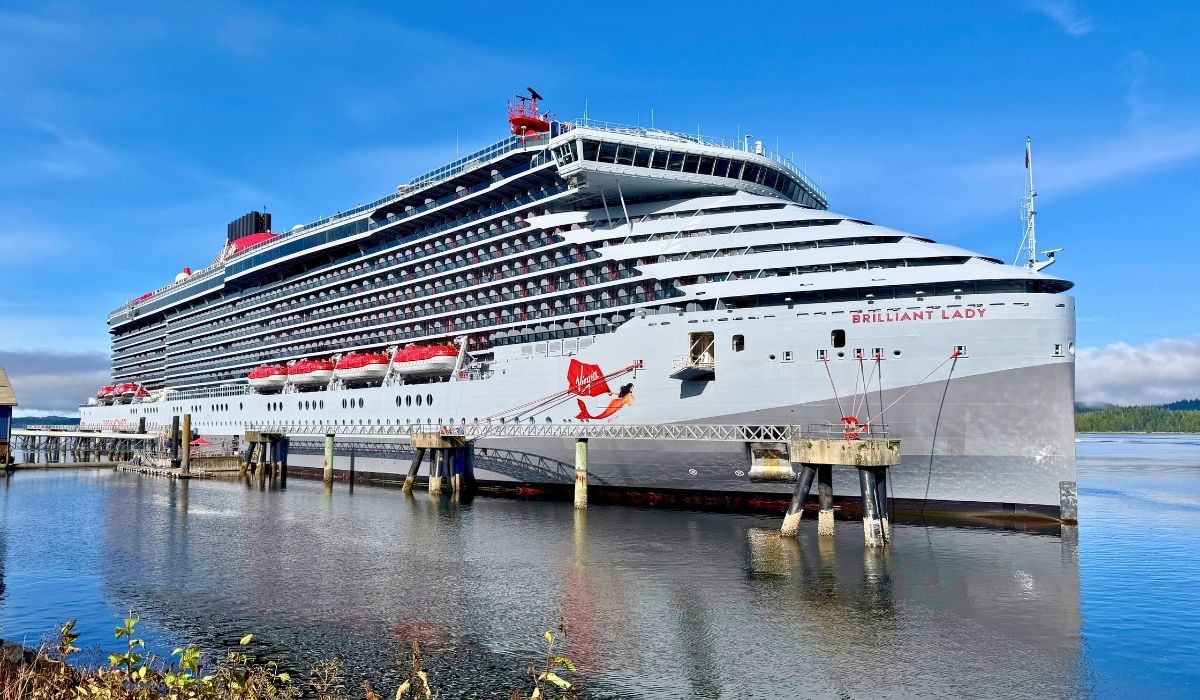
Solo travel used to be one of the most expensive ways to cruise thanks to the single supplement, which charges solo travelers for double occupancy in a cabin. Thankfully, that has changed in recent years. Several cruise lines now offer dedicated solo cabins including Norwegian’s entire Studio complex and Virgin Voyages’ solo-friendly pricing.
If you are a solo traveler looking to cruise on a budget, seeking out these cabin categories can make a solo sailing surprisingly affordable. Just be sure to book early as these cabins are limited and fill up quickly.
Final Thoughts on Cruising on a Budget
Cruising on a budget does not mean sacrificing the experience. With a little planning and the right strategy, you can enjoy everything a cruise has to offer without overspending. From choosing the right ship and sailing time to being smart about onboard spending, these tips have helped us sail on some incredible ships and itineraries over the years — often for far less than you might expect.
Frequently Asked Questions About Cruising on a Budget
Is cruising on a budget actually possible?
Absolutely. A cruise fare covers your accommodations, meals, entertainment, and transportation between ports all in one price — making it one of the better values in travel when booked strategically. The key is knowing where to save and where the extra spending is worth it.
What is the cheapest time to go on a cruise?
It depends on the destination. For Caribbean and Bahamas cruises, January and early February after the holiday rush tend to offer the lowest fares. For Alaska and Bermuda, the beginning and end of the season — typically April/May and September/October — are your best bets for lower pricing. And for the Mediterranean, spring and fall sailings are significantly cheaper than summer as well.
What is the cheapest cruise line?
Carnival Cruise Line is generally considered one of the most budget-friendly cruise lines, along with MSC Cruises and Margaritaville at Sea, which frequently offers very competitive base fares. That said, the cheapest cruise line for your trip depends on the itinerary, departure port, and time of year.

Do I need a travel agent to cruise on a budget?
You do not need one, but using one almost always saves you money. And their services are completely free to you!
Do I have to pay gratuities on a cruise?
Most cruise lines automatically add daily gratuities to your onboard account, typically ranging from $16 to $22 or more per person per day depending on the cruise line and cabin category. This is one of the most overlooked budget items when planning a cruise, so make sure you factor it into your total vacation cost.
How much spending money do I need for a cruise?
This varies widely depending on your travel style, but a general rule of thumb is to budget an additional 50% of your cruise fare for onboard expenses like drinks, gratuities, shore excursions, and specialty dining. Like anything, it can be done cheaper and it can easily cost 100% or more of your cruise fare for all the extras.
Comments
Do you have any other tips that we missed for cruising on a budget? How do you save money on cruises? Drop us an anchor below to share your travel tips and hacks.