
 Heidi Bucolo
Sailing the Mediterranean is a completely different experience from a Caribbean cruise — and it rewards those who plan. With so many ports packed into a sailing, iconic historical sites competing for your attention, and significant logistical differences, the Mediterranean has a way of overwhelming first-timers who arrive underprepared.
Over the years, we have taken multiple Mediterranean cruises and learned a great deal about how to make the most of this incredible region. Whether you are planning your very first Mediterranean sailing or returning to explore new ports, these expert Mediterranean cruise tips will help you book smarter, plan better, and enjoy every moment from embarkation to the final morning at sea.
Tip #1: Book Early — Mediterranean Cruises Sell Out Faster Than You Think
The Mediterranean is one of the most popular cruise destinations in the world, and sailings — particularly summer departures — fill up well in advance. Similar to Alaska, the combination of high demand and a limited sailing season means that cabins disappear faster here than in some other regions.
We recommend booking at least nine months to a year in advance for a Mediterranean cruise, and even earlier if you have your heart set on a specific ship, sailing date, or cabin category. Booking early also locks in the lowest available fares as prices on Mediterranean itineraries tend to climb steadily.
Tip #2: Use a Travel Advisor
A knowledgeable travel advisor is worth their weight in gold for a Mediterranean cruise. The variables involved — embarkation port options, itinerary differences between cruise lines, cabin selection, pre- and post-cruise flight and hotel logistics — are more complex than a Bahamas or Caribbean sailing.
Our trusted travel partner, MEI-Travel, can help you navigate all of it while potentially also adding in some perks like onboard credit, prepaid gratuities, or specialty dining at no additional cost to you. Having someone in your court if travel issues arise before or during the trip makes all the difference.
Tip #3: Choose the Right Time of Year — Shoulder Season Is Almost Always the Better Choice
The Mediterranean has a distinct sailing season, and when you visit matters. Shoulder season — roughly late April through early June and again in September through October — is the sweet spot. Weather is warm and reliable, the most popular sites are manageable rather than overwhelming, and fares are meaningfully lower than peak summer.
Summer is the most popular time to cruise the Mediterranean, but it comes with real tradeoffs. July and August bring intense heat — regularly exceeding 90°F in ports like Athens, Rome, and Barcelona — combined with the largest crowds of the year and the highest prices. If summer is your only option, prioritize early morning excursions before the heat peaks and plan accordingly for crowds.
Worth noting: a growing number of cruise lines now offer Mediterranean itineraries in the winter months, which can deliver exceptional value and a unique off-season feel.
Tip #4: Understand the Difference Between Eastern and Western Mediterranean Itineraries
Just as Caribbean itineraries are divided into Eastern, Western, and Southern routes, Mediterranean cruises generally fall into two main categories. Understanding the differences is essential to choosing the right sailing for your travel party.
Western Mediterranean itineraries typically depart from Barcelona or Rome (Civitavecchia) and visit ports like Marseille (for Provence), Monte Carlo, Florence/Pisa (from Livorno or La Spezia), Naples (for Pompeii and the Amalfi Coast), and sometimes Palma de Mallorca in Spain or Valletta in Malta. This route leans heavily into art, architecture, and iconic European landmarks.
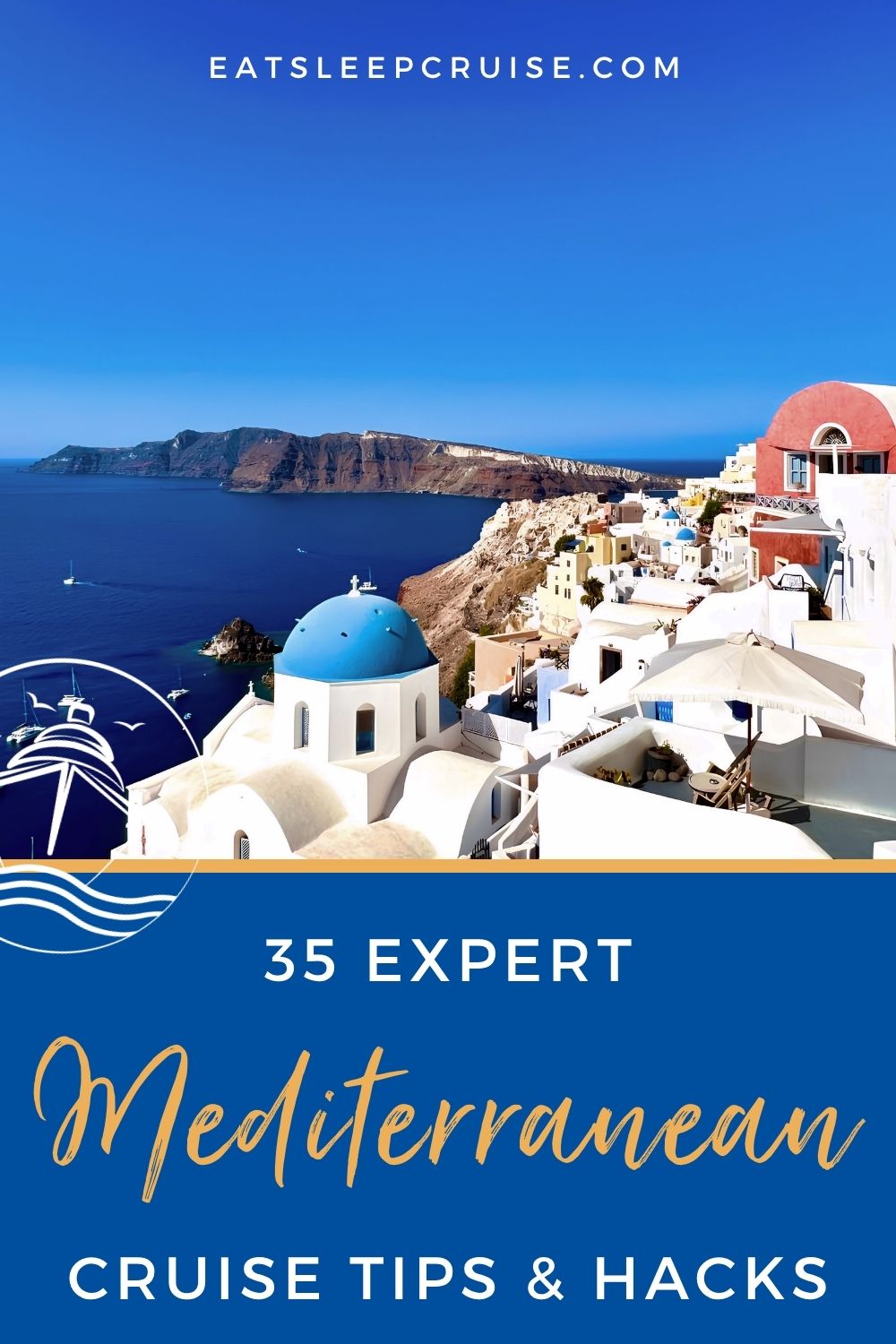
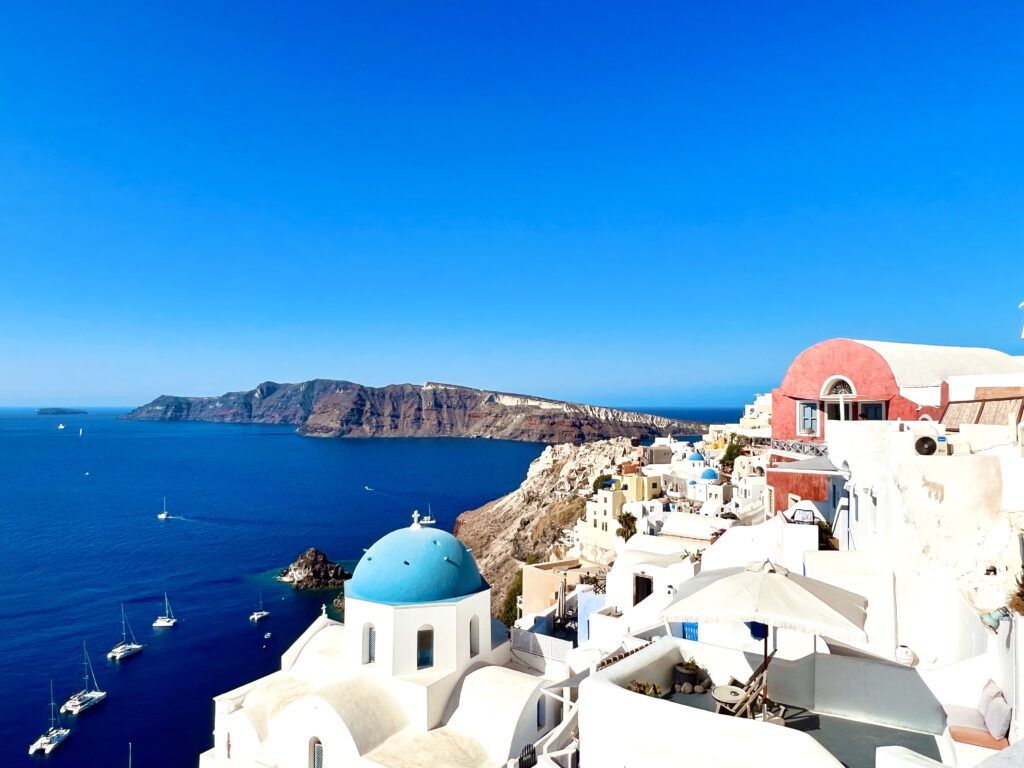
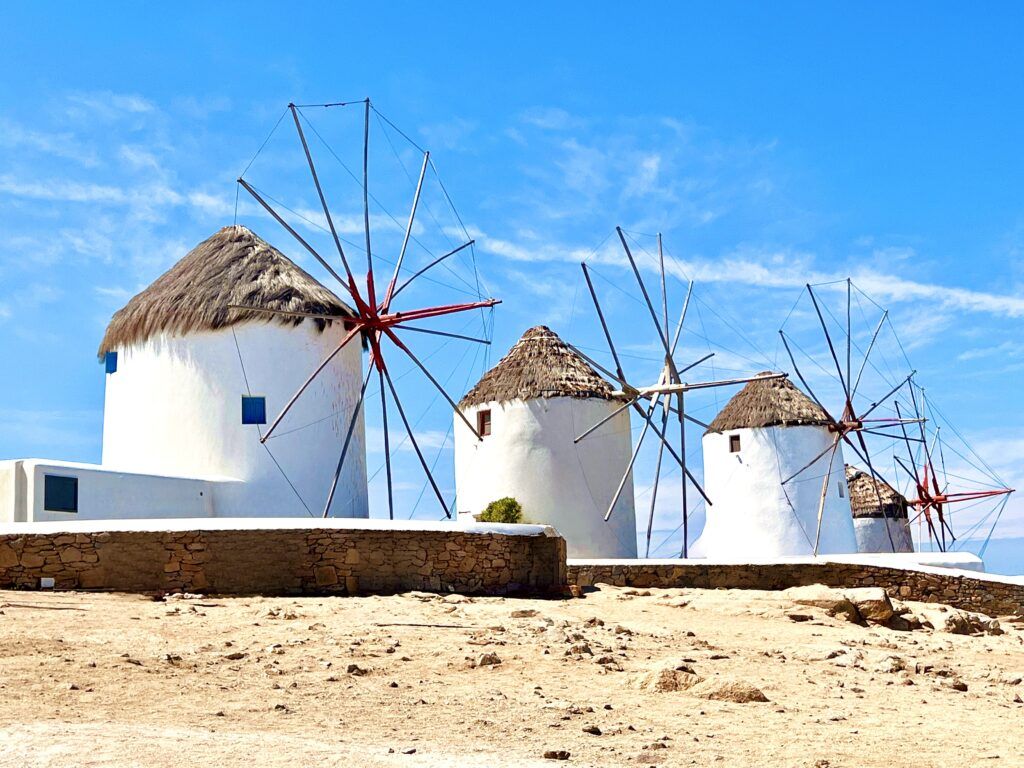
Eastern Mediterranean itineraries typically visit Greece (Athens, Santorini, Mykonos, Corfu, Rhodes), Turkey (Istanbul, Ephesus via Kusadasi), and often Croatia (Dubrovnik, Kotor). This route emphasizes ancient ruins, mosques, whitewashed villages, and crystal-clear Aegean waters.
Some itineraries blend both, particularly on longer 10- to 14-night sailings. Neither is objectively better — it truly comes down to what draws you. If the Colosseum and Sagrada Família are on your list, go West. If Santorini sunsets and beach days are the dream, go East.
Tip #5: Consider Longer Sailings
Seven-night Mediterranean itineraries exist, but they can feel rushed given the distances involved and the sheer number of things to see. A 10- to 12-night sailing gives you more ports, more time at each one, and a noticeably more relaxed pace with a few sea days in between.
If a longer sailing is not possible, a seven-night cruise paired with a few days in the embarkation city before the cruise gives you a similar effect and makes the most of the long flight from North America.
Tip #6: Choose the Right Cruise Line for the Mediterranean Experience
Not every cruise line approaches the Mediterranean the same way. A cruise line that might work for you in the Caribbean might feel overwhelming in the Mediterranean where the destination takes center stage.
Premium lines like Celebrity Cruises, Princess Cruises, and Holland America tend to attract destination-focused travelers as they often feature more curated itineraries than the mainstream cruise lines at reasonable pricing. Viking Ocean Cruises, Oceania, and Azamara have become popular choices for the Mediterranean — with destination-intensive itineraries, smaller ships, longer time in port and select overnight stays. These cruise lines do come with more inclusions and a higher price tag.
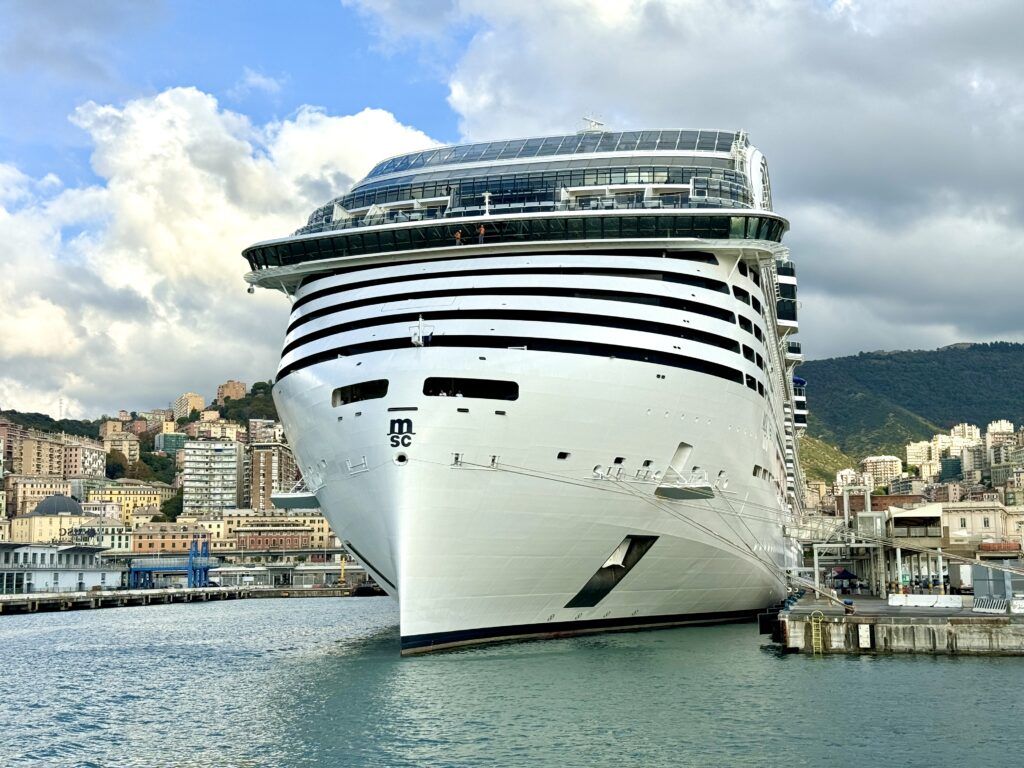
Contemporary lines like Royal Caribbean, Norwegian Cruise Line, and MSC Cruises offer more activity-driven ships — great if the amenities and entertainment matter to you, but worth noting that the ships themselves can become a distraction in a destination-rich region. One caveat: MSC ships have a unique European flair that complements the Mediterranean itinerary perfectly.
If you are primarily excited about the destination and want to spend as much time ashore as possible, lean toward lines that emphasize port time over onboard programming if your budget allows.
Tip #7: Know Your Embarkation Port Options
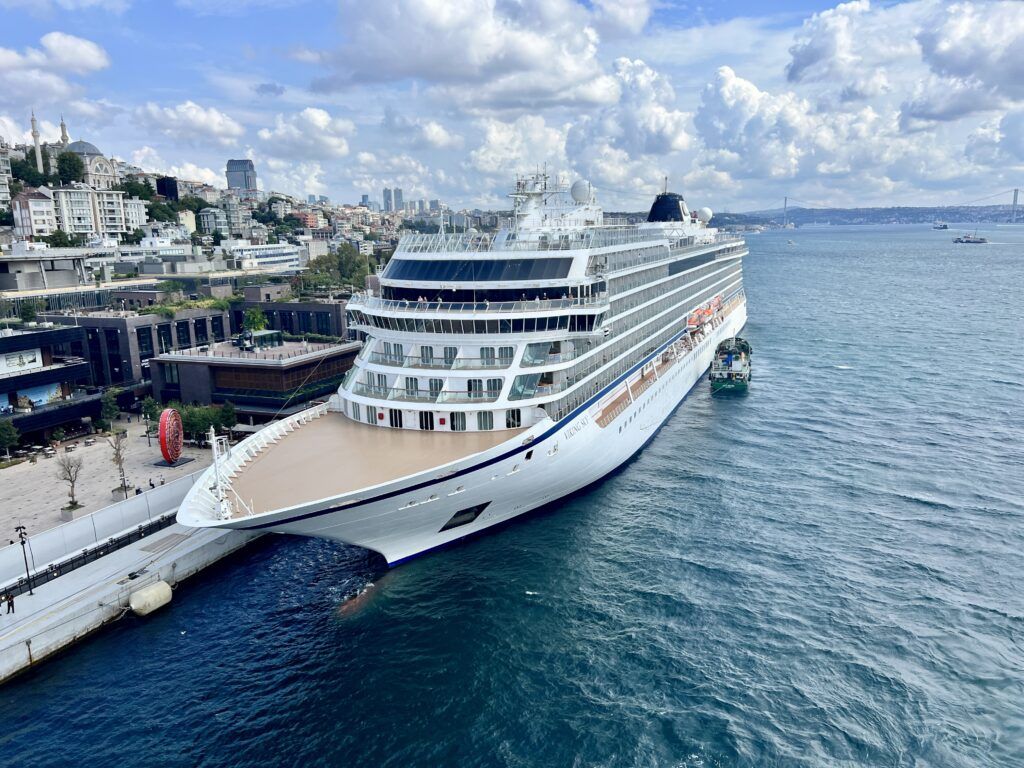
Barcelona and Rome (Civitavecchia) are the two most common embarkation ports for Western Mediterranean sailings. Athens (Piraeus) is the primary hub for Eastern Mediterranean and Greek island itineraries. Lisbon and Southampton are sometimes departure points for repositioning cruises or longer itineraries. Secondary options include Venice/Trieste, Istanbul, Genoa, and Marseille.
Your choice of homeport significantly shapes your cruise vacation. Consider the embarkation city itself as part of the destination decision. Which city would you rather explore before or after your sailing? Consider the logistics as well — flight options from your home, transportation distance to the cruise port, etc.
Of note: some cruise lines, particularly MSC Cruises, allow for embarkation in multiple cities on the same sailing.
Tip #8: The Flight Is a Significant Investment — Plan Around It
Flying to a European embarkation port from the United States or Canada means a transatlantic flight — eight to ten or more hours depending on your departure city and destination. This is fundamentally different from flying to Miami or Fort Lauderdale for a Caribbean cruise, and it changes the math on everything.
The flight cost itself is a significant budget consideration — transatlantic airfare can easily run $1000 to $2,500+ per person depending on timing. Factor the full cost of getting there and back into your cruise budget from the start. You wouldn’t want to book your cruise of a lifetime only to realize it’s too expensive to get there.
The flight time also means jet lag is a real factor that requires a buffer.
Tip #9: Fly In Several Days Early — and Treat the Embarkation City as Part of the Trip
For a Caribbean cruise, flying in the day before is usually sufficient. For a Mediterranean cruise, we strongly recommend arriving at least two to three days (or more) before your embarkation date. Treat that time as an extension of your vacation, not just a logistical buffer.
The reasons stack up quickly. Transatlantic flights are longer and more disruptive when delayed or canceled. Jet lag from crossing multiple time zones takes time to resolve. And most importantly, the embarkation cities — Barcelona, Rome, Athens, Lisbon, Istanbul — are world-class destinations that deserve more than an overnight hotel stay.
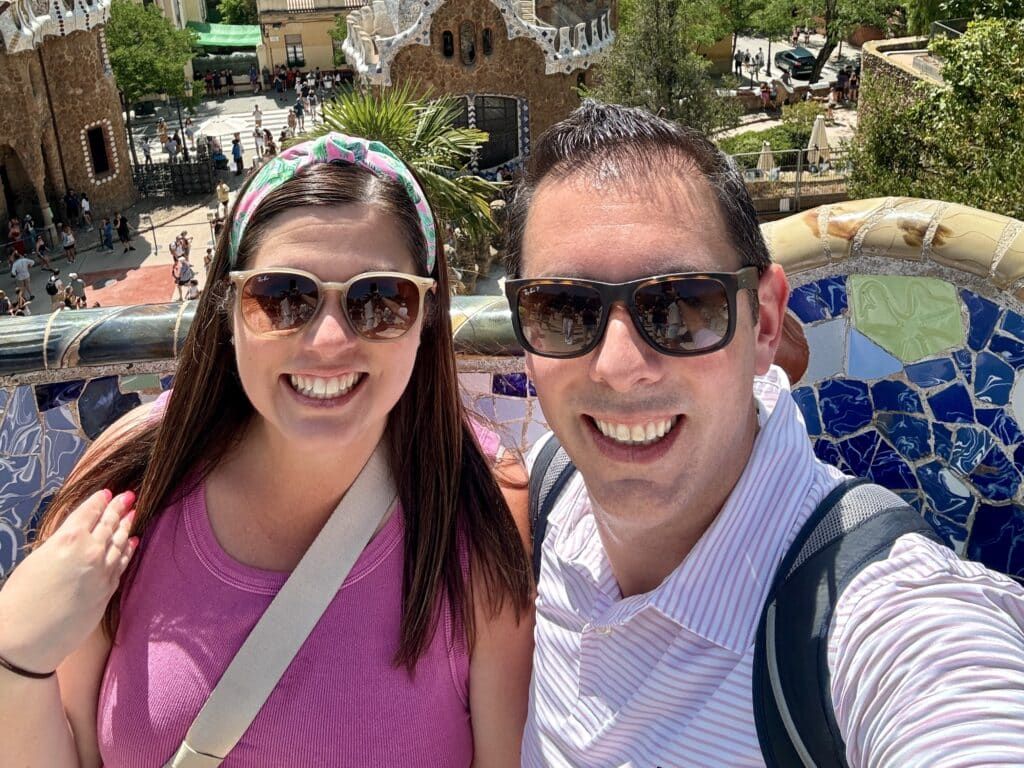
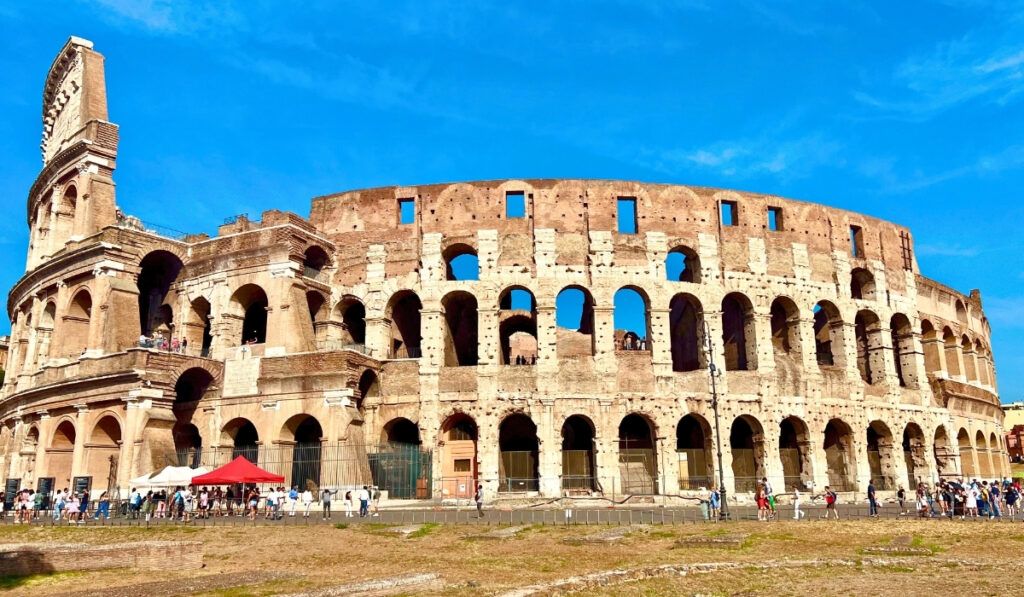
If you are embarking from Rome, spend a few days at the Colosseum, the Vatican, touring the famous squares, and the city’s remarkable food scene. Barcelona offers Sagrada Família, the Gothic Quarter, Park Guell, and some of the best tapas in the world. Athens has the Acropolis and a vibrant modern city beneath it. We have done this on every Mediterranean cruise, and the extra days before embarkation have consistently been among the most memorable parts of the trip.
Tip #10: Book a Return Flight Home With Extra Cushion
Just as you should give yourself buffer time arriving in Europe, give yourself buffer time getting home. Disembarkation in a foreign port, potential customs and immigration considerations, ground transportation to the international airport, and Europe’s new Entry/Exit System (EES) can all tack on significant time.
We recommend not booking a return flight home until the late afternoon. If possible, adding a night in the disembarkation city to decompress before the long flight home is always a bonus.
Tip #11: Understand Your Documentation Requirements
Documentation requirements for a Mediterranean cruise are more complex than a Caribbean sailing, and they may depend on which ports your specific itinerary visits.
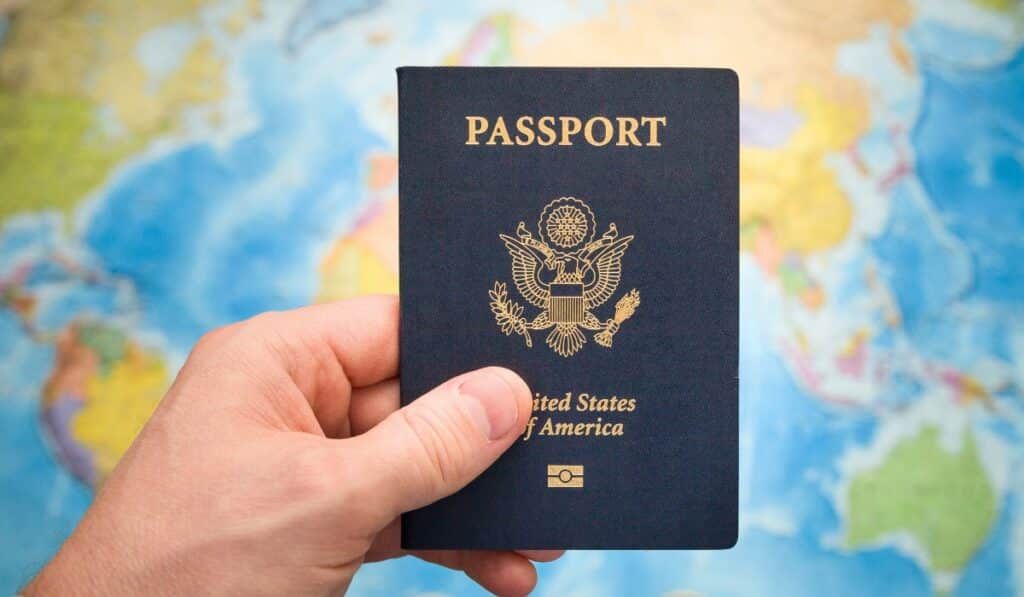
As a given, you’ll need a passport to travel internationally. Unlike a closed-loop Caribbean cruise, you cannot board a Mediterranean cruise without a passport. There is no birth certificate workaround here. Additionally, make sure your passport is valid for at least six months beyond your return date.
U.S. passport holders will also need an ETIAS to travel to most European Union countries as of late 2026. It’s simple to apply, the fee is only about 20 euro, and it’s good for three years or until your passport expires. Americans and Canadians generally do not require visas to visit European countries.
Tip #12: Budget Carefully — Mediterranean Cruises Cost More Than Caribbean Ones
A Mediterranean cruise typically costs more than comparable cruises in other regions. The base fare tends to be higher. Airfare to Europe adds a significant cost. Shore excursions in the Mediterranean — particularly at high-profile historical sites — are often more expensive too. Then, tack on costs for other add-ons like specialty dining, drink packages, WiFi, and gratuities, and soon your budget has doubled from the initial sticker price on the cruise line’s website.
For a seven-night Mediterranean cruise sailing from Europe for a couple, a realistic total budget — including airfare from the U.S., a pre-cruise hotel, the cruise itself, excursions, drinks, gratuities, and incidentals — often runs $7,000-$12,000 or more depending on the time of year, cabin category you choose, and your travel style. Going into the planning process with an accurate number prevents financial stress later.
Tip #13: Complete Online Check-In and Download the App Early
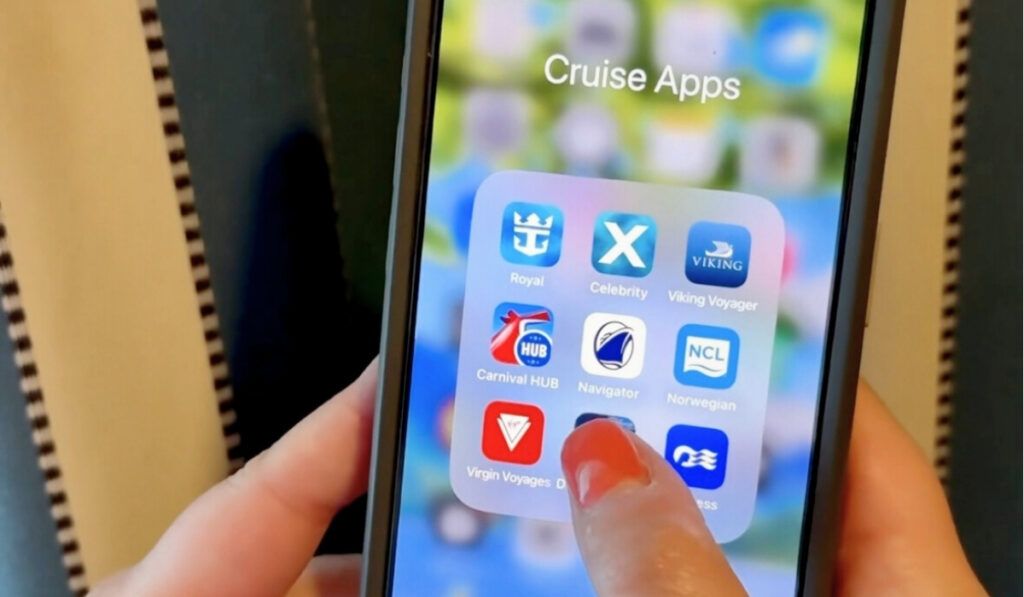
This applies to Mediterranean cruises exactly as it does to any sailing — complete your online check-in as early as the cruise line allows and secure an early boarding time. Doing so before you leave home speeds up your arrival and processing at the cruise terminal significantly.
Downloading the cruise line’s app is equally important. The app works over the ship’s onboard WiFi without requiring a paid internet package, and it serves as your primary tool for everything from viewing daily schedules to checking your onboard account and chatting with other guests. Setting this up on a fast home WiFi connection rather than dealing with it in a foreign country makes the whole process smoother.
Tip #14: The Mediterranean Is Port-Intensive — Plan Accordingly
This is one of the most important things to understand about Mediterranean cruising. A typical seven-night Mediterranean itinerary may have five or six port days and only one or two sea days. On some sailings, you are in a different port every single day. And during these port days, tours can run 6-8 hours or in many cases even longer.
This is thrilling — but it is also genuinely exhausting. You will be spending more time off the ship and on your feet than on almost any other cruise itinerary. Budget your energy accordingly, taking your physical limitations into consideration. Not every port requires a full day excursion. And you don’t need to see every historic site on the map. Intersperse long tours with more casual port days that might include a walk through the city center and a local lunch at a cafe.
Tip #15: Look for Itineraries With Late-Night Stays or Overnights in Port
One of the underappreciated features of Mediterranean cruising is that some itineraries include extended port stays that go well into the evening or even overnight. Late-night departures from ports like Venice, Dubrovnik, or Istanbul are common.
These extended stays are worth seeking out. Seeing Santorini at sunset, wandering the streets of a Mediterranean old town after the crowds are gone, watching Istanbul light up at dusk, and enjoying a romantic dinner or rooftop cocktails after dark — these are experiences you simply cannot have when the ship leaves at 5 PM.
Tip #16: Research Each Port Deeply Before You Go
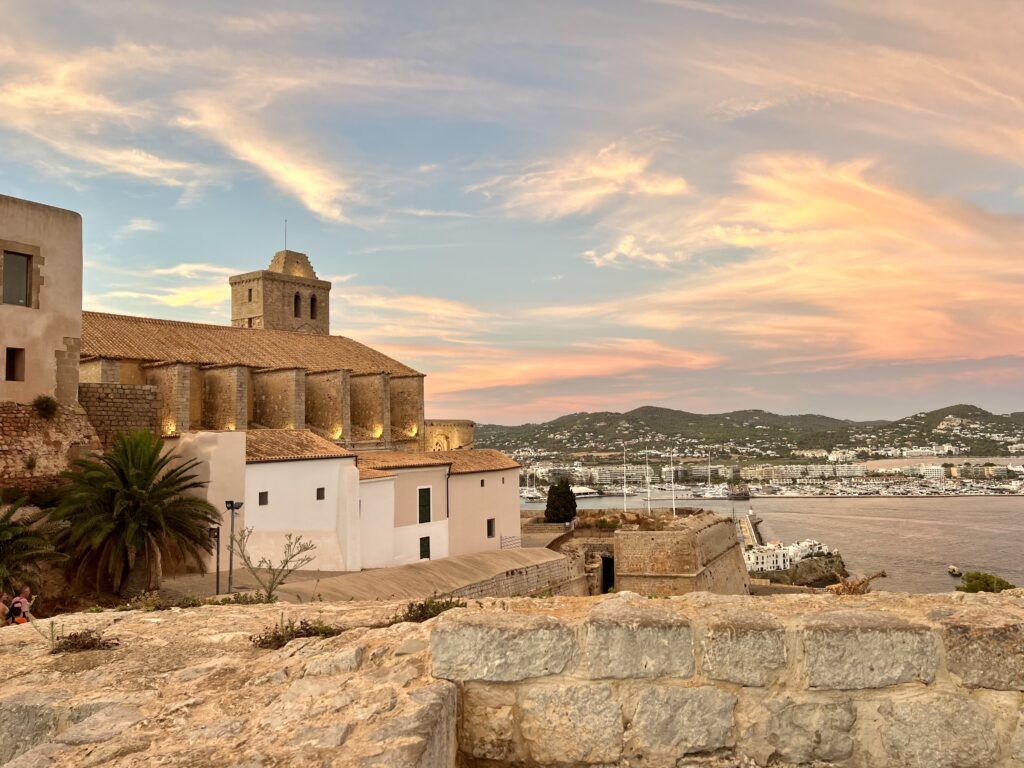
Because the ports are so central to the Mediterranean experience, arriving without a plan is a bigger mistake here than almost anywhere else. Each port has its own logistics, highlight attractions, and potential pitfalls.
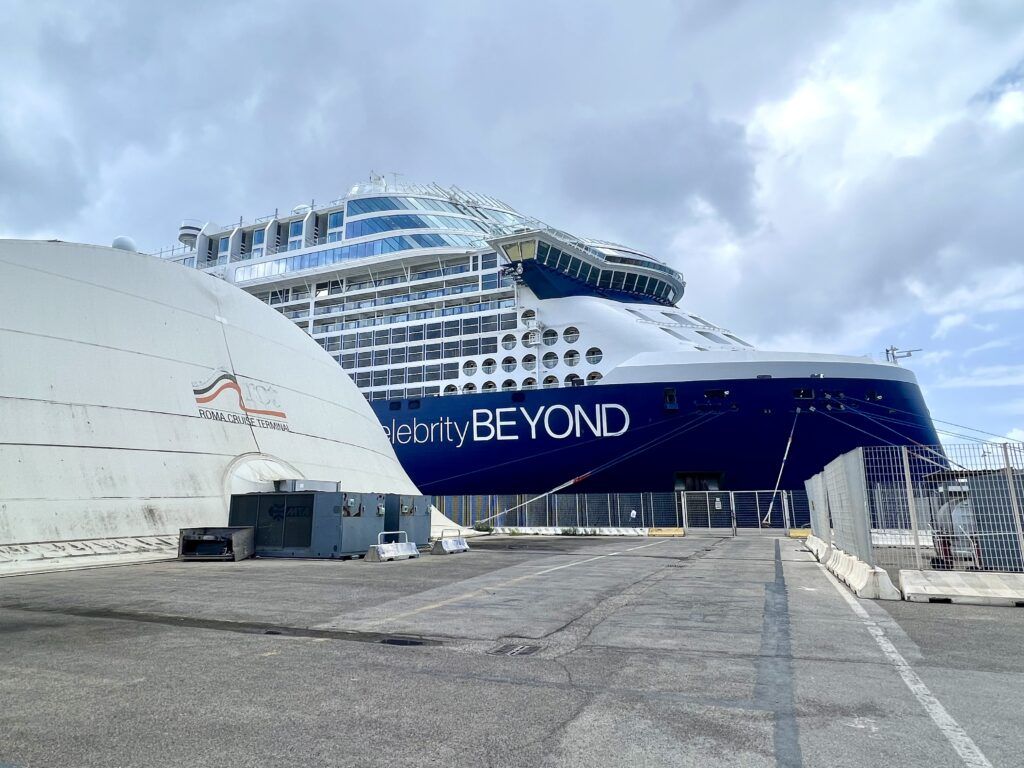
Sometimes ships dock close to the main attractions, and other times it takes an hour or more to reach them (as is the case with travel from Civitavecchia into the city of Rome). Sometimes ships dock at working industrial terminals — cargo ports that happen to accommodate cruise ships — where you will need a shuttle bus or taxi to reach the actual town or city center. This is more common in the Mediterranean than many first-timers expect, and it eats into your port time if you are not accounting for it. Some ports require tendering — meaning you take a small boat from the ship to shore — which adds time and requires planning.
For each port on your itinerary, know in advance: How far is the pier from town? Is there a shuttle, and what does it cost? What are the must-see attractions? How much time do you have to explore? What is the best way to get around? Doing this research at home rather than once you arrive saves you time, money, and frustration ashore.

Tip #17: Book Shore Excursions Early — Especially for Bucket-List Sites
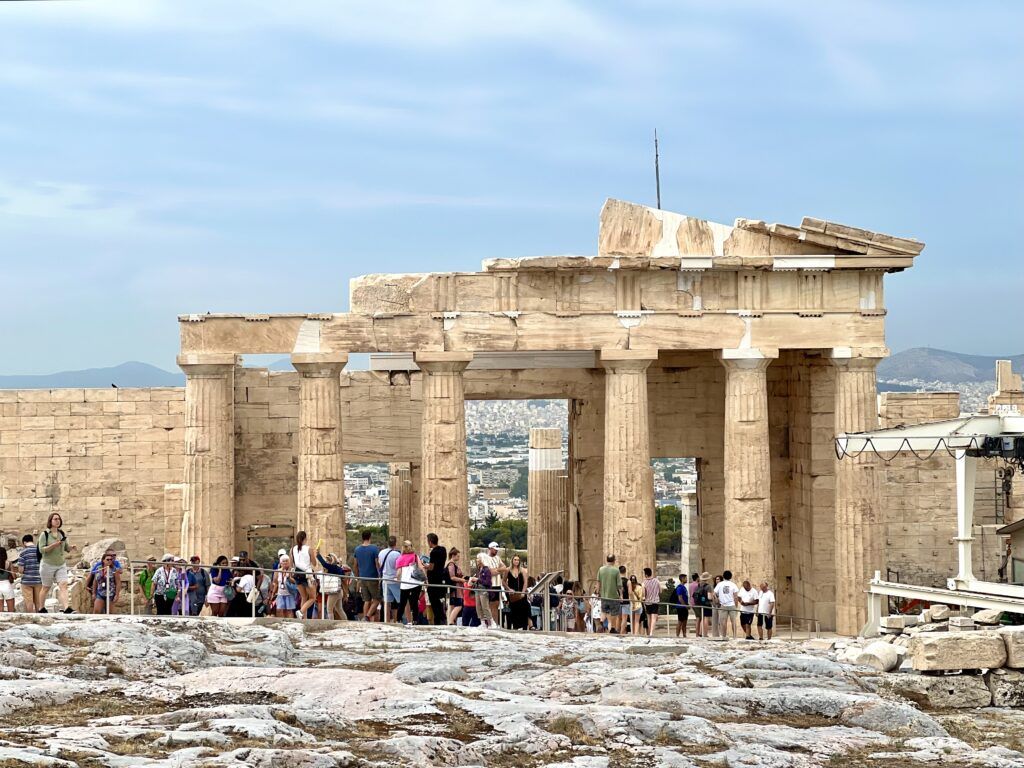
The iconic sites of the Mediterranean — the Colosseum or the Vatican in Rome, the Acropolis in Athens, the ruins of Pompeii, and Sagrada Familia in Barcelona— require tickets (sometimes timed entry) and have limited capacity. They often sell out well in advance, particularly during peak summer months. Or, you’ll waste precious time in long lines attempting to purchase these tickets once you arrive.
If you are planning to visit any of these sites, book your excursions or tickets (if you’re planning a DIY day) as soon as they become available — often months before your sailing date. Waiting until you are onboard to sort out shore excursions and tickets is a risk we would not take in the Mediterranean specifically.
Tip #18: Know When to Book Through the Cruise Line and When Not To
The cruise line guarantee — the ship will wait if a shore excursion runs late — has real value in the Mediterranean where traffic, long distances from ports to attractions, and overcrowded sites can all delay your schedule.
That said, third-party operators like Shore Excursions Group are reliable options with a return-to-ship guarantee similar to the cruise line’s. These tours can be cheaper and offer smaller group sizes as well.
Independent bookings with local guides or do-it-yourself exploration — particularly for cities where you have been before and know the logistics — can be great options too. We recommend this only when the major attractions are close to the ship or you have plenty of buffer time.
Tip #19: Consider Hiring a Private Guide
For ports with multiple sites or lots that you want to accomplish during a single day, a private tour may be one of the best investments you can make. You will get context and depth that a group excursion simply cannot provide, access to skip-the-line entrances that save you time, and the flexibility to linger or move on based on your own interests.
While the sticker price can look a bit steep for a private tour, once you start splitting it across at least four people, the per-person cost often becomes manageable.
Tip #20: Watch Your Time Carefully — The Ship Will Not Wait
This applies to every cruise, but it is worth emphasizing for the Mediterranean specifically. Port days are full-day affairs, sites are farther from the pier, and traffic in cities like Rome and Barcelona can be brutal.
Always build buffer time into your port day schedule — and aim to be back at the ship earlier than you think you need to be. If the all aboard time is 5 PM, aim to be back by 3:30-4 PM at the latest. That cushion can save you from a very stressful ending to an otherwise great day. It’s also a good idea to set a phone alarm for the designated time you want to start your return to the ship. It’s easy to get caught up in the moment and lose track of time.
One specific caution: your phone may automatically switch to local time when you arrive in a new country, which may differ from ship time. Confirm “ship time” before you go ashore and turn off automatic time zone updates to avoid any confusion.
Tip #21: Be Aware of Pickpockets
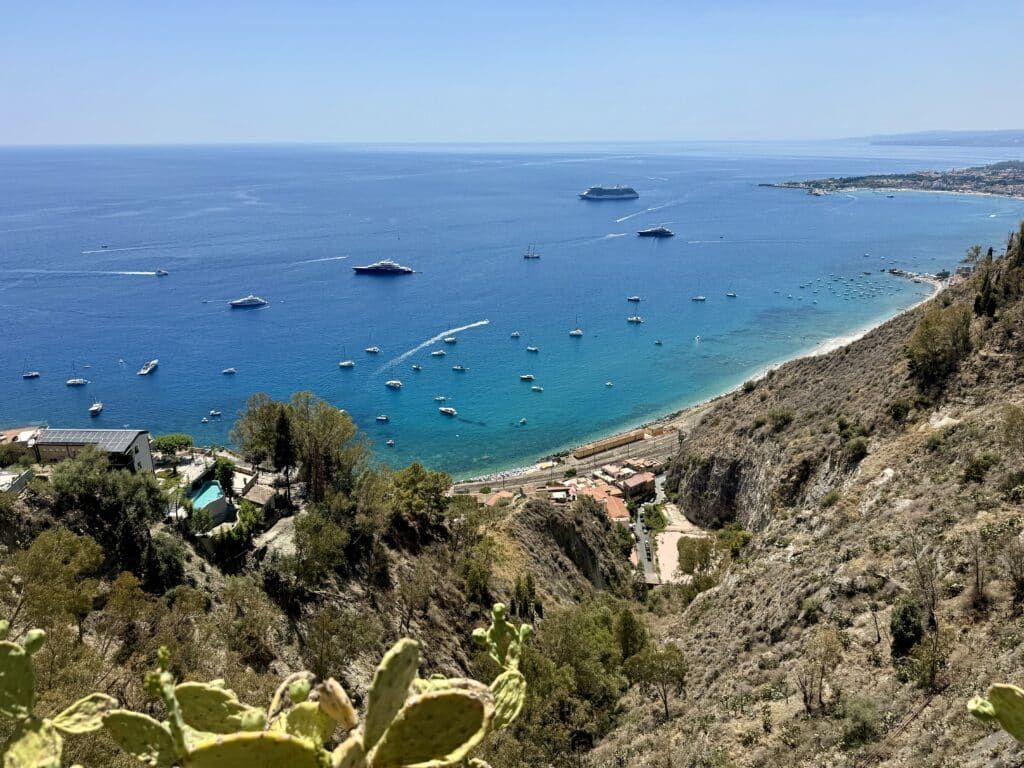
The Mediterranean’s most popular tourist ports are also among the most active areas for pickpocketing in Europe. Crowded markets, popular attractions, and public transit are all environments where opportunistic theft is common, and tourists are the primary target.
A few simple precautions go a long way. Use a crossbody bag that keeps in front of you or a backpack with anti-theft zippers. Keep your phone and wallet in a front pocket or secured in your bag. Do not carry more cash than you need for the day. Leave your passport (and other valuables) on the ship in the cabin safe and carry a photo of it on your phone instead, unless otherwise noted by the cruise line. Be especially alert in crowded areas where someone brushing past you may not be accidental.
Tip #22: Book a Balcony Cabin
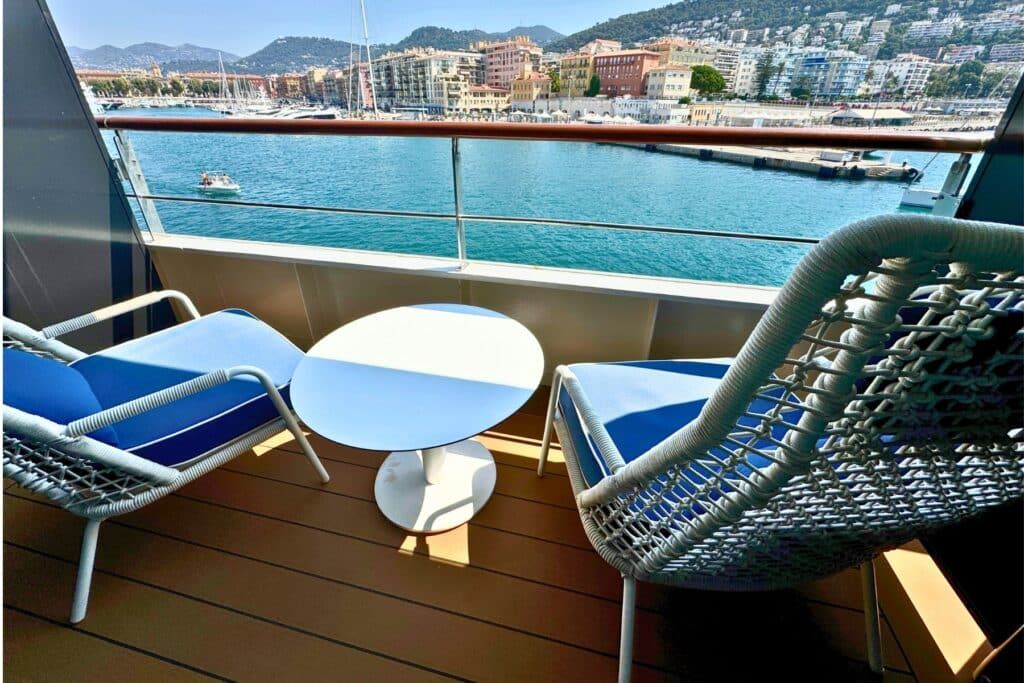
On a Caribbean cruise, an inside cabin is a legitimate money-saving strategy. The Mediterranean is entirely different with scenic views at every glance.
Arriving into Santorini through the volcanic caldera, gliding past the walls of Dubrovnik, entering the Bosphorus with Istanbul emerging on both sides, or cruising the rugged coastline of the Amalfi Coast — these are moments that are genuinely spectacular from a private balcony. A balcony also gives you a quiet outdoor space to decompress after long days of sightseeing. Imagine this: watching the scenery while sipping an Aperol Spritz in between getting ready for your evening onboard the ship. How can you say no to that?
Tip #23: Use Cabin Hacks to Stay Organized
Cruise cabins are compact spaces that require some creativity to keep organized. A few simple items make a significant difference.
Magnetic hooks are perhaps the single best cabin hack in cruising. The walls of your stateroom are metal, meaning strong magnetic hooks attach instantly without any damage. Use them to hang wet bathing suits, day bags, hats, and anything else you do not want cluttering your limited closet space. An over-the-door shoe organizer — hung with magnets on the cabin wall — is equally useful, providing pockets for toiletries, sunscreen, chargers, sunglasses, and the dozens of small items that tend to take over every surface. Both pack flat, weigh almost nothing, and make a noticeable difference in how livable your cabin feels for the week.
Tip #24: Choose Flexible Dining Options
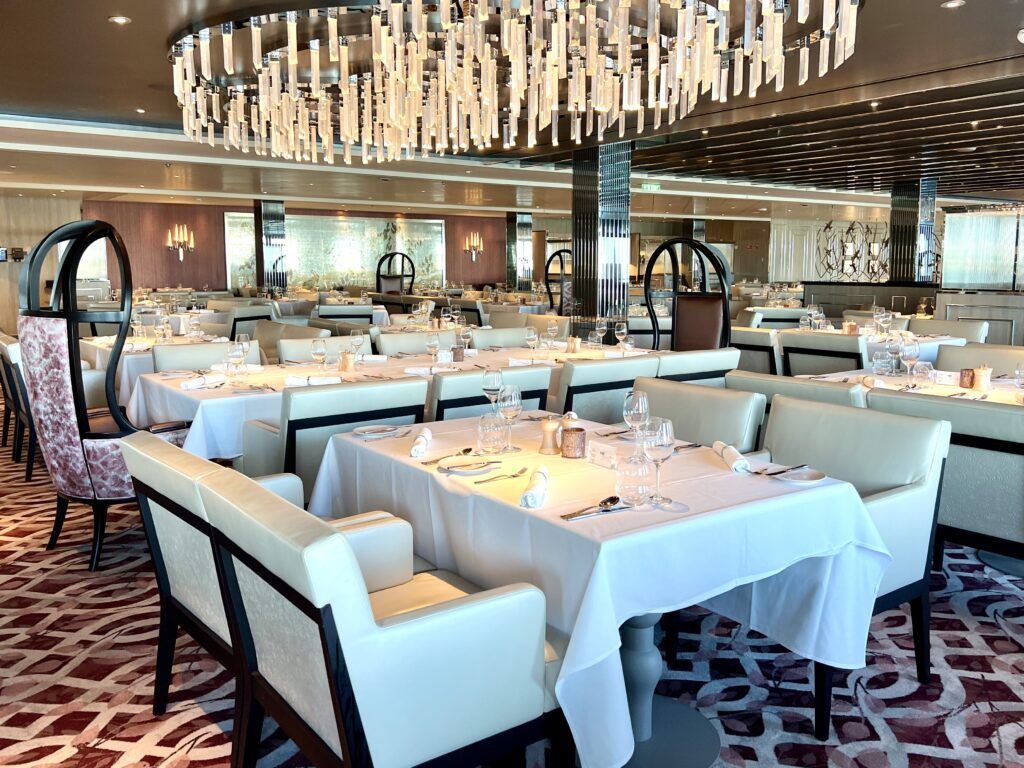
Mediterranean port days are long and sometimes unpredictable. That has real implications for dinner — if your ship has a fixed early seating at 6 PM and you are just getting back to the ship at 5:30 PM after a full day of sightseeing, the last thing you want to do is rush to get ready for dinner.
When possible, opt for flexible dining rather than traditonal seatings. Or, plan for a later reservation at a specialty restaurant on the evenings where you know you’ll miss dinner. Most cruise lines also have a fully-stocked buffet and various other casual dining options open for dinner as well.
Tip #25: Drink Packages Work Differently on a Mediterranean Cruise
A drink package is worth running the numbers on before any cruise, but the Mediterranean changes the calculation. On a Caribbean sailing with multiple sea days, a package can pay for itself quickly — you’re lounging by the pool, the drinks are flowing, and the math works in your favor. The Mediterranean is a different story. On a port-intensive itinerary, you are off the ship for most of the day — and perhaps drinking locally.
If your sailing has a few sea days or you tend to drink 5+ alcoholic beverages in the evening onboard, a package may still make sense. But for many people, it does not. Also consider that most major lines require all adults in a cabin to purchase the package if one person does.
Tip #26: Pack for Both the Ship and the Shore
Mediterranean packing is different from Caribbean packing in a few important ways. Many religious sites require covered shoulders and knees for entry, meaning you’ll need more than beach attire. You will be covering significant ground on foot every single port day, navigating cobblestone streets, climbing ancient stone steps, and tackling steep inclines. And Europe in the summer can be hot, very hot!
Pack versatile clothing that transitions between active sightseeing, casual dining, and ship evenings. Lightweight, moisture-wicking, and wrinkle-resistant fabrics are your best friend. Comfortable, well-broken-in walking shoes are non-negotiable. Flip-flops are fine for the ship but will not serve you ashore. You might also want to bring a dressier outfit if you’re planning any specialty dining on the ship.
Also bring a small day bag for port days stocked with your essentials: a refillable water bottle, sunscreen, phone charger, and any medication. Staying hydrated in Mediterranean heat is crucial.
Tip #27: Know What Not to Bring
Some prohibited items on cruise ships are obvious — weapons, illegal substances, and pets. Others catch first-time cruisers off guard. Clothes irons and steamers are not allowed on any cruise ship. Candles, hot plates, and electric kettles are also prohibited. Traditional surge protectors are banned, though some cruise-approved power outlets are permitted.
Most cruise lines allow passengers to bring two 750ml bottles of wine per cabin onboard in their carry-on luggage, but no other alcohol. Attempting to sneak spirits onboard rarely works — and getting caught can result in confiscation or worse. Know the rules before you pack.
Tip #28: Sort Out Your Connectivity Before You Leave Home
Cell coverage and onboard WiFi are two separate decisions worth thinking through before your Mediterranean cruise.
For international cell coverage, check with your carrier before you leave. Most major U.S. carriers now include international data in Mediterranean destinations either as part of your plan or with the purchase of affordable daily international passes. Knowing what you have (and what it costs) before you land avoids any unpleasant surprises.
For staying connected onboard, decide whether a ship WiFi package is worth it for your travel style. If you need to check in with work, stay active on social media, or simply want reliable connectivity between ports, it is worth purchasing — ideally through the cruise planner before you sail when it is typically discounted. If you are happy to disconnect at sea, skip it entirely.
Regardless of your data situation, download Google Maps offline for each port city and grab a translation app like Google Translate before you leave home.
Tip #29: Manage Your Cash and Cards Before You Leave
Credit cards are widely accepted throughout the Mediterranean — restaurants, shops, and most attractions in major port cities will have no problem taking plastic. That said, you will want to have euros on hand before you arrive. Local markets, small cafés, and street vendors tend to be cash-only situations, and ATMs in port areas are not always convenient or reliable. You will also want euros on hand for tipping tour guides and bus drivers during your shore excursions. Picking up euros at your local bank before you leave home is the best approach.
Another important step before you leave: notify your credit card company of your travel dates and destinations. Many banks will flag foreign charges as suspicious and freeze your card without warning. A quick call or online notification before you depart takes five minutes and prevents a very stressful situation once abroad.
Tip #30: Bring Coins for Public Restrooms
This one sounds minor until you need a restroom and have nothing but a credit card and a twenty-euro note. Public restrooms throughout Europe — at attractions, in port areas, and in many towns — commonly charge a small fee, typically €0.50 to €1.00. Attendants rarely make change, and card readers are not always available.
Before you leave the ship each morning, tuck a handful of small coins into your day bag. You might want to toss some tissues or wipes in too just in case there’s no toilet paper.
Tip #31: The Mediterranean Is More Than Just Ancient History
The historical sites of the Mediterranean are world-class and absolutely worth your time. But limiting your experience to history and ruins means missing a lot of what makes this region extraordinary.
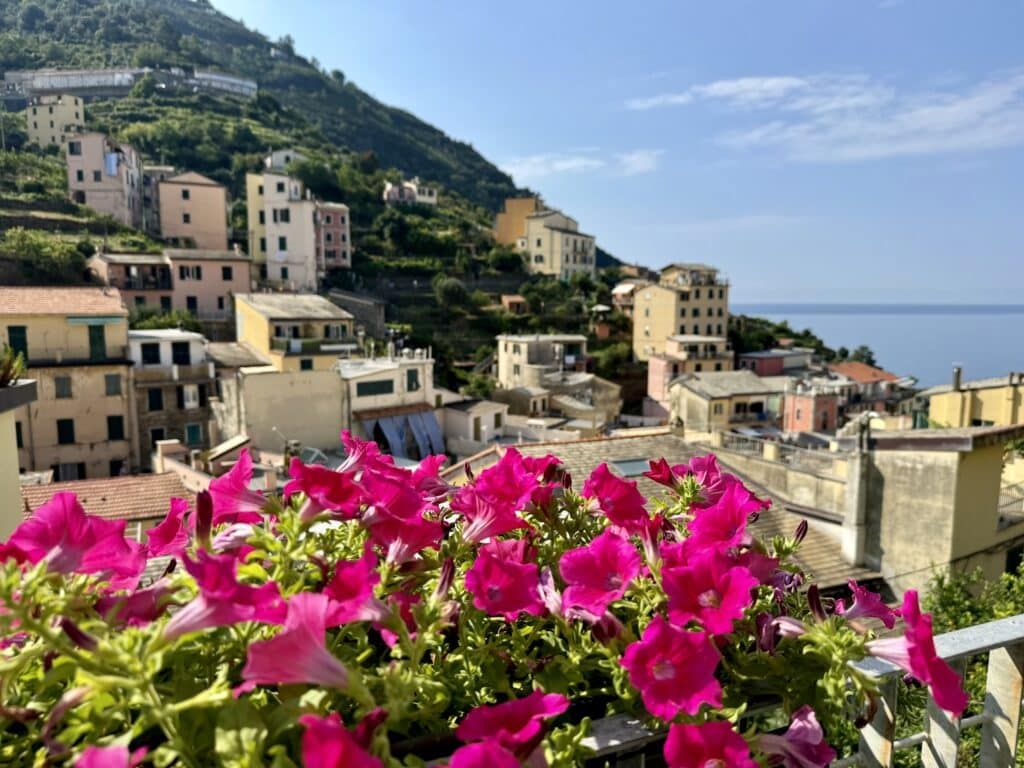
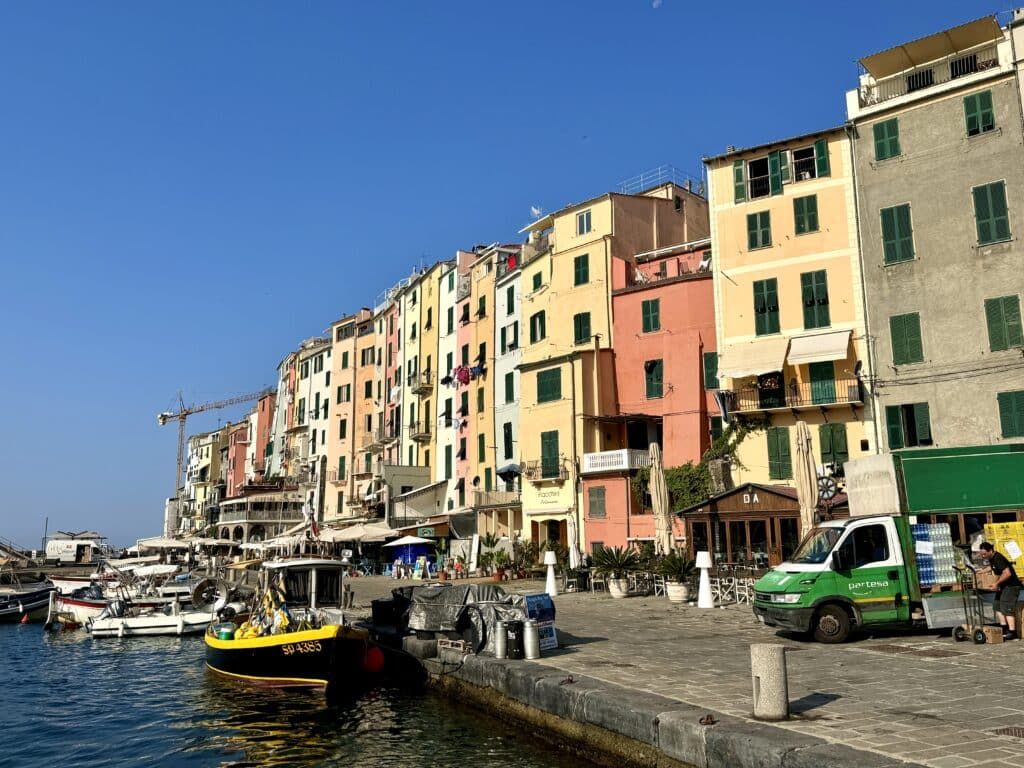
Food and drink are central to the Mediterranean experience — the local markets of Barcelona’s La Boqueria, lunch with local wine in the Provençal countryside, fresh pasta in the hills above the Italian Riviera, or mezze in a Greek taverna overlooking the sea. One of the best ways to experience the local food and drinks is to book a food tour where a local guide takes you through markets, family-run shops, and neighborhood restaurants that you would never find on your own.
The coastal scenery and Mediterranean beach days shouldn’t be overlooked either. These types of excursions can be a nice change of pace from the other long days of sightseeing.
Tip #32: Don’t Try to See Everything
The Mediterranean is one of those destinations where the temptation to overdo it is very real. Five or six port days in a row, each packed with world-class sites, can leave you more exhausted than refreshed if you try to maximize every single day. Take a port day where you skip the organized tour, find a café in the old town, order a bottle of local wine, and just watch the world go by.
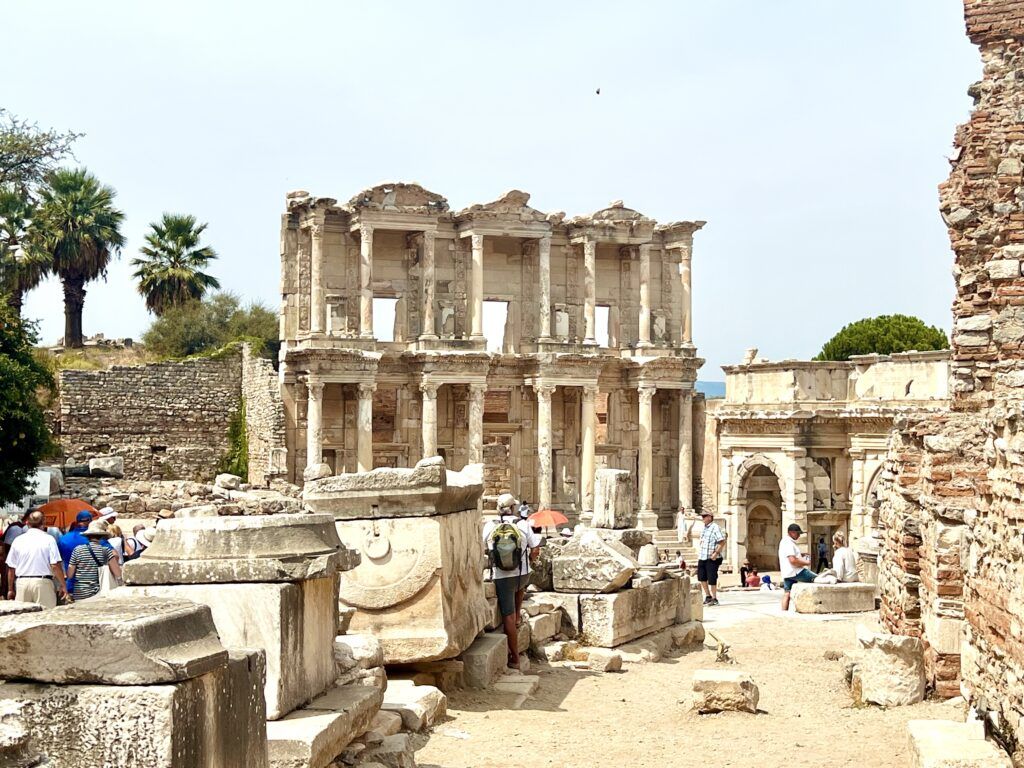
Trust us — we visited the Colosseum, Acropolis, Ephesus, and Pompeii all in the same trip and were completely exhausted (and sick) by the end of the cruise.
Tip #33: Take Advantage of Sea Days
Mediterranean itineraries tend to be light on sea days compared to Caribbean sailings, which makes the sea days you do have feel particularly valuable. Remember where we said skip the ships that feel like floating cities themselves? Here’s why. Without the urge to want to ride the waterslides, play a round of mini-golf, go head-to-head on the go-karts, or walk the plank over the open ocean, you can actually use your sea days to catch up on sleep, rejuvenate in the spa, or relax with a good book poolside.
On Mediterranean cruises, sea days are a wonderful opportunity to recharge before the next string of ports. So, take advantage of them!
Tip #34: Consider a Repositioning Cruise for Exceptional Value
Repositioning cruises — sailings where a ship moves from one deployment region to another, typically in spring or fall — offer some of the best value in cruising. Transatlantic cruises that cross from a U.S. port to a European one in April or May, or return in October or November, often include several days at sea followed by two to four European port calls — at rates significantly lower than a standard Mediterranean sailing.
The tradeoff is a one-way itinerary, which requires flying home from the end point. But if you pair a repositioning crossing with a few days in Europe, the math often works out in your favor compared to a peak-season Mediterranean sailing plus a transatlantic flight. Not to mention, you get a longer vacation!

Tip #35: A Mediterranean Cruise Is Not a One-and-Done Experience
Perhaps more than any other cruise region, the Mediterranean is not a one-and-done destination. The Eastern and Western Mediterranean are entirely different experiences. A Greek island-focused itinerary is nothing like a Spanish and French Riviera sailing. The Black Sea, the Adriatic, the Canary Islands, the coast of North Africa — the region keeps unfolding the more you explore it.
If your first Mediterranean cruise leaves you wanting to go back, you’ll never run out of things to see and do.
Comments
Have you taken a Mediterranean cruise? What are your best Mediterranean cruise tips? Drop us an anchor below to share what you’ve learned over your cruising history.