

 Don Bucolo
For many, taking an Alaska cruise is a bucket list trip. Heidi and I have been sailing to Alaska since 2014, completing seven Alaska cruises across different cruise lines, itineraries, and seasons. Over these years, we’ve learned quite a bit about traveling “way up north” – from the best times to see wildlife and avoid crowds, to which itineraries offer the most bang for your buck.
Whether you’re a seasoned cruiser planning your first Alaska adventure, or this is your very first cruise, we’ve put together 45+ expert Alaska cruise tips to ensure your cruise is smooth sailing. From choosing the right ship and booking strategies to packing essentials and shore excursion advice, this comprehensive guide covers everything you need to know for an unforgettable Alaska cruise.
Table of Contents:
- Picking the Right Alaska Cruise (Tips 1-9)
- Knowing When to Cruise to Alaska (Tips 10-14)
- Tips for Booking Your Alaska Cruise (Tips 15-21)
- Making the Most of Your Alaska Cruise (Tips 22-30)
- Alaska Cruise Packing Tips (Tips 31-38)
- Alaska Shore Excursion Tips (Tips 39-45)
- Bonus Tip (Tip 46)
Picking the Right Alaska Cruise
So where do you start? The foundation of any great Alaska cruise is picking the right combination of cruise line, ship, and itinerary.
Tip #1: Choose a Cruise Line That Fits Your Travel Style
Almost all major cruise lines now sail to Alaska. So, if you are already loyal to a particular brand, then you can probably find a ship offering an itinerary that suits you.
If you are new to cruising, it might be overwhelming trying to decide between cruise lines and cruise ships. Several lines claim they are the “best in Alaska“. Honestly, there is no one best Alaska cruise line or cruise ship. It really depends on your travel party, what you want to do and see, and what ship amenities are important to you. You’ll also want to consider ship size and how a small ship vs. large ship experience will differ.
Brands like Norwegian Cruise Line and Royal Caribbean offer more diversity for multi-generational families. Carnival Cruise Line and Disney Cruise Line are also popular choices for family cruises to Alaska.
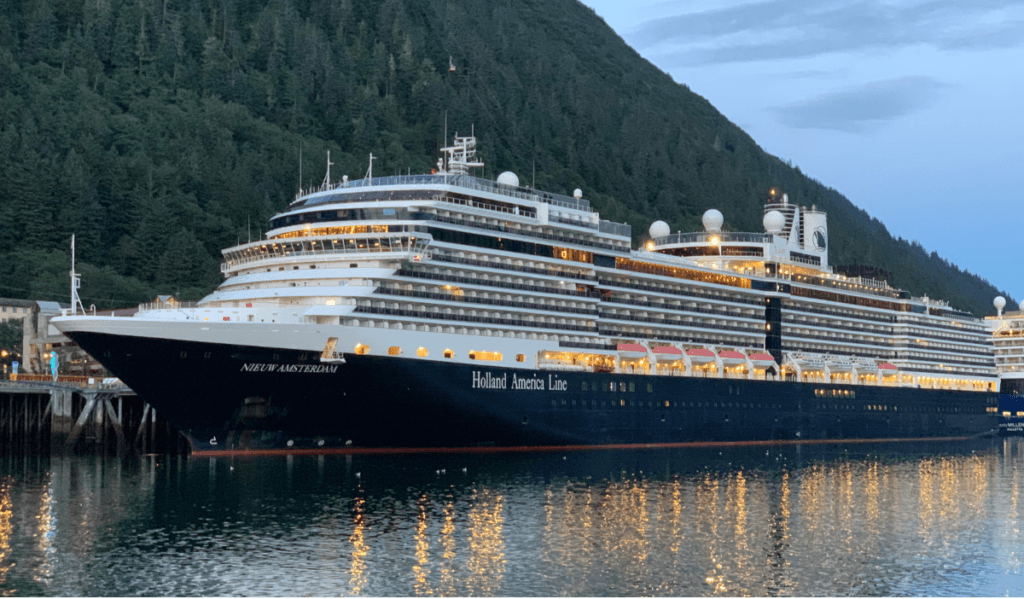
Couples may want to consider Princess Cruises, Celebrity Cruises, or Holland America Line. In fact, Princess Cruises and Holland America have been sailing in Alaska the longest and generally have the most ships in the region.
There are also luxury cruise lines and expedition cruise ships with sometimes fewer than 100 passengers giving cruisers a completely unique experience.
Tip #2: Consider Departure Port
Your departure port significantly impacts both the logistics and cost of your Alaska cruise. The four main embarkation cities are Seattle, Vancouver, Seward (via Anchorage), and Whittier (via Anchorage), each offering different advantages. Some unique itineraries also depart from San Francisco.
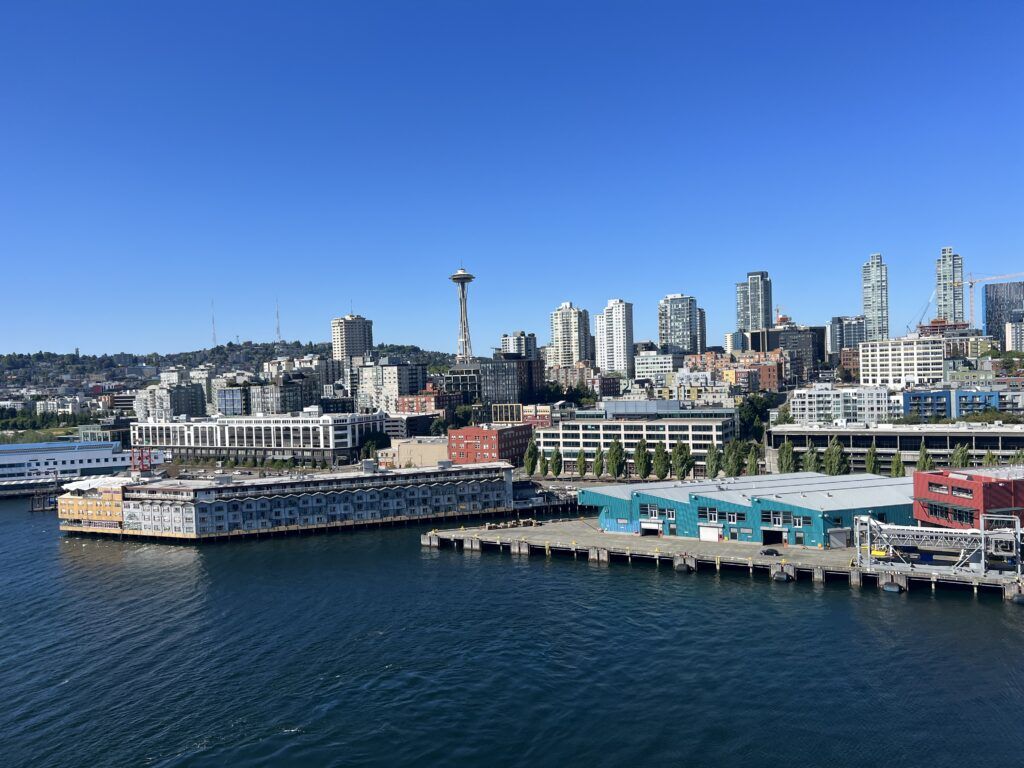
Seattle is the most convenient option for most Americans. It offers abundant domestic flight options, often at lower prices. Additionally, U.S. citizens don’t need a passport for roundtrip Seattle sailings (though we still highly recommend bringing one). The downside is that ships departing from Seattle must cross some open water before reaching Alaska’s protected Inside Passage.
Vancouver provides the most scenic departure, as ships enter the Inside Passage immediately. The city itself is spectacular and worth exploring pre-cruise. However, all passengers need passports for Vancouver departures, and flights from the eastern U.S. can be more expensive or require connections.
Seward and Whittier serve as ports for one-way itineraries. Both require flying into Anchorage (2-3 hours away), which often means higher airfare, extended travel time, and additional ground transportation.
Consider your home location, flight costs, and whether you want the convenience of a U.S. departure port when making your decision.
Tip #3: Choose Between One-Way or Roundtrip Routes
Taking an Alaska cruise is really about the destination. So, perhaps the most important thing you need to decide on is the itinerary.
Cruisers basically have two main options when it comes to itineraries. One-way cruises begin and end at a different port. Or, roundtrip cruises begin and end at the same homeport. We have sailed both types of itineraries, and there are pros and cons of each route. So, decide what is most important to you and review itineraries closely.
The most common Alaska cruises are seven days in length and are roundtrip sailings departing from either Seattle, Washington or Vancouver, British Columbia.
There are more options for roundtrip cruises, and they are easier to plan. But, they typically visit less destinations as they can’t go as far north. However, these itineraries tend to have more family-friendly ships with all the bells and whistles.
Generally, one-way sailings are from Seward or Whittier, Alaska to Vancouver, BC (or vice versa) on Northbound or Southbound routes. One-way sailings may visit more ports of call, but between airfare costs and the additional travel days that may be needed, these cruises can cost more money and be more difficult to plan. Also, these sailings tend to be on older, smaller ships.
Tip #4: Understand Glacier Viewing Options
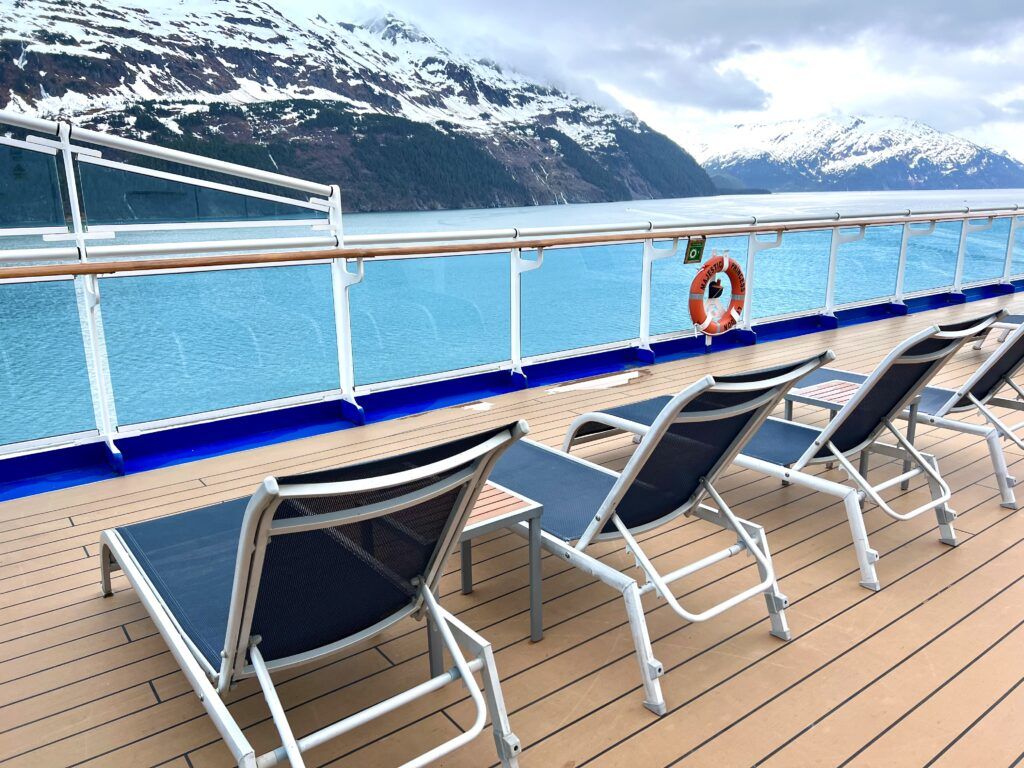
Odds are you are going to Alaska to see some glaciers. Depending on the itinerary you pick, most cruise ships will offer scenic cruising at least one day. There are a variety of glaciers that ships can visit during the sailing.
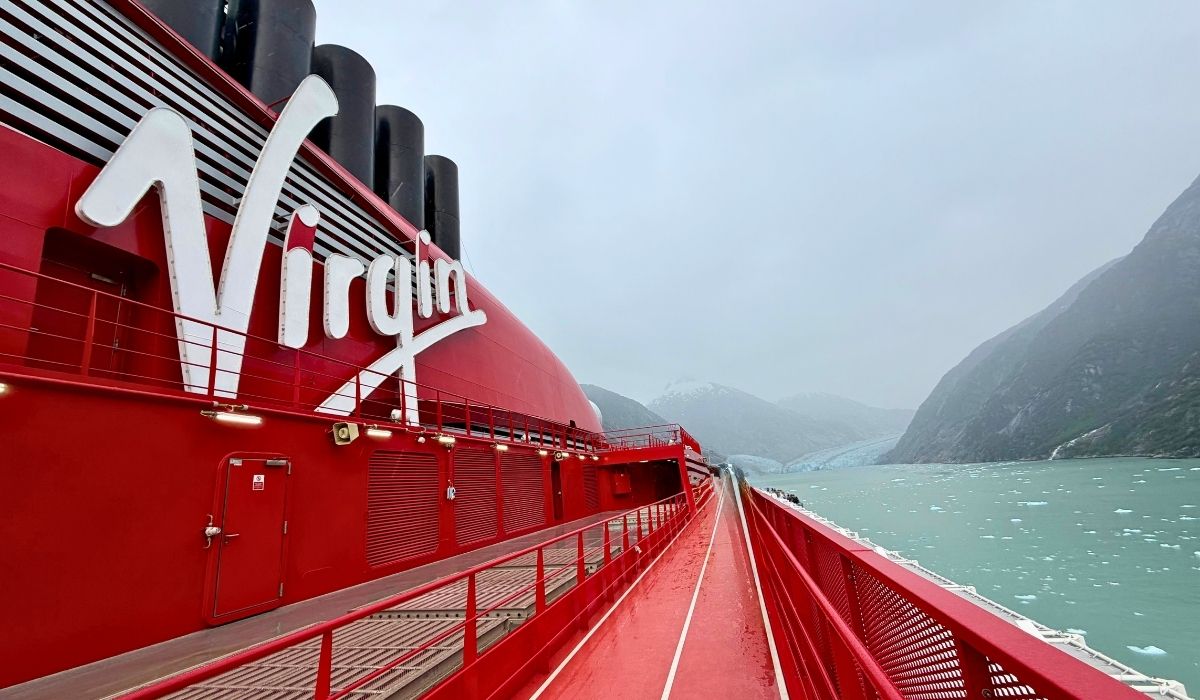
Perhaps the two most popular glacier cruising spots are Hubbard Glacier and Glacier Bay National Park. You should know the differences before picking your cruise itinerary. There are others too, like the Dawes Glacier or the Sawyer Glacier.
Again, we have cruised itineraries that have visited many of these popular viewing spots.
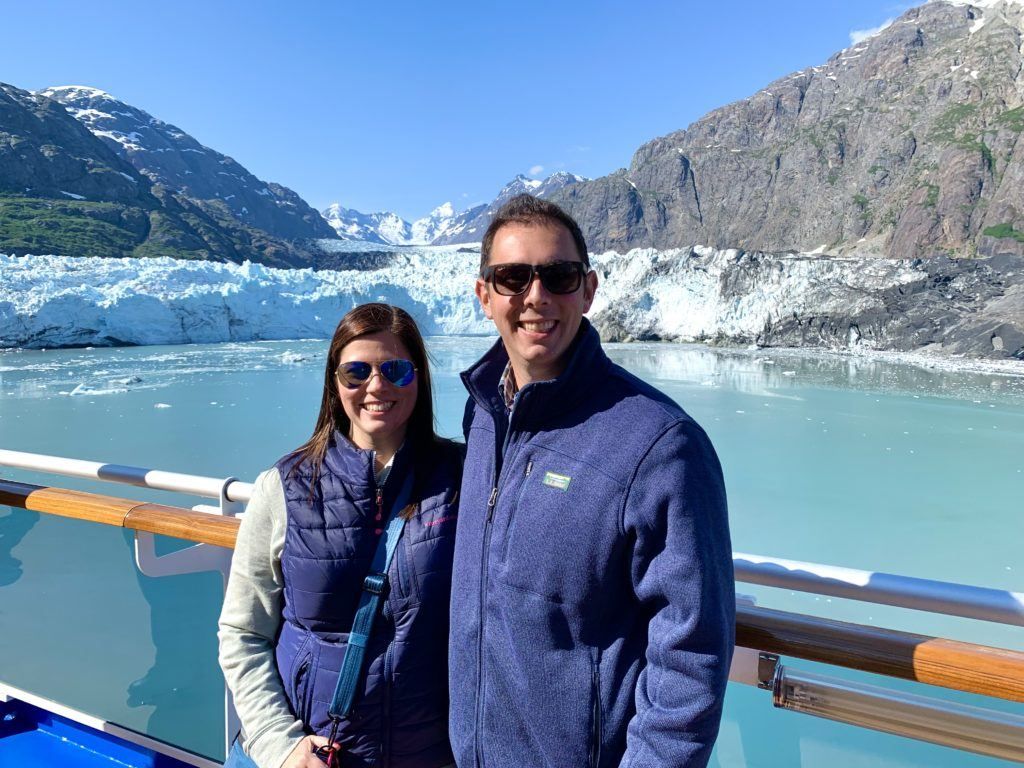
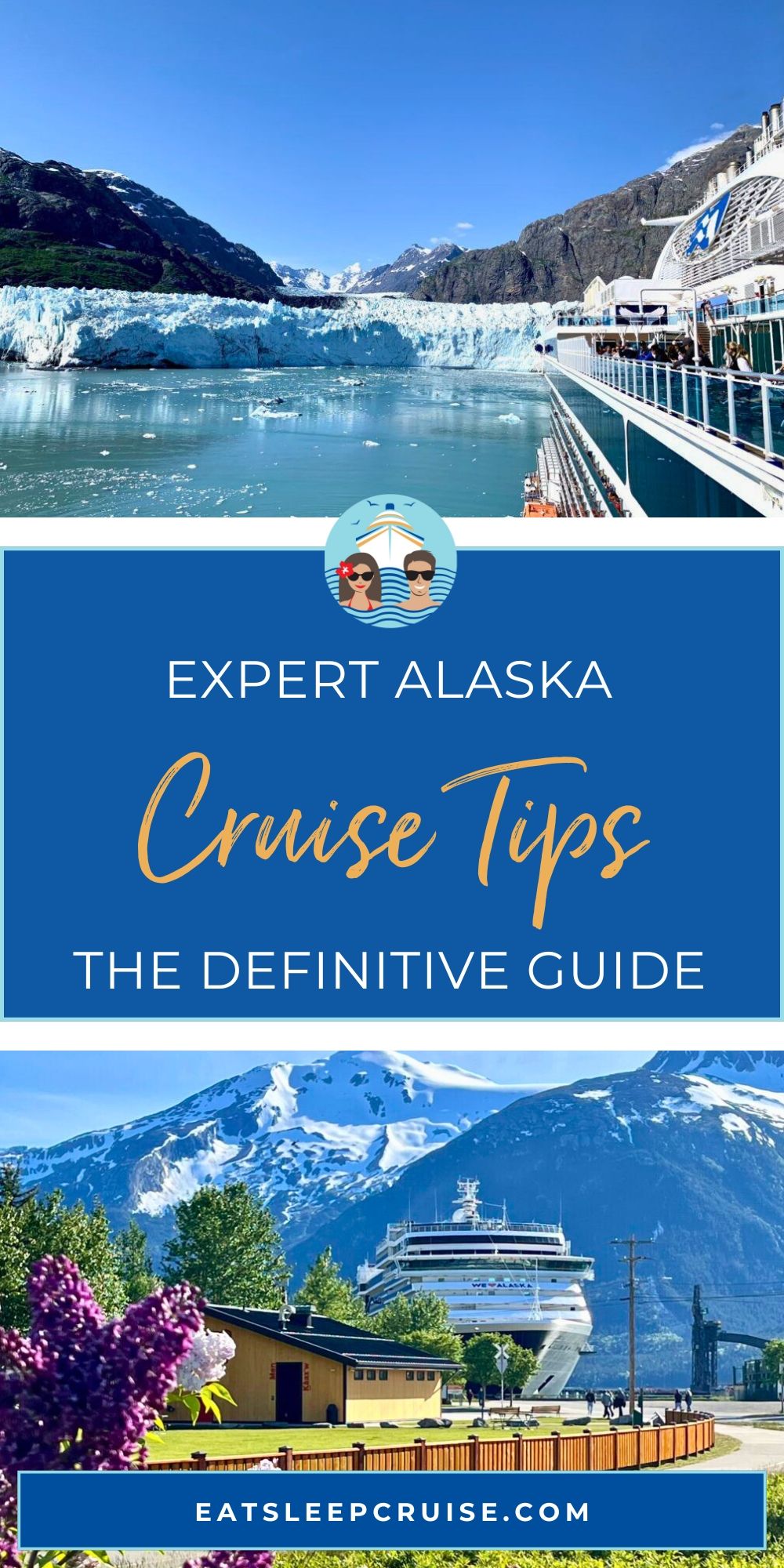
If you are a first time cruiser to Alaska, we suggest picking a traditional 7-day roundtrip cruise that stops at Glacier Bay National Park. While you can’t go wrong with any glacier viewing opportunities, Glacier Bay affords the opportunity to see multiple glaciers over the course of several hours. There’s also an educational component that involves park rangers coming aboard the cruise ship to provide lectures and narrations.
It is important to know that not all cruise lines have permits to sail in Glacier Bay National Park. You’ll likely only find scenic sailing in Glacier Bay on itineraries from Princess, Holland America, and Norwegian Cruise Line.
Tip #5: Compare Port Time in Each Destination
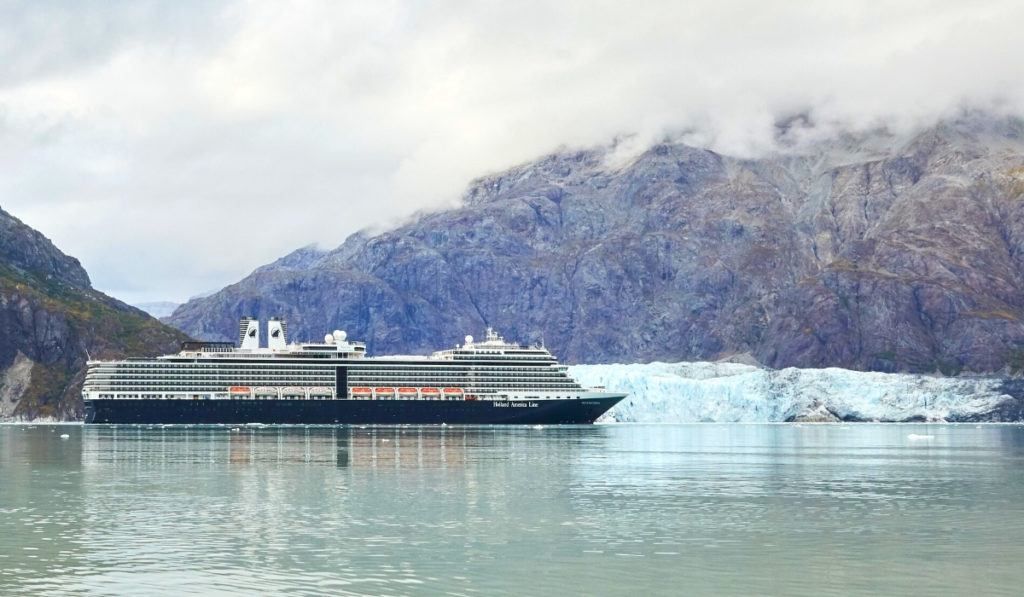
Not all 7-day Alaska cruise itineraries are created equal, even when they visit the same ports. The amount of time your ship spends in each destination can vary dramatically between cruise lines, ships, and specific sailings, significantly impacting your experience.
For example, one cruise might offer 12 hours in Juneau (8 AM to 8 PM), giving you ample time for a morning whale watching excursion and afternoon exploration of downtown. But another cruise visiting the same port might only provide 6 hours (noon to 6 PM).
So, while it’s true that most Alaska itineraries include some combination of Juneau, Ketchikan, Skagway, Icy Strait Point, and Sitka, the time spent in each port will vary.
When comparing itineraries, don’t just look at which ports are listed. Check the actual arrival and departure times. Those extra hours in port can make the difference between a rushed experience and a relaxed, comprehensive exploration of Alaska’s incredible destinations.
Tip #6: Find a Ship With Prime Viewing Areas
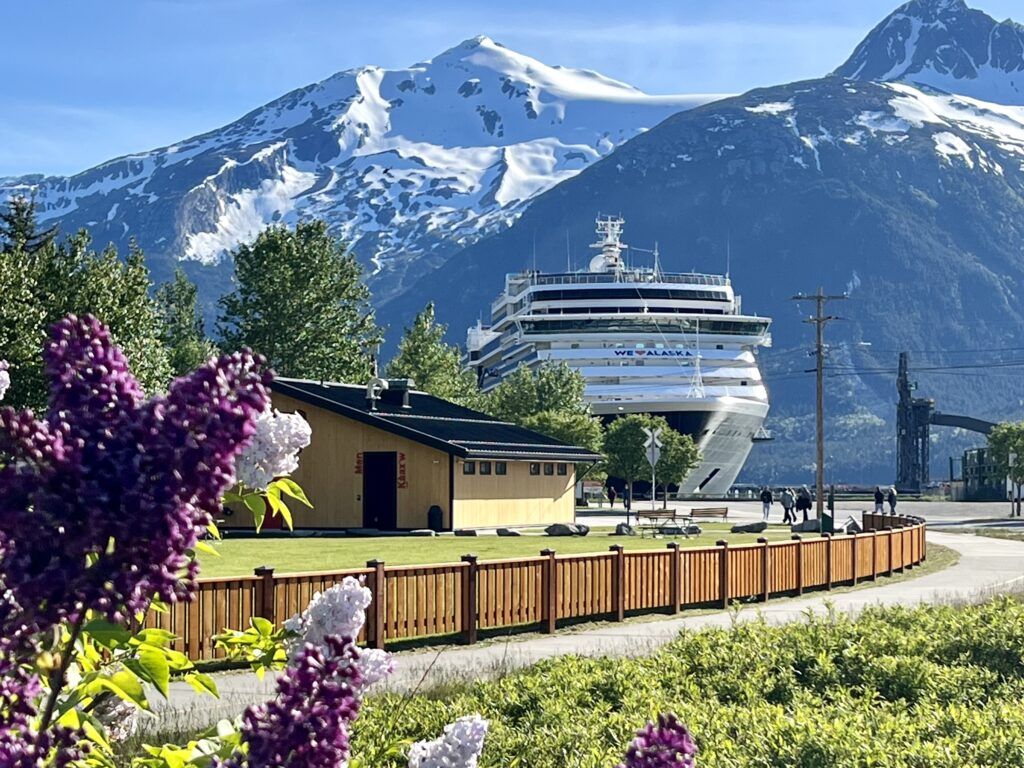
Another important factor to consider when choosing your Alaska cruise ship are public viewing areas. Since Alaska cruising is all about the scenery, the availability of these spaces can significantly impact your experience. And not investigating this before booking is definitely an Alaska cruise mistake you don’t want to make.
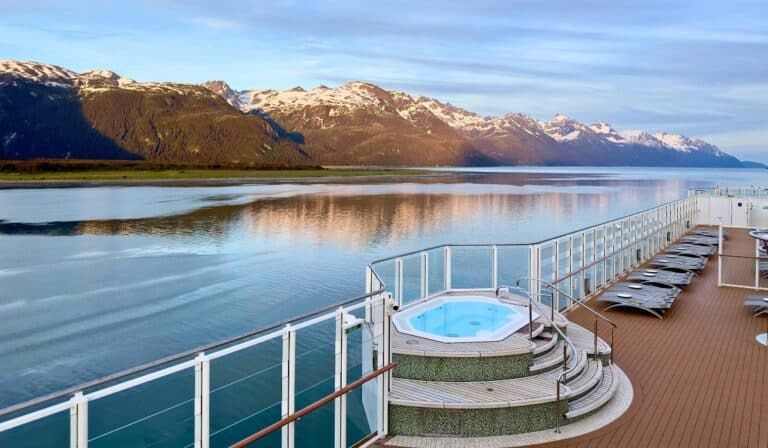
Some ships boast multiple outdoor platforms or decks that give cruisers ideal views of the scenery. These open-air spaces are perfect for photography, wildlife spotting with binoculars, and experiencing the crisp Alaska air during glacier viewing.
Other ships have enclosed spaces and observation lounges that offer panoramic views through floor-to-ceiling windows while keeping you warm and comfortable. These climate-controlled areas are invaluable during Alaska’s frequent rain showers or on particularly chilly mornings.
The best Alaska cruise ships have both options so you can move between indoor and outdoor areas depending on the weather and your comfort level.
When researching ships, look at deck plans to identify viewing spaces and read reviews from Alaska cruisers specifically mentioning these areas. Ships with limited or crowded viewing areas can lead to frustration during key moments like Glacier Bay or whale sightings when everyone rushes to see the spectacle.
Tip #7: Research Other Ship Amenities Too
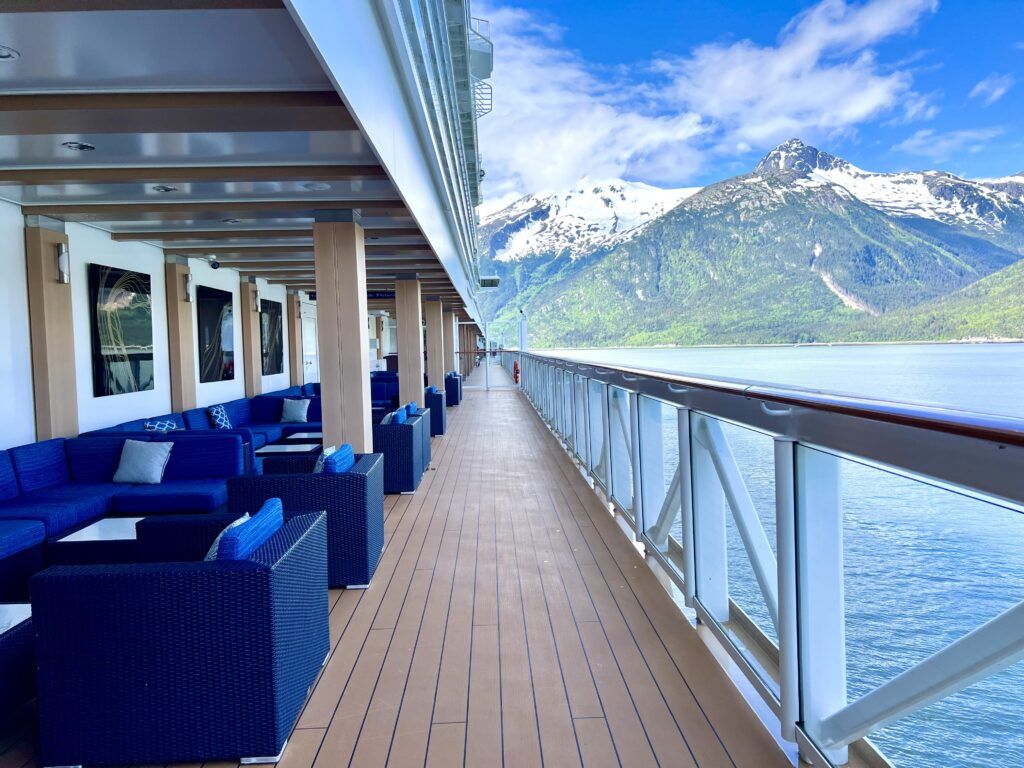
Along with researching what viewing areas are available, check out the other amenities on the ships that might interest you and your family. While the destination is the priority in Alaska, you’ll still spend considerable time onboard, especially during sea days, evenings, and inclement weather.
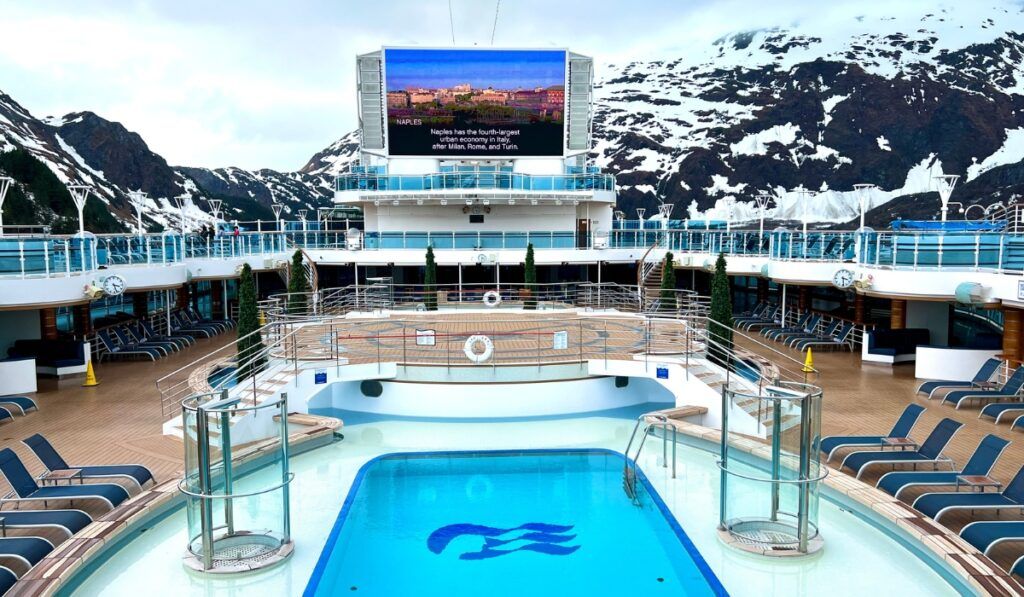
An enclosed or indoor pool is particularly valuable in Alaska where outdoor temperatures rarely invite traditional poolside lounging. Ships with retractable glass roofs, covered pool areas, or dedicated indoor pools allow you to enjoy the water regardless of weather. Similarly, thermal suites and spa facilities with heated loungers overlooking the scenery provide the perfect spot to relax while still taking in the views.
For families, youth centers become important when kids need a break from sightseeing. Some kids’ programs will also offer age-appropriate Alaska activities. Many ships sailing the region also feature family-friendly attractions like go-karts, bumper cars, mini-golf, or arcade areas that keep younger cruisers entertained.
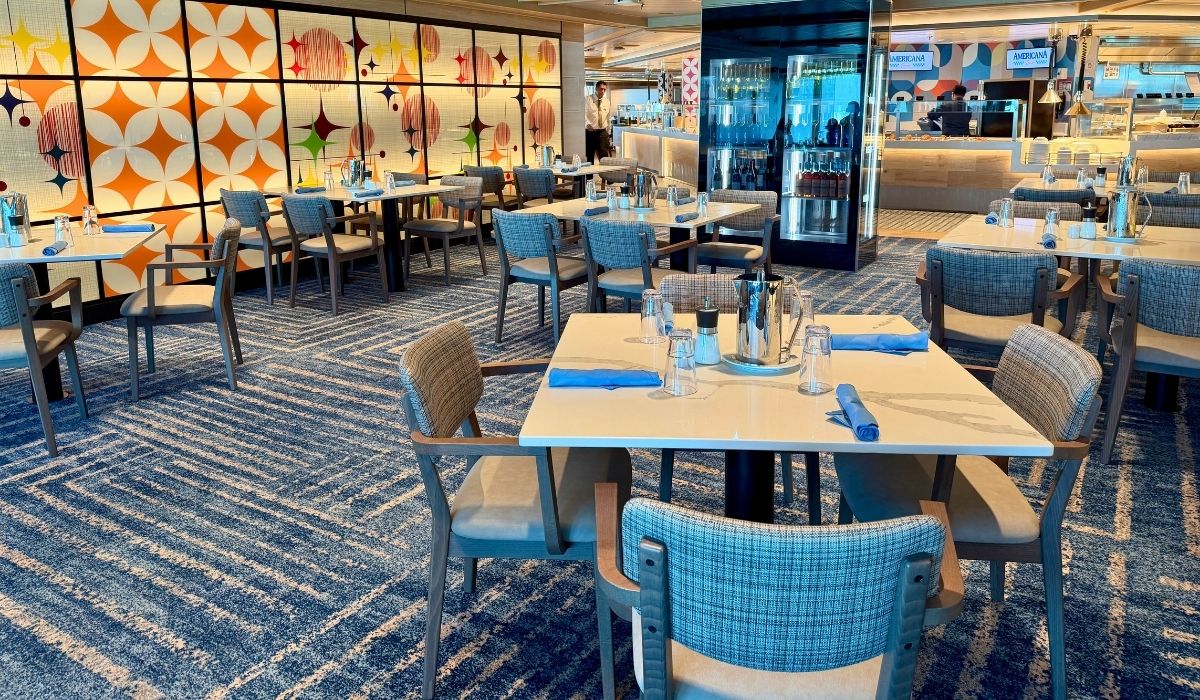
Each cruise line also has distinct offerings for restaurants, entertainment, and onboard activities that can enhance your experience. Some lines feature Broadway-caliber shows, while others focus more on intimate live music venues. Dining options range from casual buffets to multiple specialty restaurants. Certain ships even offer unique Alaska-specific experiences like “Puppies in the Piazza” on Princess Cruises.

Tip #8: Newer Ships Don’t Always Equal Better — Especially in Alaska
While newer ships often boast impressive amenities like water slides, race tracks, and cutting-edge technology, these features matter far less in Alaska than on Caribbean cruises. In fact, some older vessels actually provide superior Alaska experiences.
The destination is the star in Alaska, not the ship. Passengers spend most of their time on outdoor decks viewing glaciers, attending enrichment lectures, or exploring ports rather than enjoying onboard attractions. That fancy water park becomes largely irrelevant when it’s 50°F and raining.
Older ships sailing Alaska often have advantages that newer mega-ships lack. Many feature more intimate observation lounges and better deck space for wildlife viewing. Additionally, older ships typically cost less. Those savings can fund spectacular shore excursions and experiences that will create far more lasting memories than any shipboard amenity.
Don’t automatically dismiss older vessels when comparing Alaska cruises. Focus instead on the overall experience.
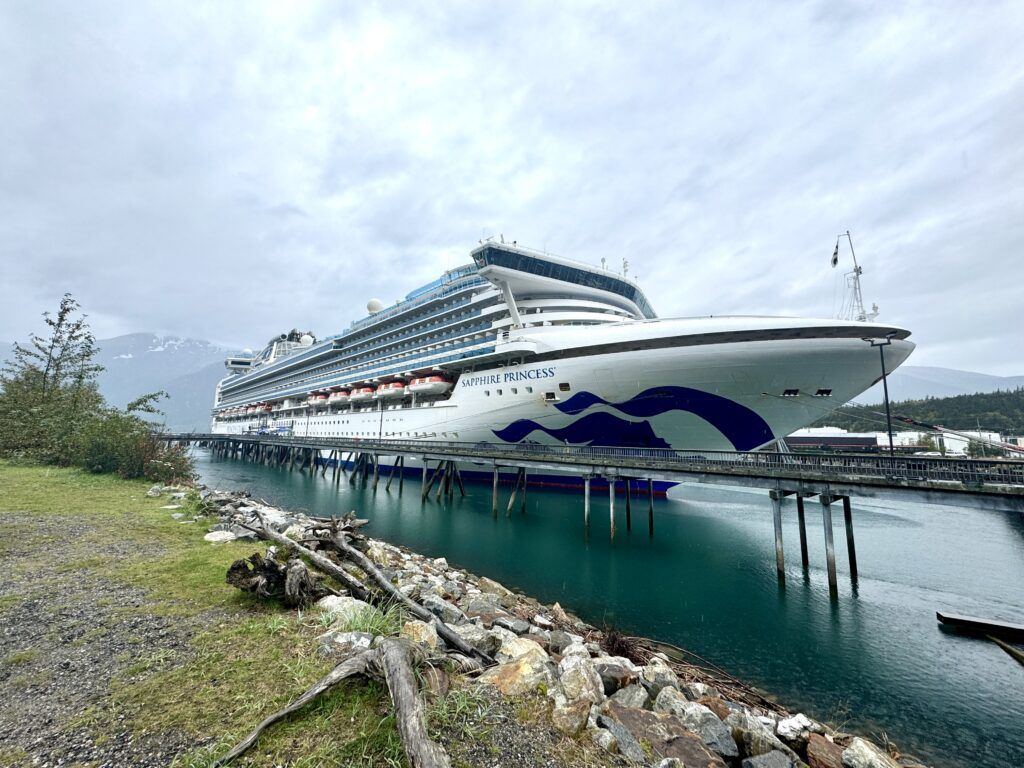
Tip #9: Consider a Cruisetour to Experience Alaska’s Interior
If you have the vacation time and finances, you should consider extending your Alaska cruise with a cruisetour. The experience is dramatically different from coastal Alaska – you’ll trade rainforests and ocean views for tundra, mountains, and vast wilderness.
Many cruise lines sailing the region offer add-on land packages that combine your ocean voyage with an exploration of Alaska’s vast interior.
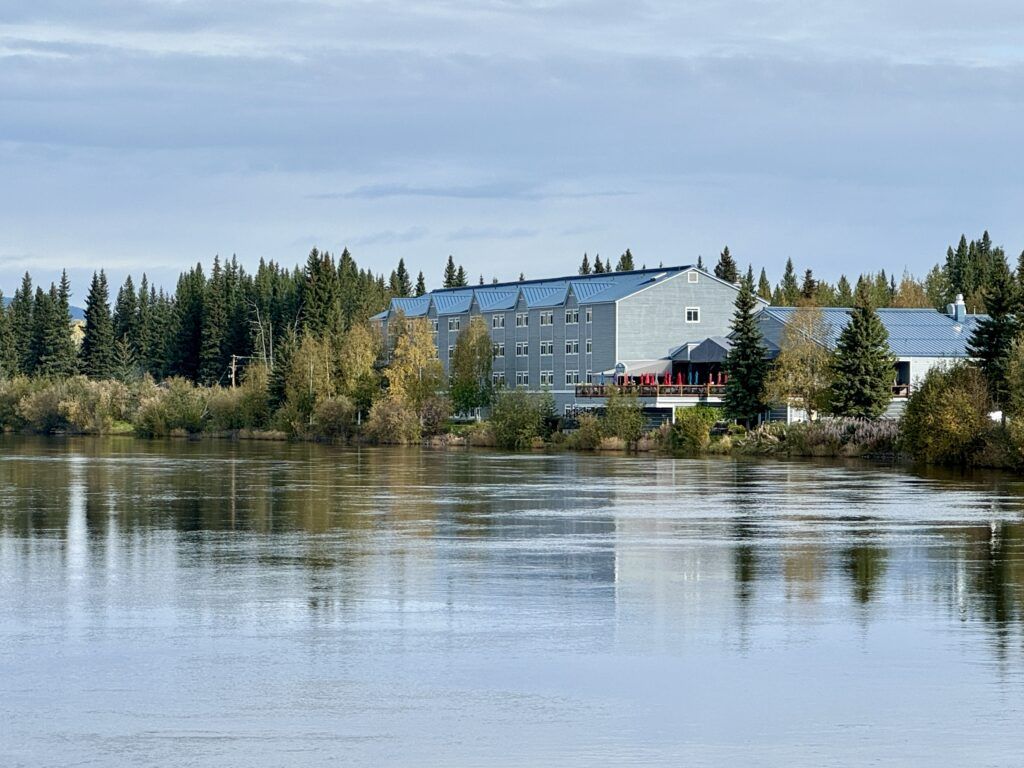
These land portions can vary in length from 3 to 7+ days and visit locations beyond the typical southeastern Alaska ports of call. The most popular destination is Denali National Park, home to North America’s tallest peak and incredible wildlife viewing opportunities for grizzly bears, caribou, moose, and Dall sheep. Other common stops include Fairbanks, known for gold rush history and northern lights viewing, Talkeetna for flightseeing, and the Kenai Peninsula for fishing and outdoor adventures.
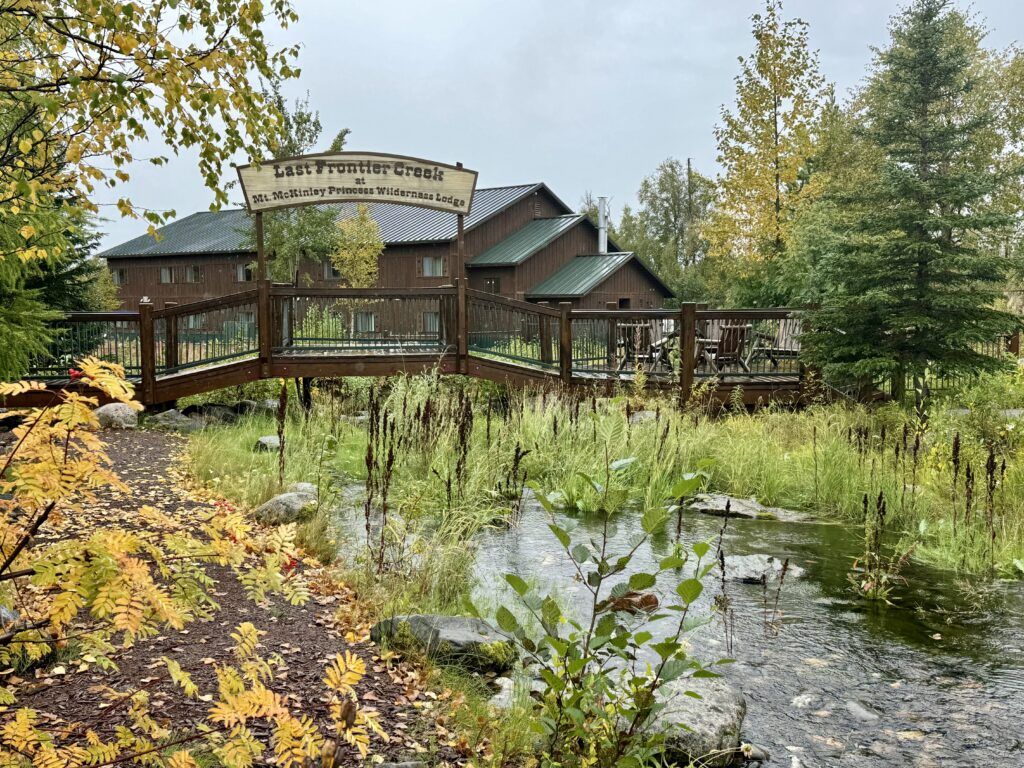
With a cruisetour, guests enjoy scenic train rides aboard iconic railways like the Alaska Railroad, offering panoramic dome car views of mountains, glaciers, and wilderness. You’ll stay in wilderness lodges specifically designed to showcase Alaska’s interior beauty, many featuring naturalist programs and optional activities like river rafting or ATV tours. Princess Cruises and Holland America Line operate their own lodges in Denali and other locations, while other cruise lines partner with local providers.
Knowing When to Cruise to Alaska
Once you’ve selected your ideal cruise line, ship, and itinerary, the next critical decision is timing. When you cruise to Alaska dramatically impacts price, weather, wildlife, and crowds.
Tip #10: Sail During Shoulder Season for Lower Fares
The Alaska cruise season tends to run from late April/early May to the end of September into early October. Historically, the cheapest time to cruise is during the beginning and the end of the cruise season, commonly referred to as the shoulder season. We have sailed several times during shoulder season and have taken advantage of some great deals, saving 20-30% or more compared to peak summer rates. These savings apply to both May and September sailings.
However, there are trade-offs to consider when sailing during these times. The weather can be more unpredictable with cooler temperatures and increased chances of rain. Some shore excursions – particularly seasonal activities like certain glacier hikes or remote bear viewing tours – might not be operating yet in May or may have already closed by late September. Similarly, some shops and restaurants in port towns may have limited hours or be closed entirely as they operate on seasonal schedules.
Wildlife patterns also shift with the seasons. While you’ll still see plenty of bald eagles and marine life, certain species like bears are less visible outside the peak salmon run months. Humpback whales, though present throughout the season, are most active in June and July.
Despite these considerations, we’ve had fantastic weather on our shoulder season cruises, including sunny days and spectacular scenery. If you have flexible vacation time and prioritize budget savings over guaranteed perfect weather, shoulder season offers excellent value.
Tip #11: Avoid the Crowds by Cruising in Shoulder Season
If you want to avoid the crowds when sailing to Alaska, the shoulder season is always an ideal time to cruise. With many schools still in session in May, and most schools back in session by September, there are significantly fewer families and tourists overall.
A July day in Juneau might see 5-6 large ships in port simultaneously, while the same port in May or September might host only 2-3 ships. Popular attractions like the Mendenhall Glacier Visitor Center or Skagway’s White Pass Railway are noticeably less congested, restaurants have better availability, and you won’t be fighting crowds for photo opportunities at scenic viewpoints.
We actually prefer to cruise during shoulder season as fewer crowds makes for a more authentic Alaska experience.
Tip #12: Sail Mid-Season for Best Weather
However, for the best weather, cruisers will want to sail in the middle of the season, particularly from mid-June through early August. During our Alaska cruise in July, we enjoyed several sunny days with temperatures actually reaching into the 70s – warm and pleasant enough to use the outdoor pools and whirlpools. Of course, perfect weather is never guaranteed in Alaska, but mid-summer offers the warmest temperatures and most stable conditions.
This peak season also offers the most sunlight, with up to 18-20 hours of daylight per day around the summer solstice in late June. The extended daylight allows you to maximize your time spent ashore, enjoy evening scenic cruising, and even spot wildlife during late-night hours when the sun is still up.
The warmer weather also means better conditions for outdoor excursions like kayaking, glacier hiking, and wildlife viewing. You’re less likely to have tours cancelled due to weather, and the comfort level for spending long hours outdoors is significantly higher.
But with the best weather comes the highest demand and steepest prices. July and early August consistently rank as the most expensive times to cruise to Alaska. These peak months also coincide with school summer vacations, meaning larger crowds both onboard and in ports.
Tip #13: Time Your Cruise for Wildlife Viewing
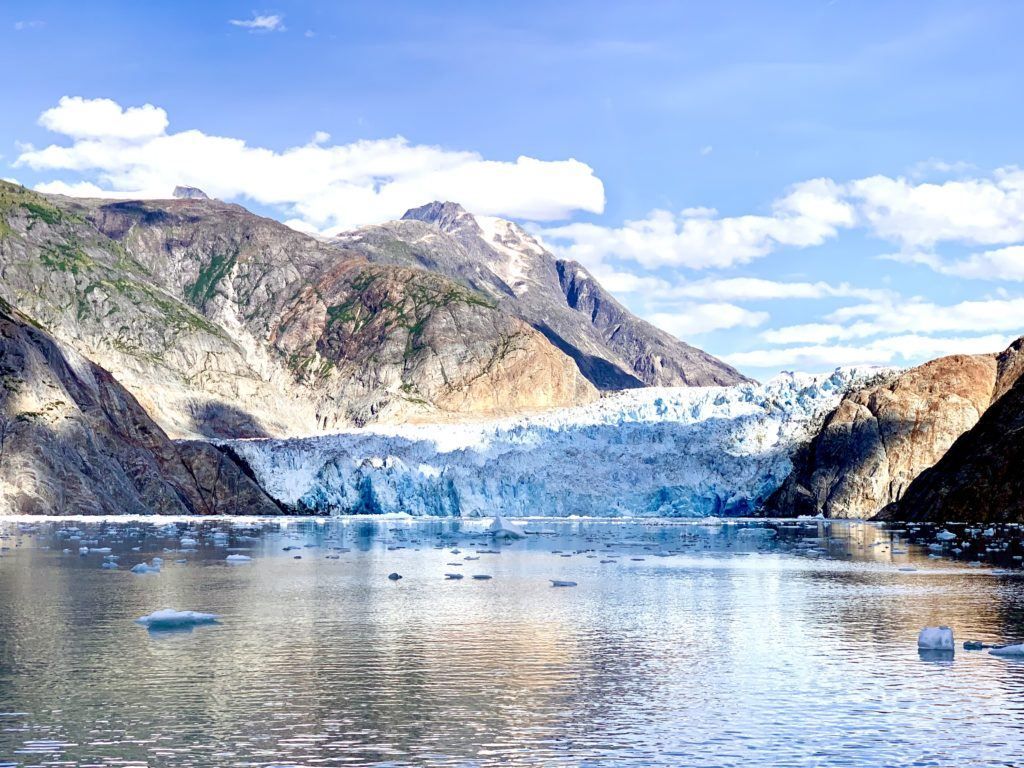
Along with the fjords, snow capped mountains, and glaciers, an Alaska cruise is also about the wildlife. During our cruises, we have seen humpback whales, bald eagles, sea otters, and bears. Depending on when you cruise, you might have better chances of seeing some wildlife. Of course, there is no guarantee you will spot any of these creatures.
While they are found in the Gulf of Alaska during the entire cruise season, you have the best chance of spotting humpback whales during the months of June and July.
Traveling from late June through early August will increase your likelihood of seeing bears, especially if you take tours that depart from Juneau or Ketchikan.
Luckily, bald eagles are around through the entire cruise season in various stages of development. But, you have the best chance to see adult eagles teaching young ones to fly in August.
Tip #14: Cruise in September for Northern Lights Opportunities
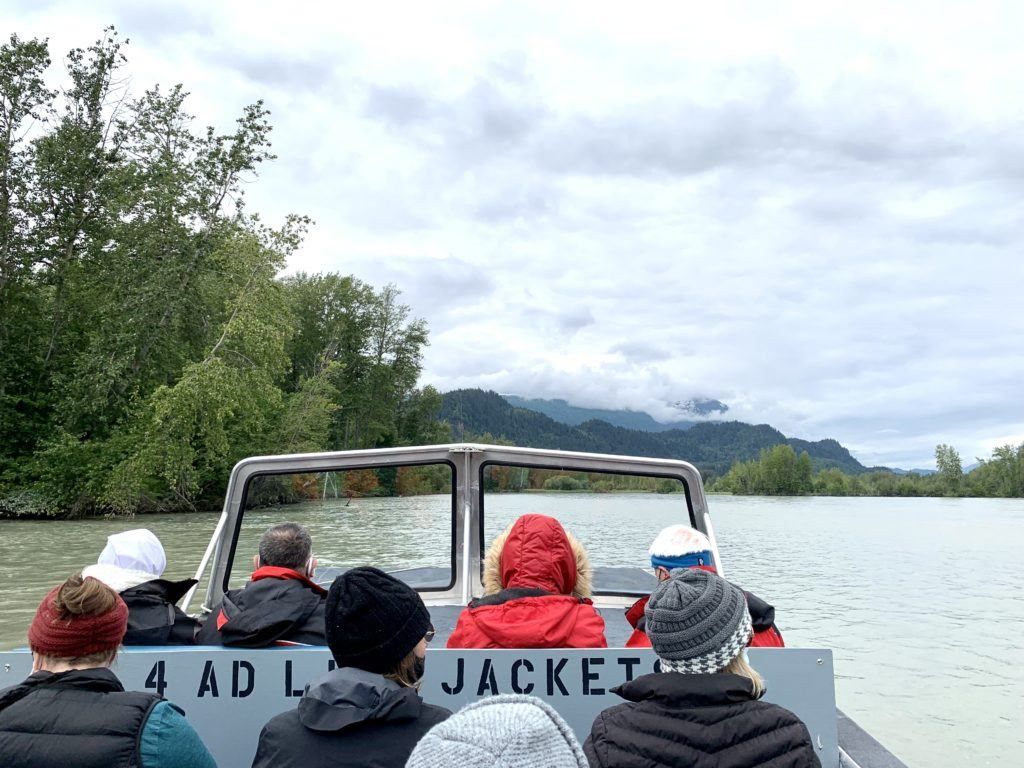
A special perk of sailing towards the end of the Alaska cruise season is the chance to see the Northern Lights, or Aurora Borealis. The Aurora Season is generally from the end of August until mid-April, creating a narrow window during the regular cruise season when viewing becomes possible.
September sailings offer the best opportunity during standard Alaska cruise dates because the days grow noticeably shorter, creating darker night skies essential for aurora visibility. By mid-September, sunset occurs before 8 PM (compared to 10 PM in June).
Typically, you have a better chance of seeing the northern lights further north in Alaska’s interior near Fairbanks or in the Gulf of Alaska, as cloudy skies are more common in Southeast Alaska where most cruise ships sail. However, you could still get lucky on a clear night.
One-way cruises that venture further north or cruisetours with land portions in Alaska’s interior significantly increase your odds. If northern lights viewing is a primary goal, consider extending your cruise with post-sailing nights in Anchorage or Fairbanks, where the combination of darker skies and northern latitude create far better conditions than the Inside Passage.
Tips for Booking Your Alaska Cruise
Now that you know what cruise you want and when to go, let’s discuss the booking process and how to maximize value on this expensive trip.
Tip #15: Book Your Alaska Cruise Early
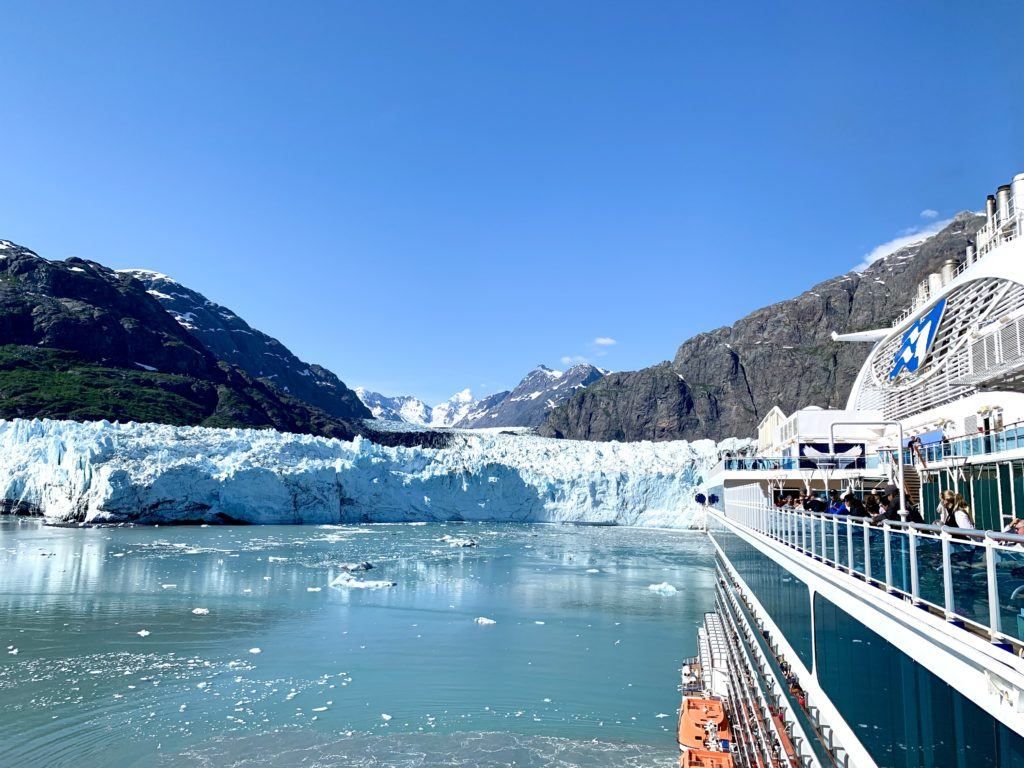
Most major cruise lines release itineraries up to two years in advance. For Alaska cruises, we recommend booking 8-12 months ahead of your desired sailing date. The biggest reason to book early is to secure the best prices – as specific sailings begin to fill up, prices steadily increase, sometimes dramatically.
Popular room categories and cabin locations book up quickly as well. Midship balcony cabins – the most desirable category for Alaska – often sell out 6-9 months before departure on popular ships and sailings. By booking early, you’ll have the greatest selection of cabin choices and can select your preferred dining times, whether that’s early or late seating in the main dining room.
Early booking also gives you first access to shore excursions when they become available. High-demand tours like helicopter glacier landings, dog sledding, and bear viewing excursions have limited capacity and frequently sell out months in advance. Waiting until closer to your cruise can mean missing out on your bucket-list experiences entirely.
Additionally, early booking provides more time to pay off your cruise. You’ll also have months to research ports, plan your packing, and build anticipation for your trip.
Tip #16: Understand Alaska Cruise Costs and Budget Accordingly
One of the most important Alaska cruise tips is understanding the true cost so you can budget accordingly and avoid sticker shock. Alaska cruise vacations are considerably more expensive than comparable Caribbean cruises – often double the price for similar ships, cabin categories, and cruise lengths.
Alaska cruise costs fluctuate considerably depending on several key factors. The cruise line and specific ship you choose significantly impact pricing, with luxury lines and newer vessels commanding premium rates. Most significantly, timing dramatically affects price, with peak summer sailings (July/early August) costing 30-50% more than shoulder season departures.
Beyond the base cruise fare, factor in additional expenses that add up quickly. Shore excursions are the biggest variable cost – budget-friendly tours start around $100 per person, but signature experiences like helicopter glacier landings can exceed $500+ per person. Popular excursions can easily add $1,000+ per person to your total trip cost. Other expenses include drink packages, specialty dining, WiFi, gratuities, and airfare to your departure port.
We recommend cruisers budget between $2,500 to $5,000 per person for a complete Alaska cruise experience, including all the extras. This means it’s not unreasonable for a family of four to spend $10,000-$20,000+ for a week-long Alaska cruise when everything is factored in.
If you have flexible vacation time, choosing the right time to cruise can have a significant impact on your budget without sacrificing the overall experience.
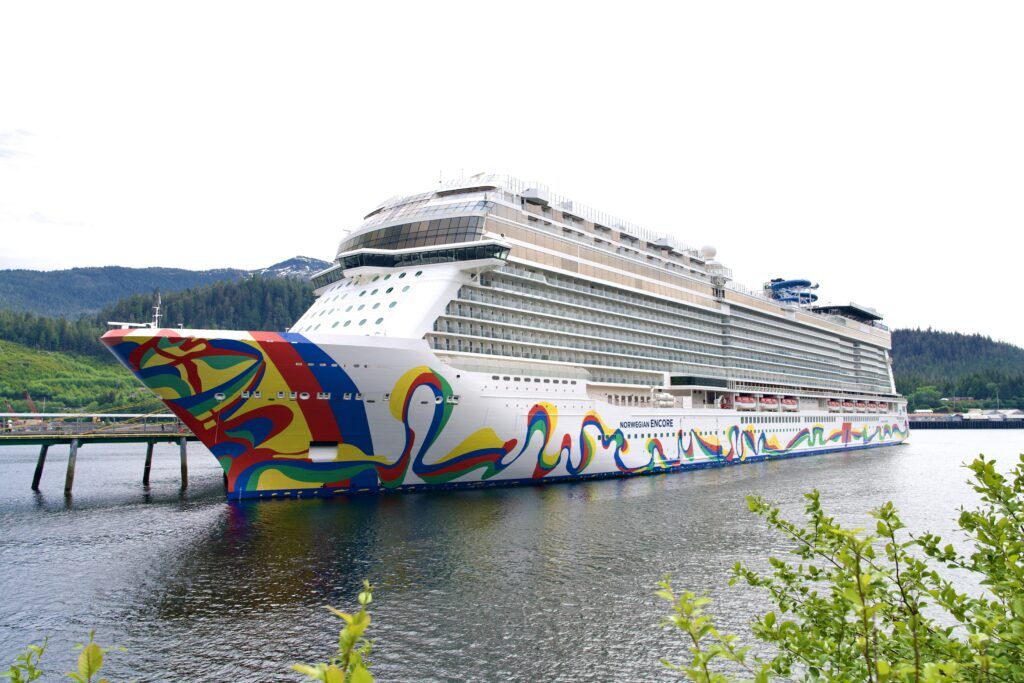
Tip #17: Use a Travel Agent to Save Money
Even if you have cruised before, we recommend using a travel agent to book your Alaska cruise. We’ve been on over 100 cruises and still book every one through our trusted travel advisor, MEI-Travel. A good travel agent can help you navigate the numerous factors we’ve discussed above – from choosing between itineraries and ships to timing your cruise for your priorities.
A seasoned travel advisor will be able to offer recommendations and suggestions to customize your Alaska cruise to your travel party’s specific preferences, whether you’re traveling as a couple, with extended family, or have specific mobility considerations. Their expertise is particularly valuable for Alaska, where the complexity can be overwhelming for first-time visitors.
They could also save you significant money on this pricey Alaska cruise. In addition to helping you find the best itinerary and ship, travel agents often have access to discounted group rates or exclusive cruise fares not available when booking directly with the cruise line. More importantly, advisors frequently offer additional perks like onboard credit, prepaid gratuities, or complimentary specialty dining. These perks can be combined with any promotions the cruise lines are running, essentially stacking savings.
There’s no additional cost to use a travel agent since they’re compensated by the cruise lines. It’s essentially free expert guidance with bonus perks – there’s really no reason not to use one.
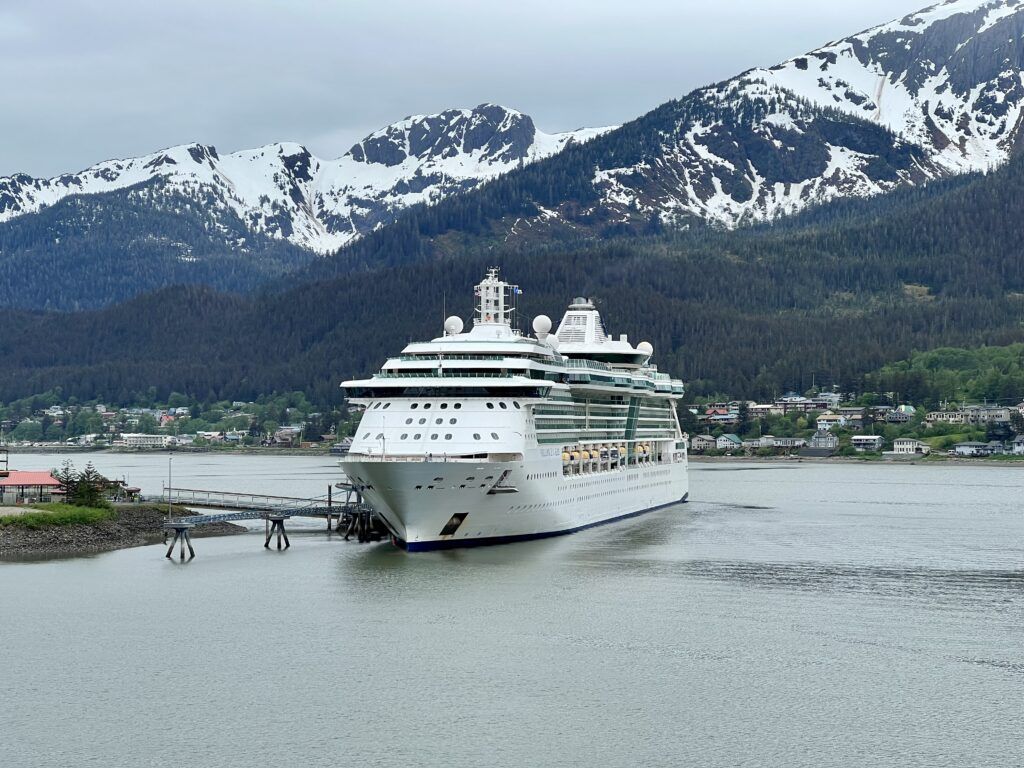
Tip #18: Consider a Guaranteed Cabin to Save Money
Several major cruise lines offer various fare options, including “guaranteed cabin” rates that can save you hundreds of dollars. With this option, you select a cabin category (interior, oceanview, balcony) and lock in a significantly reduced rate – often 15-30% less than choosing a specific cabin number. The cruise line then assigns your actual cabin location anywhere from a few weeks to just days before sailing.
The gamble is worth it for many cruisers. You’re guaranteed to receive at least the cabin category you paid for, and there’s always a chance you’ll be upgraded to a better location or even a higher category if the ship is filling up.
However, guaranteed cabins aren’t for everyone. If you want a specific cabin location – perhaps midship to minimize motion, a high deck for better views, or cabins near each other when traveling with family – you’ll need to pay more to select exact cabin numbers. This option is also not ideal if you’re prone to motion sickness, as you could end up forward or aft where movement is more pronounced.
For flexible cruisers who prioritize budget over location, guaranteed cabins offer excellent value.
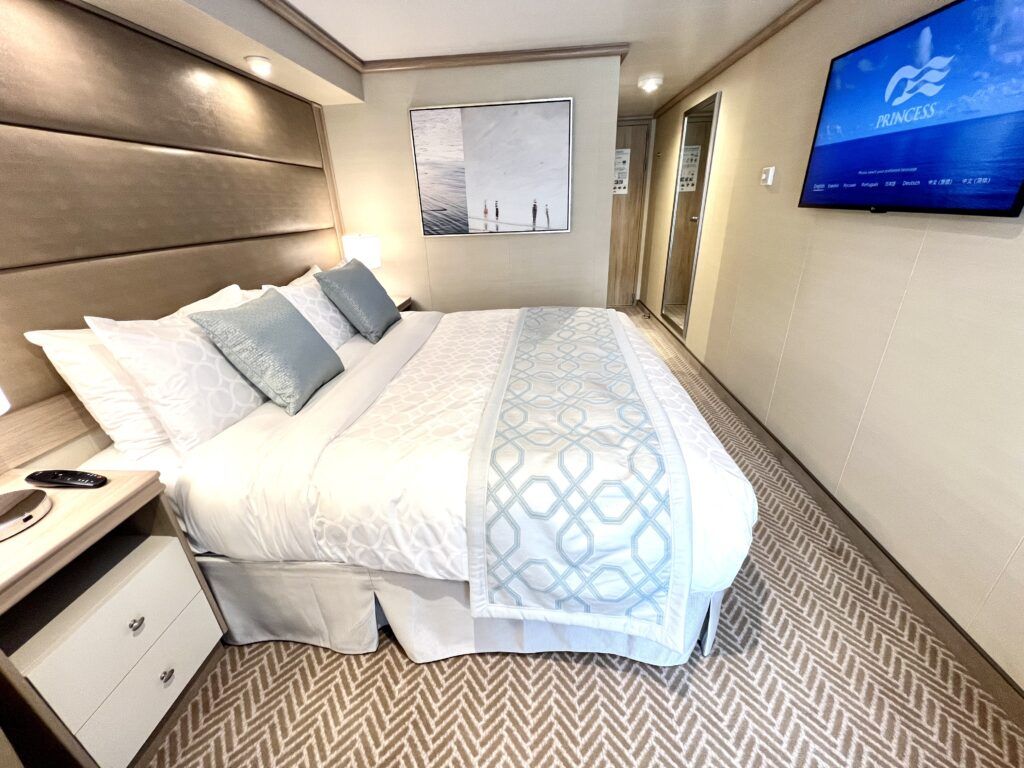
Tip #19: Don’t Skimp on Travel Insurance
We always recommend cruisers opt for travel insurance for any trip, but given the significant costs and often long travel distances involved, getting comprehensive travel insurance for an Alaska cruise is essential, not optional. When you’ve invested $5,000+ per person, protecting that investment just makes financial sense.
Alaska’s remote location and unpredictable weather create multiple scenarios where insurance becomes invaluable. Flight delays or cancellations due to fog in Seattle, Vancouver, or Anchorage could cause you to miss your ship entirely – without insurance, that’s thousands of dollars lost with no recourse. Medical emergencies are another concern, as evacuation from remote Alaska ports can cost $50,000+.
Travel insurance also covers trip interruption if you need to leave the cruise early due to family emergencies, lost or delayed luggage containing essential medications or cruise documents, and missed port excursions due to ship delays. Some policies even include “cancel for any reason” coverage, allowing you to recoup 50-75% of costs if you change your mind for reasons not covered under standard policies.
Travel policies and plans vary significantly in coverage and cost, so compare benefits carefully. While cruise lines offer travel insurance, we strongly suggest examining third-party providers like Allianz or Travel Guard to find plans that better fit your unique needs and often provide more comprehensive coverage at competitive prices.
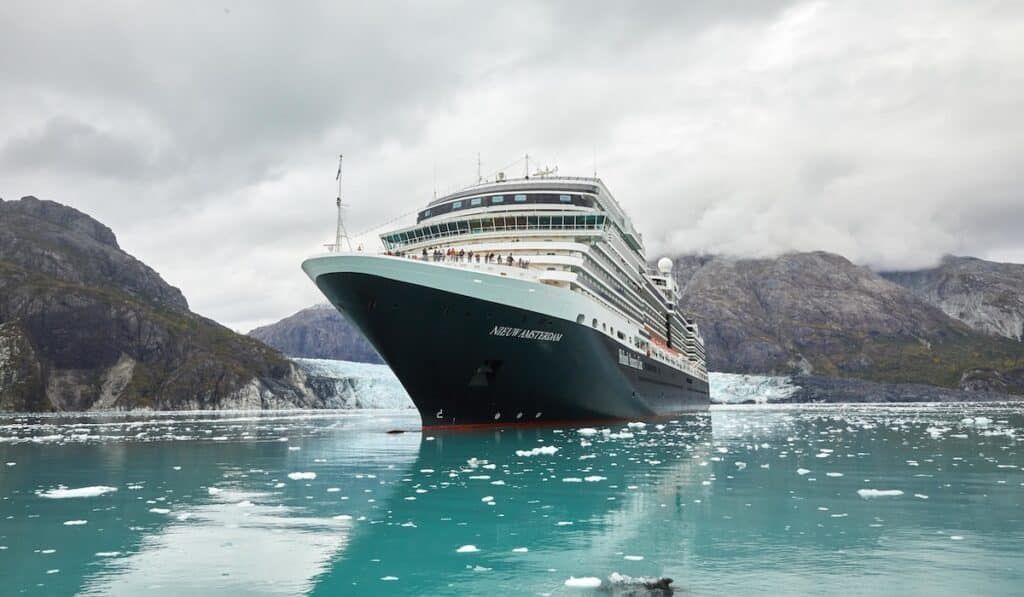
Tip #20: Upgrade Your Cruise Package for Added Value
Many cruise lines offer bundled upgrade packages that combine multiple amenities at a significant discount compared to purchasing items individually. Programs like Holland America Line’s Have it All, Celebrity Cruises’ All Included, Princess Cruises’ Princess Plus and Princess Premier, and Norwegian Cruise Line’s Free at Sea packages can provide exceptional value for Alaska cruisers.
Opting for one of these packages pre-cruise lets you save by bundling popular add-ons like beverage packages, WiFi, specialty dining credits, prepaid gratuities, and/or shore excursion credits.
These packages also make your Alaska cruise feel more all-inclusive and eliminate the stress of tracking onboard spending. You can enjoy a cocktail while glacier viewing, stay connected to share photos with family, or try specialty restaurants without worrying about additional charges adding up.
However, do the math for your specific situation. If you don’t drink alcohol, rarely use WiFi, and prefer main dining room meals, these packages might not be worthwhile. A good travel agent can help you analyze the different fare options and package combinations available for your specific sailing to determine which offers the best value for your travel style.

Tip #21: Pre-Book Onboard Packages
Much like shore excursions, another one of our expert Alaska cruise tips is to always book onboard packages and make reservations before boarding the ship. This is one of the easiest ways to save money on a cruise, as pre-cruise prices are almost always discounted compared to waiting to purchase onboard.
These add-ons include beverage packages (alcoholic and non-alcoholic), specialty dining experiences, WiFi packages, photo packages, spa treatments, and unique experiences not included in your base cruise fare.
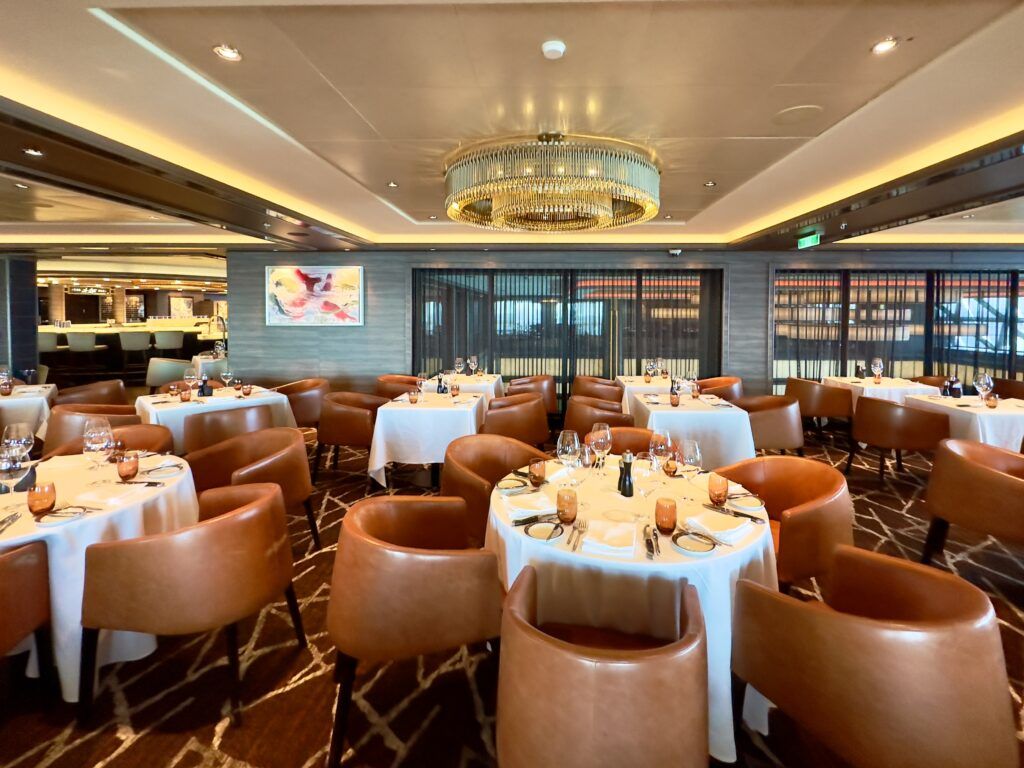
Beyond packages, pre-booking reservations ensures you get your preferred times and experiences. If you have flexible dining (rather than assigned seating), many cruise lines let you reserve specific dining times in the main dining room pre-cruise. Specialty restaurant reservations are equally important. Popular venues like steakhouses, Italian restaurants, or chef’s table experiences have limited seating and fill up quickly. Prime dining times (6:30-7:30 PM) go first, so booking early ensures you won’t be stuck with 5 PM or 9 PM reservations.
Making the Most of Your Alaska Cruise
You’ve booked your cruise – congratulations! Now let’s ensure you maximize your actual experience onboard.
Tip #22: Spend a Pre-Cruise Day in the Embarkation City
Depending on your embarkation port, you will likely need to arrange airfare to reach Seattle, Vancouver, or Anchorage (for Seward/Whittier sailings). You should strongly consider booking at least one pre-cruise hotel night.
While we always recommend flying in a day early for any cruise, it’s even more critical when cruising to Alaska. Many travelers are coming from significant distances, often involving connecting flights that create multiple points of potential delay. Weather-related disruptions are common in the Pacific Northwest, particularly fog delays in Seattle and Vancouver. Missing your ship because of a delayed flight means losing thousands of dollars, as cruise lines will not refund or wait for late passengers.
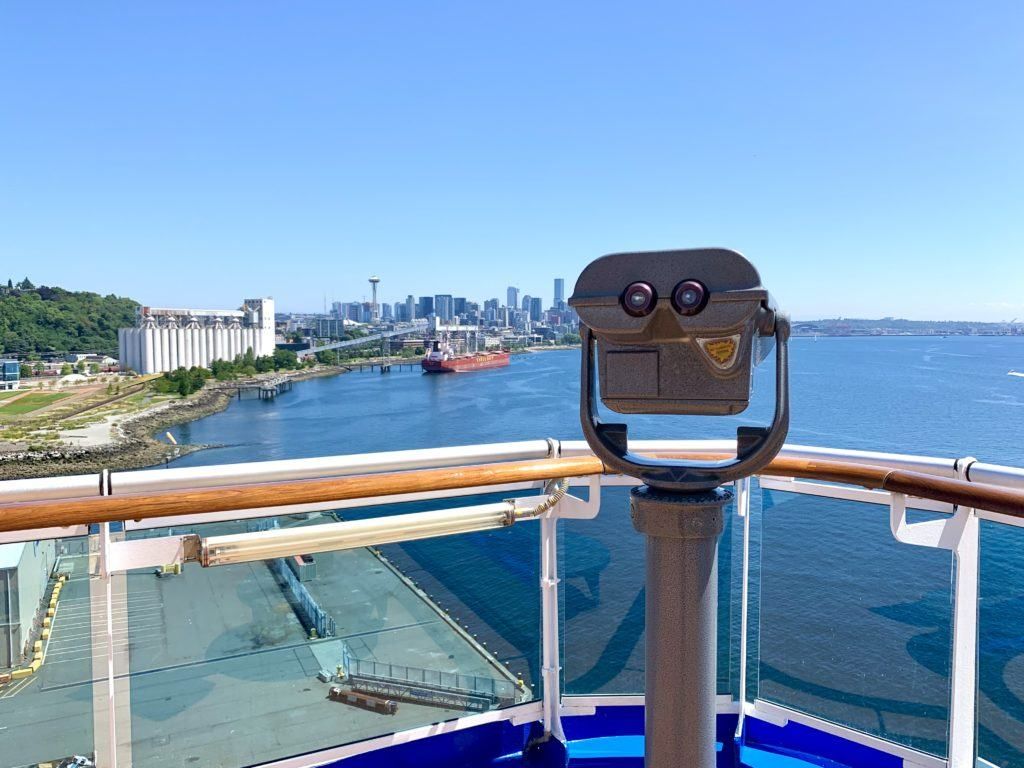
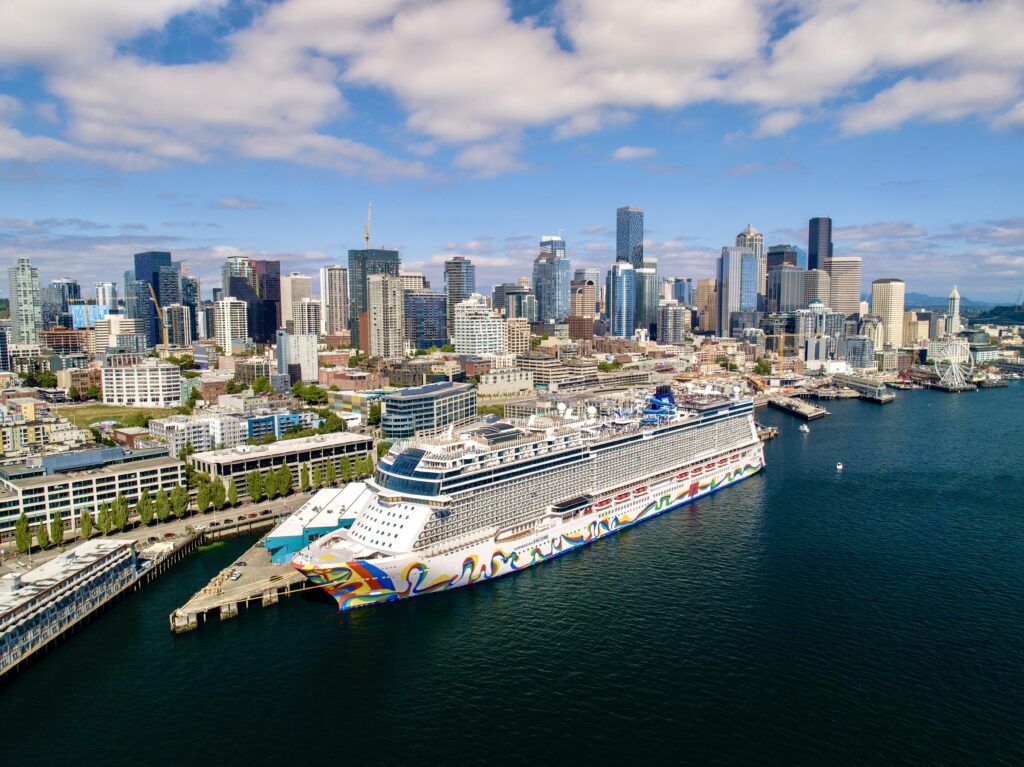
Plus, Seattle and Vancouver are both spectacular cities that deserve time for exploration. Seattle offers Pike Place Market, the Space Needle, the waterfront, and excellent restaurants. Vancouver features Stanley Park, Granville Island, the Capilano Suspension Bridge, and stunning harbor views. Many cruisers find these pre-cruise days become highlights of their entire trip.
Tip #23: Upgrade to a Balcony Stateroom
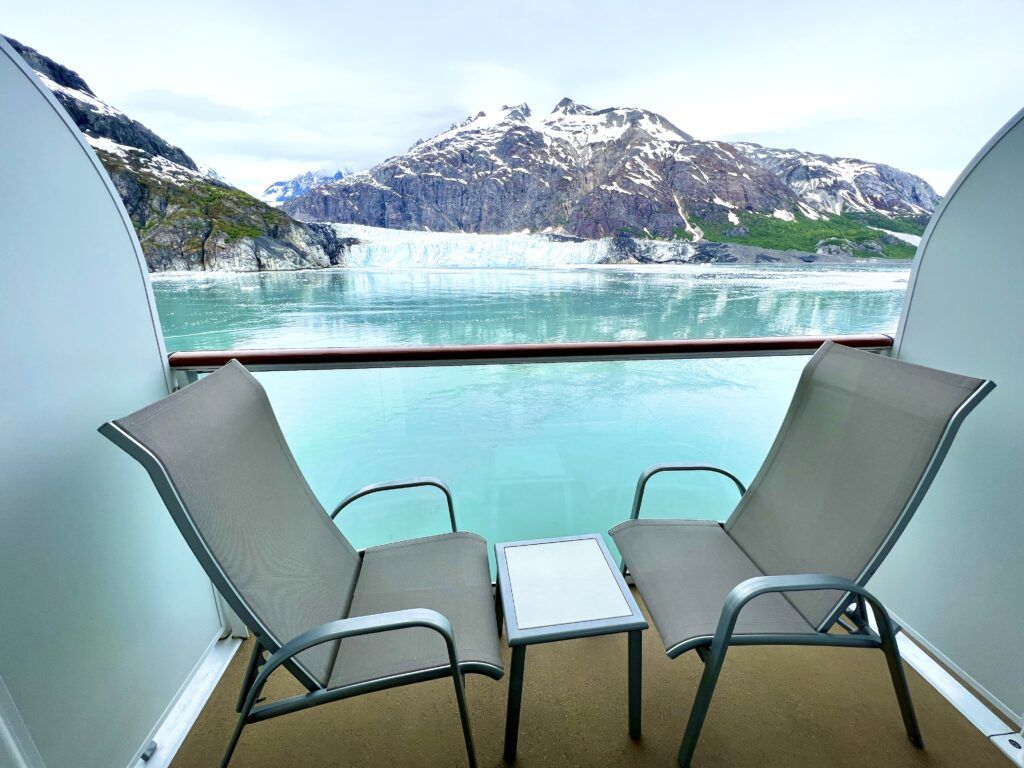
While many debate what stateroom category to select on an Alaska cruise, we have always stayed in a balcony cabin and believe it’s one of the most worthwhile upgrades you can make. For us, the premium is absolutely worth it for this destination specifically.
Yes, cruise ships have public viewing decks and observation lounges where you can see the scenery. However, being able to step onto your private balcony at any time of day – just steps from your bed – provides an entirely different experience.
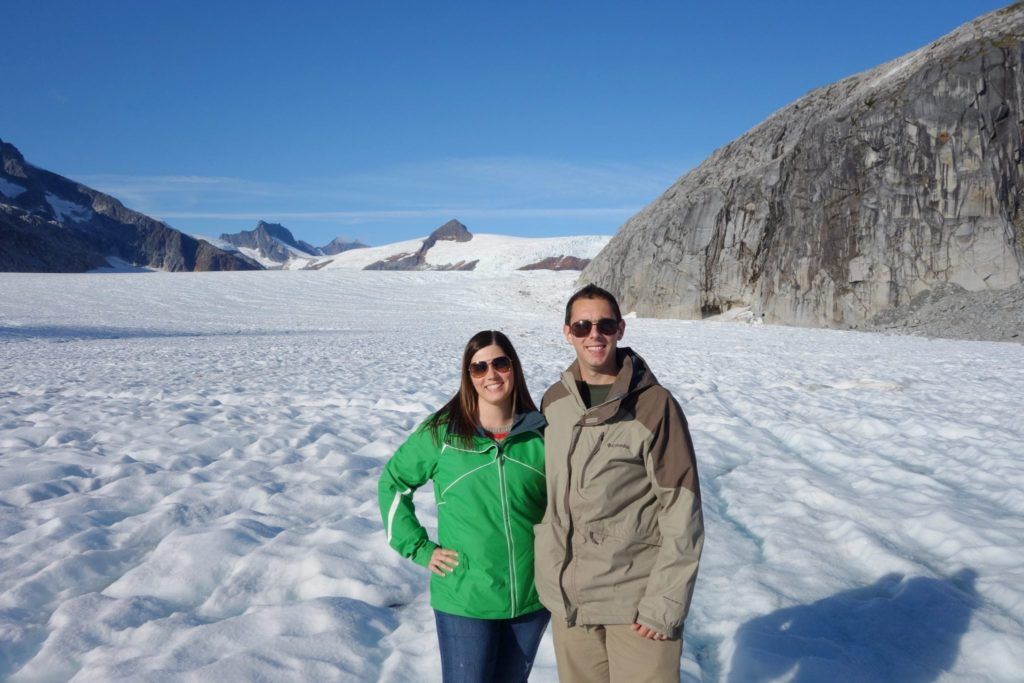
Imagine waking up to a sunrise over snow-capped mountains visible from your pillow, enjoying room service coffee on your balcony while cruising past glaciers, or spotting whales during a quiet afternoon without leaving your cabin. Early morning glacier viewing often begins at 6 AM – having your own outdoor space means you can experience it in your pajamas with hot coffee rather than getting fully dressed and fighting crowds on public decks.
Your balcony also provides refuge when weather turns rainy or cold but you still want fresh air and views. You can retreat inside instantly when chilled, then step back out when conditions improve.
Yes, balcony cabins cost more – typically $500-1,500+ more than inside cabins on a 7-day sailing. But given that Alaska is all about the scenery, we consider this one of the most valuable upgrades you can make. It truly is breathtaking to admire Alaska’s natural landscapes from the comfort and privacy of your own balcony.
Tip #24: Bring a Passport
For U.S. citizens, a passport is technically not required for closed loop cruises, a cruise that begins and ends in the same U.S. port. Thus, if you’re cruising to Alaska roundtrip from Seattle, a birth certificate and government-issued photo ID are the minimum documentation legally required to board and complete your cruise. However, just because you don’t technically need a passport doesn’t mean you shouldn’t bring one. There are several compelling reasons to travel with your passport even on closed-loop sailings.
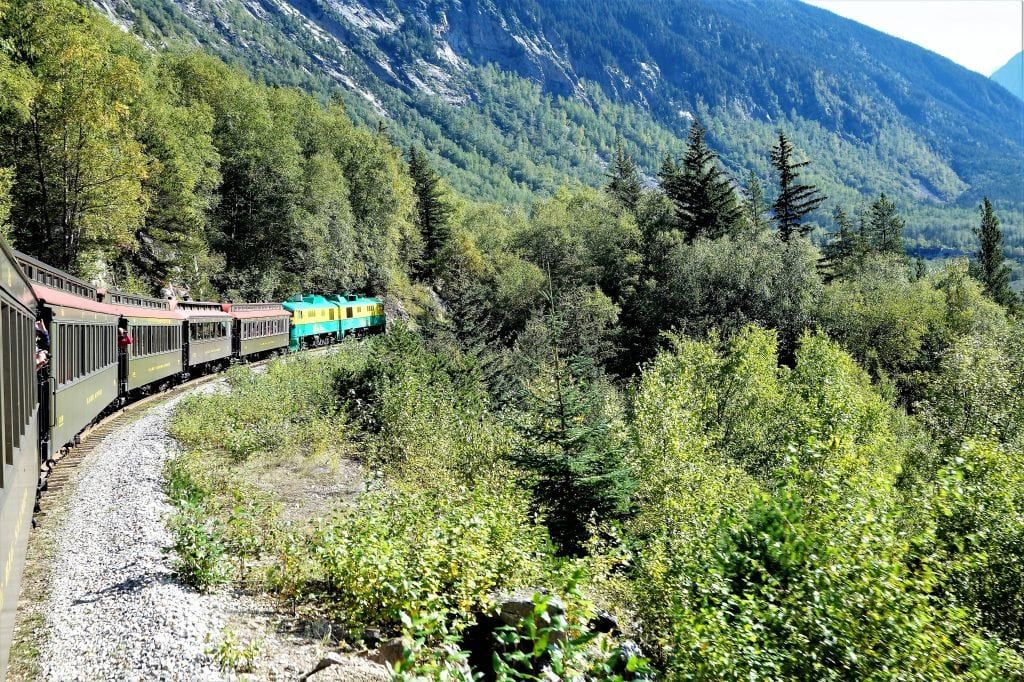
First, many popular shore excursions cross into Canada. Skagway’s famous White Pass & Yukon Route Railway, one of Alaska’s most iconic excursions, crosses the Canadian border and absolutely requires a passport for participation.
Second, if you experience a medical emergency requiring evacuation or need to fly home unexpectedly for family reasons, you’ll need a passport to board a flight from Canadian airports. Third, one-way cruises between Alaska and Vancouver absolutely require passports for all passengers, regardless of citizenship, as you’re entering Canada at the end or beginning of your cruise.
Our strong recommendation: bring a passport regardless of your itinerary.
Tip #25: Expect a Different Onboard Vibe Than Tropical Cruises
Alaska cruises have a distinctly different atmosphere than Caribbean or Mediterranean sailings, and understanding this shift will help you maximize your experience. The focus moves from poolside relaxation and ship amenities to scenic viewing, wildlife spotting, and educational enrichment.
You’ll find passengers spending more time on outdoor decks with binoculars and cameras than lounging by the pool. Early morning wake-up calls at 6 AM for glacier viewing are common, and you’ll see more people at these scenic cruising sessions than at the evening shows and entertainment.
The dress code tends to be more casual overall too. While some cruise lines still offer formal nights, they’re considerably more relaxed in Alaska.
Embrace the different pace, prioritize experiences over amenities, and you’ll discover why so many cruisers, like ourselves, keep returning to Alaska year after year.
Tip #26: Attend the Onboard Enrichment Programs
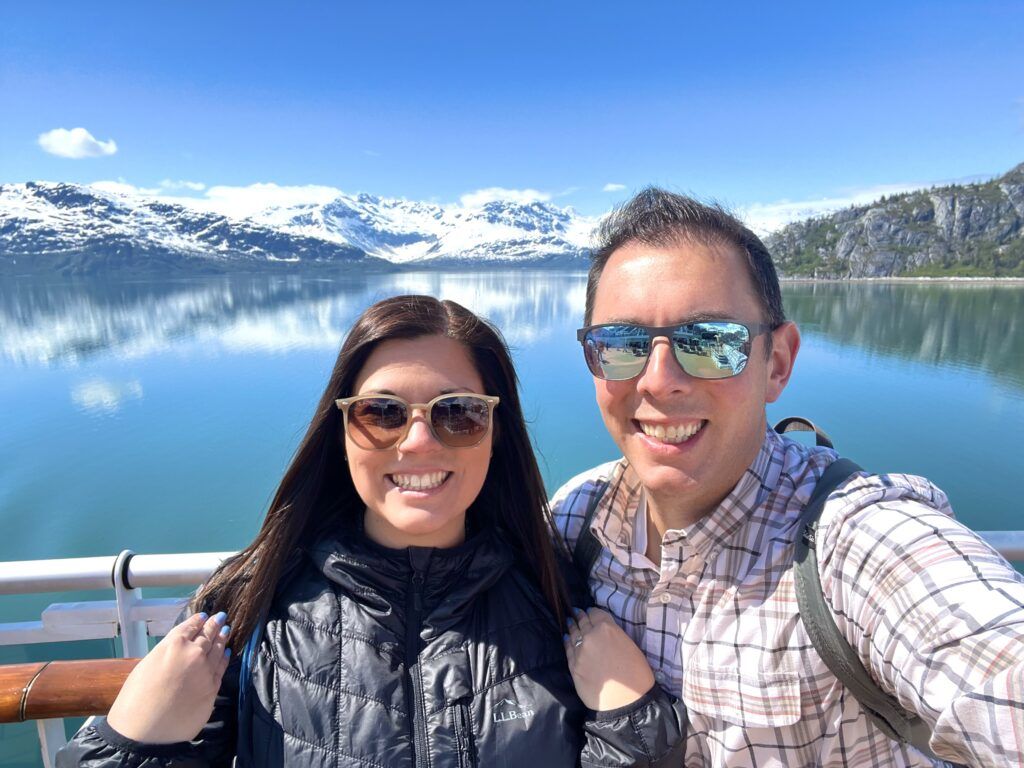
When not docked at a port of call, most cruise lines offer a variety of onboard talks and lectures specifically focused on Alaska. These are not your typical port shopping presentations, but rather genuine enrichment programs that provide valuable information about the history, culture, wildlife, and geology of the regions you’ll be visiting.
These talks are an informative, fun, and educational part of your cruise that absolutely should not be missed. The onboard naturalists and historians – many of whom are Alaska residents or experts who’ve spent years in the region – really make the cruise experience that much more enjoyable. They’ll teach you what to look for during wildlife viewing, explain the fascinating science behind glacier formation and calving, share the complex history of Alaska’s Native peoples, and provide context for the Gold Rush stories you’ll encounter in ports.
If your ship is cruising through Glacier Bay National Park, a ranger will actually board your vessel for the entire day. These rangers provide live narration throughout your time in the bay, pointing out specific glaciers, explaining the retreat and advance cycles, and offering presentations about the park’s unique ecosystem. This ranger commentary is one of the most special aspects of a Glacier Bay visit.
Check your daily program and prioritize these sessions!

Tip #27: Wake Up Early for Scenic Cruising
Some of Alaska’s most spectacular moments happen in the early morning hours, often before many passengers have finished their first cup of coffee. Don’t make the mistake of sleeping in and missing these incredible experiences.
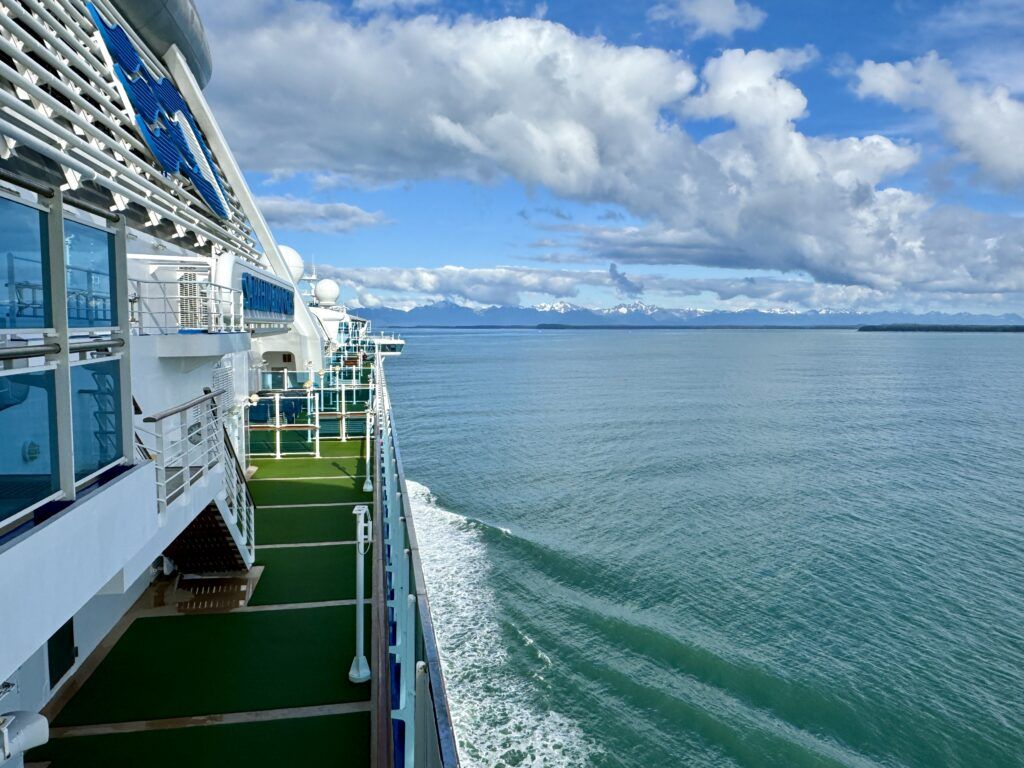
Scenic cruising frequently begins at dawn. The soft morning light creates stunning photography conditions. Wildlife is also most active during early morning hours. Whales feed more frequently at dawn, bears emerge along shorelines, and bald eagles hunt for their breakfast. The passengers who drag themselves out of bed at 5:30 AM are the ones who spot pods of orcas or witness humpback whales breaching.
Additionally, port arrivals often happen early, with ships docking between 6-8 AM. Watching your ship navigate narrow fjords and approach port towns in the morning mist is a magical experience you’ll miss if you stay in bed. So, consider going to bed earlier than usual and setting an early morning alarm.
Tip #28: Get Plenty of Rest (You’ll Need the Energy)
You are going to do and see a lot during your Alaska cruise, so prioritizing sleep becomes essential. As just mentioned, there will be early morning wake-up calls for glacier viewing and port arrivals – sometimes as early as 5:30 or 6 AM. Missing these opportunities means missing some of Alaska’s most spectacular moments, but it also means you’ll be functioning on less sleep than usual.
With the sun remaining out for up to 18 hours a day during peak season, you’ll naturally want to take in all the majestic views until late evening as well. It’s not uncommon to find yourself still on deck at 9 or 10 PM watching the sunset glow on mountain peaks or hoping for Northern Lights in September. This combination of early mornings and late evenings can quickly lead to exhaustion.
The extended sunlight can also disrupt your natural circadian rhythm, making it harder to fall asleep even when you’re tired. Your body doesn’t recognize that it’s bedtime when there’s still sunlight at 9 PM.
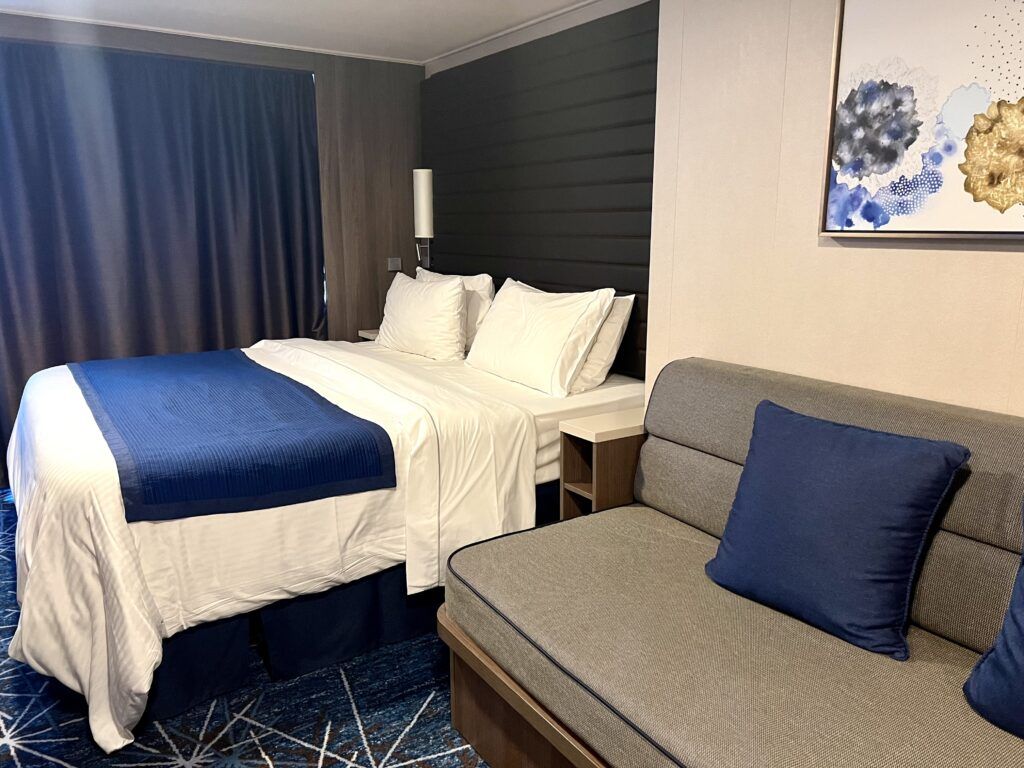
Combat this by strategically taking midday naps when the ship is at sea or during port days if you’re not on excursions. Also, bring clothespins or binder clips to ensure your balcony curtains fully close and block out light if you need to sleep while it’s still bright outside.
Tip #29: Decide Whether You Need an Internet Package
With onboard enrichment programs, early morning glacier viewing, long days in port, and the general pace of Alaska cruising, you may want to seriously consider skipping a WiFi package for this particular cruise. Unlike tropical cruises where downtime by the pool creates opportunities for scrolling and browsing, Alaska keeps you constantly engaged.
While internet connectivity on cruise ships is constantly improving with Starlink technology, the signal in Alaska historically has not been the best. Service can be impacted by weather conditions, interference from mountainous landscapes, and the remote nature of the region.
Additionally, most Alaska ports of call are within the United States and covered by standard U.S. cellular plans. Check your specific provider’s coverage area before sailing, but most major carriers work in Alaska ports with at least 3G speed.
If you do use your cell phone while docked in port, it’s critical to put your phone back into airplane mode once the ship sets sail. Otherwise, you may return home to a shocking bill of roaming charges.
Tip #30: Learn Some Nautical Terms
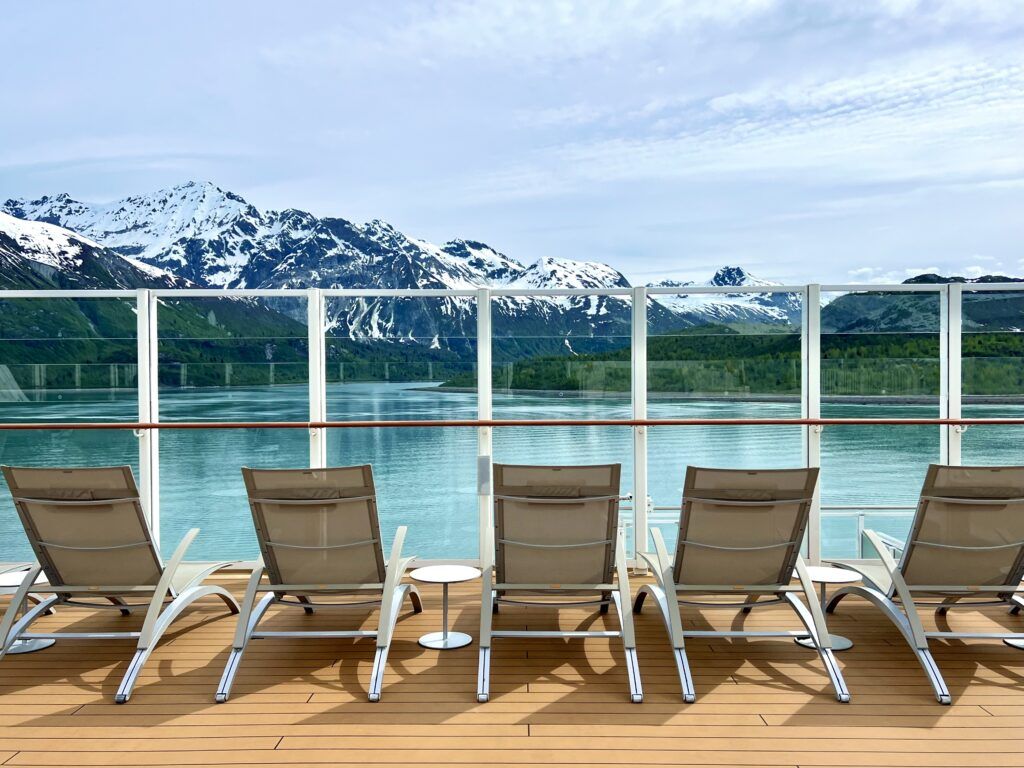
You don’t have to captain the ship, but learning some basic nautical terms is especially important before a cruise to Alaska. Often times, announcements will be made for wildlife sightings and during glacier viewing. Knowing starboard side vs. portside will ensure you don’t miss out on anything.
Portside refers the left side of the ship when facing forward. An easy way to remember this is that “port” has four letters as does “left.” Starboard is the righthand side of the ship when facing the front.
Now, when you hear there has been a whale spotting on the starboard side of the ship, you can just grab your gear and go!
Alaska Cruise Packing Tips
Packing for Alaska is completely different than packing for tropical cruises. Here’s what you actually need.
Tip #31: Pack a Variety of Layers (The Single Most Important Packing Tip)
The time of year you cruise to Alaska will dictate to some degree what items you’ll need on your Alaska cruise packing list, and the type of excursions you book should also factor into what you bring. However, the MOST IMPORTANT Alaska cruise packing tip is this: pack layers!
Given the dramatic temperature fluctuations – which in our experience can be 25-30 degrees or more in a single day – you’ll need plenty of clothes in varying degrees of warmth. You might wake up to 30°F temperatures for early morning glacier viewing, warm up to 65°F by midday in port, then cool back down to 50°F by evening. A single outfit won’t work for these swings.
Layers that can be easily packed, removed, and added throughout the day are essential. Think in terms of a layering system: lightweight base layers (long-sleeve shirts, leggings), mid-weight insulating layers (fleece pullovers, sweaters), and outer layers (lightweight vests, packable puffer jackets). Even thermal underwear might make sense for early season cruises or if you have low cold tolerance.
The key is versatility and packability. Choose items that can serve multiple purposes and compress well in your luggage. Avoid bringing heavy winter coats or bulky ski jackets – you simply won’t need them, and they’ll waste precious luggage space.
Tip #32: Rain Gear is a Must-Pack Item
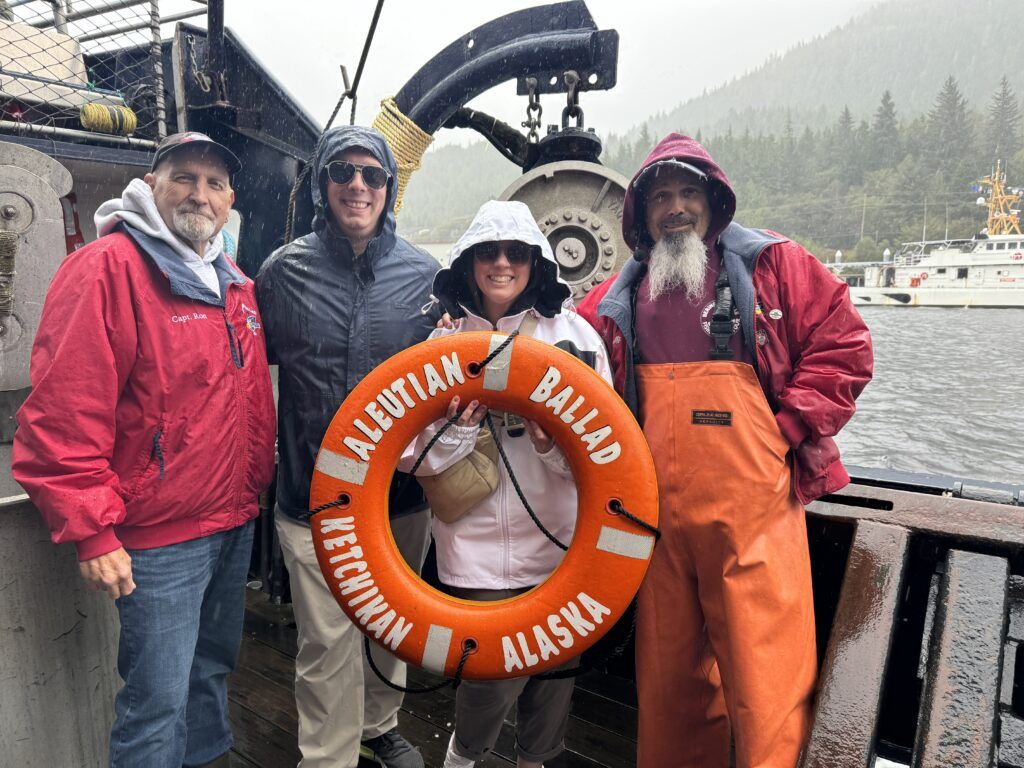
Speaking of weather and packing, make sure to bring a packable raincoat and waterproof shoes or boots – this is non-negotiable. It will rain during your Alaska cruise. Not “might rain” or “could rain” – it WILL rain. The only question is how much and how often.
A quality waterproof (not just water-resistant) jacket with a hood is essential. Look for breathable materials like Gore-Tex that prevent you from getting soaked from sweat while keeping rain out. Packable options that stuff into their own pocket are ideal for storing in your day bag when the sun appears.
Waterproof footwear is equally critical. This doesn’t mean heavy rubber boots – comfortable waterproof hiking shoes or duck boots work perfectly for most situations. Your feet will thank you when walking through puddles in Ketchikan or hiking on wet trails near Mendenhall Glacier.
For active excursions, lightweight waterproof pants are a smart investment, especially if you’re planning hiking tours, kayaking adventures, or any water-based activities.
Don’t let damp weather impact your trip or keep you inside – just be prepared with proper rain gear.
Tip #33: Don’t Forget Your Bathing Suit
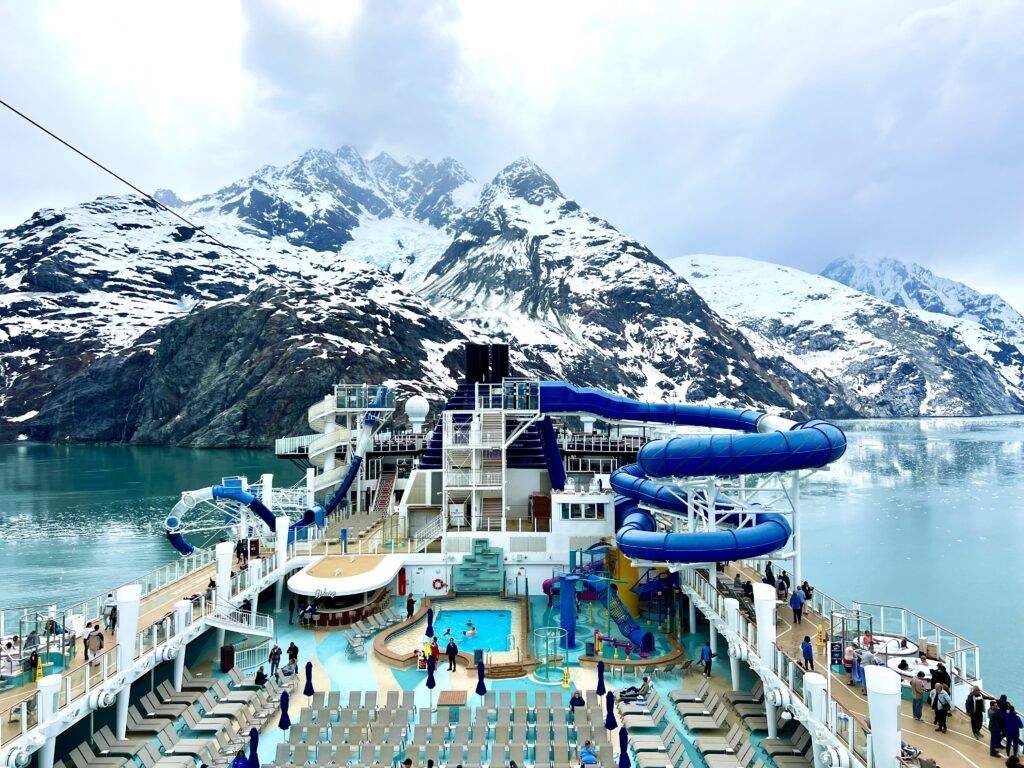
Another often-overlooked Alaska cruise packing tip: don’t forget your bathing suit. While the weather is not exactly beach-friendly, the pools and hot tubs on the ship remain open year-round, and the spa and thermal suites are actually more appealing in cooler climates than tropical ones.
Hot tubs become particularly popular on Alaska cruises. Think of how perfect it would be to soak in warm, bubbling water while watching glaciers drift by or spotting whales in the distance.
Many ships also feature enclosed or covered pool areas that remain comfortable regardless of outside temperature. These climate-controlled spaces allow you to swim in warmth while still enjoying views of the passing scenery through large windows. Thermal suites with heated loungers overlooking the ocean provide the ultimate relaxation spot between port days.
You might even get lucky with warm, sunny weather – we’ve experienced 70°F days in July where the outdoor pools were perfectly enjoyable.
Tip #34: Pack Sunscreen and Sunglasses
This might seem counterintuitive for a destination known for cool, overcast weather, but sun protection is surprisingly essential on an Alaska cruise. Many first-time visitors make the mistake of leaving these items at home.
Snow, ice, and glaciers reflect sunlight, effectively doubling your sun exposure when viewing glaciers or sailing near ice fields. The extended daylight hours during summer months mean you’re exposed to UV rays for 16-18 hours per day. Additionally, at higher latitudes, the thinner atmosphere provides less natural UV protection.
Polarized sunglasses are particularly valuable in Alaska as well. They reduce glare from water and ice surfaces, making it easier to spot wildlife like whales, otters, and seals.
Pack a broad-spectrum sunscreen (SPF 30 or higher) and apply it daily, especially on your face, neck, and hands. Bring quality sunglasses and keep them accessible – you’ll reach for them far more often than you might expect, even on overcast days.
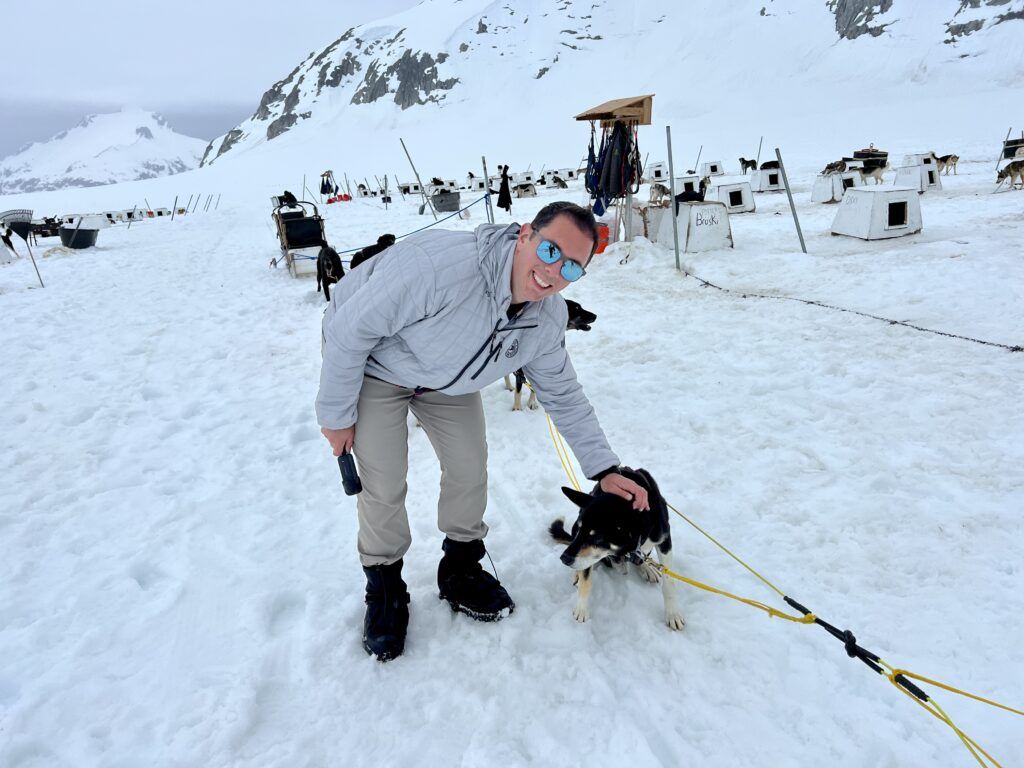
Tip #35: Bring a Small Backpack or Day Bag
A lightweight, water-resistant backpack or day bag is one of the most essential items you’ll use throughout your Alaska cruise. You’ll need it daily for shore excursions and even for moving around the ship during scenic cruising.
Alaska’s variable weather means you’ll constantly be adding and removing layers throughout the day. A day bag allows you to carry a rain jacket, fleece, hat, and gloves when you head out in the morning, then stow these items as temperatures warm up in the afternoon. Without a bag, you’ll be stuck carrying armfuls of clothing or leaving expensive gear behind.
Your day bag also serves as the perfect place to store other essentials you’ll need in port: water bottles, snacks, sunscreen, camera equipment, and binoculars.
Look for a bag that’s water-resistant or waterproof. One with multiple compartments is beneficial too, as it helps keep your camera gear separate from wet rain jackets.

Tip #36: Don’t Overpack
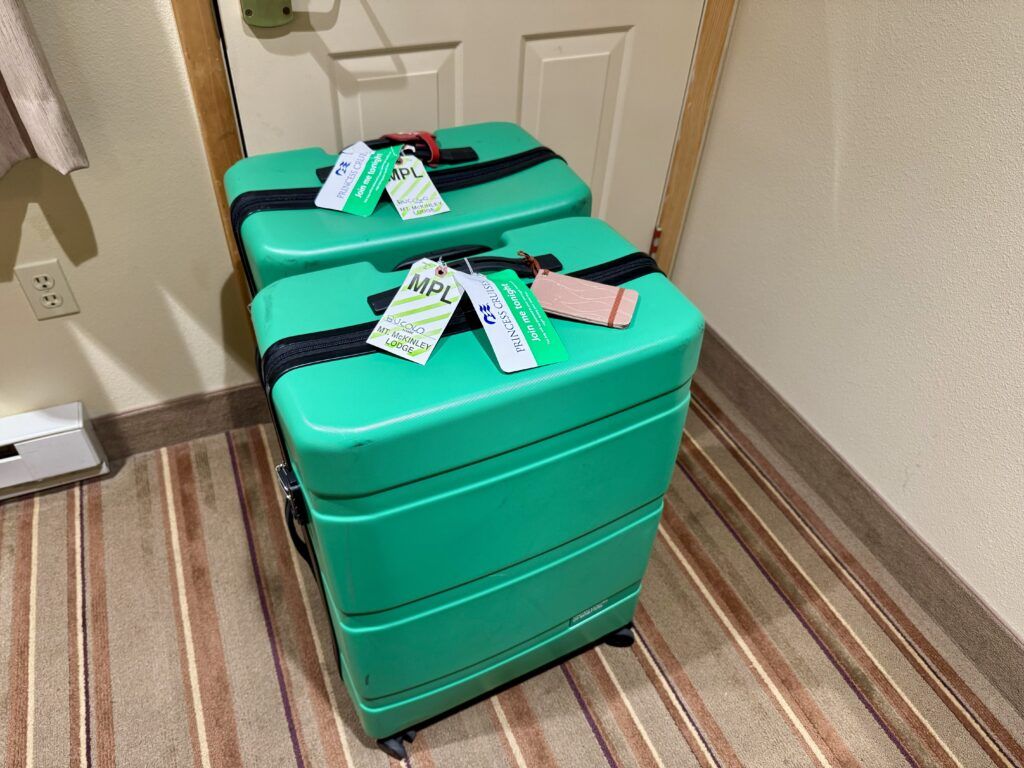
We can speak from personal experience. On our first Alaska cruise, we didn’t know what to expect. So, we headed to Seattle with three suitcases weighing in at nearly 49 pounds each. From experience, we can tell you that you won’t need as much outwear as you might think. We recommend only packing a few warmer layers and water resistant gear to go ashore.
Many of those adventurous tours will provide warm layers, boots, and necessary accessories. So, check first before packing those items.
Of course, everyone’s body temperature regulation is different, but we tend to find ships warm. So, make sure to pack some lighter weight items to wear onboard. Long sleeve tops and t-shirts and even a pair of shorts will do. Additionally, multi-use items will help you get a couple wears out of your outfits.
If all else fails, self-service laundry is available on many cruise ships as well. So, you can even wash any clothes that get dirty during the trip.
While we have gotten better at packing, we still haven’t figured out how to travel in just carry-ons!
Tip #37: Get More Space with Magnetic Hooks
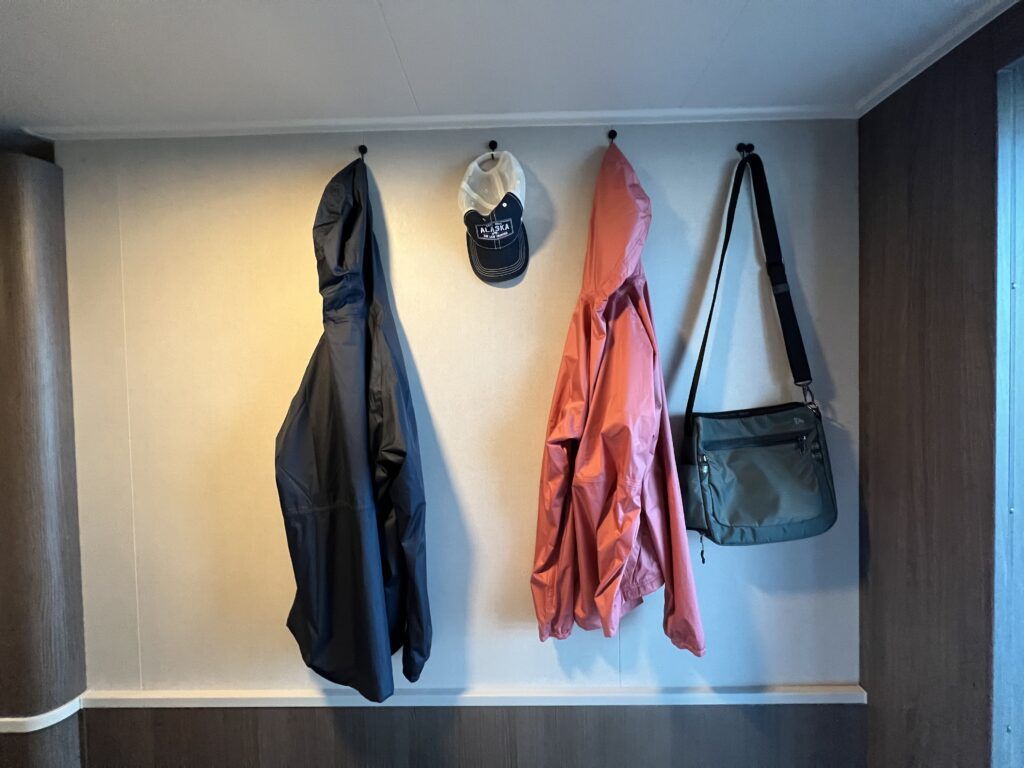
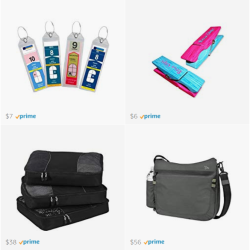
With all of your gear and potentially wet garments from rainy Alaska weather, packing magnetic hooks is a must for cabin organization. For those new to cruising, here’s a helpful secret: the walls of your stateroom cabin are metal. This means strong magnetic hooks attach instantly to walls, creating valuable extra storage space in your cabin.
These hooks come in handy to hang day bags, rain jackets, fleece layers, hats, and binoculars – all the items you’ll be using daily but don’t want cluttering your limited closet or counter space. Wet rain gear can air dry on hooks rather than being stuffed into closets where it stays damp.
Magnetic hooks are inexpensive, reusable for every cruise, and make a remarkable difference. They’re especially valuable in Alaska where you’re dealing with more clothing layers and gear, but we use them on all our cruises.
Tip #38: Bring an Over-the-Door Shoe Organizer (But Not for Shoes)
Another trusted cabin hack that we consider absolutely essential is bringing a packable over-the-door shoe organizer. But here’s the key – this is not for shoes. This simple item transforms your cramped cabin into an organized, functional space.
We hang this lightweight organizer with magnets on our cabin wall to store dozens of small items that would otherwise clutter every surface in the cabin. The multiple pockets are perfect for organizing toiletries, daily medications and vitamins, phone chargers, sunscreen and bug spray, sunglasses, shore excursion tickets, hand sanitizer, and any other small accessories you’ll use throughout the week. In Alaska specifically, you’ll have extra items like gloves, hats, and binoculars.
These organizers can have anywhere from 12-24 pockets for maximum storage. They fold completely flat for packing and weigh almost nothing.

Alaska Shore Excursion Tips
Shore excursions can easily cost as much as your cruise fare itself, yet they’re also where you’ll create your most memorable Alaska moments. Here’s how to plan them strategically.
Tip #39: Get Off At Every Port of Call (Even Without Booked Excursions)
Unlike Caribbean cruises where “ship days” can be just as enjoyable as port days, Alaska cruising is about the destination. Staying onboard while docked in these incredible ports means missing the entire point of your Alaska cruise. Each port offers unique character, history, and experiences you simply cannot get from the ship.
You don’t have to book shore excursions in every port to have meaningful experiences. Many Alaska cruise ports are highly walkable if you just want to explore downtown areas independently. Cruise lines also typically offer complimentary or inexpensive shuttles into town from ports located outside walking distance.
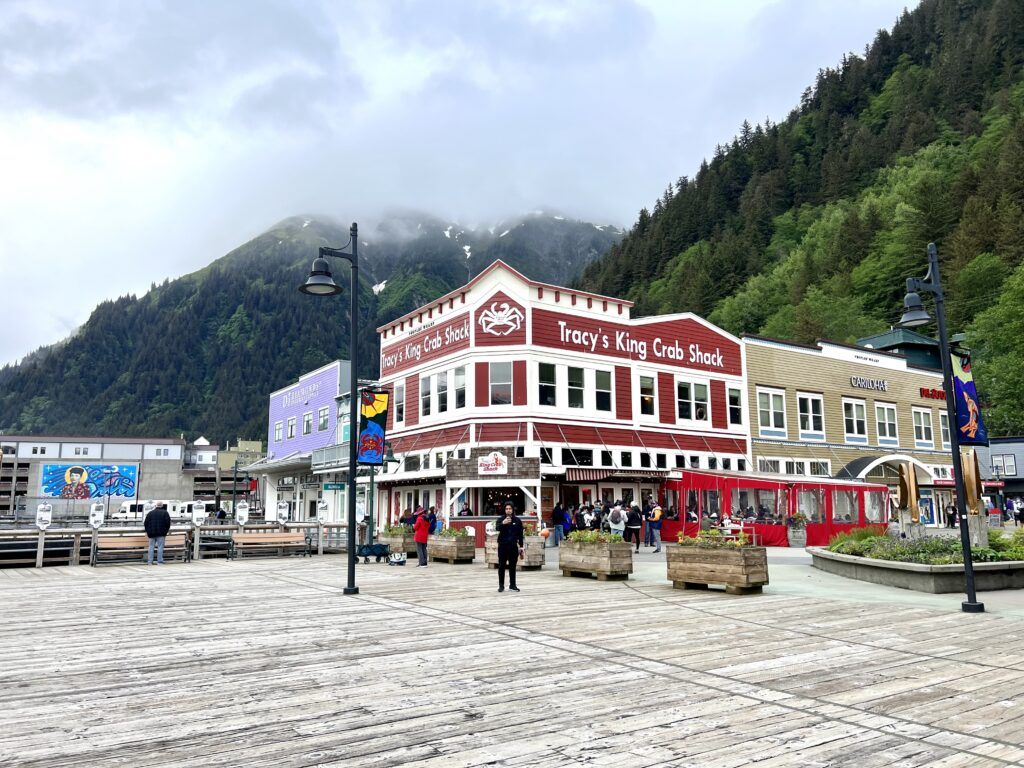
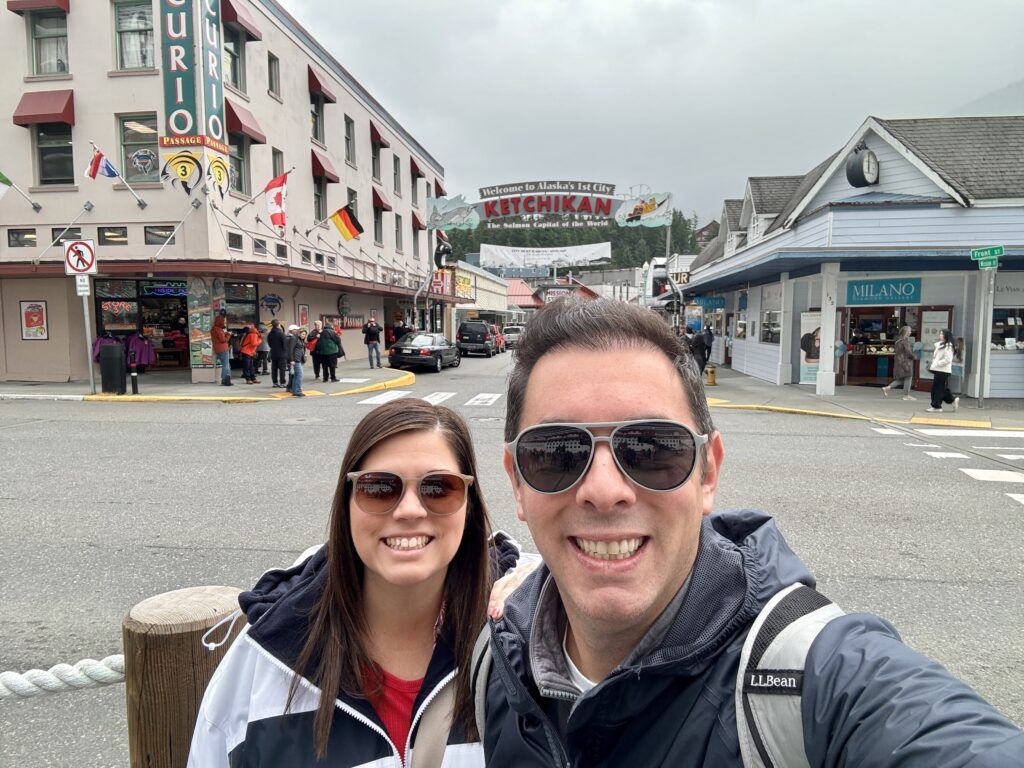
We’ve spent wonderful days wandering downtown Ketchikan, perusing the shops and browsing local restaurants along historic Creek Street. You can easily walk the streets of Juneau, grabbing lunch at local spots like Tracy’s King Crab Shack. The same applies to Skagway’s Gold Rush-era downtown or Icy Strait Point’s charming waterfront area. There is plenty to do in these ports that doesn’t require expensive organized tours.
However, there are also many thrilling and exciting shore excursions that you absolutely shouldn’t miss. Try balancing bucket-list experiences with DIY or budget-friendly tours.
Tip #40: Budget Extra for Shore Excursions (They Add Up Quickly)
One of the biggest reasons Alaska cruises are so expensive compared to other destinations are the shore excursions. If you have your heart set on signature Alaska experiences like glacier hikes, helicopter tours with glacier landings, dog mushing on snowfields, or bear viewing by floatplane, you need to budget accordingly. These activities add significant additional costs beyond your cruise fare.
Many of these bucket-list experiences cost $500+ per person, with premium helicopter and flightseeing tours sometimes exceeding $700. Of course, you don’t need to spend that much on every tour. There are plenty of excellent excursions in the $100-$200 range as well. But those once-in-a-lifetime opportunities that Alaska uniquely provides often command premium pricing due to limited capacity, specialized equipment, and the expertise required to operate safely in remote wilderness.
Our approach is typically booking one or two big-ticket excursions per cruise, then opting for more reasonably priced tours for the remainder of the ports.
As a baseline, we suggest budgeting at least $100-150 per person, per port for excursions. With 3-4 ports on a typical 7-day cruise, don’t be surprised if your family spends $1,200-$2,400+ on excursions alone – and that’s with moderate spending. Families booking multiple premium tours can easily exceed $5,000 total.
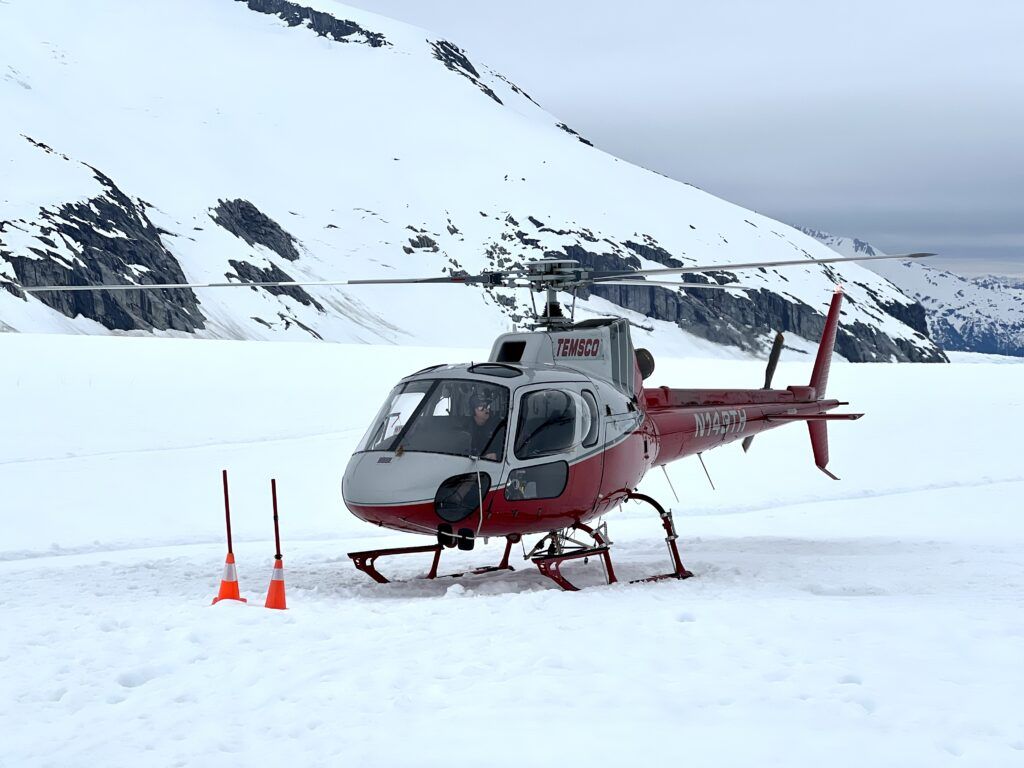
Tip #41: Book Shore Excursions Early
Since an Alaska cruise is a once-in-a-lifetime trip for many travelers, the most popular shore excursions book up incredibly quickly – often several months before your sailing date. Waiting to book excursions is a risk we would absolutely not take. The last thing you want is spending a year anticipating your helicopter glacier landing or dog sledding adventure, only to see it’s “sold out” when you finally try to book.
We suggest booking your must-do shore excursions as soon as they become available in your cruise planner. Most cruise lines allow full refunds if you cancel excursions up to 48 hours before the tour, so booking early carries virtually no risk. If your plans change, you can simply cancel and get your money back.
As a bonus tip, keep monitoring your online cruise planner after booking. Most cruise lines periodically run sales on shore excursions. If you see your already-booked excursion go on sale, contact the cruise line to request a price adjustment (or cancel and re-book immediately).
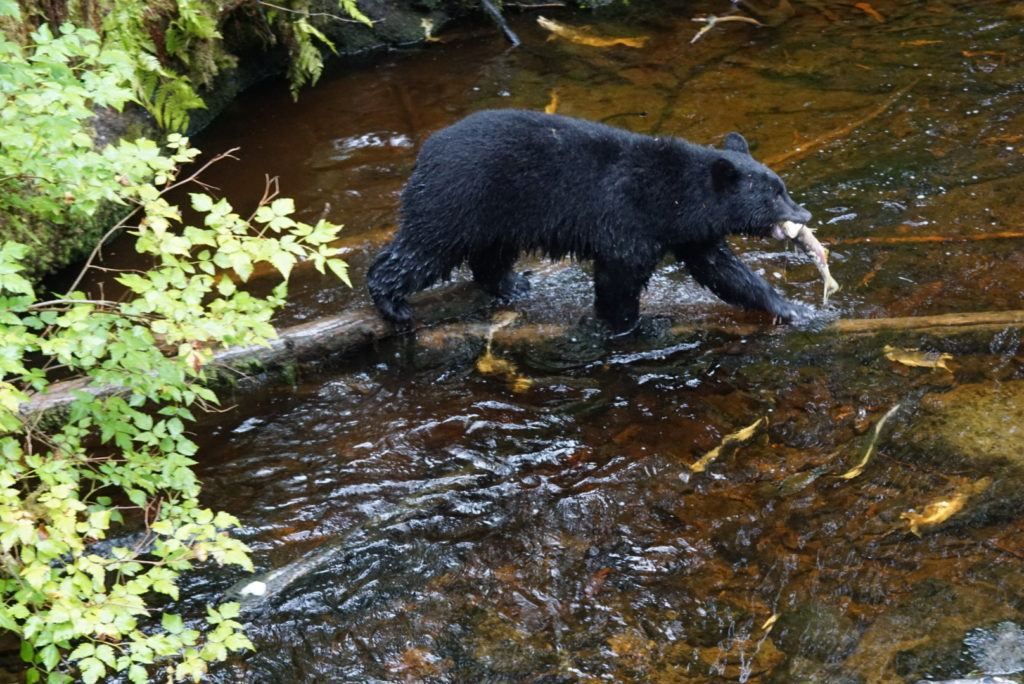
Tip #42: Consider Booking Excursions Outside the Cruise Line to Save Money
While booking shore excursions directly through your cruise line is convenient, you can often save 20-40% by booking the same tours through third-party providers or local operators. These savings can add up quickly when you’re spending hundreds of dollars per person on excursions.
Companies like Shore Excursions Group offer many of the same tours as cruise lines at significantly lower prices. They also provide a “return to ship” guarantee, meaning they ensure you get back to the ship on time – addressing one of the main concerns about independent bookings.
Beyond cost savings, these tours often provide smaller group sizes, creating a more personalized experience. Instead of being on a bus with 50 other cruise passengers, you might be in a van with 10-12 people, allowing for more interaction with your guide and better wildlife viewing opportunities.
We’ve booked independently multiple times without any issues. Do your research, read recent reviews, and verify the operator’s reliability before booking.

Tip #43: Have “Plan B” Excursions Just in Case
Alaska’s unpredictable weather means that excursions can be cancelled with little notice. Having backup plans ensures you still make the most of your port time even when Mother Nature doesn’t cooperate.
Weather-dependent tours like helicopter glacier landings, flightseeing over Misty Fjords, and even some whale watching excursions can be scrubbed due to fog, high winds, or rough seas. We’ve experienced this firsthand, having our helicopter dog sledding tour cancelled three times before finally completing it on our fourth Alaska cruise.
When planning your excursions, identify alternatives for each port that aren’t as weather dependent. For example, if your helicopter tour in Juneau gets cancelled, you could have the Mendenhall Glacier Visitor Center, whale watching, or the Mount Roberts Tramway as backup options. In Ketchikan, if your floatplane tour to Misty Fjords is cancelled, the Great Alaskan Lumberjack Show makes an excellent alternative.
The cruise line will refund cancelled excursions, but having a Plan B means you won’t waste valuable port time scrambling to find something else to do.

Tip #44: Try the Local Flavor
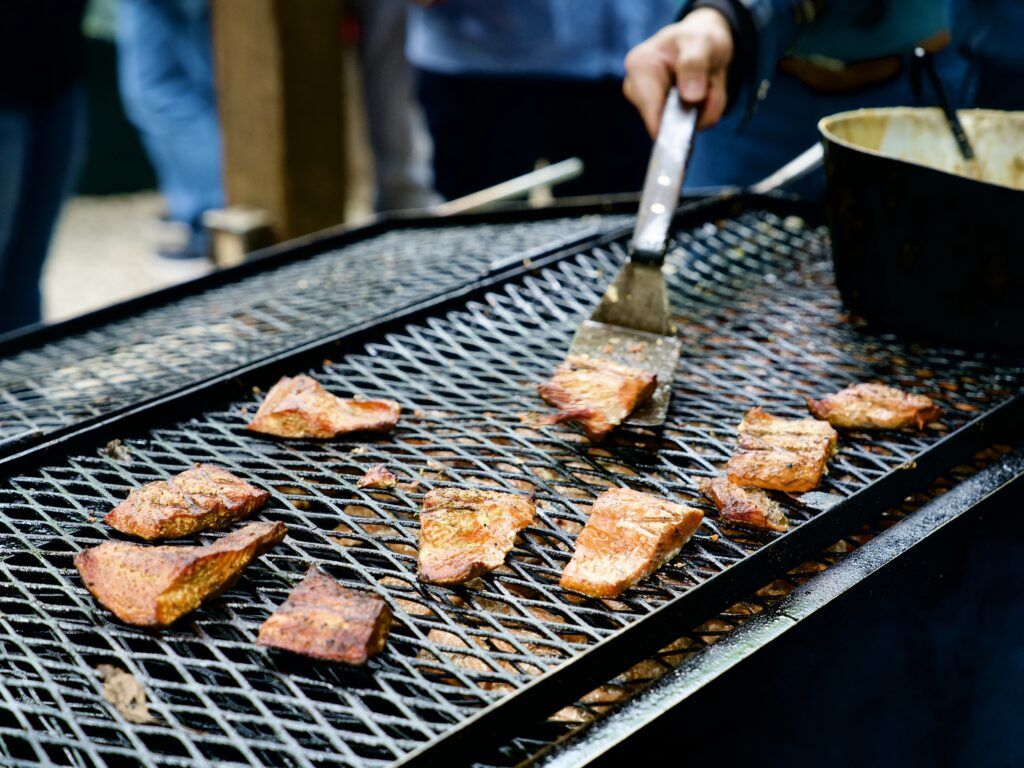
The food on the ship is delicious as always, but when in Alaska, you should eat like an Alaskan – which means stepping off the ship for at least one meal to indulge in the plentiful fresh seafood that makes this region famous.
Alaska’s pristine waters produce some of the world’s finest seafood. Wild-caught salmon, massive Alaskan King Crab legs, fresh halibut, and Dungeness crab are all local specialties that taste noticeably better when sourced directly from Alaska and prepared by local chefs. Traditional salmon bakes are a great option as well.
Beyond seafood, sample other Alaska favorites like locally-brewed craft beers and wild berry desserts made with blueberries, salmonberries, and huckleberries harvested from surrounding forests.
Some of our tried-and-true recommendations include Tracy’s King Crab Shack in Juneau for the “best legs in town”; the Red Dog Saloon in Juneau for historic atmosphere, local beers, and classic pub fare; the Red Onion Saloon in Skagway, a former brothel turned restaurant with Gold Rush-era character; and Creek Street in Ketchikan, a historic boardwalk lined with shops and seafood restaurants perched over the water.
Tip #45: Bring Some Extra Gear (Your Smartphone Won’t Cut It)
While cameras on smartphones have come a long way over the years and work well for everyday photos, they simply won’t do the scenery and wildlife in Alaska any justice. The vast distances, moving wildlife, and dramatic landscapes require more.
If you want great photos to last a lifetime that truly capture what you’re seeing, we strongly recommend bringing a camera with a zoom lens. If you don’t own one, you can rent quality equipment relatively inexpensively from services like Lensrentals.com or BorrowLenses.com. We rented a zoom lens for our last trip to Alaska and are so glad we did.
Beyond traditional cameras, consider renting or bringing other specialized equipment. Action cameras like GoPros are perfect for kayaking excursions or glacier walks where you need waterproof, hands-free recording. 360-degree cameras capture immersive panoramic footage that really showcases Alaska’s vast landscapes.
You should also invest in a decent pair of binoculars for this trip. They don’t have to be expensive, but binoculars are absolutely crucial when scouting for wildlife. You’ll use them constantly to spot distant whales, bears along shorelines, eagles in trees, and otters in the water. Of note, some more premium cruise lines do provide binoculars in each cabin, so check before purchasing.

Bonus Tip
Tip #46: Alaska Is Not a “One and Done” Destination
Many travelers approach Alaska as a bucket list destination to check off and move on. But here’s what we’ve learned after seven Alaska cruises over more than a decade: one trip simply isn’t enough to experience everything this remarkable region has to offer.
Each Alaska cruise reveals something different. Weather patterns, wildlife sightings, and seasonal variations mean no two sailings are ever the same. Some cruises blessed us with sunny 70-degree days, while others offered moody, dramatic fog that made the glaciers even more spectacular.
Different itineraries also showcase vastly different aspects of Alaska. Glacier Bay National Park offers an experience completely distinct from Hubbard Glacier. One-way Gulf of Alaska cruises visit different areas than roundtrip Inside Passage sailings. And cruisetours feature visits to stunning Denali National Park.
Additionally, you’ll discover excursions you wish you’d booked or experiences you want to repeat. Maybe your helicopter tour got cancelled due to weather, or you loved whale watching so much you want to try it in a different location.
We’ve visited Alaska seven times and are currently planning our eighth trip. Each voyage has offered unique moments and memories we wouldn’t trade for anything.
Comments
Have you cruised to Alaska yet? What are some of your best Alaska cruise tips? Drop us an anchor below to share your Alaska cruise tips, tricks, and secrets.







)
)
5 comments
bruceschinkel19
Love these tips! It’s really great to know insider tips like the weather, excursion booking, and seasonality. This will really come in handy as I plan my own cruise
Autumn Castagna
Any tips on excursions to take while in Alaska?
❤️ Ella is interested in your profile! More info: https://clck.ru/ehacF?h=7ccba3a2501b3a29193200fe554e6765- ❤️
asfppgr
All the girls from next door are here with their cams! Visit Cam: https://letsg0dancing.page.link/go?hs=7ccba3a2501b3a29193200fe554e6765&
469u2b
Richard
14-day voyage of the glacier trips with HAL or Princess are great options (Hubbard, GB and College fjiords all in one trip !) as well as multiple port days in major ports.