
 Sarah Bretz
You’ve booked your first cruise ever. Congratulations and welcome to the world of cruising! Now, you might be wondering what you should expect during your first vacation on the high seas. You might even be apprehensive about the unknowns involved with a whole new way of traveling. To help you get a better idea of what it’ll be like — and hopefully alleviate some worries — we’re going to run through the basics of what to expect on a cruise.
Quick Facts About Cruising
- Most contemporary cruise ships carry 2,500 to 4,000 guests
- Accommodations, standard dining, and most amenities, activities, and entertainment are included in the fare
- Popular cruising regions include the Caribbean, Europe, and Alaska
- People of all ages and from different walks of life go on ocean cruises
- Cruises may not be ideal for those who are very afraid of deep/open water or who have severe motion sickness issues
What is boarding a cruise like?
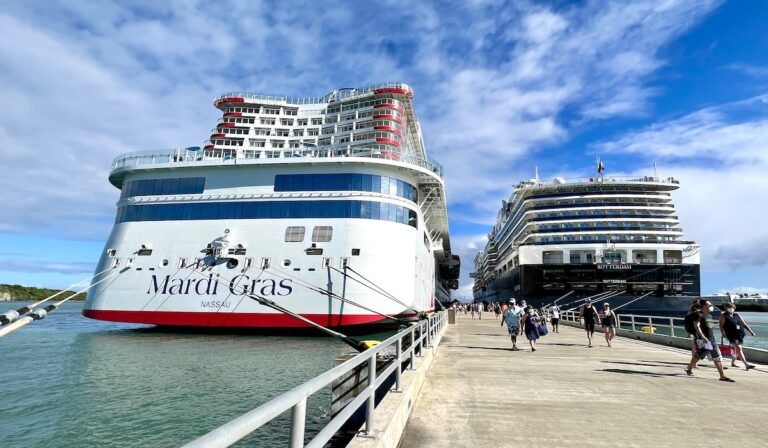
Embarkation day is always exciting for any cruiser, but maybe even moreso for a first-timer cruiser. It’s the thrill of escaping the real world and setting off on what’s sure to be a memorable adventure.
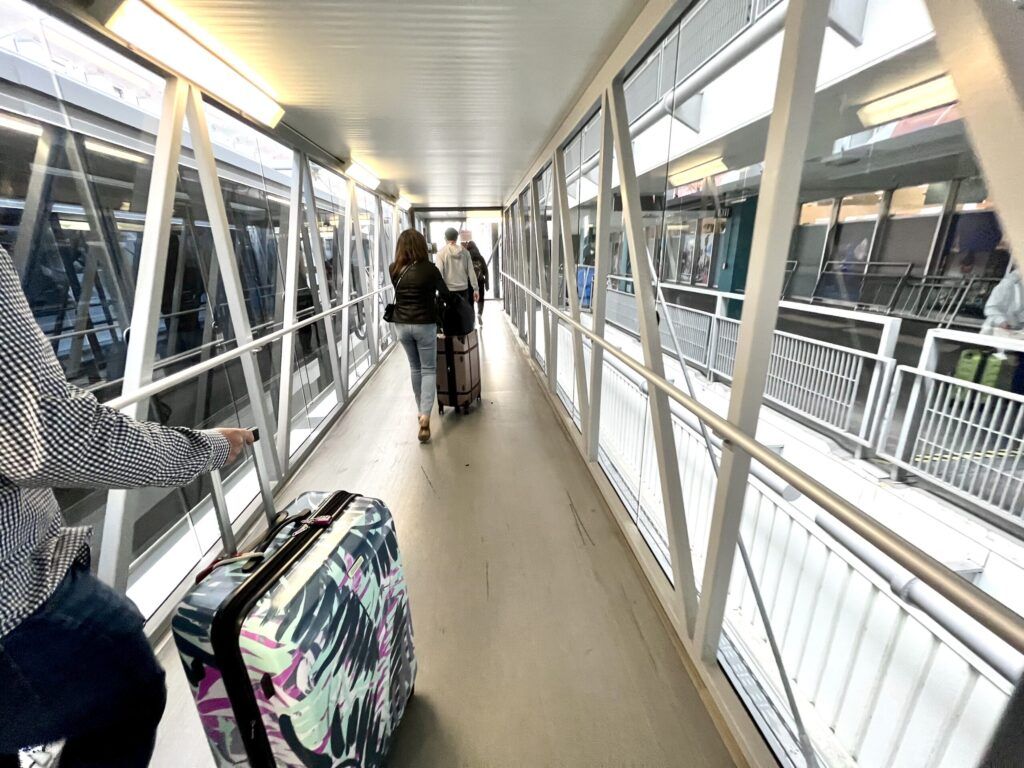
When you arrive at the cruise terminal, you’ll have to complete a few logistics first like a security screening, the check-in process, and document verification. But before long, you’ll be walking up the gangway and straight into vacation mode.
When you step onto a ship for the first time, you’ll be entering into a busy public area such as the atrium on most mainstream cruise ships. If you’re one of the first boarding groups, your cabin likely won’t be ready yet. So, you might want to hang out at the bar or the pool, grab some lunch, or start exploring the ship before heading to your room. This is the perfect time to get your bearings and find your favorite spots.
If you’re boarding in the afternoon, you likely can head right to your cabin to drop off your things and start unpacking, complete the muster drill, and head out to grab a bite to eat before sail away (which generally occurs in the late afternoon).
Where do cruises go?
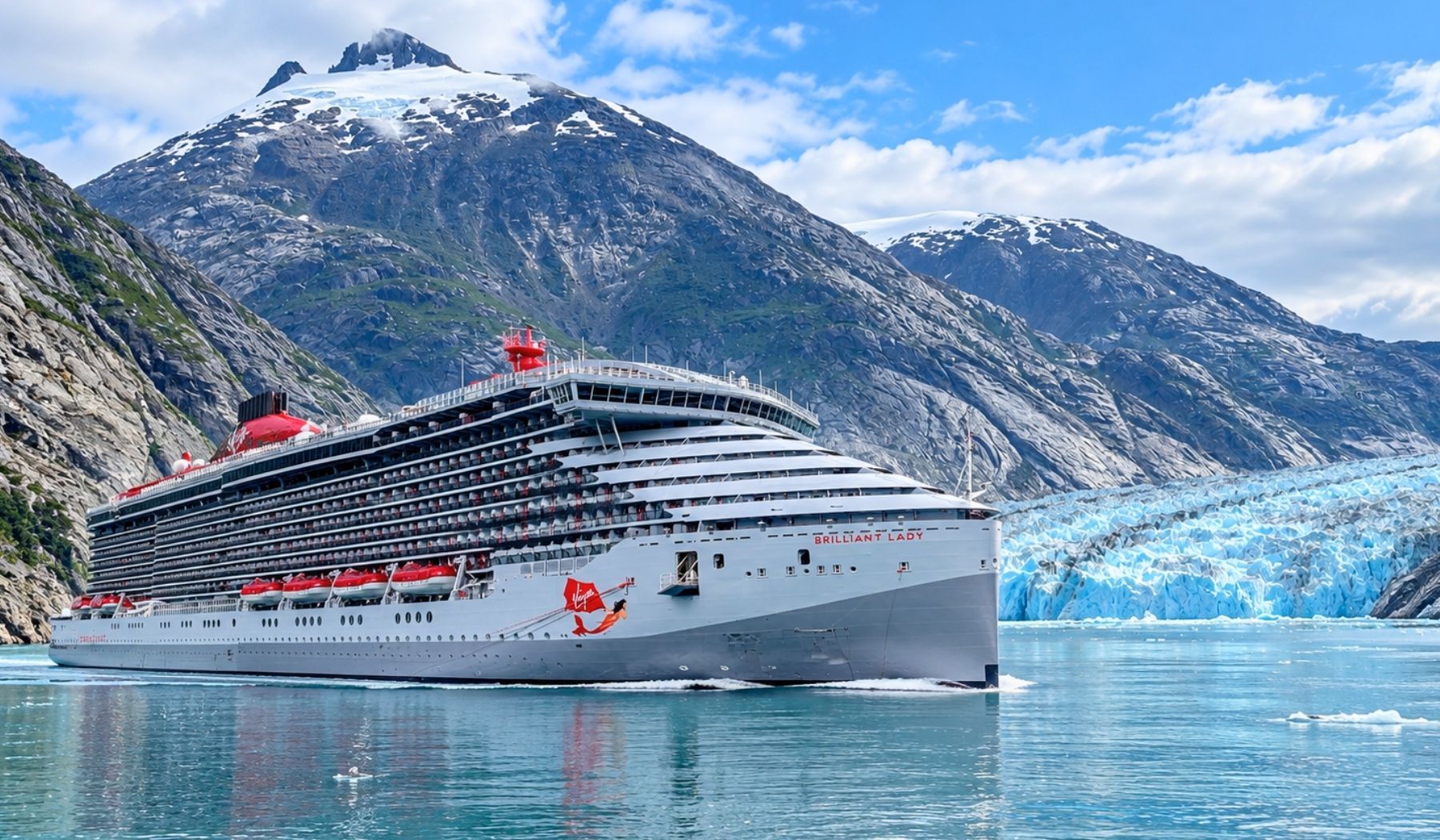
Cruise ships sail on oceans, seas, rivers, and even The Great Lakes in North America. They visit all seven continents, calling on ports big and small — from bustling capital cities to quiet, small villages. The main cruising regions include:
- The Caribbean and Eastern Mexico
- Eastern Canada and New England
- Southern Alaska and Western Canada
- The U.S. West Coast and Western Mexico
- The Mediterranean
- Northern Europe
- Southeastern Asia
- Australia and New Zealand
- The South Pacific islands
- Hawaii
- The Panama Canal
- Bermuda
- South America and Antarctica
- Africa
How big are cruise ships?
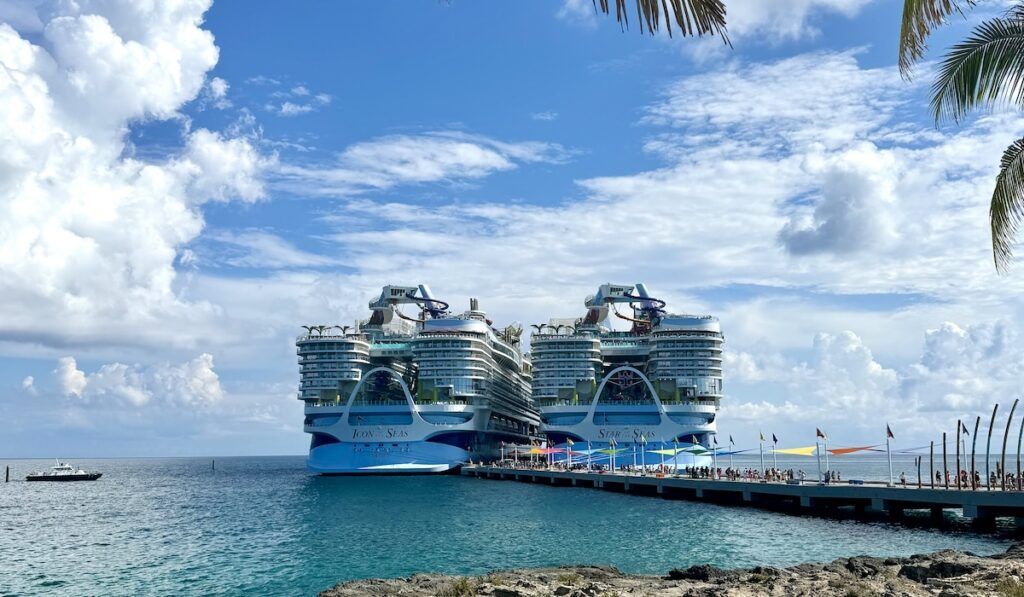
Cruise ships vary wildly in size, with many vessels constructed specifically for the regions they sail. Some cruise ships are more like mega yachts, while the length of others go well beyond the height of many skyscrapers. For instance, the longest cruise ships in the world are currently Royal Caribbean’s Icon of the Seas and Star of the Seas, which are 1,198 feet long. They’re just 52 feet shorter than the height of the Empire State Building, which comes in at 1,250 feet (not counting its antenna). These ships also measure in at nearly 250,000 gross tons!
But if we’re not talking about extremes, the average modern cruise ship comes in at about 1,000 feet long and 200 feet wide and 150,000 gross tons, with an average of around 12 to 16 decks (or stories). Expect a guest capacity of around 2,500 to 4,000 people, plus at least a thousand crew members.
What is a cruise cabin like?
Your cruise ship will likely have four main cabin categories, many of which break down further into sub-categories that vary greatly depending on the ship and cruise line. The four main categories are interior rooms (no window or balcony), oceanview (with a window that doesn’t open), balcony (dedicated outdoor space usually with two chairs), and suites that have more square footage and usually include a balcony as well.
Be aware that cruise staterooms are generally smaller than most hotel rooms, so it will be less space to move around than you may be used to. Bathrooms are smaller, too. And remember that they have a step up (unless you’re in an accessible cabin) so be careful not to trip. Cabins usually have smart storage solutions, so you should find spots to put all of your things once you unpack; your suitcases can easily slide under the bed. Plus, there are other cruise cabin hacks to maximize your space.
Cruise rooms span all price ranges, with the best rooms on a cruise ship typically being the most expensive. Higher decks also tend to come at an increased cost, as do rooms in the middle of the ship. In general, there are also some rooms you may want to avoid, particularly if you are sensitive to noise or motion.
What kind of food is there on cruises?
Dining options are not equal between cruise lines. Oftentimes, they are not even equal between many ships from the same cruise line. That’s why it’s always important to research what’s available on a cruise ship before booking. With that being said, here’s a basic guideline on what to expect.
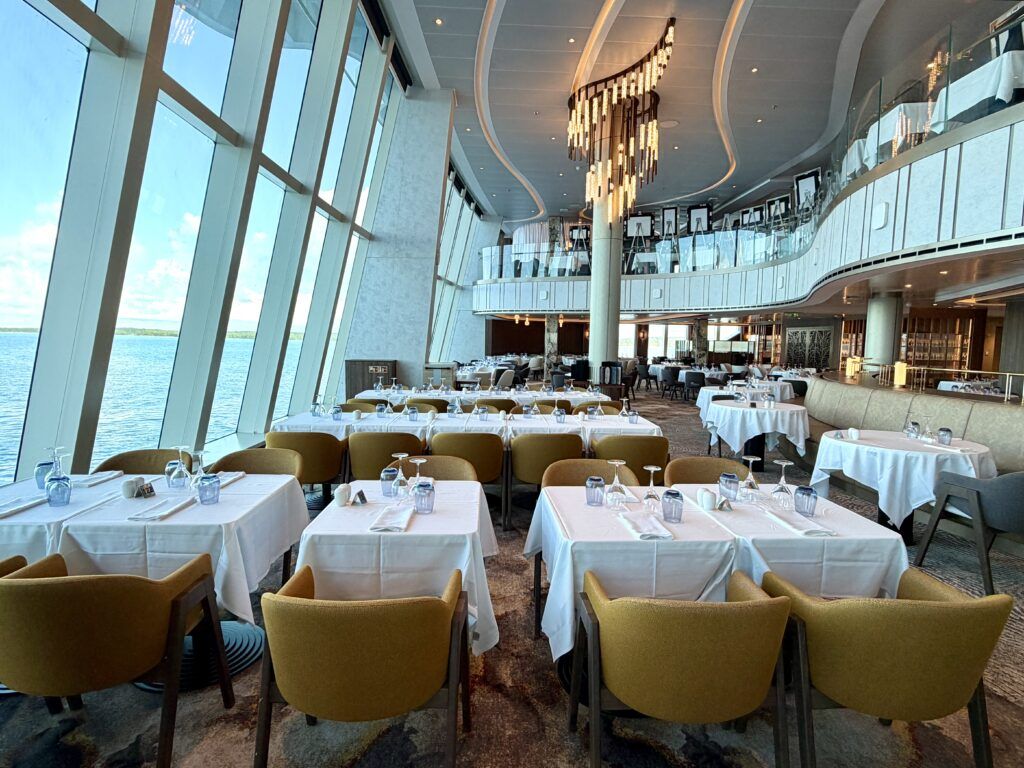
Your ship will have one or more complimentary main dining rooms, which is where most guests have dinner each night. It may also be open for breakfast and/or lunch on select days. There’s a large buffet, usually located adjacent to the main pool on one of the upper decks. A poolside grill serving casual quick-service items is often outside by the pool as well, and there’s usually a 24/7 or late-night pizza place located somewhere on the ship.
Room service is also always available. It will either be free or incur a small charge (much less expensive than a hotel’s room service).
Additional dinner options may include specialty restaurants that have a la carte menu items or incur a flat fee. These often include an American-style steakhouse, an Italian restaurant, an Asian restaurant, and a French restaurant.
What kind of entertainment is offered on a cruise?
Your ship will have a main theater, with various shows such as musicals, singing performances, acrobatics, and game shows. The ship might also have a comedy club or multi-purpose venue that hosts stand-up comedians or improv shows, often with earlier family-friendly sets as well as late-night adults-only shows. Around the ship throughout the day and night, expect to find live music in the form of vocalists, guitarists, and house bands. Common spots to find live music include the atrium, the main pool deck, and bars and lounges.
Cruise ships also host big deck parties, which usually take place on the main pool deck. There’s usually a sail away party which occurs as the ship sails away from the homeport on the first day of the cruise. Late-night parties on deck or in the atrium might also be featured. Popular ones include a themed party where everyone wears white, an 80s party, and a silent disco.
The good news is that the majority of this entertainment is included in the cruise fare, so you won’t have to pay extra to enjoy it.
What amenities and activities can you find on a cruise ship?
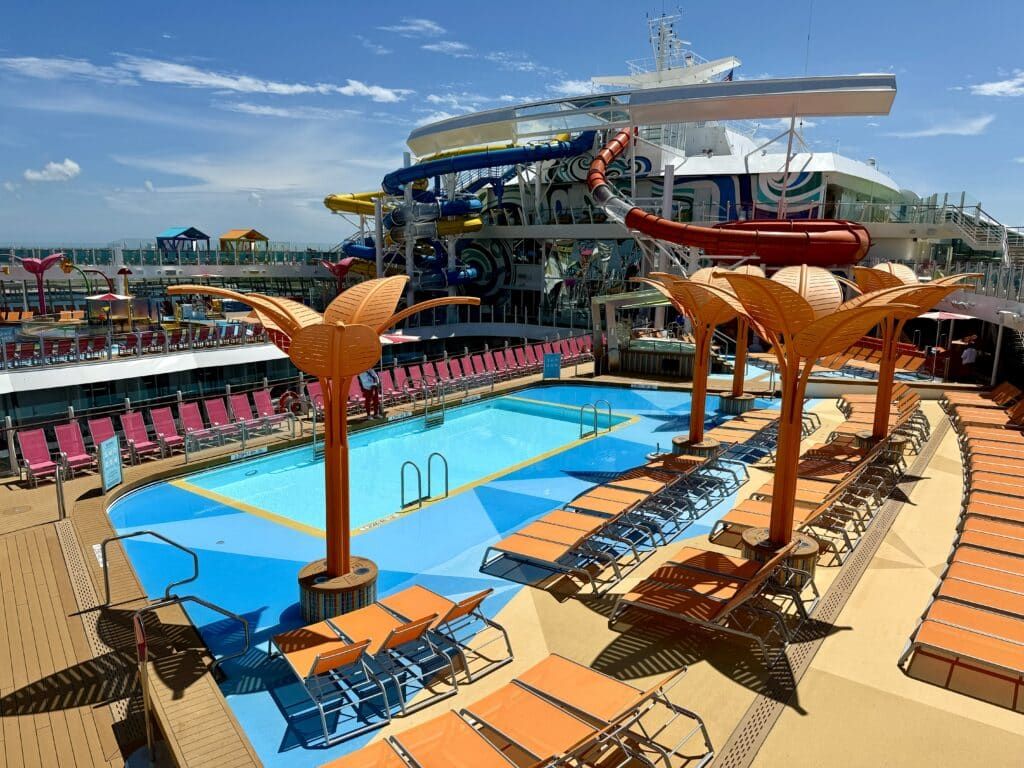
Available amenities are another area where cruise ships can vary wildly depending on not only the cruise line, but also the specific ship. However, there are some standard things you can expect to find on most vessels. At least one pool (but often more) and some hot tubs are practically a given on cruise ships, as people look to connect to the sun and sea during their time on board. Some ships even have pool decks with retractable roofs so they can still be enjoyed in inclement weather.
Ships also include a spa where you can get treatments like facials and massages. Many also include a thermal suite that guests can buy passes to. This includes amenities like a steam room, sauna, hot tub, experiential showers, and more. A casino can be found on most cruise vessels, along with an arcade for kids and kids at heart. On the upper deck, a mini-golf course, netted sports court, and even waterslides are also common.
Your cruise director and entertainment staff will host a variety of events and activities throughout the cruise. These include contests like trivia, bingo, and dance classes. One of the best events to attend is the love and marriage show, some variation of which can be found on multiple cruise lines.
Needless to say, there is no reason to worry that you’ll be bored on a cruise! There are plenty of entertainment options and activities to keep all types of travelers busy even on sea days. While some activities may incur a small fee (depending on the cruise line and activity), a majority of them are completely free for guests to enjoy.
What happens at ports of call?
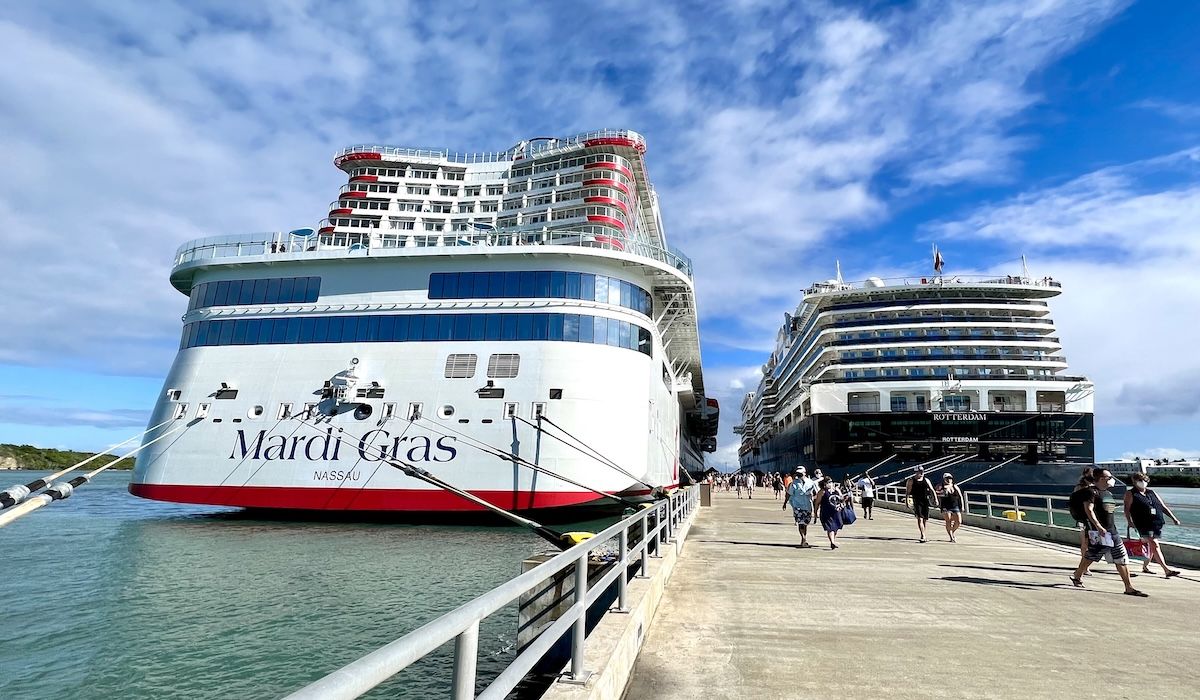
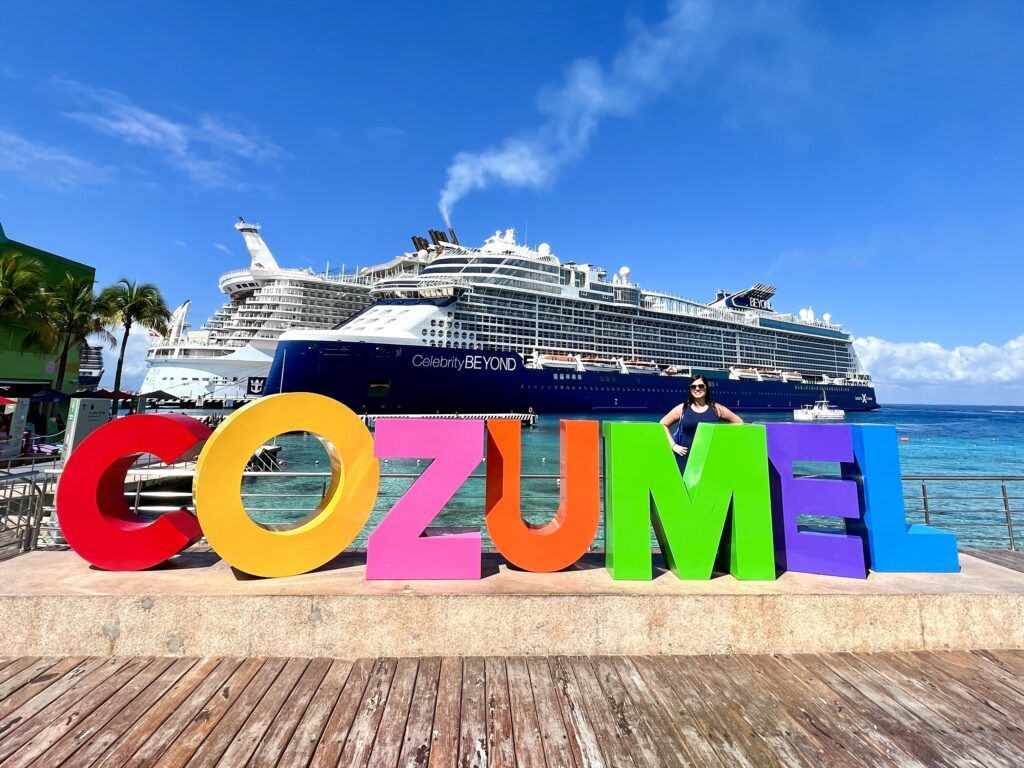
One of the best parts of a cruise is waking up in a new destination every day. When your ship arrives in port, you’ll typically have anywhere from six to ten hours ashore before you need to be back on the ship.
When it comes to exploring ports, you have two main options: book a shore excursion through the cruise line or explore independently. Cruise line excursions are convenient and guaranteed — if your tour runs late, the ship will wait. Independent exploration gives you more flexibility and is often cheaper, but you’re responsible for getting back on time.
Some ports are what’s called “tender ports,” meaning the ship anchors offshore and you take a small boat (called a tender) to reach land. Weather can occasionally affect tendering, so it’s worth checking in advance whether your port is a dock or tender situation.
Not every port day needs to be packed with activity either. You can simply walk into town, find a local restaurant for lunch, and wander back. You don’t need a packed itinerary to have a great time ashore.
Who goes on cruises?
People of all ages from all walks of life go on cruises. While luxury and river cruises tend to draw older and more affluent passengers, you’ll find plenty of kids, teens, and adults of all ages on mainstream and premium ocean cruise lines. With a variety of price ranges, ship amenities, and itineraries to choose from, there’s something for everyone on an ocean cruise.
Who shouldn’t go on cruises?
Cruises are great for a diverse range of budgets, ages, and types of travelers. With plenty of accommodations for people with mobility issues, food allergies, and other special circumstances, there aren’t many people we would recommend not taking a cruise.
However, you may not want to take a traditional cruise if you’re very afraid of open and deep water. In that case, a river or coastal cruise may be a better option. You may also not want to cruise if you get severe motion sickness. While the movement of a cruise ship is often so minimal it’s not noticeable to most passengers, it can get a bit rocky at times — and even on a clear day someone who’s extra sensitive may have issues.
How much does a cruise cost?
There’s a cruise to fit just about any vacation budget. While many people assume that cruises are expensive, they actually range widely in price. Some certainly are expensive, but it’s also easy to find cheap sailings that start at under $100 per person, per night. And remember, your fare doesn’t just cover accommodations. It also includes most amenities, entertainment, and dining on board.
Premium or luxury lines cost more, but might have more inclusions such as all dining (including what would be considered “specialty” restaurants), wifi access, shore excursions, or alcoholic and specialty beverages.
And don’t forget, the cost of your cruise also heavily depends on the type of stateroom you book. An interior cabin will usually cost quite a bit less than a balcony cabin, and balcony cabins are a lot cheaper than suites. It’s worth repeating: there’s a cruise to fit just about any vacation budget.
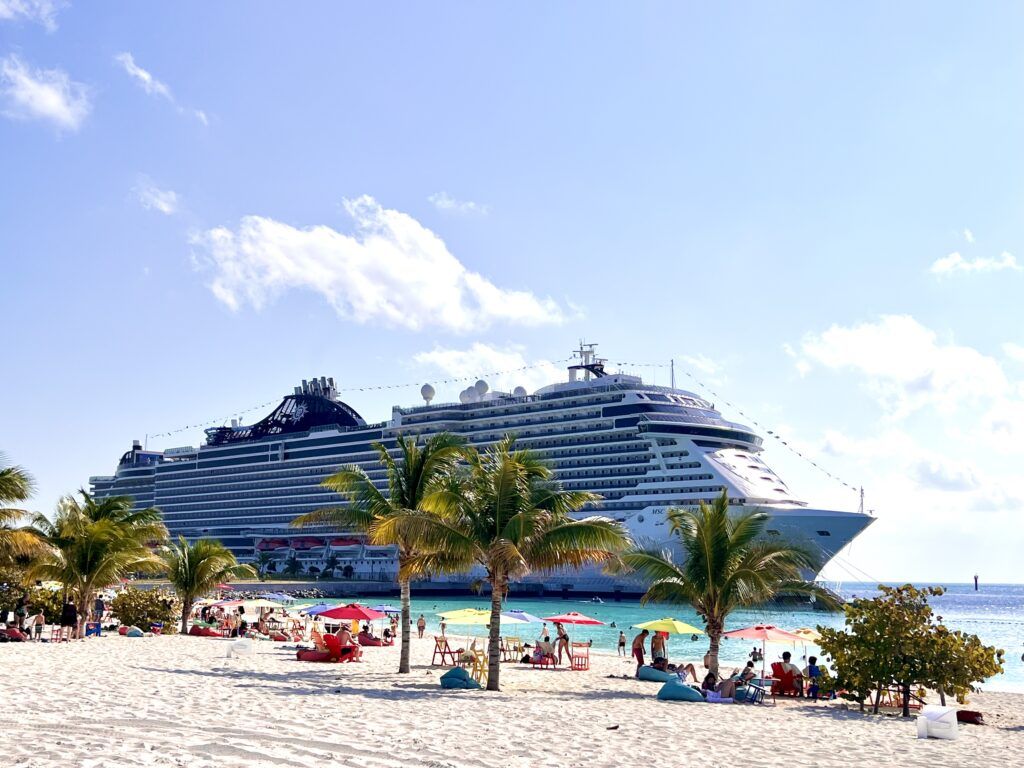
In general, Carnival and MSC have some of the cheapest fares, while Royal Caribbean tends to be at the higher end of pricing for the mainstream category.
What’s the best cruise for first-timers?
The honest answer is that the best cruise depends entirely on you — your travel style, your travel party, and what you’re hoping to get out of the experience. A family with young kids has very different needs than a couple looking for a relaxing escape, and the right cruise line and itinerary for one group may be completely wrong for another.
The good news is there’s genuinely something for everyone in cruising. To help you narrow it down, we’ve put together a number of guides based on specific traveler types:
- Traveling with kids or a multigenerational group? See our Best Cruise Lines for Families
- First time and not sure where to start? See our Best Cruise Lines for First Timers
- Traveling as a couple? See our Best Cruise Lines for Couples
- Consider yourself a foodie? See our Best Cruise Lines for Foodies
- Looking for an adults-only experience? See our Best Adults-Only Cruises
If you’ve read through all of that and still aren’t sure which cruise is right for you, our friends at MEI-Travel are cruise specialists who can walk you through the options at no extra cost — reach out to them here.
Comments
Did you find our guide on what to expect on a cruise helpful? Do you have any other tips or advice to add? Drop us an anchor below to share your words of wisdom with first-time cruisers.