

 Ashley Kosciolek
If you’re new to at-sea vacations, planning a cruise can feel overwhelming. There are lots of moving pieces, and if you miss even one step, it could throw off your entire experience.
We’ve put together a comprehensive cruise planning checklist to help you avoid missing important deadlines. Take a peek to see what you’ll need to do – from booking and making final payment to selecting flights and packing your suitcase – at different points in the months leading up to your sailing. Check out our suggestions, and view the printable checklist below to get started.

6-24 Months Before Your Cruise
Choose Cruise Departure Dates
The first step in planning any cruise is to determine where you’d like to sail and when. If you’re not yet retired, consider when you’re able to take vacation time. If you have kids, think about when school is out of session. Don’t forget other elements like seasonality for certain destinations. Have two or three backup dates in mind in case logistics don’t align for your first choice.
Determine Your Budget
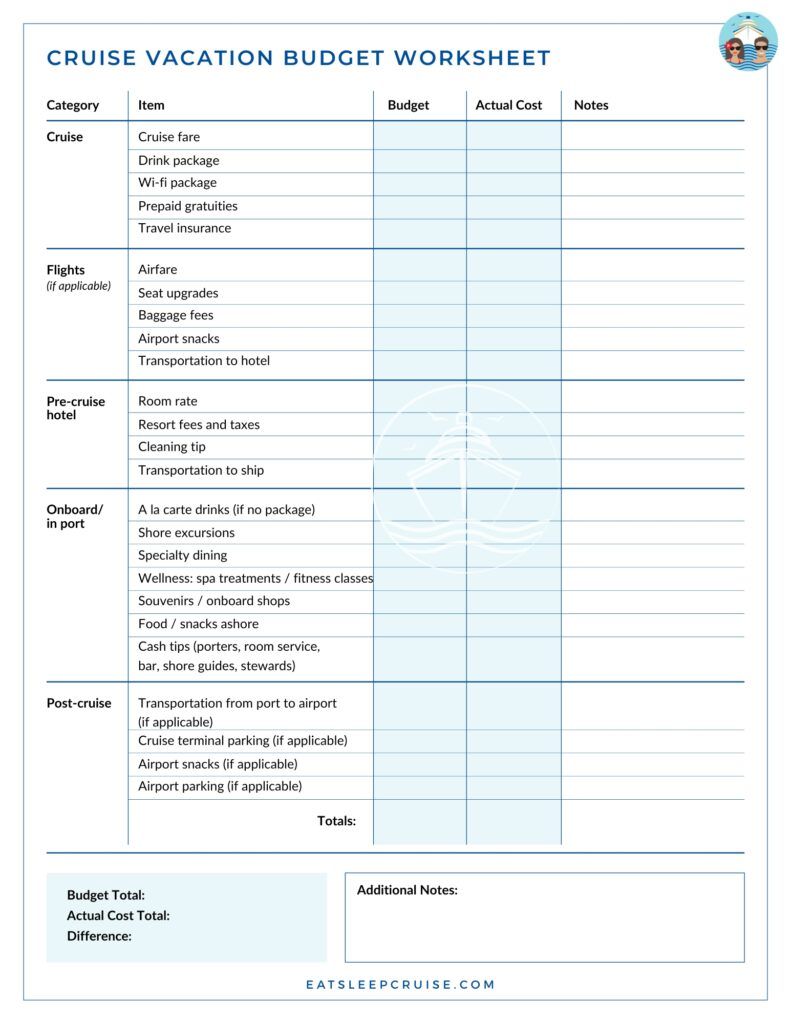
After deciding when you’re willing and able to cruise, figure out how much you can reasonably spend. Take care to include the cruise fare itself (which is per person) and any add-ons. Tally amounts for travel to the port, a pre-cruise hotel and travel insurance. For when you’re onboard, factor in shore excursions, Wi-Fi, alcohol and soft drinks, spa treatments, casino play and crew gratuities. For when you’re ashore, add in souvenirs and other incidentals.
Use our handy budgeting spreadsheet to calculate how much your cruise will actually cost.
Research and Book Your Cruise
Now that you know when you plan to sail and how much dough you have to work with, pick a destination, and research ships that go there. Then, select a cabin type that works for you.
After you’ve found a match, it’s time to make the reservation. If you find the booking process to be head-spinning, reach out to a travel advisor. They’ll take care of the details and possibly toss in a few extras for you – all at no additional cost beyond the cruise fare you’d be paying for anyway.
Purchase Travel Insurance
Now that you’ve actually booked your sailing, the hardest part is over. From here on out, you can focus on the more minor tasks on your pre-cruise checklist. Travel insurance often isn’t necessary, but when it is, you’ll be so happy you have it. Essentially, you’re paying for peace of mind. We highly recommend purchasing a plan via a third-party provider, rather than opting into the “travel protection” offered by your cruise line. Protection often isn’t as comprehensive as actual insurance.
Read the policy description thoroughly before you buy it to make sure it offers the coverage you need. “Cancel for any reason” coverage usually isn’t part of standard policies, but it can be added for an extra cost.
Additionally, if you’re someone who travels a lot, an annual policy might be a more cost-effective choice for you. Just note that some coverages are per year, not per trip. That means if you file a claim partway through the year and exhaust your coverage benefits, you won’t have them for future trips later in that policy year.

Research Flights and Hotels
Want to make your cruise embarkation as stress-free as possible? If you’re flying to your embarkation port city, we strongly suggest booking a flight for the day before you board. That way you have time to make alternate arrangements if something happens and you miss your flight or it’s canceled.
Be careful when booking flights through your cruise line, especially if they’re deeply discounted or included in the price of your cruise. Lines often snatch up the least expensive times and routing. That means you could be stuck with super early departures, multiple connections, crummy seats or the inability to fly in prior to embarkation day.
If you’re flying in early, you’ll also need a place to sleep. Look into hotels near the cruise port. They often offer free or low-cost shuttles between the hotel property and the pier.
Save for Additional Expenses
As we mentioned above, your cruise fare is only one of several expenses you’ll incur when you cruise. You’ll want to start saving up if you have interest in any of the following:
- Travel to port (flights, checked bag fees, gas, parking, rideshares/taxis, etc.)
- Pre-cruise hotel (if arriving prior to embarkation day)
- Travel insurance
- Child and/or pet care
- Shore Excursions
- Wi-Fi
- Drink packages (or a la carte beverages)
- Specialty dining
- Spa treatments
- Fitness classes
- Casino play
- Crew gratuities or service charges
- Cash tips for luggage porters, bartenders and tour guides
- Souvenirs and other purchases ashore (lunch in port, snacks for the plane, etc.)

3-6 Months Before Your Cruise
Make Your Final Payment
If you paid in full when you booked your voyage, you can skip this one. However, if you reserved your cabin with a deposit, you’ll be making fractional payments in the months leading up to your sailing date.
Pay close attention to when final payment is due. If you miss the deadline, the cruise line can – and likely will – cancel your booking. You’ll also want to note the final payment date because after you’ve fully paid, you won’t be able to receive even a partial refund if you cancel your cruise. How far in advance you’ll have to fully pay off your reservation depends on your cruise line and, usually, on the length of the voyage you’ve booked.
Book Flights and Hotel Stays
If you don’t live within a couple hours’ driving distance of your embarkation port, pull out all of that research you’ve done on flight and hotel options. It’s time to put it to good use. You’ll want to make your port city arrival plans more concrete roughly three to six months in advance.
Choose flights that allow you enough time to make it to port before embarkation – preferably at least a day early. Go for hotels that include free breakfast and shuttle service so you’ll arrive at the terminal well fed and relaxed.

Arrange Airport and Cruise Port Transportation and Parking
If you’re flying into your embarkation city, don’t forget to think about how you’re going to get from the airport to your pre-cruise hotel (or the cruise port if you’ve chosen not to fly in a day or more in advance). Most cruise lines offer shuttle services between the airport and cruise port for a per-person fee. However, those services are only available for those who fly in on embarkation day and depart as soon as their cruise ends.
You can also look into taxis or rideshare services like Uber and Lyft. Public transportation is another option if it’s available, but it can be difficult to use with luggage in tow.
Start Familiarizing Yourself With the Ship and Its Offerings
It’s never too early to familiarize yourself with your vessel. Check out the dining and theater options. Contemplate the shore excursions and spa treatments on which you might want to splurge. And look into top-deck activities you just can’t miss.
Make a full list, and pare it down over the next couple of weeks so you can act as soon as online bookings open for the things you want to reserve early.

2-3 Months Before Your Cruise
Evaluate Your Loyalty Status
If you’re not yet a member, sign up for your cruise line’s loyalty program. Also make sure others in your party do the same. You’ll all want to do this before you check in (see below) so you don’t have to request credit for the sailing after the fact. Then, locate your reservations using your name, birth date and booking number, and link your reservations with others in your party.
If you’re already a loyalty member, check your status to see which perks you can access to enhance your sailing.
Pre-purchase Add-ons You Might Want
If you haven’t booked with a luxury line and don’t have a suite or package that includes things like Wi-Fi, alcohol packages and gratuities, now is the time to purchase those add-ons if you want them. You’ll often receive a discount for buying them ahead of time. Plus, paying for them up front means you’ll have fewer surprises when it comes time to settle your onboard bill.

Make Any Special Onboard Arrangements
Celebrating a milestone anniversary or birthday? Need to reserve a space onboard for a large group gathering? Have dietary, mobility or other restrictions for which you might need special accommodations? Let your travel agent or cruise line know ahead of time so they can be better prepared to deliver the experience you’re expecting. Each cruise line has dedicated departments to assist in these areas. Search for related contact numbers and e-mail addresses on your line’s website.
Review Your Travel Documents
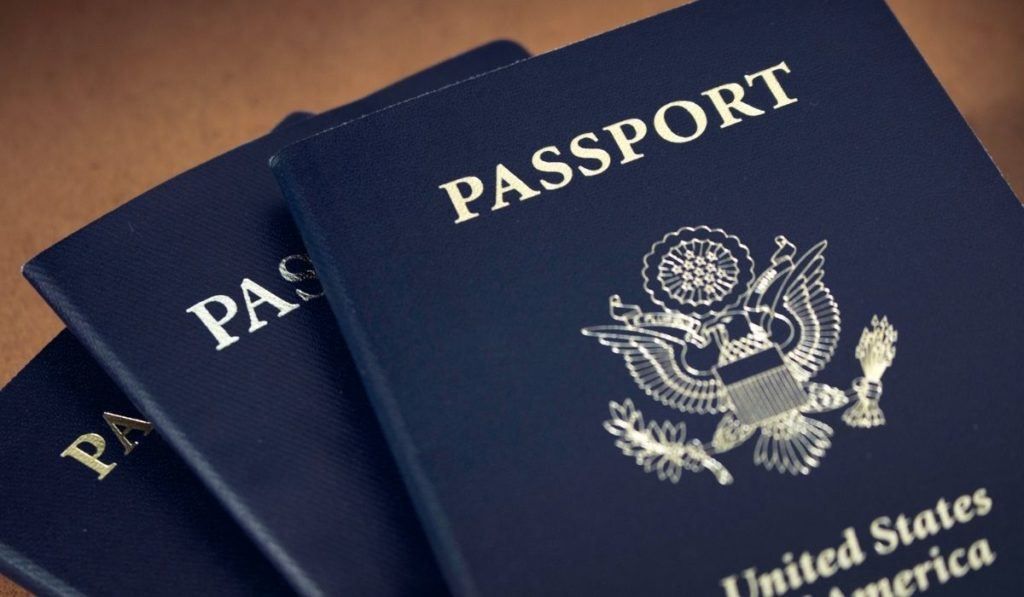
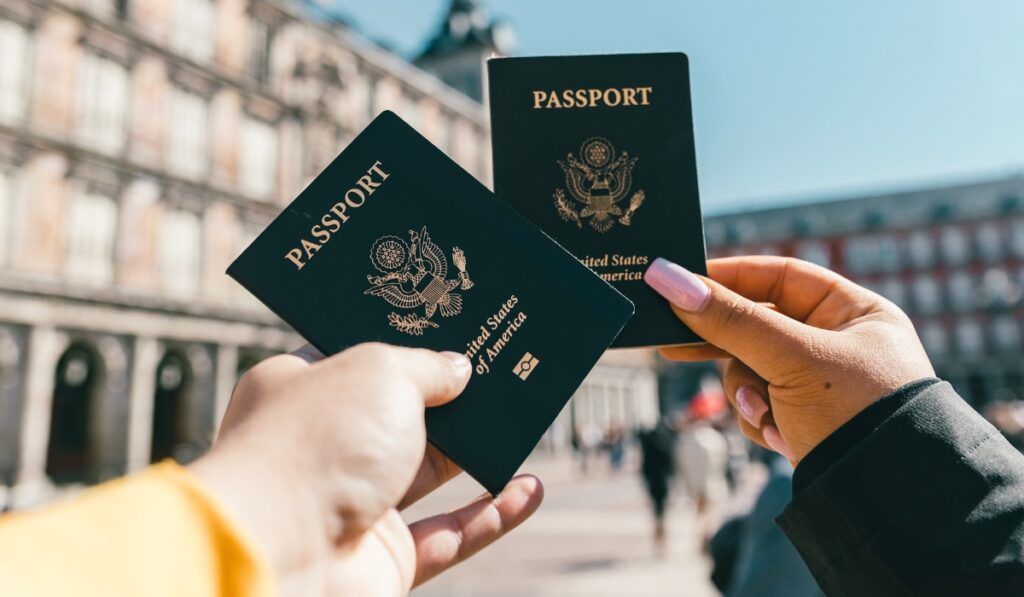
Evaluate which cruise documents you’ll need to sail. Check your passport’s expiration date. Most cruise lines require that it be valid for at least six months after your sailing ends. If you find that yours needs to be renewed, you’ll have plenty of time to take care of it before embarkation day sneaks up on you.
If you’re traveling on a closed-loop voyage and plan to use your driver’s license and birth certificate instead of a passport, check the expiration date on your license. Also make sure you know where your birth certificate is. Most cruise lines will only accept the real thing – not a photocopy. If you need to procure a replacement certificate or apply for a real ID to replace your license, you’ll have enough time to do so. (Note that, if you don’t have a passport, you now need a Real ID driver’s license in order to fly, even domestically.)
Apply for Visas
Visas aren’t usually necessary, but if they are, sometimes your cruise line will obtain them on your behalf. Check with your line or travel agent to confirm. Ultimately, it’s your responsibility to know which visas you need and apply and pay for them in a timely manner to ensure they arrive before your scheduled departure date.
1 Month Before Your Cruise
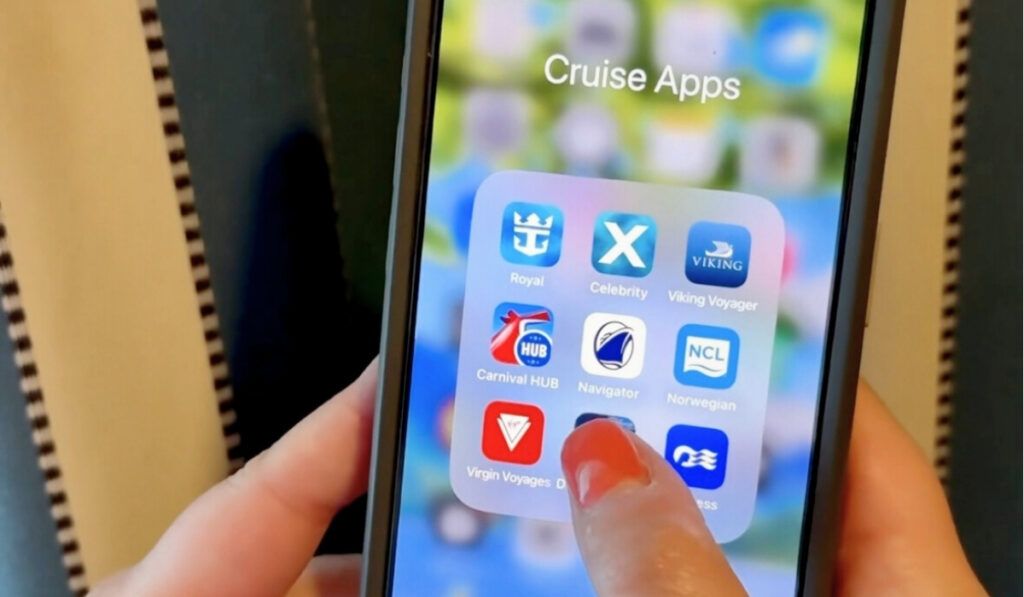
Download Your Cruise Line’s Mobile App
You’re finally in the home stretch, where you can focus on even more granular pre-cruise checklist details. The first of those is navigating your cruise line’s mobile app.
In one of several initiatives aimed at being more environmentally friendly, many cruise lines have eliminated or greatly reduced the amount of paper used onboard. With that in mind, they have invested heavily in mobile apps. They function as a place for passengers to view daily schedules, check their onboard accounts and make reservations for dining, shore excursions and more. Some also have free messaging services that let you keep in touch with your travel party while on the ship, even if you don’t purchase Wi-Fi.
Visit the appropriate app store for your mobile device, and download your line’s app so you have time to test it out before it’s time to check in for your trip. (Note that, after check in, the app might not work properly until you’ve connected to your ship’s Wi-Fi network on boarding day.)
Check In for Your Sailing
Most cruise brands open check-in 30 days prior to the date each cruise begins. Log into the line’s mobile app, or head to their website. There, you’ll verify your personal information, add passport info and upload a security photo. Finally, link a credit card to your onboard account, and agree to the cruise line’s contract of carriage (which every passenger must do in order to embark).
Print Boarding Passes and Luggage Tags
If you’re not using the cruise line’s app, you’ll need to print out your boarding passes. Alternatively, send them to yourself in an e-mail that you can access on your phone on embarkation day.
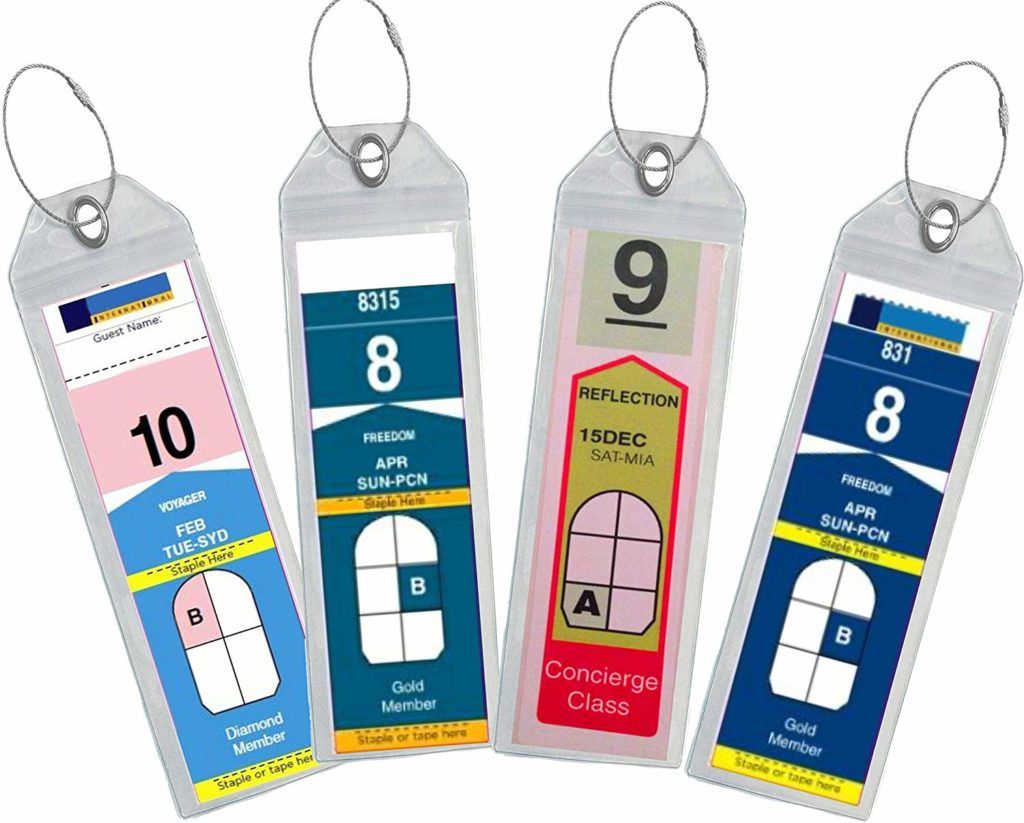
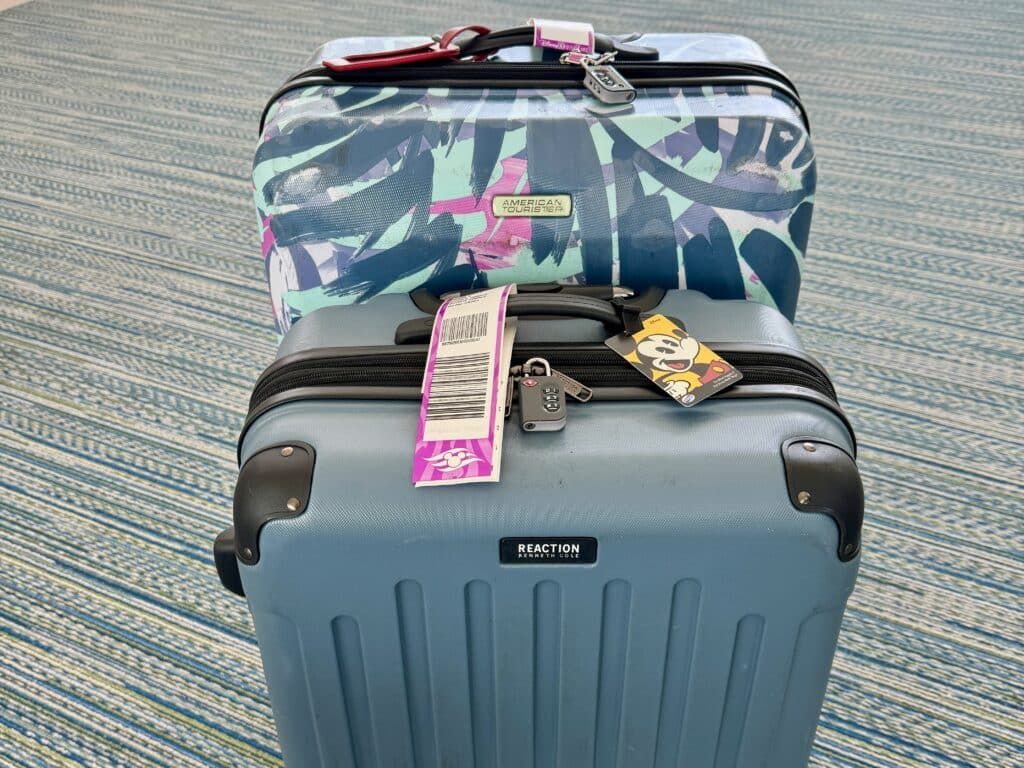
Planning to leave larger bags with a porter when you arrive at the terminal? Print out the provided paper luggage tags. Just don’t attach them until after your flight if you’re not driving to port. Be sure to fill them out with any necessary identifying information.
Make a Packing List
Don’t wait until the last minute to think about what you’ll need to pack for your sailing. Consider the weather, the types of activities you’ll be doing, where you’ll be dining (and if there’s a dress code). Also check if your ship has self-service laundry facilities or laundry and dry-cleaning services that you can use if you decide to pack light. If you’re looking for a great excuse to shop for a new wardrobe or luggage, consider this your sign.
We have a sample cruise packing list for the Caribbean and Alaska to get you started. If you’re missing any of these items and think you might need them, create a separate running shopping list so you can pick everything up in one trip closer to your sailing date.
Arrange for Child and Pet Care
If you have kids who aren’t going with you or pets who will need care while you’re away, solidify those arrangements now so you’re not left scrambling at the last minute. If it will be business as usual for your children, let their school know if someone else will be dropping them off or picking them up. Alert any coaches, as well, particularly if they’ll be missing games or practices. Ensure you’ve got enough food, medications and other supplies in the house ahead of time for your kids, as well – whether they have fur or not.
Secure ‘Permission to Travel’ Letters
If you’re traveling while pregnant or you’re an adult who’s traveling with a minor whose last name doesn’t match yours, you’ll need special documentation. In the first case, obtain a letter from your doctor that indicates you and your baby are healthy enough to cruise. For the latter, carry with you a notarized letter granting you permission to travel with children who aren’t yours or who have a different name on their identification.

2 Weeks Before Your Cruise
Purchase Last-Minute Items
Grab your “things I need for my cruise” list, and head to the store. Don’t forget incidentals like snacks for the trip to port if you’re flying or taking a long drive. If you’re going to attempt to go carry-on-only, you might also want to invest in some packing cubes to help you condense everything. If you’re flying and only taking a carry-on, don’t forget that you’ll also need TSA-approved travel-size liquids of 3.4 ounces (100 mL) or less.
Begin Packing
Now that you’ve narrowed down what you’d like to take with you on your sailing and shopped for any necessities, it’s time to begin arranging them in your luggage. It might seem like there’s still lots of time before you leave, but starting early will allow you to adjust if things don’t fit or if you realize there’s something you forgot. Rolling items and placing things like socks inside of shoes can help to maximize space.
Speaking of shoes, they tend to take up the most space. Determine which pairs might be able to do double duty so you can eliminate others. Also consider neutral pieces that you can wear more than once by mixing and matching in order to save space.
Alert Your Bank and Credit Card Companies
If you’re going to attach your credit card to your onboard account or use it in port for purchases, it’s best to let you credit card company know when and where you’ll be traveling. The same is true of your bank if you plan to withdraw cash from foreign ATMs. Otherwise, your accounts could be flagged for potential fraud and locked until you can verify you’re the one using them.
Obtain Cash
While we’re on the subject of cash, if you plan to tip your room steward, bartenders, waiters or other onboard workers, you’ll need some U.S. dollars. Most ships have onboard ATMs, but taking money out at home will help you avoid steep transaction fees.
Additionally, if you’ll need foreign currency for in-port tips or purchases, the two least expensive ways to find it are generally through your bank or at a local ATM after you arrive in a foreign port. Your bank might need a few days to make foreign currency available to you, which is why you should request it a couple weeks in advance if you go this route.
Never exchange money at an airport, as rates are often highest there. If you decide to take cash out from an ATM in a port outside of the U.S., you will be given the option to do the transaction in local currency or in U.S. dollars. Choose local currency, as the exchange rate will almost always be more favorable for you.

1 Week Before Your Cruise
Check the Weather
Embarkation is so close. It won’t be long now until you’re out the door an on your way. But first, you should take care of these final last-minute touches from the pre-cruise checklist to make sure you’ve covered all of your bases.
We all know the weather is unpredictable, but that doesn’t mean you shouldn’t still try to plan ahead. Take a peek to see if the forecast in your destination will be warmer or cooler than you originally expected. If so, adjust your packing accordingly.
Finish Packing
Gather up any remaining odds and ends, and fit them into your luggage in whatever space is left. Do last-minute laundry to clean items you still need to pack. At this point, your suitcases should be just about ready to go, with the exception of items you’ll need – hairbrush, deodorant, toothbrush, wallet, keys, electronic device chargers, etc. – right up until you depart. (Have those day-of-departure items on a list that you can quickly reference to make sure you don’t forget them.)

Hold Mail and Newspapers
If you don’t have someone who can gather mail, newspapers and packages for you while you’re gone, consider putting a hold on them until you return. This is especially important if you live in an area where packages might not be safe sitting out until you come back or if you’ll be gone for more than a few days.
Verify Everyone Is Checked In
If you’re part of a larger group, make sure everyone has completed their check-in and has their boarding passes easily accessible. Also make sure they’ve got their identification and other travel documents in order. This is also a good time to check your own reservation to make sure everything looks OK and that you’ve checked in on behalf of everyone – children, cabinmates, etc. – for whom you have the power to do so.

Organize Bills
If you’ll be away during a period of time when you have bills due, prepay them, or set up auto-pay so you aren’t hit with late fees upon your return. (Even if you plan to purchase a Wi-Fi package, keep in mind that you’ll be on a shared network, where sensitive information could be more easily compromised. Avoid logging into financial or other personal accounts or making payments while you’re traveling.)
Gather Important Contact Information
In the interest of being prepared for any situation, make a list of important contacts, including emergency contacts back home, as well as phone numbers and addresses for local embassies and consulates in the places you’ll be visiting. These will come in handy if your passport is lost or stolen or if you find yourself in trouble or faced with an emergency abroad. Keep a hard copy with you, as well as in a note on one or more of your electronic devices.
Make Photocopies of Key Items
In addition to copies of key contacts, it’s also a great idea to photocopy things like your passport (or driver’s license and birth certificate), credit cards and travel insurance policy card – both front and back. Keep the copies in a separate place from the actual items in case the originals are lost or stolen. They will expedite the process if you need to report the items missing, procure replacements or file insurance claims.
Wrap Up Outstanding Projects
Whether it’s a work assignment or a household project that can’t wait until after your trip, this is when you should think about wrapping it up. If you’re taking vacation time from work, remind your boss and your team of the dates you’ll be gone to ensure necessary tasks are covered by someone else if needed.
The Day Before Your Cruise
Check In for Flight
If you’re arriving in your departure city by plane, you can check in for your flight 24 hours or less ahead of your scheduled departure time. Taking care of this as soon as you can could help you to select better seats or score earlier boarding. Print copies of your boarding passes, or have them available in an e-mail or text on your phone if you’re not using the airline’s mobile app.
Note that, depending on where you’re flying, you might have to check in at the airport. This is particularly true for international flights. If this is the case, allow yourself plenty of time to check in and check bags on the day of your departure.
Have Boarding Pass Handy
In addition to your flight boarding pass, make sure you’ve got your cruise one in an easy-to-access place. To make boarding faster and more efficient, do not accidentally pack anything you’ll need for your trip in your checked luggage. Have them readily available on your phone, and print paper copies as backups.

Fill Out Health Form
If your cruise line requires one, fill out the electronic health form before boarding day to indicate whether or not you’re ill or fit to travel.
If you’re feeling sick, please be honest. Sailing while you’re under the weather won’t be fun for you, and it’s also not fair to share your germs with others. Instead, use your “cancel for any reason” travel insurance policy to request a refund of your cruise fare, and use the funds to rebook when you’re feeling better.
Charge Electronics
If you’re in for a flight or long car trip, charge up your phone, watch, fitness tracker, tablet and any other devices you might need for the first day of your adventure. Remember to toss the chargers into your carry-on after the devices have been powered up.
Double-Check Reservations
One last time, check through your reservation to make sure everything is in order. If there are any discrepancies, call your travel agent, cruise line or airline immediately.

Confirm Transportation Arrangements
If you’ve booked a taxi, rideshare or car service to the airport or cruise port, confirm that everything is good to go. Call your pre-cruise hotel if you have one to ask if they have a shuttle to and from the airport and/or cruise port. If they do, request to have them add you and your travel party to the pickup list.
Double-Check Important Documents
Do one last check to make sure everyone knows where their passports or birth certificates and driver’s licenses are. You might consider putting them all in one place and telling everyone where that is so collectively you make sure nobody forgets anything important. These documents should be in carry-on luggage; they should not be placed in bags that you check at the airport or with the porters at the cruise terminal.
Set Out-of-Office E-mail
If you’ll be absent from work, set an automated out-of-office e-mail to let everyone know that you’re away from your computer and for how long. Also list an alternate contact for urgent requests if applicable.
Print This Document
We’ve condensed this entire article into an easy-to-use printable pre-cruise checklist so you can make sure you don’t forget a single crucial step in the countdown to your cruise.

Bottom Line
Even if you’ve enlisted a travel advisor to assist with your pre-cruise planning, there are still some tasks you’ll have to handle yourself before embarkation day. We know this can feel like a lot to handle, but hopefully our list gives you a solid foundation. Start with the basics. Before you know it, you’ll be crossing the last few items off your cruise checklist with the satisfaction of someone who’s setting sail tomorrow.
Comments
Did you find our cruise planning checklist helpful? Do you have any other items to add to this pre-cruise timeline? Drop us an anchor below to share how you prepare for your upcoming voyages.