

 Ashley Kosciolek
  Don Bucolo
 Cruises are complex, and if you’re new to this type of at-sea vacation, you might feel overwhelmed. If you’ve already researched and booked your voyage, congratulations: the hardest part is over. Now it’s time to prepare to set sail. But, before you can do that, it helps to familiarize yourself with the embarkation process.
Here, we offer a list of what first-time cruisers should know before boarding, during boarding and immediately after they board. Check it out so you know what to expect during one of the last hurdles separating you from your nautical getaway.
Download the cruise line’s app before you leave home.
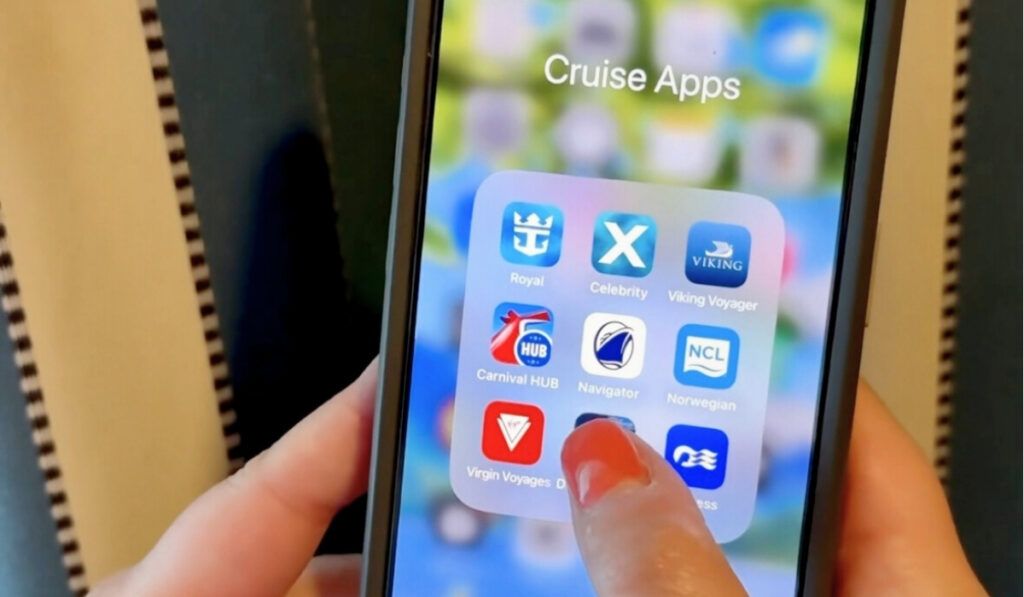
One of the first things you need to do before setting sail is download the cruise line’s app. Nearly every major cruise line has one, and it will become one of your most-used tools from the moment you start your pre-cruise check-in all the way through your last night onboard.
Before you even set foot on the ship, the app lets you complete your online check-in, review your booking details, and in many cases select your port arrival time. Once onboard, the app replaces the traditional paper daily schedule, giving you real-time access to activities, dining hours, entertainment, and deck plans.
Download it early, link your reservation, and get familiar with it before your cruise boarding day.
Checking in beforehand will save you tons of time.
Check-in usually begins 30 days before your sailing date and ends 48 hours prior to departure. You can use the cruise line’s mobile app or website to check in during that period using your booking number and name.
During the process, the line will ask you to verify your travel documentation. You can also set up an onboard charge account, submit a security photo and agree to the line’s carriage contract. (Read the contract carefully, as it outlines your rights in the rare event that something goes wrong.)
After check-in, print your boarding pass and luggage tags. Doing this ahead of time will save you from having to waste valuable minutes at the terminal.
Book your onboard add-ons before you get to the ship.
Shore excursions, specialty dining, drink packages, and Wi-Fi — these are all things you can and should book before embarkation day. Cruise lines frequently offer discounts on packages purchased through the cruise planner before sailing, so you will often pay less than once onboard. Popular shore excursions can sell out well in advance, particularly in destinations like Alaska or Europe where capacity is limited. And popular dining times book up quickly as well.
So keep an eye on your cruise planner leading up to your departure. If you spot a sale, take advantage of it. You can always cancel if your plans change prior to your sailing.

Arrive in your embarkation city early if possible.
Unless you live close to the cruise terminal, it’s best not to wait until embarkation day to arrive. Plan to show up in your embarkation city at least a day ahead of time, and book a pre-cruise hotel.
This is an especially good idea if you’re flying to your boarding destination. Flying in early allows you time to rebook if your flight is delayed or canceled. If you’re driving, allow several extra hours as a buffer, just in case you run into traffic jams, car trouble or other unexpected delays. (Speaking of delays, consider purchasing travel insurance in case unforeseen events make it impossible for you to reach your ship.)
You’ll have to choose a port arrival window.
When you check in for your sailing, select a window of time during which you’ll arrive at the terminal to board. The time chosen by the first person to check in will usually be applied to everyone on the same booking. Check with all passengers in your group to see what works for all of you.
You’ll need proper documentation.
In addition to your boarding pass, you’ll also need the required identification. It’s best to cruise with a passport. It will allow you to travel home from a foreign port in the event of an emergency that requires you to disembark your sailing early. Your passport will need to be valid for at least six months after the final day of your sailing.
However, if you don’t have a passport, you can cruise with an original birth certificate and a valid government-issued photo ID on select closed-loop sailings – ones that depart from and return to the same U.S. port and visit destinations like the Bahamas and Caribbean.
Make sure you know where these documents are. Check their validity well in advance so you have time to apply for and receive replacements if you discover they’re lost or that they have expired.
Other documents you might need include a green card if you’re a U.S. permanent resident, health forms, visas and other documentation required by certain destinations and permission to travel for pregnant women who are fewer than 24 weeks along and minors traveling with adults who don’t share their last name.

There are liquid restrictions for alcohol but not toiletries.
When you arrive at the terminal, you’ll have to go through security. However, unlike airport security, cruise port security is less strict with liquids. That means you can pack full-size toiletry items.
The only exceptions are consumable liquid restrictions. Some lines allow passengers to bring limited quantities of nonalcoholic drinks – think juice, soda, water and energy drinks – in cans or cartons. Alcohol is more tightly controlled, though. Standard alcohol policies for mainstream lines often allow each passenger 21 years of age or older to bring one 750mL bottle of wine, sparkling wine or Champagne. No beer or liquor is allowed, regardless of size.
Look for priority boarding and lounge options.
If you have high loyalty status or you’re booked in a suite, you likely have priority boarding and access to a lounge if there’s a wait at the terminal. If you don’t have access via one of these means but would like it, check to see if your cruise line offers a pay-to-play program that will allow you to purchase priority privileges. Two well-known examples are Royal Caribbean’s The Key and Carnival’s Faster to the Fun, both of which include priority embarkation along with other perks. Ask a port worker to direct you to the appropriate check-in line when you arrive if you do have priority.
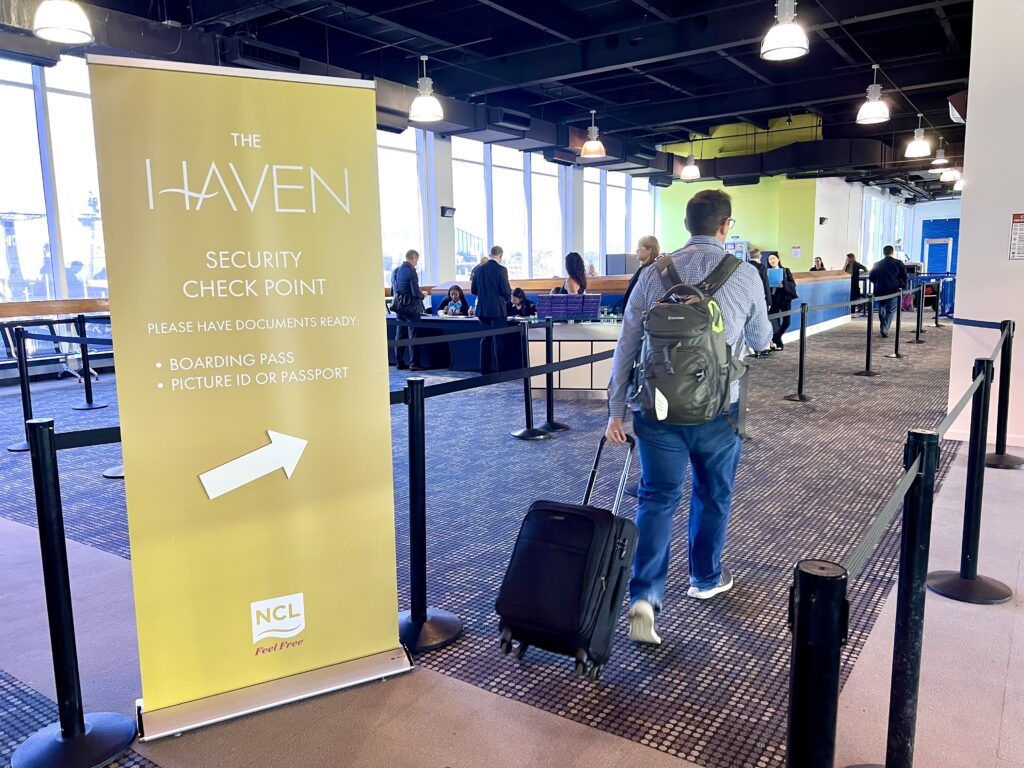
Ask your pre-cruise hotel about shuttle options.
If you do make your way to your embarkation port city in advance and stay at a hotel, inquire about whether it offers a cruise shuttle service. Many accommodations near ports offer free or reasonably priced shuttles to take passengers to their ships. To snag a spot, either sign up when you check in, or call down to the front desk.
Pre-arrange a taxi, rideshare or other port transfer.
Consider calling a cab company to reserve a car ahead of time, or pre-book an Uber or Lyft ride if your hotel doesn’t offer a shuttle. It’s not always necessary, but this could save you some time if you’re in an area where rideshares are scarce. The same advice applies for disembarkation morning.
If you’ve ignored our advice and you’re flying in the day of your cruise, think about booking a spot on the airport transfer offered by your cruise line. This will eliminate some of the embarkation-day stress. For a per-person fee, you’ll be able to hop on a motor coach-style bus that will take you directly from the airport to the cruise terminal. Just look for someone holding a sign for your cruise line near baggage claim.

Stick to your boarding time.
We know you’re excited for your vacation to begin, but try to arrive within your assigned boarding window. This helps to alleviate crowding and long waits in line. If you arrive too early, you might be asked to wait, which is no fun at a terminal with few amenities. If you arrive late, you’ll be allowed to board, as long as the cutoff time (usually 90 minutes to 2 hours before sailaway) hasn’t passed.
Have boarding documents easily accessible.
Be a smart traveler on boarding day. Keep your documents in an easy-to-reach pocket or bag. You don’t want to be the one holding up the line as you fumble to find them. Also, avoid putting them in your checked luggage. You won’t have them when you need them, and you risk their being lost if you’re flying in for your sailing. If you’ve opted to go paperless, take a screenshot of your boarding pass in the app. Cell service at the terminal can be spotty, so your app may not load when you need it.

Attach your luggage tags before heading to the port.
Most cruise lines no longer mail luggage tags to your home. Instead, they become available to print once you complete your online check-in. Don’t wait until you get to the terminal; secure them to your bags before you leave for the port.
We use inexpensive luggage tag holders to keep them protected and firmly in place. They slide on easily, hold up well in transit, and tuck neatly into your suitcase for the trip home. A paper tag that gets torn or soaked in the rain outside the terminal might delay your bags getting to your cabin.
If you check bags, pack a carry-on.
This applies if you’re flying to your embarkation port and if you’re leaving bags with a porter at the cruise terminal. In your carry-on, be sure to include your valuables, important documents, medications, swimsuit and a change of clothes for embarkation evening, as well as toiletries. Luggage checked at the cruise port will be delivered to your cabin on the ship. However, depending on the size of the vessel, you might not see your checked bag again until after dinner.
Although it’s not required, it’s a nice gesture to offer porters a couple of dollars per bag. It’s also polite to tip a dollar or two to the crew member who delivers them to your room if you’re there when they arrive.
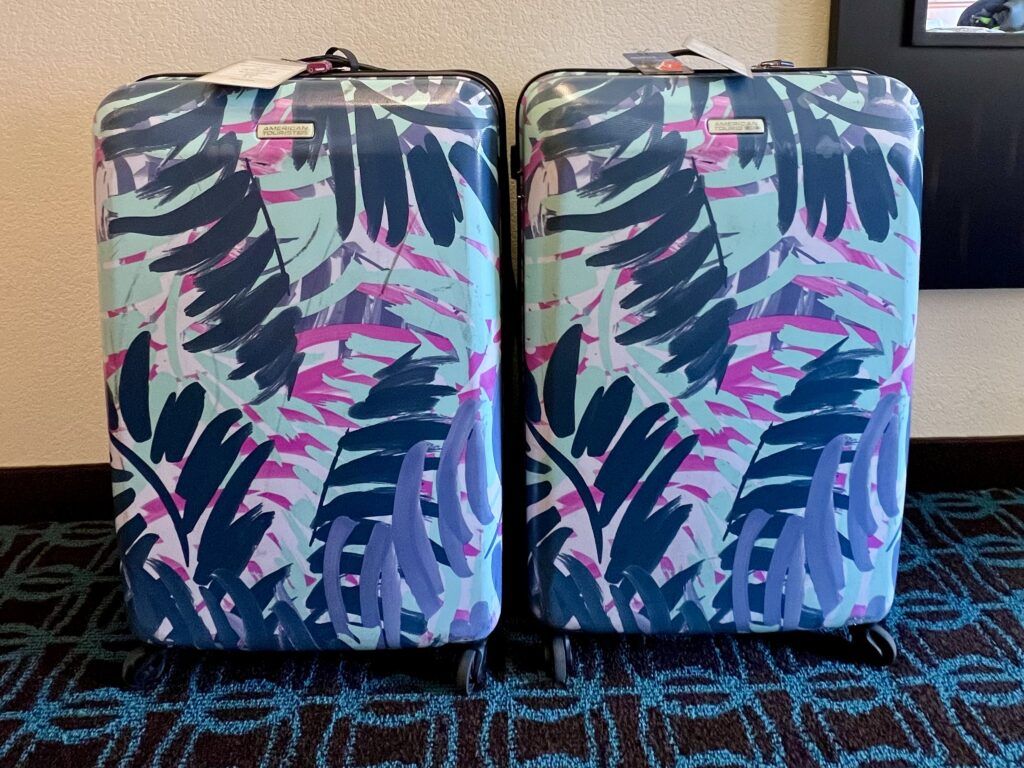
Don’t bring contraband.
For both safety and revenue reasons, all cruise lines have lists of items that aren’t allowed onboard. Check and re-check the one specific to your line. Make sure you’re not toting anything that could result in your being flagged at port security. If you’re pulled aside for having items that are banned, you’ll hold up the boarding process for yourself and for everyone else.
And don’t assume it will work to hide contraband in bags you’re leaving with a porter. Those are scanned, too, by onboard security personnel. Putting these items in your checked bags will cause your luggage to be withheld. You’ll have to report to the “naughty room” on your vessel to claim it, at which time you’ll receive a proverbial slap on the wrist.
Additionally, in the most serious cases, you could find yourself disembarked, arrested or both if you try to sneak weapons or illegal drugs on your cruise. (That includes marijuana products, even if they’re legal in your state.)
You won’t be able to go directly to your cabin.
We understand that you might want to board as early as possible and start having fun. But what a lot of new cruisers don’t realize is that cabins usually aren’t available until sometime in the afternoon – generally a little after lunchtime. That means you’ll have to carry around any bags you bring onboard with you until your room is ready. Ship staff will make announcements over the vessel’s public address system when rooms are ready for you.

Avoid the buffet at all costs.
While you wait to head to your cabin, you can find a spot for some lunch. Although the buffet will be open, it’s best to avoid it during peak times in favor of a smaller, less crowded spot. Check out the poolside grill or standalone pizza joint if your ship has one.
Additionally, some ships’ alternative restaurants – ones that charge extra fees – are open for lunch and offer discounts on lunch versus dinner. It’s a nice way to beat the crowds and save some money at an eatery you’re curious to try.

Connect to the ship’s intranet as soon as you board even if you didn’t buy a Wi-Fi package.
One thing a lot of first-time cruisers don’t realize is that you don’t need a paid internet package to use the cruise line’s app onboard. Once you connect to the ship’s Wi-Fi network, the app works for free. That means you can access the daily schedule, browse the deck plans, make dining and entertainment reservations, and in many cases chat with others in your travel party without spending a dime on internet. If you did purchase a Wi-Fi package, embarkation day is the time to get it set up.
Don’t ignore the safety drill.
Per international maritime law, all passengers on every cruise must complete their ship’s safety drill or muster drill after boarding and before setting sail. Some lines require in-person attendance. Others offer a digital version of the drill on either a mobile app or in-cabin television. Still others have a hybrid of the two. Be sure to complete all required steps so you’re able to remain on the voyage. Pay attention to shipwide announcements for details.
Note that, in order to encourage everyone to participate in the mandatory drill, all onboard services cease until it’s finished. That means entertainment will stop, and bars will close. Crew members can help direct you to your muster station, where you’ll meet in the event of an emergency. There, crew members will show you how to wear a life jacket. Your cabin keycard lists your muster station letter or number.
Explore the ship to get the lay of the land.
There’s little on a cruise that bums us out more than discovering a super-cool venue on the last day of the sailing and wishing we had found it earlier. To avoid this, spend an hour or two wandering all of the public decks to find bars, restaurants and entertainment venues and activities that interest you so you can maximize their use during your voyage.

Check out the kids club.
If you’re sailing with children, head to the onboard kids club on the first day to learn about programming, meet the staff and sign up your littles. All mainstream lines feature schedules of daily supervised activities, with kids divided into age-appropriate groups. Some lines might also offer late-night activities or babysitting for a fee so parents can have some couple time. Teens and ‘tweens have their own spaces, too, with fewer structured activities and more autonomy to come and go as they please.
Unpack your stuff.
Nobody wants to sacrifice valuable vacation time unpacking. However, it’s a good idea to do it as soon as your bags arrive at your cabin. Not only will it help you to stay more organized, but it will make your space feel roomier – especially if you use the tried-and-true storage method of putting your empty suitcases under your bed.

Meet your room steward.
Be sure to say hello to your room steward. Usually, they will seek you out by knocking on your cabin door to introduce themselves. This is the time to ask for anything additional you might need. Requests might include things like extra towels, additional hangers, buckets of ice, different bed configurations than what are currently provided (they can almost always be converted from a king to two twins or vice-versa) or sending out wrinkled clothing items for pressing.
Frequently Asked Questions About Boarding a Cruise Ship
What is the cruise boarding process?
The boarding process moves faster than most first-timers expect. From arrival to actually stepping on the ship, the whole thing typically takes 30 to 60 minutes if you’ve done your pre-cruise check-in and have your documents ready.
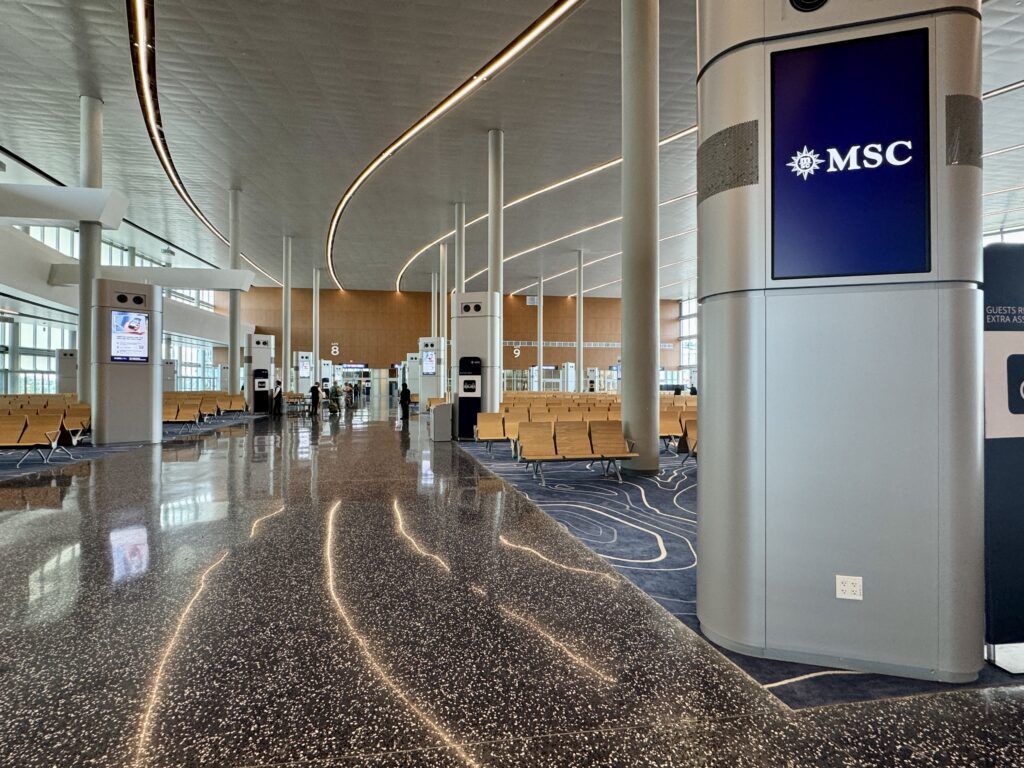
Here’s how it unfolds: When you arrive at the terminal, you’ll hand your larger bags off to the porters outside. From there, shoreside staff will confirm you have a valid reservation and direct you inside. Once in the terminal, your carry-on goes through a security scanner and you’ll walk through a metal detector — similar to an airport, just without the liquid restrictions on toiletries.
Next is the check-in counter, where staff will swipe your passport, confirm your details, and make sure a form of payment is on file. If you didn’t upload a security photo during online check-in, they’ll take one here. Many lines will hand you your keycard at this point, though some, like Royal Caribbean, leave keycards in an envelope outside your stateroom.
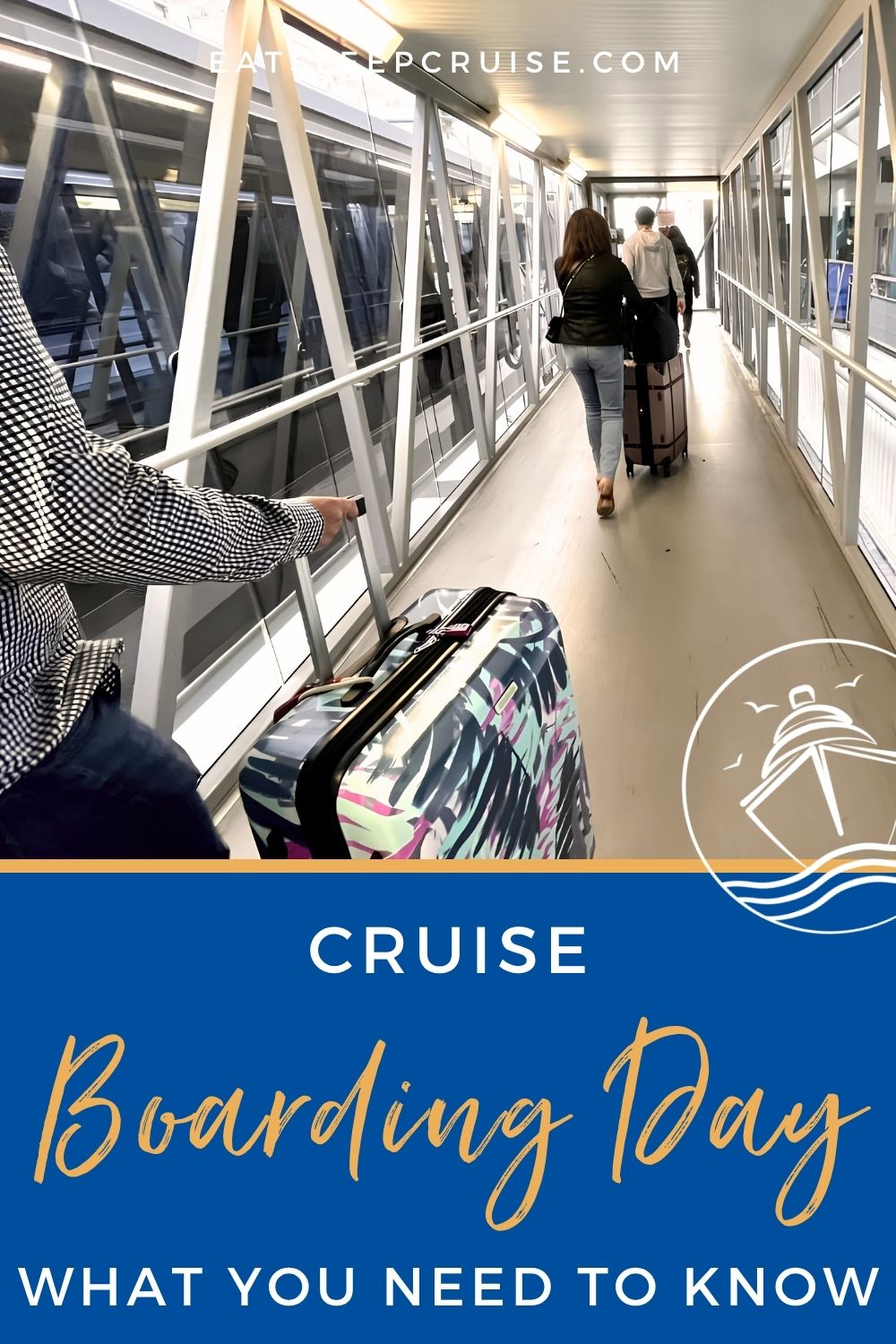
Depending on your arrival time, you may wait in the terminal until your boarding group is called. If you’re lucky, you’ll be able to walk straight onto the ship in under 30 minutes. Either way, there’s one final security scan at the gangway before you’re officially onboard. And then it’s up the ramp to the ship, where crew members will be there to welcome you aboard.
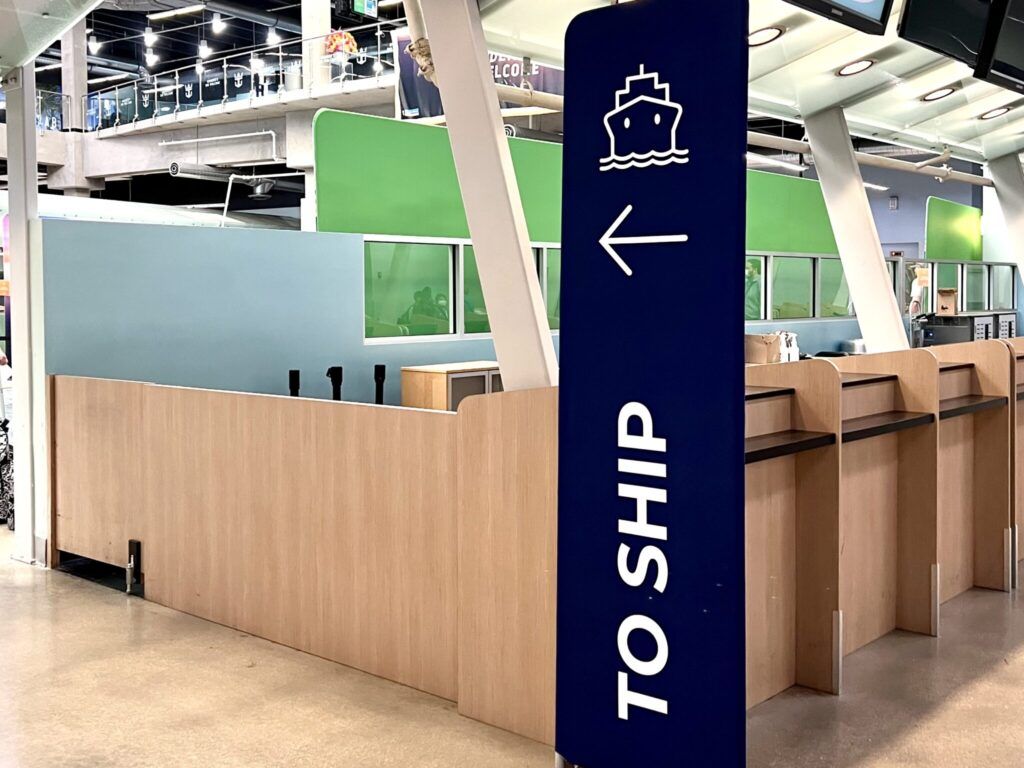
Where do you board a cruise ship?
Your departure port will be listed on your booking confirmation as Day 1 of your itinerary. Most cruises are closed-loop, meaning they depart from and return to the same port. Whether that’s Miami, Port Canaveral, Seattle, Barcelona, or somewhere else entirely, that’s where you’ll board.
Your cruise line will provide the specific terminal address and port information on your cruise ticket, which is typically issued after you complete online check-in. If your port has multiple terminals — which is common in busy homeports like Miami and Port Canaveral — make sure you know which one your ship is using before you leave for the port.
What should you wear on cruise boarding day?
Boarding day is a long one, so comfort is the priority. You’ll be doing a fair amount of walking and standing, so make sure your footwear is up to the task. Beyond that, dress for your itinerary. A Caribbean print shirt works perfectly for a warm-weather sailing, while an Alaska cruise calls for layers.
We have been known to do matching family t-shirts for milestone cruises, too. If you want to pack a bathing suit in your carry-on so you can hit the pool as soon as you board, that’s never a bad idea either.

How early can you board a cruise ship?
Most cruise lines begin processing passengers around 10 AM, though ships are rarely cleared to accept new guests before 11 AM. Some cruise lines, like Virgin Voyages, begin embarkation later in the day. Regardless of the cruise line, the earliest available port arrival times go to cruisers who complete their online check-in first, so checking in as soon as the window opens is the best way to snag an early slot.
That said, showing up significantly before your assigned time can backfire. Some cruise lines have become stricter about enforcing arrival windows and arriving too early may mean waiting outside the terminal until your time is called.
What happens if you miss your cruise ship?
It happens more than people think, and it is almost always the result of cutting travel too close. If you arrive late because of any delays, the cruise line is not obligated to wait for you. If you miss embarkation, you would be responsible for getting yourself to the next port of call at your own expense if it’s logistically possible — which is one of the strongest arguments for flying in the day before and purchasing travel insurance.
Bottom Line
Boarding day is one of the most exciting days of your cruise vacation, but a little preparation goes a long way. Download the cruise line’s app before you leave home, and complete your online check-in as soon as the window opens to snag the earliest possible arrival time. Book shore excursions, dining, and packages through the cruise planner in advance — you’ll almost always pay less than you would onboard.
On boarding day itself, stick to your assigned arrival window, have your documents easily accessible, and make sure your luggage tags are already attached before you hand your bags to the porters. Once you’re onboard, connect to the ship’s Wi-Fi right away and resist the urge to head straight to the buffet or your cabin.
Do all of that, and you’ll be ahead of most of the people on your ship before the gangway even goes up.
Comments
Do you have anything else to add to this list of tips and tricks for first-time cruisers? What do you think newbies should know before they board a cruise ship? Drop us an anchor below to share your cruise boarding day tips.