
 Sarah Bretz
Ah muster drills.. the oh-so-important but kinda-a-drag safety briefings that take place on cruise embarkation day. No one wants to interrupt their first hours on the cruise with an emergency preparedness lesson, but it could help save lives if a situation occurs.
In this piece, we cover the basics on a cruise ship muster drill, the differences between the newer method vs. the traditional way, and why it’s mandatory for all passengers.
Call to Book Your Next Cruise Now: 1-855-228-5584!
What is a cruise ship muster drill?
A cruise ship muster drill — or “lifeboat drill” — is an informational presentation and safety drill to give passengers information on what to do if there’s a major emergency and they need to abandon the ship. The muster drill is mandatory for all passengers per SOLAS — a series of international standards for the Safety of Life at Sea.
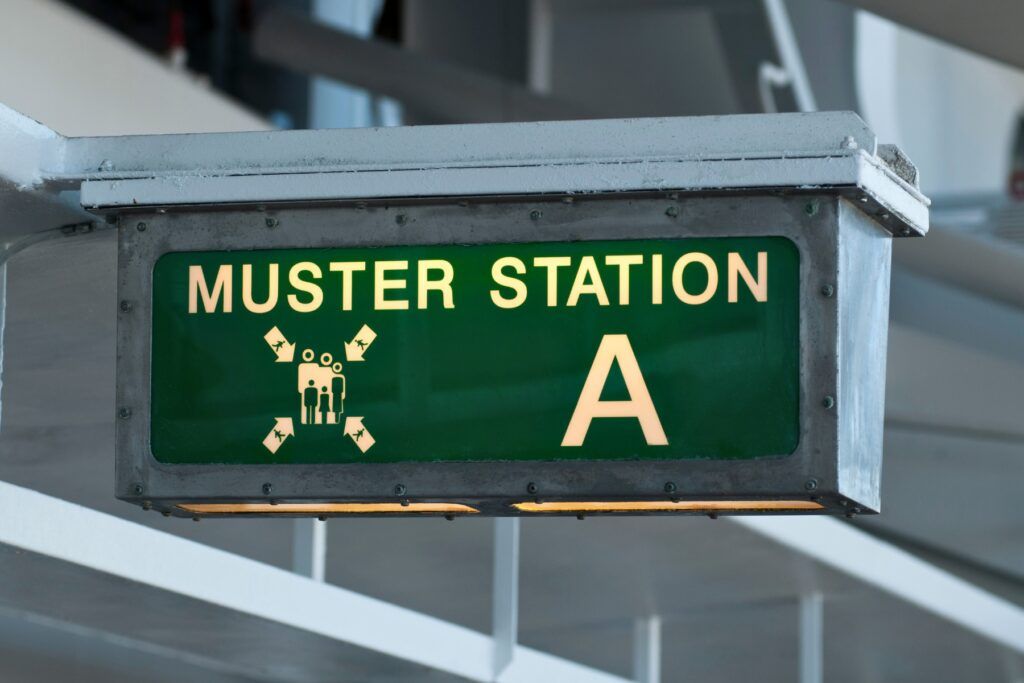
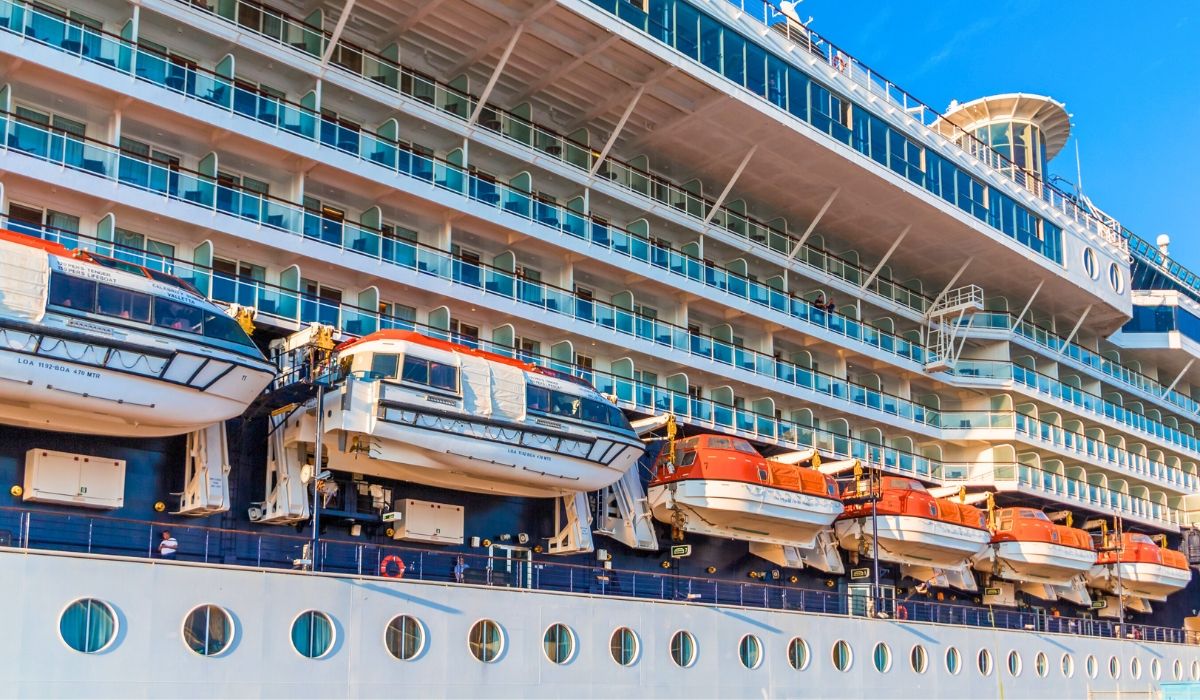
Each guest has an assigned muster station in relation to where their cabin is located on the ship. The muster station is essentially an organization tool — a meeting place where passengers can be accounted for and then loaded onto a lifeboat during an abandon ship emergency if necessary.
It’s also a way the ship’s staff can get a head count of who’s on board and know exactly which passengers are present and who may be missing if someone goes overboard. Each muster station has its own assigned lifeboat.
During the muster drill, guests go to their muster station to familiarize themselves with its location and get information on where life jackets are located and how to properly put them on.
How do muster drills work?
In recent years, two main ways of doing the muster drill have emerged. There’s a traditional muster drill where everyone gathers for the safety information together in-person. There’s also the newer e-muster (or virtual) drill which usually allows guests to watch a safety video before doing a quick check-in at their muster station on their own time before sail away. Cruise lines do one or the other.
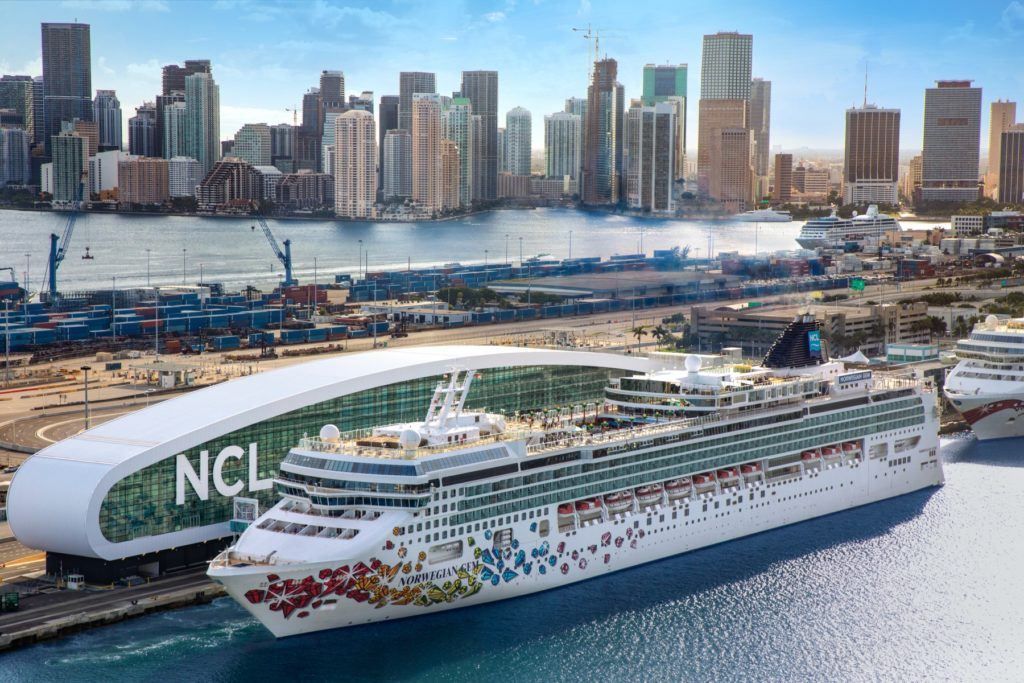
Per SOLAS regulations, muster drills must take place prior to sailing or shortly after departure. Nearly all cruise ships complete the muster drill before the ship departs its homeport.
Prior to sailaway, the ship’s captain demonstrates the vessel’s emergency horn signal: seven short blasts followed by one long blast. When guests hear that signal during a cruise — whether it’s day or night — they should head straight for their cabin and grab their life jacket and prescription medication, put on warm clothing, and head to their muster station.
However, since the muster drill is just a drill, those extra steps aren’t necessary. Most mainstream cruise lines do not require you to bring your lifejacket to this drill either; though, some smaller cruise lines still do.
EXCLUSIVE SAVINGS: Save Big When Booking Your Next Cruise!
Traditional Muster Drills
Traditional muster drills take place shortly before the ship departs its homeport — usually around 30 minutes or an hour prior. The ship’s horn will blast the emergency signal and announcements will be made over the vessel’s intercom system to tell all passengers to head to their assigned muster station.
Your cruise card identifies your specific muster station, as does the emergency exit map on the back of your stateroom door. Muster stations can be pretty much any public area on the ship, such as the casino, theater, or a lounge. Guests’ muster stations are based on the proximity to their cabins.
In a real emergency, guests follow crew members from their first muster station to their corresponding outdoor muster station, which is where their assigned lifeboat is. However, this part isn’t usually necessary during the drill.
Once you arrive at your designated muster station, a crew member will scan you in to note your attendance. You then wait for everyone to arrive. Some ships do the safety briefing over the intercom ship-wide, so that every muster station’s briefing is beginning and ending at the same time. Others have the crew members do the briefing once everyone at that station arrives.
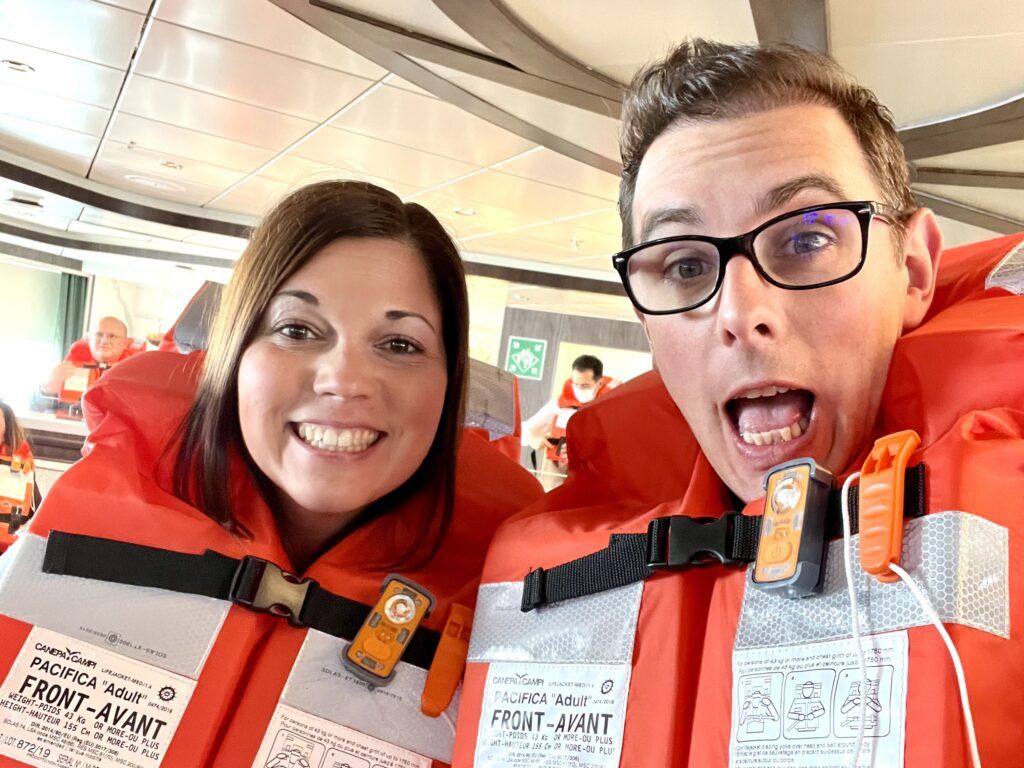
During the drill, crew members explain where to find life jackets on the ship (they’re in more spots than just your cabin!), how to put them on, and what extras they’re equipped with (like an emergency whistle). The drill also includes information on other safety procedures that guests need to be aware of.
E-Muster Drills
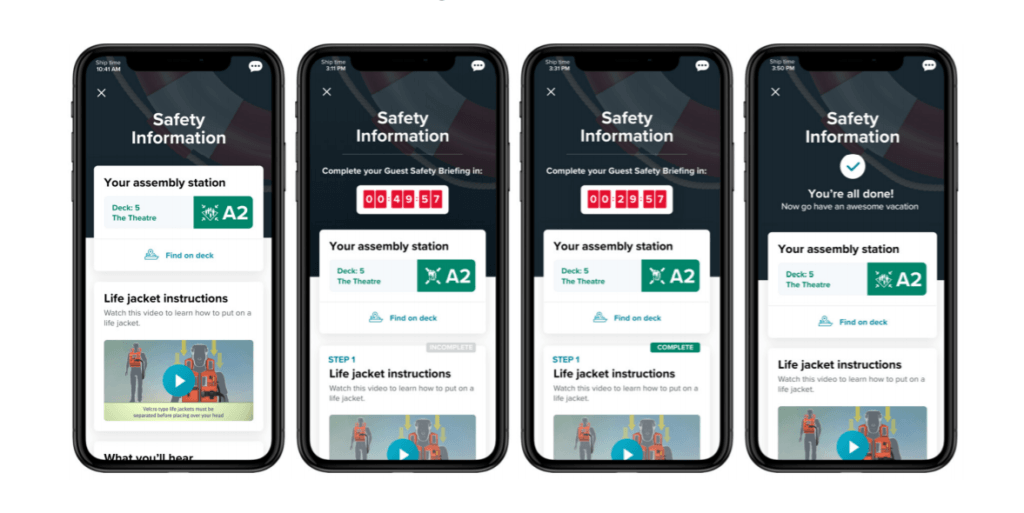
Virtual muster drills, or e-muster (electronic muster) drills have taken the place of a traditional muster drill on many cruise lines. They involve a hybrid of watching one or more safety videos and then physically checking in at your muster station on the ship.
On some ships, you’ll be able to watch the videos and read through safety information on the cruise line’s smartphone app either just prior to the cruise or once on board. Other lines solely do the video through the stateroom TV. The video covers things like where lifejackets are available, how to put them on, and various evacuation protocols.
Guests have a specific timeframe they must complete the “on your own” part of the muster drill. To prove that you’ve watched the video, some cruise lines can tell whether you’ve viewed it, or others have prompts you need to click to acknowledge understanding of the demonstration. Some videos even end with quick quizzes.
After completing the digital parts of an e-muster drill, guests must also go to their assigned muster station. This is both so they know where it is, and also so a crew member can scan them in as proof that they’ve completed the drill. Some lines also use this as a time to demonstrate — in-person — where to find and how to put on a life jacket.
Why do cruise ships do muster drills?
Cruise ships do safety drills so that passengers are informed with what to do and where to go in the event of an emergency. If there was no protocol in place for emergencies, chaos would ensue as scared and confused guests wouldn’t know where to go or what they should be doing. This would significantly slow down things that need to take place (like loading everyone into lifeboats) and could cause some people to be unaccounted for.
Muster drills create an organization system that allows for guests to efficiently get where they need to go in the event of an actual emergency.
Can I skip the muster drill?
In a word, NO. Muster drills are mandatory for all passengers. Even if you’ve taken a dozen cruises and can recite what the crew members will say word-for-word, you need to attend on every single voyage. It’s like flying on an airplane — even if you’ve flown a hundred times, you still have to/should watch the airplane’s safety video or presentation.
If you don’t show up for the muster drill, crew members may come looking for you and/or the ship’s commanding officers will call your name over the ship-wide intercom to alert you that the drill is starting and you need to be there.
You may be wondering, “What happens if I miss muster drill for a completely valid reason?” If a guest misses a muster drill for some kind of extenuating circumstance (such as a medical issue), they will be required to attend a make-up drill that may take place later that evening.
If an obstinate guest absolutely refuses to take part in a muster drill, cruise lines have the right to disembark them at the next port of call.
BOOK NOW: Get Exclusive Rates on Your Next Cruise!
Comments
Did you know the reasoning for these mandatory cruise safety briefings? Do you prefer the traditional cruise ship muster drills or the newer digital versions? Drop us an anchor below to share your thoughts on this maritime drill.