 Heidi Bucolo
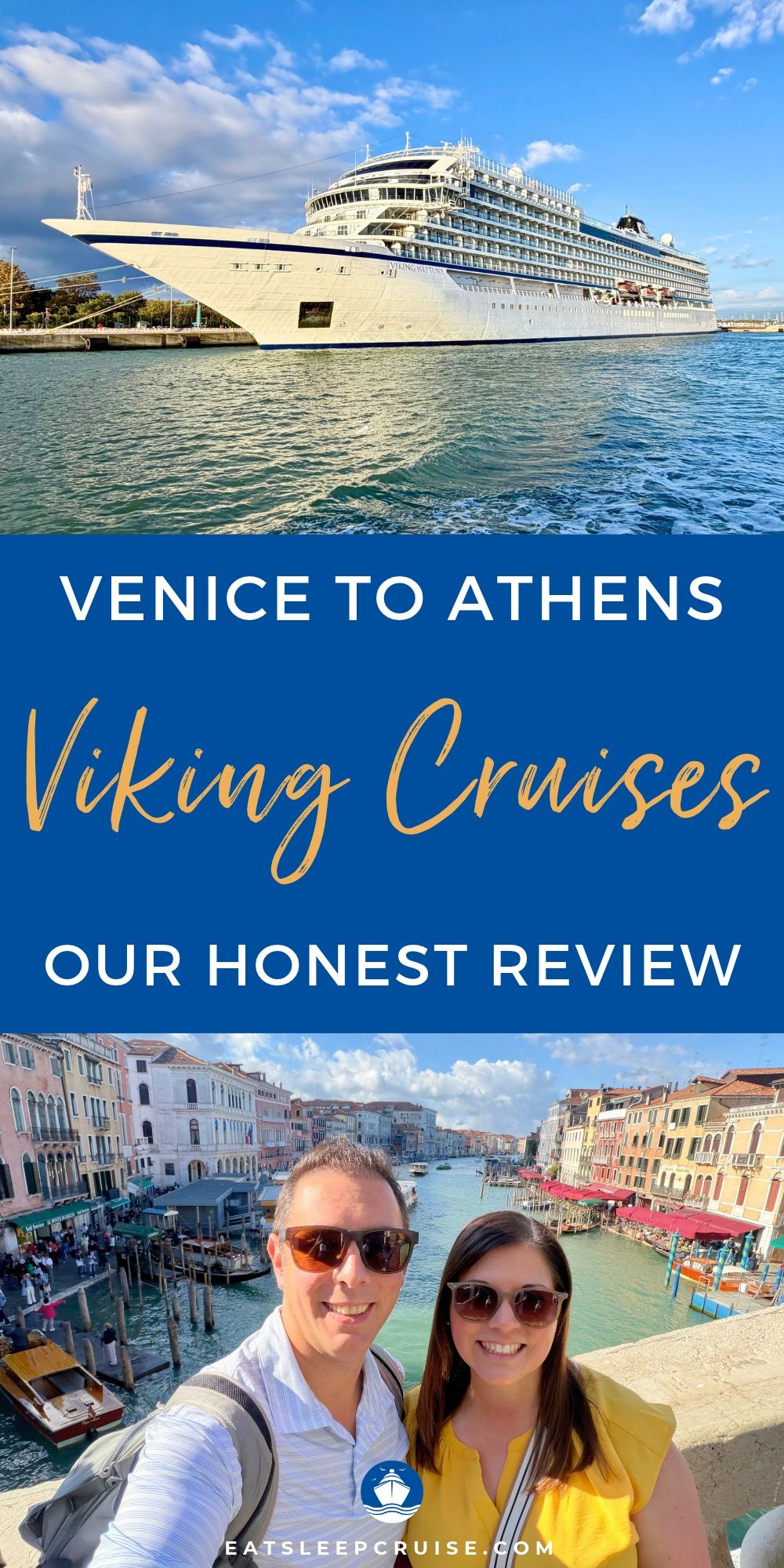
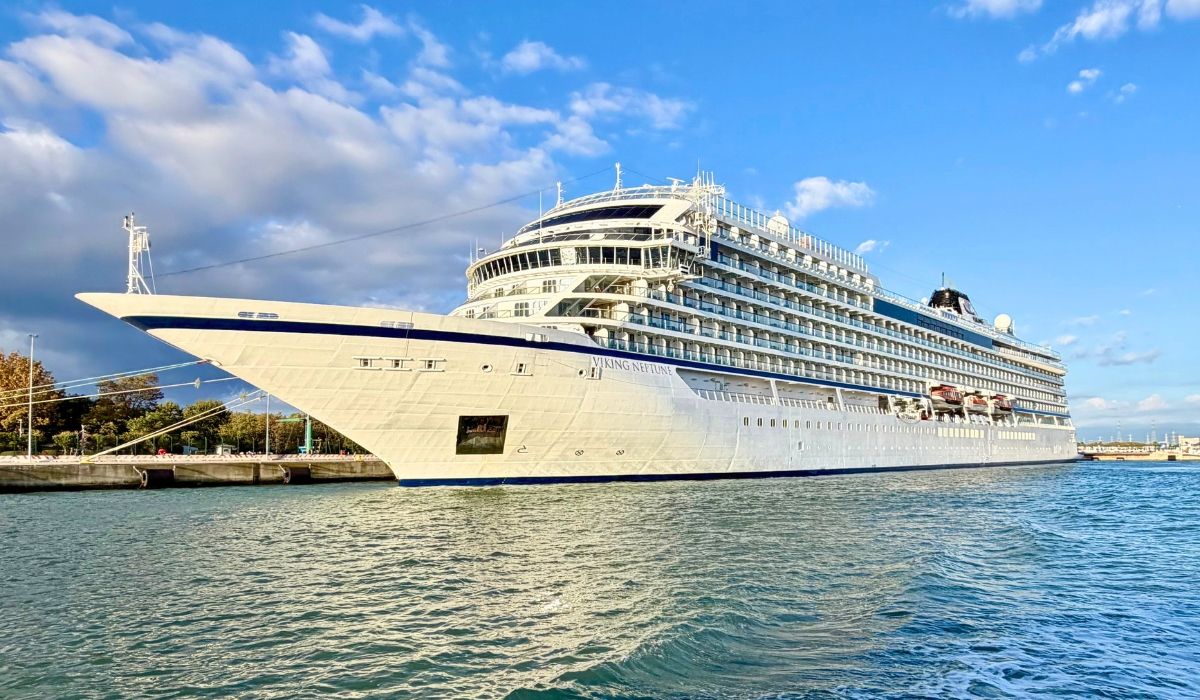
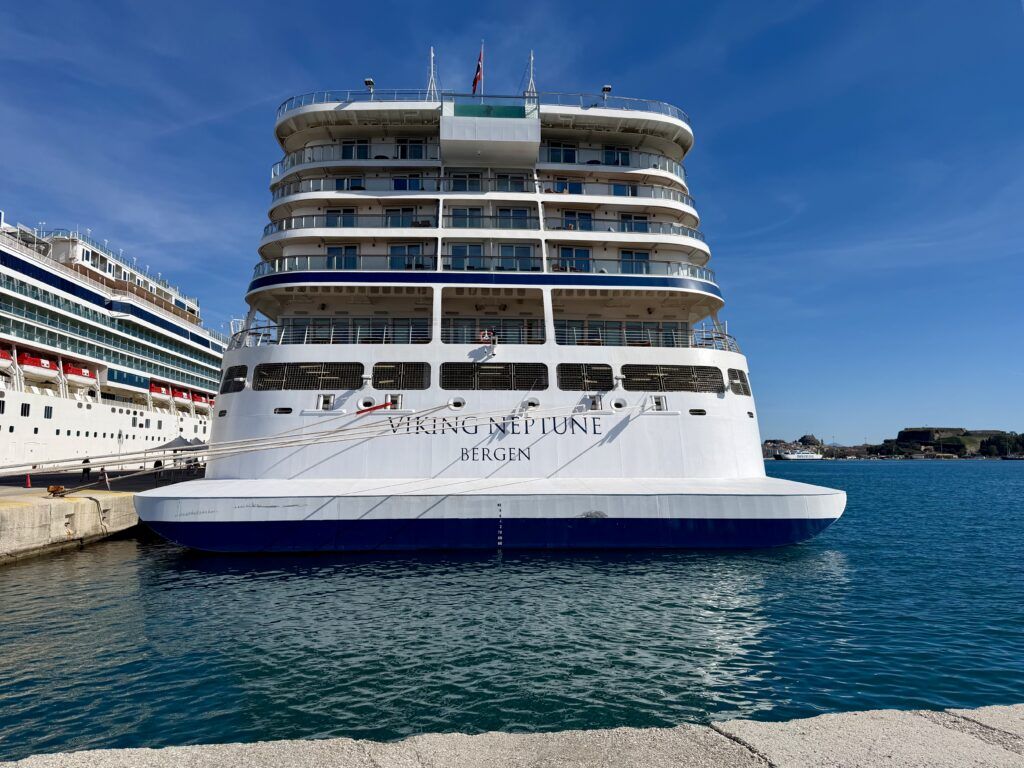
We just got back from a week on Viking Neptune sailing from Venice to Athens. Viking’s Venice, the Adriatic & Greece itinerary packs four countries into seven nights: an overnight in Venice, then Zadar and Dubrovnik in Croatia, Kotor in Montenegro, and Corfu and Katakolon in Greece before disembarking in Athens.
Our quick verdict? If you want a port-intensive week through some of the most beautiful medieval towns in Europe, on a small adults-only ship where a guided tour is included in every port, this is an easy Adriatic cruise to recommend. Sailing in October was a big win too, with milder temperatures and smaller crowds than summer. What would we change? We would have liked at least one sea day to recharge, and in hindsight we would’ve planned a couple of ports differently.
The Sailing at a Glance
- Ship: Viking Neptune (47,800 gross tons, 930 guests)
- Itinerary: Venice, the Adriatic & Greece
- Length: 7 nights
- Embarkation: Venice (Fusina), Italy
- Disembarkation: Athens (Piraeus), Greece
- Sailed: October 2026
- Cabin: 4029, a Deluxe Veranda
- Ports of call: Venice (overnight) → Zadar → Dubrovnik → Kotor → Corfu → Katakolon → Athens
- Inclusions: one shore excursion in every port; shuttles into town where applicable; all onboard dining including the alternative restaurants; beer, wine and soft drinks with lunch and dinner; specialty coffee and tea; WiFi; enrichment lectures and evening entertainment; thermal suite access; self-service laundry; and 24-hour room service
Good to know: Currently, this itinerary is available to book on Viking’s website through 2029. Viking runs this route in both directions, and some departures embark at Chioggia instead of Fusina or call at Split instead of Zadar. Double-check the ports on your specific sailing.
Embarkation in Venice
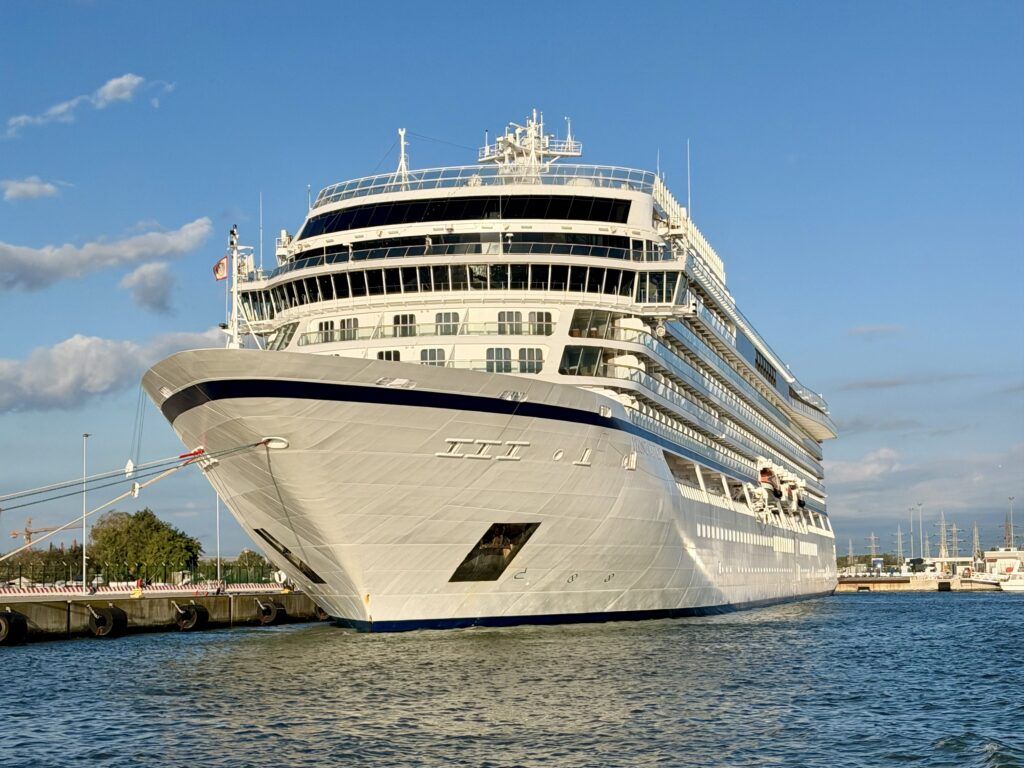
Given our short time at home following a recent Oceania cruise, we chose not to spend any additional pre-cruise days in Venice. This meant that we took advantage of Viking’s transfer from the airport directly to the ship in Fusina. The process was seamless, and the drive itself took about 45 minutes. Upon arrival, we completed the security and check-in process and were heading up the gangway in under 20 minutes.
One of the best parts of this itinerary is that Viking overnights in Venice. Since we boarded on the first day and the ship did not sail until the evening of the second, we could settle in, catch up on sleep, and not worry about missing Venice entirely. We still had a full day to explore the city. However, for guests who did want to venture into Venice on embarkation day, Viking offered a complimentary water shuttle at set intervals throughout the day.
For us, we used boarding day to explore the ship, secure dining reservations at the alternative restaurants, grab some lunch, and unpack. With jet lag from the overnight flight, we called it a rather early night to rest up for the port-intensive week ahead of us.
Venice, Italy
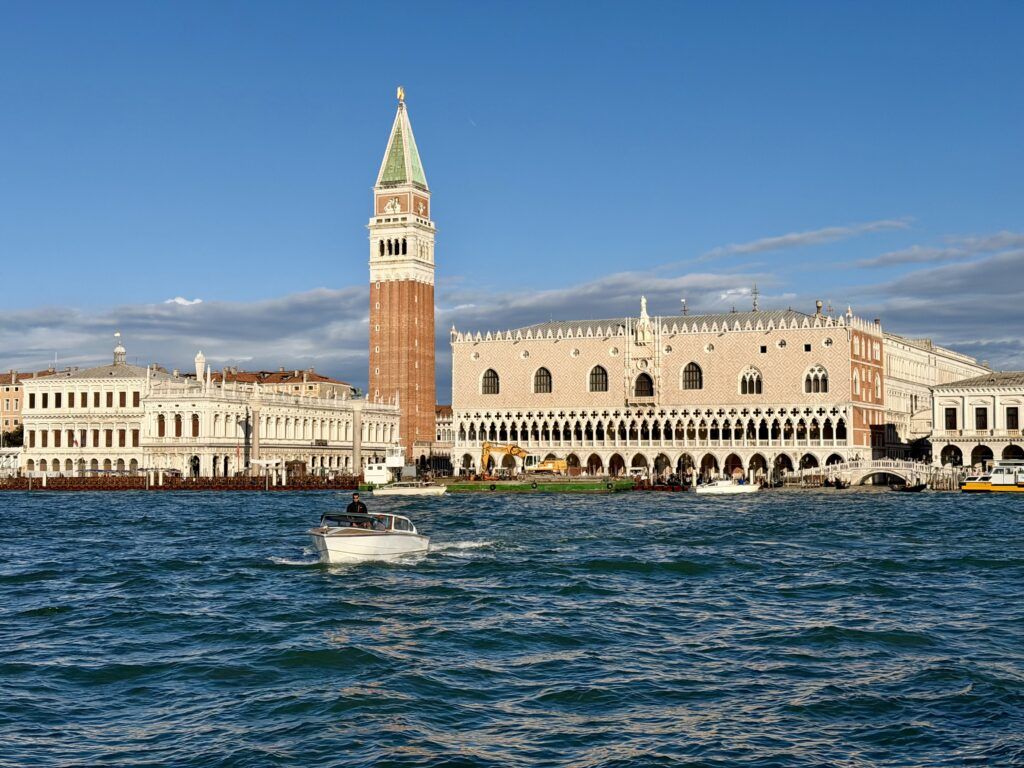
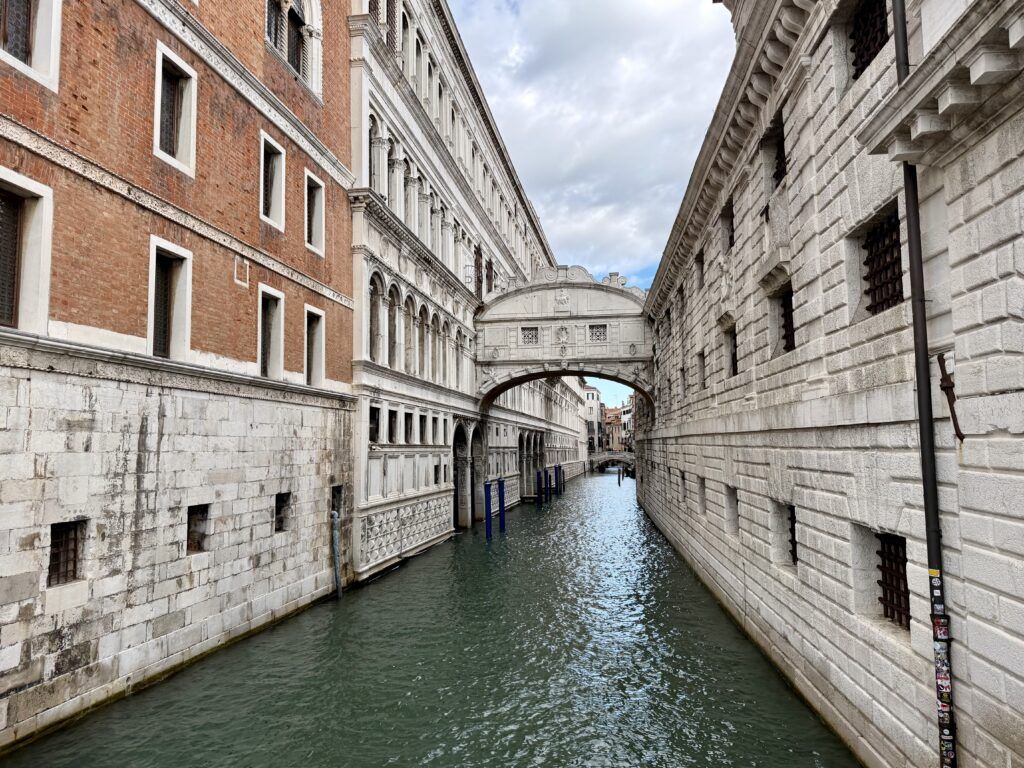
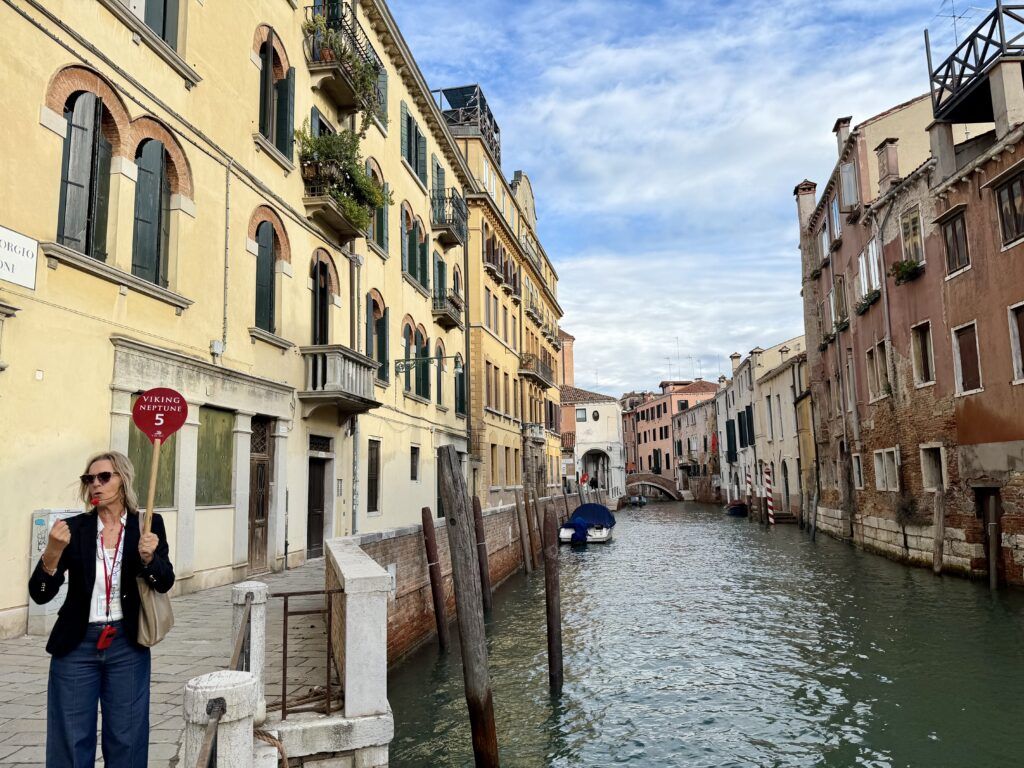
Our first excursion started at the port of Fusina, where we boarded a boat for a scenic ride across the Venice Lagoon into the heart of the city. Arriving by water is one of the best ways to see Venice, and having beautiful weather was a huge bonus!
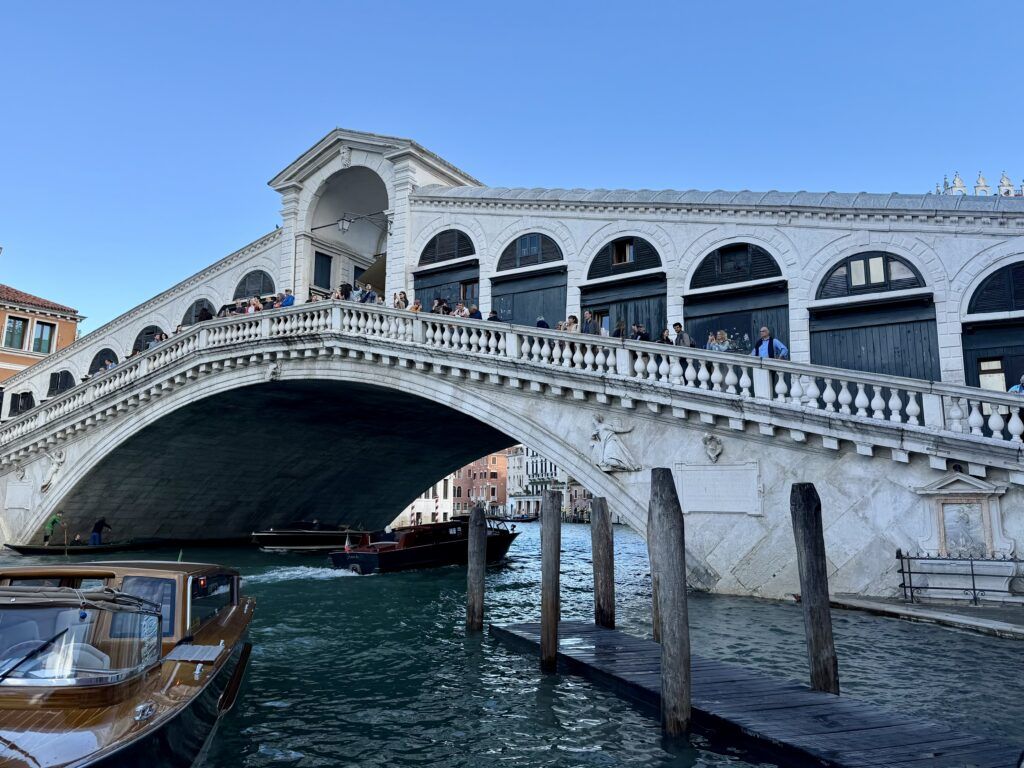
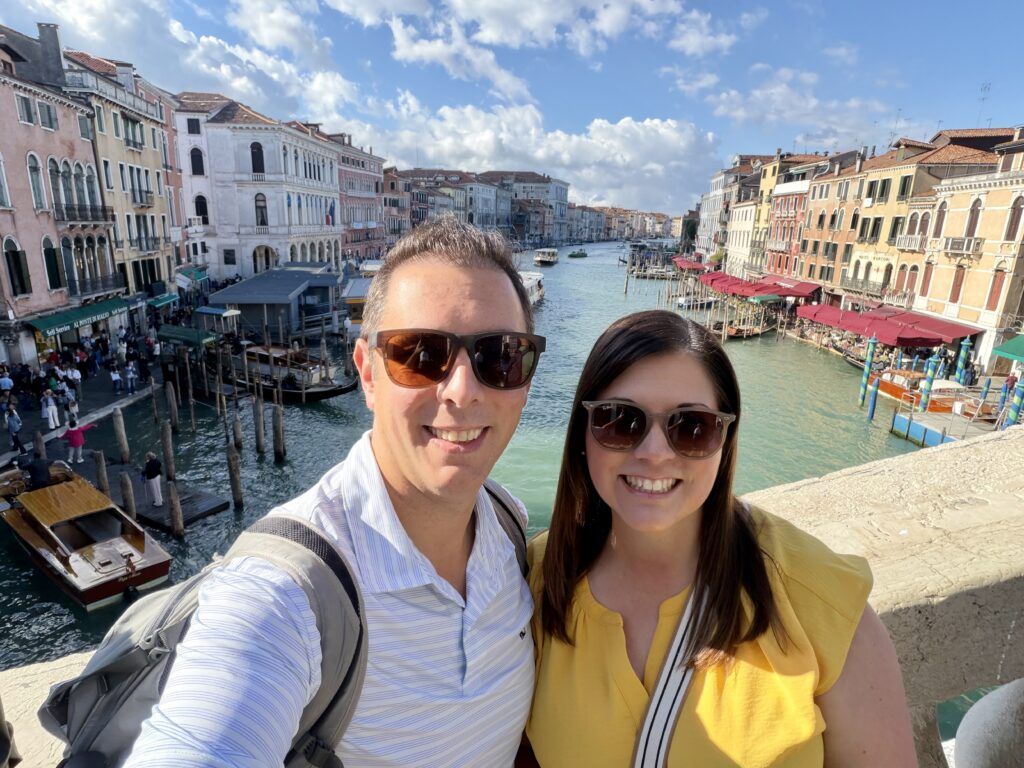
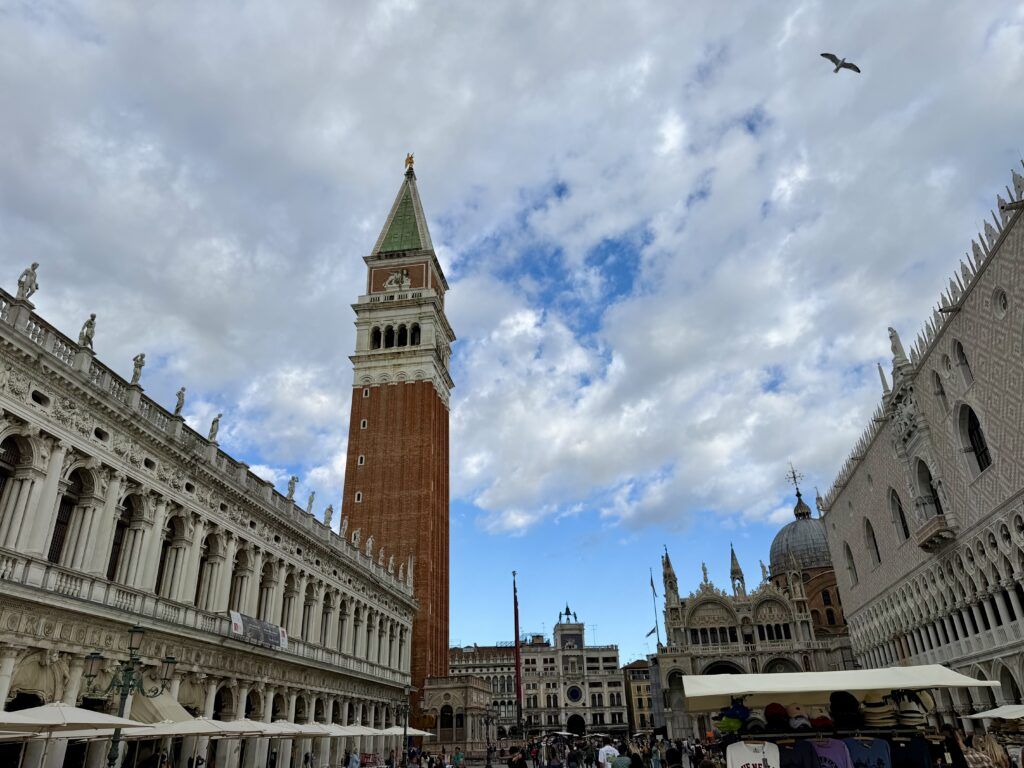
From there, our guide led us on foot through the narrow streets and over the canal bridges toward Piazza San Marco, better known as St. Mark’s Square. Here, we got a closer look at some of the most recognizable landmarks in Venice, including St. Mark’s Basilica, the towering Campanile bell tower, and the Doge’s Palace. The tour ended with free time, so we walked to the Rialto Bridge on our own and did a little shopping as we strolled back to our meeting point.
While still somewhat busy, fewer crowds definitely made the day more enjoyable. The only downside is that Viking didn’t offer complimentary shuttles back to the ship that day. This meant we had to return with our tour and couldn’t spend any longer enjoying the city.
Zadar, Croatia
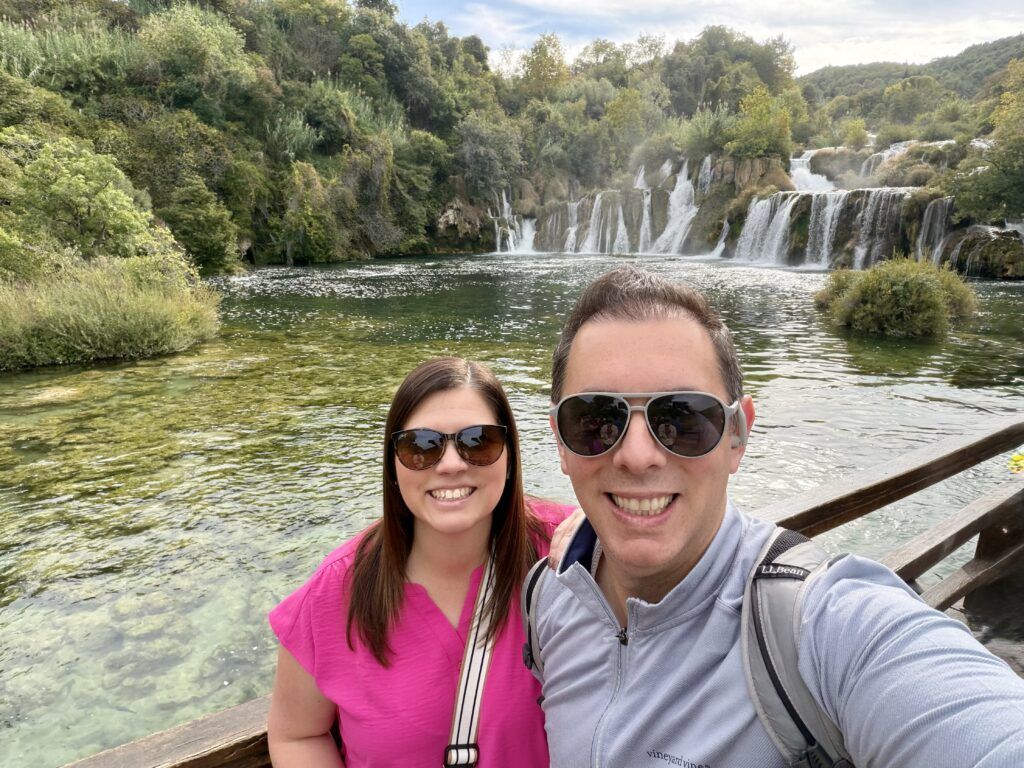
In Zadar, we skipped the included tour and booked one of Viking’s optional excursions to Krka National Park and the town of Skradin. This tour was priced at $234 per person. This was one of the longer tours of our cruise at six and a half hours, given it’s nearly an hour’s drive in each direction.
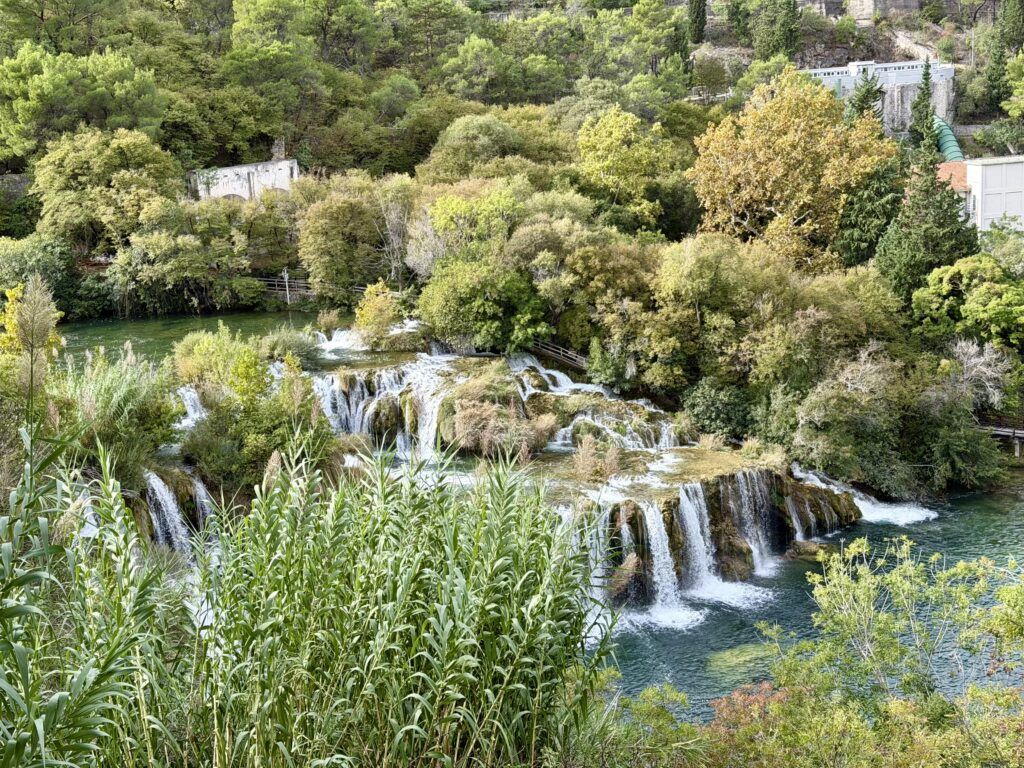
Our first stop was Skradinski Buk, the most famous spot in the park. It is a series of 17 cascading waterfalls that wind through the forest along the Krka River. We followed the walking paths and boardwalks through the park and saw the falls from several different angles along the way. While there were lots of stairs, the views were worth it.
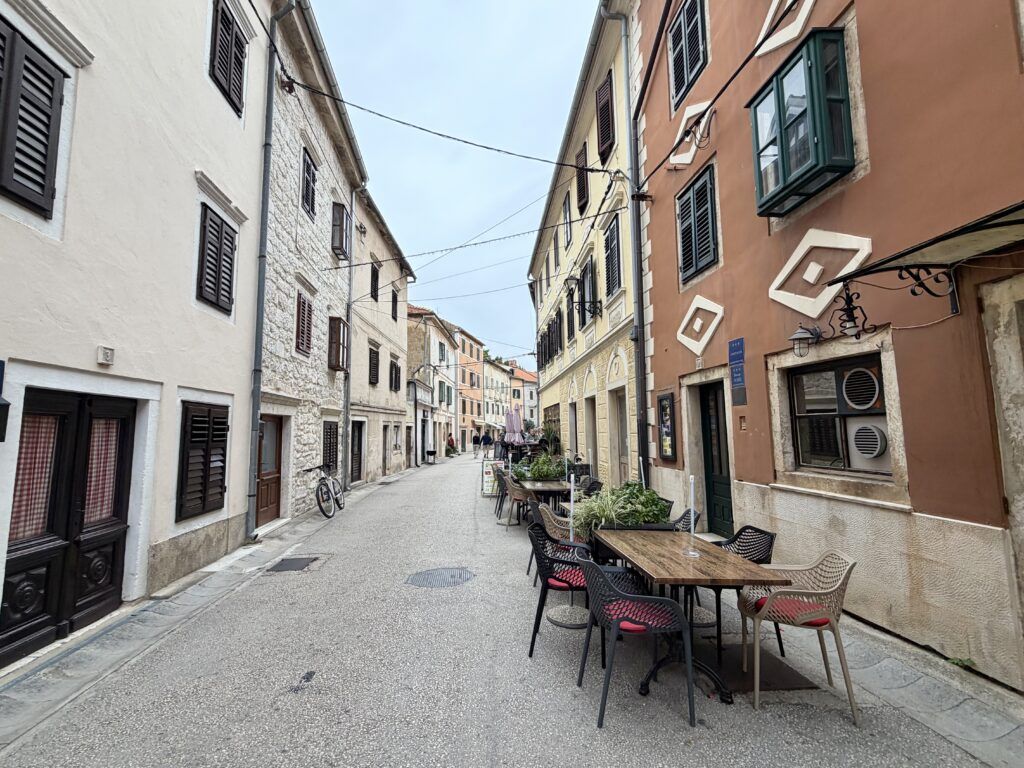
On the other hand, we could have done without the rest of the tour. Following the visit to the waterfalls, we drove to Lozovac Village for an included lunch, which was anything but authentic. The tour also included a short visit to Skradin, a small waterfront town with colorful historic buildings. Personally, we would have preferred to either skip this 30-minute stop entirely or have more free time here to grab lunch on our own instead.
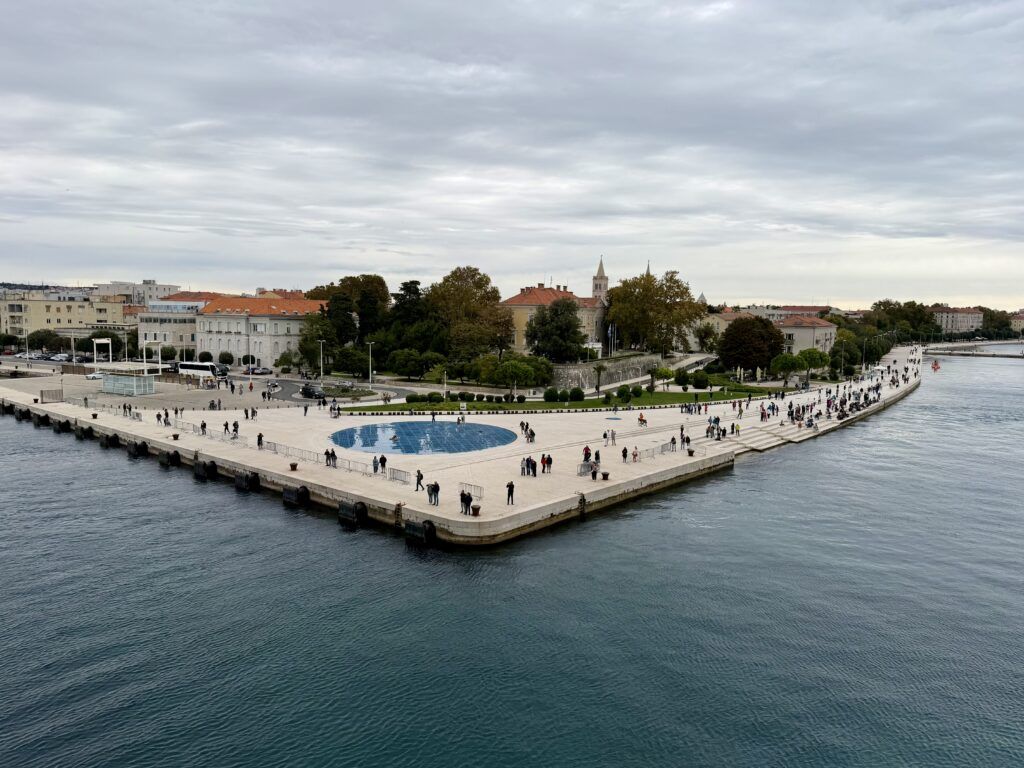
Because the excursion took up all of our time in port, we did not have time to explore Zadar’s Old Town. We only saw the waterfront Sea Organ, which plays music using the motion of the waves, and the Monument to the Sun light installation adjacent to the ship. If seeing Zadar itself matters to you, the included city tour might be the better pick. If waterfalls and scenery are more your style, Krka is worth it.
Dubrovnik, Croatia
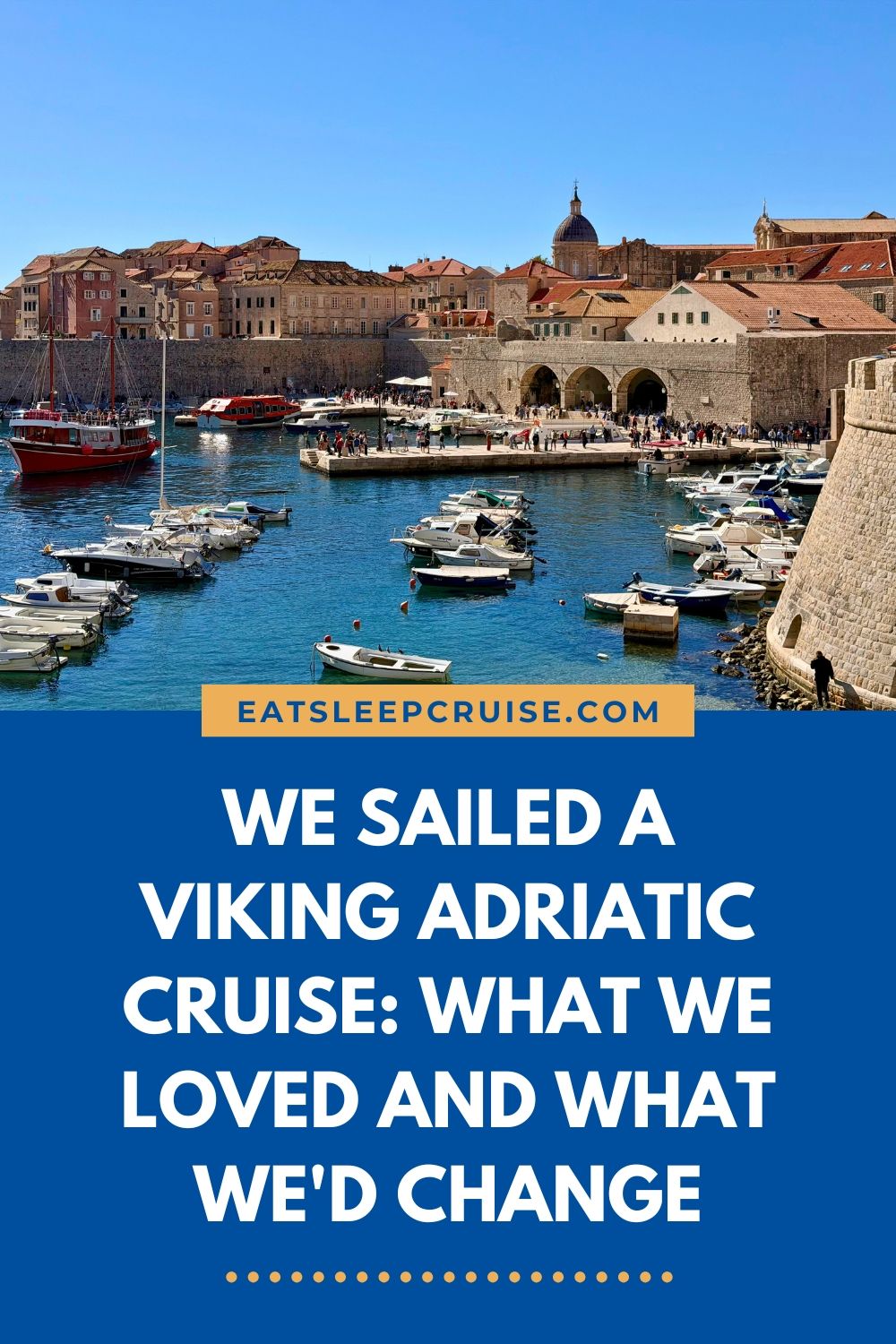
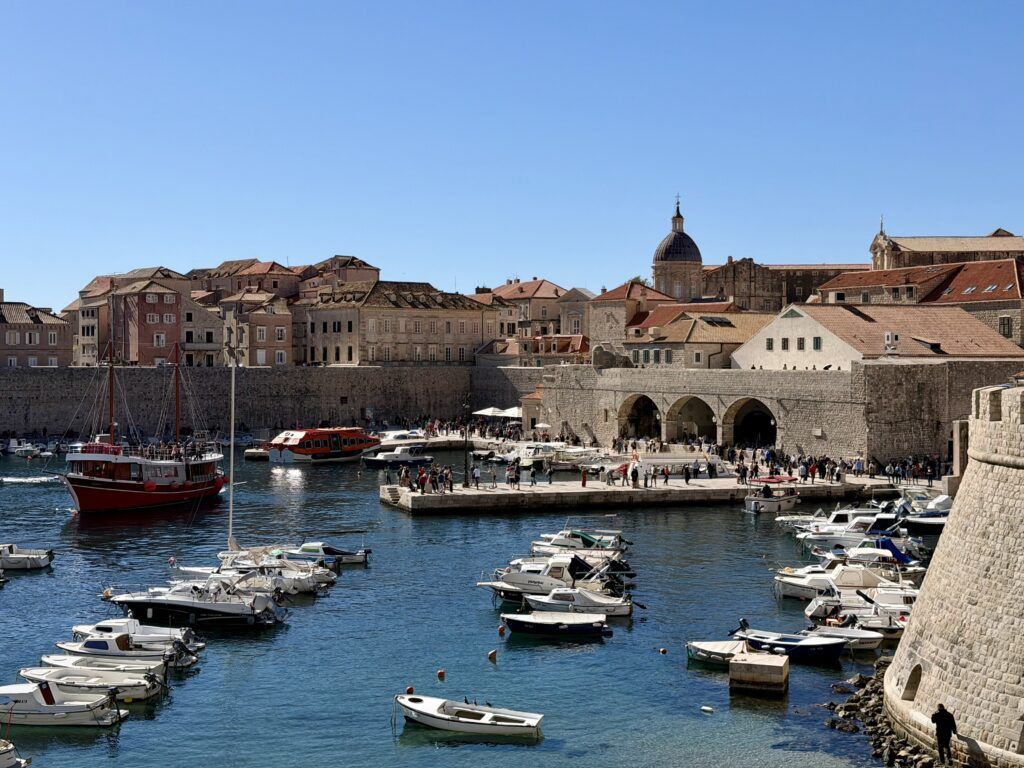
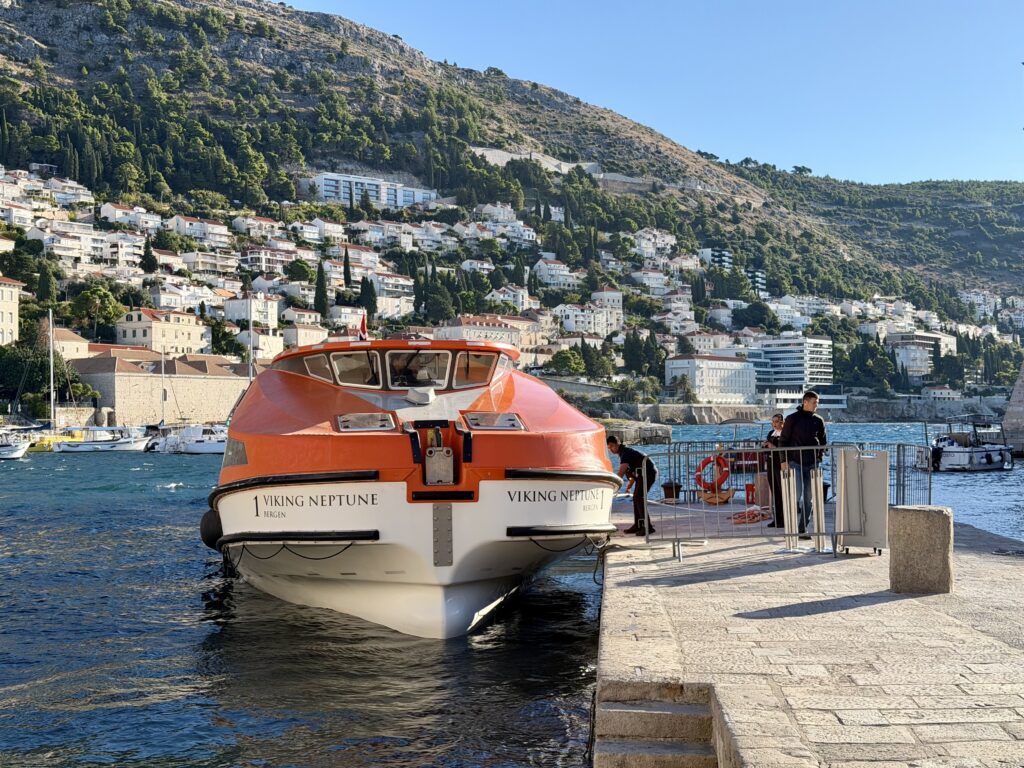
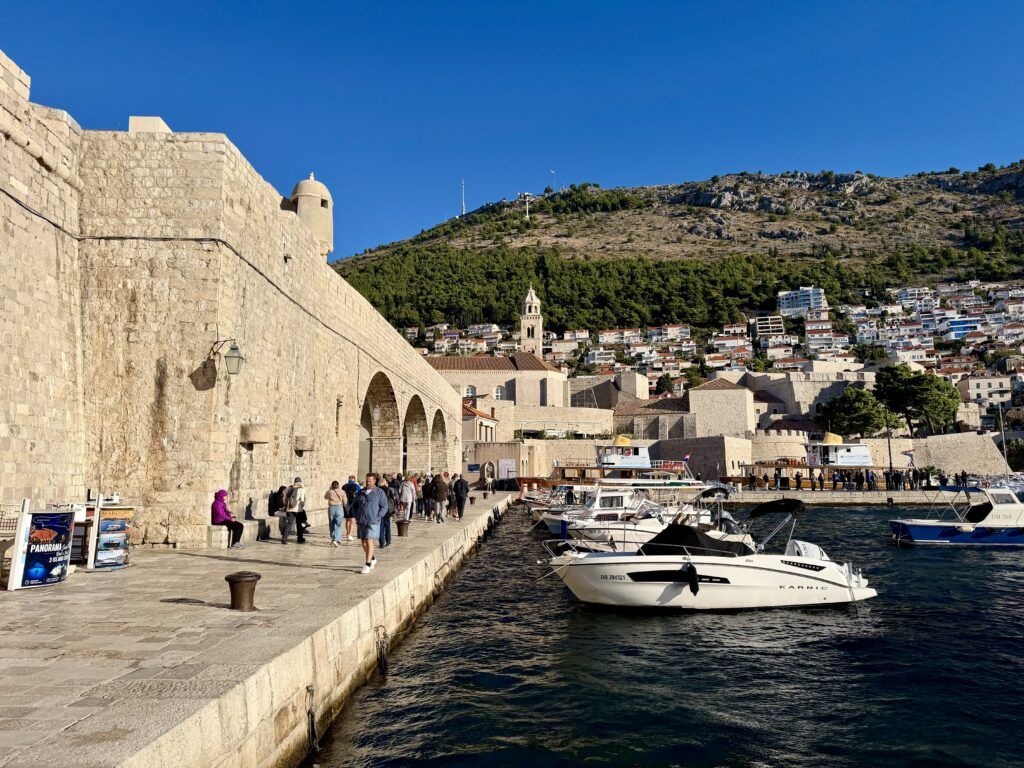
Dubrovnik was one of the ports we were most looking forward to, and it lived up to the hype. We joined Viking’s included walking tour, which started at the old port (where we tendered into) and followed the Stradun, the main pedestrian street through the Old Town, before ending at Pile Gate.
Along the way, our guide pointed out centuries-old landmarks including the Dominican Monastery, Rector’s Palace, Sponza Palace, the Clock Tower, the Church of St. Blaise, and Onofrio’s Fountain.
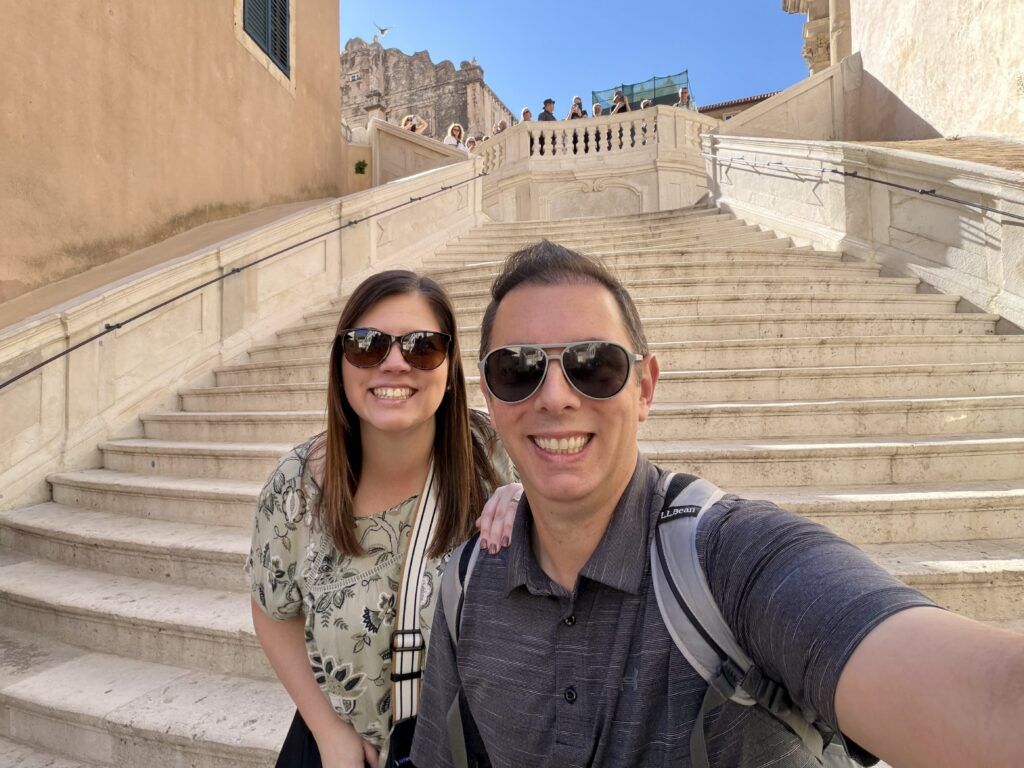
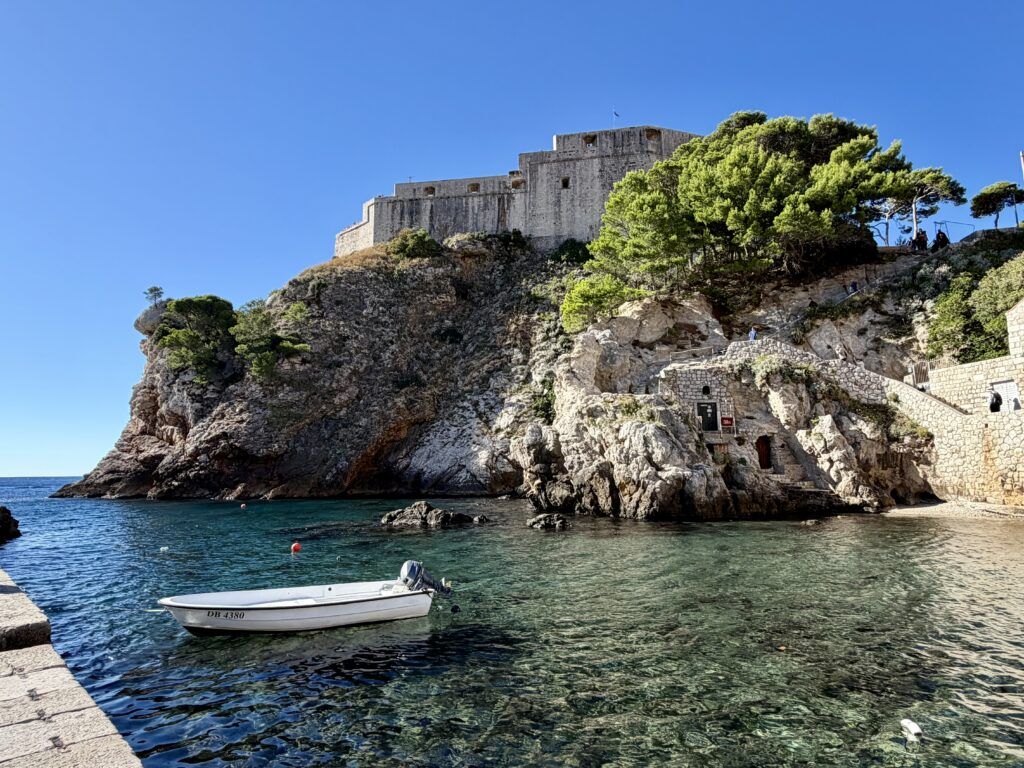
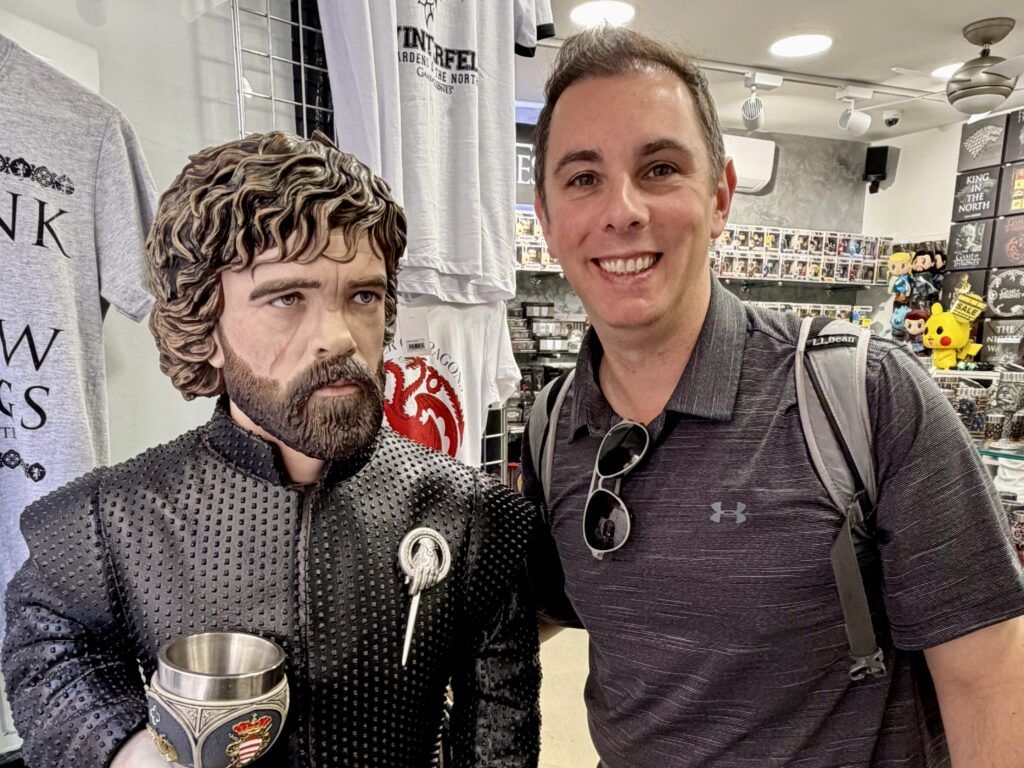
After the tour, we had the rest of the day to explore on our own. Of course, we used that time to track down more Game of Thrones filming locations, including West Harbour, Fort Lovrijenac, and the Jesuit Stairs. We then took a 50-minute bay cruise to see the city walls from the water, which gave us a completely different perspective of the Old Town. After all this, we were too tired to actually walk the city walls. Guess that means a return trip is in order!
Much like Venice, this was another stop where we really appreciated the reduced crowds and cooler weather that come along with cruising the Med during shoulder season.
Kotor, Montenegro
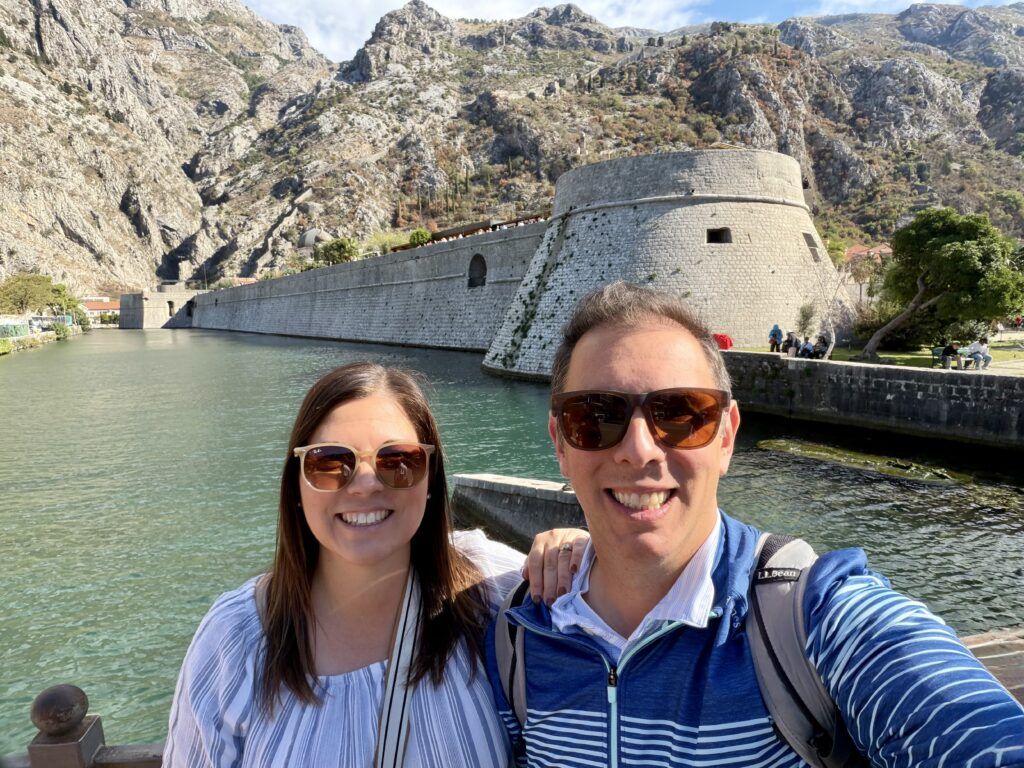
Kotor might have the most dramatic setting of any port on this itinerary. The medieval town sits at the edge of the Bay of Kotor, tucked between towering limestone cliffs. This makes for a beautiful sail into and out of port.
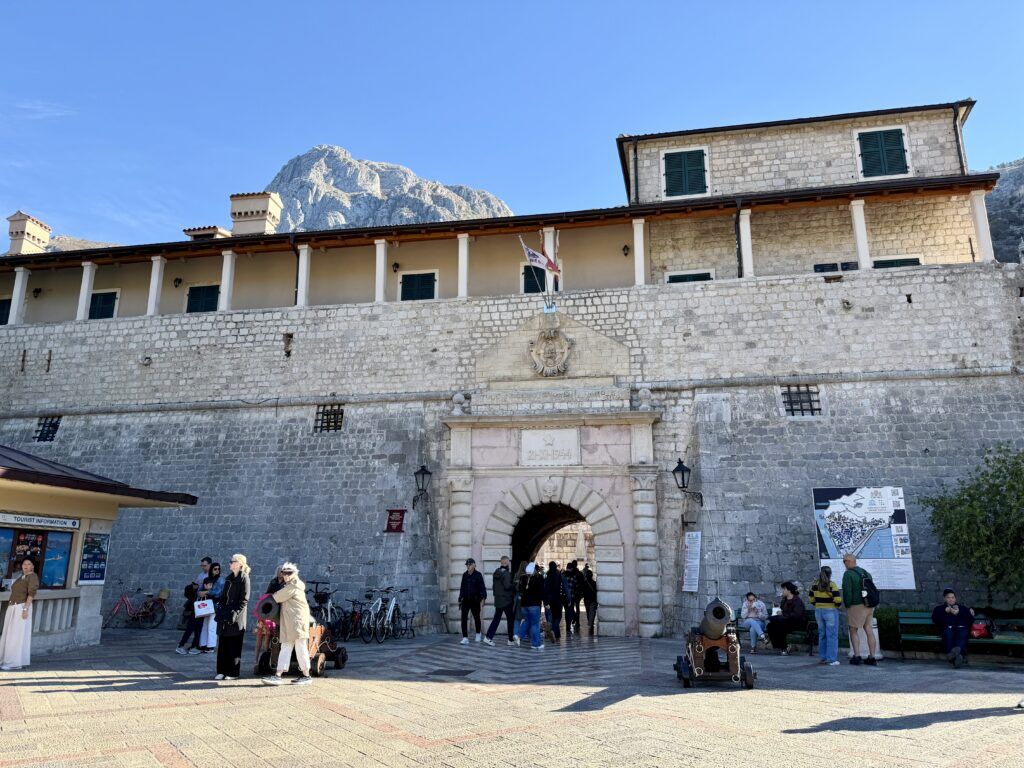
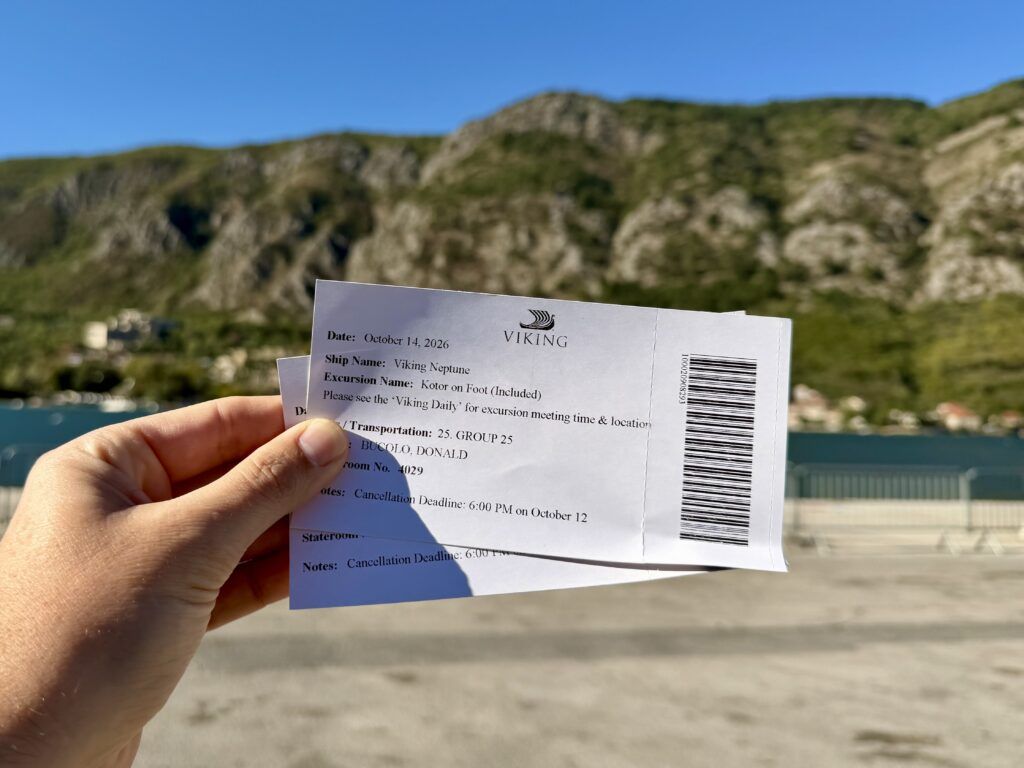
We explored the UNESCO-listed Old Town on Viking’s included walking tour, winding through narrow cobblestone streets, past the medieval city walls, and through historic squares. The tour lasted about 90 minutes, which made it a nice introduction to this compact town.
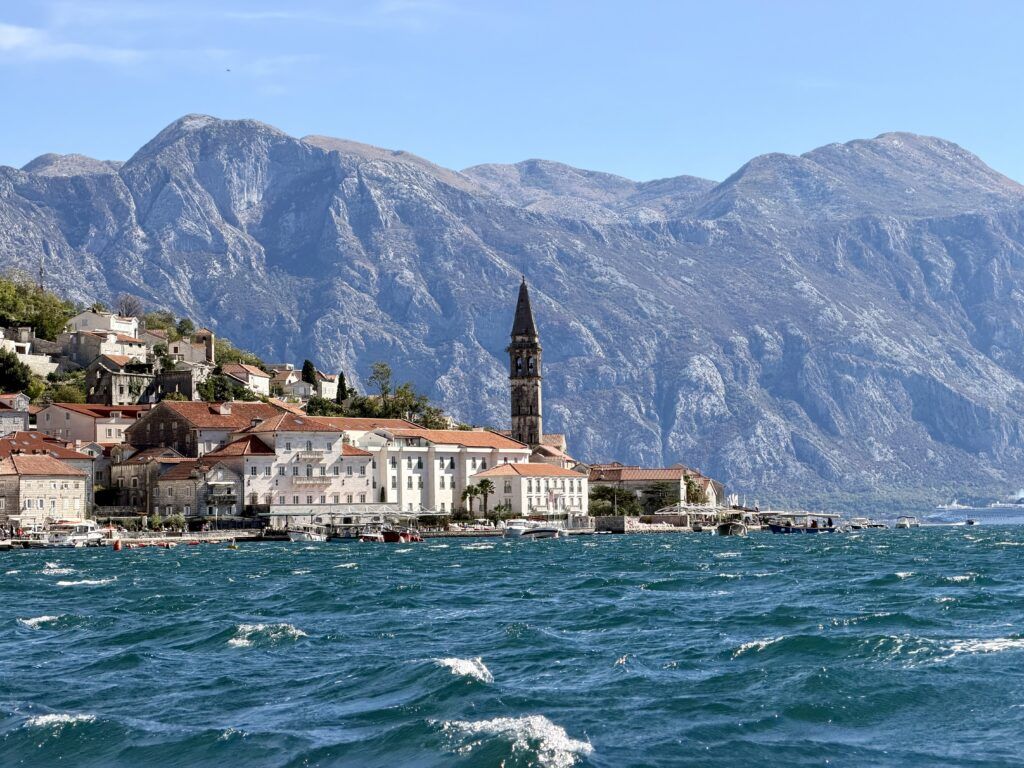
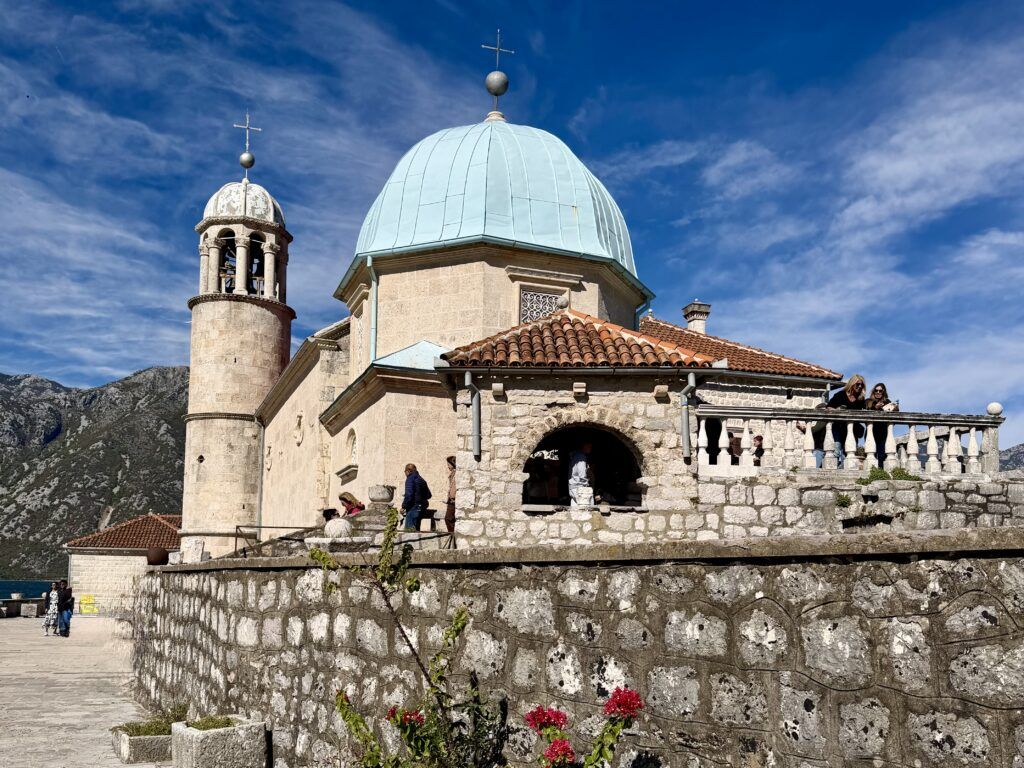
The shorter tour also left us plenty of time to explore beyond Old Town. Since Viking’s optional excursion to Perast and Our Lady of the Rocks (a church built on a small man-made island in the bay) was sold out, we grabbed a private taxi tour to the nearby town ourselves. In retrospect, the 200-euro price was a bit steep given it only included an hour in town along with the approximately 30-minute drive in each direction.
Corfu, Greece
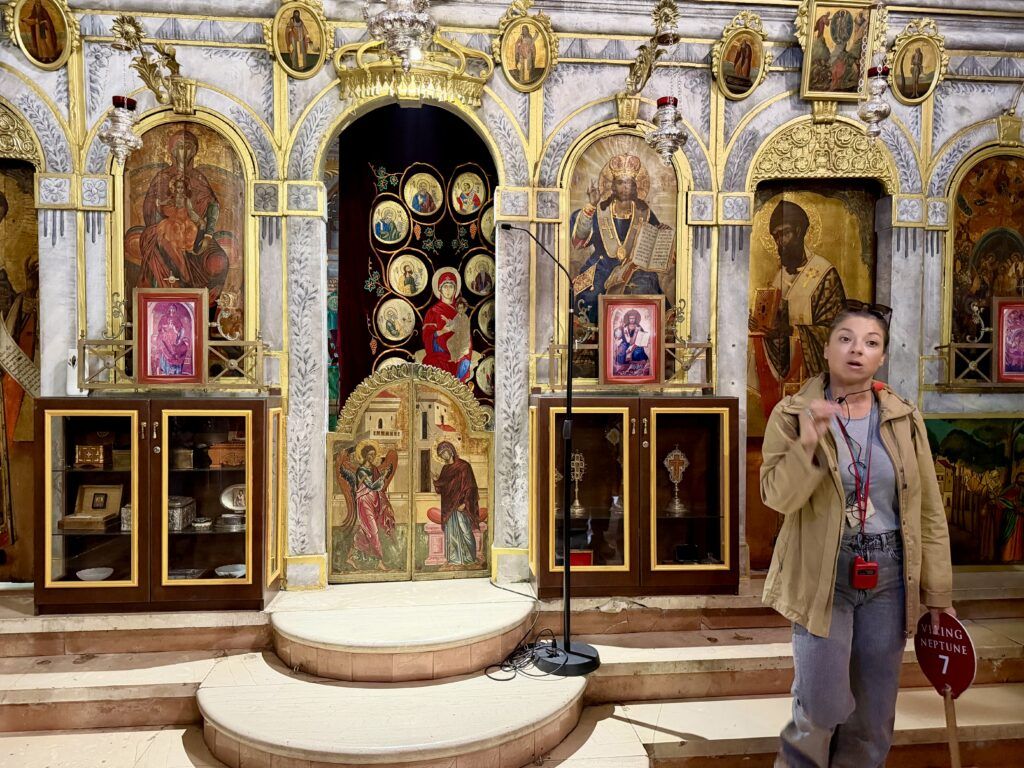
While we’ve visited many ports in Greece before, we had never been to Corfu. Corfu has a little bit of everything, from coastal viewpoints to centuries-old monasteries. Here, we took a four-hour excursion that covered several of the island’s best-known sights. This optional tour through Viking was $104 per person.
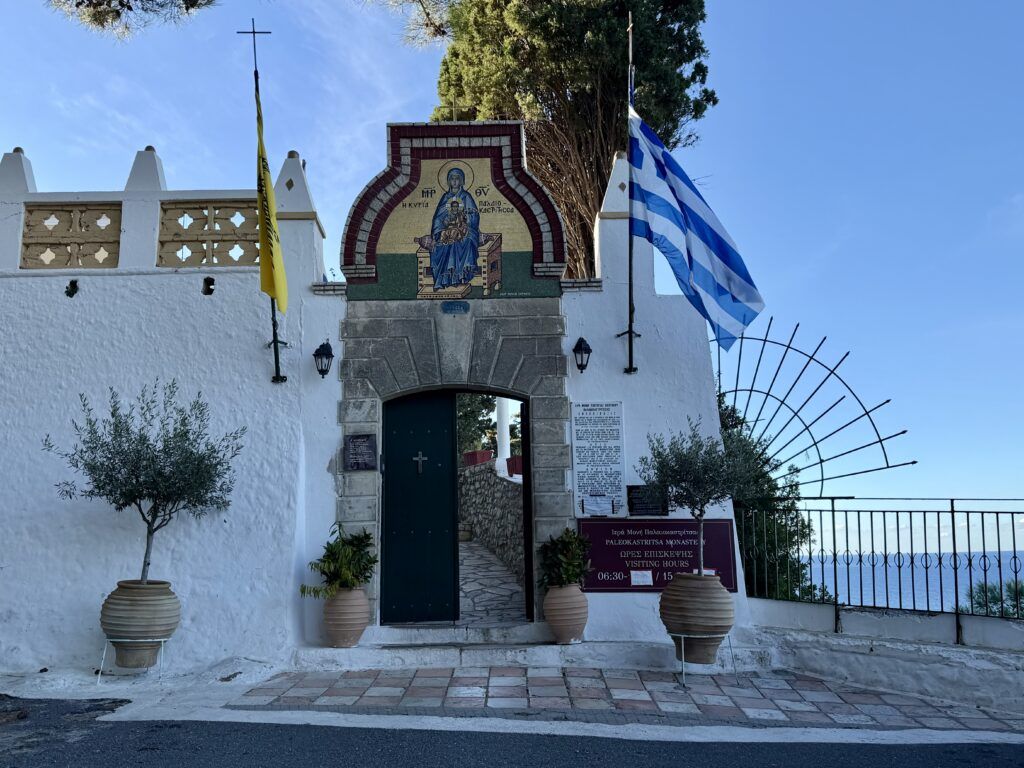
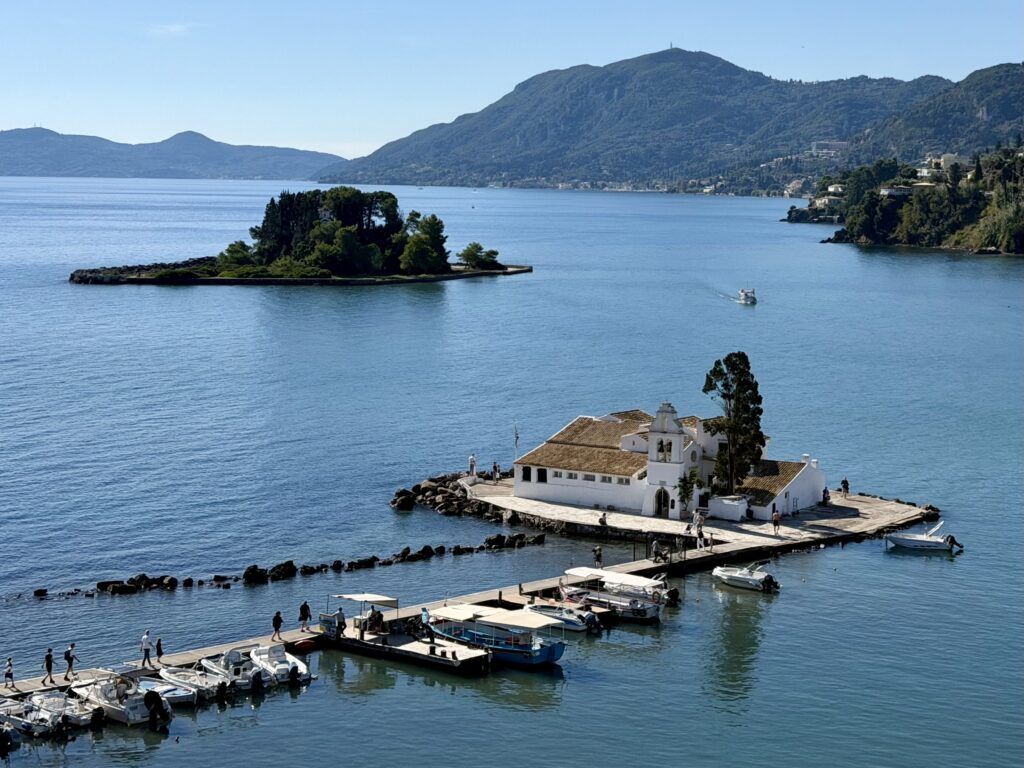
Our tour began in Paleokastritsa, where we visited the Monastery of the Virgin Mary, a Byzantine-style Greek Orthodox church overlooking the coastline. Next, we headed to Kanoni for the classic view of tiny Mouse Island, one of the most photographed spots on Corfu.
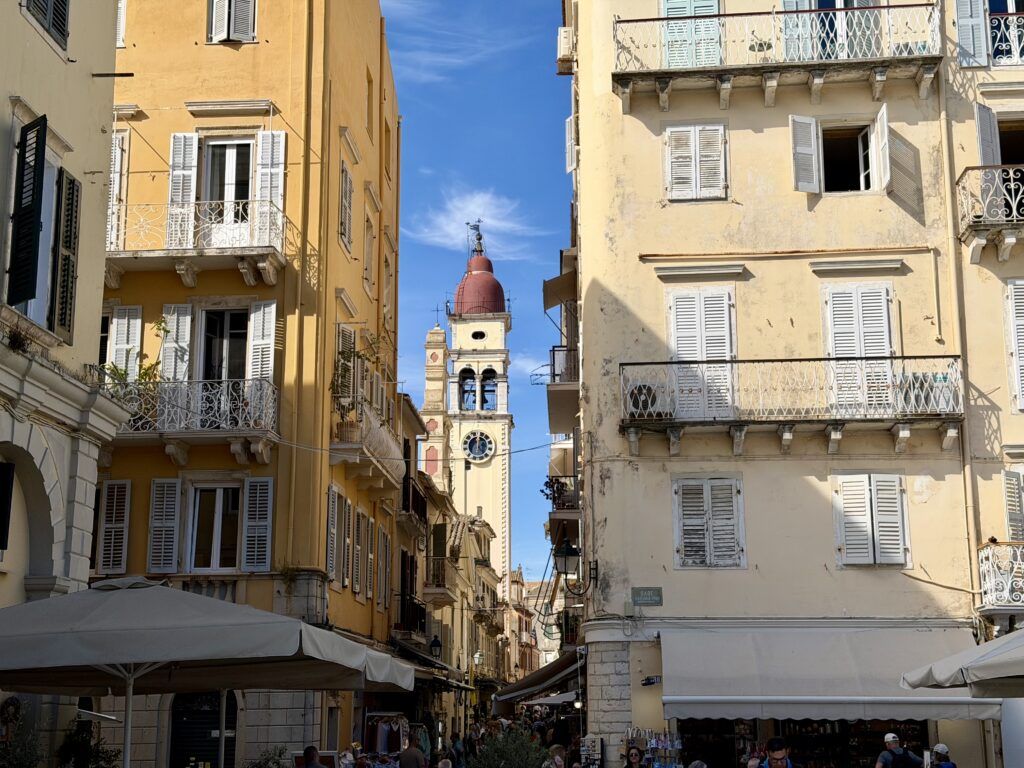
We finished in Corfu’s UNESCO-listed Old Town, where we explored the Esplanade on a brief guided walk followed by some free time. We chose to stay in town longer and take the ship’s shuttle back instead of returning with our tour group.
What makes Corfu so interesting is the mix of Greek traditions and Venetian architecture, set against beautiful coastal scenery. It also helped that our guide was one of the best we had all trip. She was informative and passionate, weaving in personal stories along the way.
Katakolon (Olympia), Greece
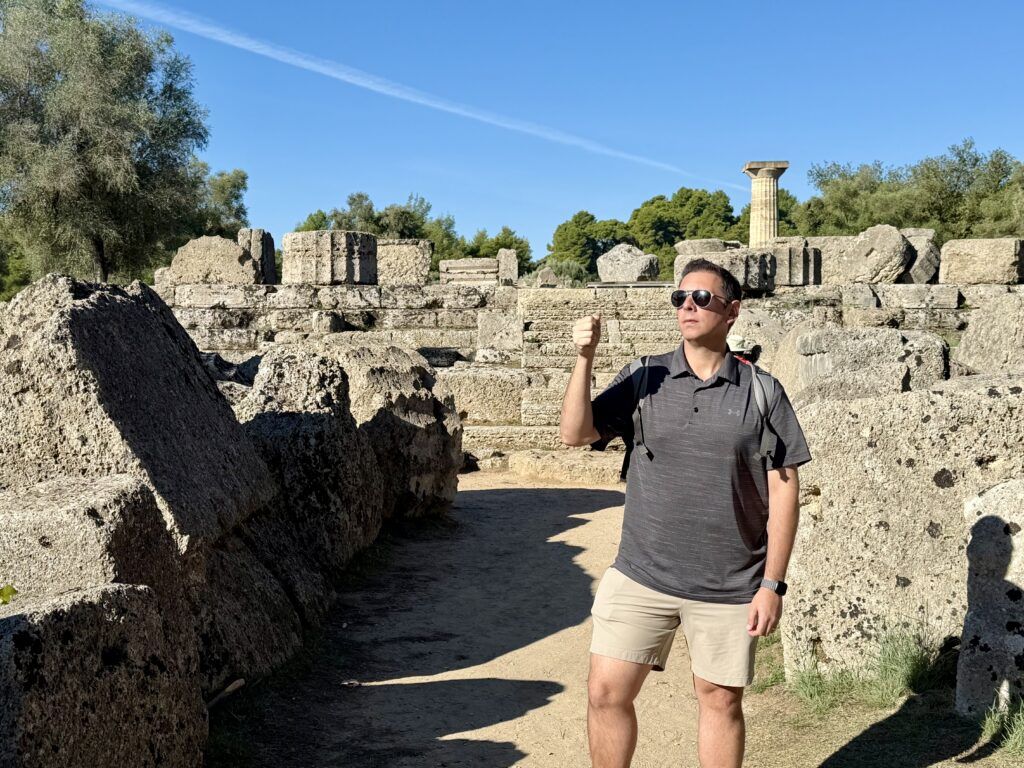
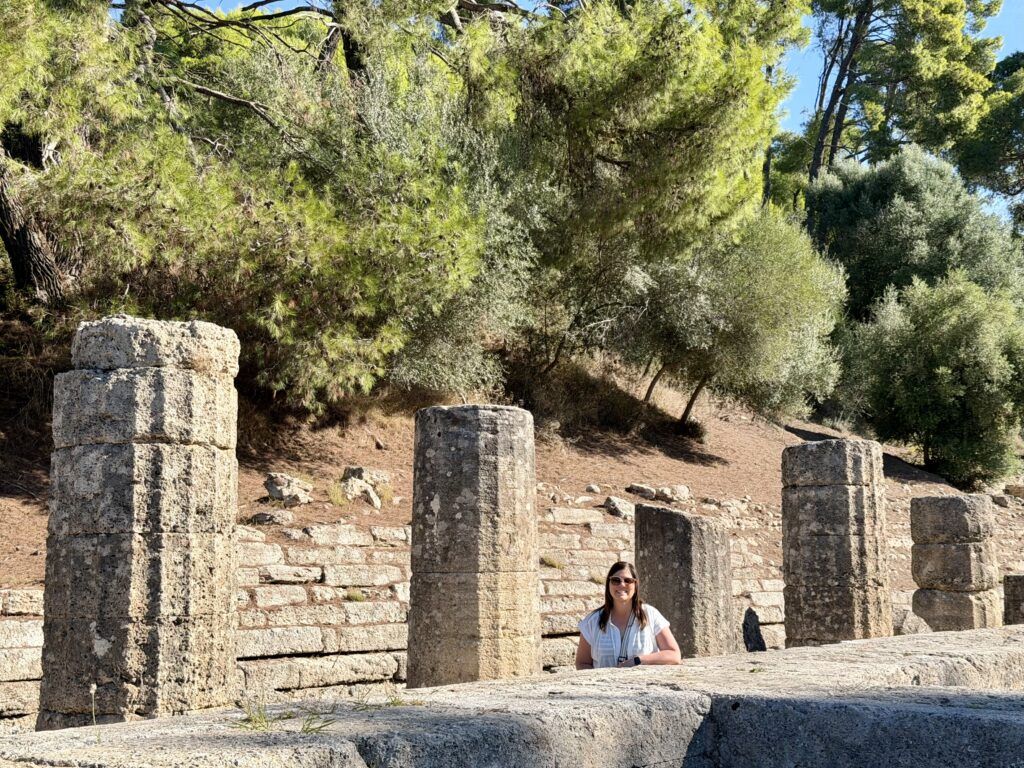
Our final port of call was Katakolon, the gateway to Ancient Olympia and the site of the first recorded Olympic Games. We joined the included tour here, which was a four-hour trip out to Ancient Olympia, one of Greece’s most important archaeological sites. The drive in each direction was about 45 minutes, which left about 2.5 hours for a guided walk and free time.
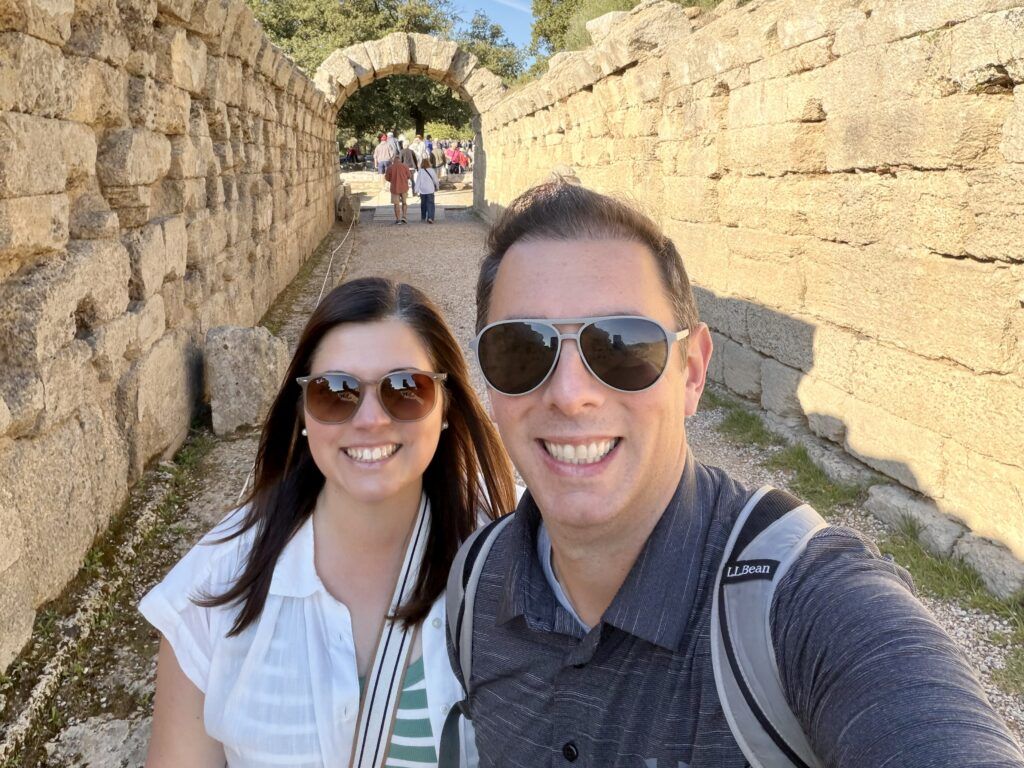
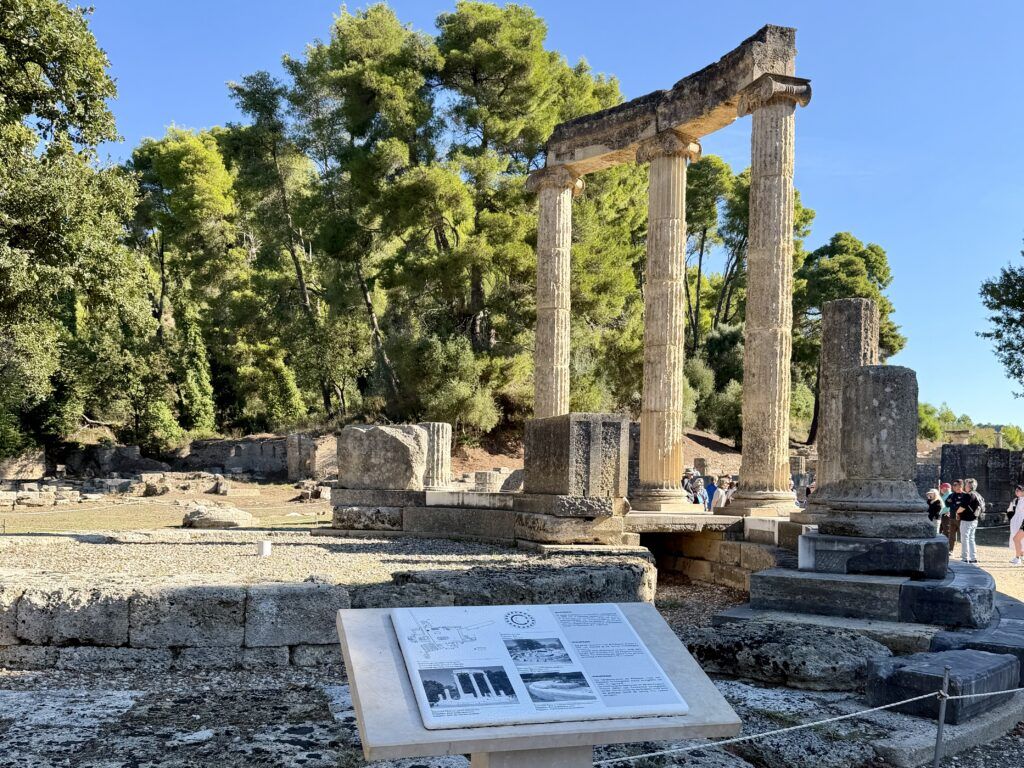
On our guided tour, we saw the remains of the Temple of Zeus, which once housed a massive gold-and-ivory statue of Zeus that was one of the Seven Wonders of the Ancient World. We also explored the Temple of Hera, the circular Philippeion, and the ancient stadium where athletes competed thousands of years ago. It is remarkable to think that the traditions started here eventually inspired the modern Olympics.
After our group made a grand effort to run the track, we explored more of the archaeological site on our own and lost track of time. Unfortunately, we only had about 15 minutes to check out the museum. We actually wish this tour were a bit longer.

Disembarkation in Athens
The cruise ended in Piraeus, the port of Athens. Since we did not add any extra days onto this trip, we headed straight to the airport for our flight home. Once again, we utilized Viking’s transfer to the airport. With a flight slightly after 1 PM, we were placed on the 9 AM transfer bus.
While the roughly one-hour drive was uneventful, we were met with long lines and wait times at the airport. This meant we didn’t have time to grab lunch before boarding our 10.5-hour flight home to Boston… but at least we had time to grab a quick Starbucks coffee as there was one right next to our gate!
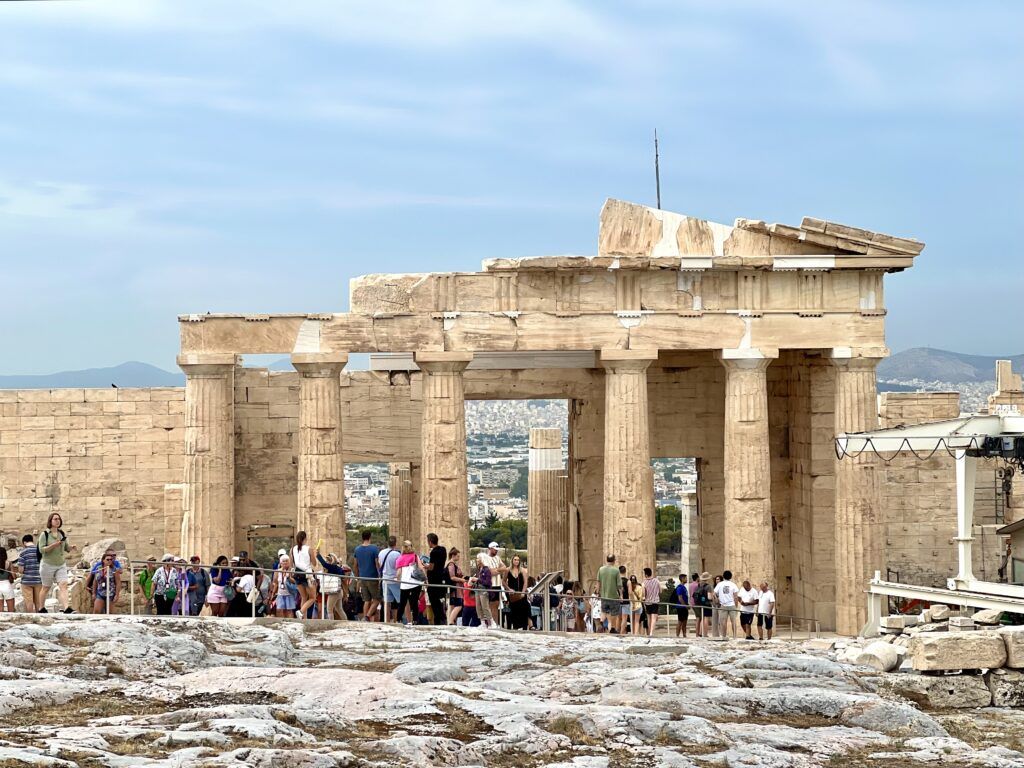
If you have never been to Athens, we would highly recommend adding at least a night or two after the cruise. Viking offers post-cruise extensions, or you can book a hotel and plan your own sightseeing. The Acropolis is a must-do while in Athens.
What Viking Neptune Is Like on a Port-Intensive Sailing
With a new port every day, Viking Neptune was a sophisticated, comfortable home base between busy days ashore.
Indoor Spaces
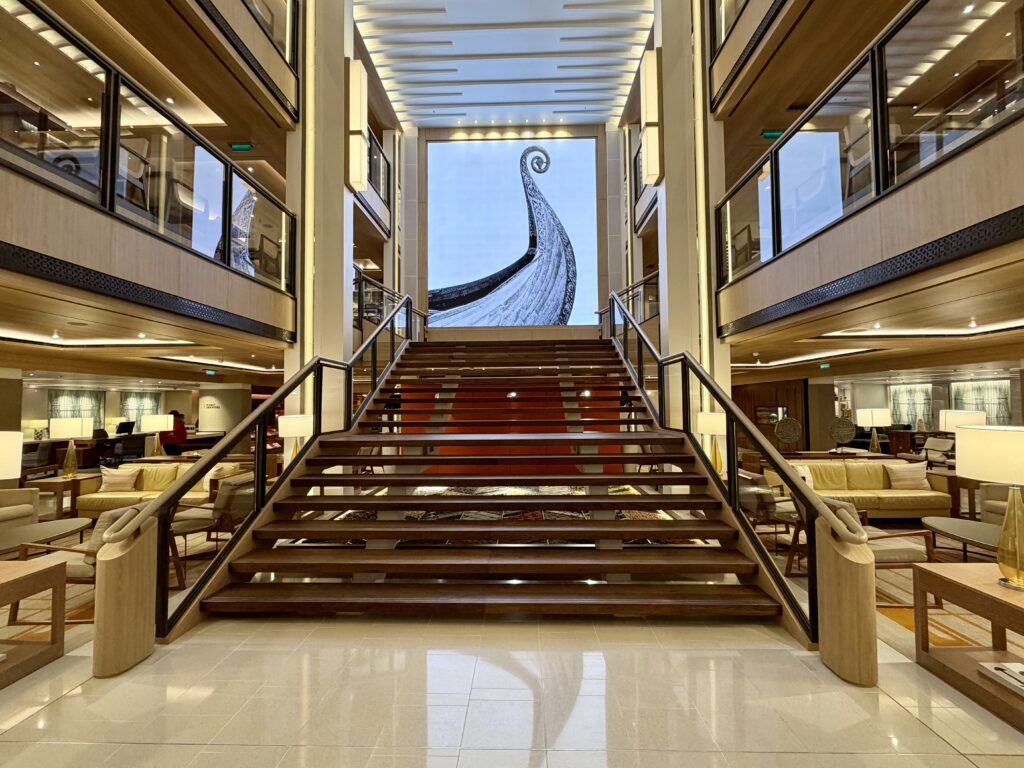
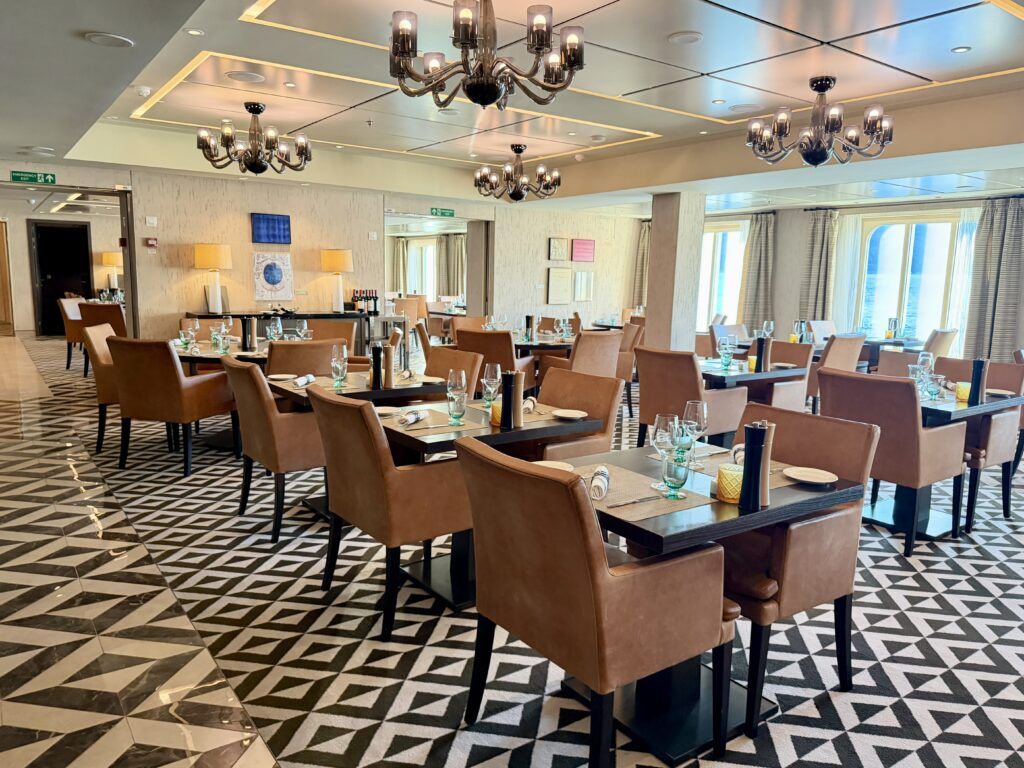
Like all Viking ocean ships, Neptune carries just under 1,000 guests, so it never felt crowded. As a sister ship to Viking Jupiter, which we sailed on our Into the Midnight Sun cruise last year, the layout is nearly identical. The Scandinavian design is simple and elegant, with cozy nooks around the Living Room on Deck 1, the Wintergarden on Deck 7, and the two-deck Explorers’ Lounge with its forward-facing views over the bow.
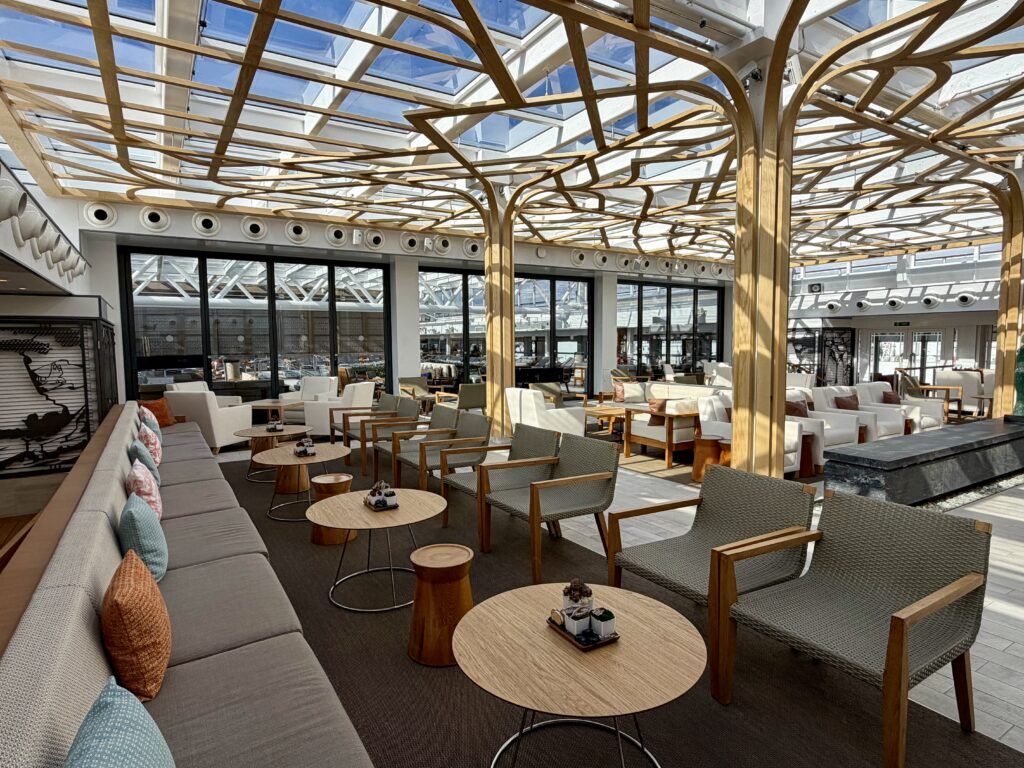
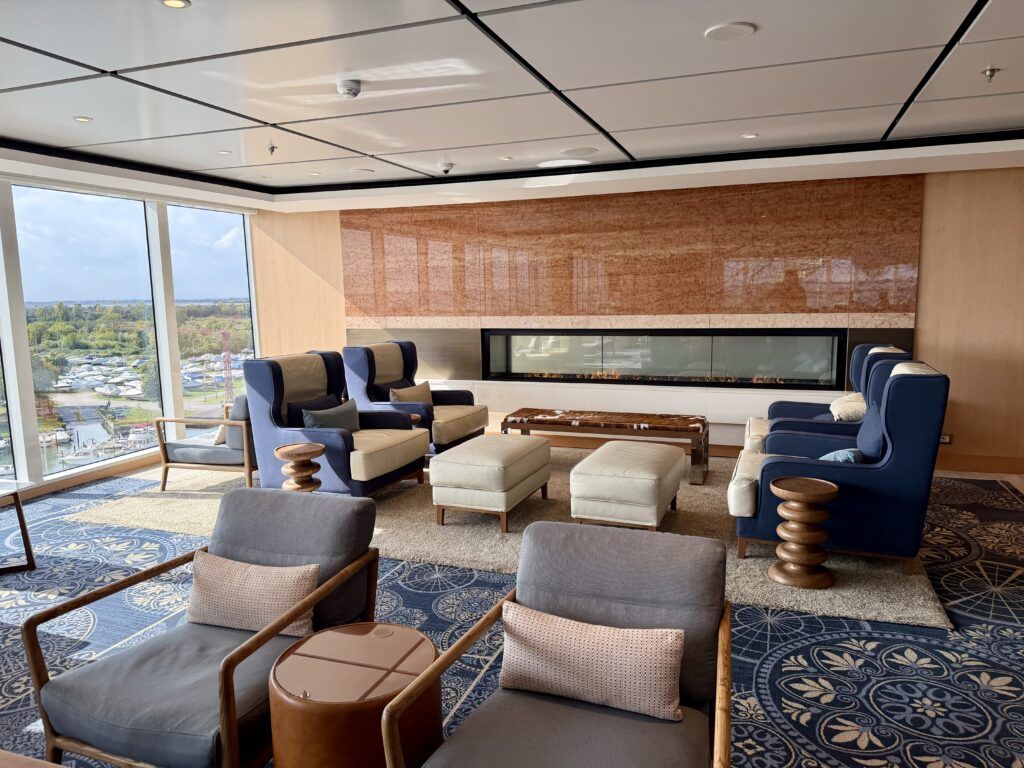
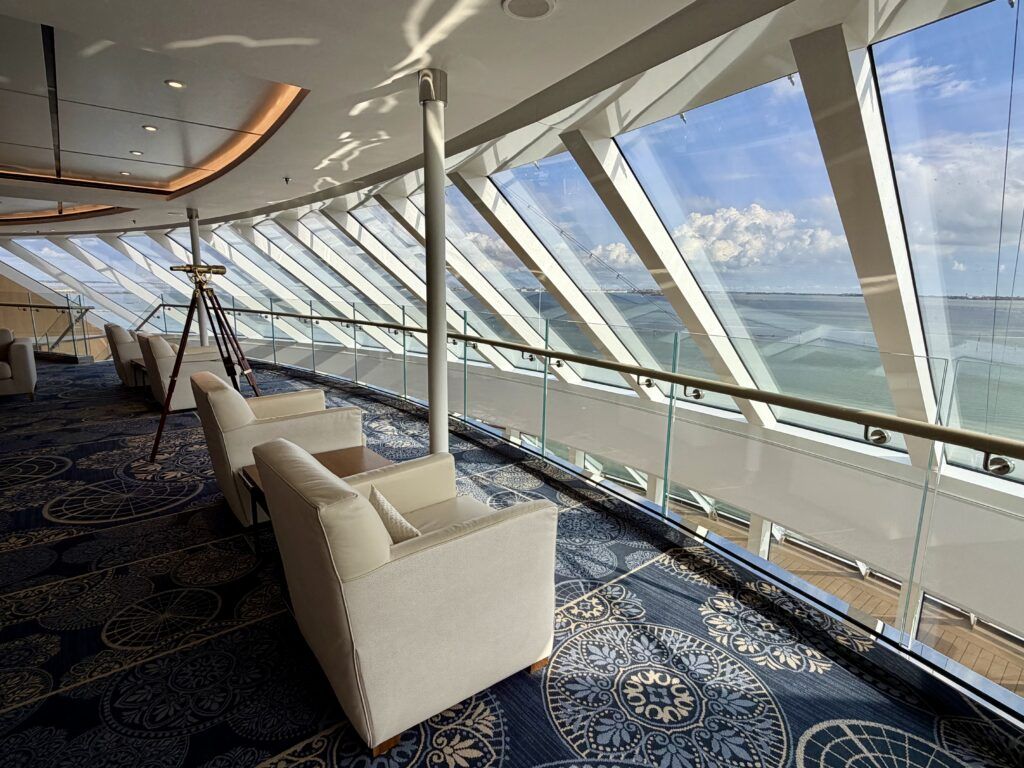
Dining
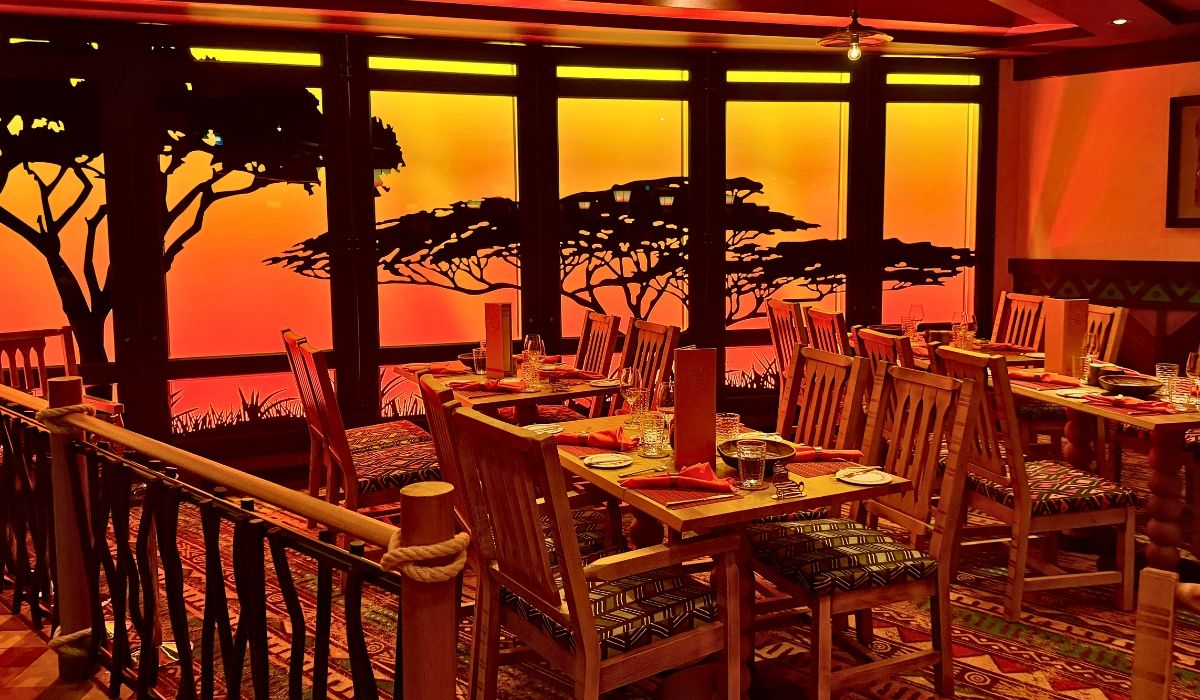
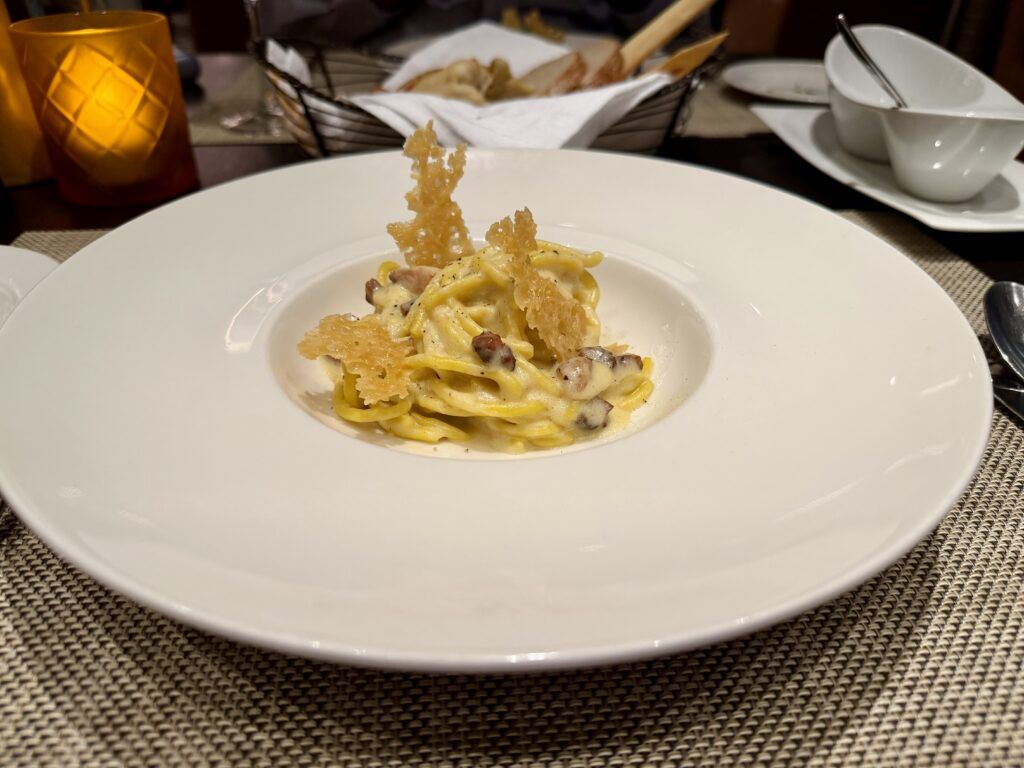
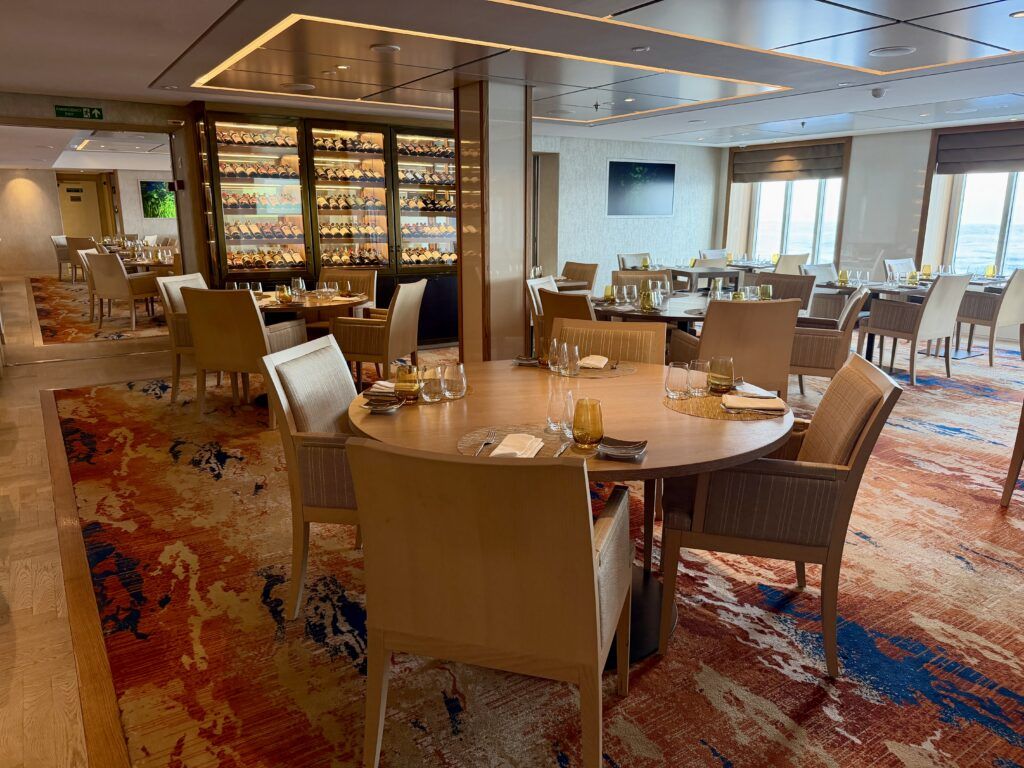
When it comes to dining, The Restaurant is the main dining room with rotating menus each evening. They featured various regional specialties like squid ink risotto, octopus salad, spicy mussels, and palacinka. The World Café is a step above the typical cruise ship buffet, with upscale selections like sushi and seafood at dinner.
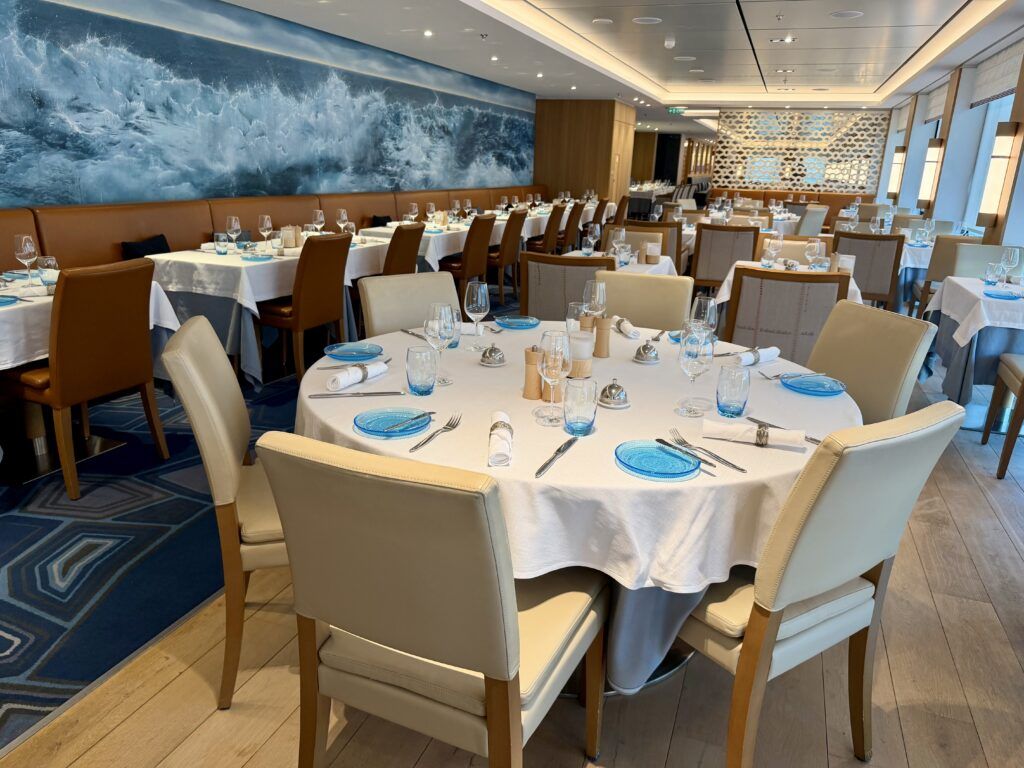
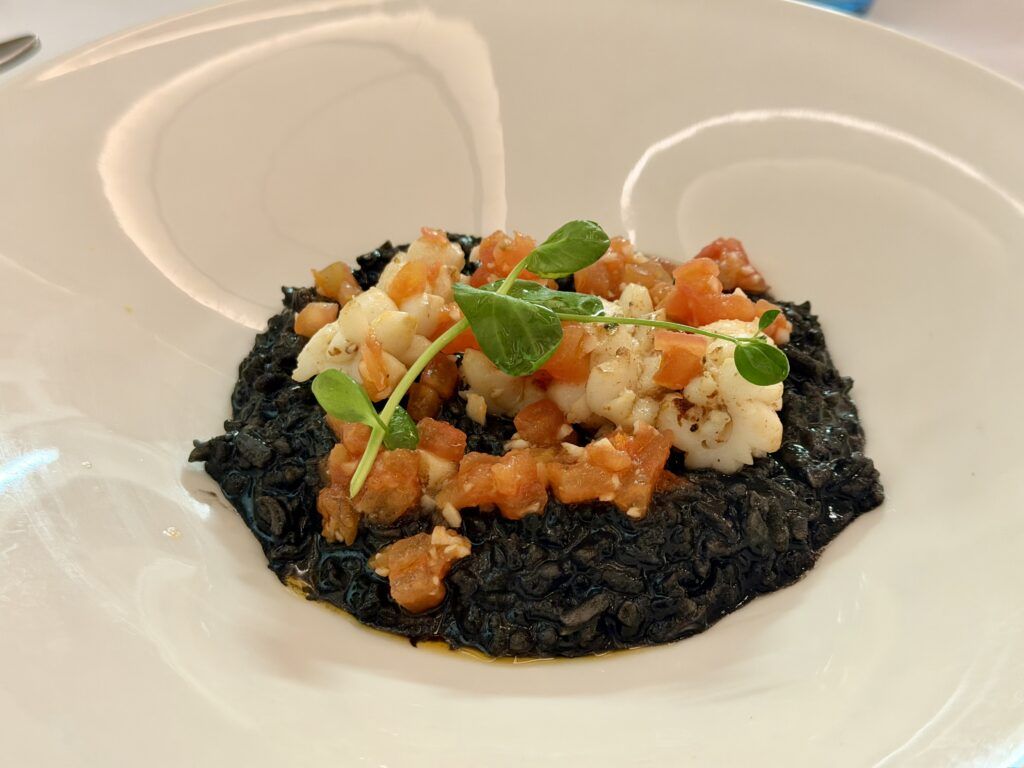
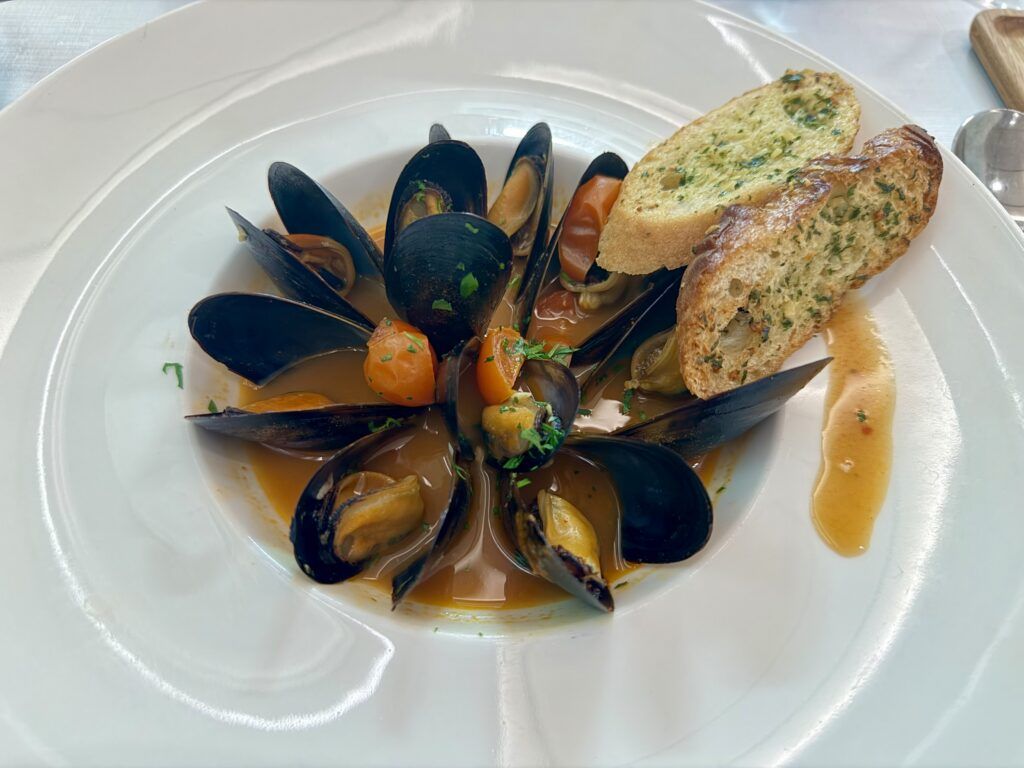
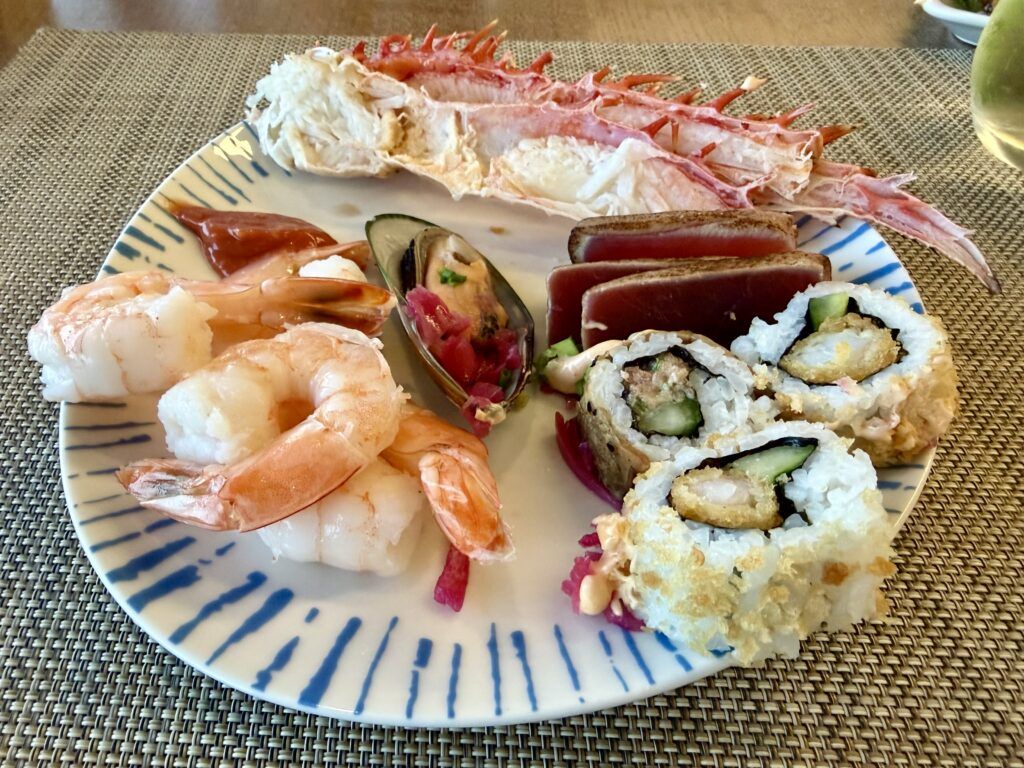
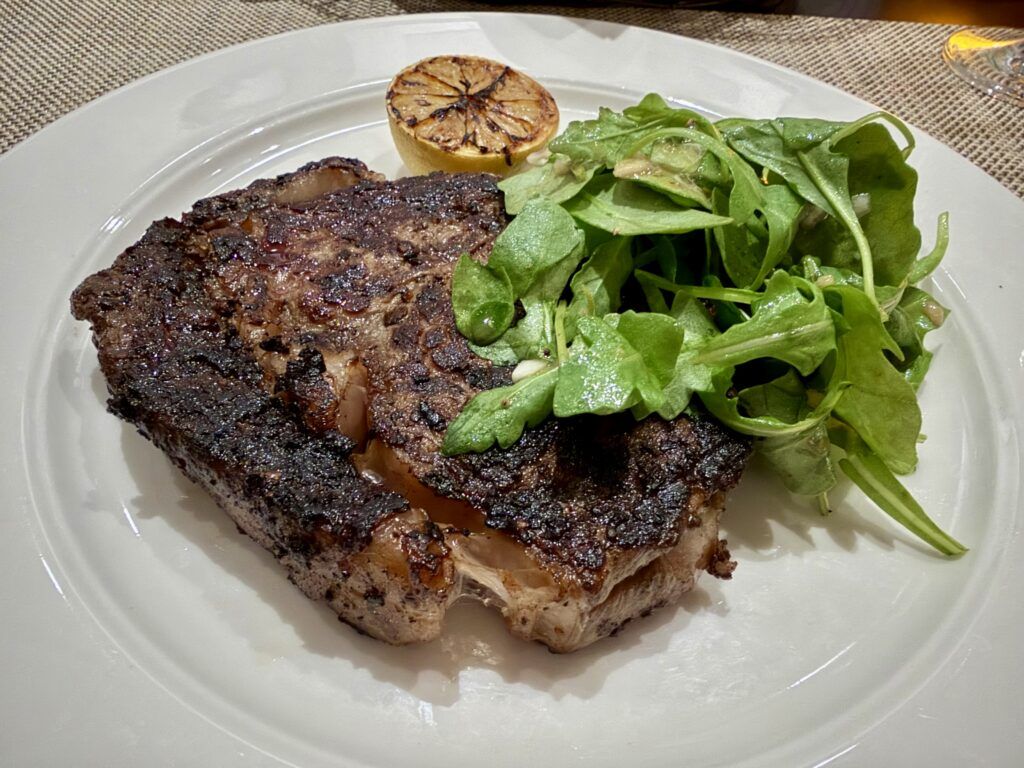
Of the two included specialty restaurants, Manfredi’s is still our favorite for its fresh pasta, chicken parm, and the Viking Bistecca. The Chef’s Table serves a themed five-course menu that changes every few days. And no Viking cruise is complete without the Norwegian waffles at Mamsen’s, found in the Explorers’ Lounge.

Enrichment & Entertainment
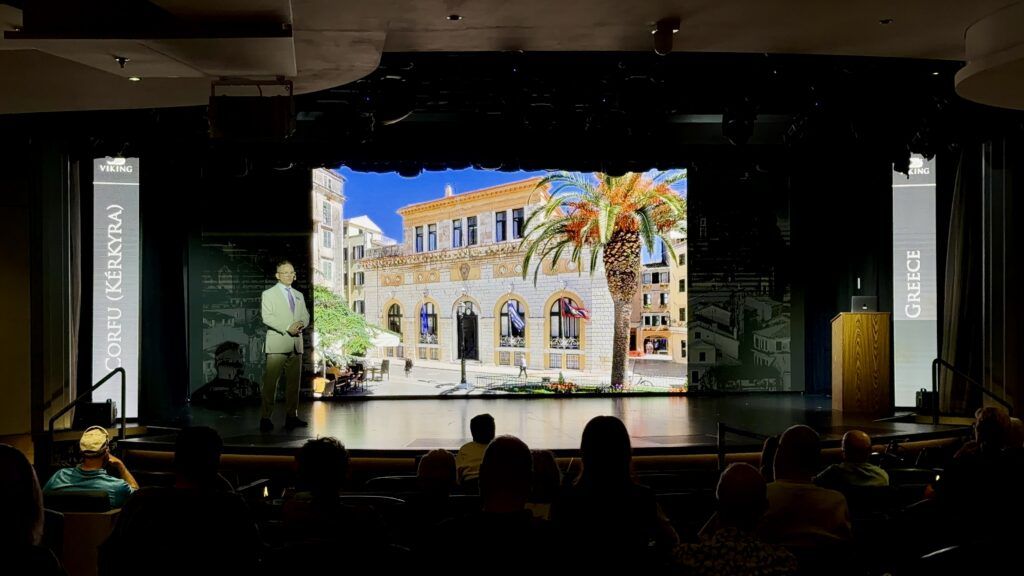
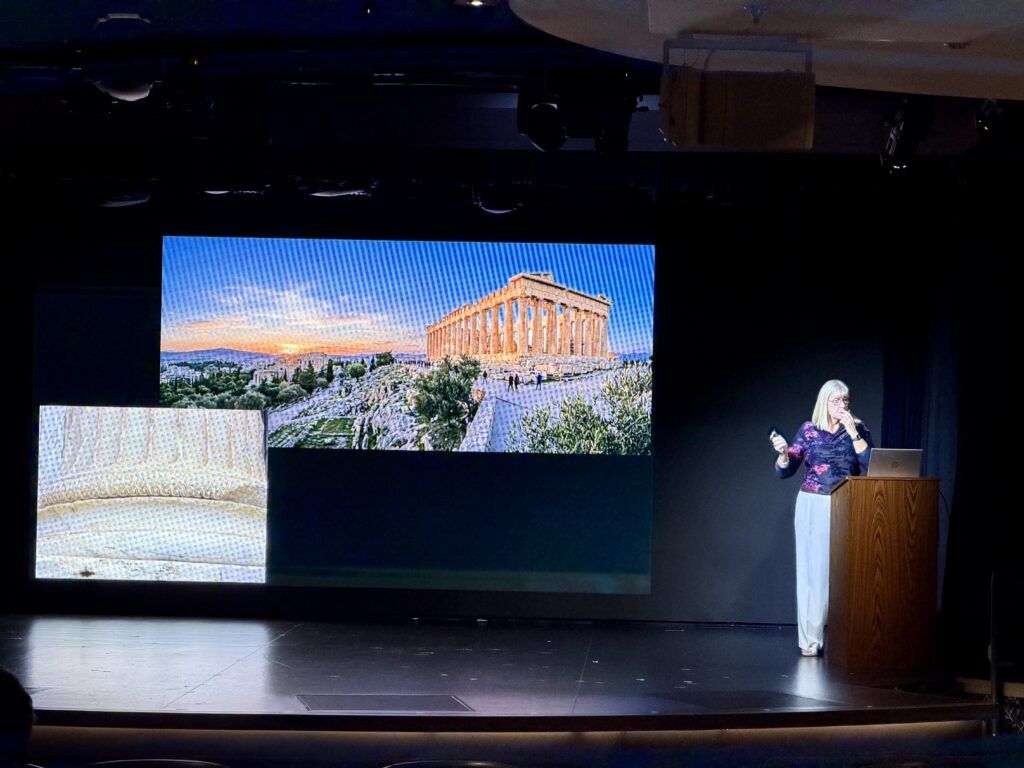
Unlike our recent Oceania sailing, enrichment is where Viking stands out. The resident historian and guest lecturer cover the history and culture of upcoming ports, and on this itinerary, topics included the Venetian Republic and Greek civilization. Additionally, there were nearly nightly port talks that previewed each stop and its tour options. Best of all on a port-intensive sailing, lectures and port talks are recorded and replayed on the stateroom TV, so you can always catch up on your own later.
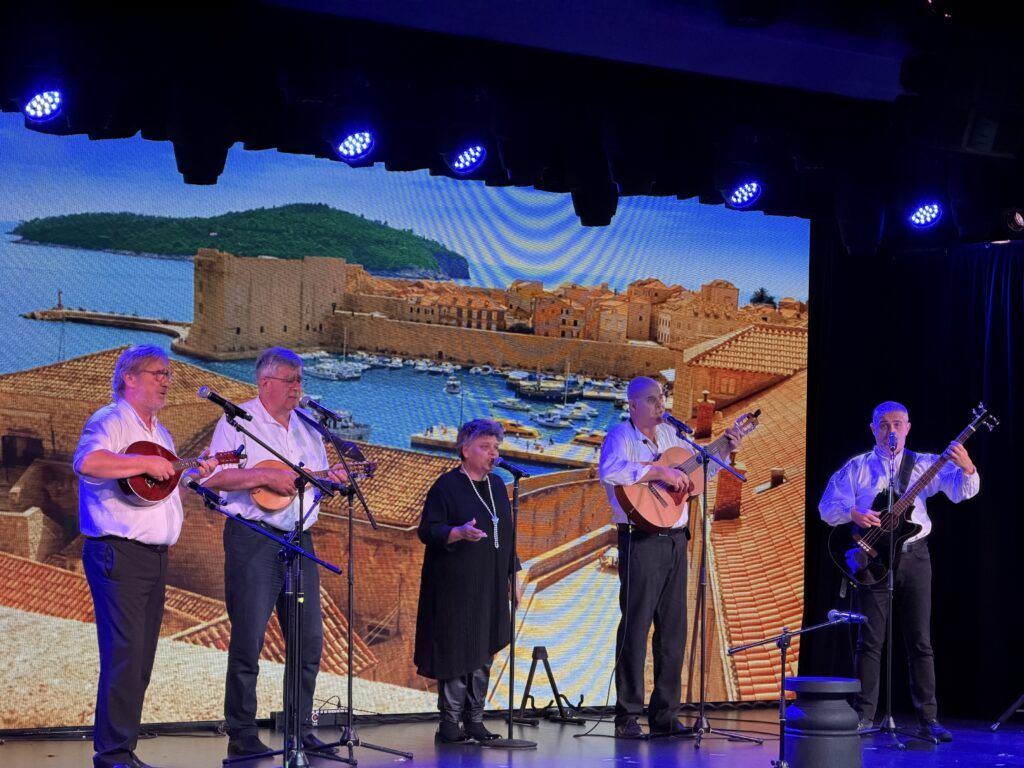
In contrast to modern mega-ships, evenings onboard Viking are low-key. The ship’s vocalists perform revue-style shows in the Star Theater, and Torshavn is the spot for live music and dancing later at night. On this sailing, we had two destination performances (one in Venice and one in Dubrovnik) and a headliner act as well. There’s also live music in the Living Room and Explorers’ Lounge to enjoy alongside cocktails. There is no casino and no late-night party scene, but that’s the point. On Viking cruises, the destinations are the highlight.



Outdoor Spaces
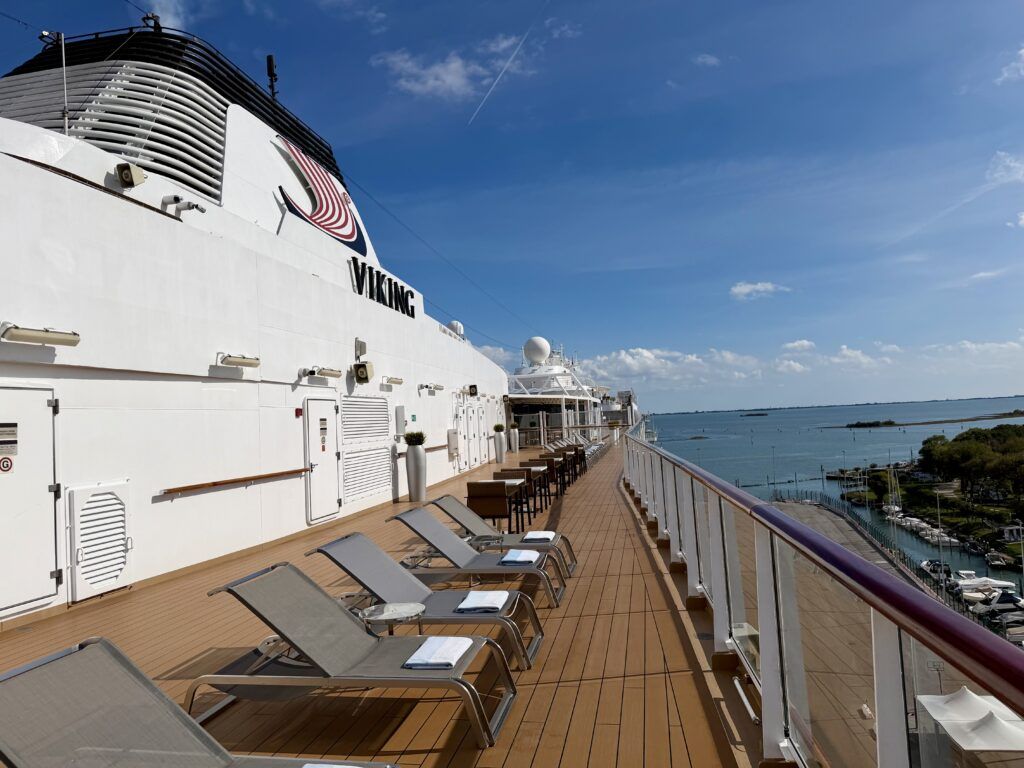
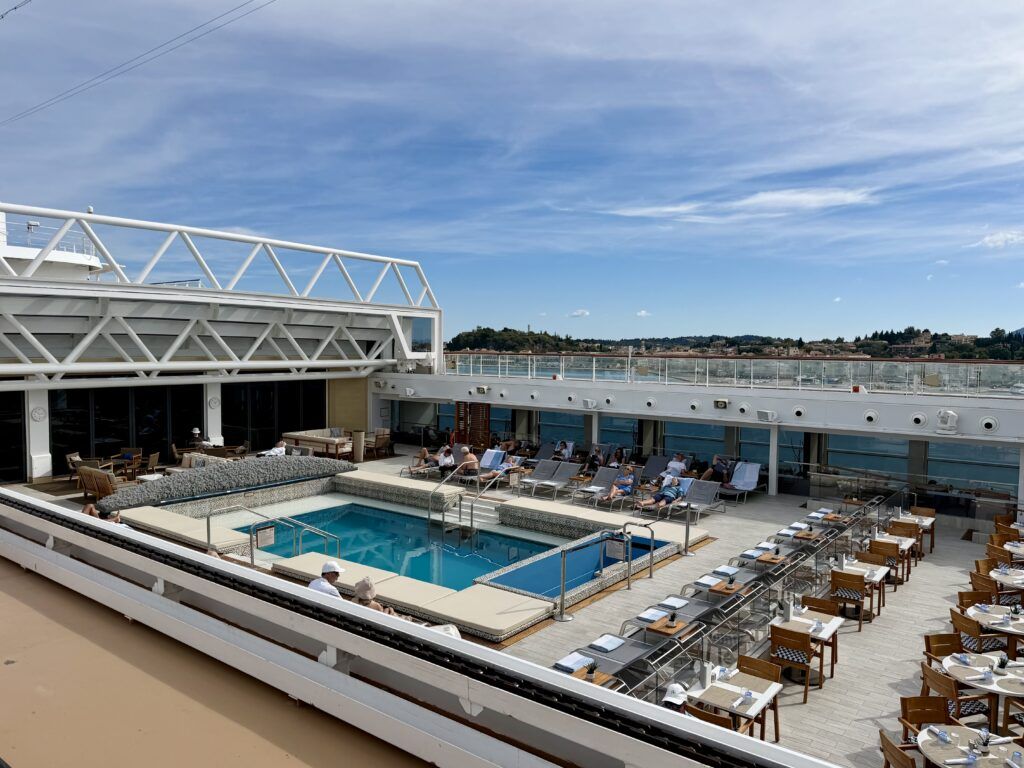
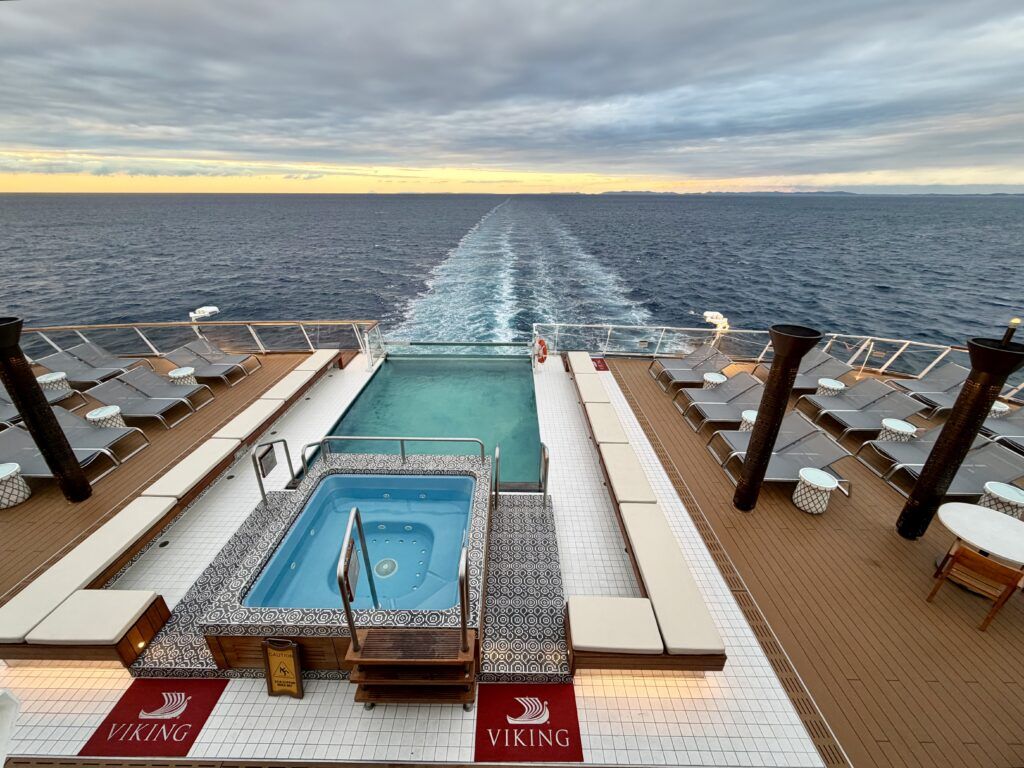
Additionally, Viking Neptune has two pools, both on Deck 7. The main pool sits midship under a retractable roof, so it can be used in any weather, while the infinity pool at the back of the ship offers views over the wake.
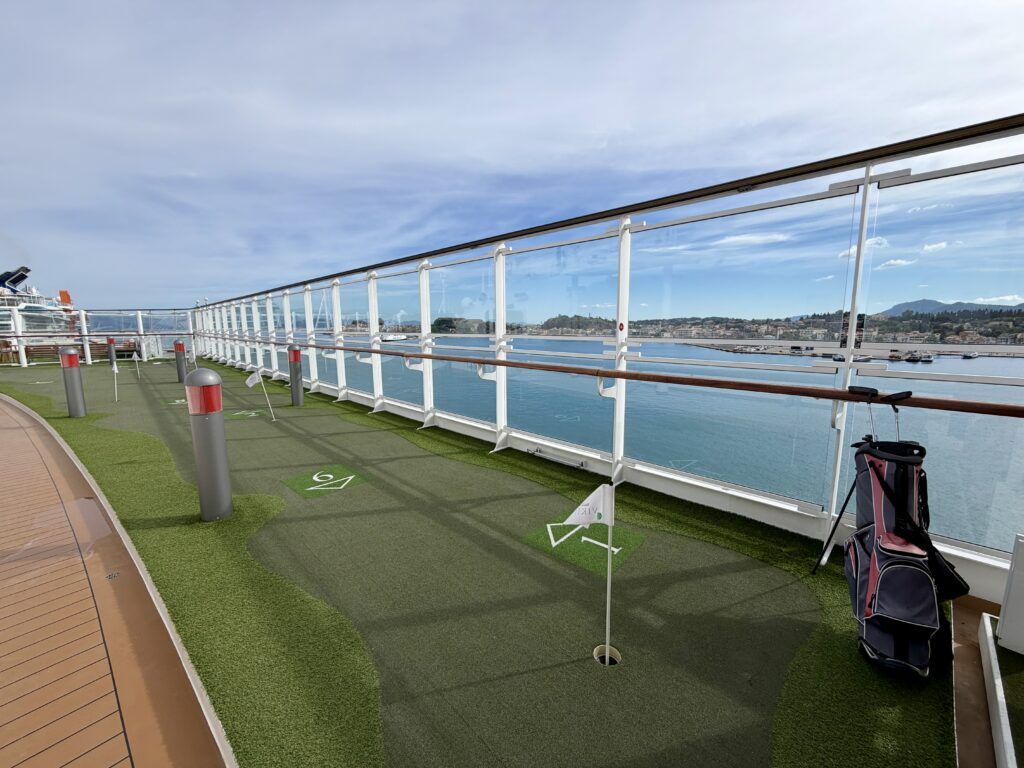
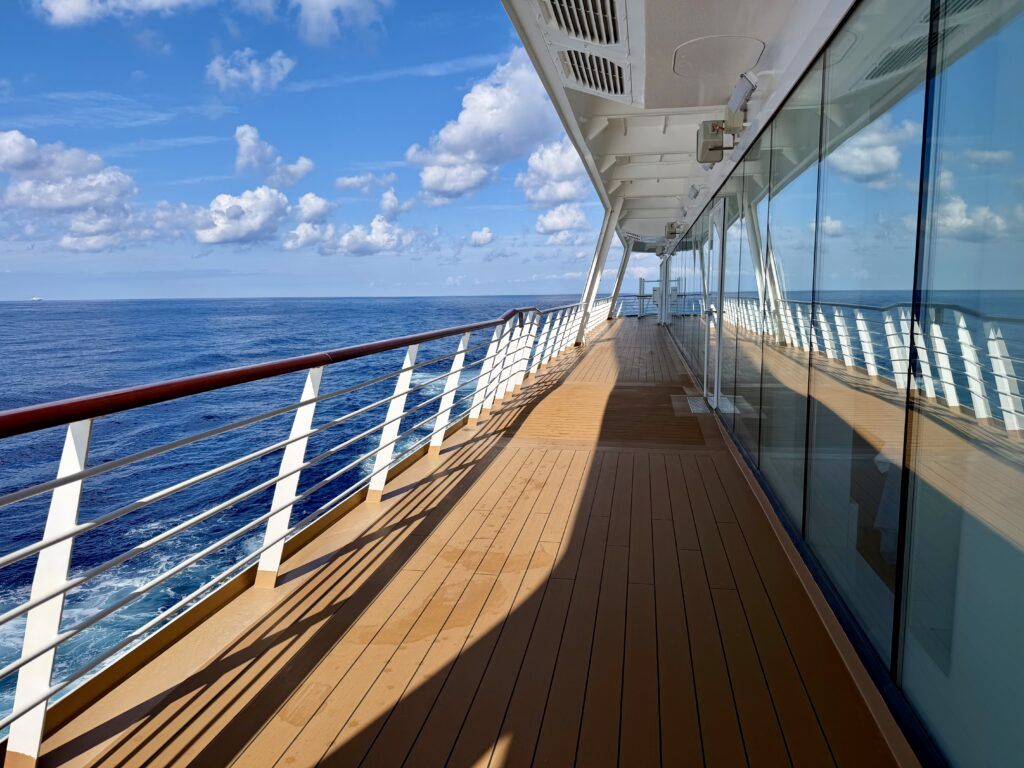
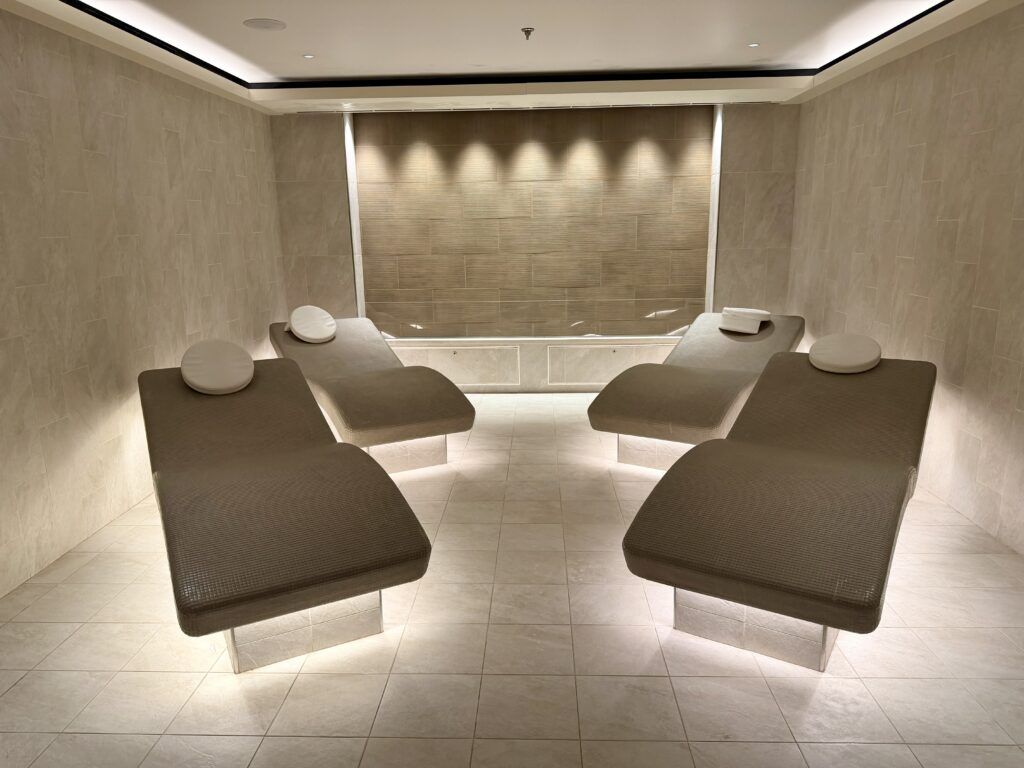
For more active cruisers, there is a small sports deck all the way forward on Deck 9 with shuffleboard, a putting green, lawn bowling, and ping pong. The outdoor promenade on Deck 2 circles the entire ship, and four laps equal a mile. And after long walking days in port, the Nordic Spa’s thermal suite is a welcome perk, with a therapy pool, sauna, heated loungers, and a snow grotto, all included in the fare.
Our Stateroom
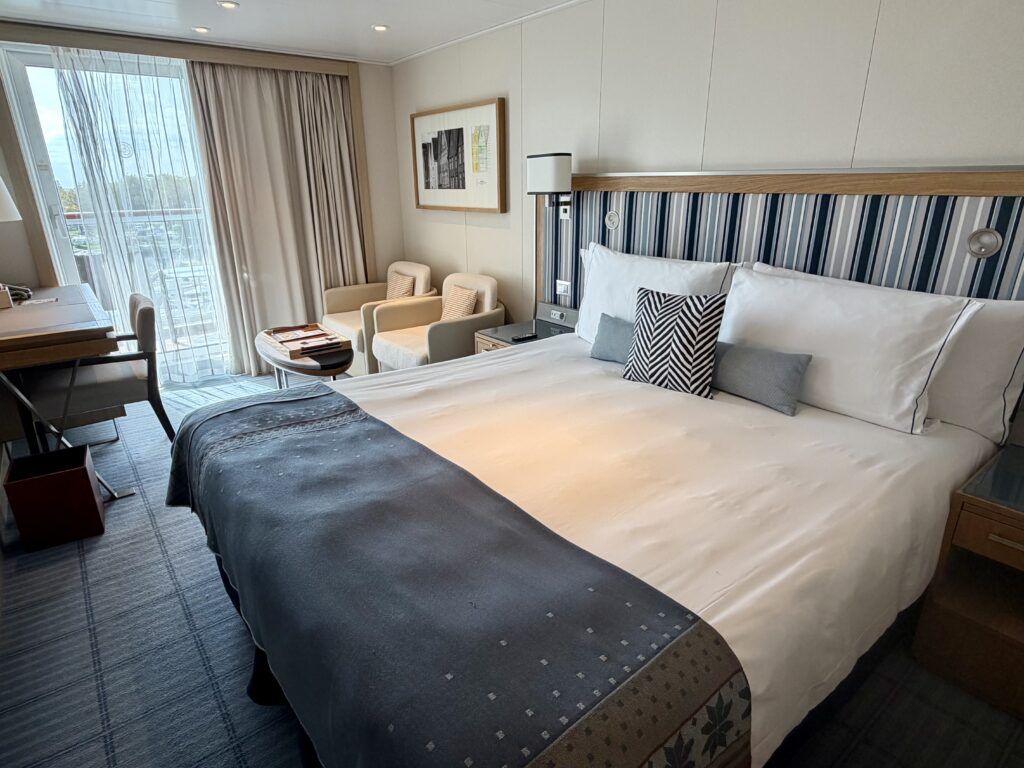
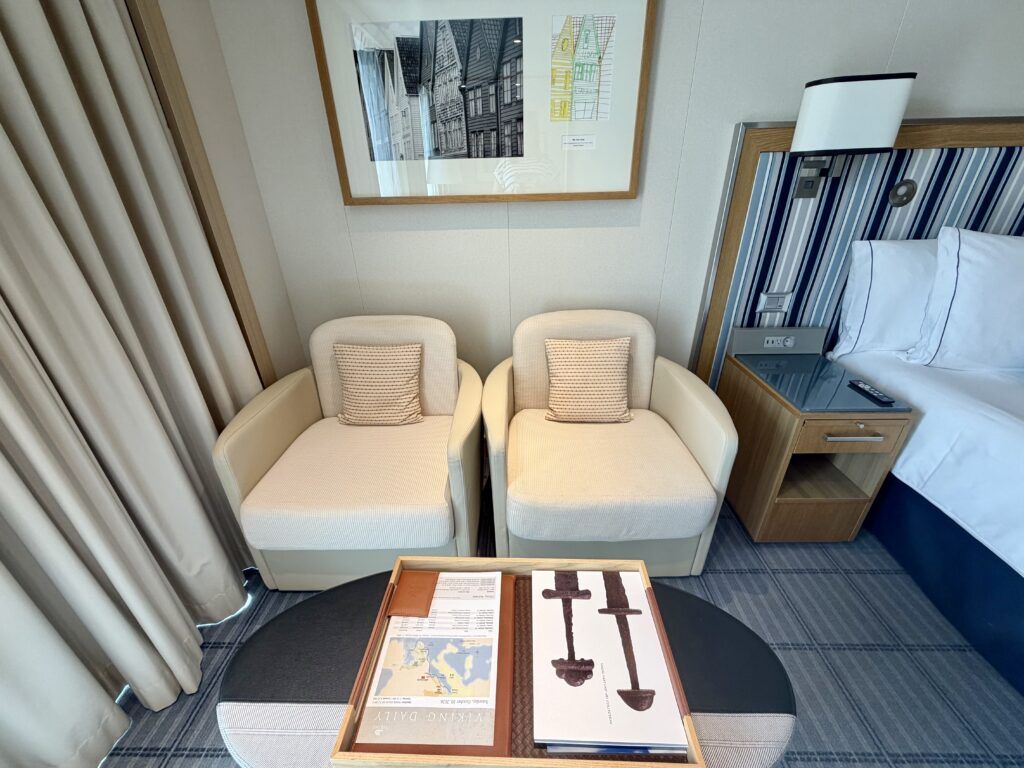
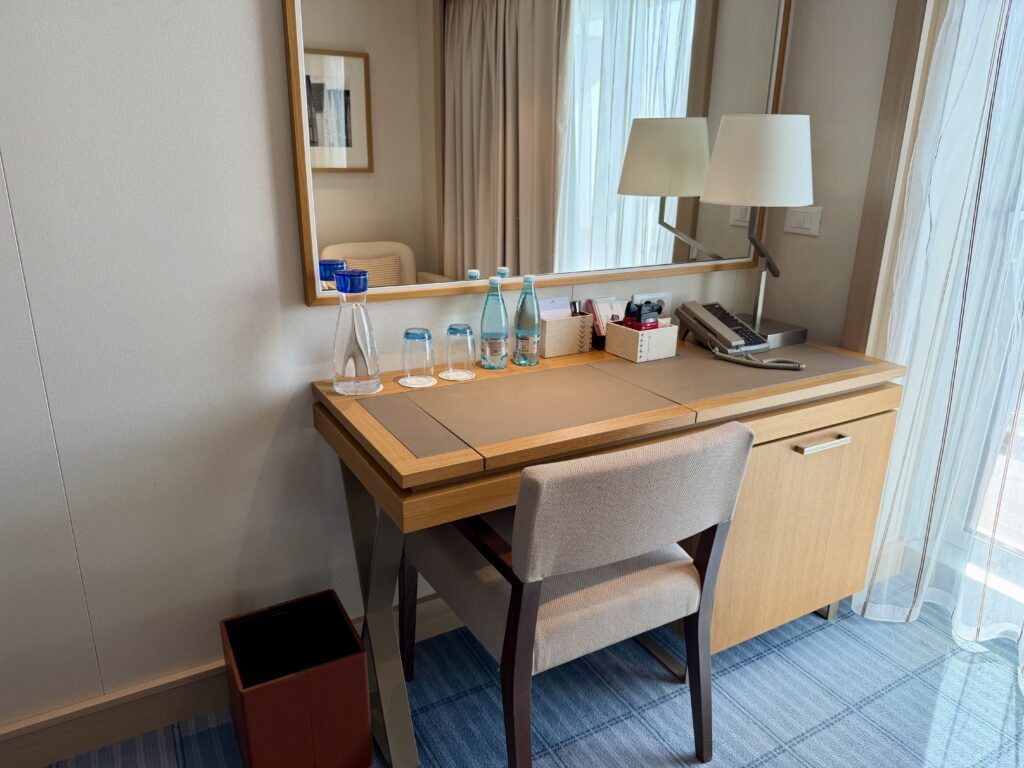
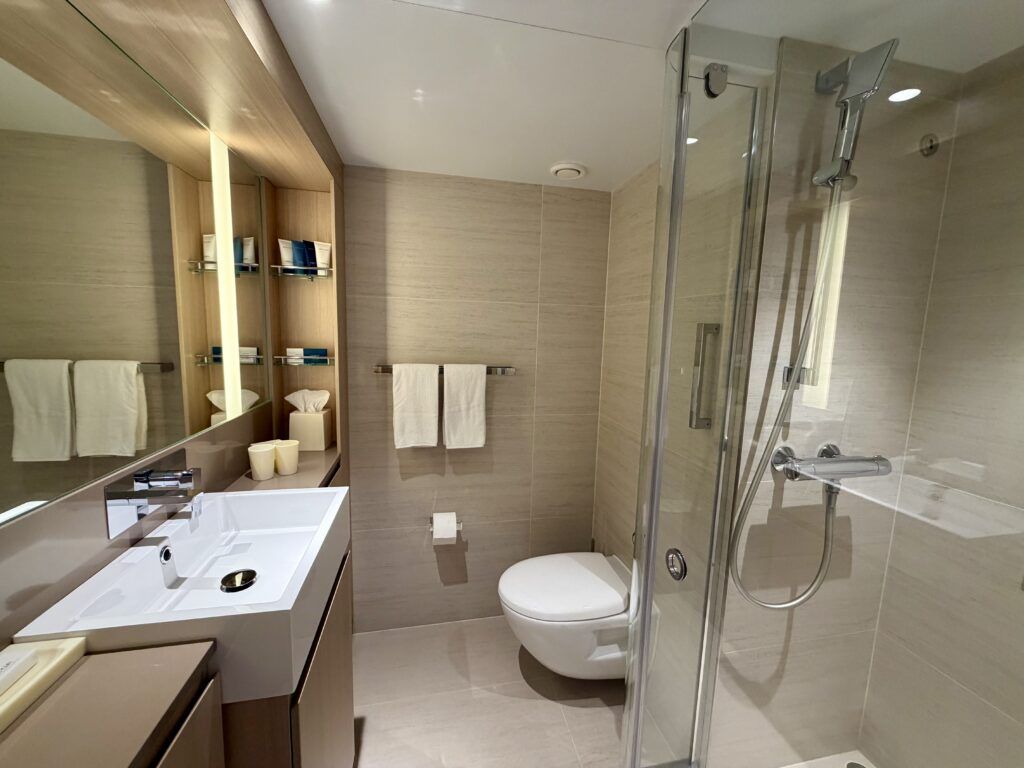
Our Deluxe Veranda, cabin 4029, was about 270 square feet including the balcony, slightly larger than similar cabins on mainstream lines. That said, it was noticeably smaller than our recent Oceania cabin. Still, Viking’s veranda staterooms have some nice upgrades, including heated bathroom floors, Freyja bath products, a Nespresso machine, and an included non-alcoholic minibar.
What We Loved
Cruising the Adriatic in the Fall
Sailing in October turned out to be one of the best decisions we made. Fall is shoulder season in the Mediterranean, which meant milder temperatures for long days of walking and noticeably smaller crowds in ports like Venice and Dubrovnik, two cities known for being packed in summer. While a bit windy and chilly on occasion, it sure beat dripping in sweat during our explorations.
Excursions Are Included
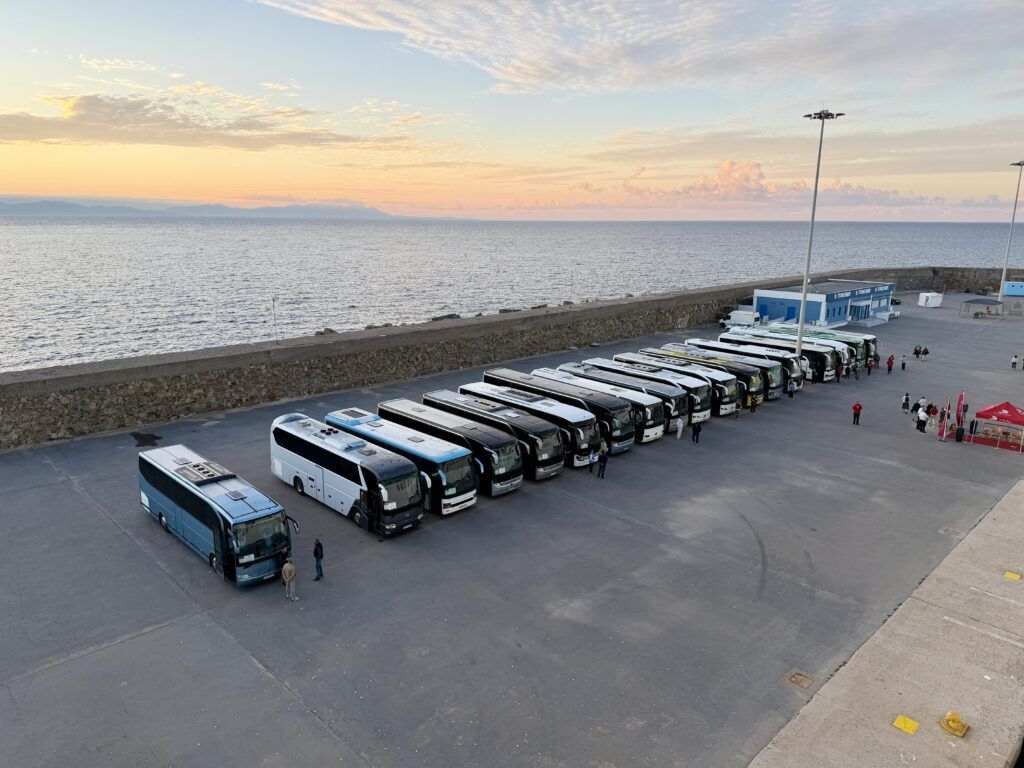
Viking includes a guided shore excursion in every port, and they were great introductions to each destination. In Venice, Dubrovnik, and Kotor, the included tours covered the highlights in a short guided walk, then left us with free time to explore on our own. This is how we fit in Game of Thrones filming locations and a bay cruise in Dubrovnik. Most were walking tours, so expect plenty of cobblestones, inclines, and stairs.
In ports where the ship docked away from the center, Viking provided complimentary shuttles into town as well. It sounds like a small thing, but it’s a touch of luxury not offered on mainstream cruise lines that often charge 10 or 15 euros for this service. It made it easy to head into town for guests opting for independent exploration and allowed us to stay in port longer after our included tours.
The Service
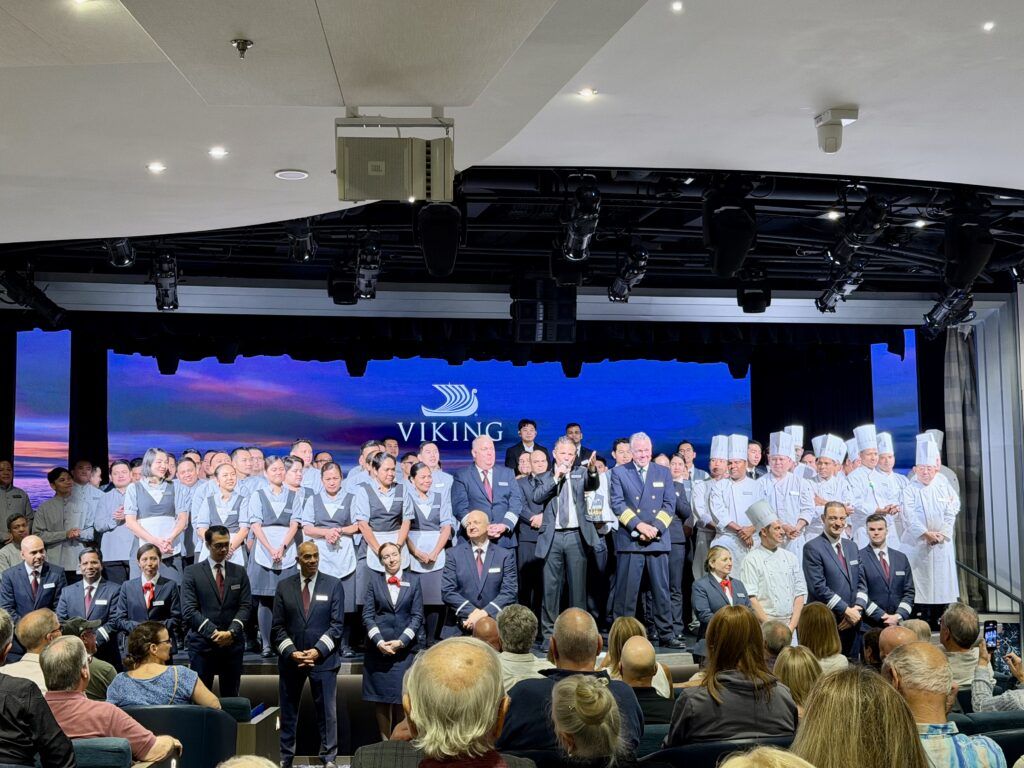
Having sailed on 14 different cruise lines, we have to admit that the service on Viking is some of the best. It always amazes us how the staff remember our names and our preferences after just a day or two. From the baristas in the Living Room, to the bartenders, waitstaff, and room stewards, everyone was friendly and always went the extra mile to make sure we were satisfied.
In fact, at least three crew members even recognized us from our sailing on Viking Yi Dun earlier this year. Now, that’s impressive!

Onboard Inclusions
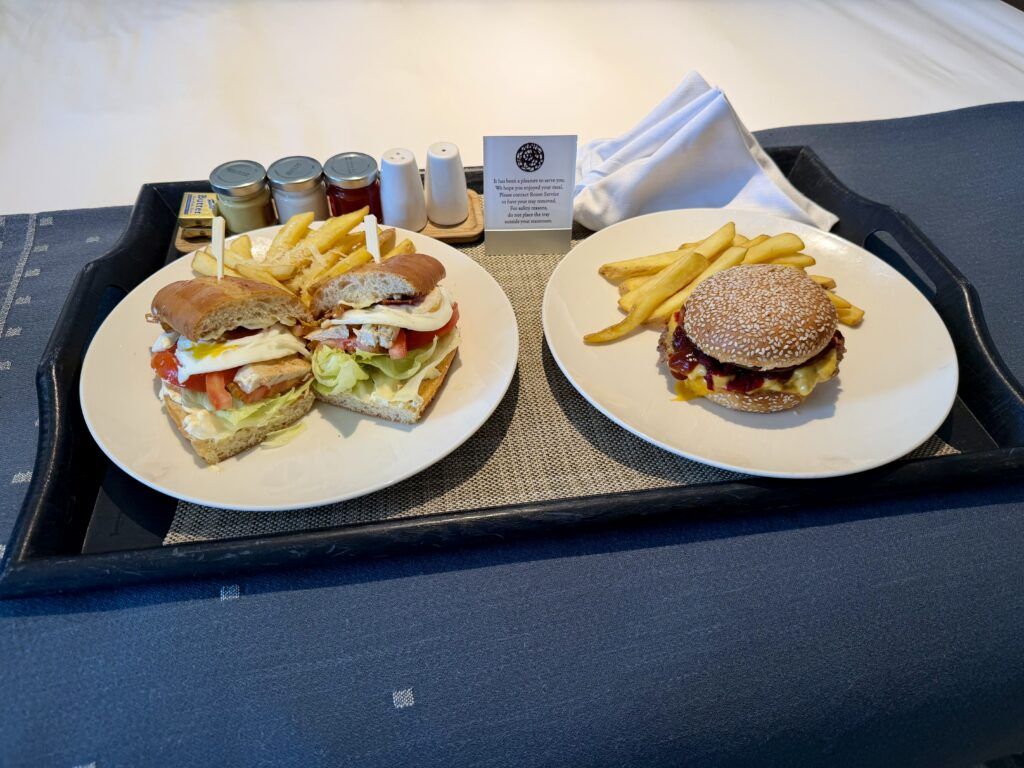
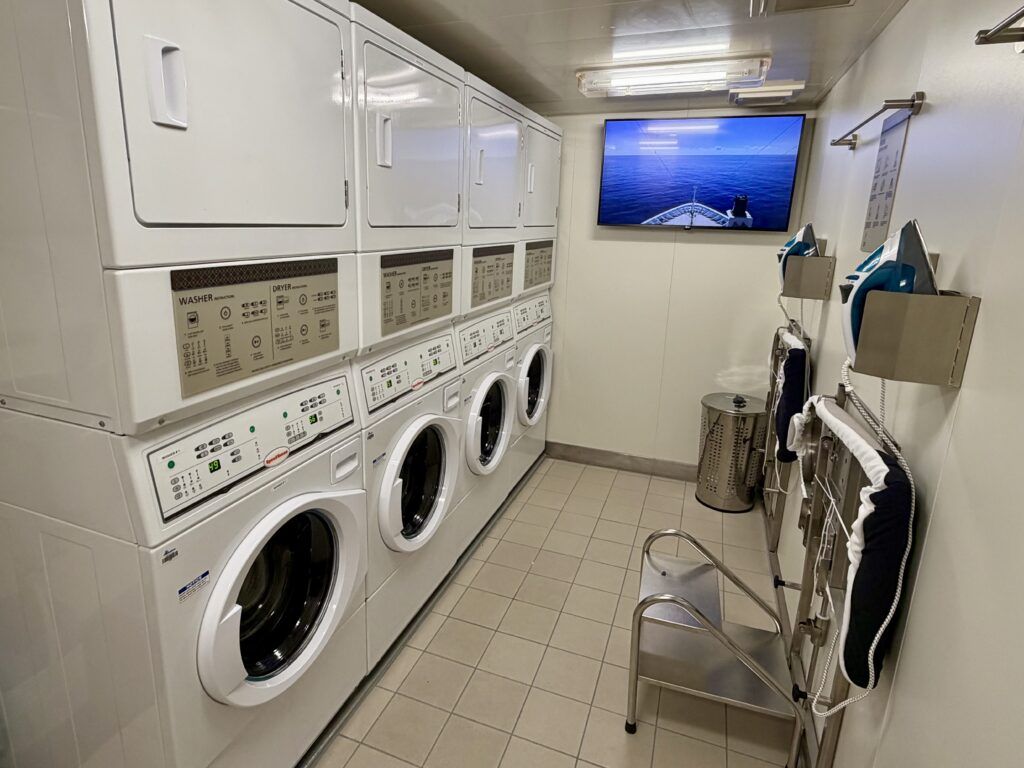
Another thing we appreciate about Viking is how much is included in the fare. Along with a shore excursion in every port, the fare covers all onboard dining (including the alternative restaurants), beer, wine and soft drinks with lunch and dinner, specialty coffee, WiFi, access to the Nordic Spa, self-service laundry, and 24-hour room service.
Best of all, you never feel nickel-and-dimed. Once we were onboard, we rarely had to think about what anything cost, which is a refreshing change from most mainstream cruise lines. The main extras to budget for are gratuities, optional paid excursions, spa treatments, and the Silver Spirits Beverage Package if you want cocktails and premium drinks beyond what is included at meals.


What We’d Change
Add at Least One Sea Day
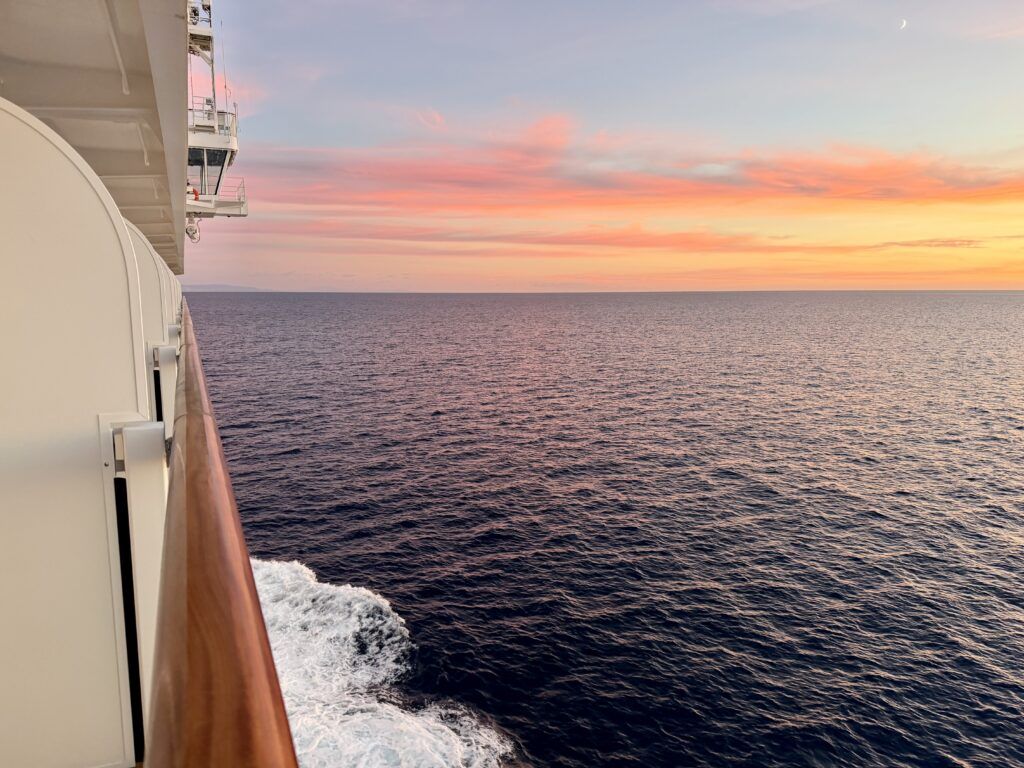
This itinerary has no sea days. After the Venice overnight, it was a new port every single day until Athens. That is great for seeing a lot in one week, but by the end we were exhausted and would have loved at least one day to sleep in, enjoy the ship, and recharge. With two port-intensive cruises in a row, I have to admit that I may have called it a night by 8 PM on a couple evenings.
Plan Some Ports Differently
In hindsight, we would plan a couple of ports differently. In Zadar, the full-day Krka National Park excursion meant we barely saw the town itself beyond the waterfront. During our stop in Kotor, we paid for a taxi out to Perast which didn’t seem worth the price tag. We also booked one of the earliest time slots for all the included tours, which meant early wake-ups every single day.
Aside from Venice, these were all new-to-us destinations, so we tried to cram in as much as possible. But with no sea days on this itinerary, going all day, every day caught up with us by the end of the week. Next time, we would find a better balance: pick one or two ports for a big day, choose later tour times when we could, and leave room for a slower morning or a relaxing afternoon back on the ship.
Excursions That Move at One Pace: Slow
Viking’s tours are designed to work for guests of all mobility levels, so they move at a leisurely pace with frequent stops. That makes them accessible, but for travelers who like to cover a lot of ground, they can feel slow. We often found ourselves ahead of the group or wandering off, while still in range of the guide’s Quietvox narration. If you prefer a faster pace, look at the more active paid excursions or plan some independent time in each port. Just because the tours are included doesn’t mean you have to book them.
Specialty Restaurant Reservations Fill Up Fast
Both of Viking’s specialty restaurants are included in the fare, which also makes them in high demand, particularly on shorter sailings. The Chef’s Table menu we had our eye on was fully booked, so we ended up skipping the restaurant entirely this trip. Our advice: book your specialty dining as soon as your reservation window opens before the cruise. Depending on your stateroom category, that can be as early as 100 days before departure.
Should You Book a Viking Adriatic Cruise?
If you want a port-intensive cruise, a small adults-only ship, and an included tour in every port, you will likely love this Viking Adriatic cruise. It is a great fit for first-timers to the region who want to see the highlights of Croatia, Montenegro, and Greece in a single week without planning every detail themselves.
It is probably not the right fit if you want sea days to relax, big-ship entertainment and activities, or if you are traveling with kids, since Viking is adults-only.
If you’re looking for fewer crowds and cooler temperatures, a shoulder season sailing might be perfect for you. However, if you’re seeking beach time and swimming in the Adriatic, a summer sailing is the better bet, with bigger crowds and hotter days as the trade-off.
Six ports. Four countries. A lot of walking, plenty of history, and some of the most beautiful old towns we have ever seen. Even with a few things we’d change, we would happily sail with Viking, and this exact itinerary, again. Next time, we’ll just build in a little more downtime, and finally walk the walls of Dubrovnik.
Comments
Have you sailed with Viking? Would you book a Venice to Athens cruise like this one? Drop us an anchor below to share your Viking cruise reviews and Adriatic adventures.