

 Don Bucolo
A cruise around Japan has been on our bucket list for years. When we first started researching the idea, we naturally gravitated toward the lines we already knew. Many popular lines such as Princess Cruises and Holland America Line offer seasonal sailings in the region.
When given the opportunity to board a luxury cruise designed for Japanese guests, we have to be honest, we weren’t quite sure it was the right fit for us. The ports, shore excursions, onboard programming, and dining experience are all curated specifically for a Japanese audience. Would we feel out of place? Would we struggle with the language barrier? As our first visit to Japan, would we regret not going with a more traditonal cruise experience?
Well, it’s true that as Americans we were very much in the minority. But it turns out that was exactly what made this trip so special. If you’ve ever wanted to experience Japan the way Japanese travelers do, a Japanet cruise is about as close as it gets. Think of it as an escorted tour in Japan that’s fully curated by locals but still offers all the comforts of cruising with the necessary accommodations for English-speaking guests.
Continue reading our full Japanet Cruise review to see if this experience is right for you.
What’s Included with Japanet Cruise
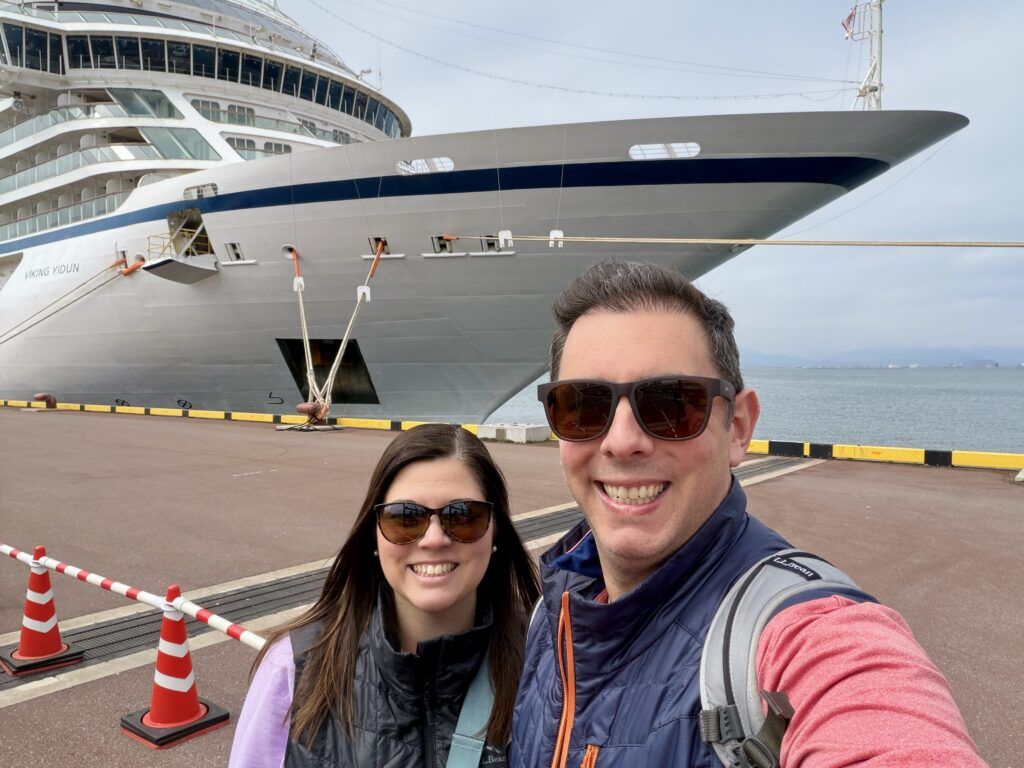
One of the things that makes a Japanet cruise package so appealing is its inclusive nature. In addition to the 10-night cruise, the bundle includes two nights pre-cruise and two nights post-cruise in a hotel. So, it’s a fully curated 15-day Japan experience from the moment you land.
While airfare is not included, round-trip airport transportation is part of the package. Our driver, Nana, was there to greet us after our 14-hour direct flight from Boston, MA to Tokyo’s Narita airport. She would also be our driver after the cruise during our private tour of Tokyo.
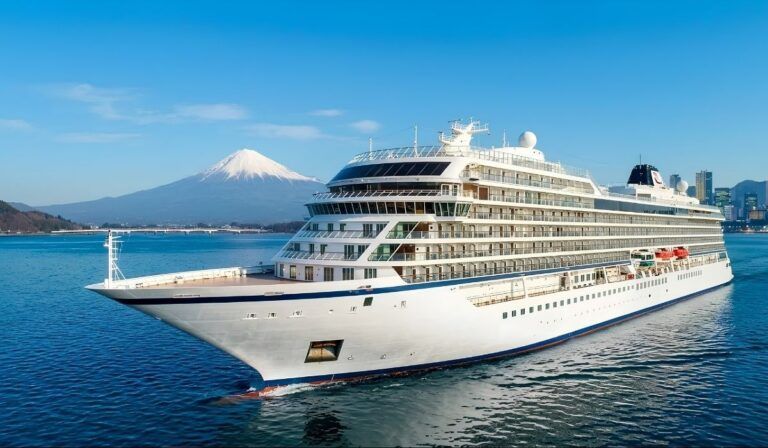
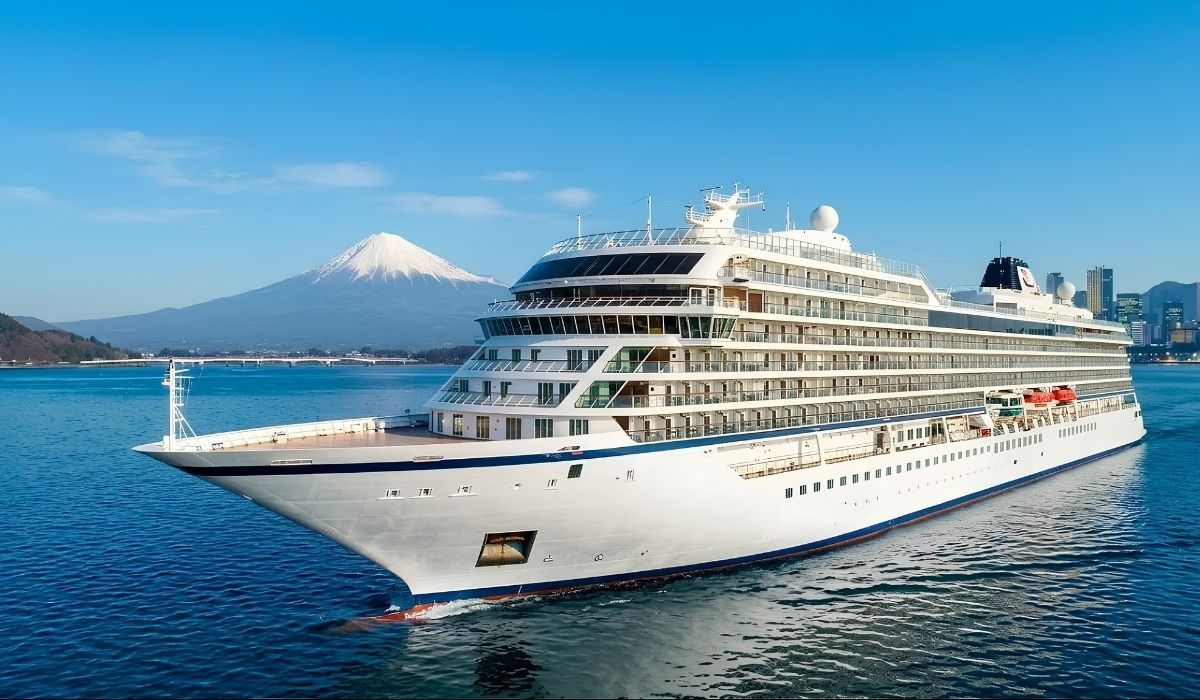
Japanet Cruise does not have its own vessels. Instead, they charter ships from other cruise lines that you probably already know and love. For our sailing (and the upcoming 2028 sailings), the company is using a Viking Ocean Cruise ship for its luxury tours. They’re also offering a more contemporary product on MSC Cruises this fall.
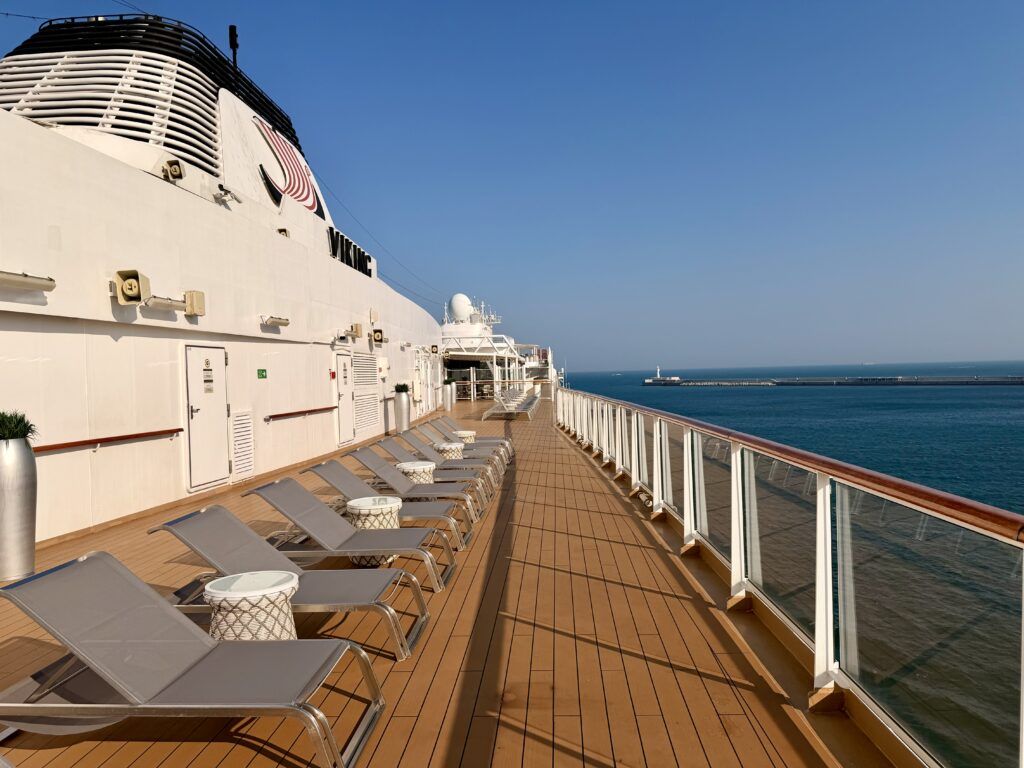
So, at least we were familiar with the ship’s layout and many amenities.
Viking Ocean Cruises is one of the most inclusive cruise lines. This sailing was no different, but Japanet upgraded the standard offerings even further. As you would expect, this 10-night sailing aboard Viking Yi Dun included all meals across all onboard restaurants including “specialty” venues.
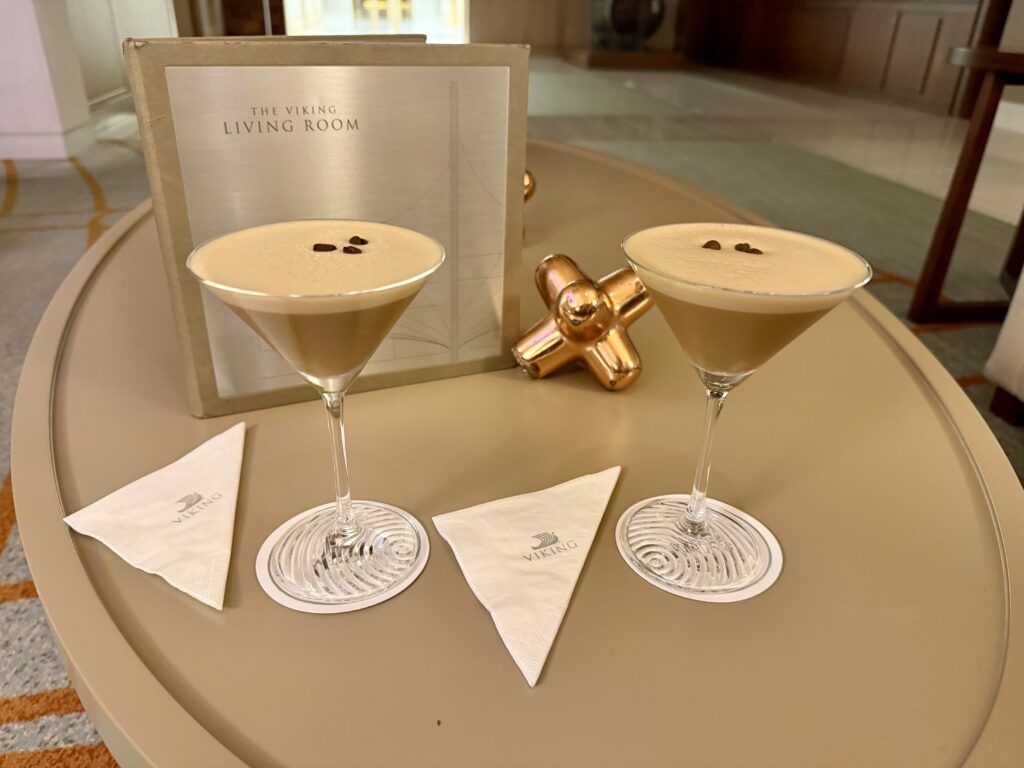
A standard Viking Ocean sailing also includes premium non-alcoholic beverages like specialty coffee and bottled water, along with soda, beer, and wine at meals. However, a Japanet cruise adds on Viking’s Silver Spirits package for everyone. Thus, essentially all premium non-alcoholic and alcoholic beverages are also part of the package. This included premium local sodas, sakes, and shochu, and other favorite drinks like our go-to espresso martinis.
The cruise fare also covers Wi-Fi throughout the ship and 24-hour room service. Plus, there are stateroom upgrades like luxury bath products, in-room tea kettles, and twice-daily housekeeping. To ensure an elevated luxury experience, the Japanet cruise fare also covers crew gratuities, which are usually an additional fee on Viking.
A Japanet cruise includes shore excursions at every port of call as well. While Viking does include a free tour in each port, these offerings were an upgrade as they were longer and more immersive. Further, instead of having different tour guides at each port, we had the same English-speaking guide for the entire trip. So, we felt very comfortable venturing off each day with our small American group to explore each unique port of call. Language barriers were never an issue.
During our pre-cruise time in Yokohama, a stay at the Intercontinental Yokohama Pier 8 and two tours were were included in the fare. After disembarkation, we had two additional post-cruise nights at Hotel Chinzanso Tokyo, two full-day tour experiences from options covering Tokyo, Hakone, and Kawagoe, and an optional morning tour the day of departure.
All of this is bookable through Japanet America’s website. But if you’d like some help navigating the process, MEI-Travel or your preferred travel advisor can book this trip for you.
What Makes a Cruise With Japanet Unique
What sets a Japanet sailing apart from simply booking a Viking cruise to Japan is not the ship. It is the original programming, curated experiences, and Japanese cultural touches beyond the typical Viking offerings.
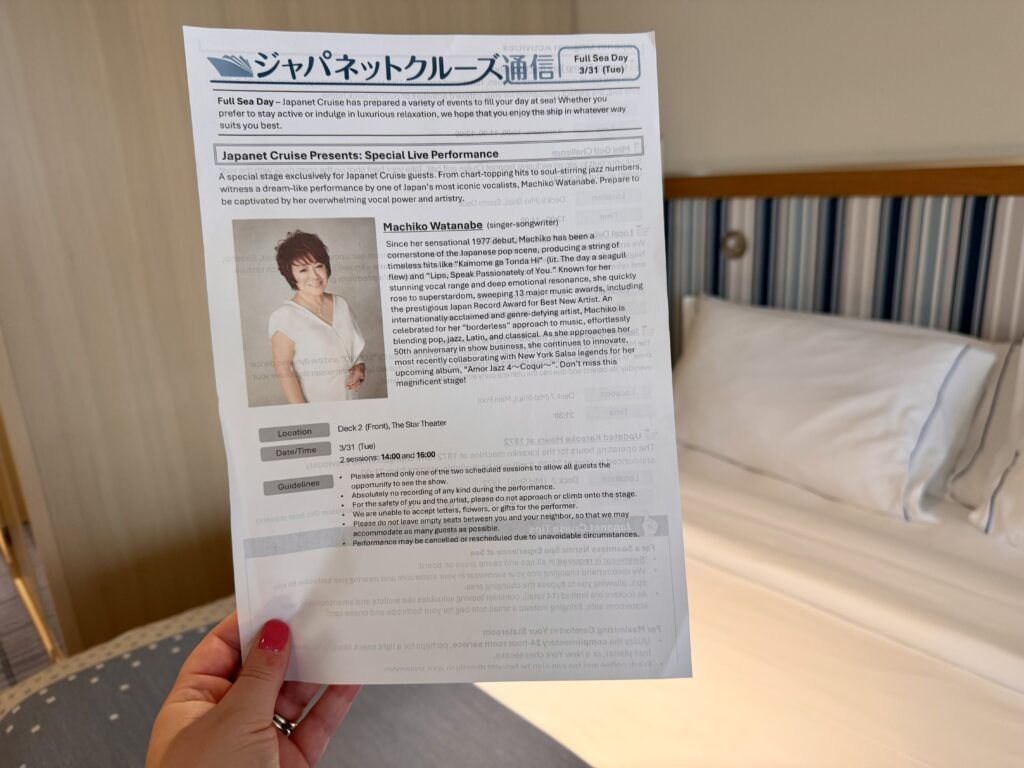
Like any cruise, we received a Viking Daily in our stateroom each evening. In addition, Japanet delivered its own daily “newsletter”. This second publication detailed the unique events, activities, entertainment, and enrichment specificially organized by Japanet.
Local Drinks and Food
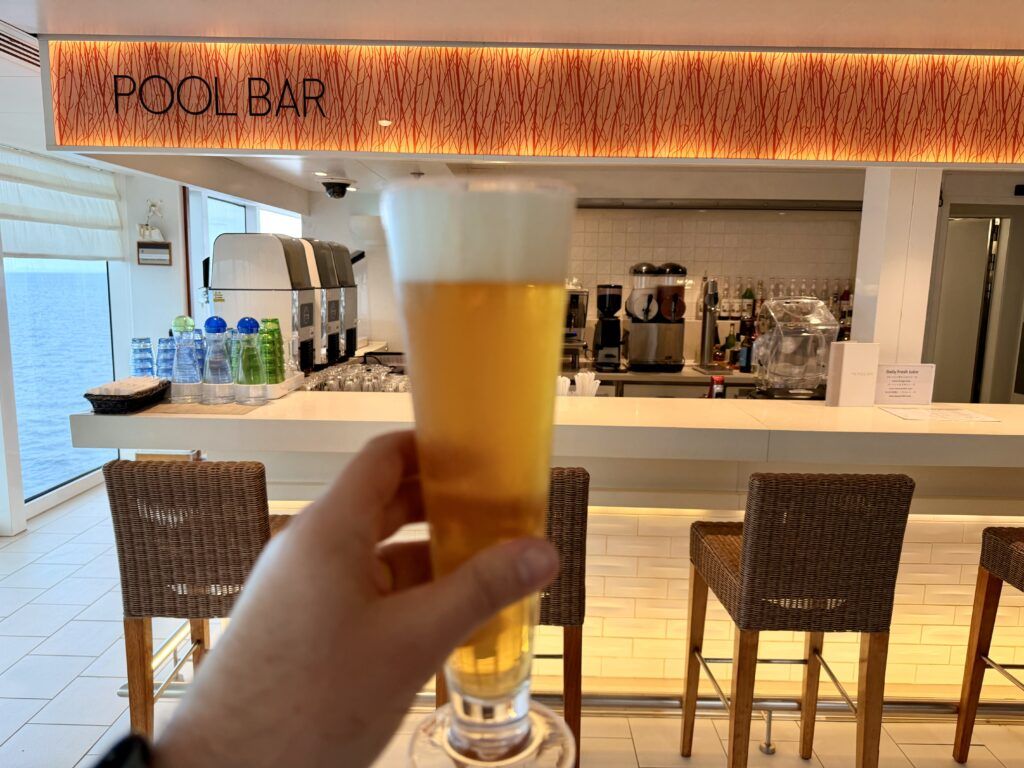
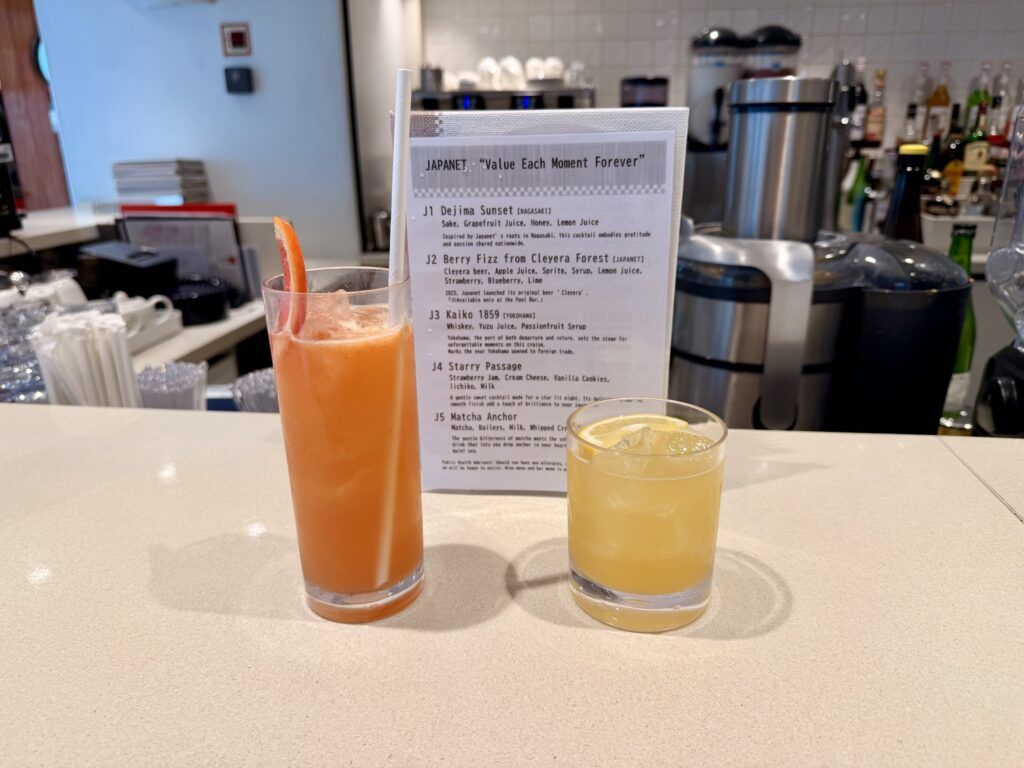
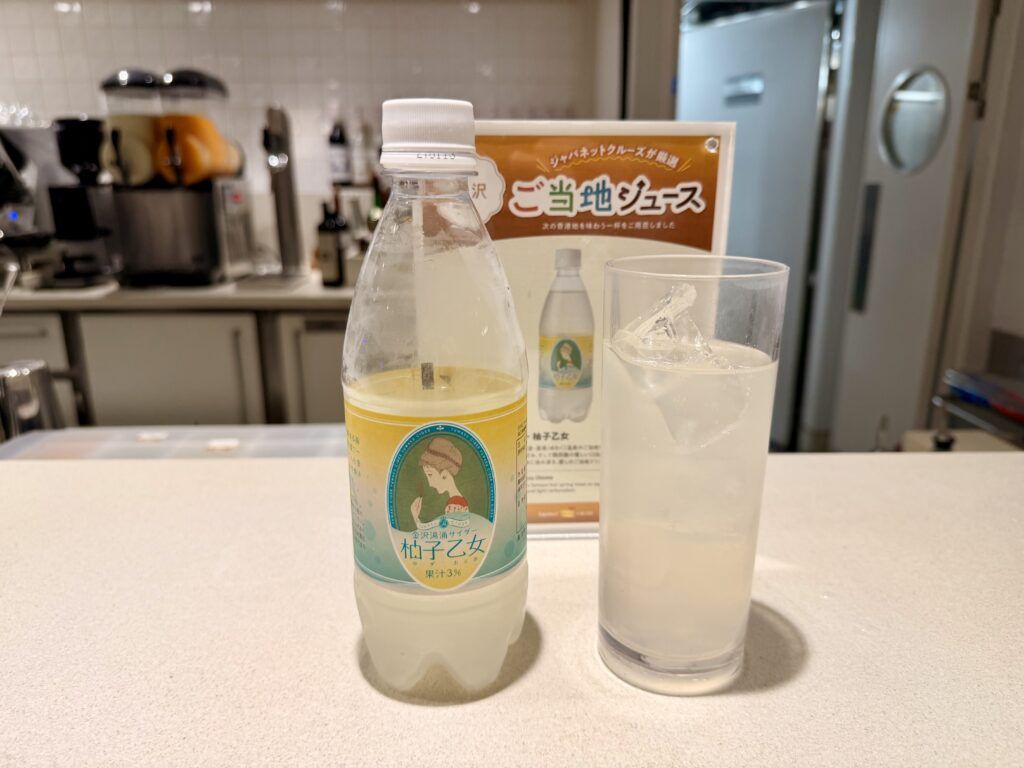
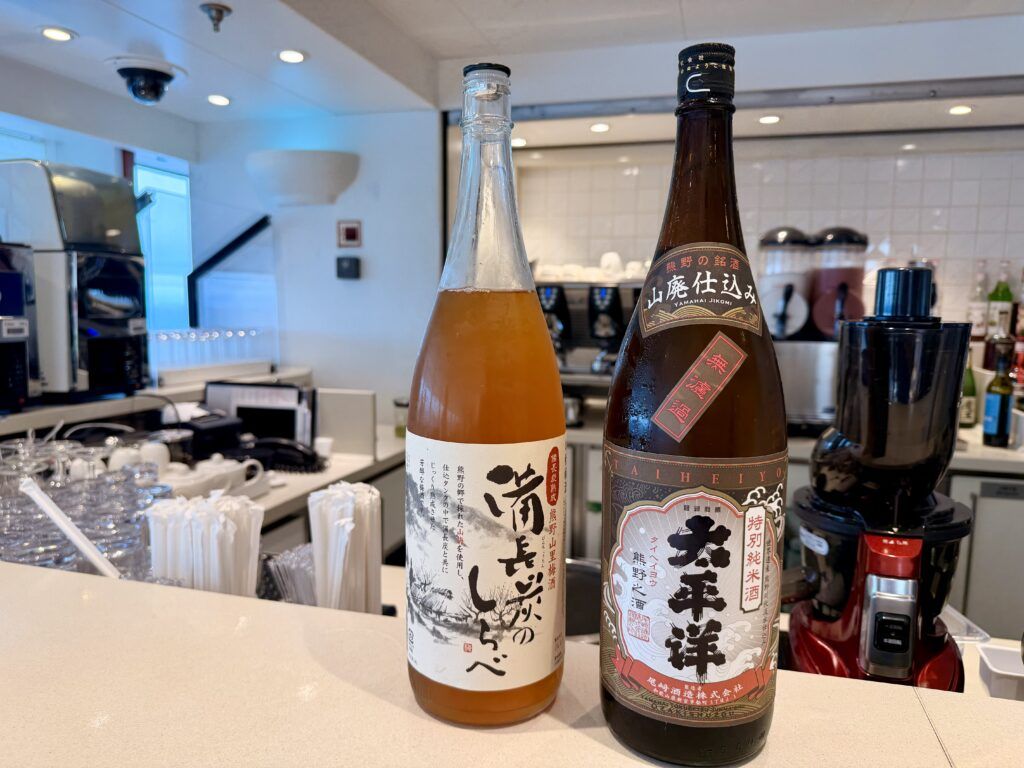
Some of the most memorable Japanet originals centered on local drinks and food. At the Living Room bar and the Pool Bar, local sake and shochu were available, sourced from each port of call throughout the voyage.
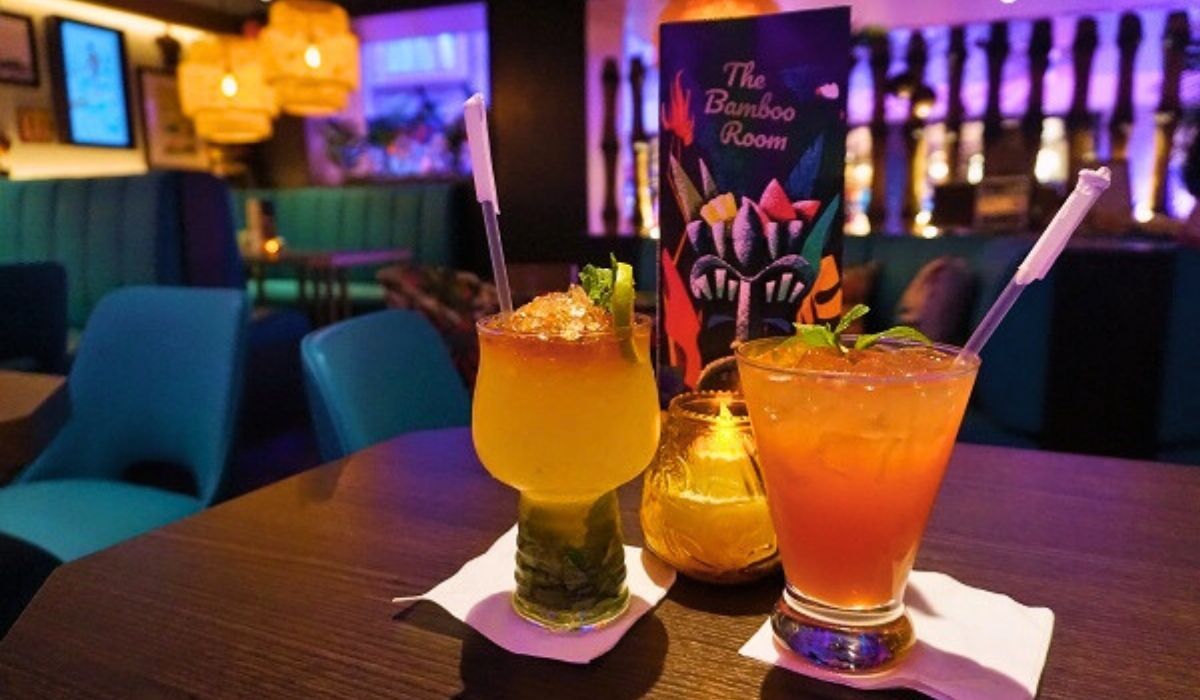
Japanet also created a lineup of signature cocktails exclusive to the cruise. Each one tied to a piece of Japanese history or the company’s own story. The Sunset of Dejima and the Port Opening 1859 ranked among our personal favorites. Japanet produces its own craft beer as well, available on draft at the Pool Bar. The signature lager is crisp, flavorful, and well worth trying.
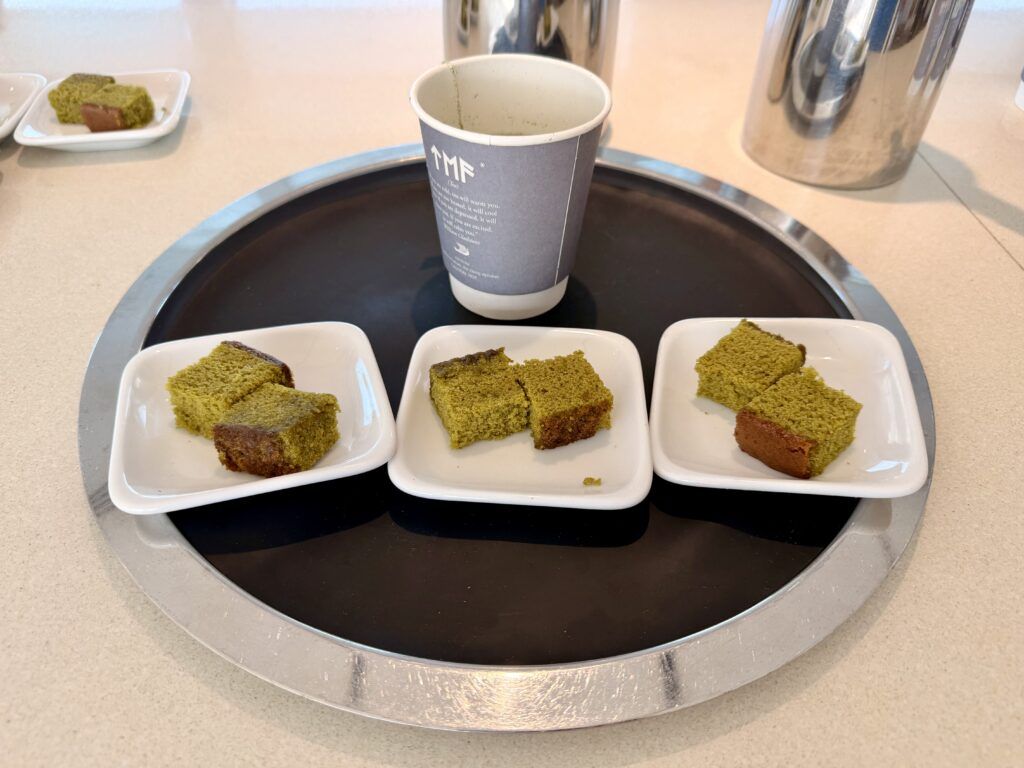
Beyond this, the company hosted special evening omotenashi tastings on the pool deck. These popular events brought together local spirits, sweets, sodas, and regional delicacies from each destination. They drew a crowd every time, so arriving early was essential.
Japanese Arts, Crafts, & Activities
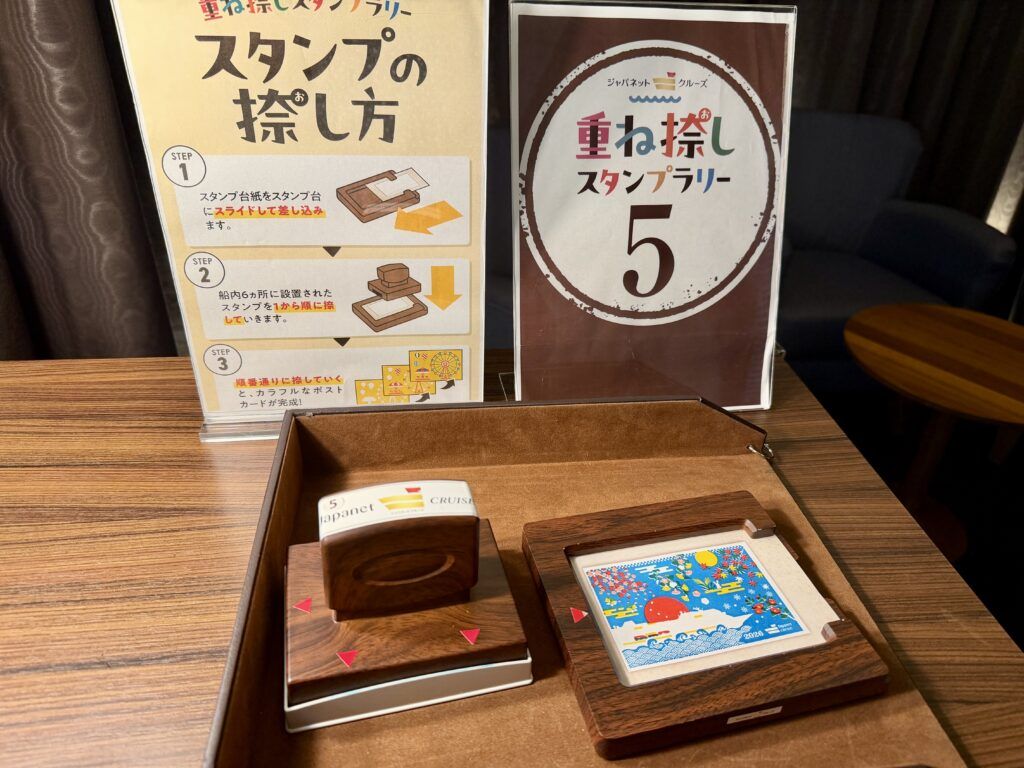
Throughout the voyage, the Japanet staff filled the calendar with hands-on cultural activities. Early in the cruise, they launched a Stamp Rally scavenger hunt. Stations spread across the ship made it a fun way to explore the vessel while collecting a unique souvenir.
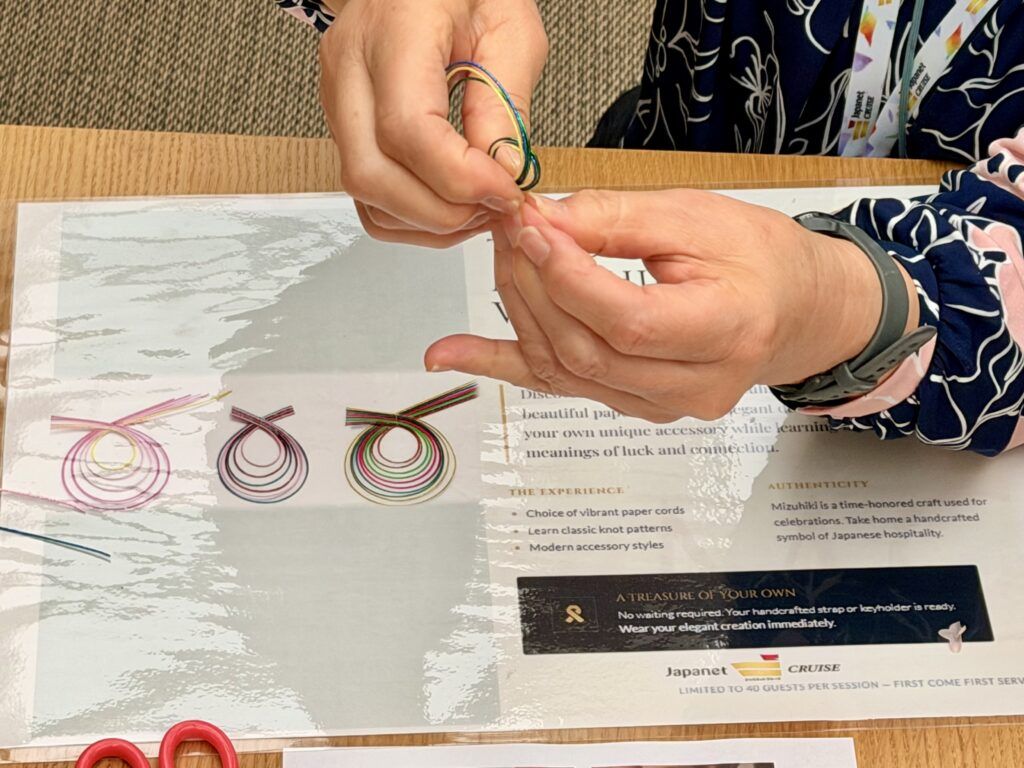
Later in the sailing, the team offered several sessions of Mizuhiki, a traditional Japanese art of tying decorative cords into intricate keepsakes. Neither Heidi nor I would describe ourselves as crafty, so we passed on this one.
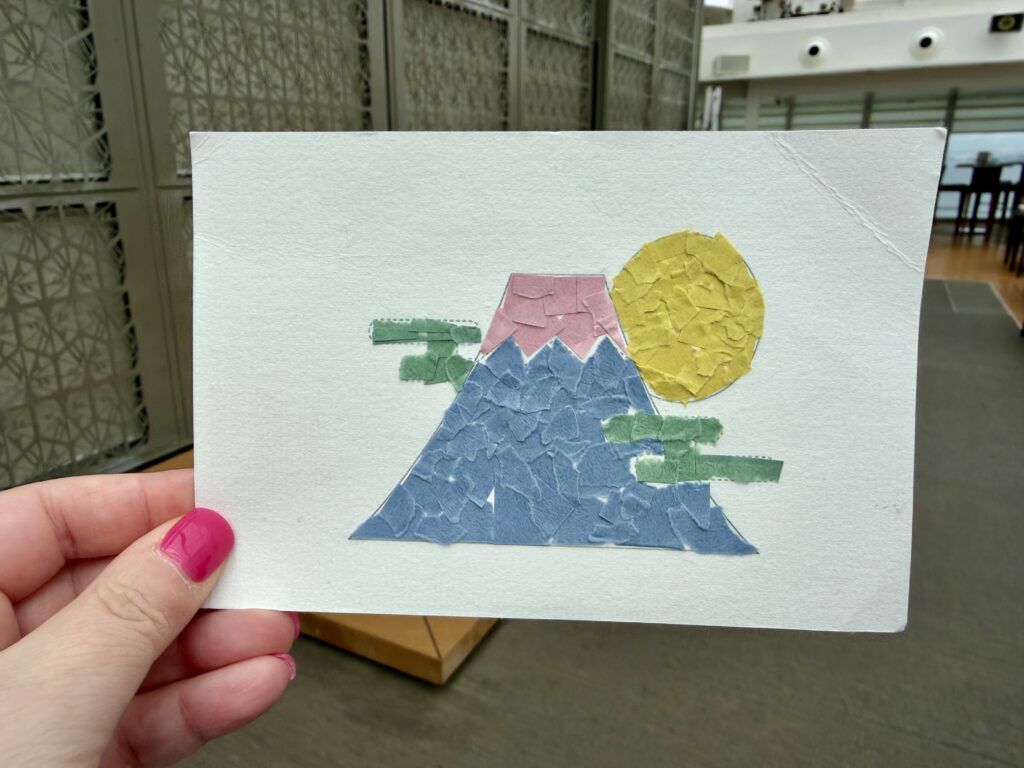
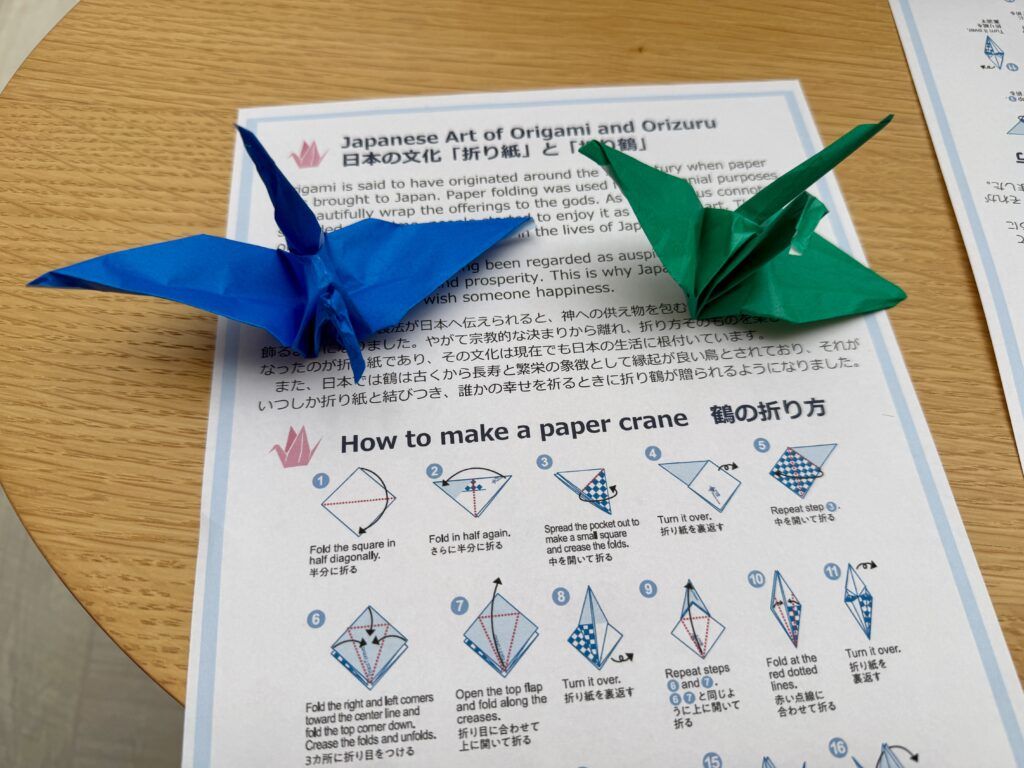
Origami was a different story. On the surface, it looked more manageable, so we gave it a try. Instructors Kanan and Uma walked us through how to fold paper cranes and samurai hats. It took a few rounds, but we eventually got the hang of it. Other activities included customizing tote bags with stamps and a Chigiri session, where you tear small pieces of Washi paper to create custom postcards.
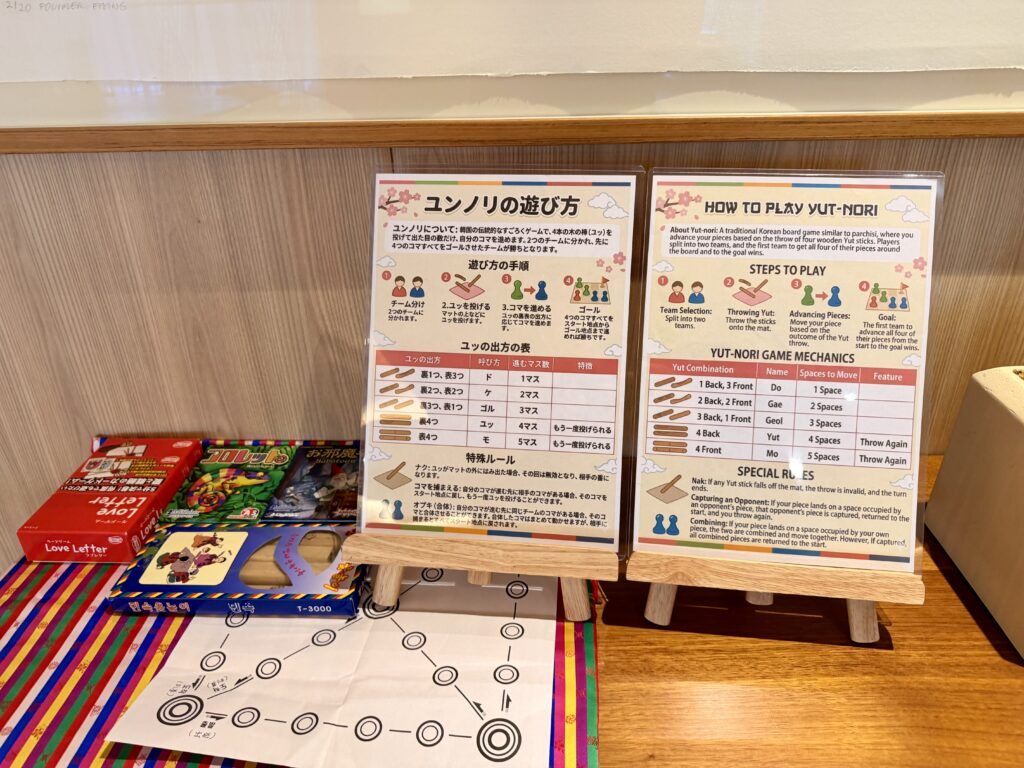
Additionally, the two-deck atrium offered puzzles and games, though with a regional twist. Many of the card games and board games were in Japanese or Korean. The onboard cinema also screened classic Japanese films throughout the voyage.
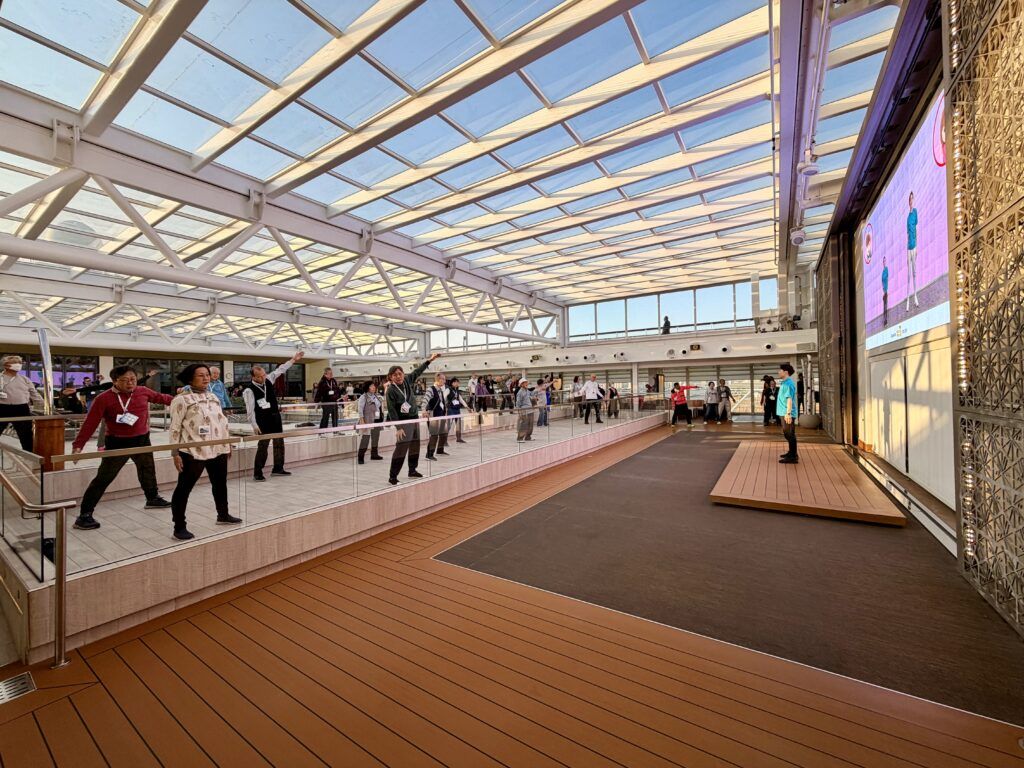
And every morning, the day began with a short session of Radio Calisthenics. While early, this event was always well-attended.
Onboard Cultural Enrichment and Entertainment
Strong onboard enrichment matters when sailing to a destination as rich as Japan. Viking typically excels at this with lecturers and regional experts. This sailing did feature several historical experts. Unfortunately though, their talks were entirely in Japanese with no translation or subtitles available. Thus, we did miss this enrichment component. It would have been nice to learn a bit more about Japanese culture and traditions (including the significance of some of the unique activities offered).
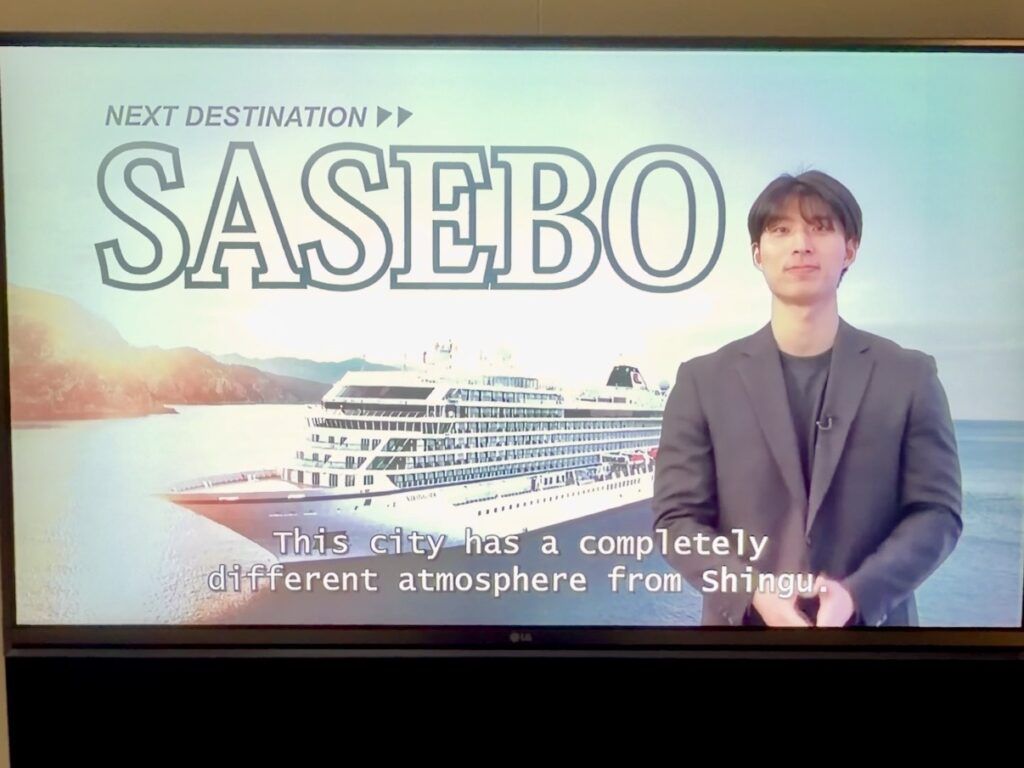
Similarly, the nightly port talks from the assistant cruise director were only in Japanese. To compensate, Japanet offered pre-recorded English port talks on the stateroom television. Each approximately five-minute overview covered the next day’s port and shore excursion highlights. It wasn’t quite the same as a live lecture, but it gave us the essential context we needed before turning in each night. Still, we would have liked a bit more info on each port.
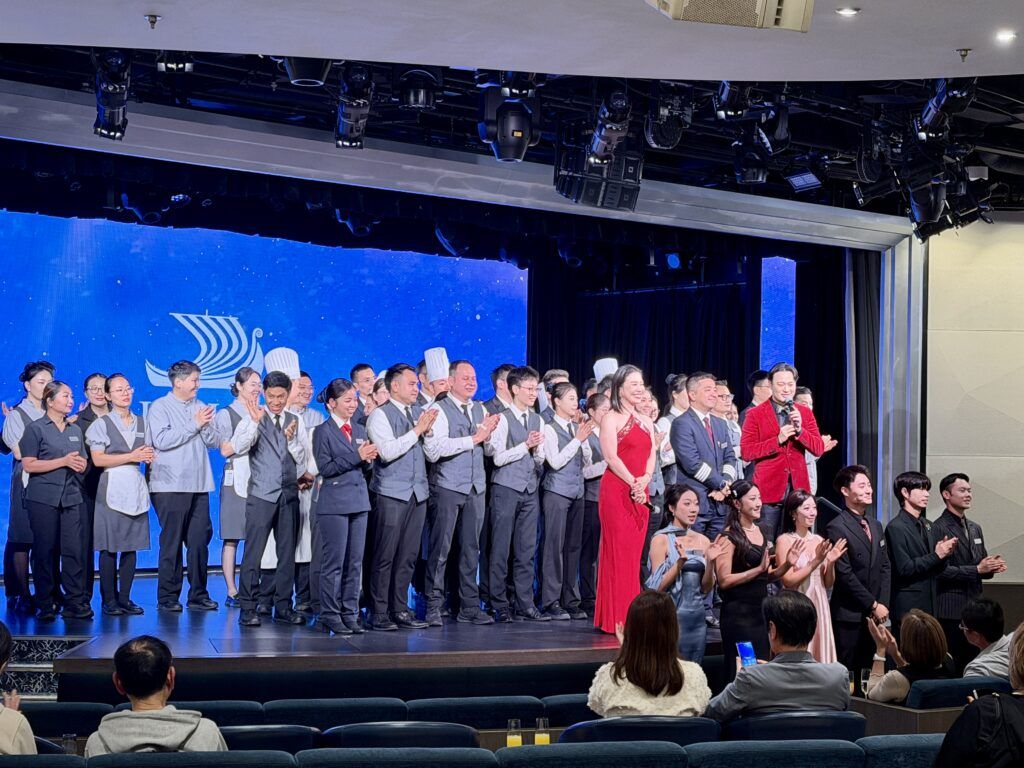
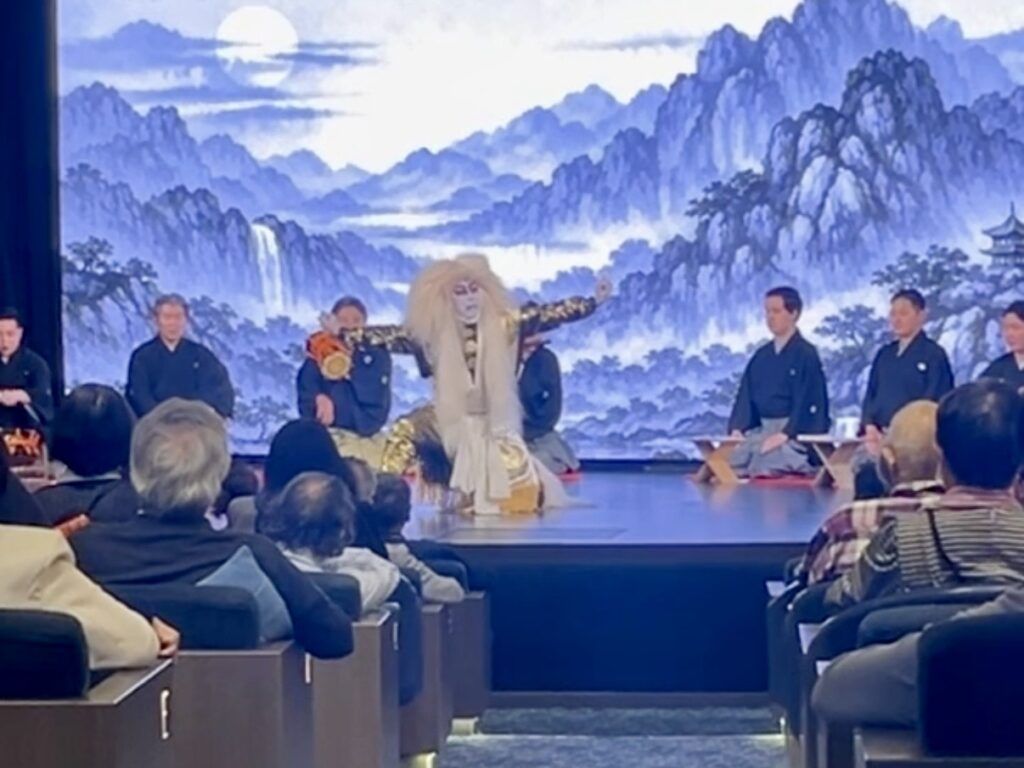
On a few evenings, Japanet brought local performers onboard for one-of-a-kind experiences. These included two well-known Japanese singers and a Kabuki performer. On another evening, the musicians of the Viking Yi Dun performed a program of orchestral and Japanese pop songs. It was an unexpected highlight, even if we didn’t know any of the lyrics.
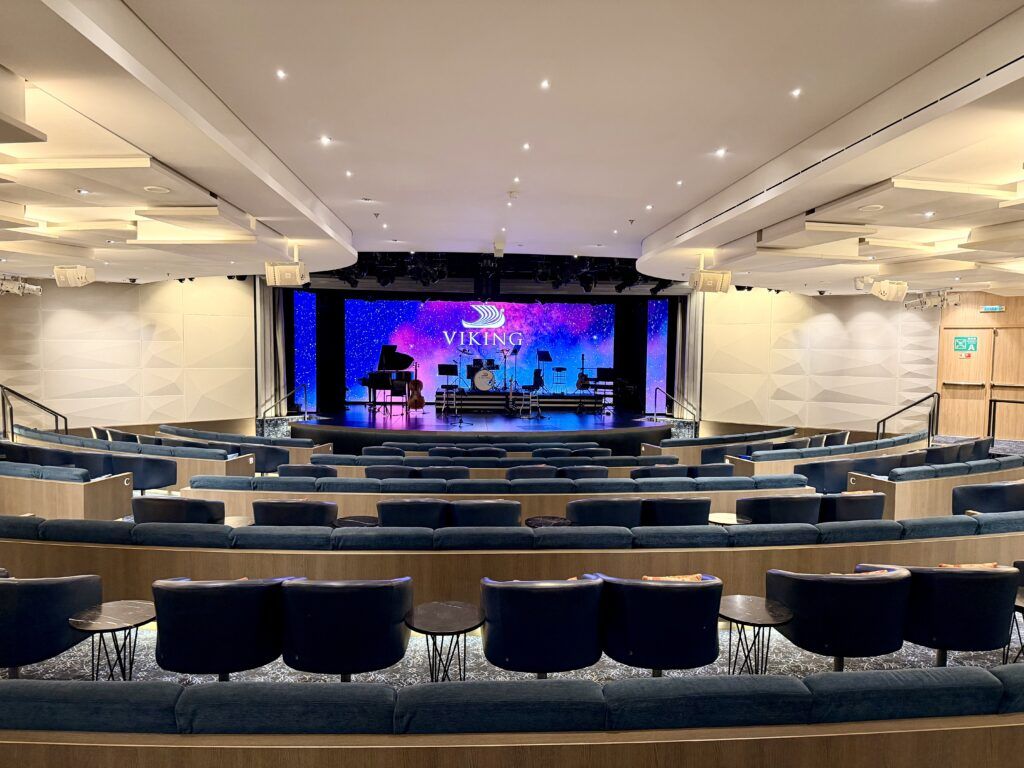
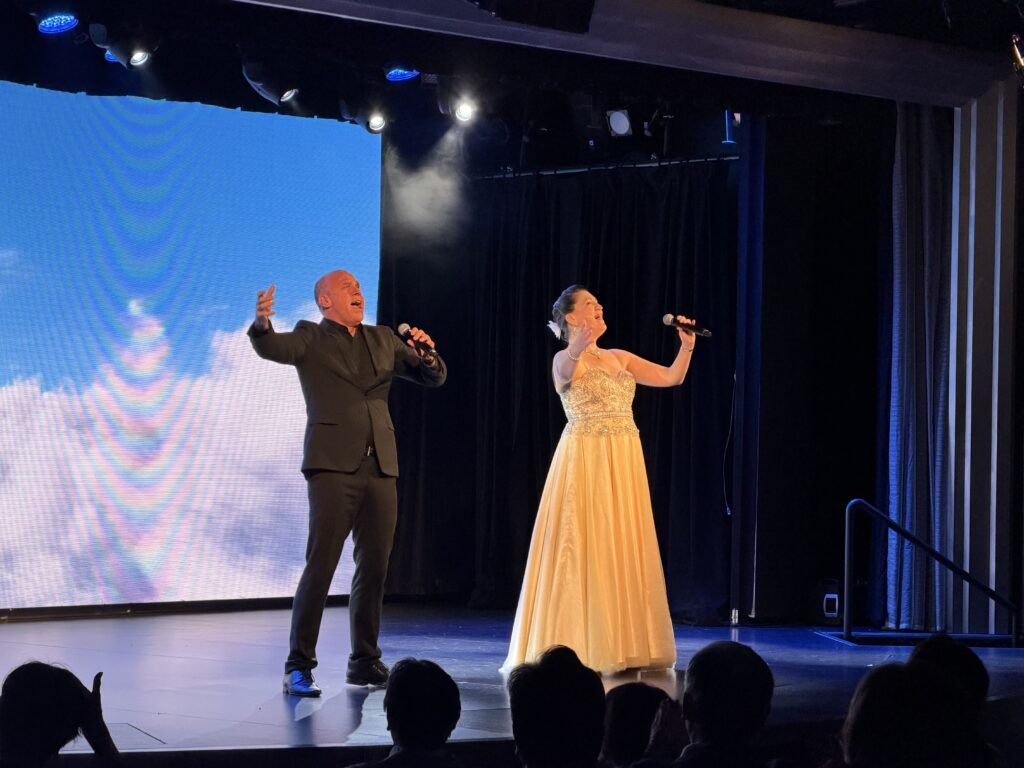
Beyond the Japanet-exclusive theater performances, there was also more traditional cruise line entertainment in the Starlight Theater. Viking vocalists Nick and Sophie delivered three Western-style shows across the sailing. They belted out pop favorites spanning the 1950s through the 1990s, including a Beatles tribute, a Rock and Roll show, and a Divas show. There was also an opera duo as a featured headliner act in the theater and live musicians who played sets around the ship much like a typical Viking cruise.
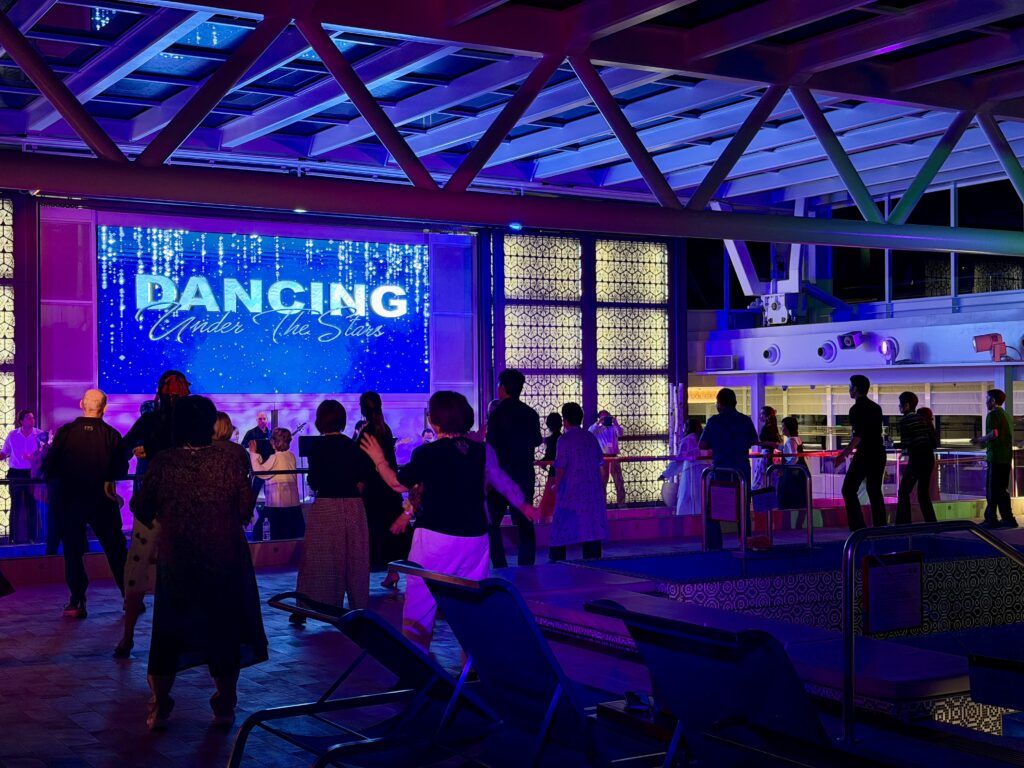
Japanet organized several dance parties throughout the voyage as well. Whether a DJ, a live band, or the Viking singers and dancers took the stage, the pool deck filled up with fellow cruisers dancing under the stars well into the night.

Life Onboard Viking Yi Dun
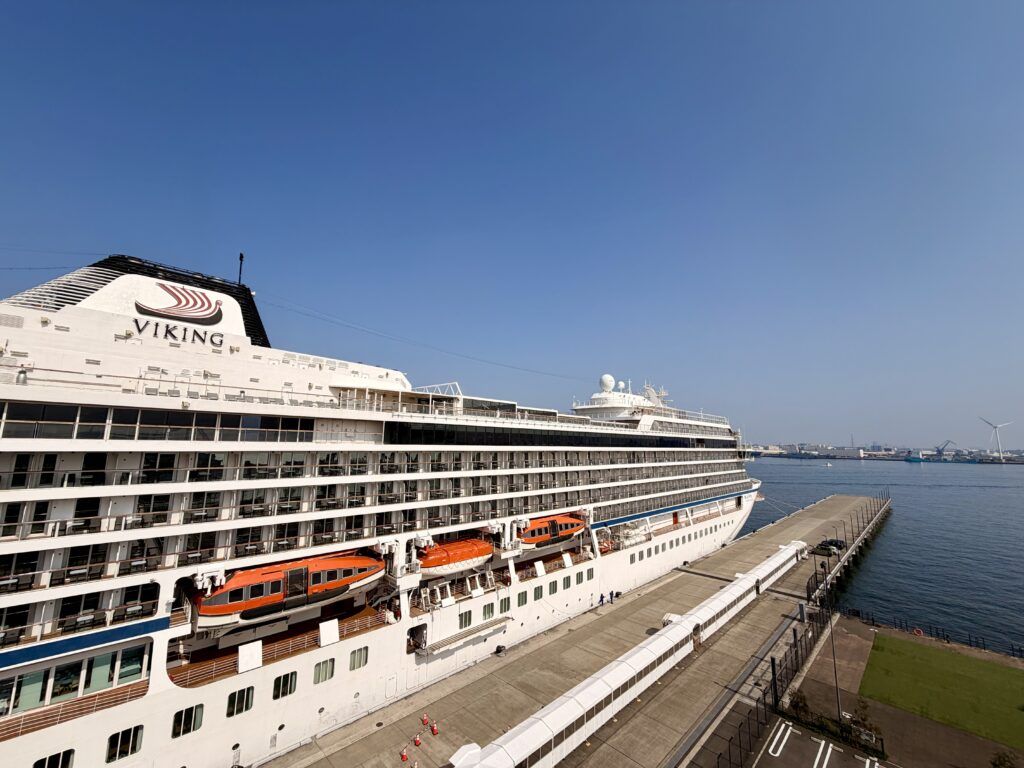
If you have sailed with Viking Ocean Cruises before, stepping aboard Viking Yi Dun will feel immediately familiar. Formerly known as Viking Sun, this 48,000-gross-ton ship accommodates around 930 guests at double occupancy. Though, we were sailing well below that capacity.
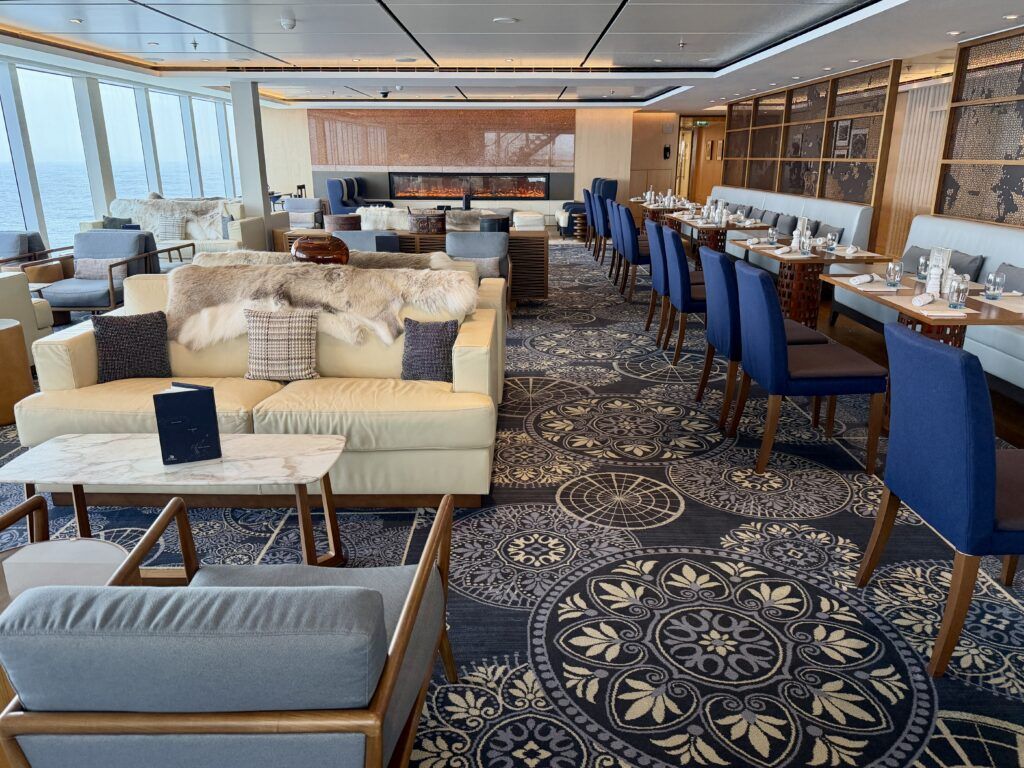
Viking Yi Dun, depsite catering to the Asian market, carries all the hallmarks of a Viking ship. Its clean Scandinavian design, understated elegance, and generous use of natural light create a sophisticated and welcoming atmosphere. The public spaces encourage conversation and relaxation, the perfect respite after a long day ashore.
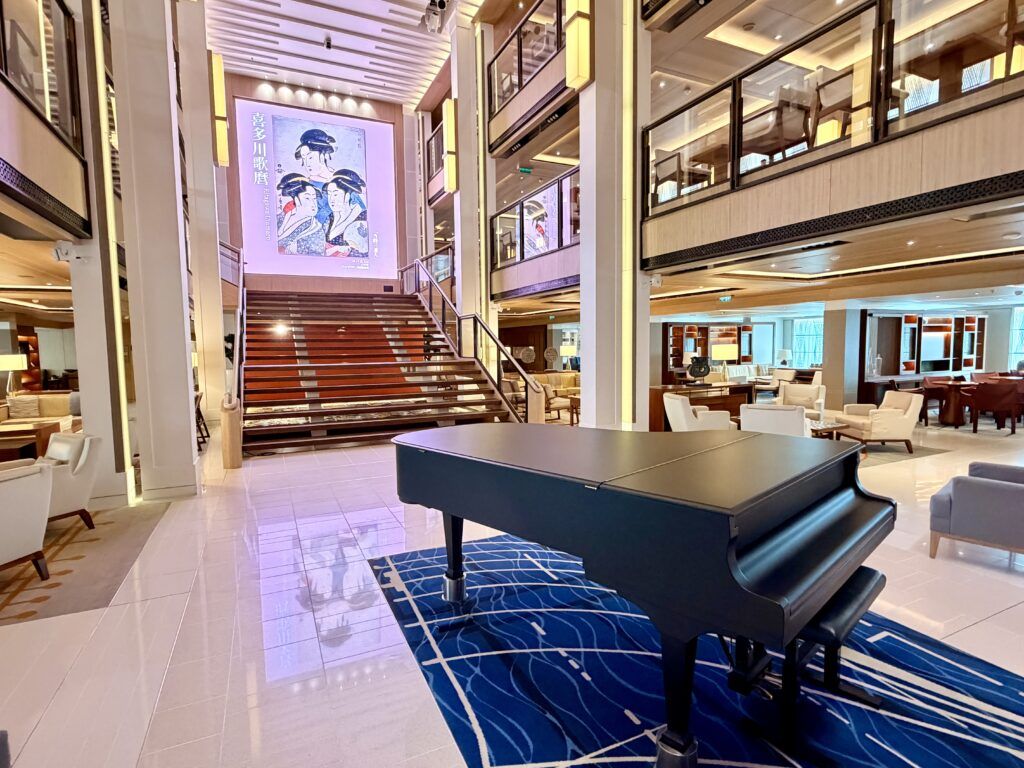
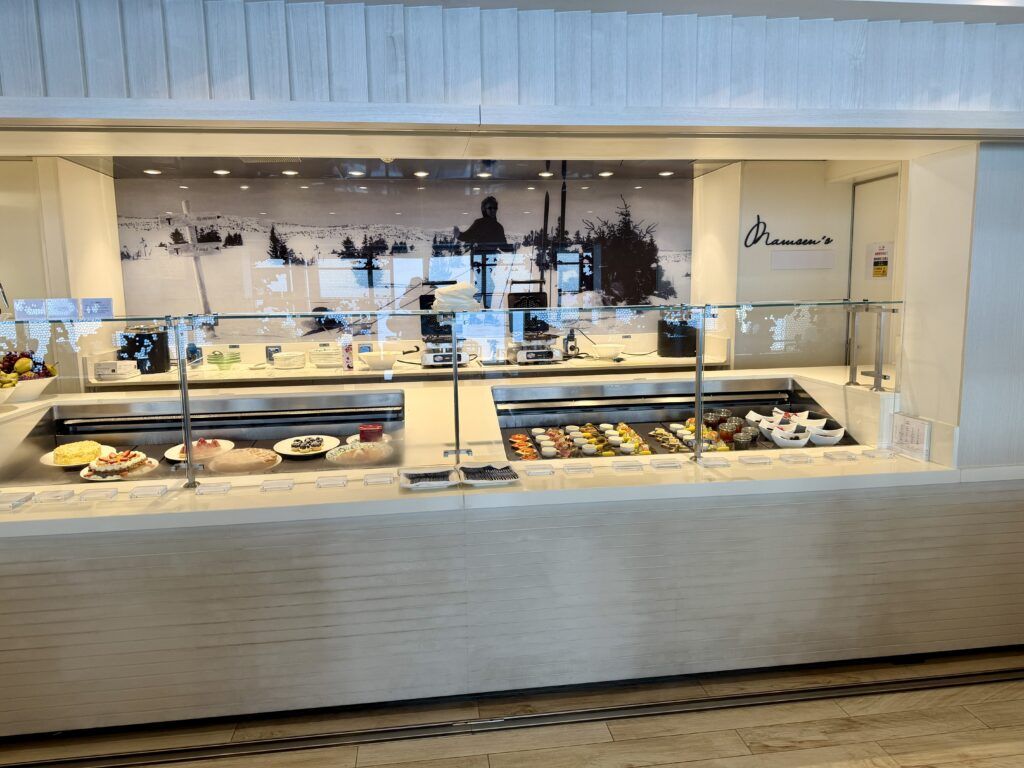
The Living Room serves as the ship’s main gathering spot within the central atrium. It is the ideal place for a pre-dinner drink while listening to the resident pianist or classical duo. For scenic views, the Explorers’ Lounge is hard to beat. This forward-facing observation lounge features a full bar, oversized furniture, and Mamsen’s for Norwegian snacks and treats.
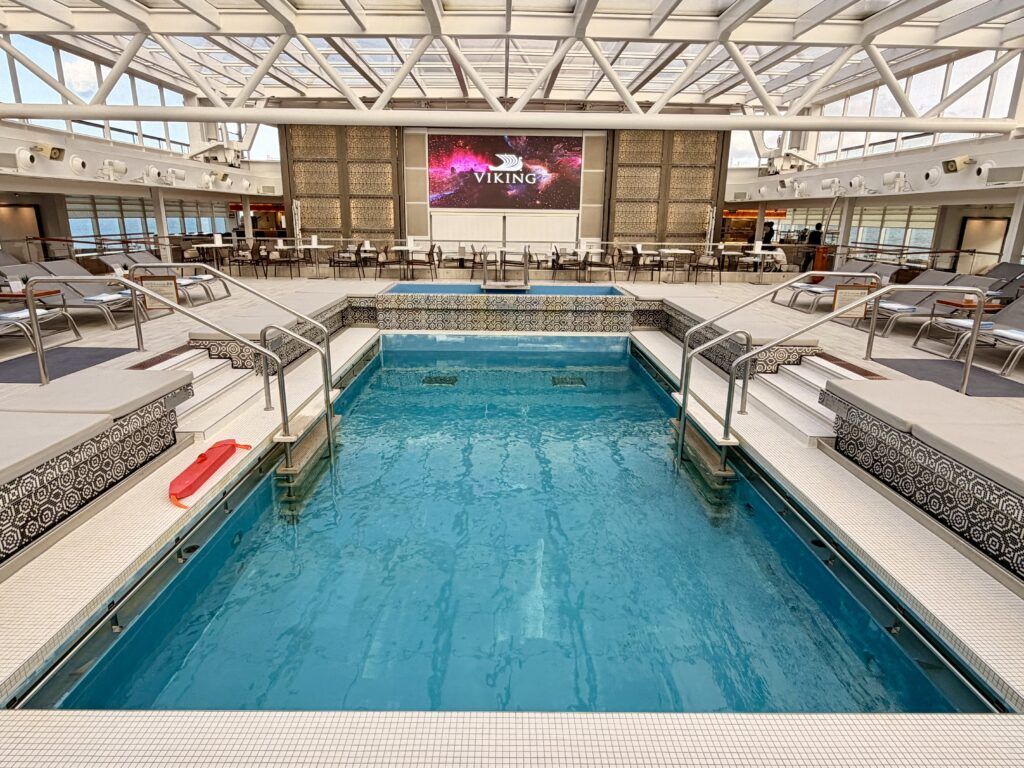
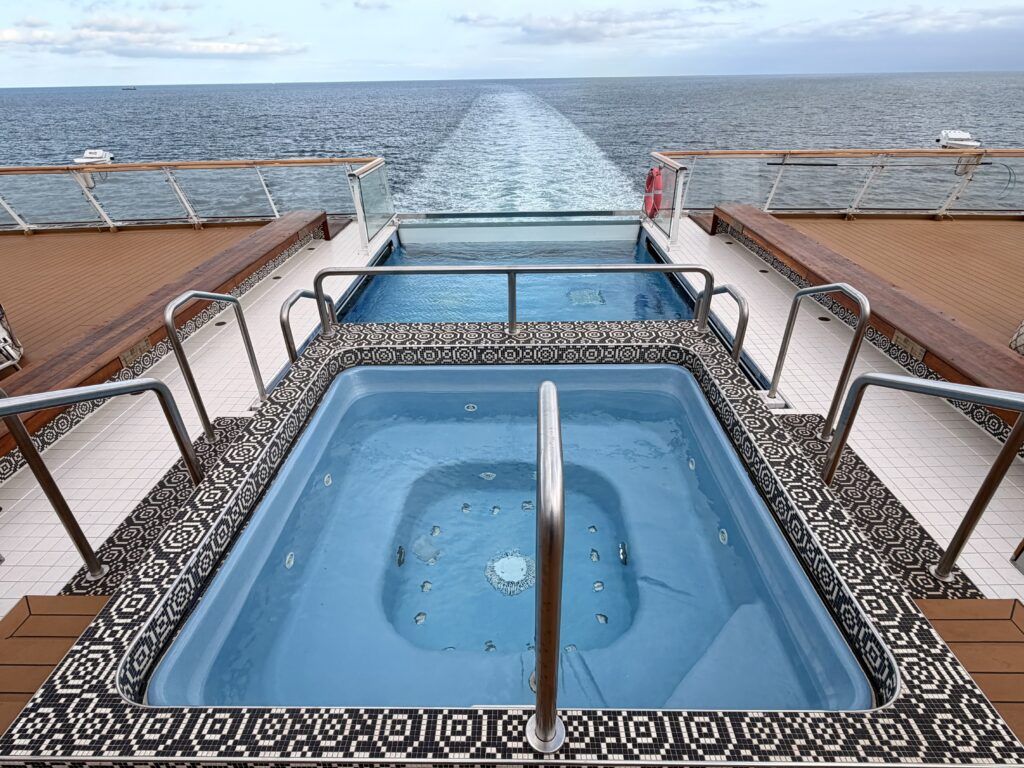
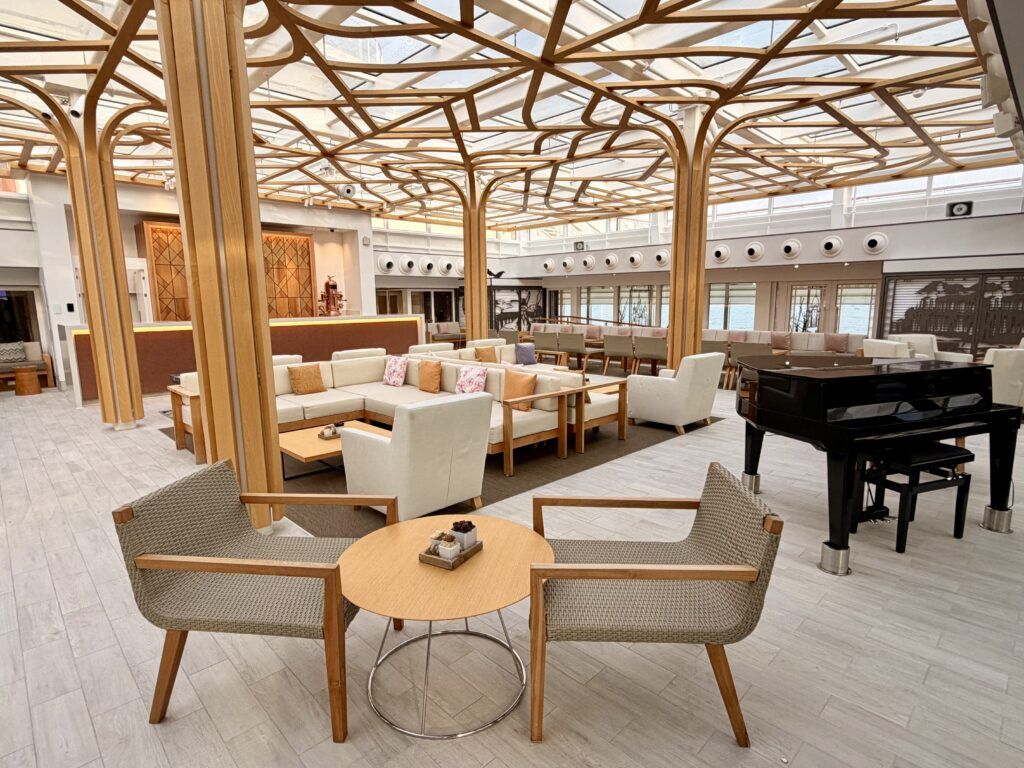
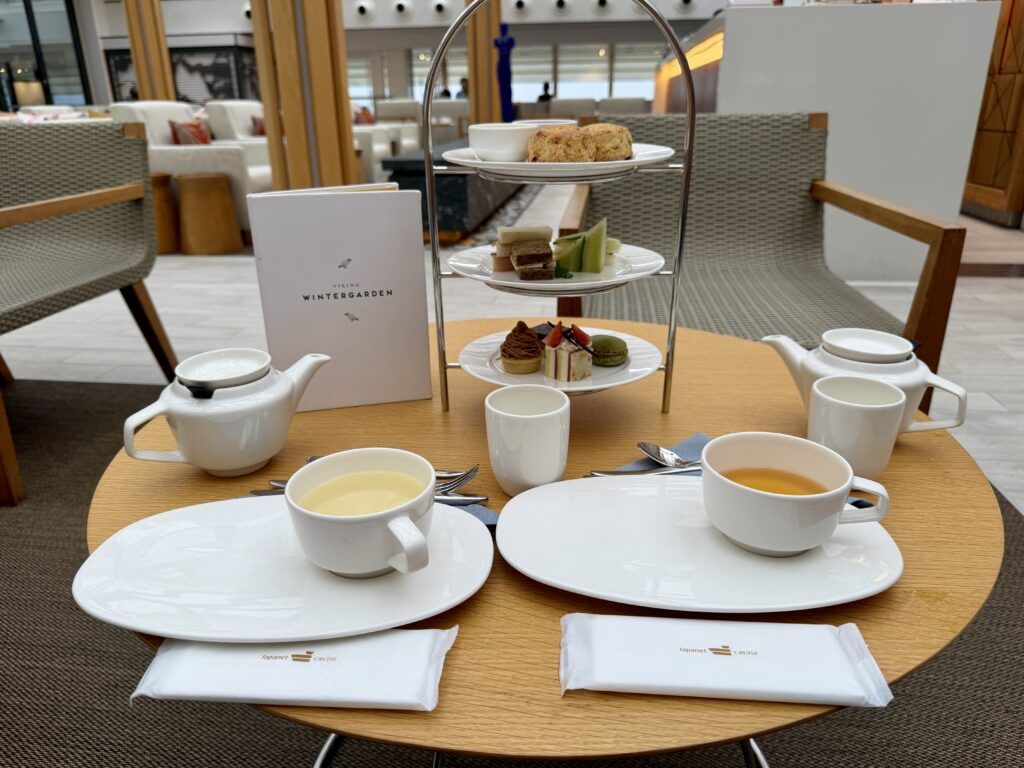
Also on Deck 7, an indoor pool with a retractable roof sits midship for use in any weather. When conditions allow, the aft-located Aquavit Terrace with its accompanying outdoor pool and whirlpools offer a beautiful spot to soak up the sun and scenic vistas. The Wintergarden is also a great venue to relax or enjoy some afternoon tea and light tunes. There’s additonal outdoor space and a small sports court on Deck 9 as well.
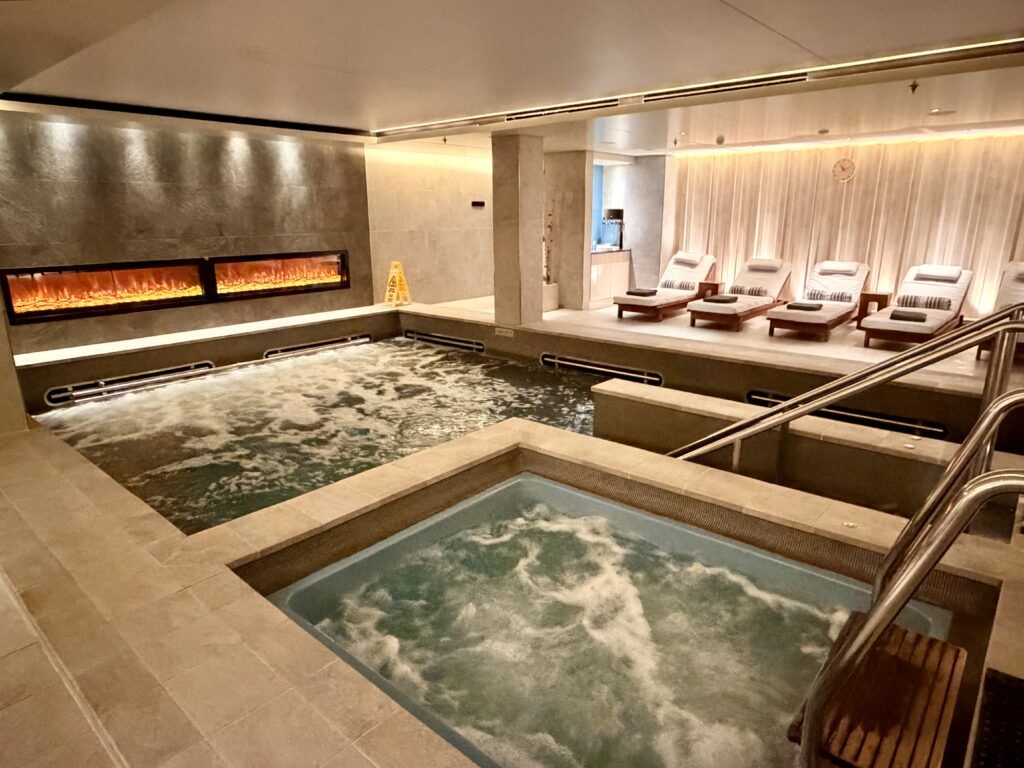
For something more restorative, the spa and thermal suite on Deck 1 delivers a full Nordic wellness experience. Highlights include a cold plunge, a traditional sauna, heated stone loungers, a steam room, an ice room, and a hydrotherapy pool. Use of this thermal suite is complimentary for all guests; however, typical spa treatments or salon services will cost extra. For those wanting to get in a workout between ports of call, there’s a small gym adjacent to the spa.
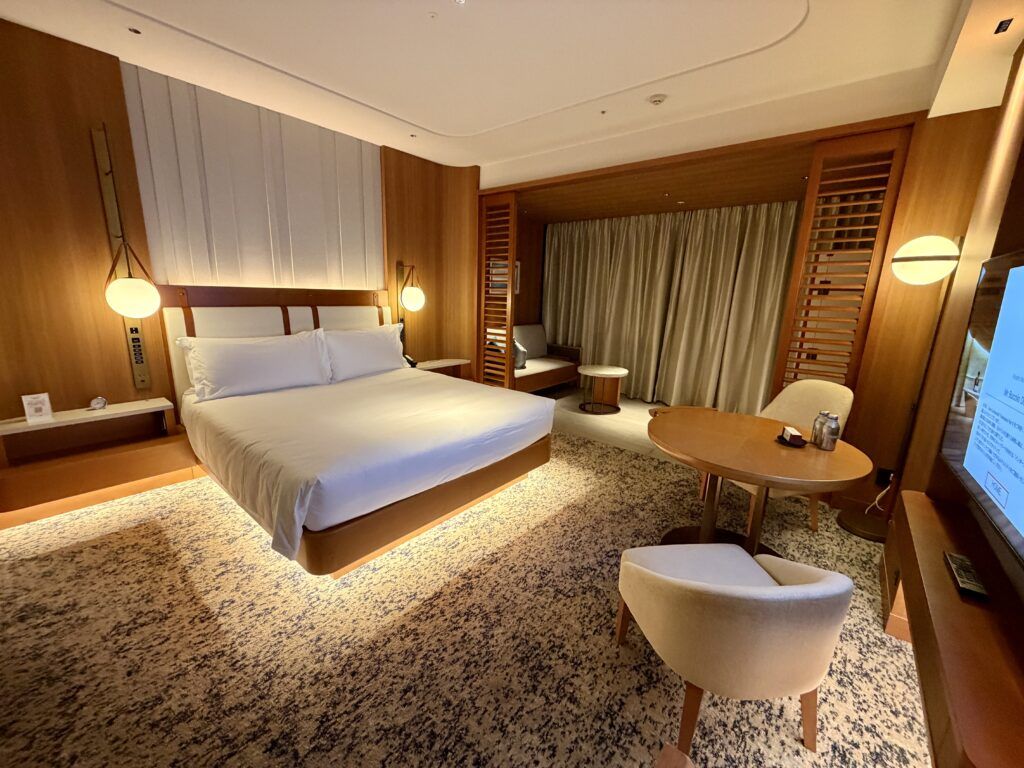
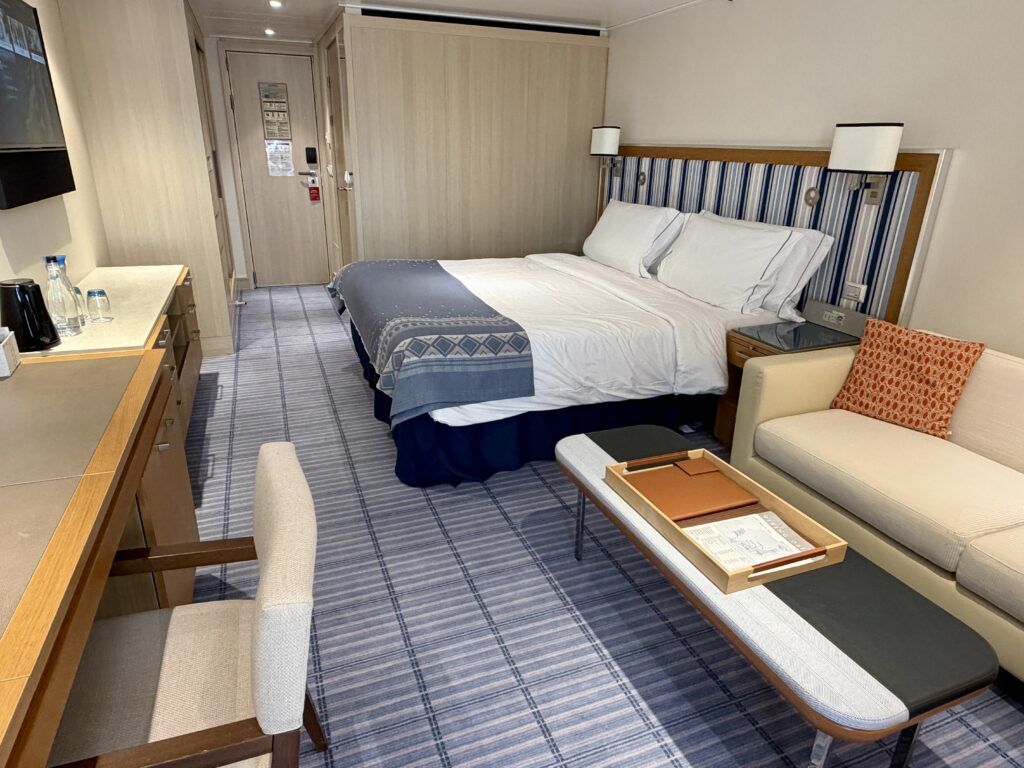
For this 10-night cruise on Viking Yi Dun, we stayed in a Penthouse Veranda stateroom, cabin 5028. Located on the fifth floor, next to the forward elevators, this 338-square-foot room offered a relaxing, plush retreat.
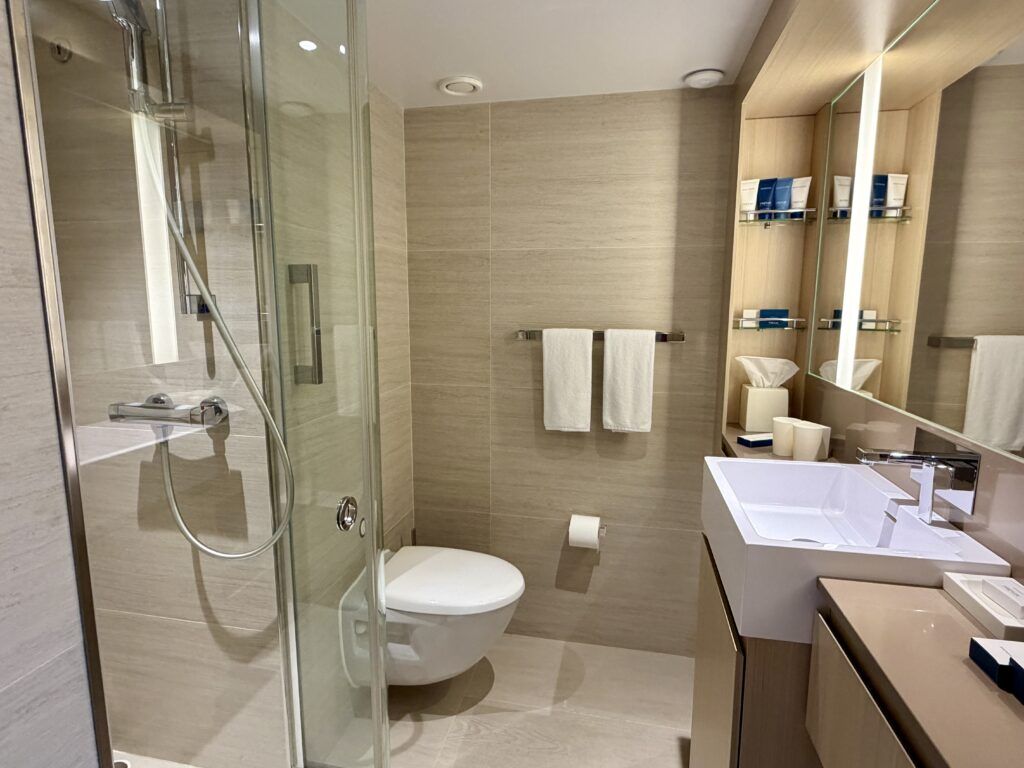
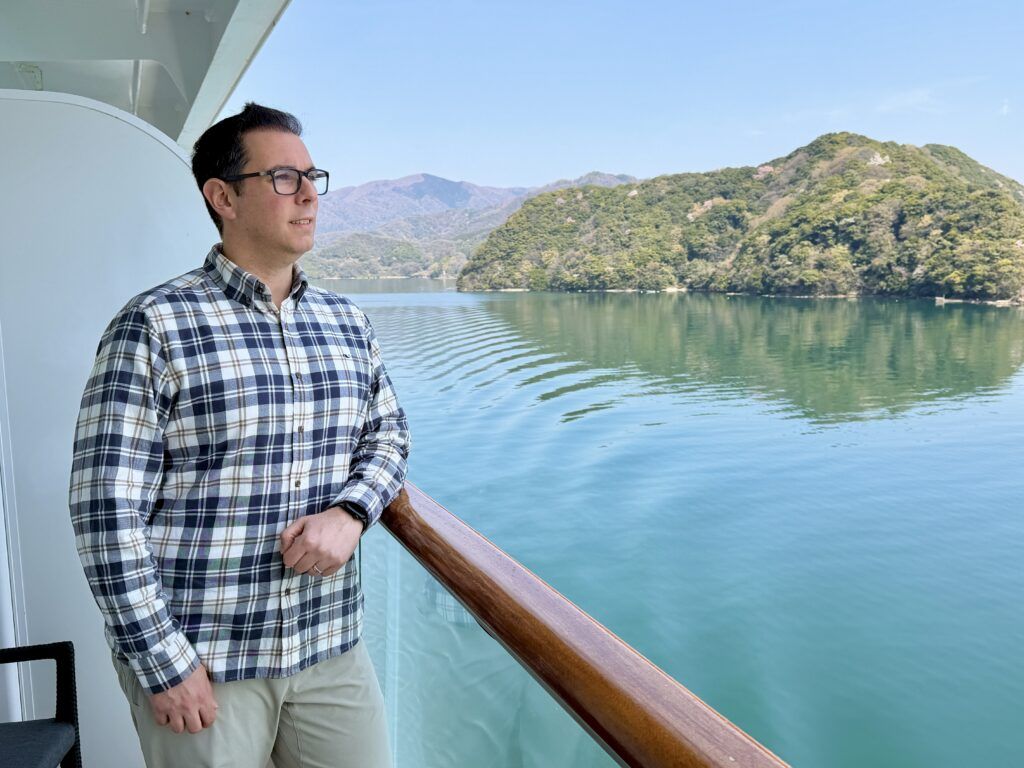
The floor-to-ceiling sliding glass door opened to a full-size private veranda. That veranda quickly became our favorite spot to watch the Japanese coastline drift past. The king-size Viking Explorer Bed with luxury linens made it easy to fall asleep after a full day ashore. The large bathroom featured a glass-enclosed shower, heated floors, and premium Freyja toiletries.
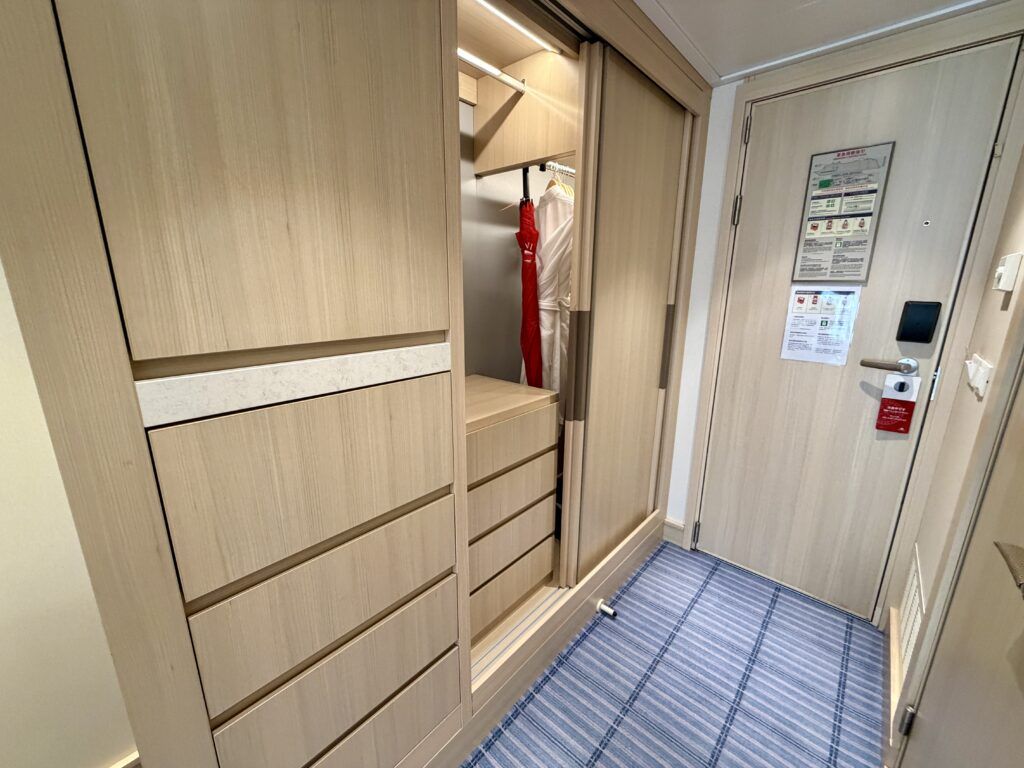
With an additional seating area, desk, and sufficient storage options, this Viking Penthouse Veranda felt more like a high-end hotel room than a cruise ship cabin.
Dining on Viking Yi Dun
Given Heidi’s dietary preferences, the food situation was perhaps our biggest hesitation going into this trip. Dining ashore on the excursions presented its own challenges, which we will cover in the ports section. Onboard, however, the familiar Viking restaurant lineup put us at ease right away.
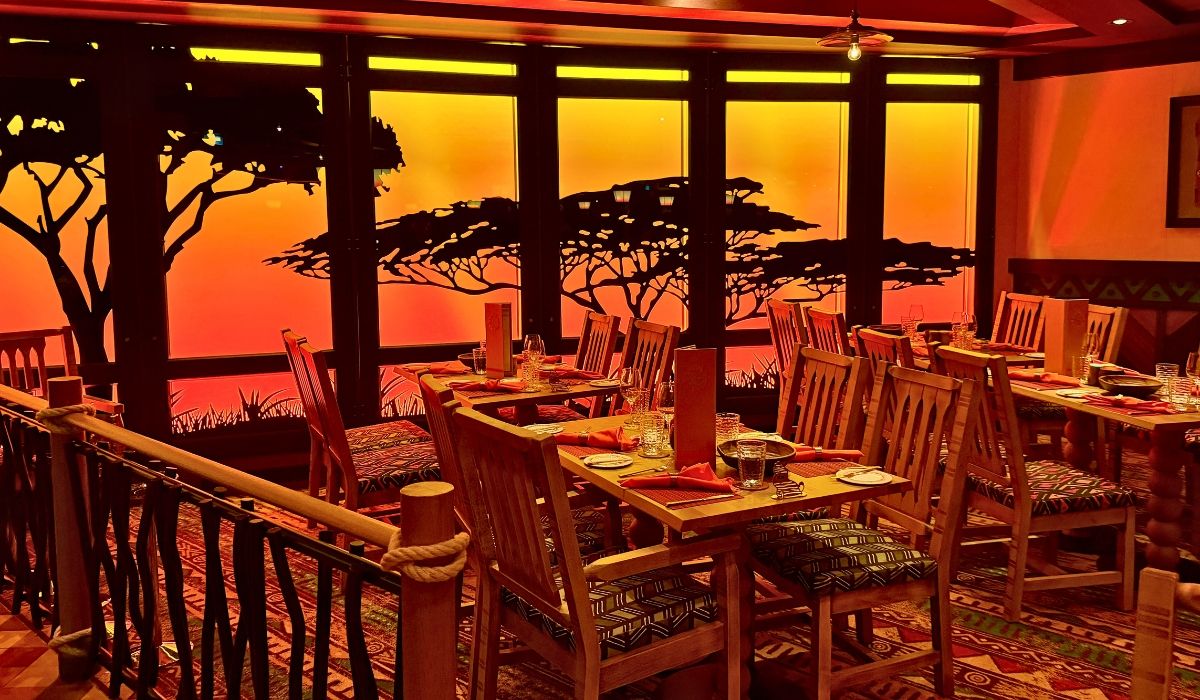
Viking Yi Dun features The Restaurant, the World Cafe buffet, Manfredi’s Italian, the Chef’s Table, Mamsen’s deli, snacks at the Living Room bar, the Pool Grill, and the Wintergarden for afternoon tea.
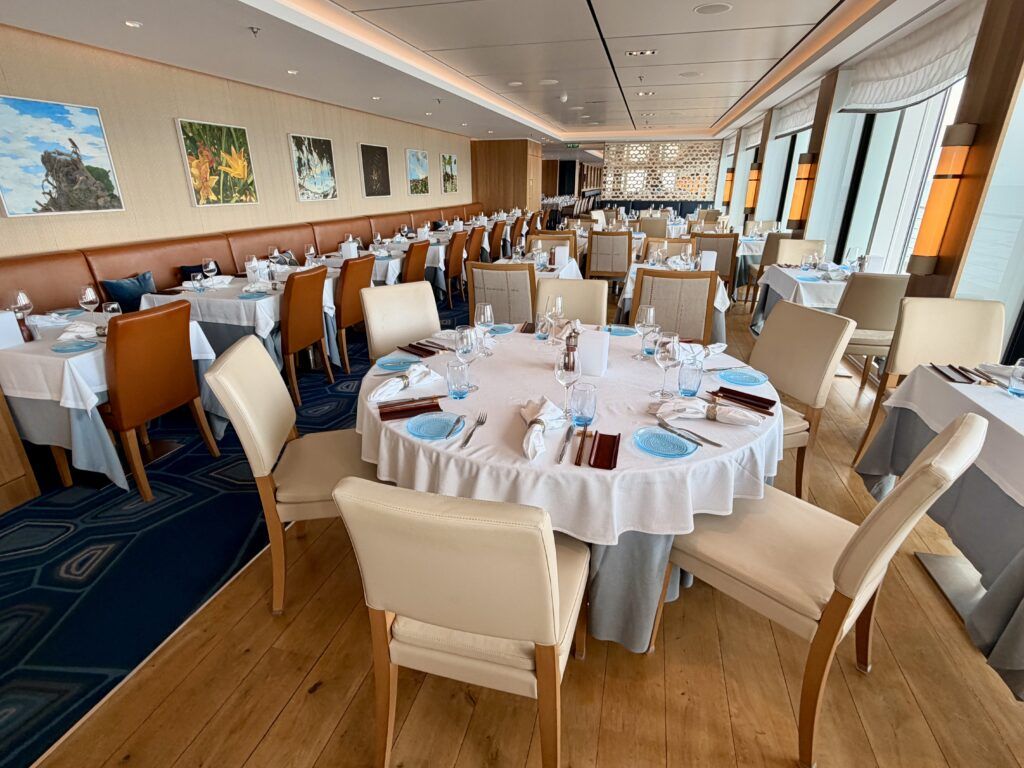
Asian cuisine was featured prominently in The Restaurant (main dining room) and the buffet. Other venues, including the Pool Grill, Chef’s Table, Mamsen’s, and Manfredi’s, maintain the same Viking standards you would find on any sailing anywhere in the world.
In the main dining room, staples like chicken teriyaki and Japanese steak were available every evening. However, the overall rotation was more limited than what we have experienced on other Viking sailings, and it featured more Asian-inspired and seafood dishes. On many nights, Heidi struggled to find something on the menu that she would eat. Thus, we dined in the World Cafe buffet for dinner more than we typically would on a cruise. In fact, we only visited The Restaurant on two occasions for dinner.
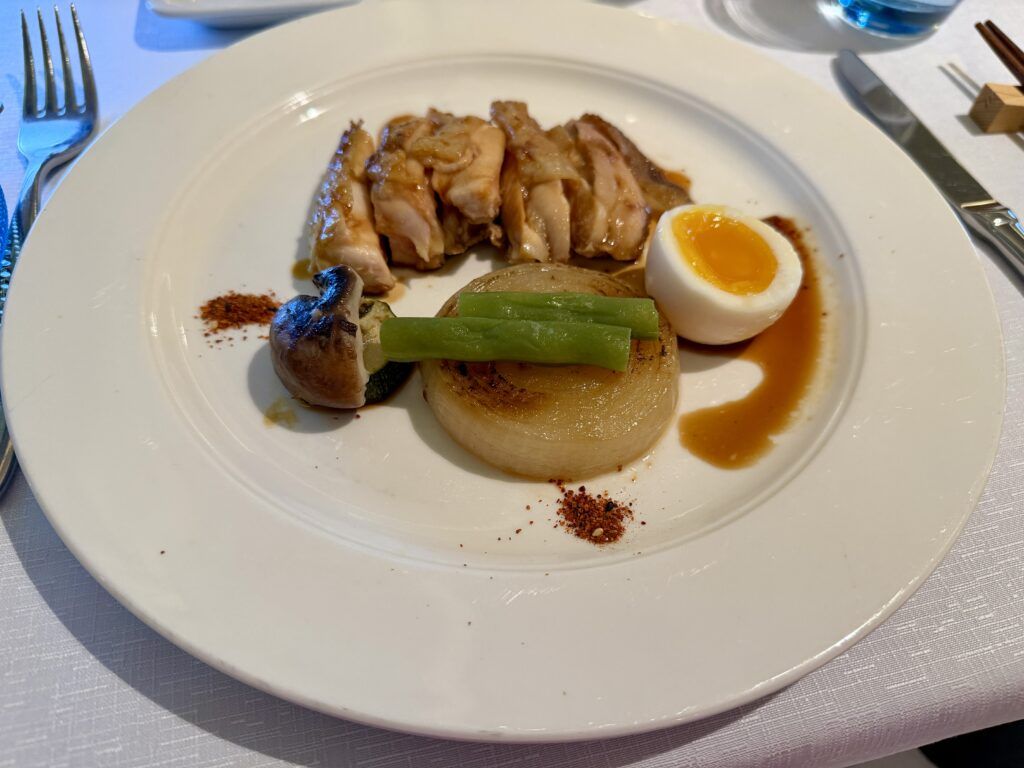
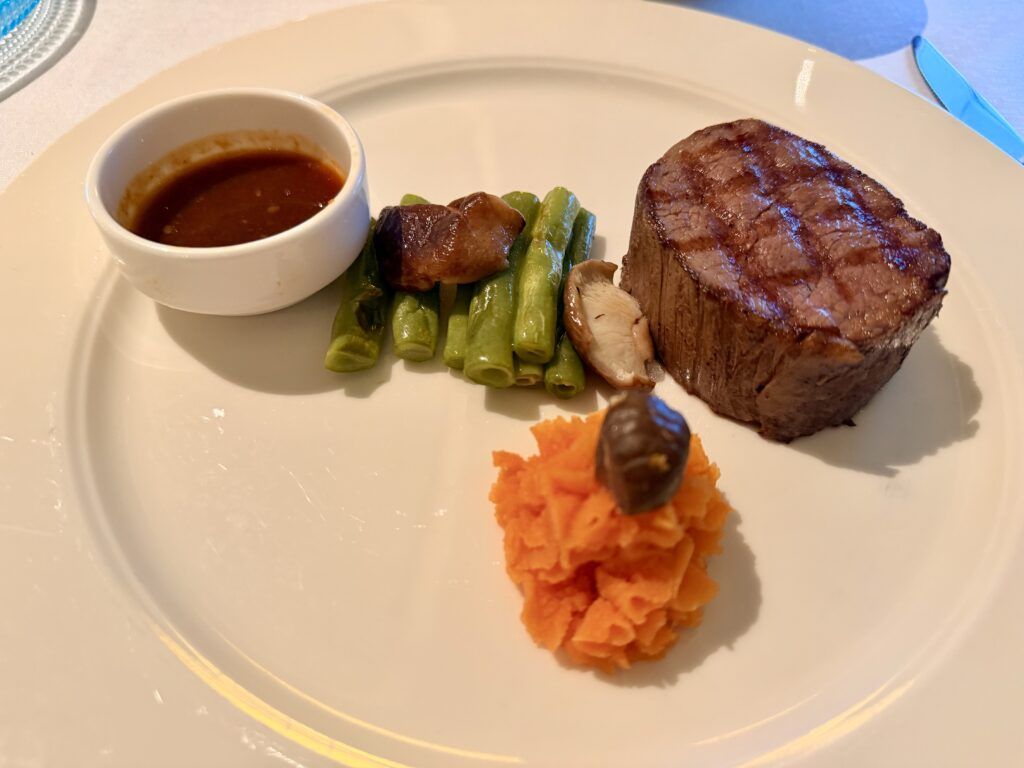
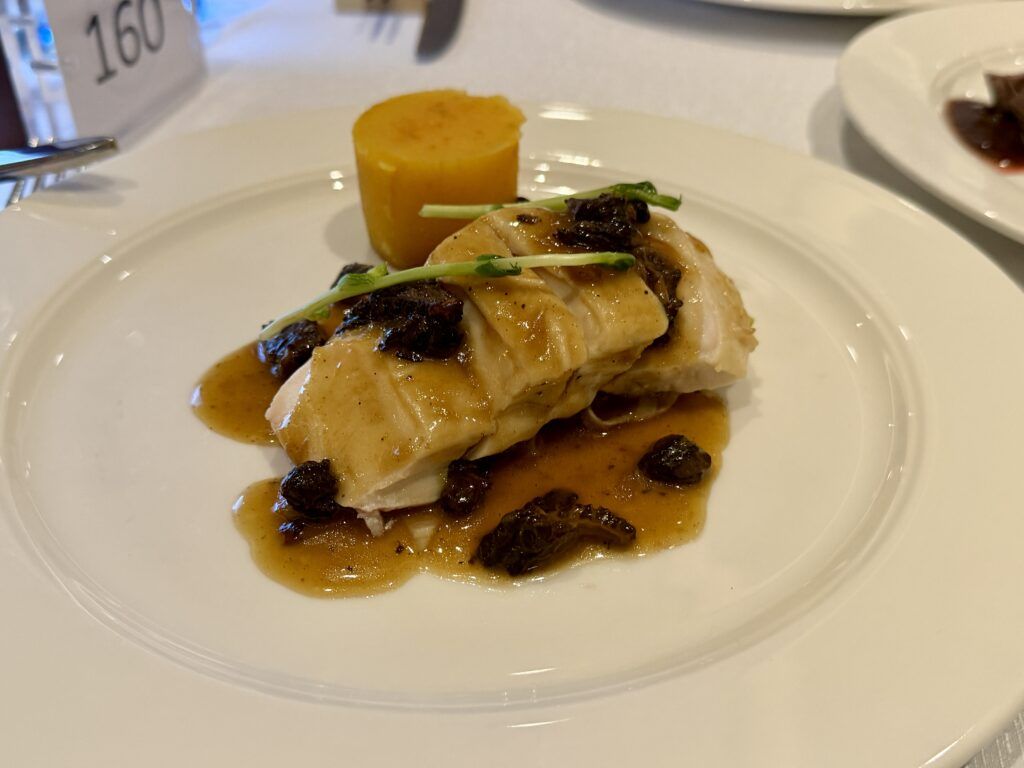
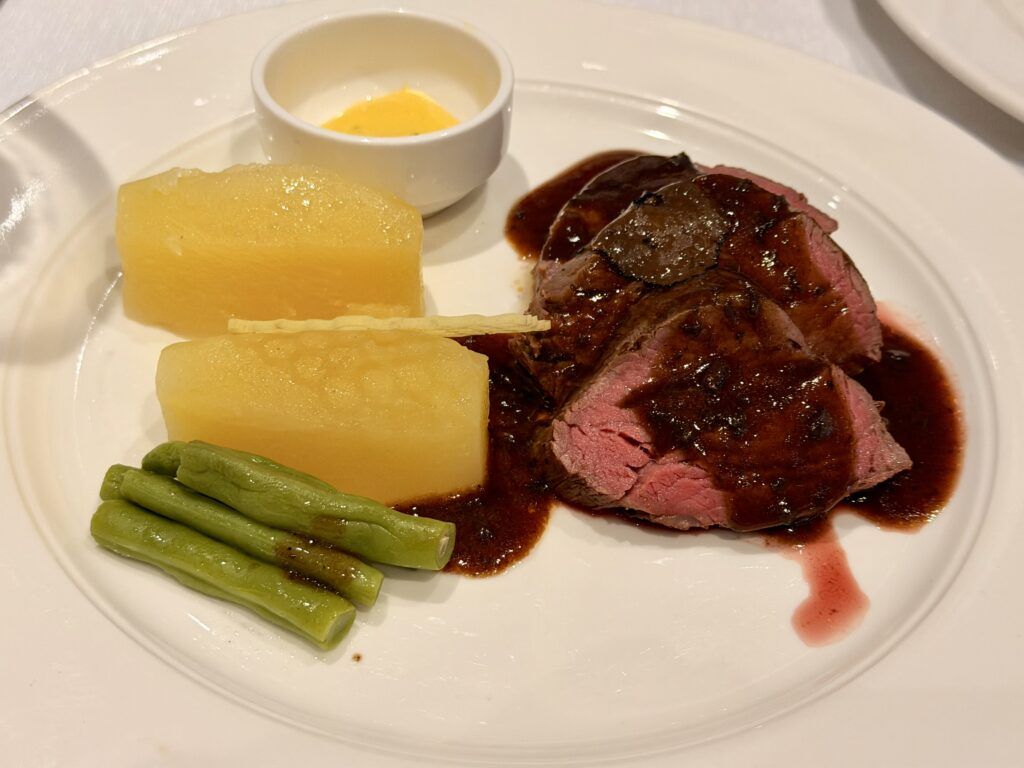
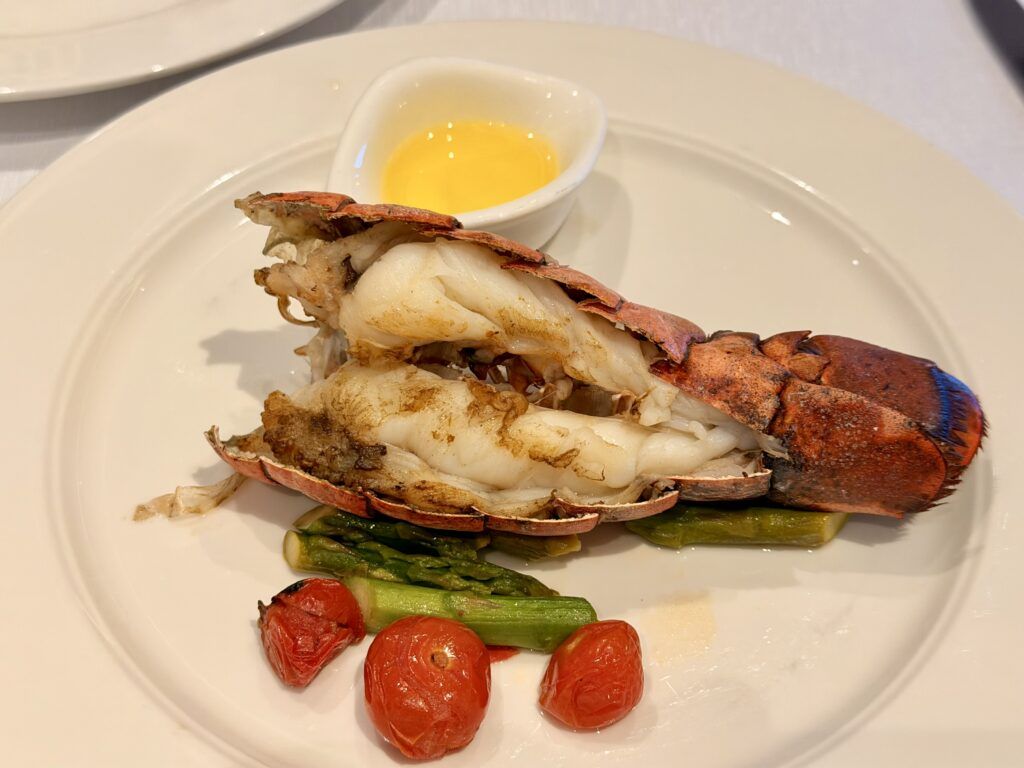
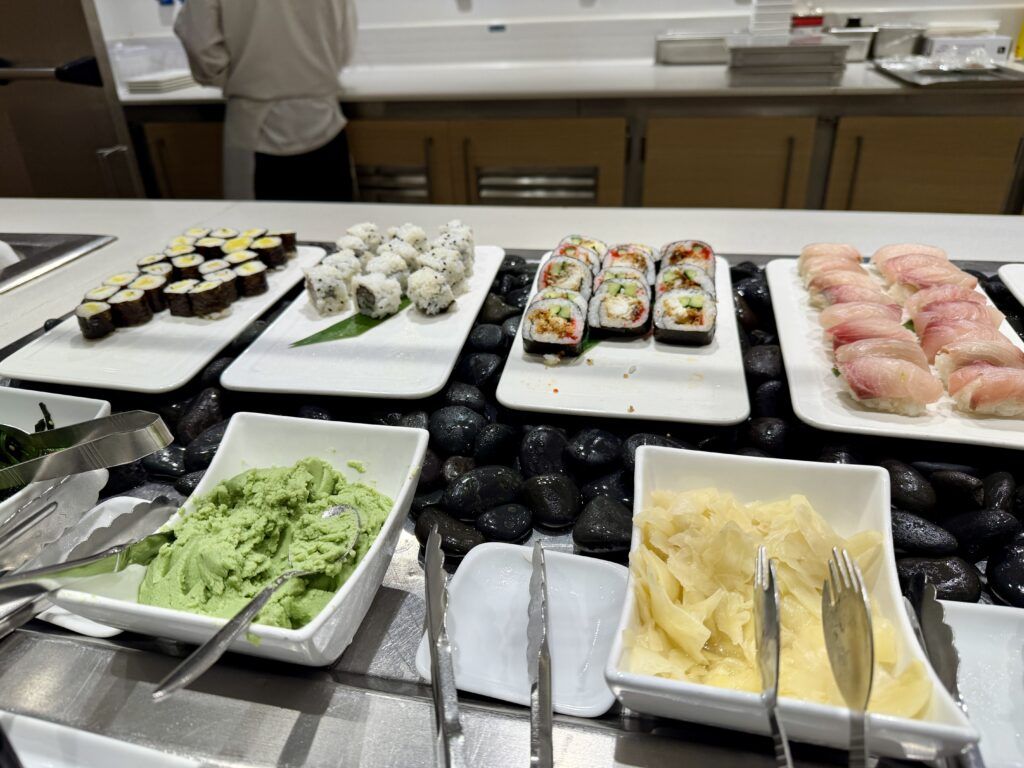
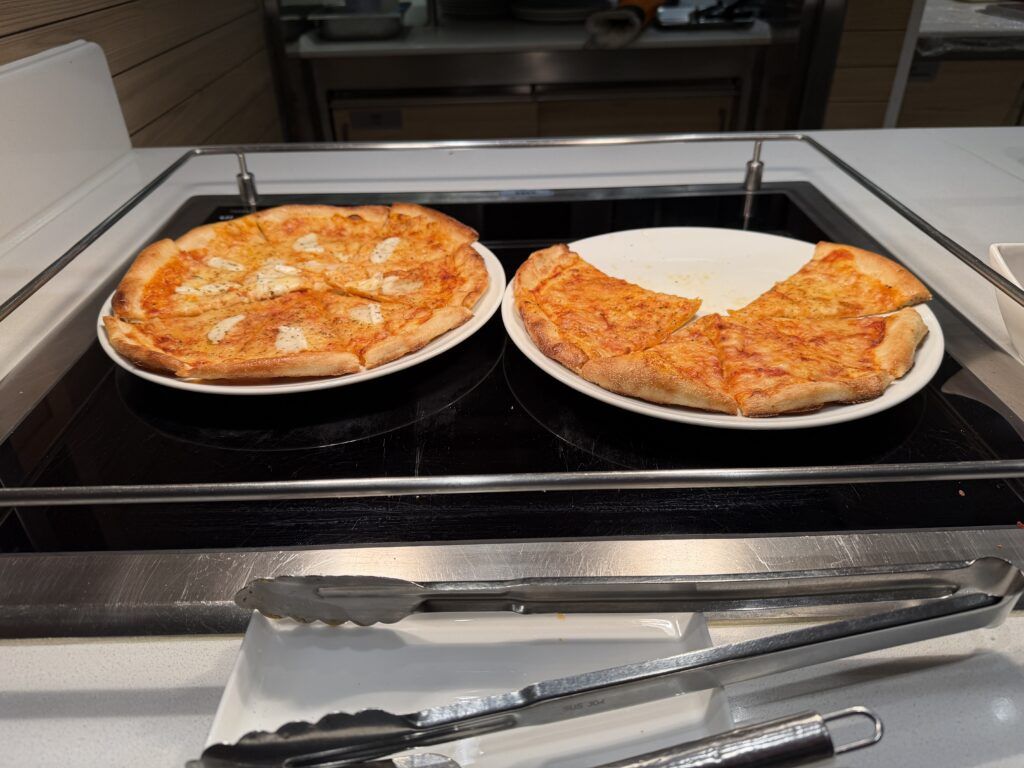
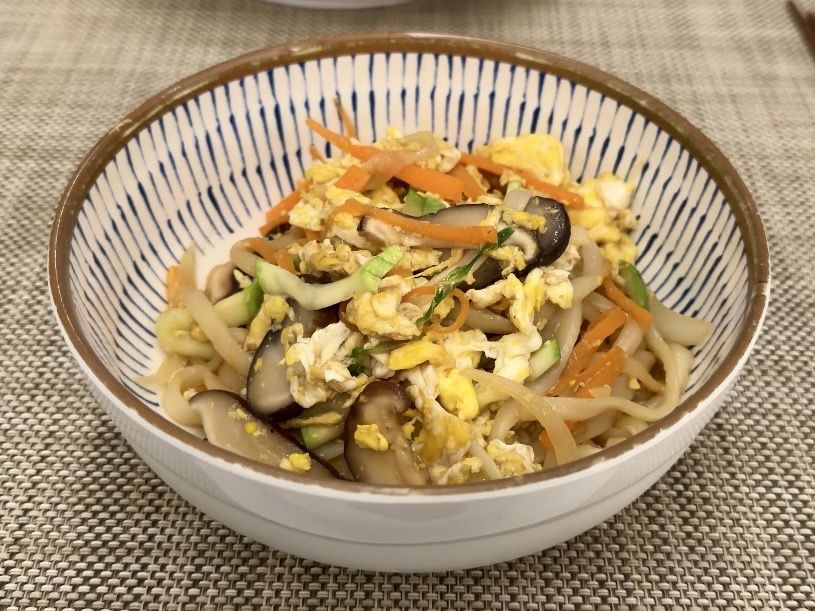
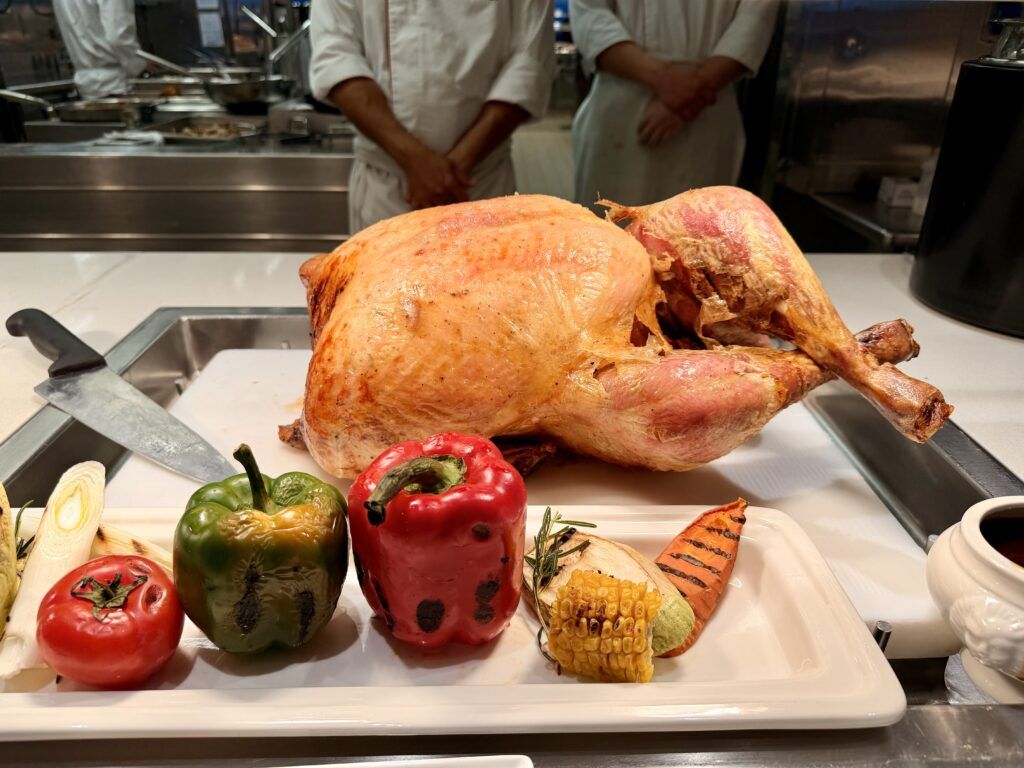
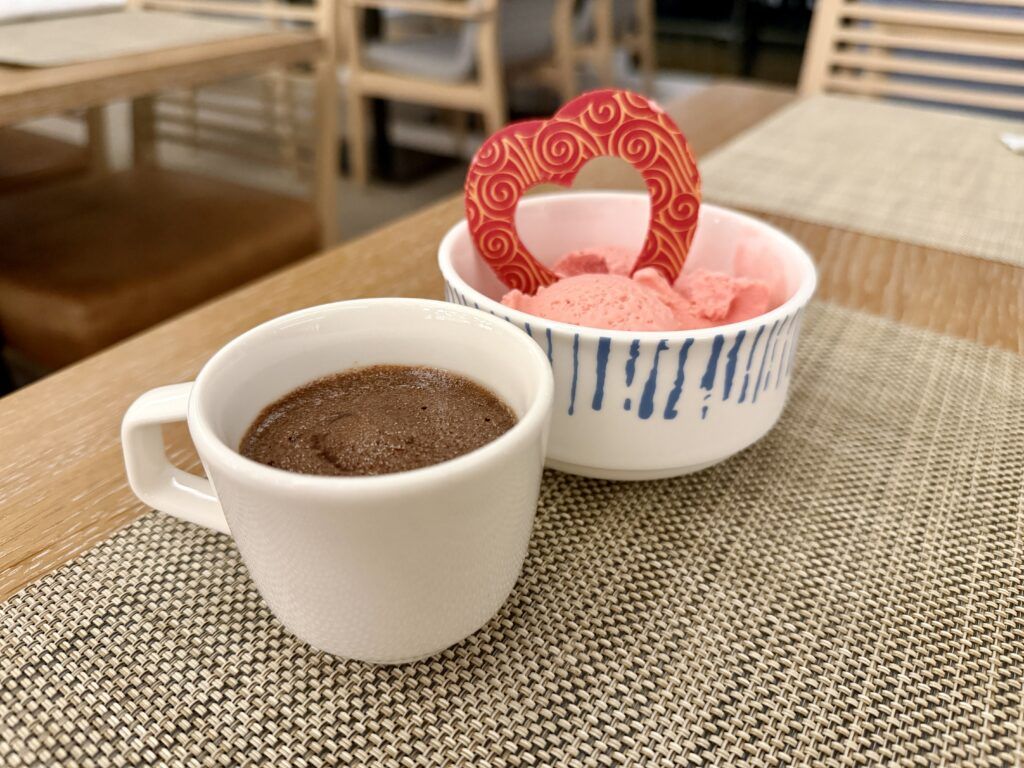
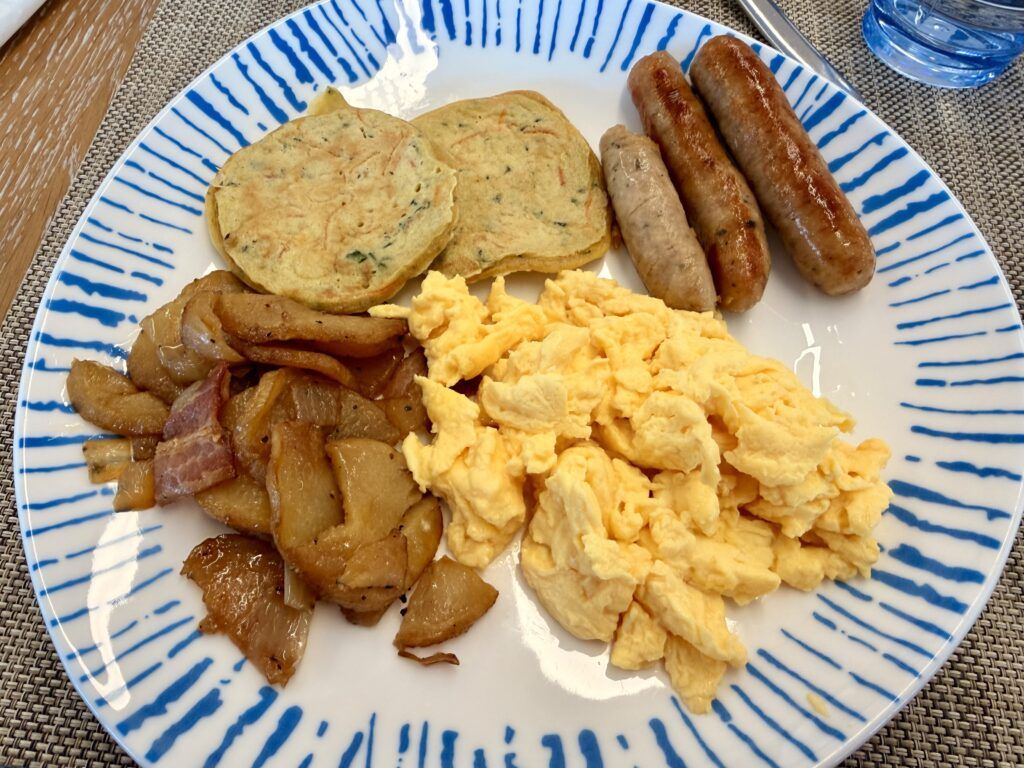
For both lunch and dinner, the World Cafe delivered plenty of variety. The Japanese selections included sushi, sashimi, and rotating hot dishes. In addition, familiar Western options such as a Caesar salad bar, sandwiches, and pizza were always available. Asian-influenced dishes we enjoy at home, including fried rice, noodles, and stir-fried options with pork or chicken were served as well. The breakfast spread covered all the typical Western staples alongside a dedicated Japanese breakfast section including Miso soup, steamed rice, grilled fish, and pickled vegetables.
Additional Dining Venues
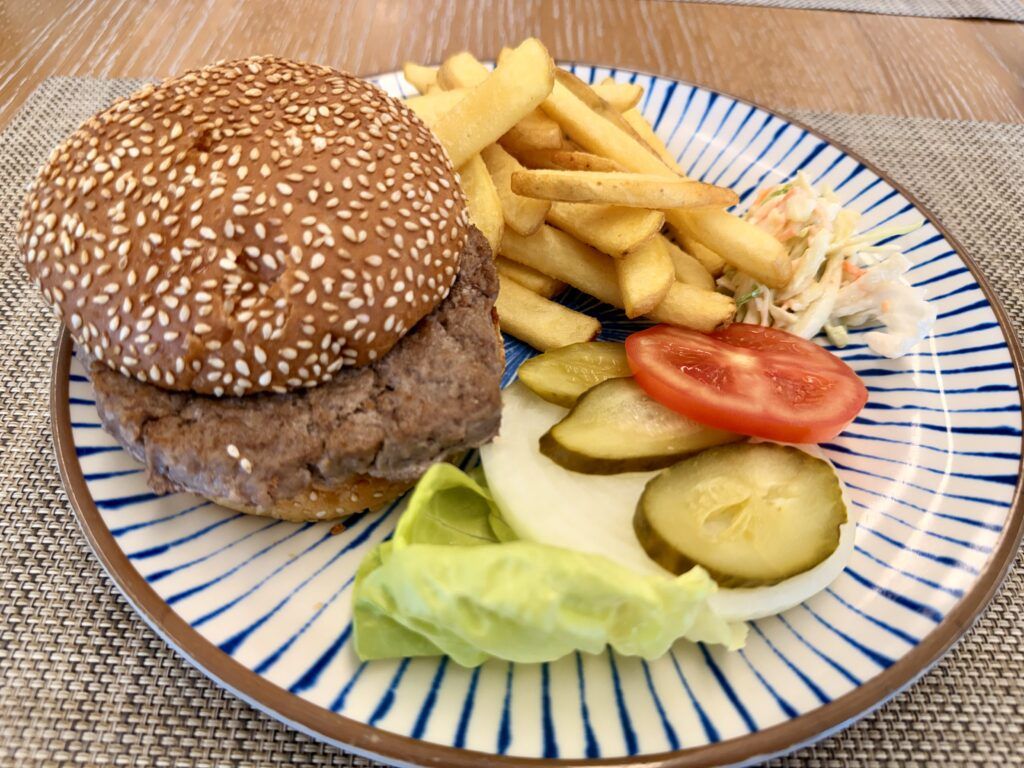
The Pool Grill delivered its usual casual lineup of burgers, salads, and grilled items. One regional addition stood out. Each day featured a hot pot offering with two different broth and ingredient combinations. This venue worked well as a midday option on sea days.
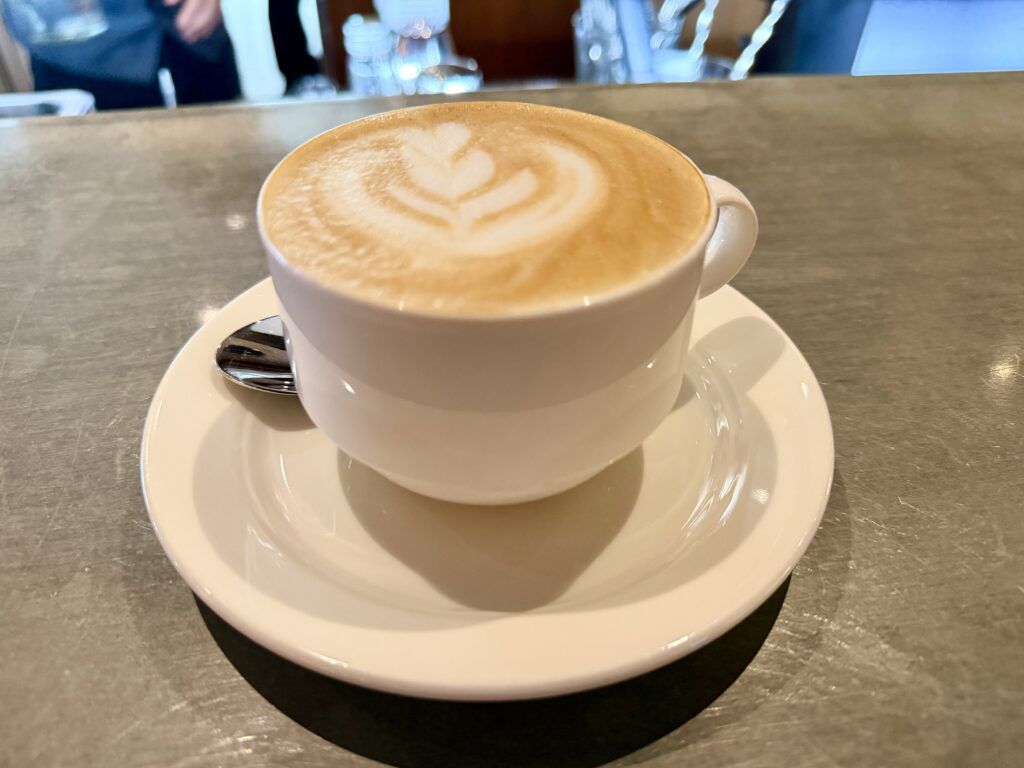
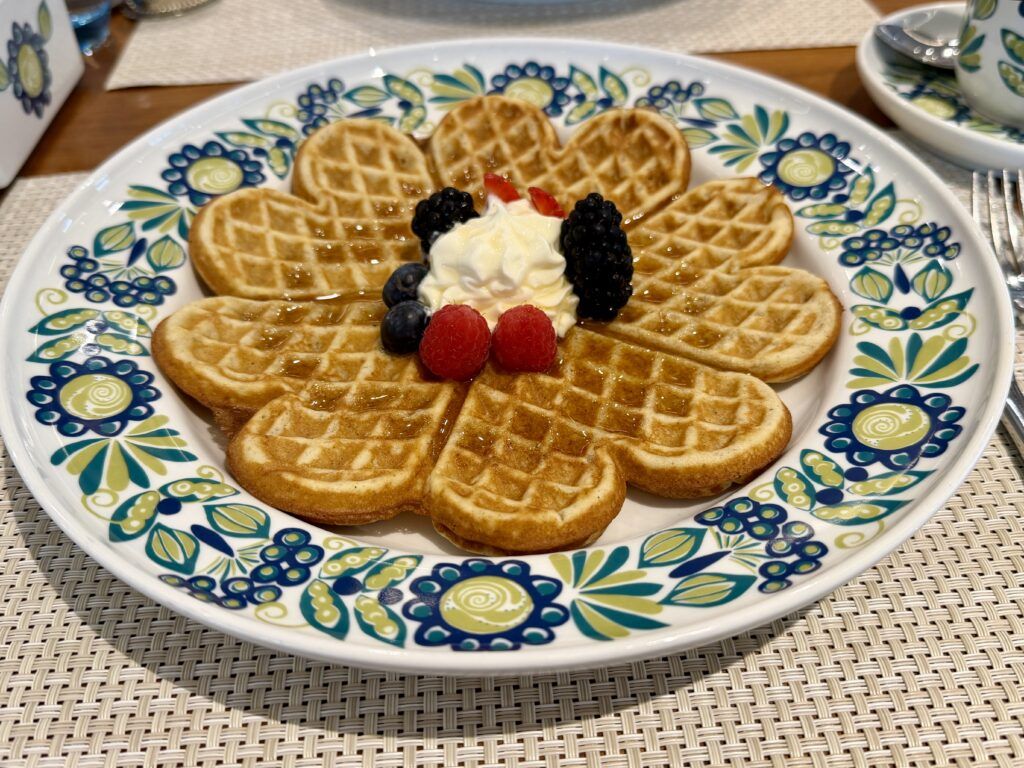
For lighter fare and snacks throughout the day, the Living Room bar kept a steady rotation of cookies, muffins, pastries, and open-faced sandwiches on hand. It also served as our go-to stop for morning and midday lattes and espresso drinks. Meanwhile, Mamsen’s offered its famous and delicious Norwegian waffles, breakfast pastries, and similar snacks and sandwiches in the afternoon and late evening.
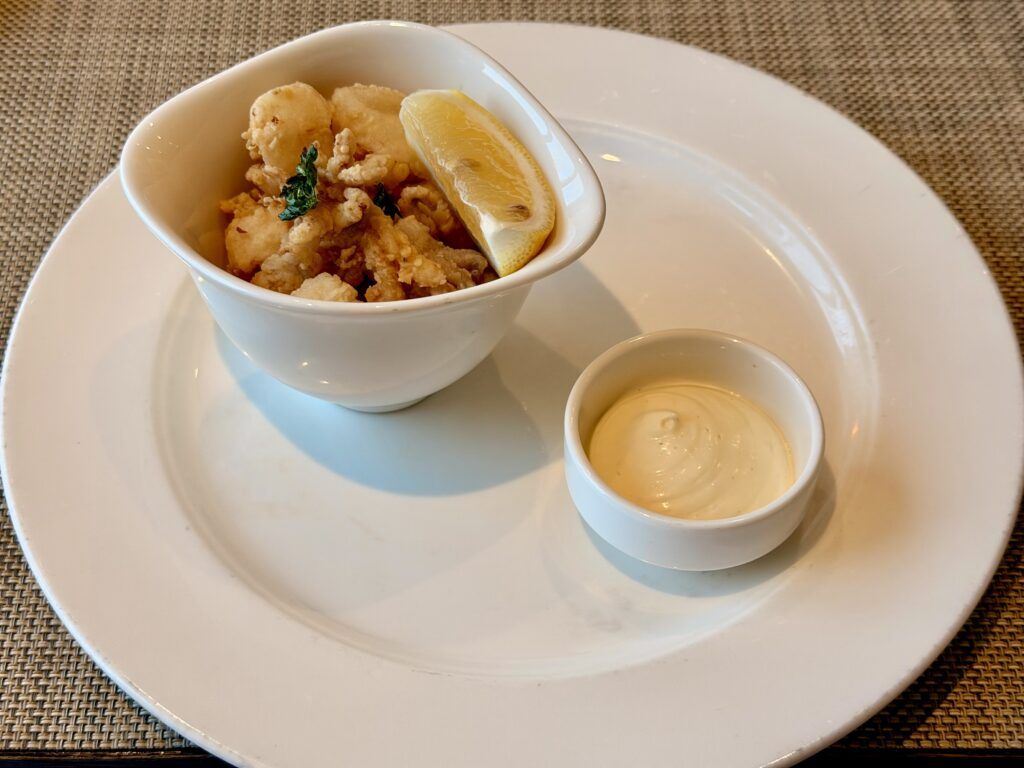
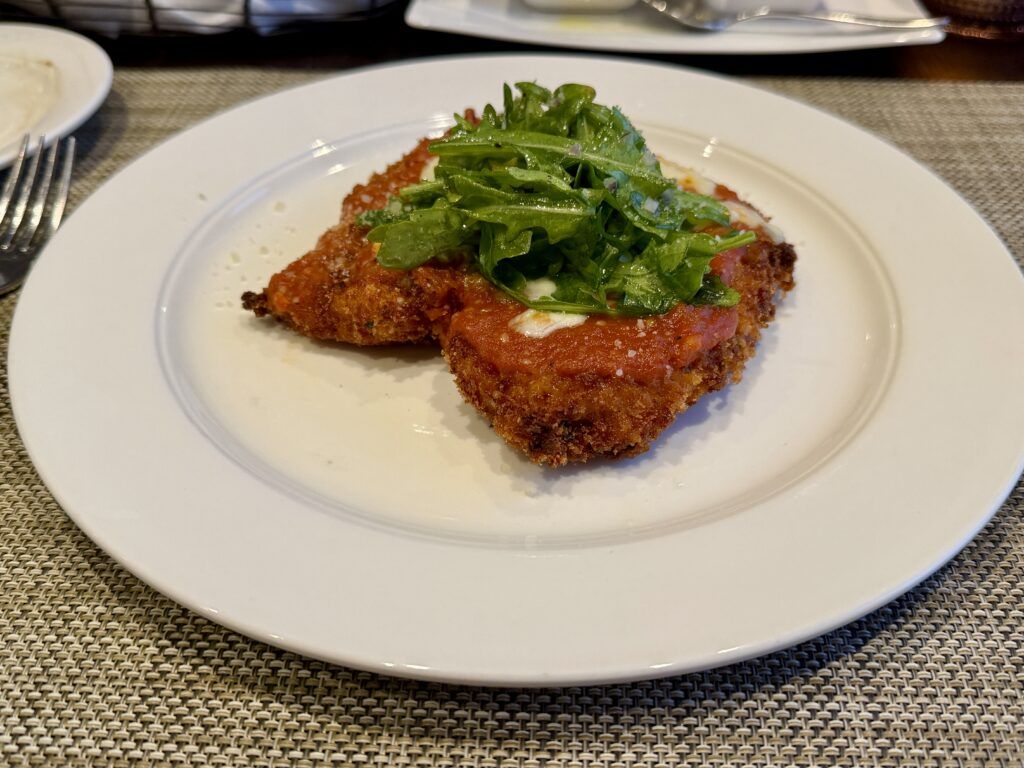
Manfredi’s is a Viking staple, serving classic Italian fare. We dined at Manfredi’s twice, and the menu did not disappoint on either visit. The fried calamari was crispy and fresh, and the buffalo mozzarella was light and flavorful. Across the two dinners, we enjoyed entrees like chicken parmesan and several pasta dishes. Both meals lived up to our previous experience at this restaurant on other Viking cruises.
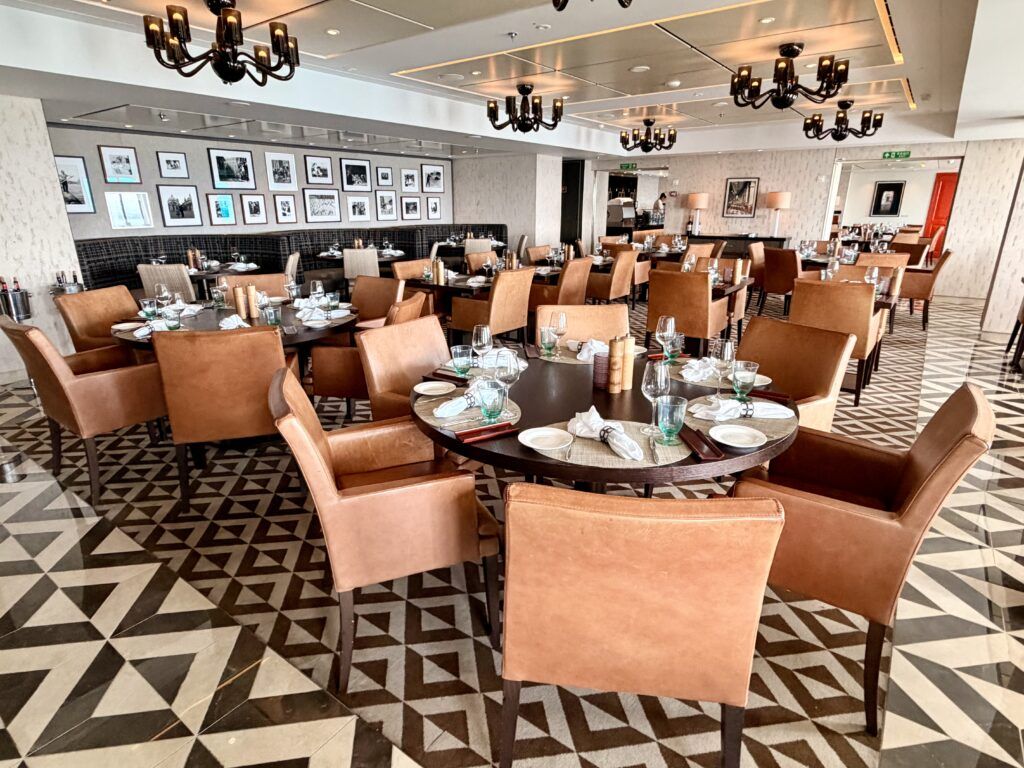
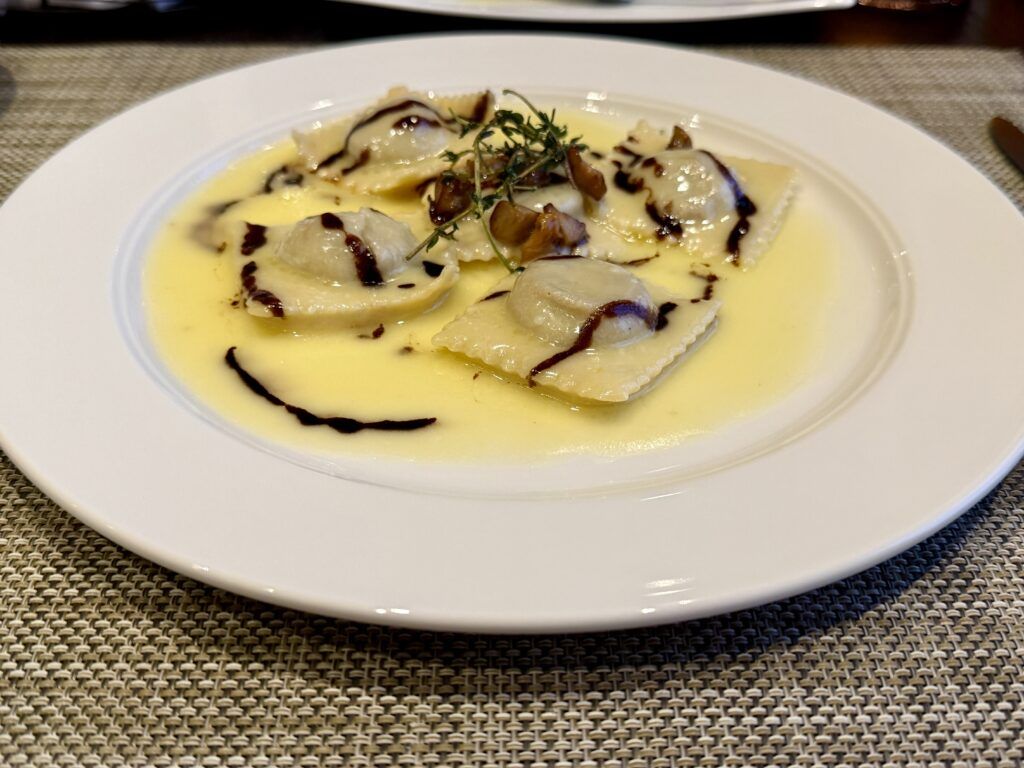
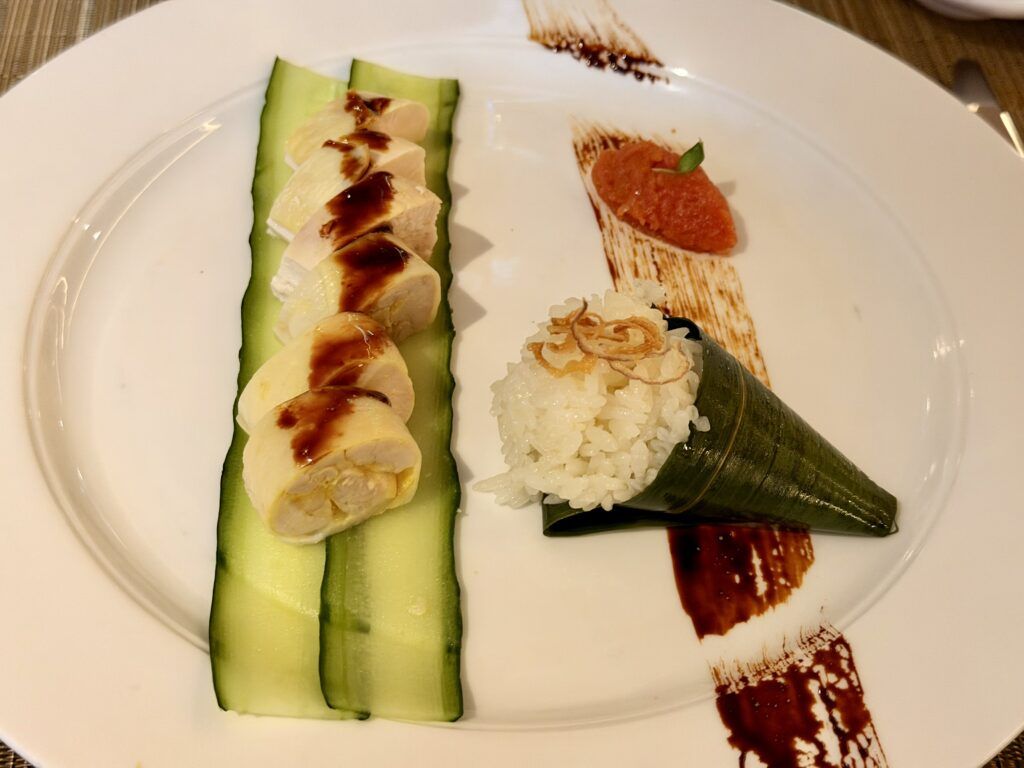
The Chef’s Table rotated through three different menus across this sailing. We chose the Singapore menu on night three. This 5-course menu started with a chili crab amuse bouche which was spicy and sweet. The Hainan chicken main course was equally impressive. Of course, all menus in The Chef’s Table come with a wine pairing as well. The kitchen was great at creating vegetarian alternatives for the seafood courses for Heidi.
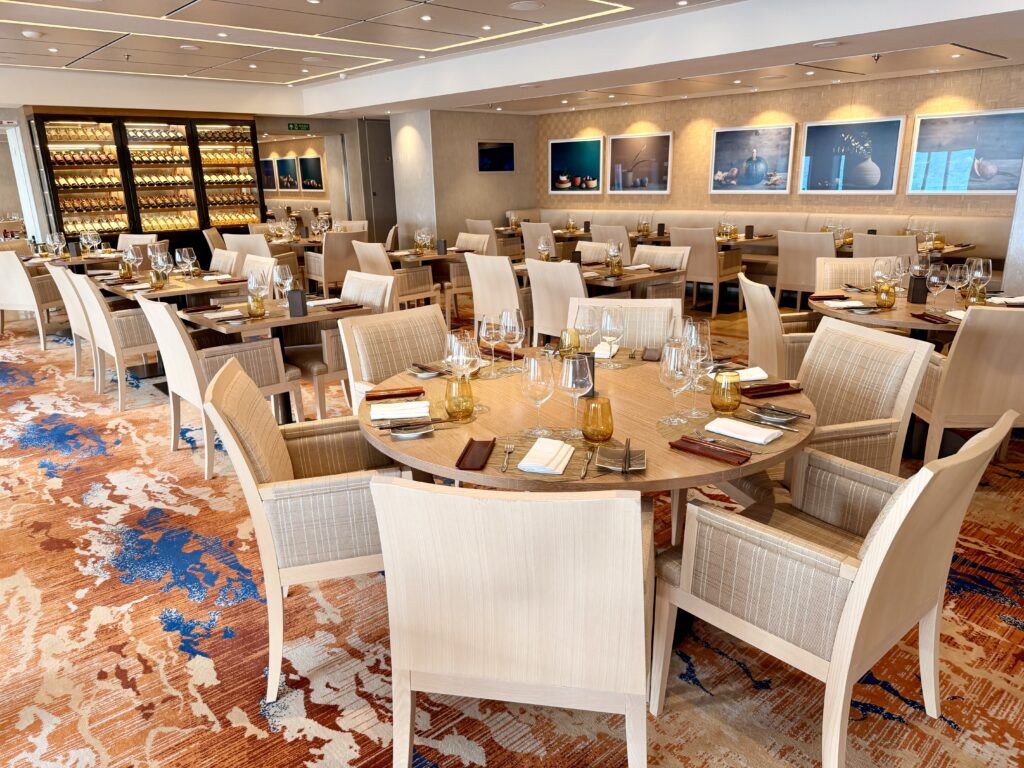
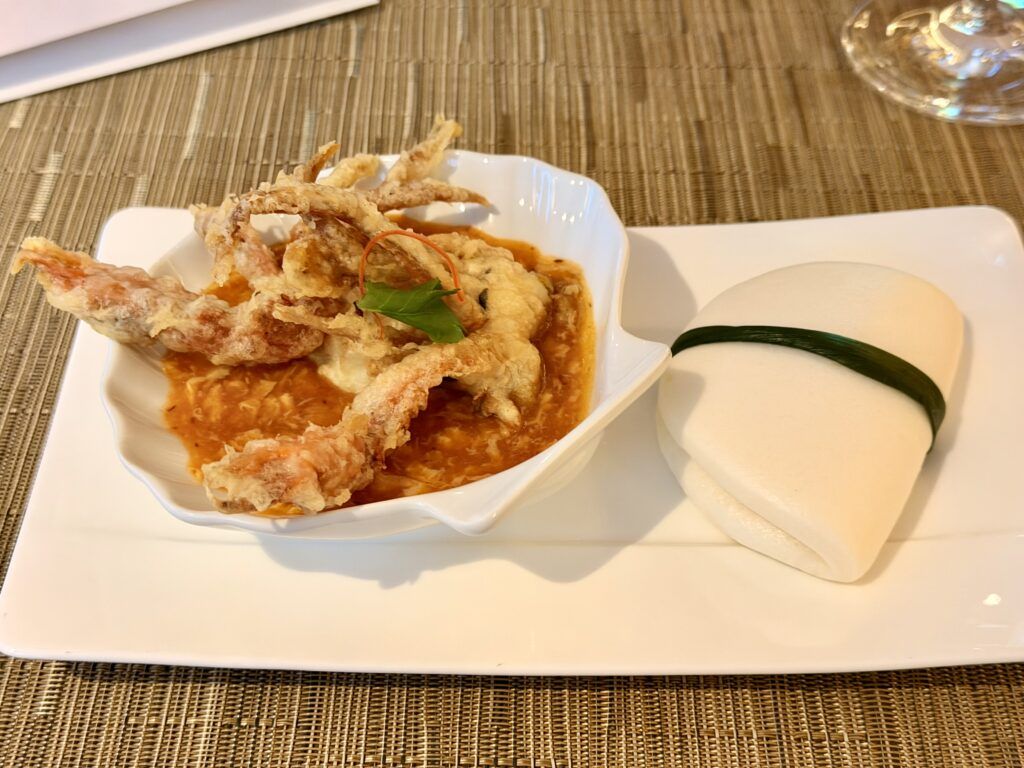
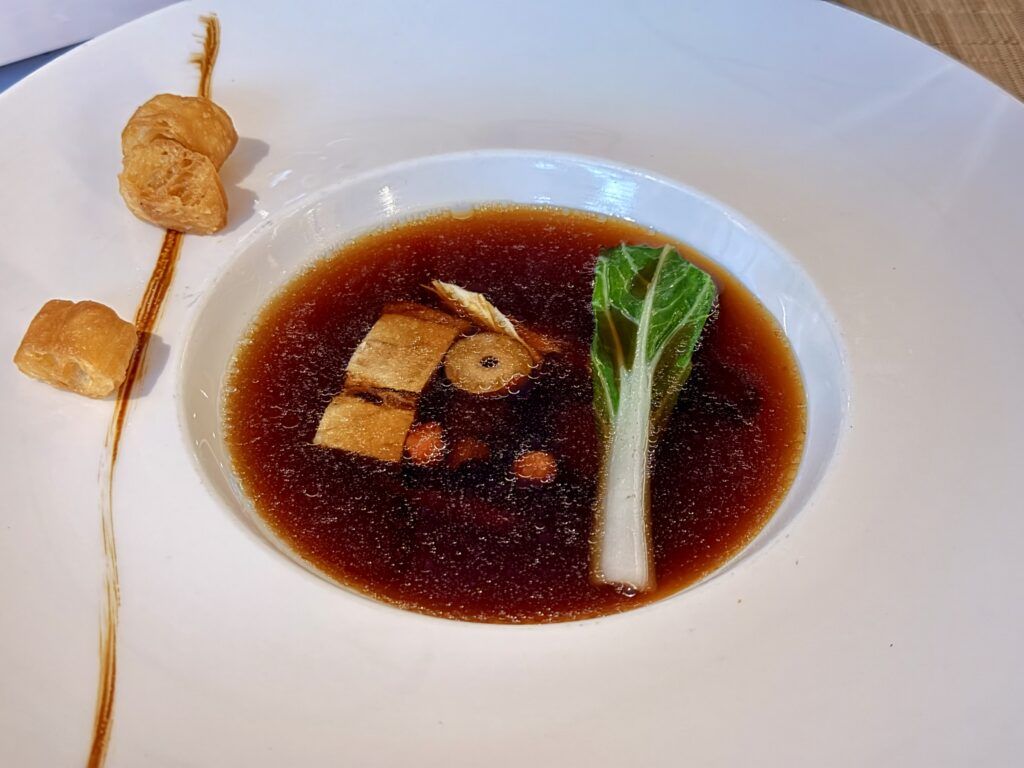
The Japanet Cruise Itinerary
Across our 14-night land and sea itinerary, we visited a total of 9 ports of call. Many of these locales were off-the-beaten path destinations that most Western cruise lines don’t visit. For the pre-cruise and post-cruise stays, there were a couple of shore excursion options from which we could choose. For the seven ports of call on the cruise, all English-speaking guests took the same tour (no choices were available).
Shore Excursions: How the Program Works
Each evening, Japanet delivered the daily newsletter to our stateroom. It detailed the following day’s tour departure time, meeting location, and excursion highlights. We were assigned Group 1 for all our tours, meaning we were with the same individuals each day and had the same tour guide. Our English-speaking guide, Saito, proved to be a wealth of knowledge from start to finish.
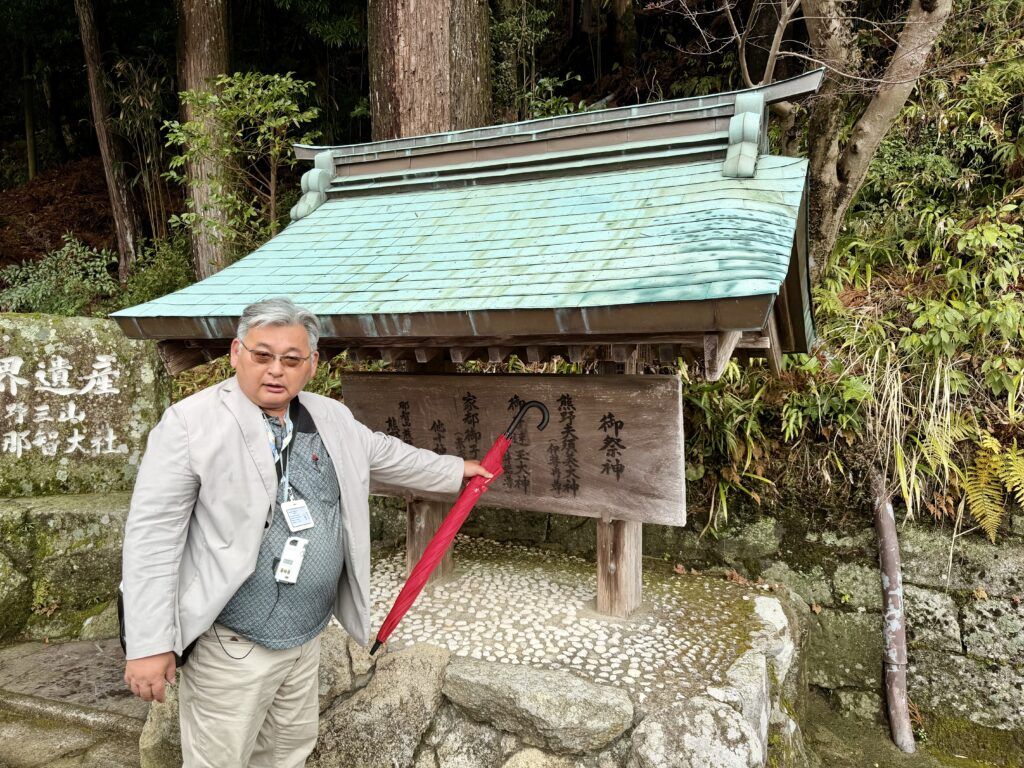
Most tours ran six hours or more. On top of that, nearly all of them included either lunch or dinner. Many of these meals were elaborate, multi-course offerings featuring abundant seafood selections. Whether local restaurants could accommodate Heidi’s dietary requests was hit-or-miss.
Overall, we enjoyed every tour. Japanet’s excursions felt more elevated and in-depth than those offered by most cruise lines and certainly better than Viking’s typical included tour options. Even though there wasn’t much choice, every tour was unique with cultural experiences that felt authentic and less touristy.
Our one wish was that fewer tours included a mandatory meal. We’re not the kind of cruisers who want to spend 90+ minutes of a short port stay stuck in a restaurant. We always use our time ashore to see and do as much as possible. More free time would have been welcome, along with the flexibility to choose our own food on occasion. When we did have free time, it often felt rushed. Plus, we think that having two or three elaborate meals during the voyage, as opposed to every day, would have made them feel more special.
A Day in the Ancient Capital of Kamakura
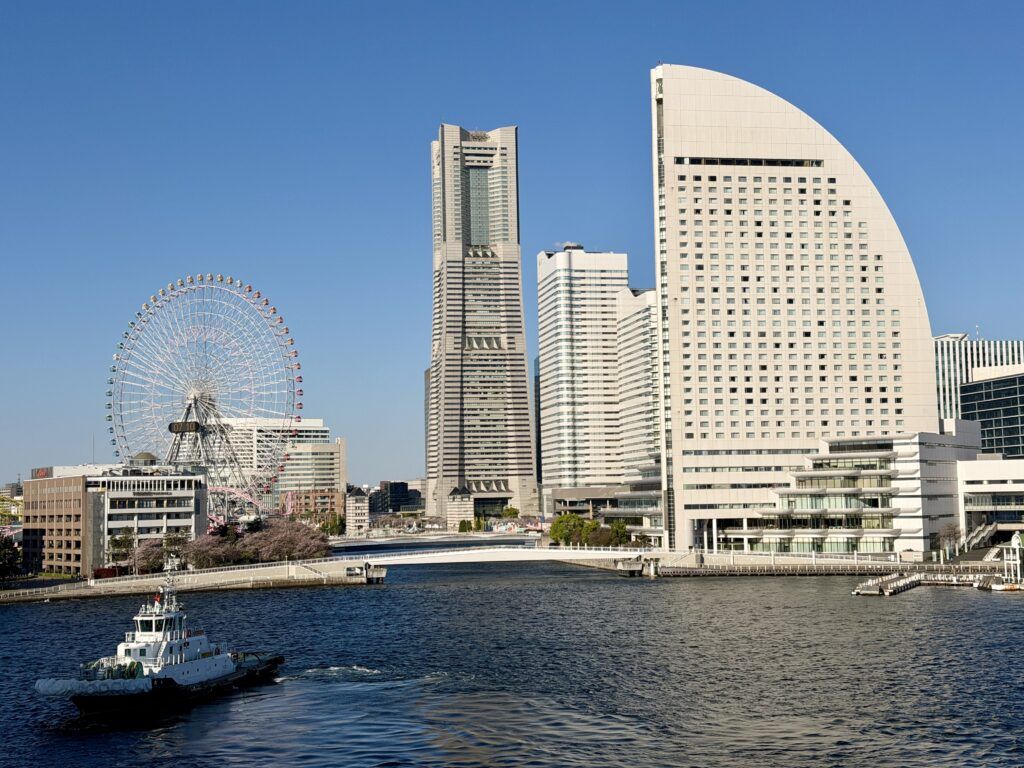
Japanet’s pre-cruise land tour started with two nights at the InterContinental Yokohama Pier 8. The hotel sits directly on the waterfront and offers clear views of the harbor.
For our first full day, we chose the Kamakura tour. This ancient capital, about an hour south of Yokohama, set a high bar for everything that followed. Our guide, Dori, deserves much of the credit. She was friendly, knowledgeable, and made every stop more enjoyable. Sunny skies and mild weather helped too.
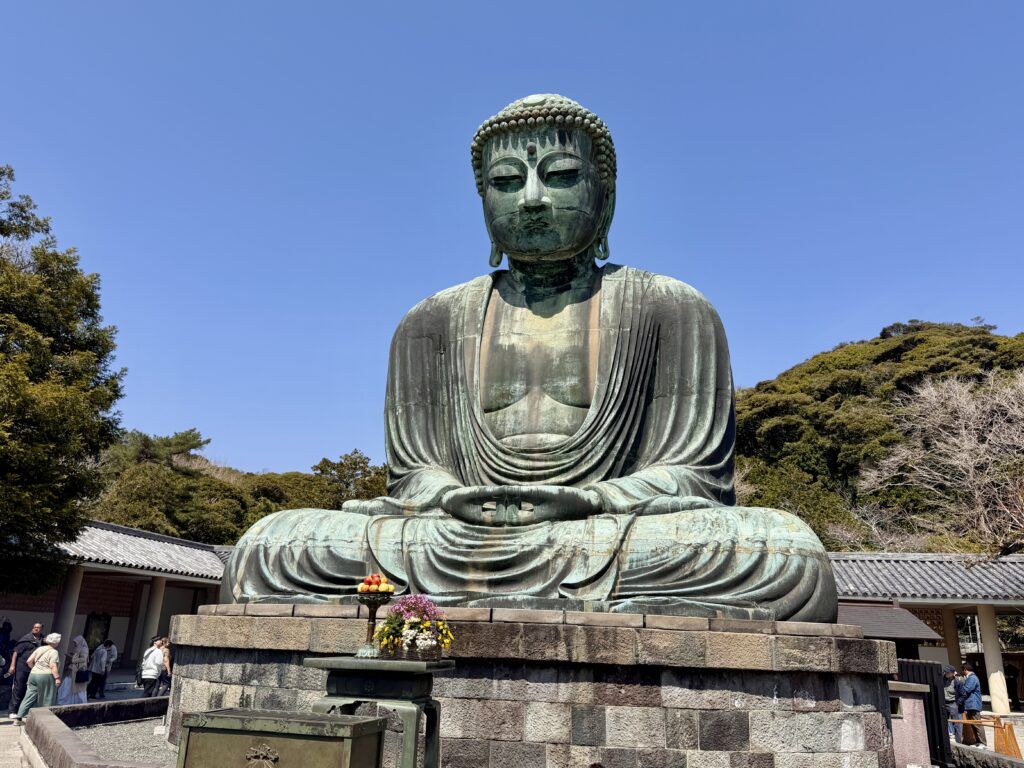
Our first stop was Kotoku-in Temple, home to the Great Buddha of Kamakura. The bronze statue stands 13 meters tall and has stood here for over 750 years. It is so large that you can actually go inside.
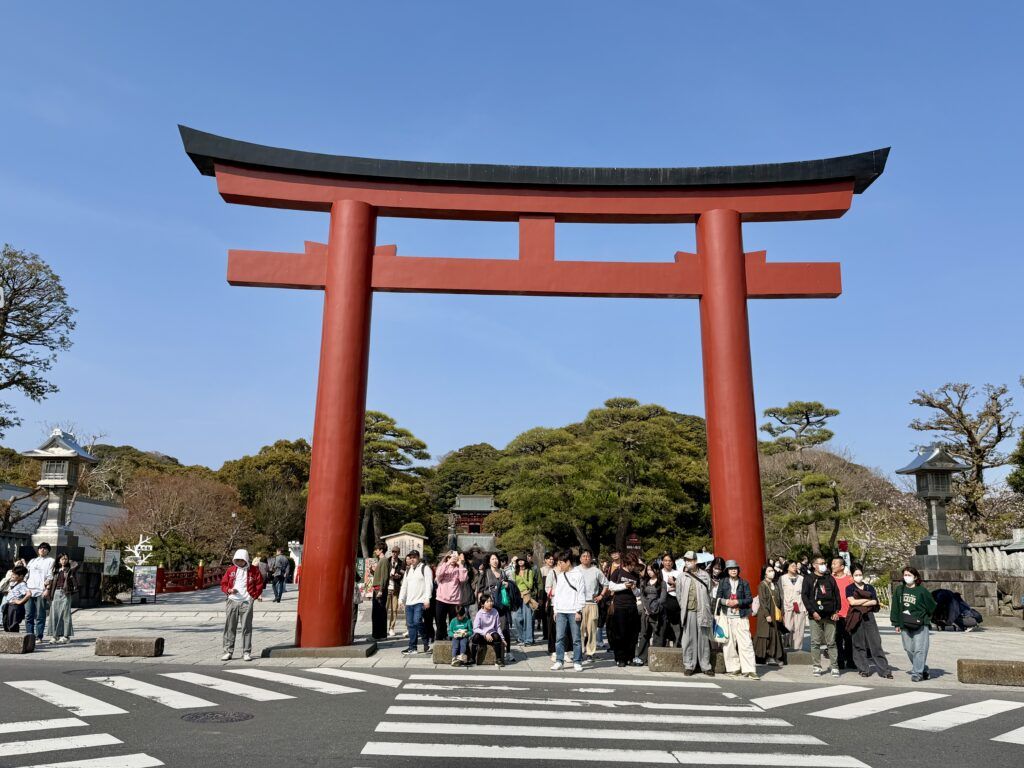
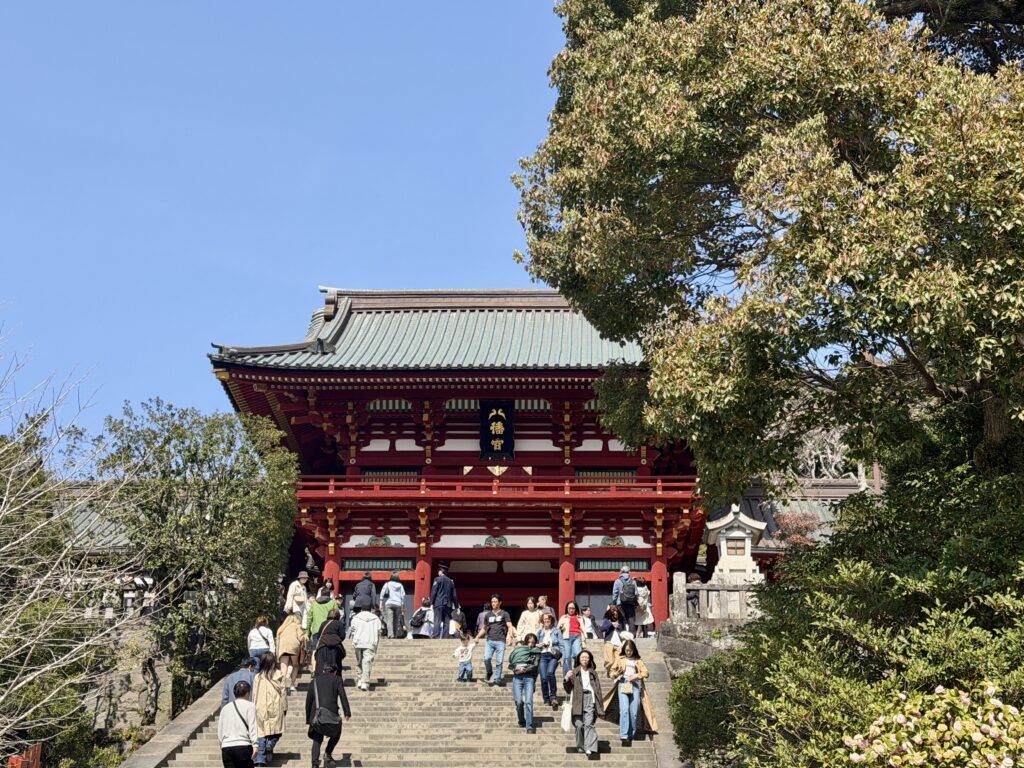
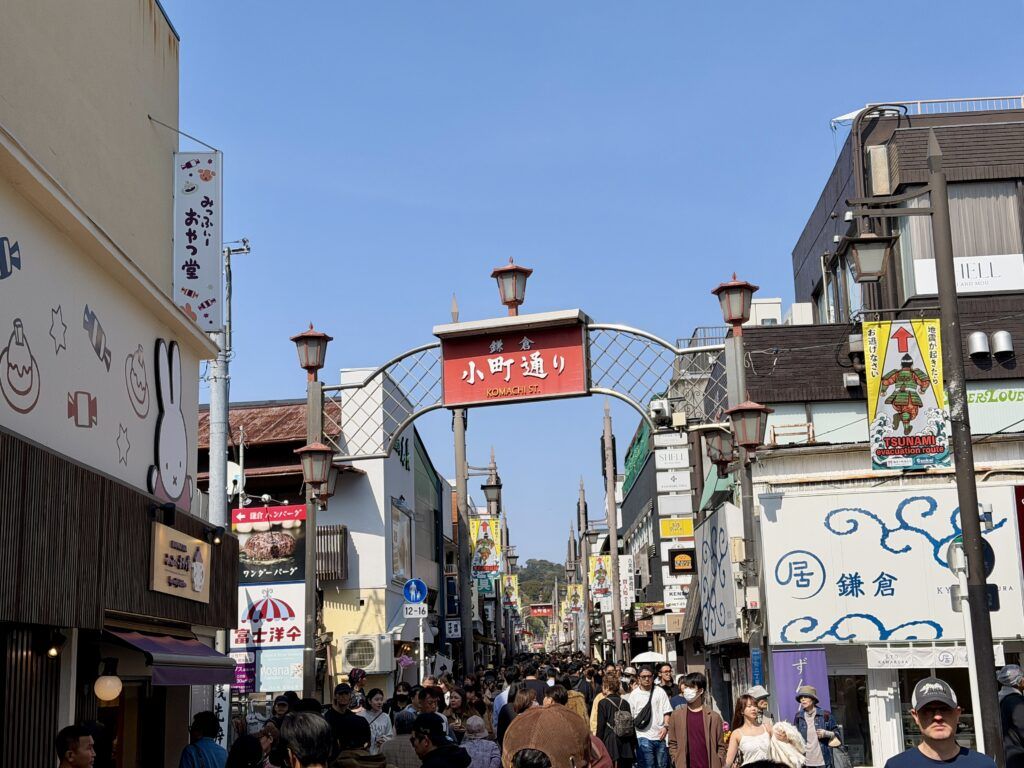
From there, we visited Tsurugaoka Hachimangu, the most important Shinto shrine in Kamakura. Founded in 1063 and expanded in 1180, it anchors the city both physically and historically. The shrine sits at the far end of Komachi-dori shopping street, where we had free time to explore. This lively 360-meter stretch lines up over 250 shops, cafes, and restaurants.
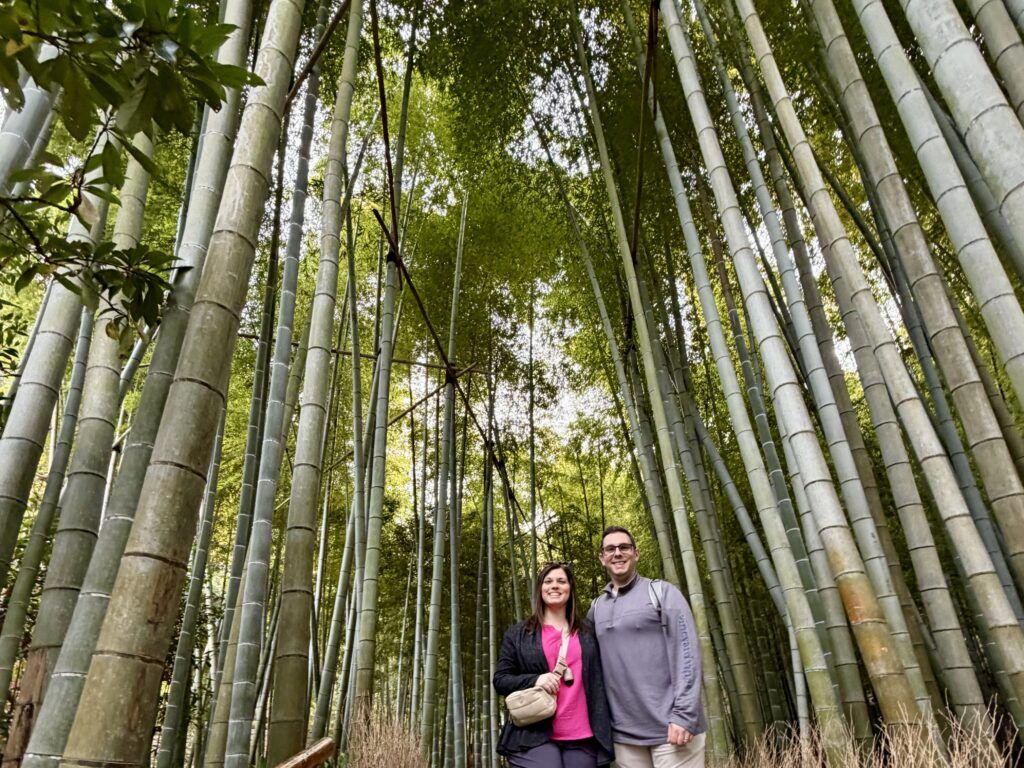
The afternoon took us to Hokokuji Temple, known throughout Japan as the Bamboo Temple. We enjoyed a private viewing of the celebrated bamboo garden. It was serene, beautiful, and having the grounds all to ourselves made it even more special.
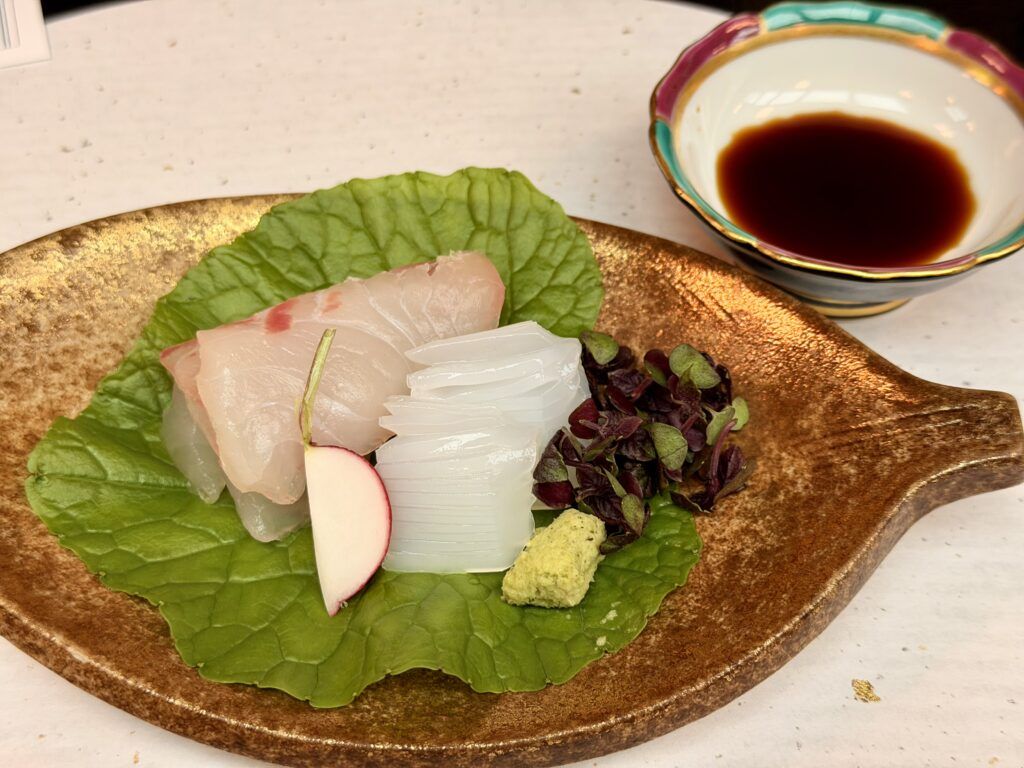
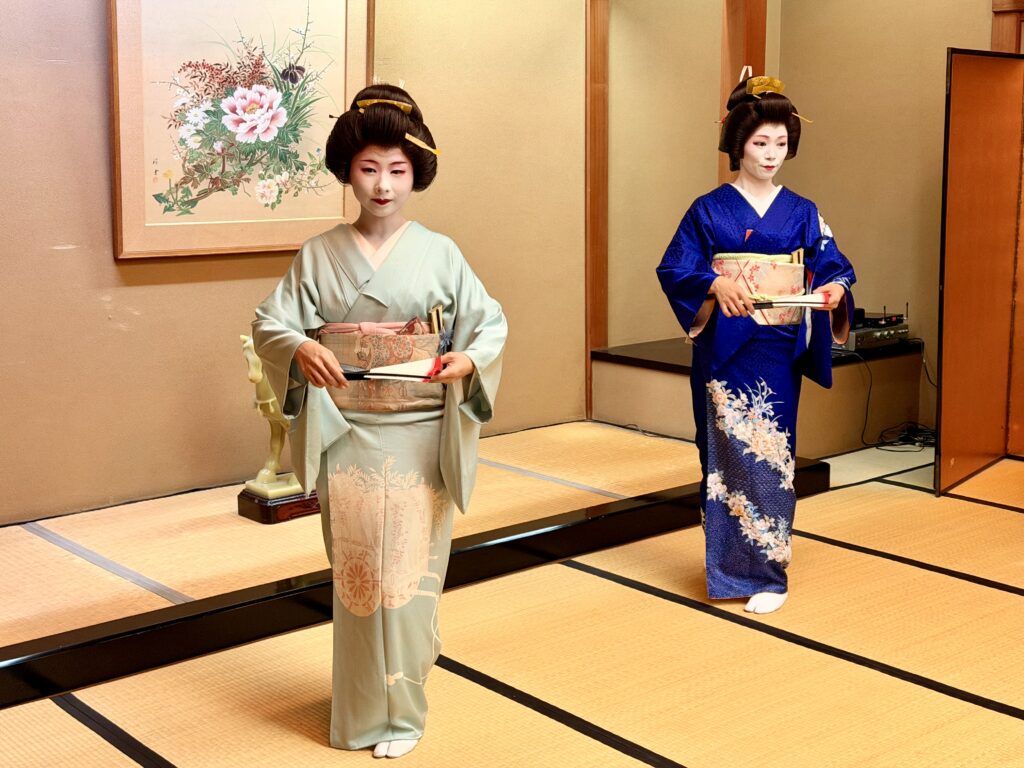
To close out the day, Japanet hosted a Welcome Party at a traditional inn. The multi-course dinner delivered our first real taste of Japanese hospitality. A geisha performance accompanied the meal. The evening also gave us a chance to meet the Japanet staff and connect with the entire group of American cruisers for the first time.
Embarkation Morning: Cup Noodles Museum and Yokohama Chinatown
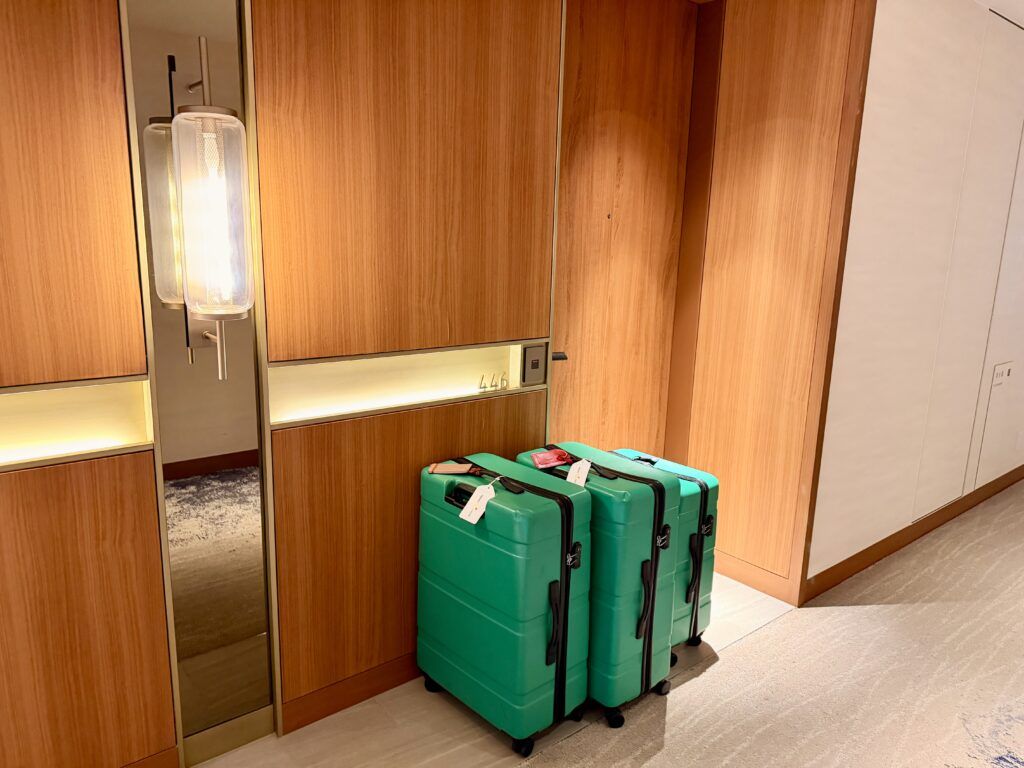
We woke up early on embarkation day to a clear sunny morning. We could already see Viking Yi Dun docked right next to the hotel. We packed our larger bags and left them in the hallway for direct delivery to our stateroom on the ship and joined Japanet’s optional morning tour.
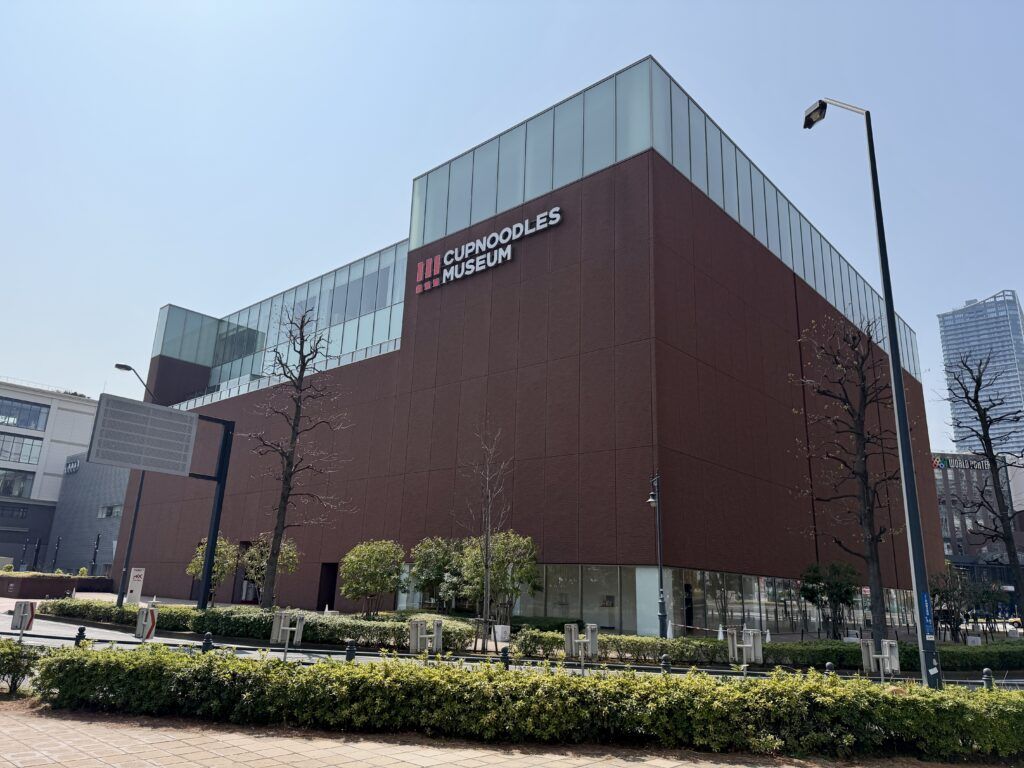
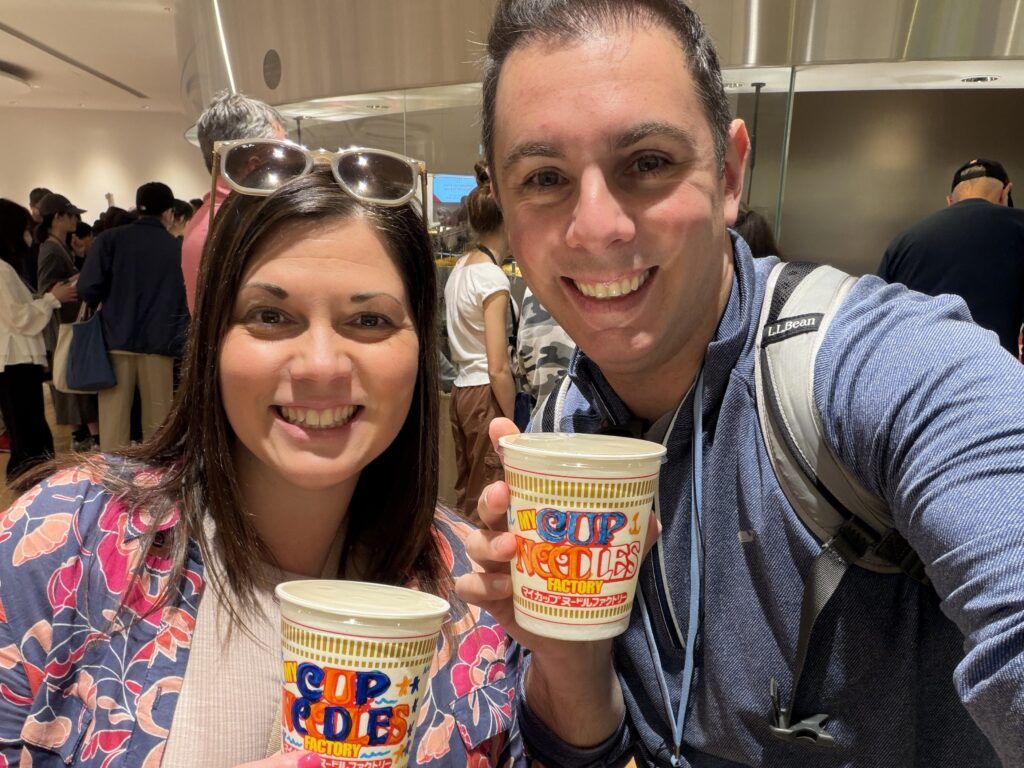
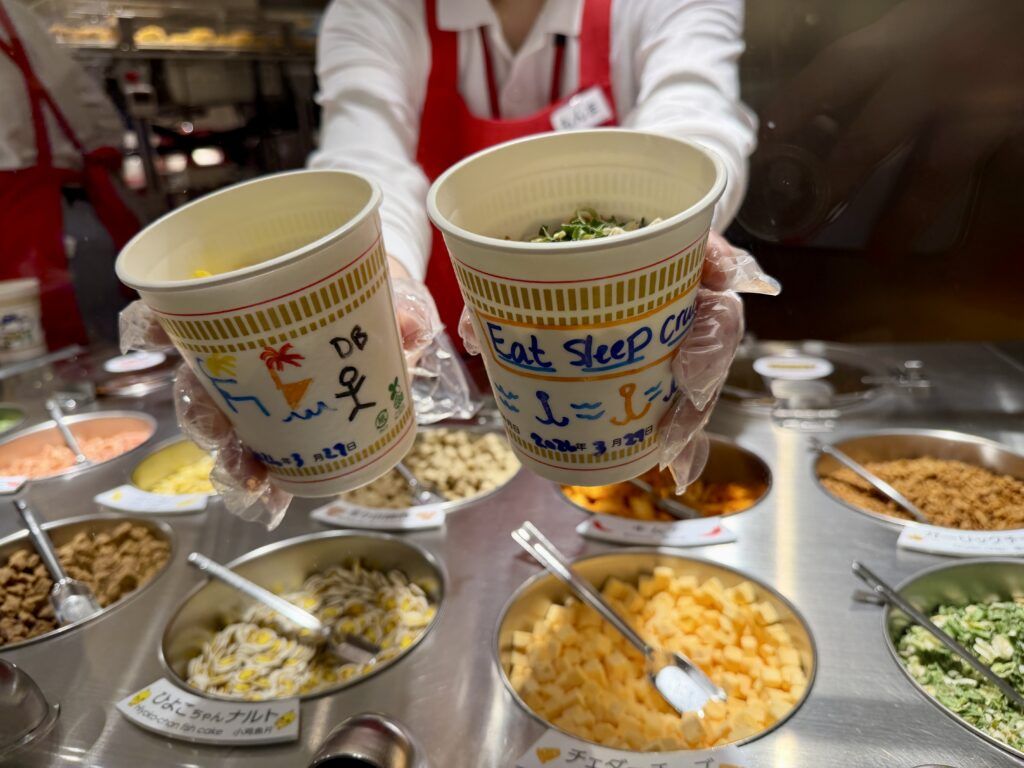
Our first stop was the Cup Noodles Museum Yokohama. This museum pays tribute to Momofuku Ando, the inventor of instant ramen. The highlight was the My Cup Noodles Factory experience. We each customized our own cup from start to finish. We will leave it up to you whose design looked better. Afterward, we spent about an hour exploring the other exhibits on our own.
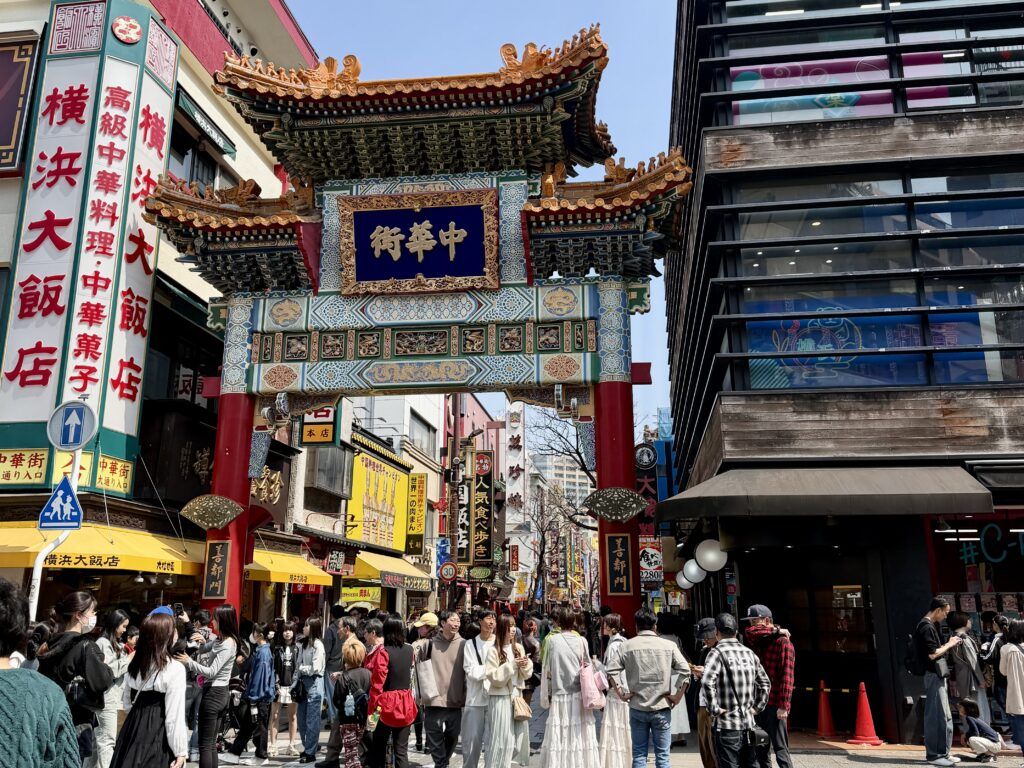
From there, we headed to Yokohama Chinatown. It ranks among the largest Chinatowns in Japan, with more than 600 restaurants packed into a compact, gate-lined neighborhood. Lunch was a multi-course spread of Chinese delicacies.
With lunch wrapped up, our bus returned us to the hotel to grab our day bags, and we walked to the terminal adjacent to the hotel. The entire check-in process was efficient, and we were on the ship in no time. With our bags already in our stateroom, we were settled aboard Viking Yi Dun by mid afternoon.
The ship departed promptly at 4 PM, and with that our adventure around Japan was officially underway.
Shingu: Kumano Nachi Taisha Grand Shrine
Day 2 of the cruise had us calling in Shingu. We set out with Saito for the first of many tours together.
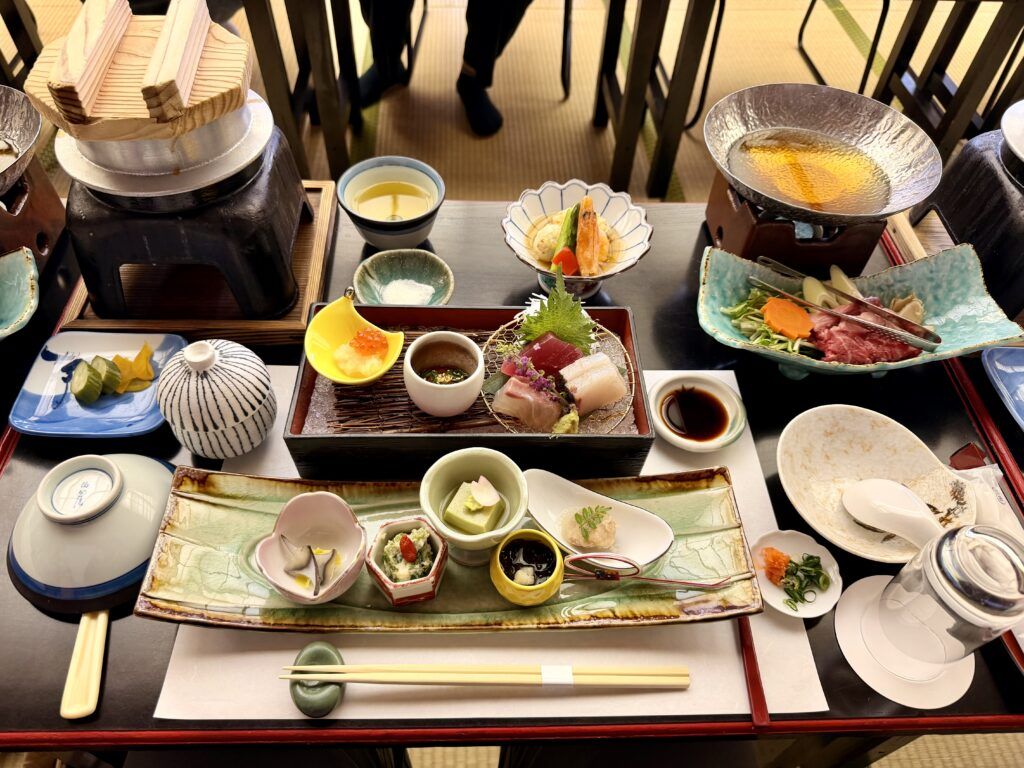
A 30-minute drive brought us to Manseirou, a long-established local inn overlooking the port. Lunch featured fresh raw tuna from Nachi-Katsuura, a town that lands more fresh tuna than anywhere else in Japan. A course of Kumano Beef rounded out a memorable first meal ashore.
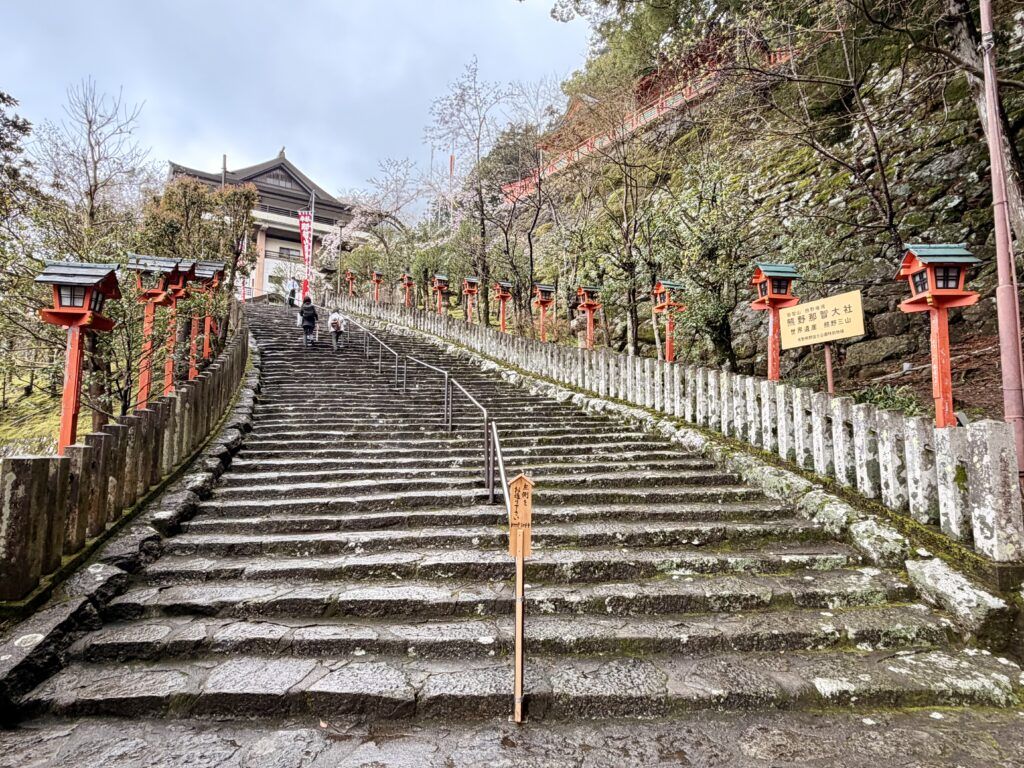
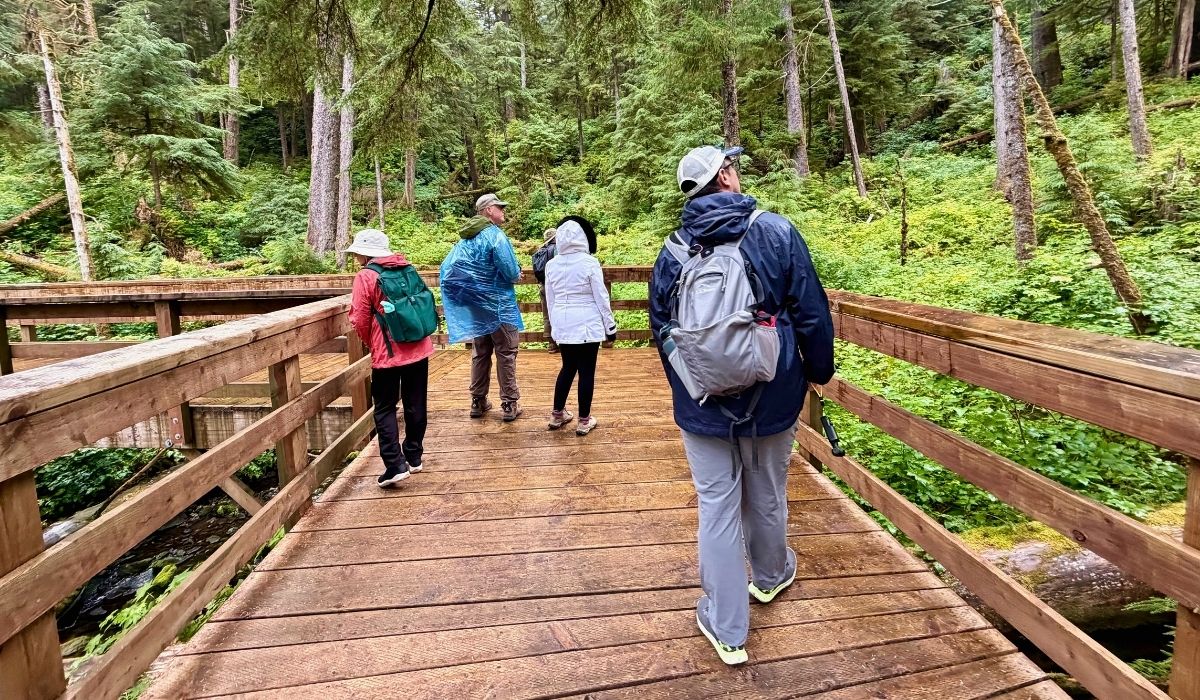
From there, a short ride brought us to the trailhead for the first real physical challenge of the cruise. The trek up to Kumano Nachi Taisha covers roughly 467 steps. I made the trek with a few fellow group members. Meanwhile, Heidi opted for the taxi ride to the top, which is also available.
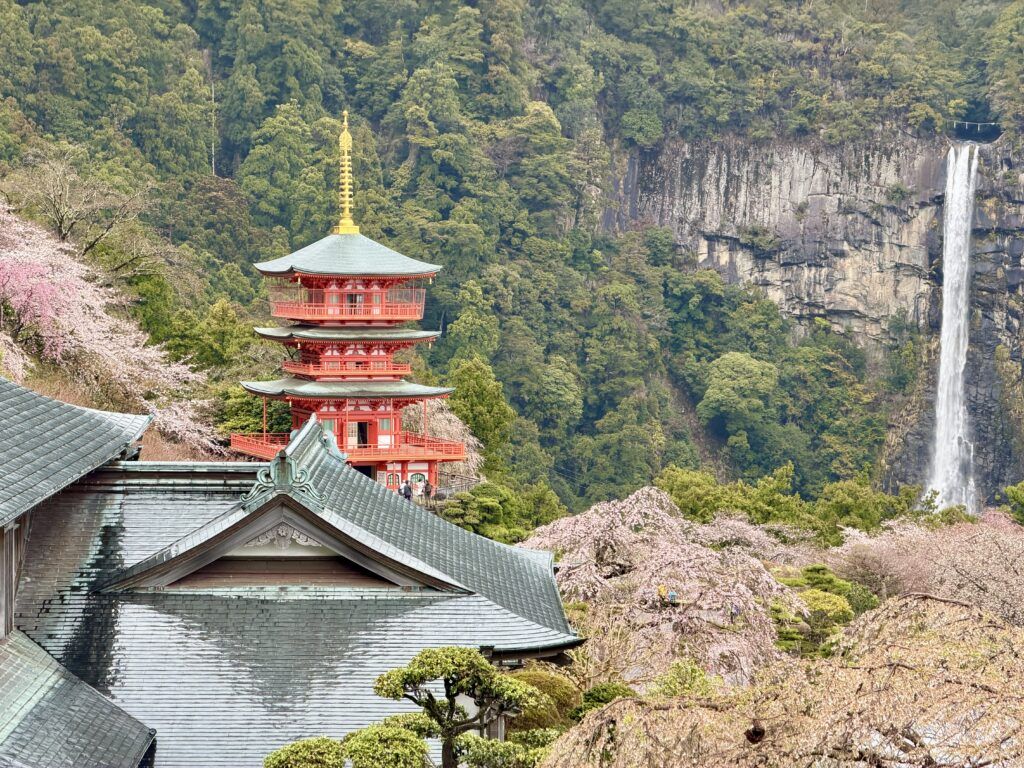
The grounds include both a Buddhist temple and a Shinto shrine. Together they form one of Japan’s three great Kumano shrines and a UNESCO World Heritage Site. The iconic view of the three-story pagoda framed against Nachi Falls is a sight to behold.
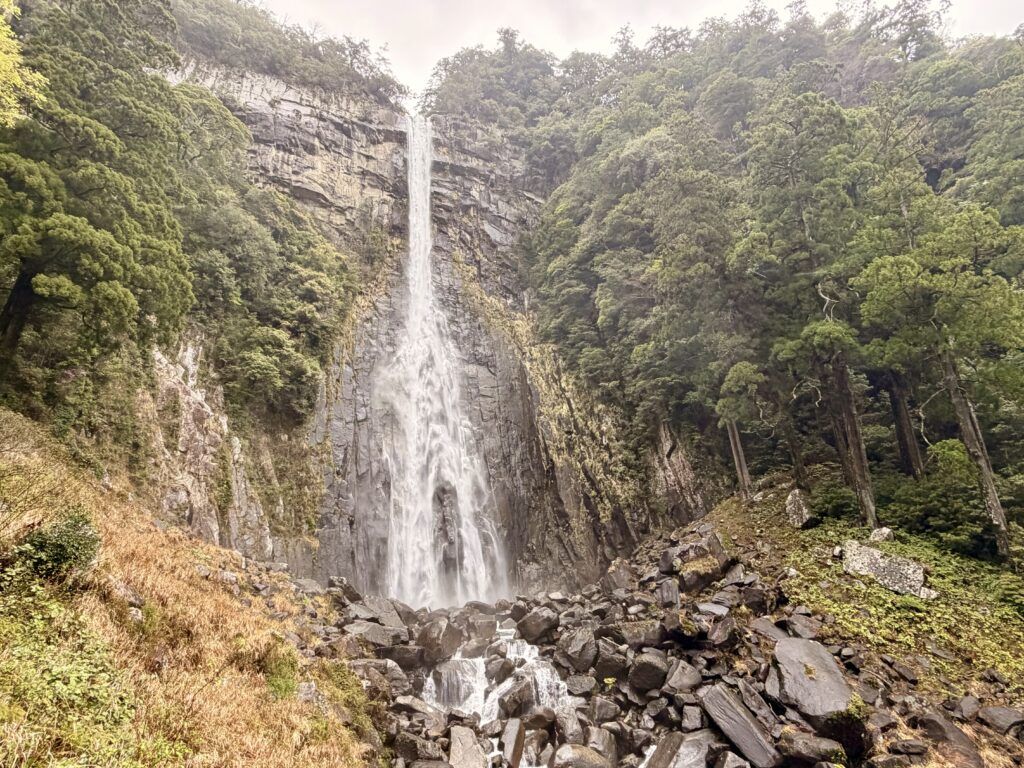
With heavier rains moving in by afternoon, we still tackled the 133 steps down to Nachi Falls to admire the views up-close.
Sasebo: Kujukushima Islands and Pearl Sea Resort
Sasebo gave us our first real sense of Japan’s extraordinary coastal geography.
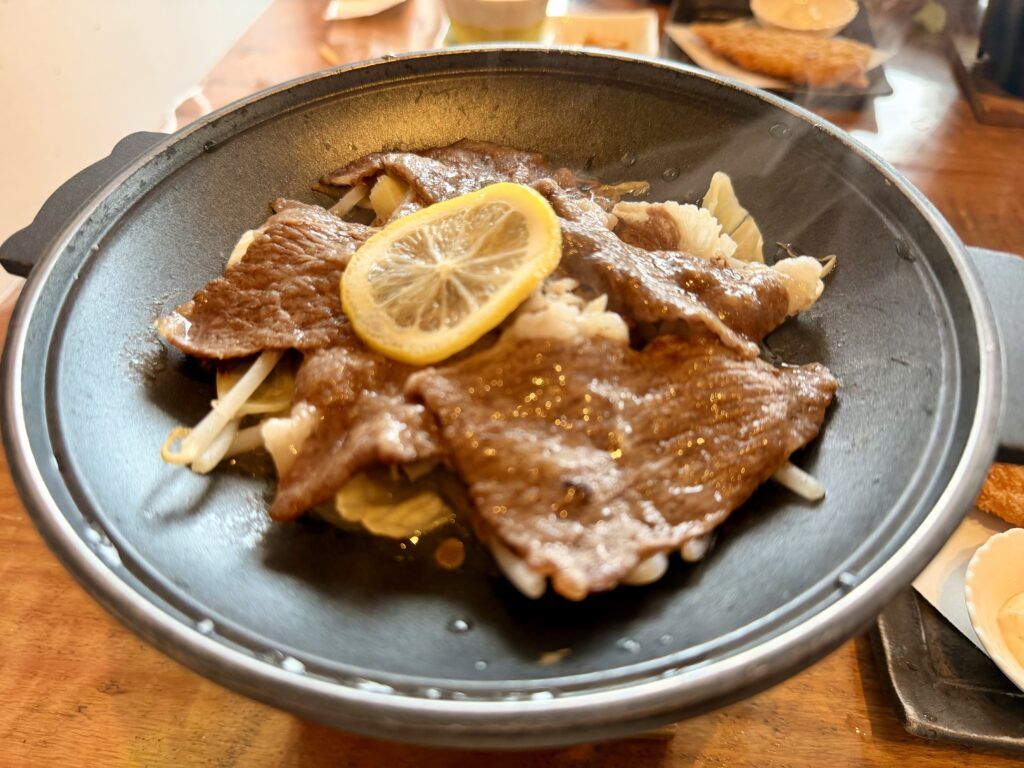
A 30-minute drive brought us out to the Pearl Sea Resort for an afternoon tour. Lunch featured Sasebo’s signature Lemon Steak—thin slices of beef cooked on a sizzling-hot plate and finished with a zesty lemon-soy sauce. The dish reflects the port town’s long history of American naval influence. Sasebo is also famous for its burger which, unfortunately, I did not get to try.
After lunch, we had free time to wander the waterfront area and browse the shops.
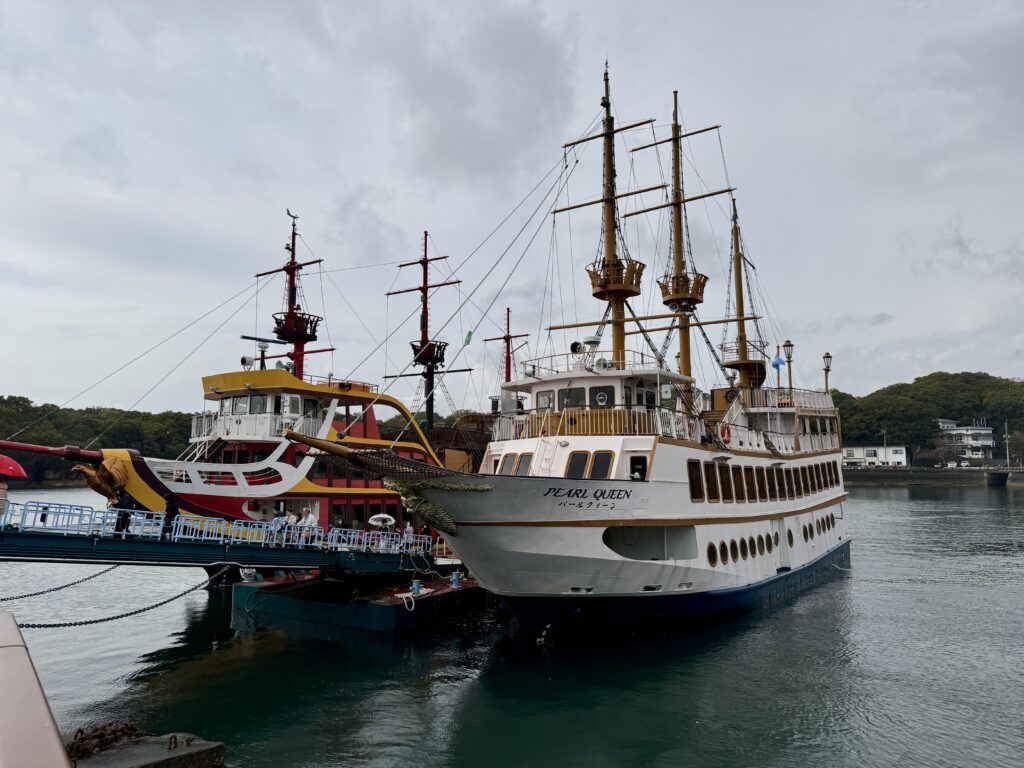
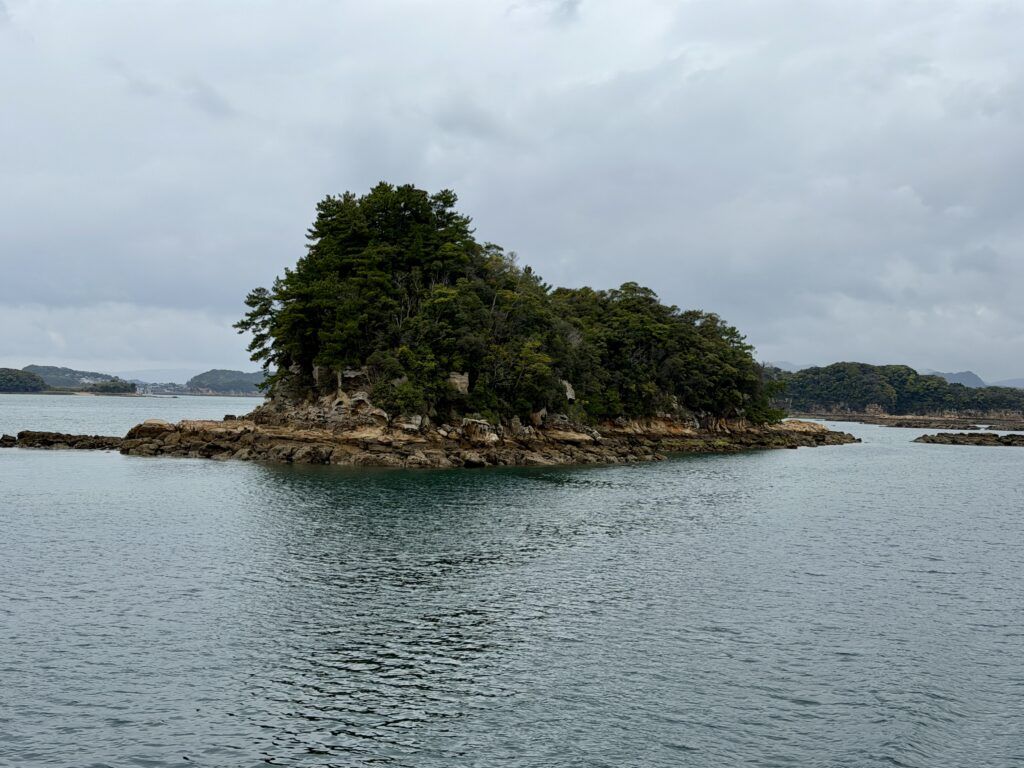
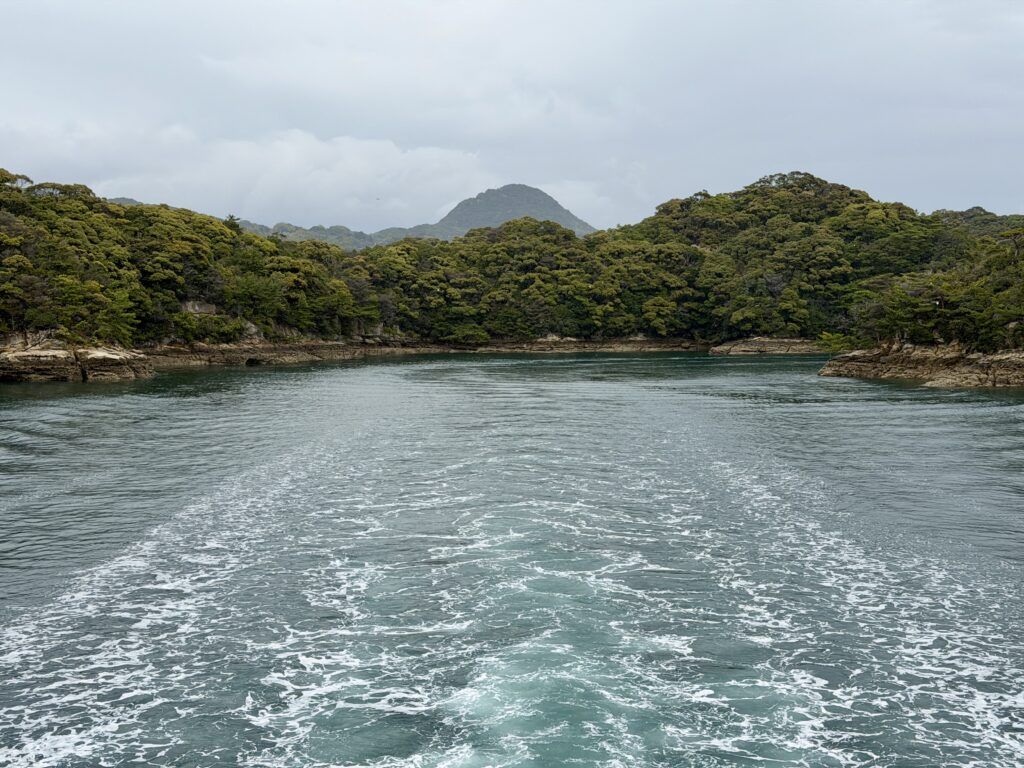
The highlight of the day, however, was the cruise aboard the Pearl Queen. Nagasaki Prefecture claims 971 islands, more than any other prefecture in Japan. The Kujukushima archipelago, located within Saikai National Park, translates roughly as “99 islands,” though it actually comprises 208. The scenery was breathtaking despite the weather conditions.
Busan, South Korea: A Welcome Detour
The one non-Japanese port on this “All Japan Tour” itinerary was Busan, South Korea. Our full day excursion covered a lot of ground. If we are being honest, it covered a little too much making the day feel rushed.
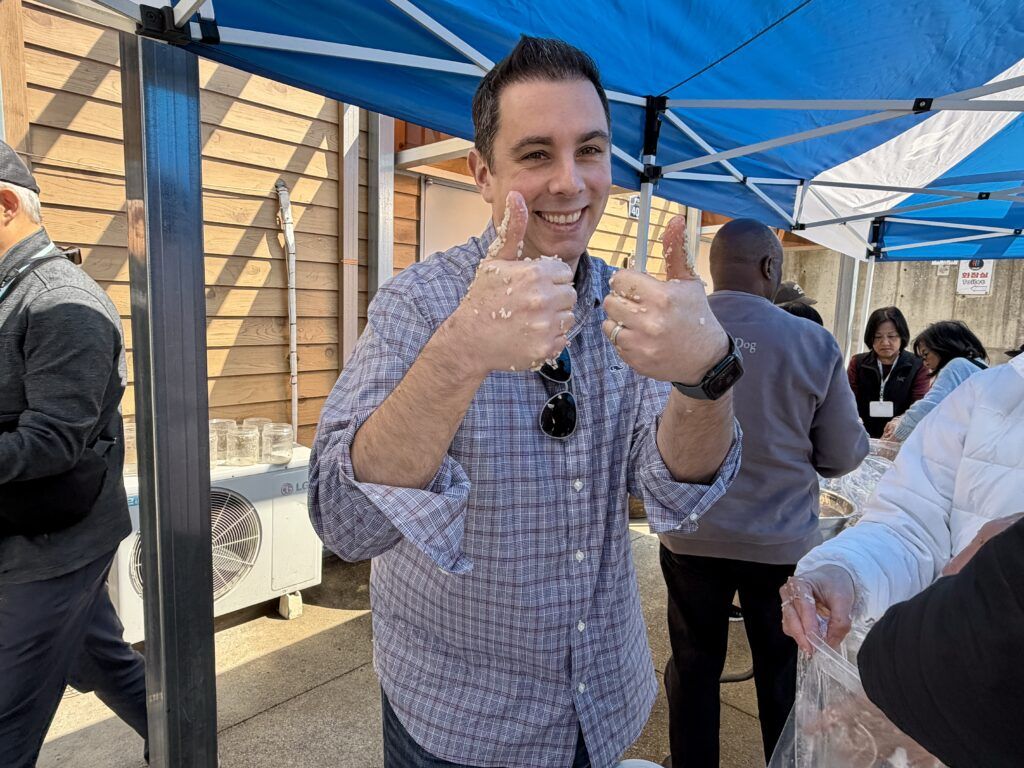
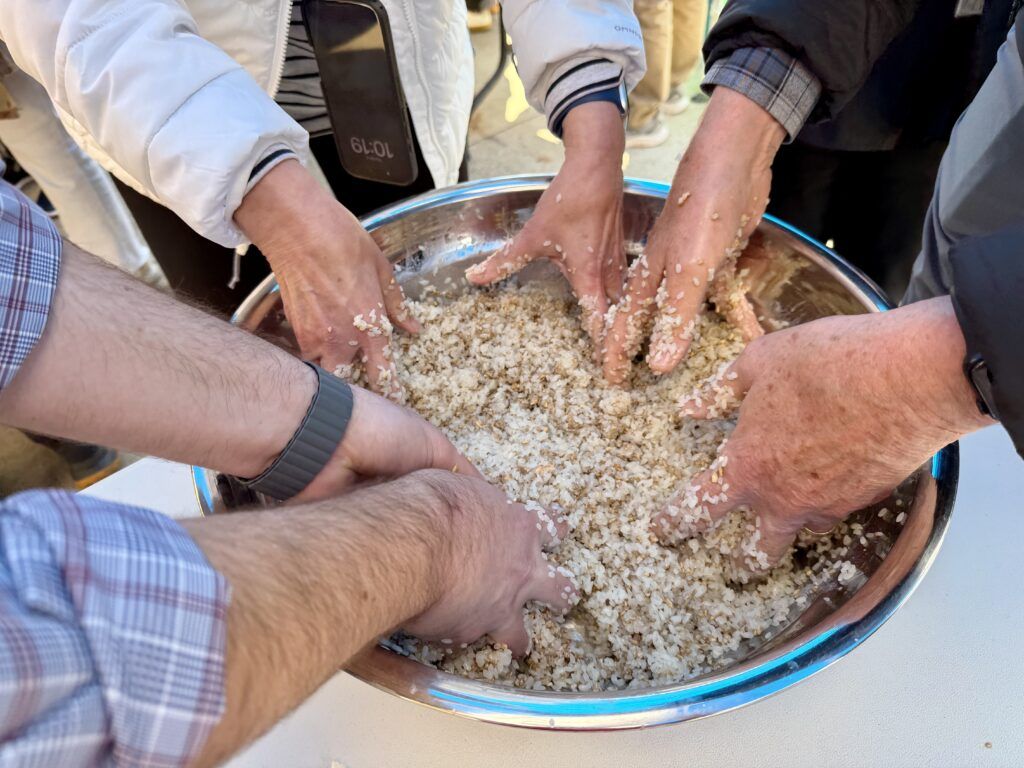
The morning started at a brewery at the foot of the ancient Geumjeongsanseong Fortress walls. There, we participated in a traditional makgeolli making experience, mixing nuruk fermentation starter and rice to produce Korea’s beloved milky rice wine. It was hands-on and fun, though the session ran longer than it needed to. Plus, we were all given bags of this mixture to take home, which would clearly never pass TSA. So, the ship’s trash must have seen a lot of makgeolli ingredients!
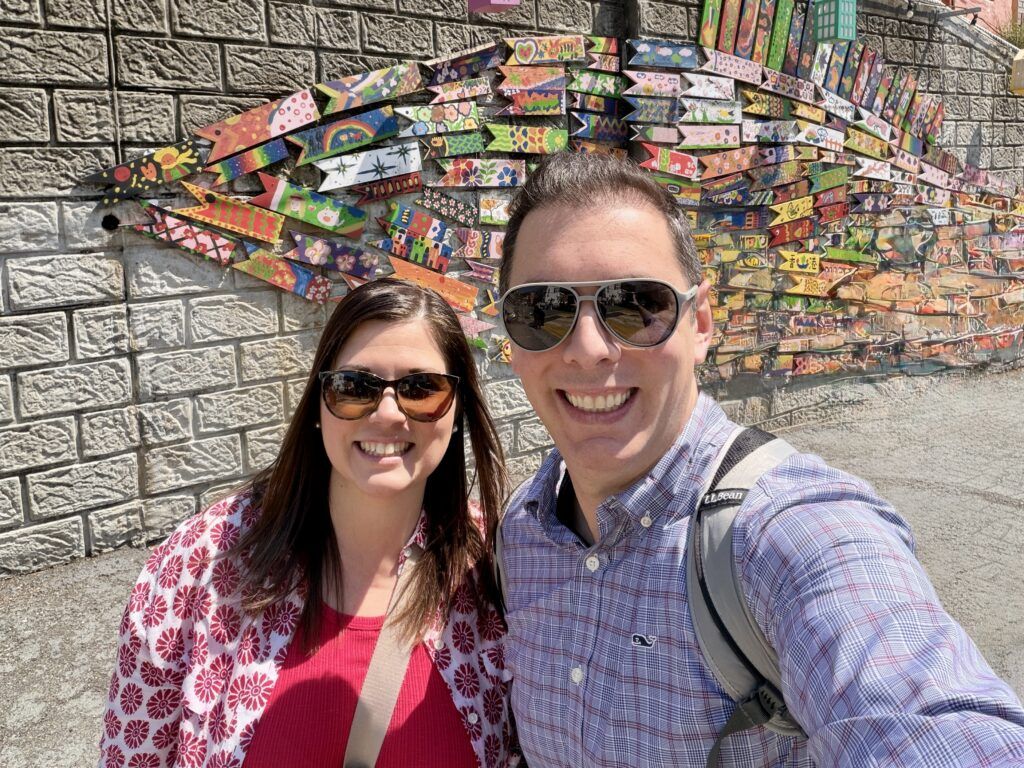
Next, we visited Gamcheon Culture Village, which earns its nickname as the Machu Picchu of Korea. The cascading hillside streets painted in vivid colors were a visual highlight. We arrived feeling rushed, and left after only a very brief exploration. Similarly, Gukje Market delivered the same experience. Personally, we would have enjoyed more free time at the Culture Village.
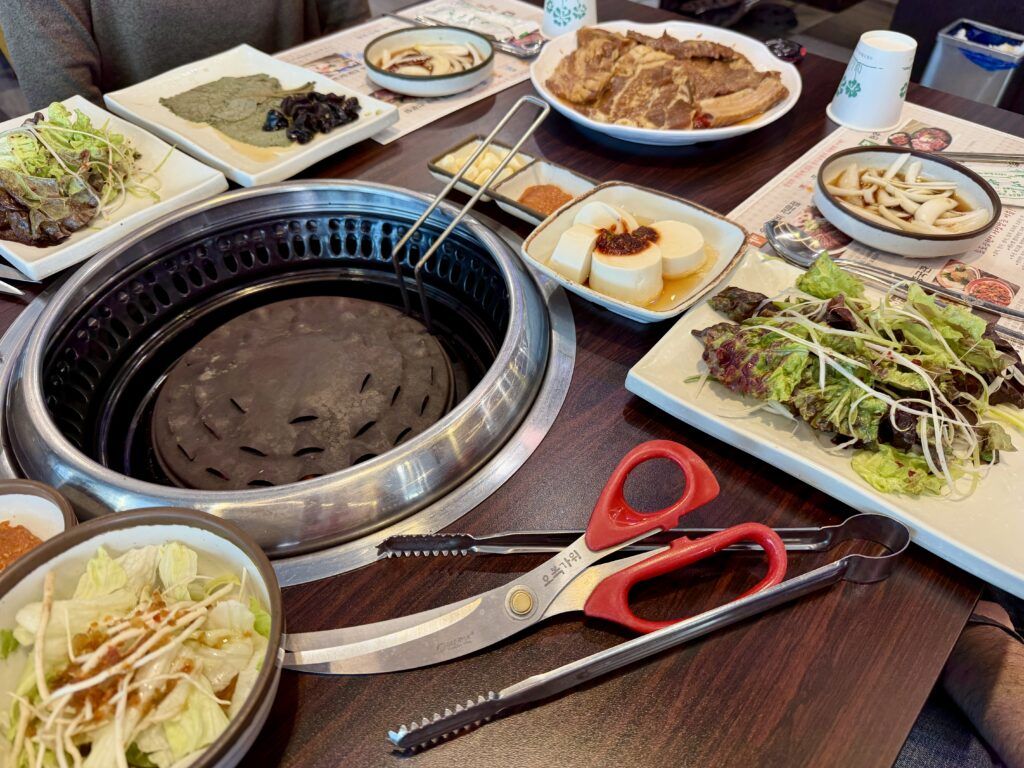
Lunch was at a Korean barbecue. The Black Pork Galbi stood out as a highlight, at least for me. The richly marbled short ribs, grilled right at the table, had deep umami flavor. Unfortunately though, the kitchen didn’t do a good job accommodating Heidi.
Maizuru: Amanohashidate and the Ine Boathouses
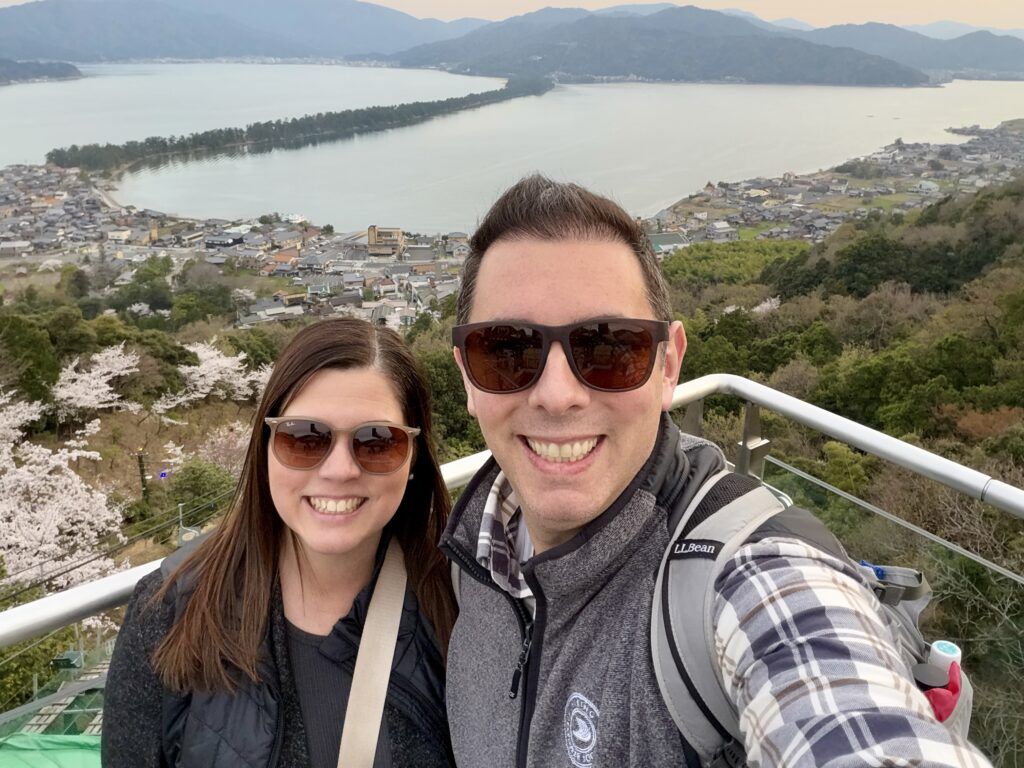
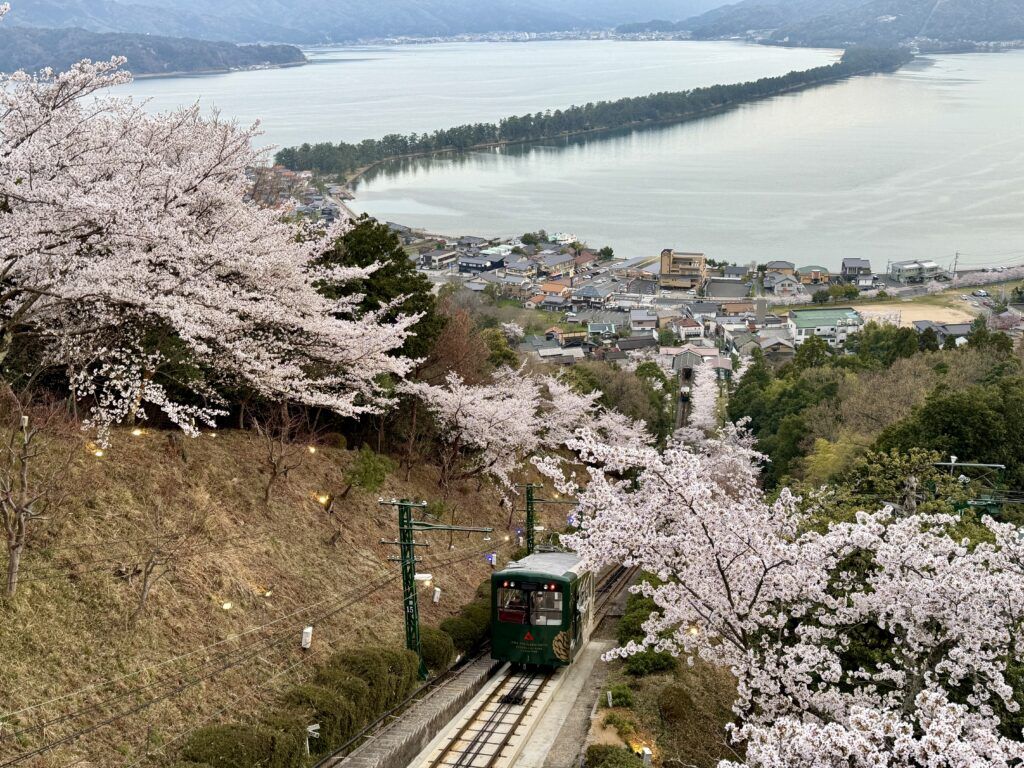
Maizuru serves as the gateway to one of Japan’s three great scenic views. Amanohashidate is a narrow 3.6-kilometer sandbar blanketed in pine trees. It stretches across Miyazu Bay like a bridge to the heavens.
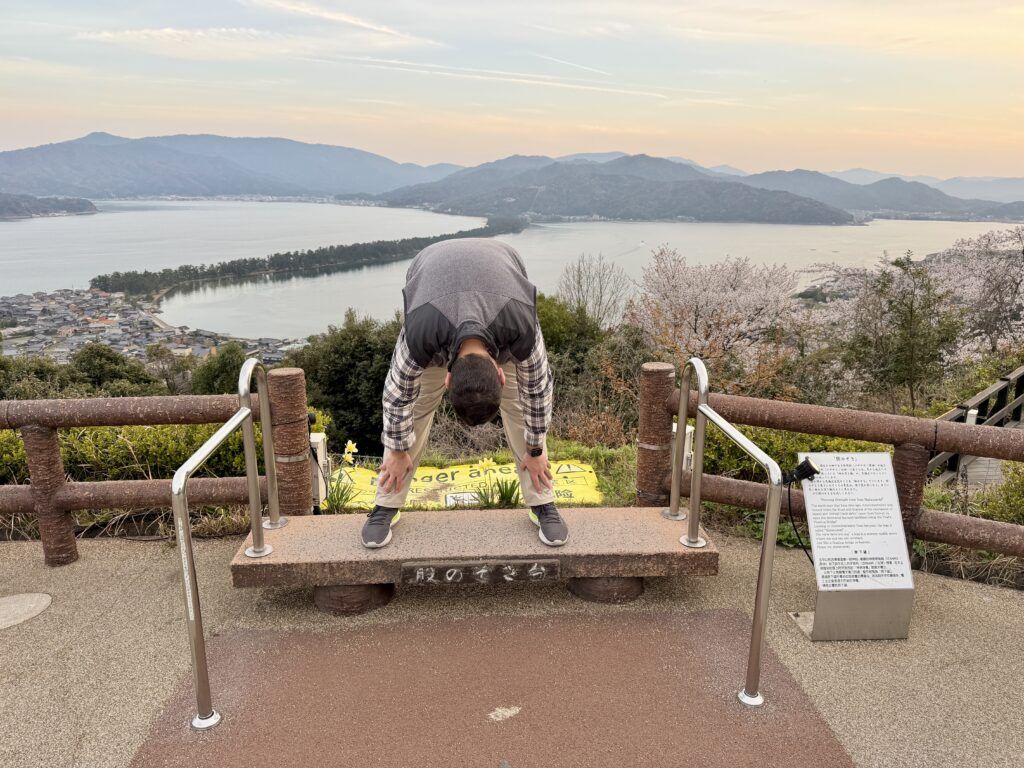
The best view comes from Kasamatsu Park, reached by a short cable car or chair lift ride up the hillside. Our tour took the cable car, but we would have really enjoyed the chair lift ride instead. In any case, the view from the top is spectacular, especially during the golden hour. A local tradition suggests bending forward and looking at the sandbar upside down between your legs. From that angle, it appears to float into the sky.
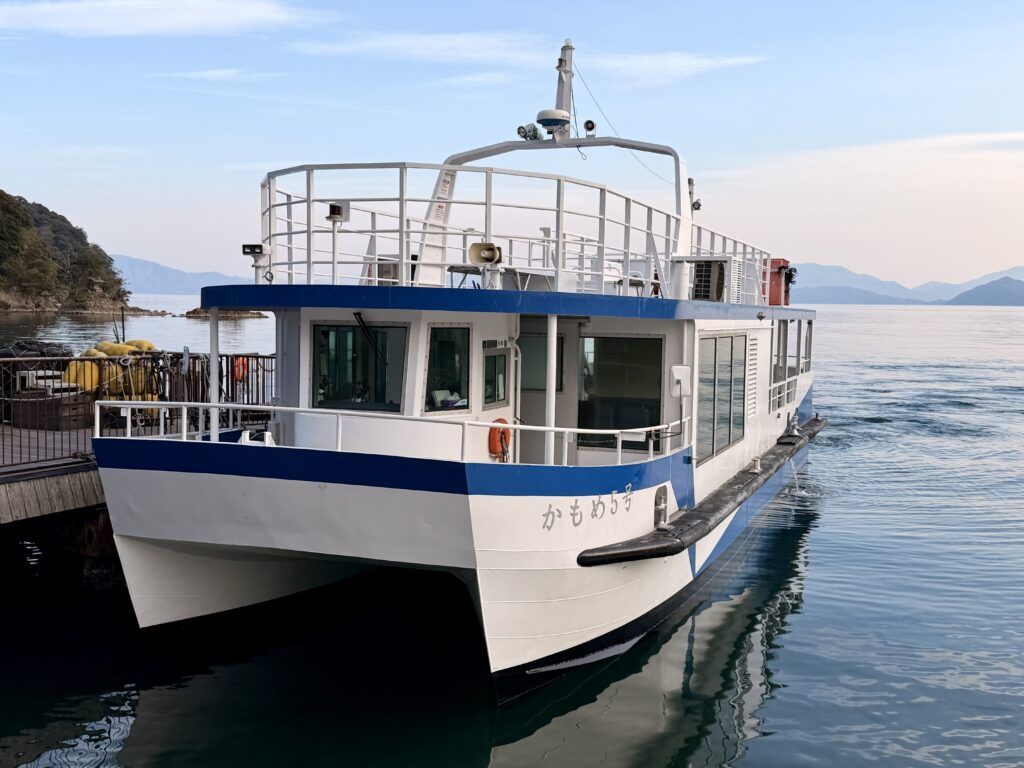
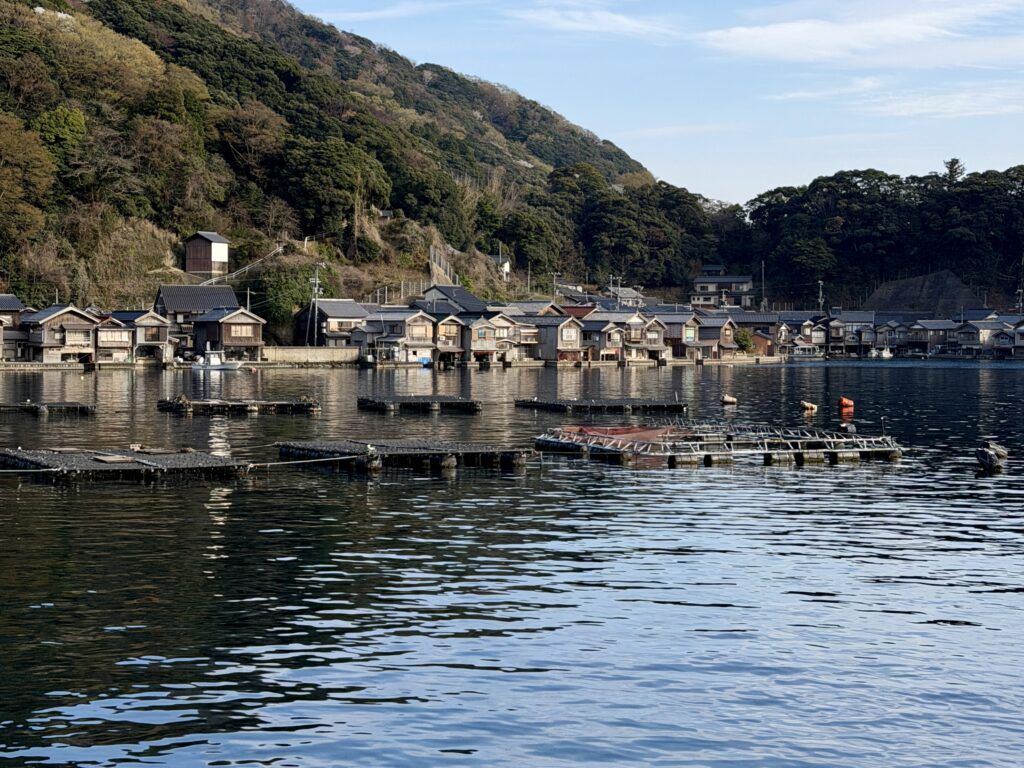
While this was the highlight of the day, before reaching Kasamatsu, we took a cruise ferry through Ine Bay. Along the way, we viewed the famous funaya boathouses along the coast. Traditional fishing families built these homes directly over the water. The ground floor sheltered their boats, while the second story served as living quarters.
To close out the day, the excursion wrapped up with a seafood dinner at a local izakaya in Maizuru city. While a casual Japanese pub, our meal still consisted of multiple courses of fresh catches from the nearby fishing port. The seafood was hit-or-miss for me overall, though the sashimi and tuna preparations stood out.
The long travel time and afternoon tour start time made for a late return to the ship, but the views were worth it.
Kanazawa: Gold Leaf, Kaga Cuisine, and Kenrokuen
If we had to name one port day as the highlight of the entire sailing, Kanazawa would top the list. The city escaped the bombing campaigns of World War II almost entirely. As a result, its historic districts, traditional craft culture, and garden landscapes survive in forms that feel genuinely ancient.
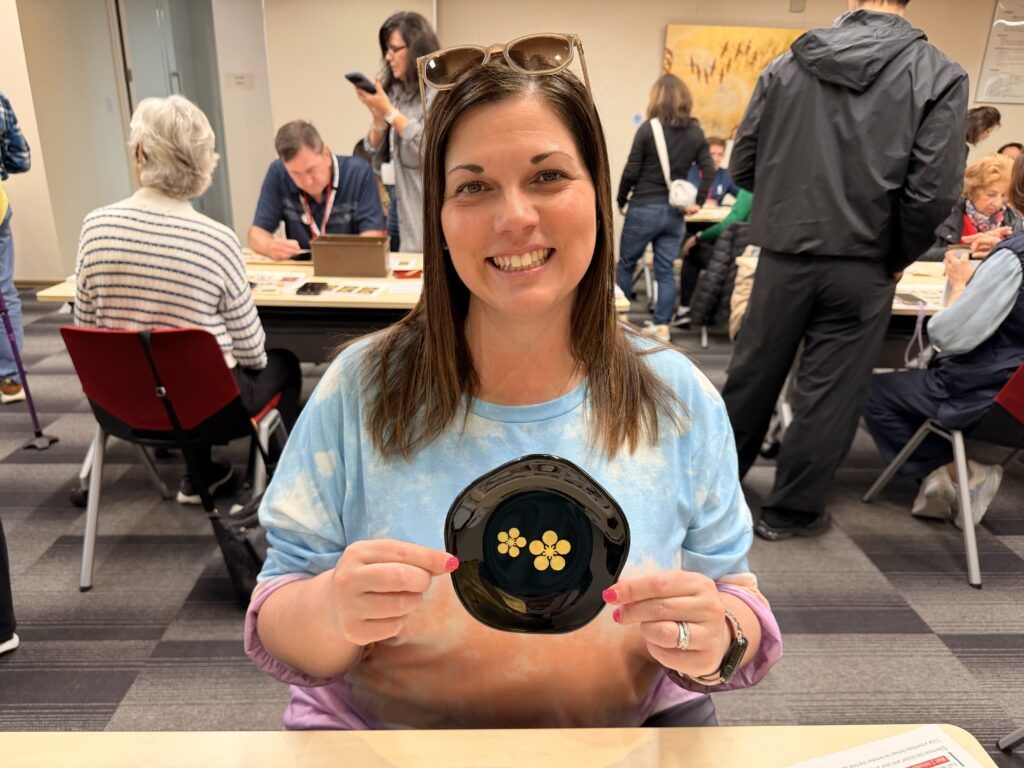
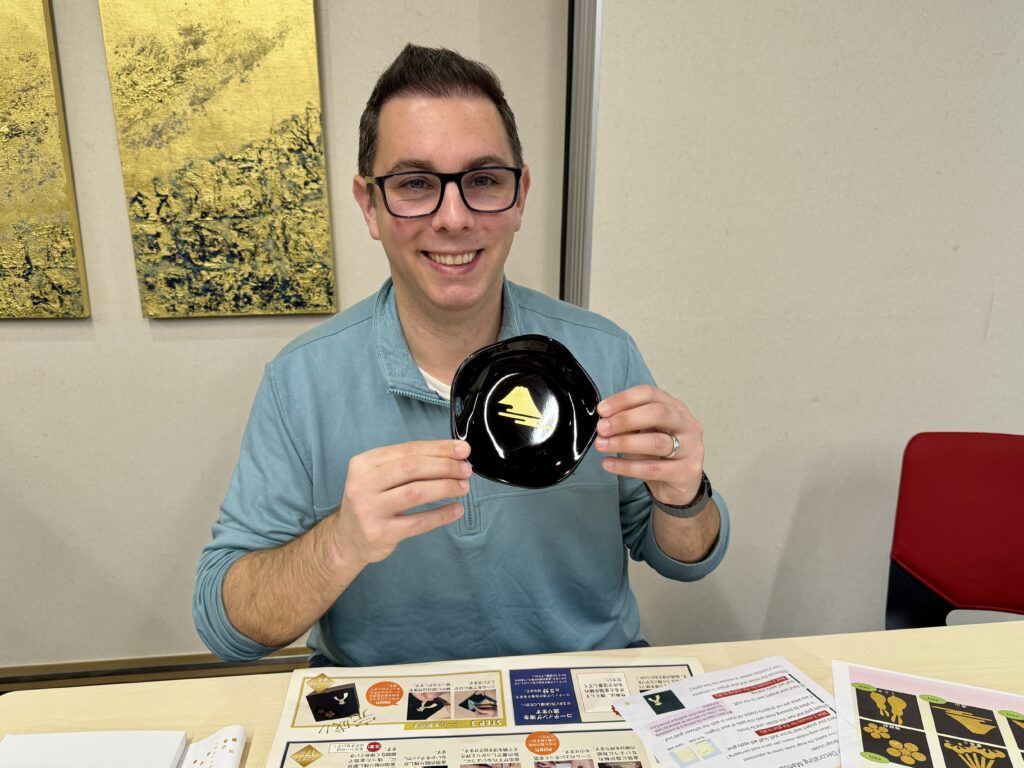
The day started at Hakuichi for a gold leaf application experience. Kanazawa produces 99% of all the gold leaf made in Japan. The craft shows up everywhere here, even in the ice cream. Applying delicate, tissue-thin sheets of gold under an artisan’s guidance sounds like a tourist gimmick. But it is not. The experience was fun, engaging, and one we highly recommend.
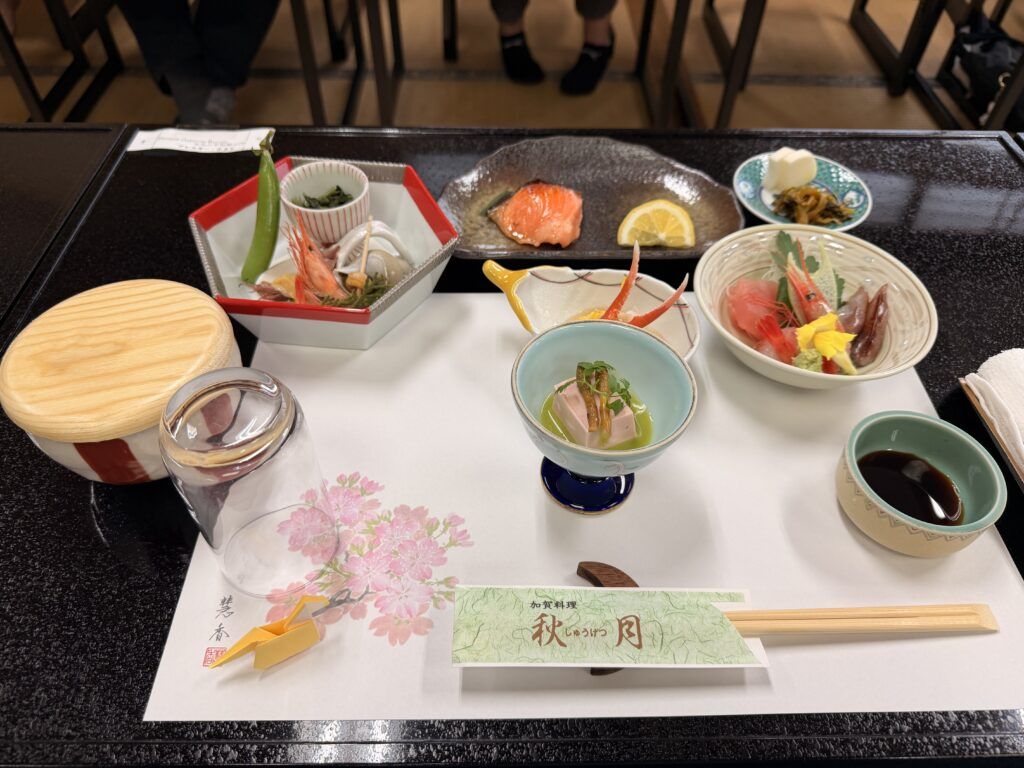
From there, lunch at Syugetsu restaurant featured Kaga cuisine.
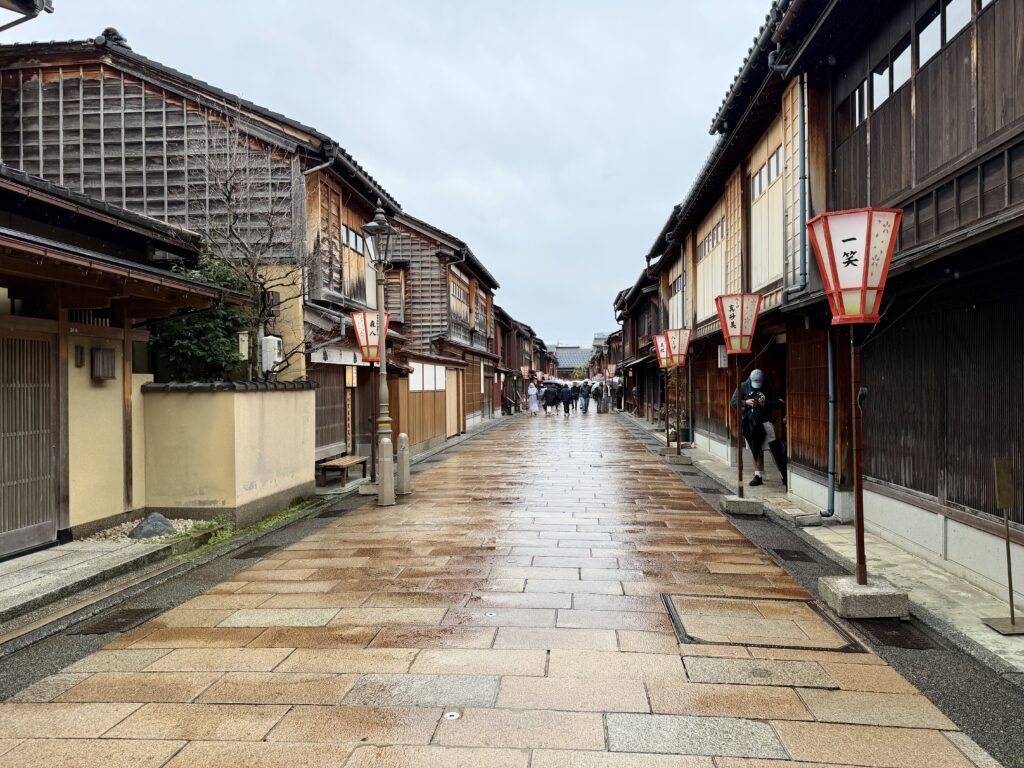
The afternoon started with a free stroll through the Higashi Chaya District. This beautifully preserved geisha quarter has narrow streets with wooden lattice facades. Plus, several gift shops and restaurants.
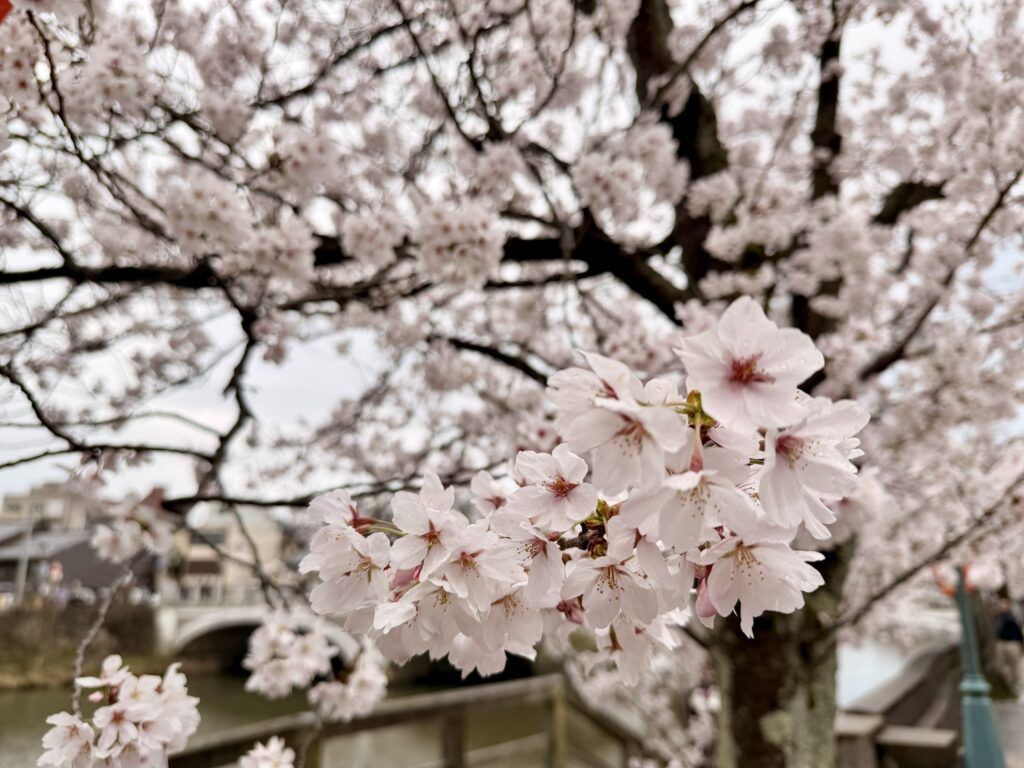
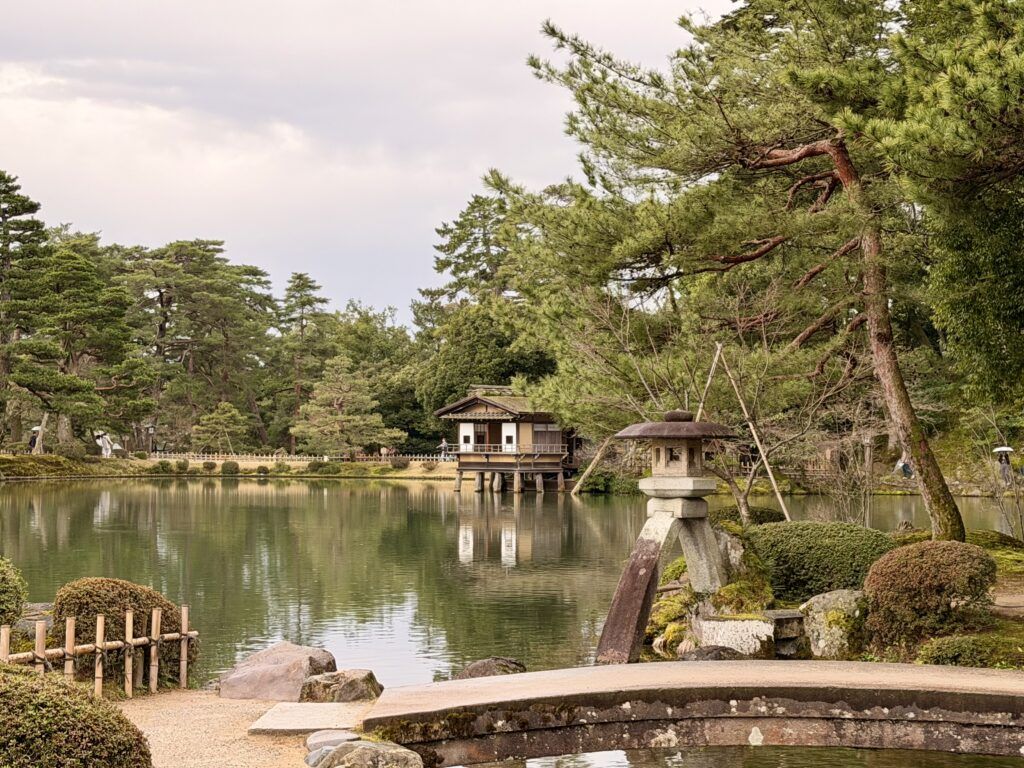
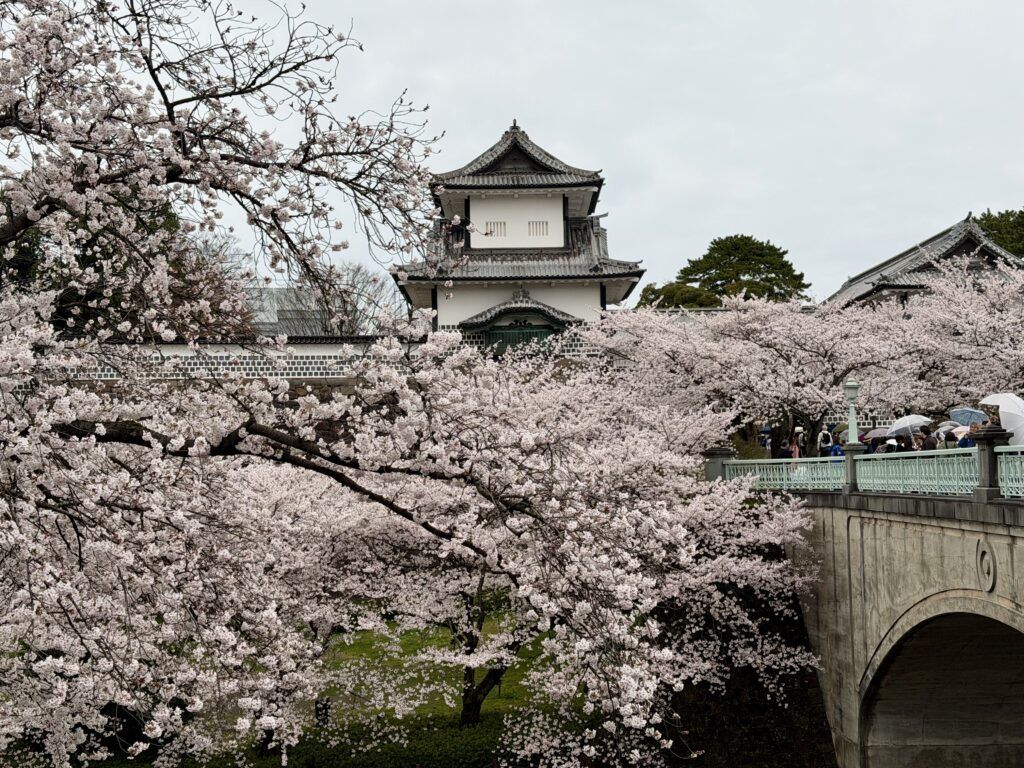
To finish the day, we made our way to Kenrokuen Garden, one of Japan’s three great gardens and a designated Special Place of Scenic Beauty. The landscaping, stone work, koi-filled streams, and surrounding hills were still photoworthy in the light rain. Nearby, Kanazawa Castle Park matched the garden in impressiveness, especially with the cherry blossoms in near full bloom.
Sado Island: Tub Boats and Taiko Drums
Coming in a close second for top port of the cruise is Sado Island. Sado Island sits off the coast of Niigata Prefecture in the Sea of Japan. Most Western travelers have never heard of it. Even fewer will ever visit on their own. That alone makes it one of the most compelling stops on the itinerary, but the day’s activities were equally engaging.
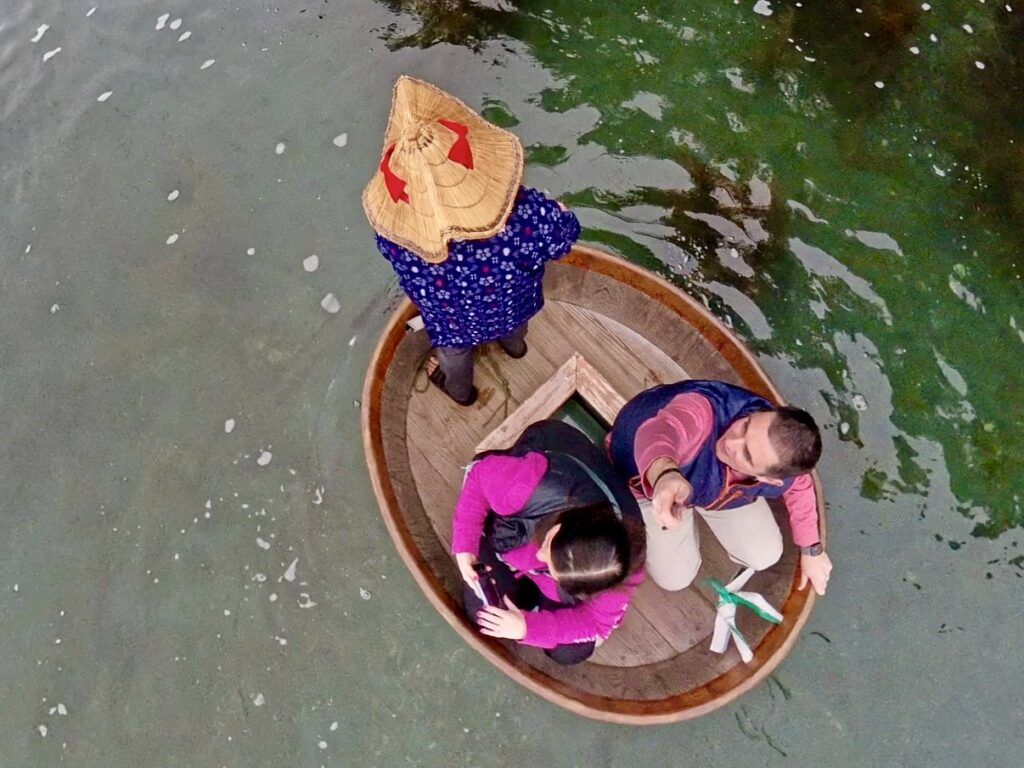
The morning started with a ride in a traditional taraibune, or tub boat. Fisherwomen historically used these round wooden vessels to navigate the rocky inlets of Sado’s coastline. The 15-minute ride was genuinely unique, even if our guide admitted the boats now exist purely for tourists.
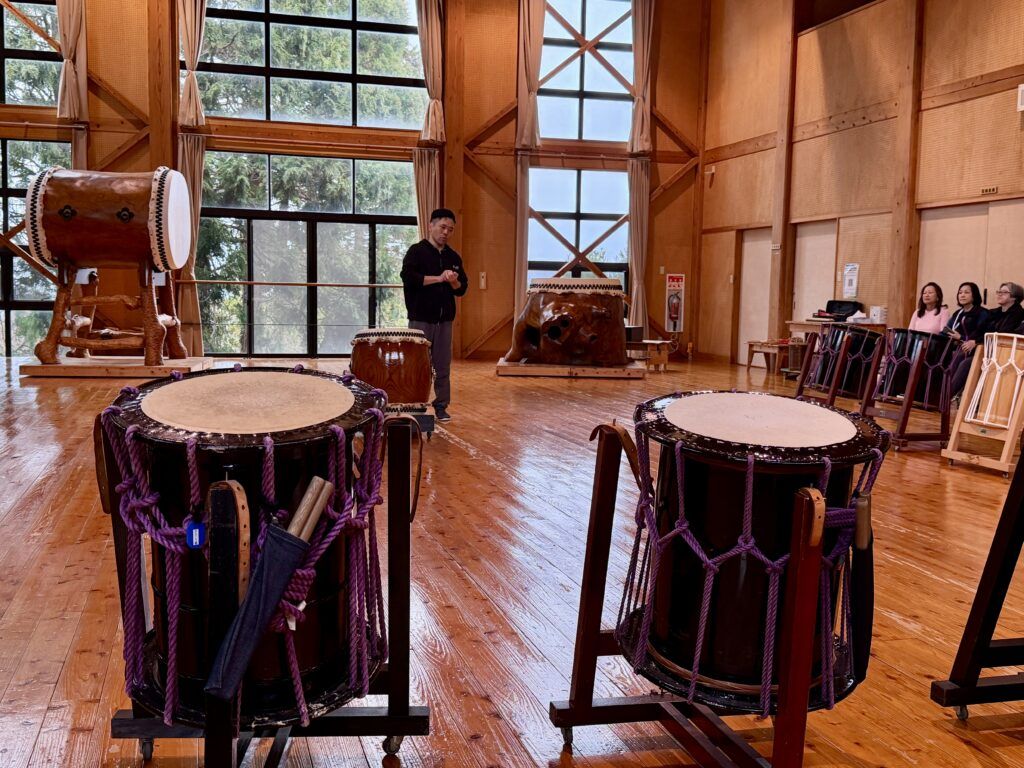
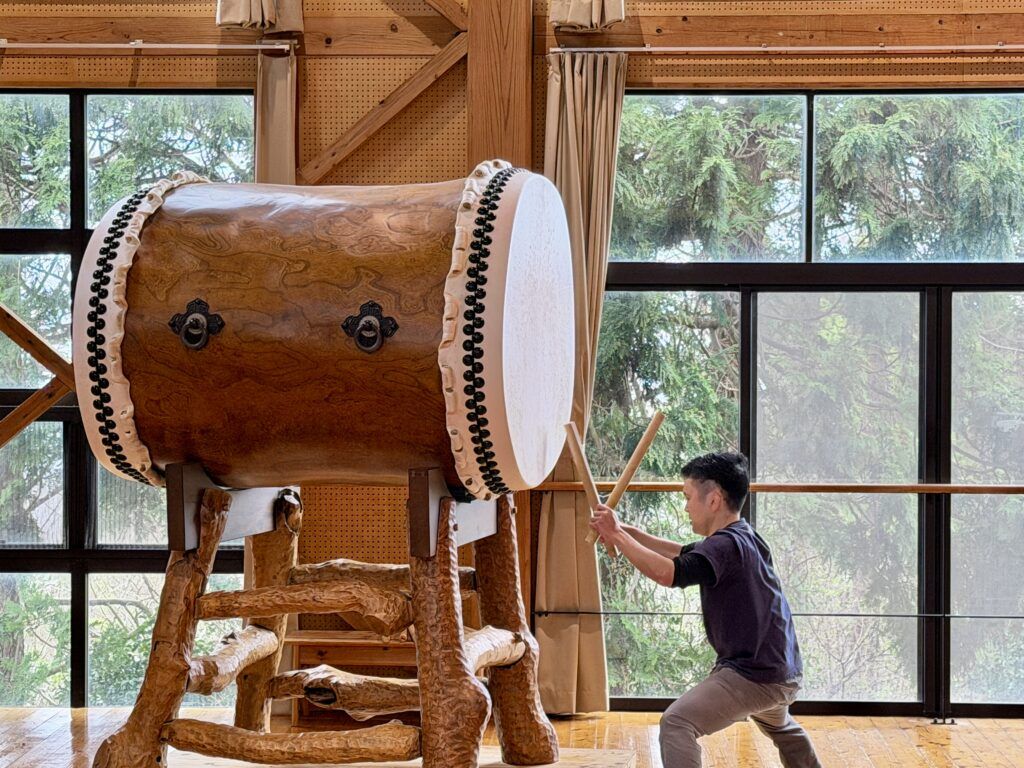
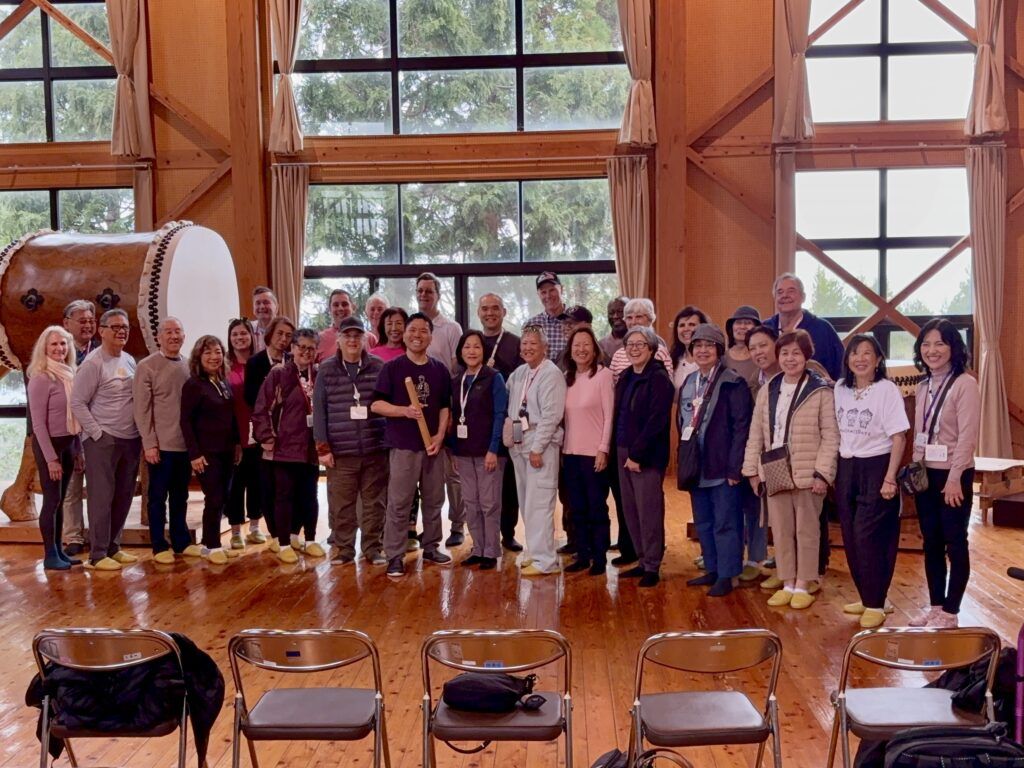
From there, we moved on to a taiko drumming lesson at the Sado Island Taiko Centre. An instructor walked us through the basics, starting with simple rhythms and building from there. This hands-on experience surprised us. You feel the drums in your chest, your arms, and the floor beneath your feet.
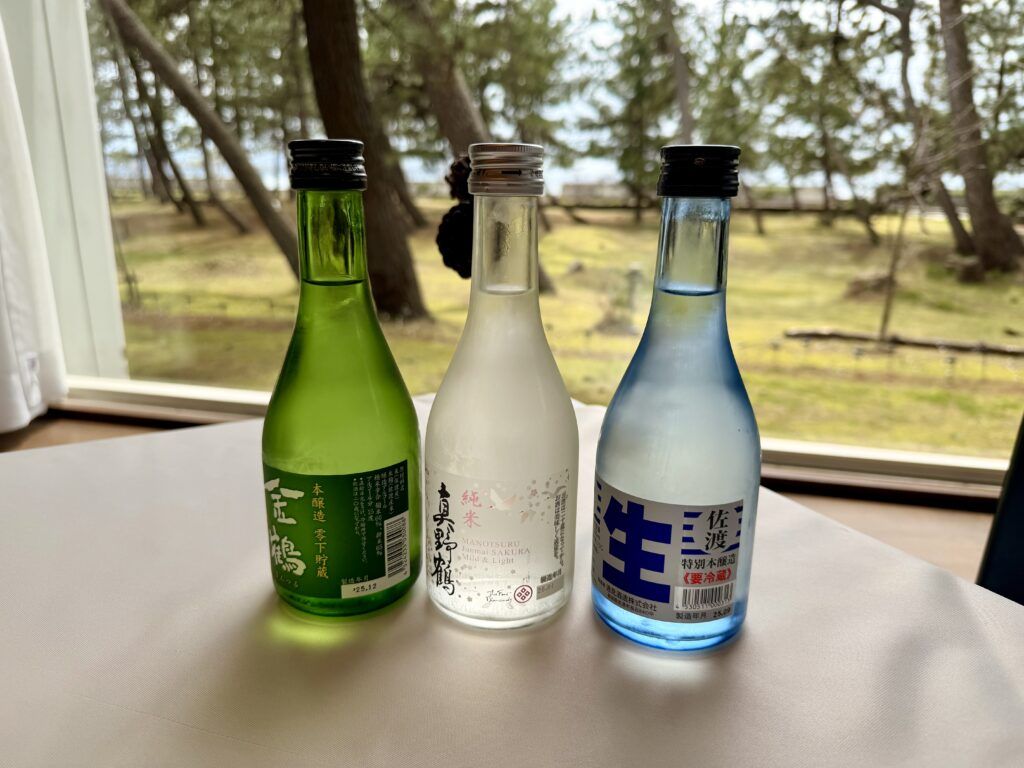
To wrap up the day, lunch at Ryokan Urashima was a welcome twist. La Plage’s refined French cuisine showcased the rich ingredients of Sado Island. Fresh seafood and steak filled the multi-course menu, accompanied by local sake and views of a seaside pine grove.
Hakodate: History, Night Views, and Yoshoku Dining
Hakodate closed out our port days before the final sea day and return to Yokohama. The city holds a special place in Japanese history as one of the first ports to open to foreign trade after centuries of national isolation.
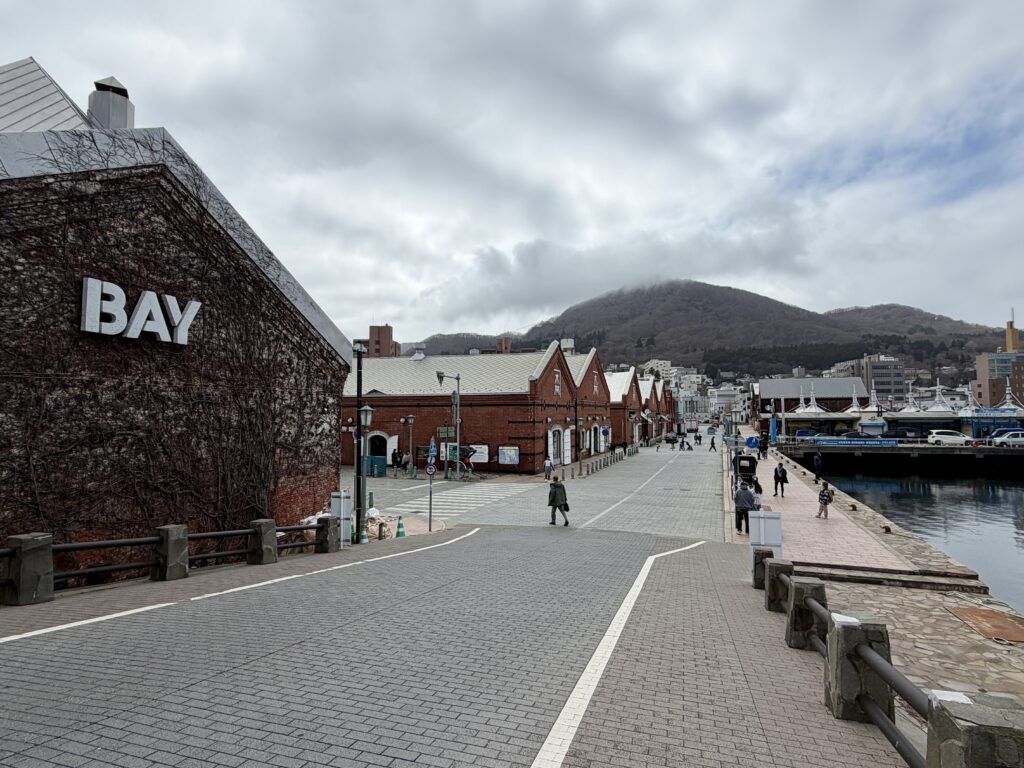
Our tour started in the late afternoon, which gave us time for some independent exploration in the morning. The Kanemori Red Brick Warehouses are about a 15-minute walk from the ship. We browsed the shops and enjoyed the waterfront atmosphere. While we appreciated every guided tour, a couple of hours on our own felt like a welcome change of pace.
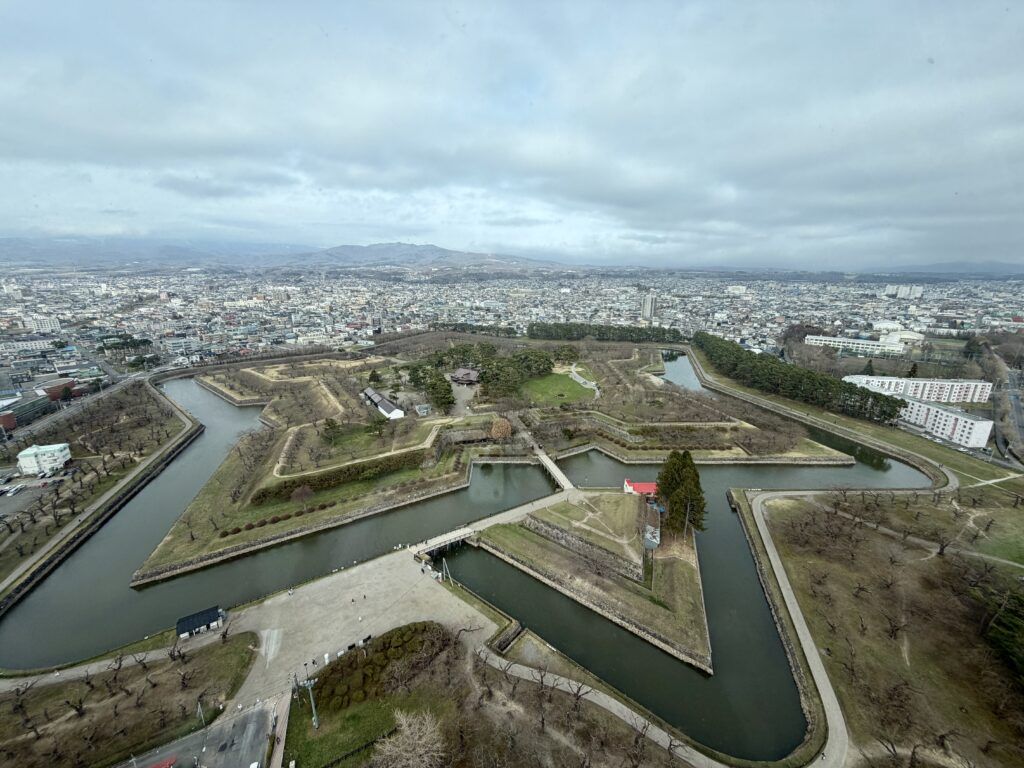
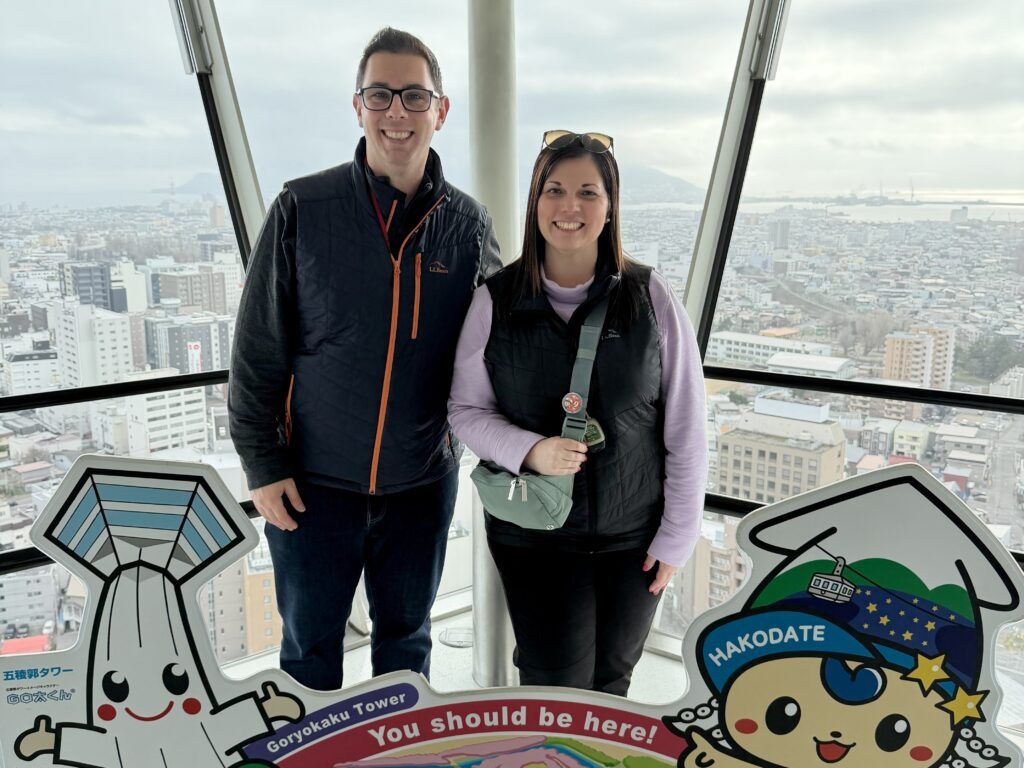
The first stop on our afternoon excursion was Goryokaku Park, home to Japan’s first Western-style fortification. Its star-shaped fort dates back to the late Edo period. The adjacent Goryokaku Tower offers a bird’s eye view of the geometric fort below. Inside the park, we also visited the Former Magistrate’s Office, which is a partial reconstruction of the original building using traditional methods.
From there, dinner at Gotoken introduced us to yoshoku, Western-style cuisine that arrived in Japan over a century ago and evolved into something uniquely Japanese. Roasted chicken, tempura shrimp, and curry rice filled the menu.
To end the evening, the excursion took us up Mount Hakodate by ropeway for what locals call the “million dollar view”. Unfortunately, heavy fog and rain had other plans for us. The view from the top was completely invisible.

Post-Cruise Extension in Tokyo
A Full Day and Night in Tokyo
Disembarkation in Yokohama was smooth and efficient. At the pier, we reunited with Nana, our driver from arrival day, for a private taxi tour of Tokyo. This was included as one of the post-cruise excursion choices.
Japanet provided several suggested tour routes, and we were able to customize the itinerary to add a few more stops. If you know us, then it shouldn’t be a surprise that we focused on fitting in as many photo opportunities as possible throughout the day.
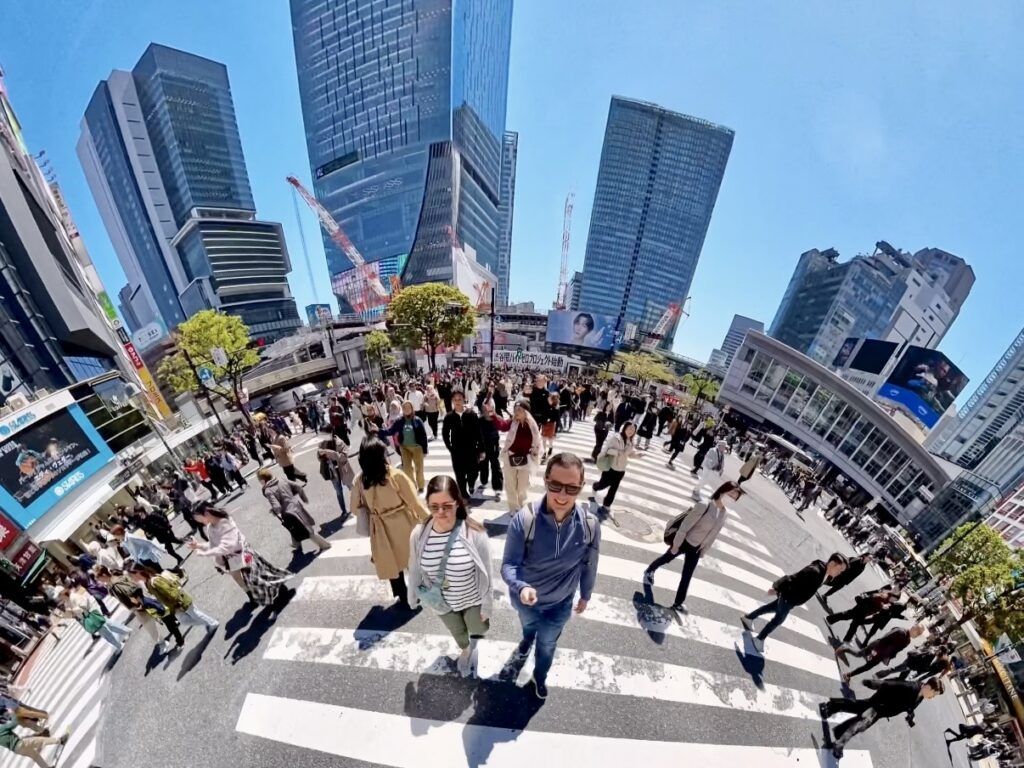
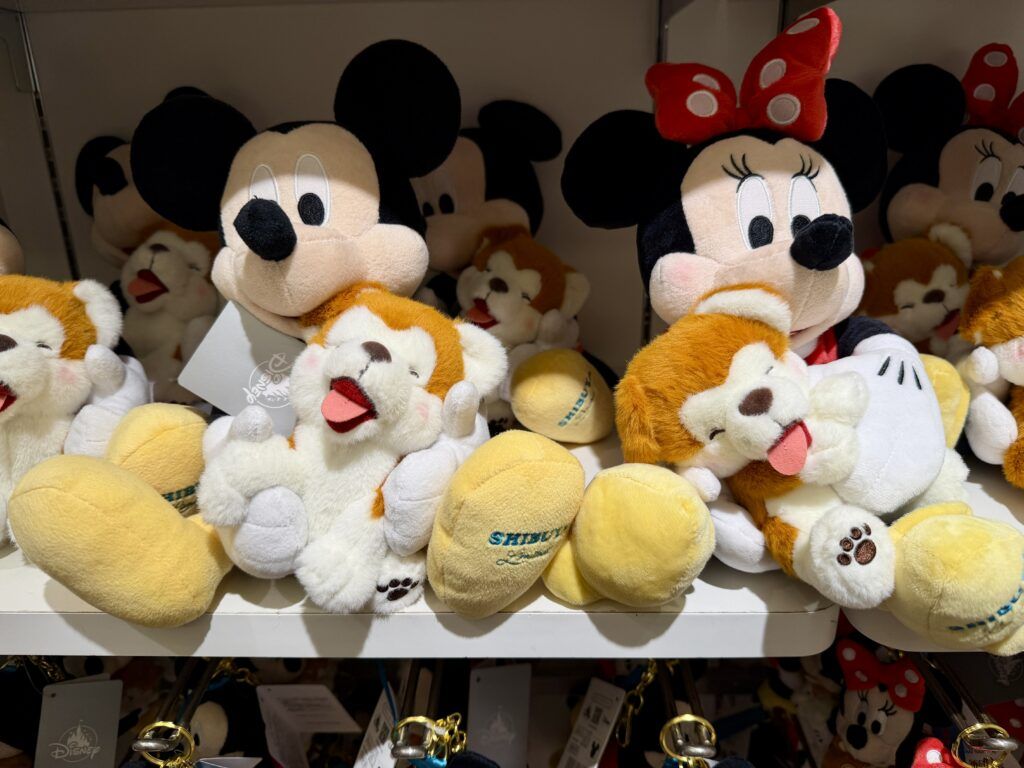
We departed the pier around 10 AM and headed straight for Shibuya Crossing. We grabbed photos, picked up a mug from the Starbucks on the corner, and stopped into the nearby Disney Store for some exclusive merchandise.
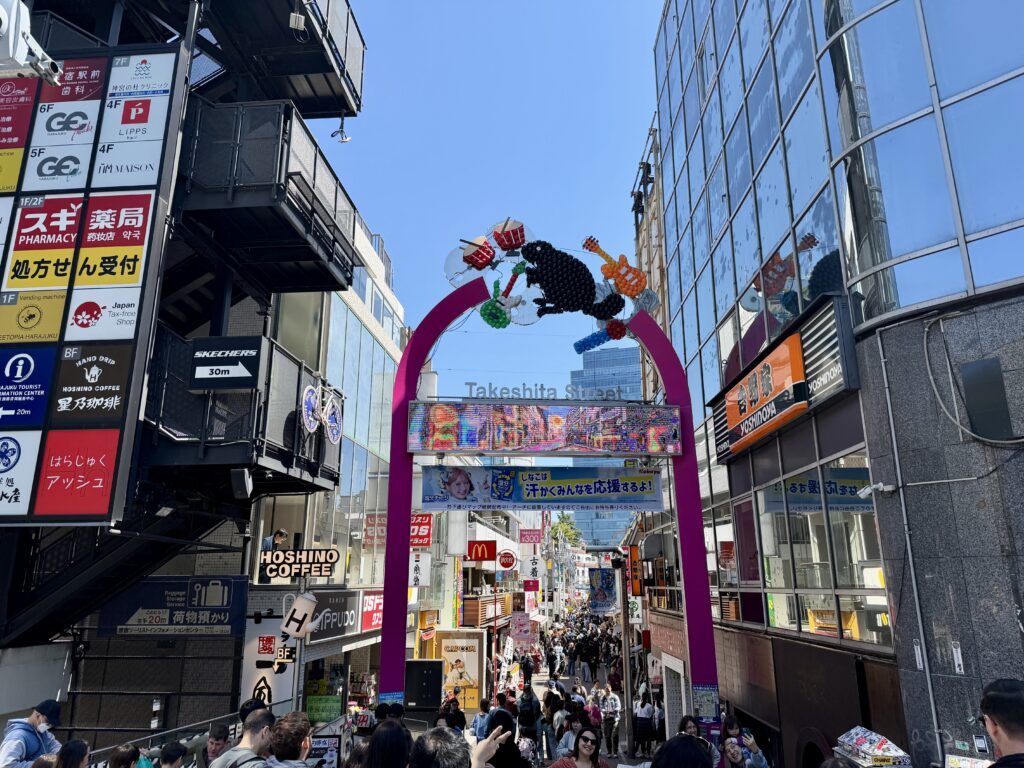
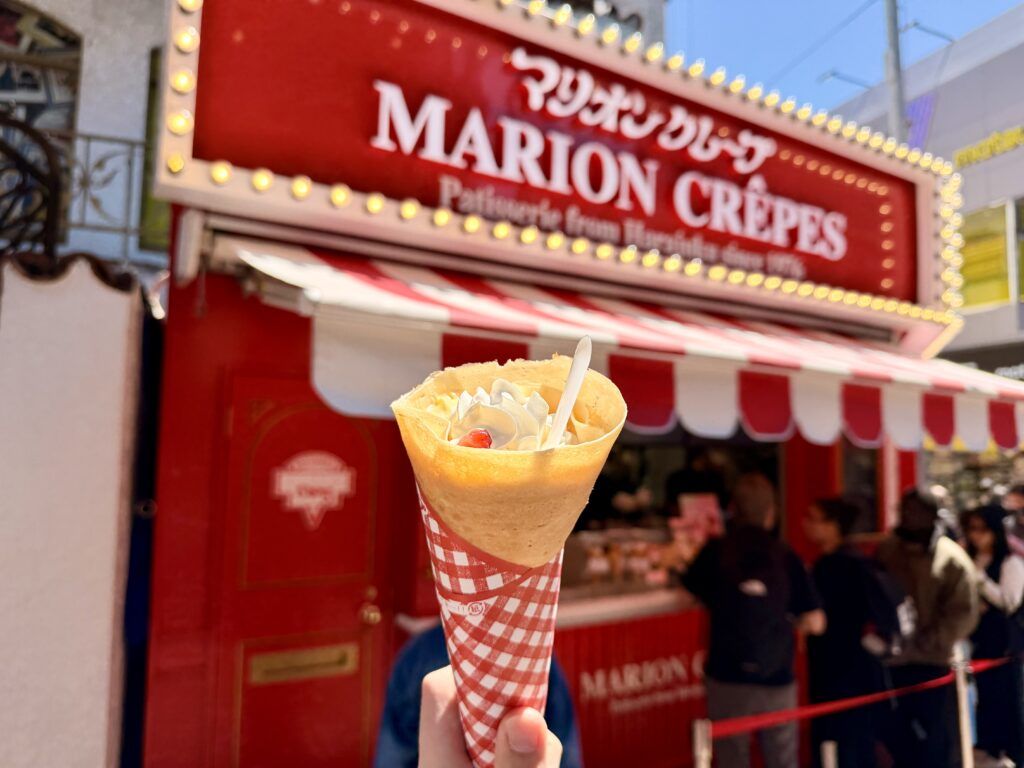
From Shibuya, we headed to Takeshita Street in Harajuku for some shopping and an order of Marion Crepes.
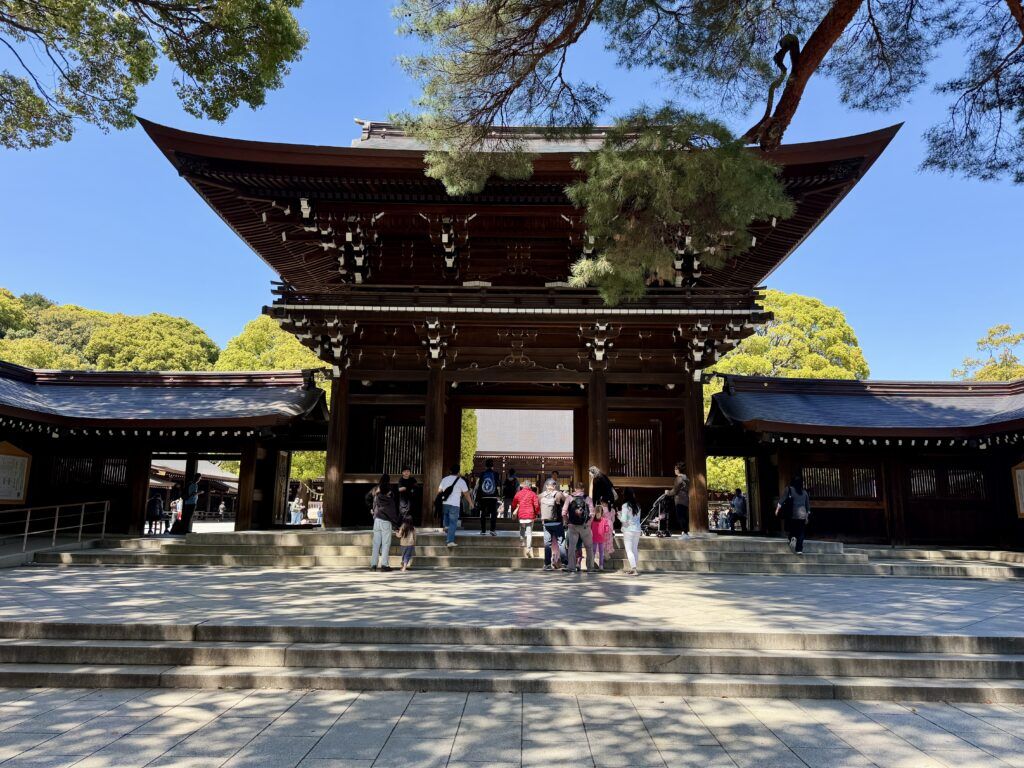
Next, Nana brought us to Meiji Shrine, one of Tokyo’s most celebrated Shinto shrines. The shrine honors Emperor Meiji and Empress Shoken and sits within a 70-hectare forested sanctuary. Walking the wide gravel path through the towering torii gate, the noise of the city simply disappears. It is one of the most peaceful spots in all of Tokyo.
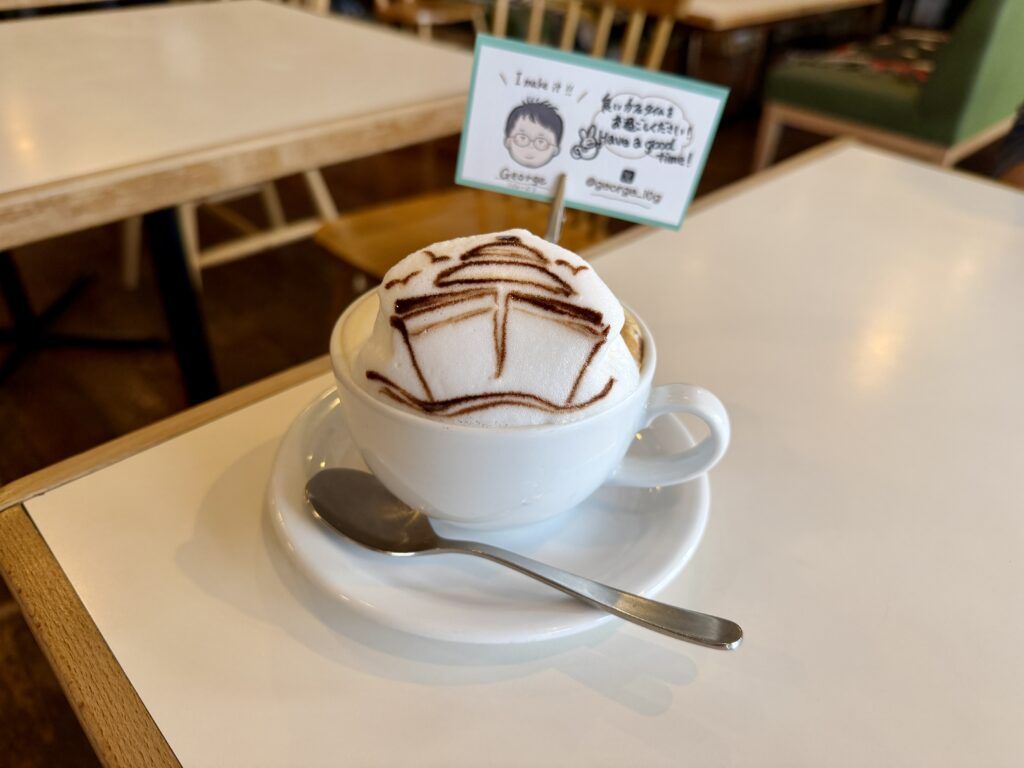
After the shrine, we stopped at Cafe Reissue in Harajuku for a midday latte. The cafe serves up coffee adorned with intricate 3D foam art. It is a cash-only spot, so bring yen.
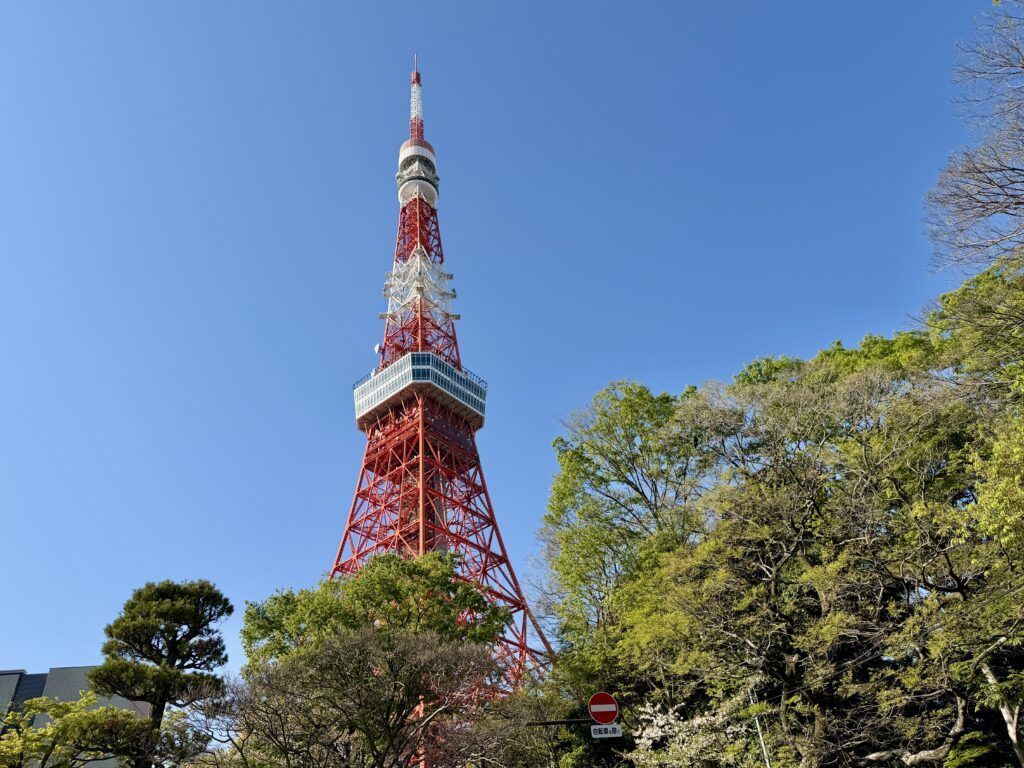
Fully caffeinated, we headed to Tokyo Tower. Timed tickets for the Top Deck were sold out, so we ascended to the main deck 150 meters above the city for clear views in every direction.
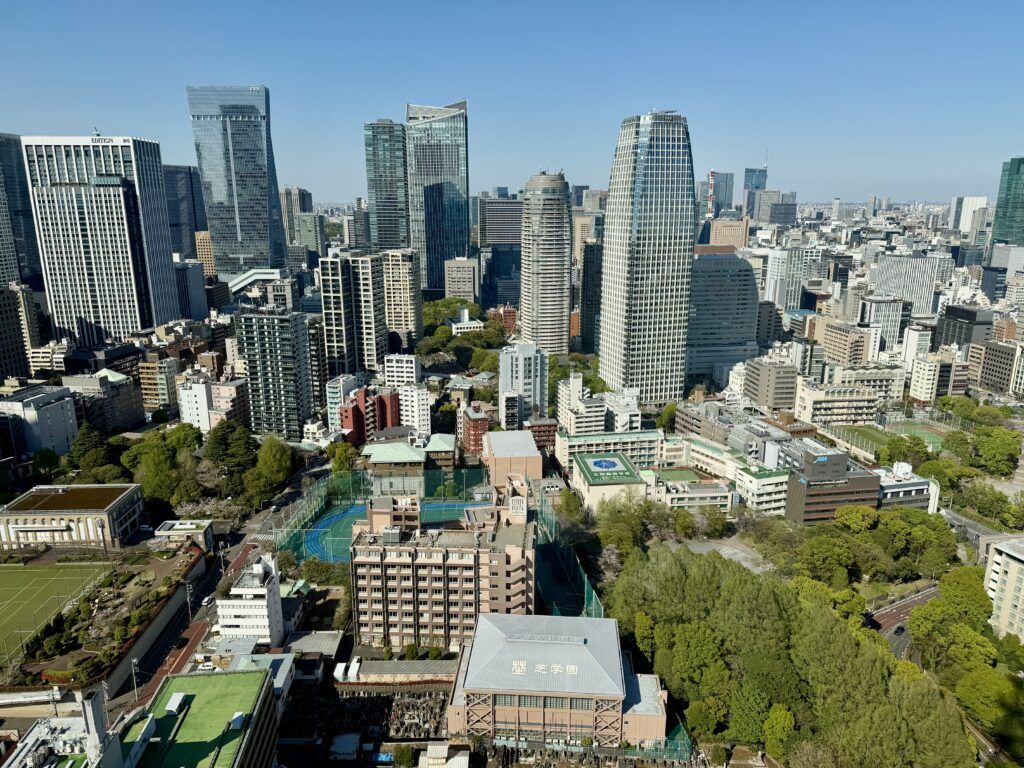
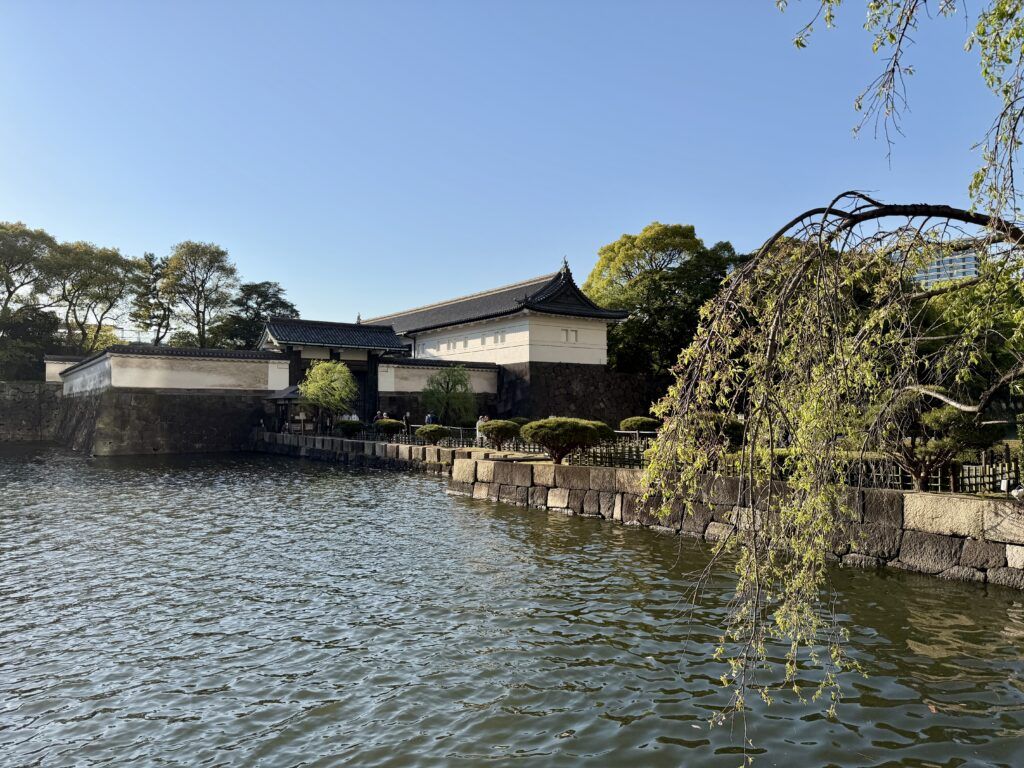
From Tokyo Tower, we made a brief stop at the Imperial Palace for an outside visit and photos. The complex is impressive even from the outer gardens. It is a spot we will have to explore more thoroughly on a future visit.
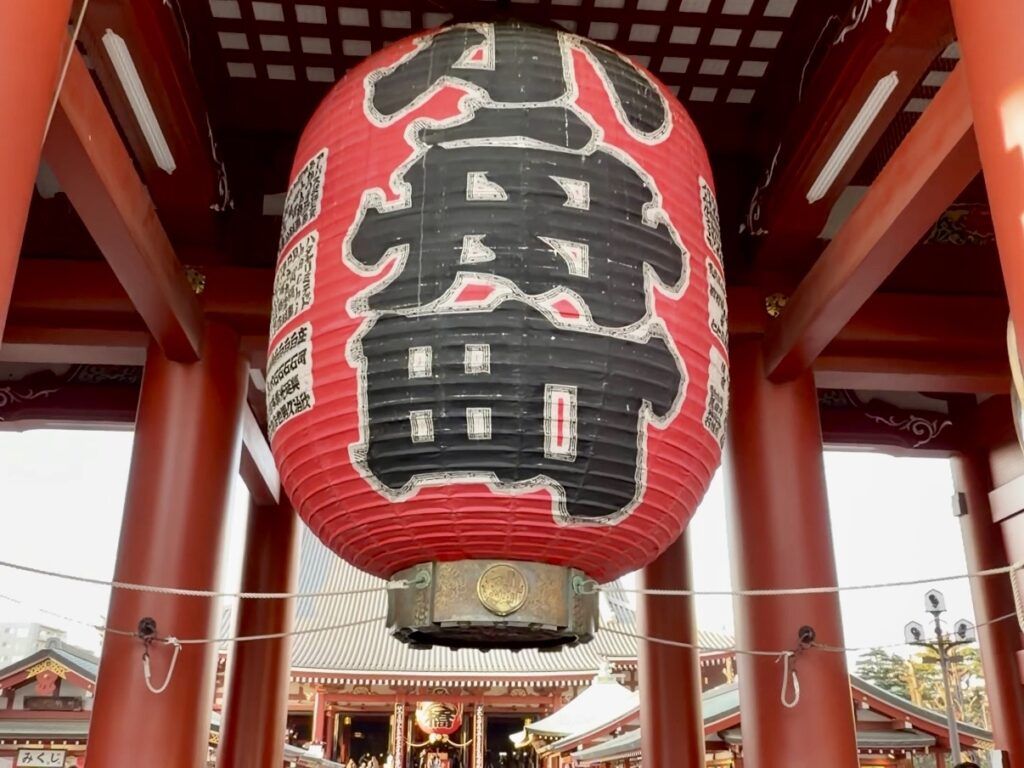
Next, Nana drove us to Asakusa. We spent an hour at Sensoji, Tokyo’s oldest and most visited Buddhist temple. The approach through Kaminarimon, the iconic Thunder Gate with its enormous hanging lantern, is one of the most photographed spots in Japan.
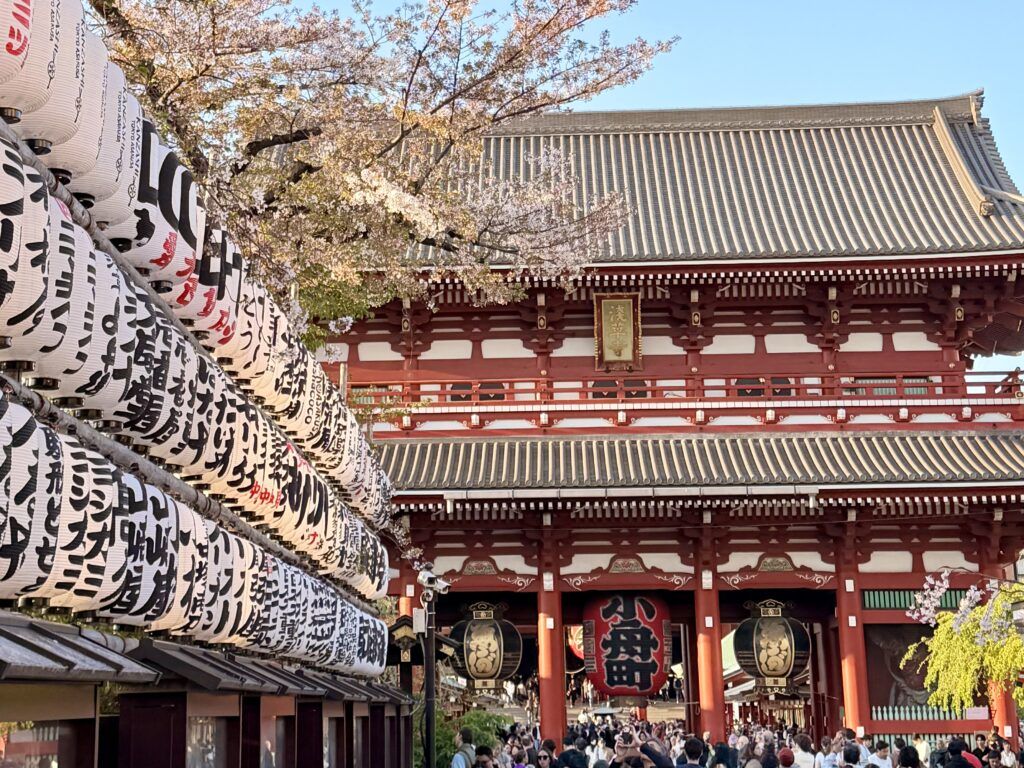
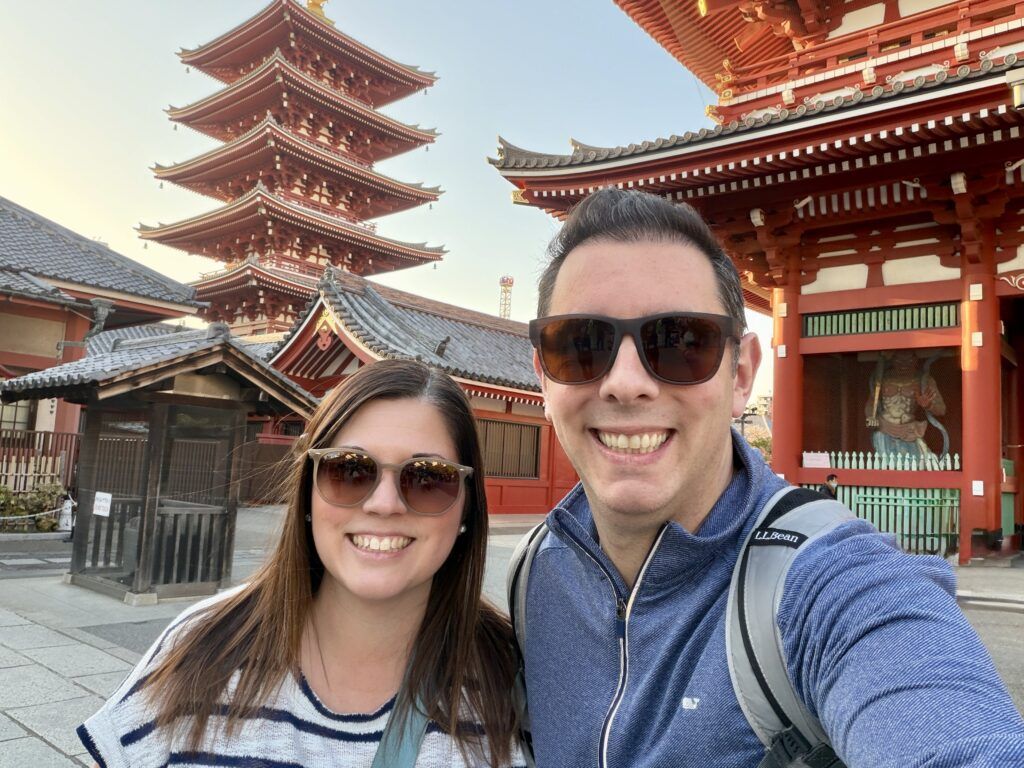
At that point, we decided to skip the included dinner as we were getting tired.
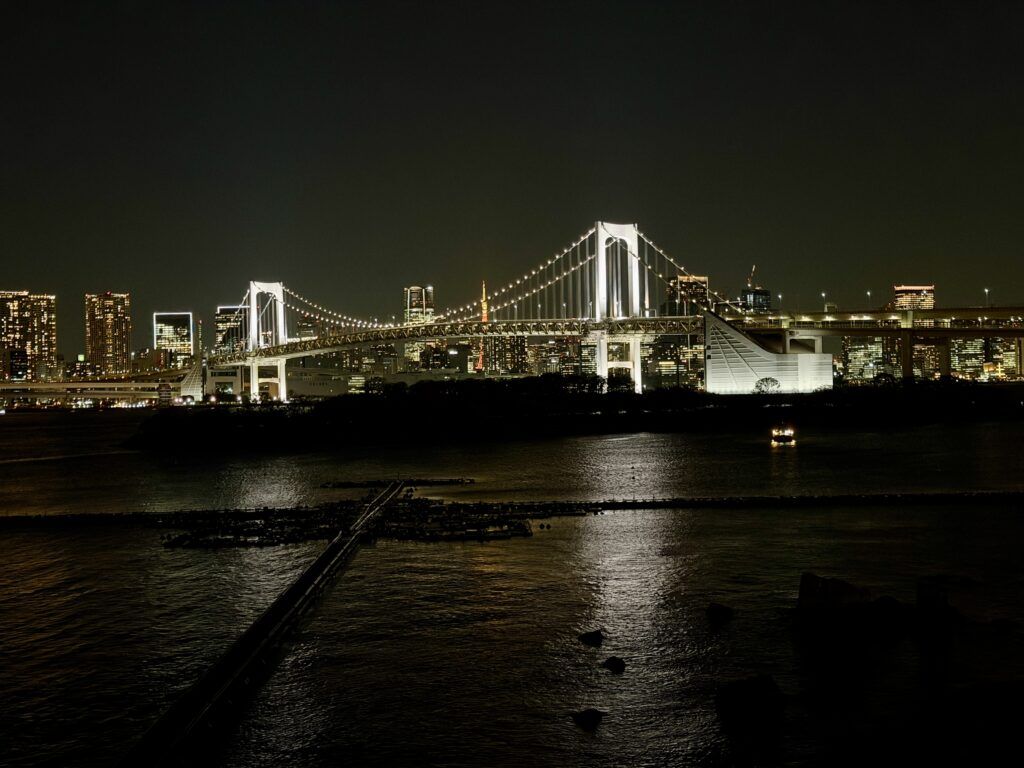
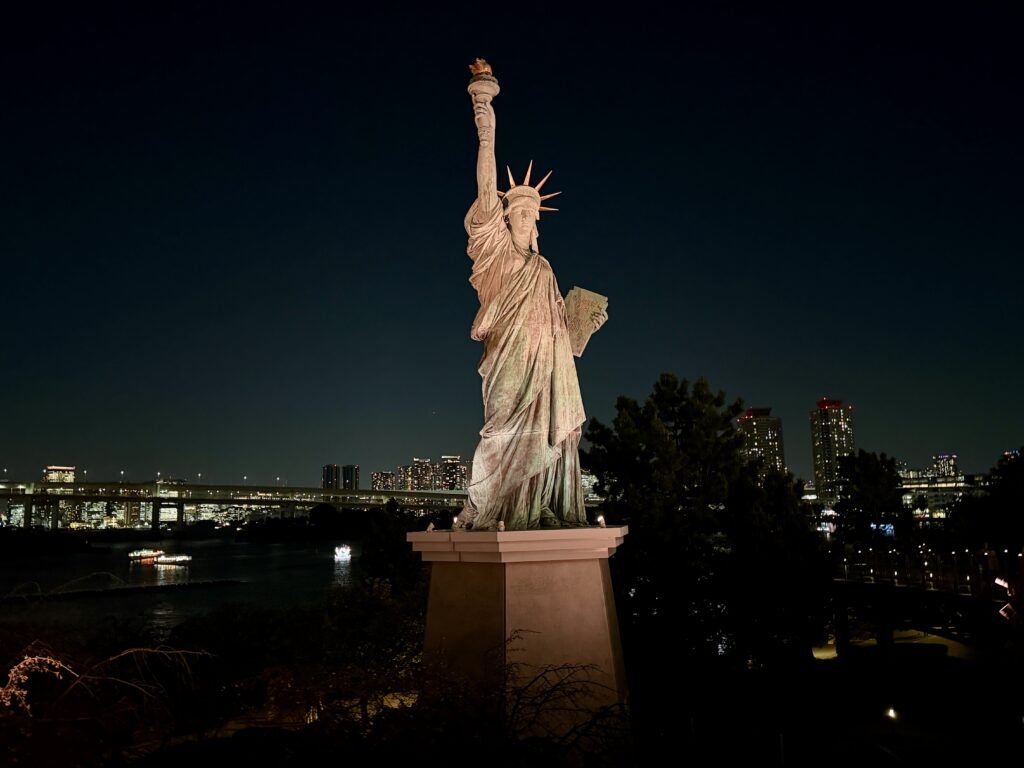
While we thought the tour was winding down, Nana had other ideas. She wanted us to see Tokyo lit up at night. We quickly stopped at Tokyo Station then continued to Odaiba to take in the views of Tokyo Bay and the glittering cityscape after dark including the Rainbow Bridge and Statue of Liberty. It was the perfect ending to a full day in one of the world’s great cities.
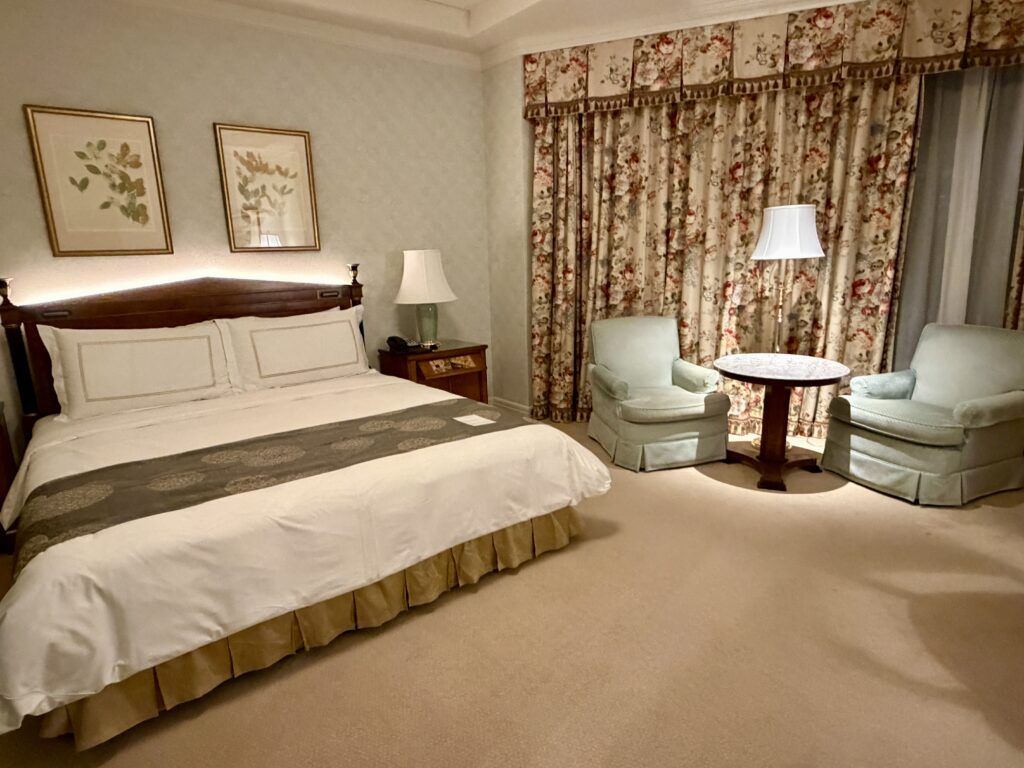
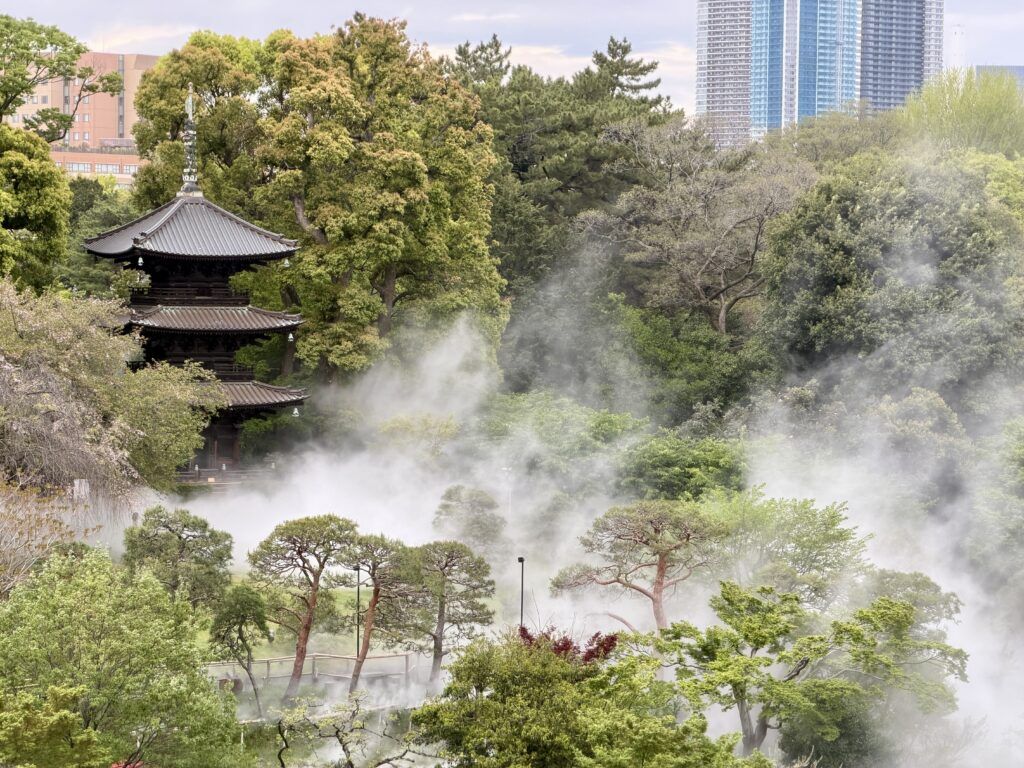
Our final stop of the night was the Hotel Chinzanso Tokyo. This luxury property centers around a historic 19th-century garden that feels entirely removed from the urban energy outside its gates. It was a beautiful place to end our Japan journey.
Mount Fuji from All Angles
While Japanet offered a few included tour options for our second day in Tokyo, we chose to arrange our own private day trip to Mount Fuji. Japanet’s pre-cruise Mt. Fuji tour was fully booked, so we secured a private tour of the Fuji Five Lakes region on Viator.
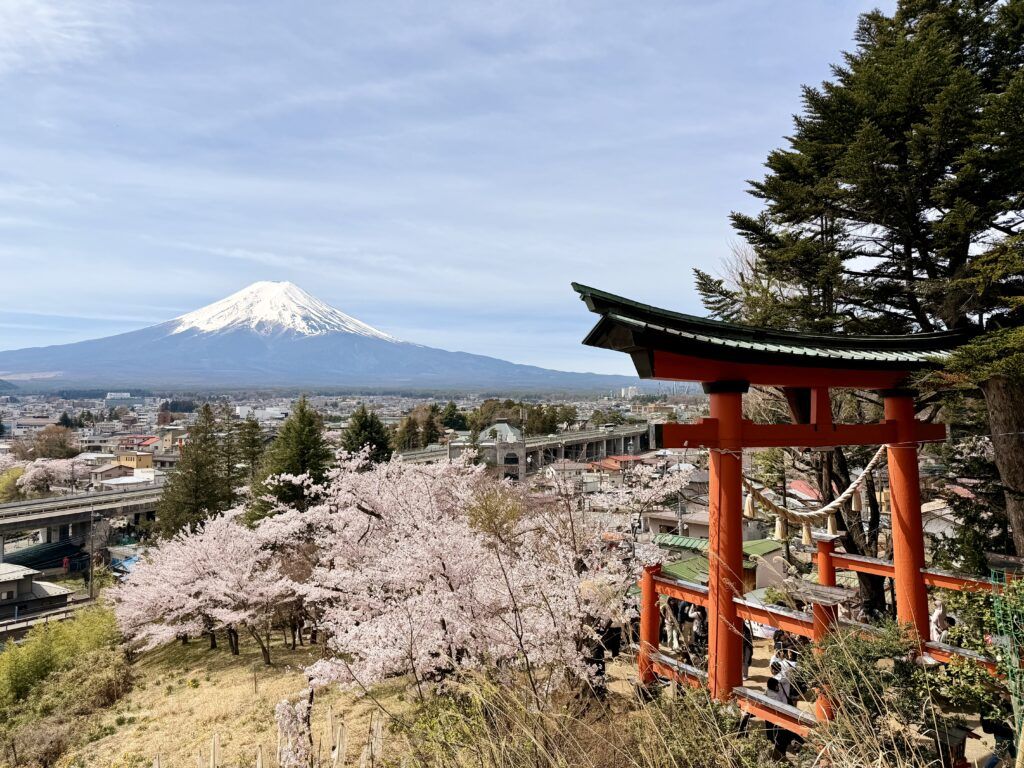
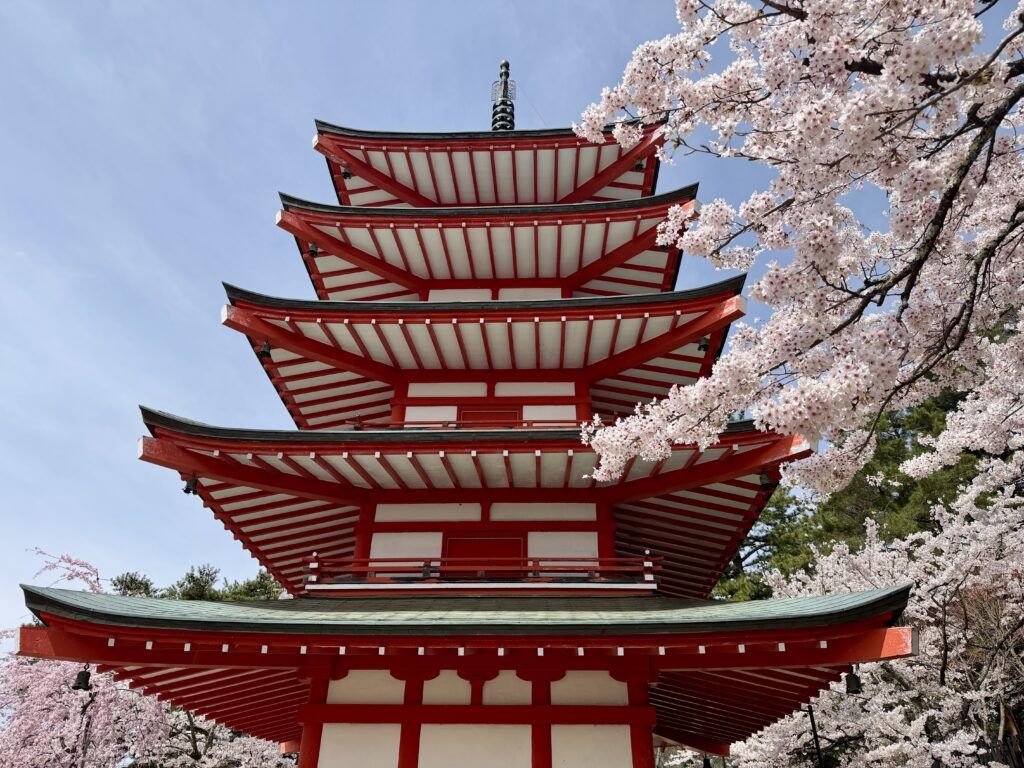
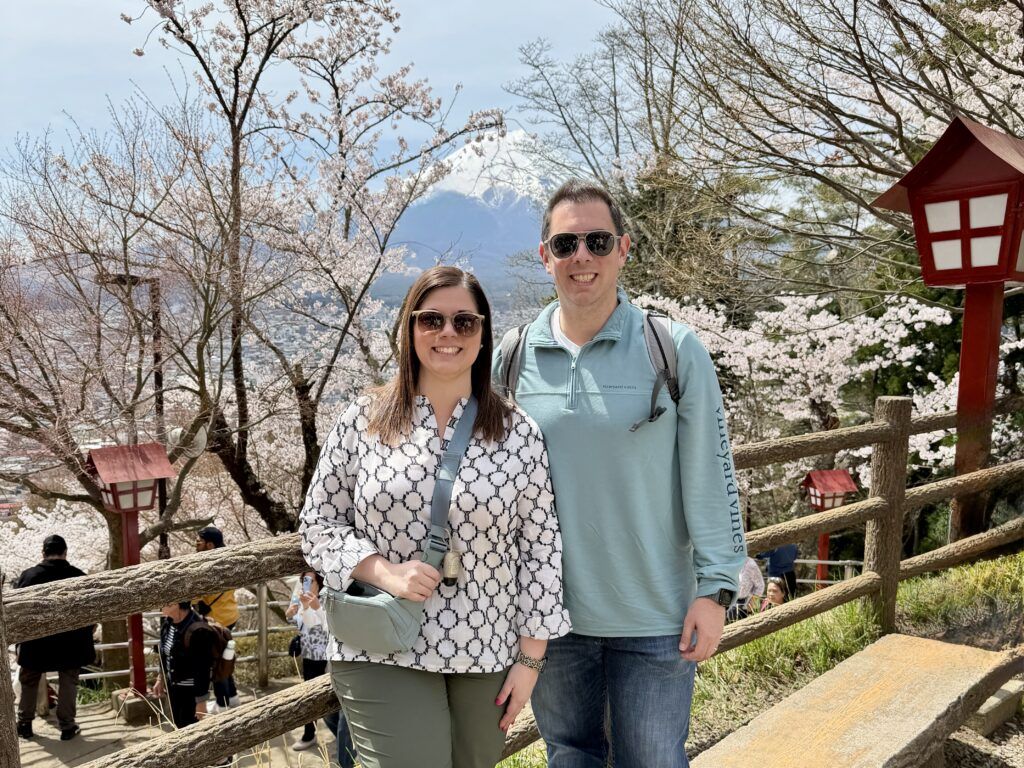
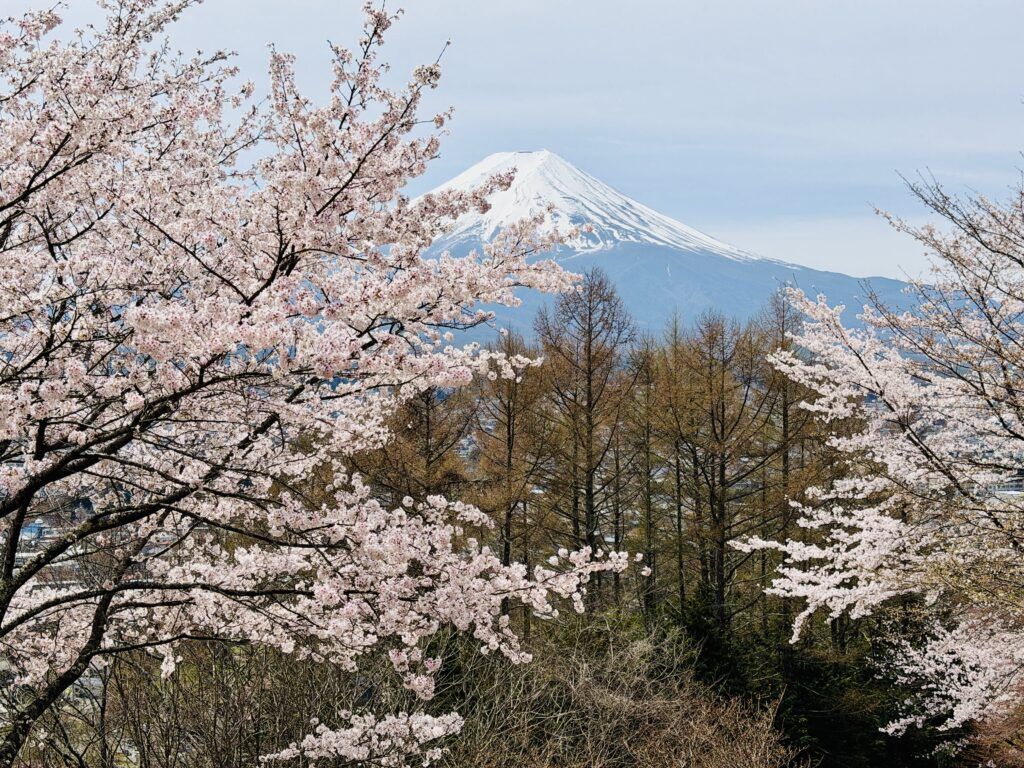
The highlight was Arakura Fuji Sengen Shrine, where a 397-step climb through the forested hillside leads to the Chureito Pagoda. The view from the top is one of the most photographed panoramas in Japan. However, the wait to get to the very top stretched past 90 minutes. So instead, we snapped equally impressive photos from the base of the pagoda, with cherry blossoms in full bloom framing our shots perfectly.
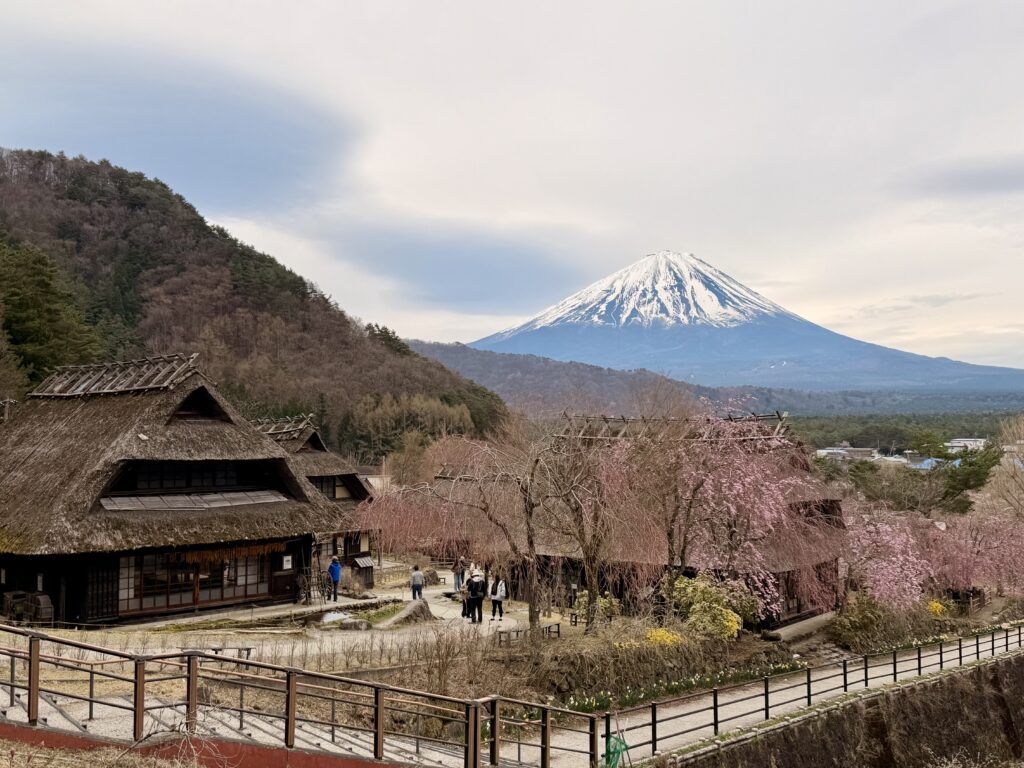
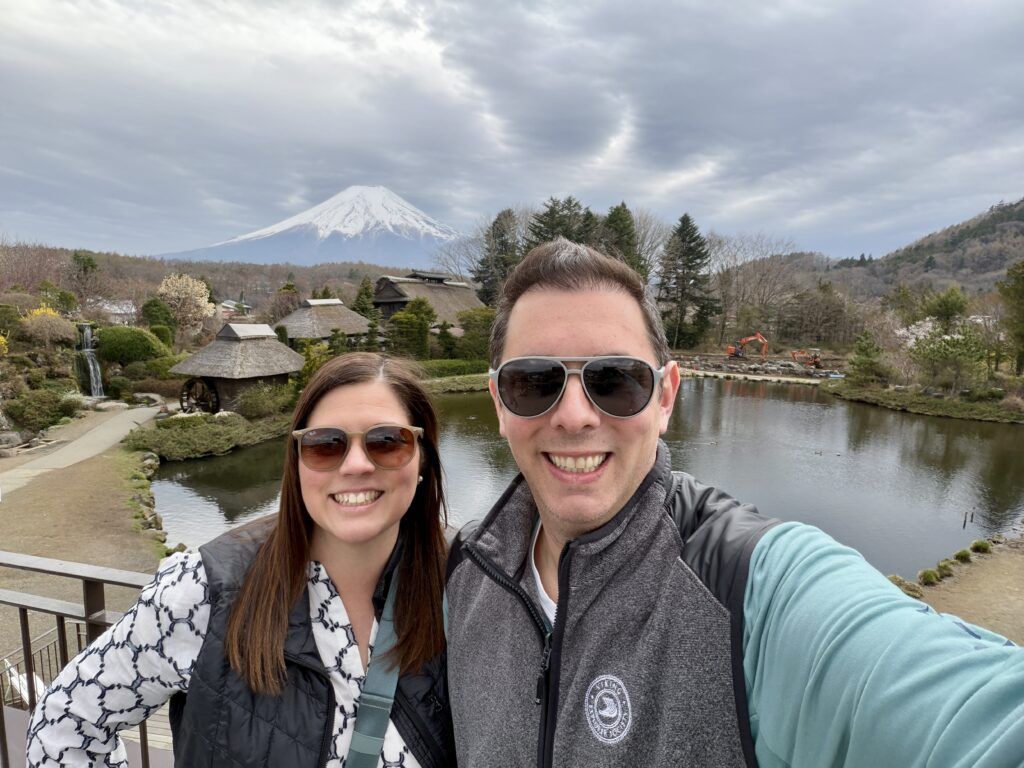
Next, we headed to Saiko Iyashi no Sato Nemba and the nearby lake. This recreated traditional village of thatched-roof farmhouses sits directly against the backdrop of Mount Fuji, and the scenery there was unlike anything else.
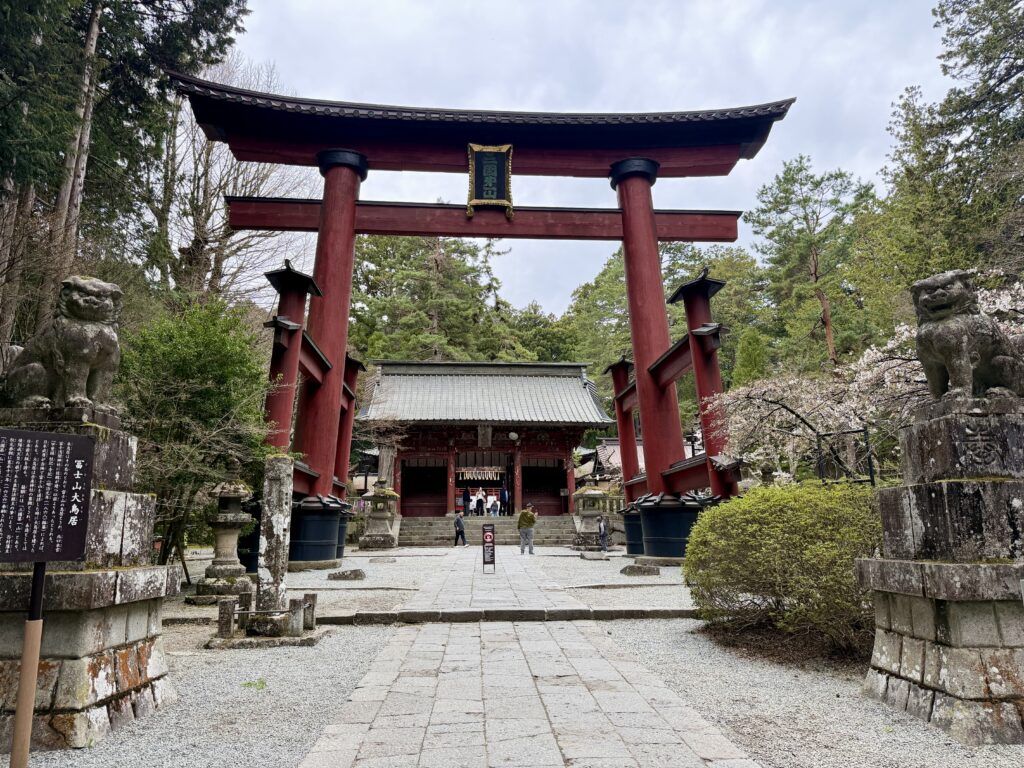
A personal favorite stop was a detour to Kitaguchi Hongu Fuji Sengen Shrine, a more secluded site. This historic shrine served as the traditional northern starting point for Mount Fuji pilgrimages for centuries.
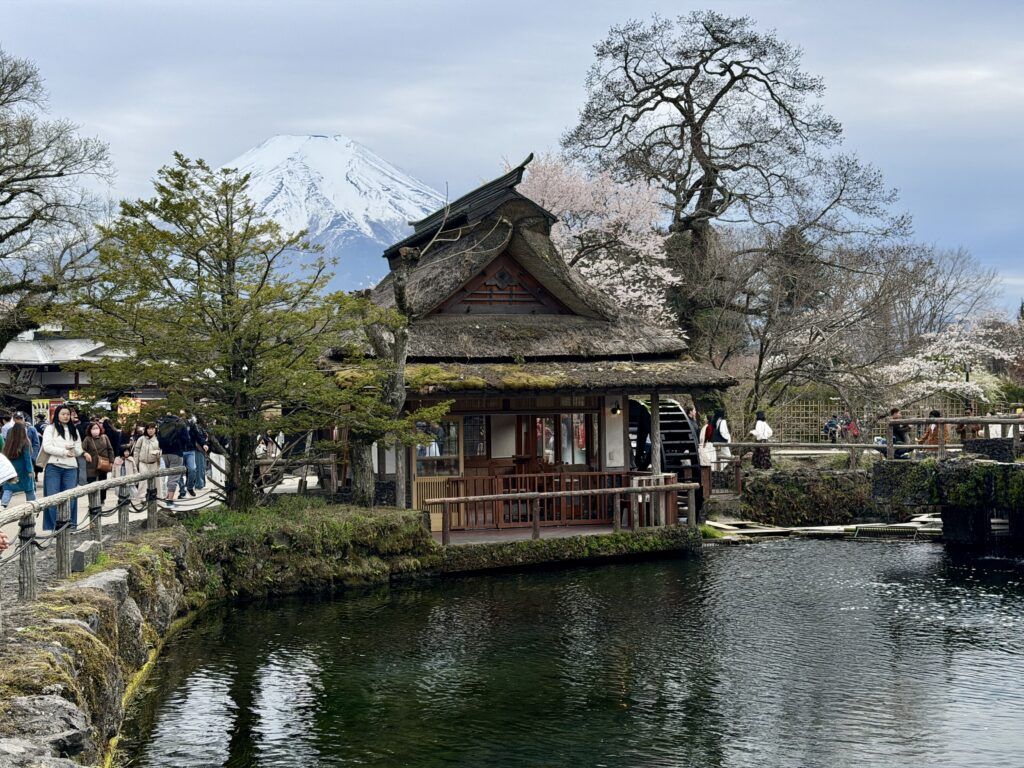
To wrap up the day, we ended at Oshino Hakkai, a charming village of eight crystal-clear spring-fed ponds naturally filtered through Mount Fuji’s volcanic rock over decades. Traditional thatched-roof houses, local food stalls, and quaint shops surround the ponds, making it a picturesque final stop before heading back to Tokyo.
While it was a long day of travel to and from the Fuji area, the Mountain showed off for us. The snow-capped peak complemented by cherry blossoms made it all worth it.
A Morning of Sumo
Day 15 marked the official last day of the trip. While some fellow travelers were flying home, many had plans to extend their stay in Japan even further. Likewise, Heidi and I booked a few days at Tokyo Disney Resort for Eat Sleep Disney research purposes of course!
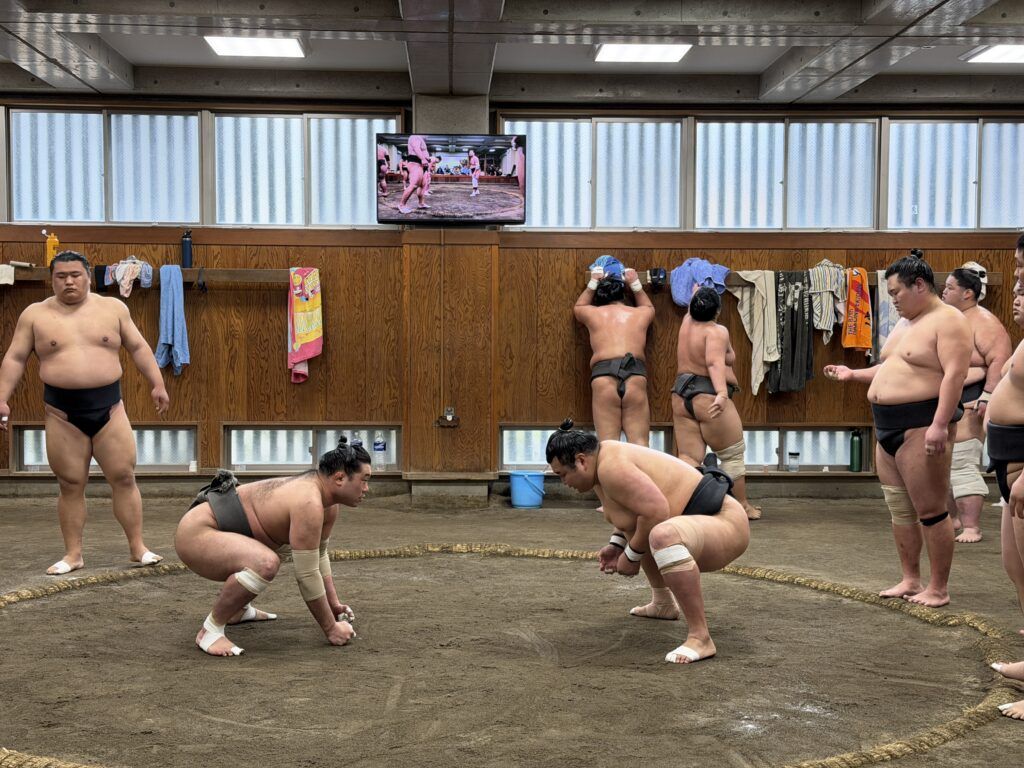
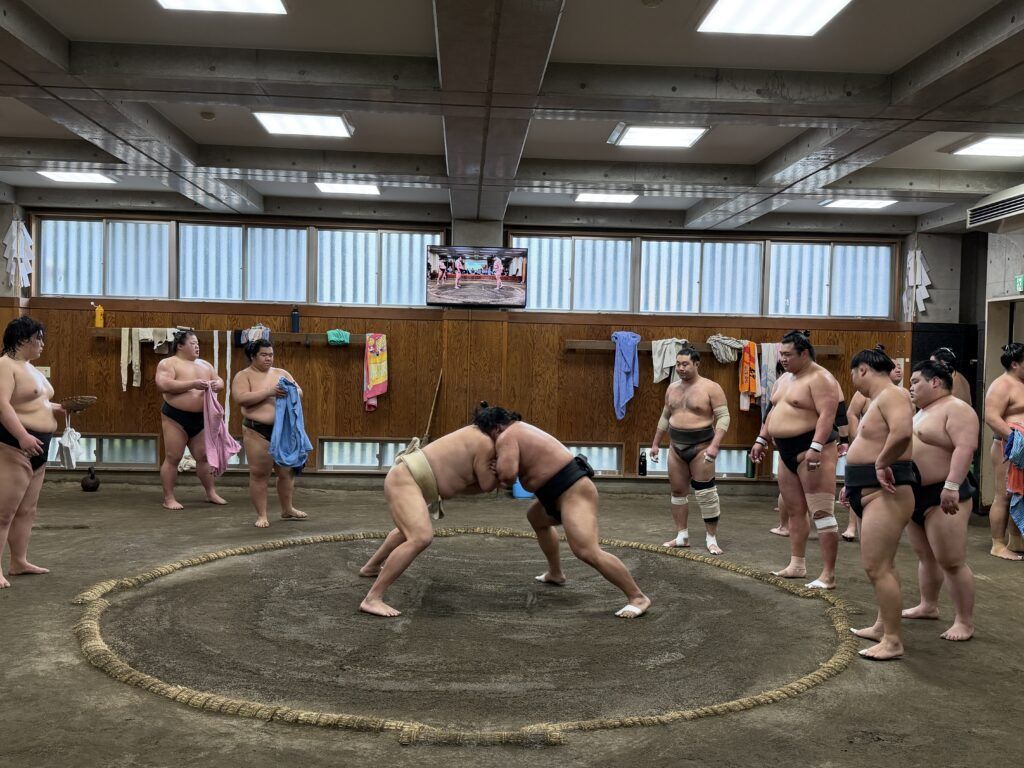
Even on the final day of this comprehensive Japan experience, Japanet offered optional morning tours. We chose the Sumo Stable experience. Fittingly, our guide for the morning was Dori, the same guide who led our Kamakura tour on day one.
The drive out to the stable took about 40 minutes. Along the way, Dori walked us through the history and modern-day practice of sumo, Japan’s national sport.
At the stable, we watched about an hour of the typical morning training session. The stable master directed athletes through a series of exercises and drills. These included weshiko leg stomping, suri-ashi sliding exercises, and teppo pushing drills. Everything was built toward intense sparring sessions known as moshiai.
We did not know exactly what to expect going in. Even so, we left with a genuine appreciation for the athleticism, discipline, and tradition behind this ancient sport.
Our Japanet Cruise Recap
When we first agreed to sail on a cruise designed primarily for Japanese guests, we were not entirely sure what to expect. But, we are glad we stepped out of our comfort zone. Japanet delivered something truly unique with this luxury cruise experience. The company took everything we love about Viking Ocean sailings and layered something entirely different on top.
The result was an all-inclusive land and sea trip with distinct onboard activities and entertainment, unique ports of call, and authentic shore excursions. Further, the great support staff ensured this cruise was accessible for Americans. This meant we were able to experience Japan the way Japanese travelers do.
With any newer offering, there’s still some room for improvement. Namely, ensuring the experience isn’t too structured so guests have some flexibility, perfecting onboard enrichment opportunities to make the experience truly comprehensive, and pinpointing how to better accommodate the wide range of American allergies and dietary preferences in a culture where they don’t exist.
But overall, we had a wonderful time exploring regions of Japan that many Americans have never heard of. We wouldn’t hestitate to recommend this experience to our family and friends. The Japanet team impressed us consistently with their organization and hospitality.
Should You Book a Japanet Cruise?
If you’re the type of traveler who wants a deep-dive into the destination’s culture, wants to avoid the most touristy places, and isn’t afraid to try something new, a Japanet Cruise might be perfect for you. You’ll get to appreciate authentic Japanese activities, food, and traditions from around the country without worrying about all the travel logisitcs.
If you’re a cruiser, especially a fan of Viking, you’ll feel at home from the moment you board. With friendly and attentive staff, comfortable accommodations, all-included dining, and twice daily housekeeping, you’ll never have to worry about anything. Daily activities and entertainment, along with luxurious relaxation spaces, ensure you’ll always find something to do between ports of call.
On the other hand, if you like flexibility during your time ashore, want to visit the top tourist destinations in Japan, or prefer more traditional cruise onboard programming, you may want to consider a more western cruise line and itinerary.
Unfortunately, Japanet only offers a few select chartered cruises during the year. The 2026 Spring cruise offerings have concluded, but there’s still availability on Fall cruises on MSC Bellissima. Japanet will also offer two Japan itineraries in 2028 on Viking Neptune, the All Japan Tour and the Western Japan Tour.
Comments
Would you consider taking a Japanet Cruise? What is the most unique cruise itinerary you’ve ever experienced? Drop us an anchor below with your Japan cruise reviews.



 – Here’s Our Review)
 – Here’s Our Review)