
 Heidi Bucolo
If you’ve been dreaming about an Alaska cruise but keep talking yourself out of it, you’ve probably encountered some version of the myths we’re about to bust. After more than 100 cruises and multiple Alaska sailings, we’ve heard just about every misconception there is about cruising the Last Frontier.
Some of these myths stop people from booking altogether. Others lead to poor planning decisions. And a few are just flat-out wrong in ways that might actually surprise you.
So, let’s set the record straight.
Myth #1: There Are Better Ways to See Alaska
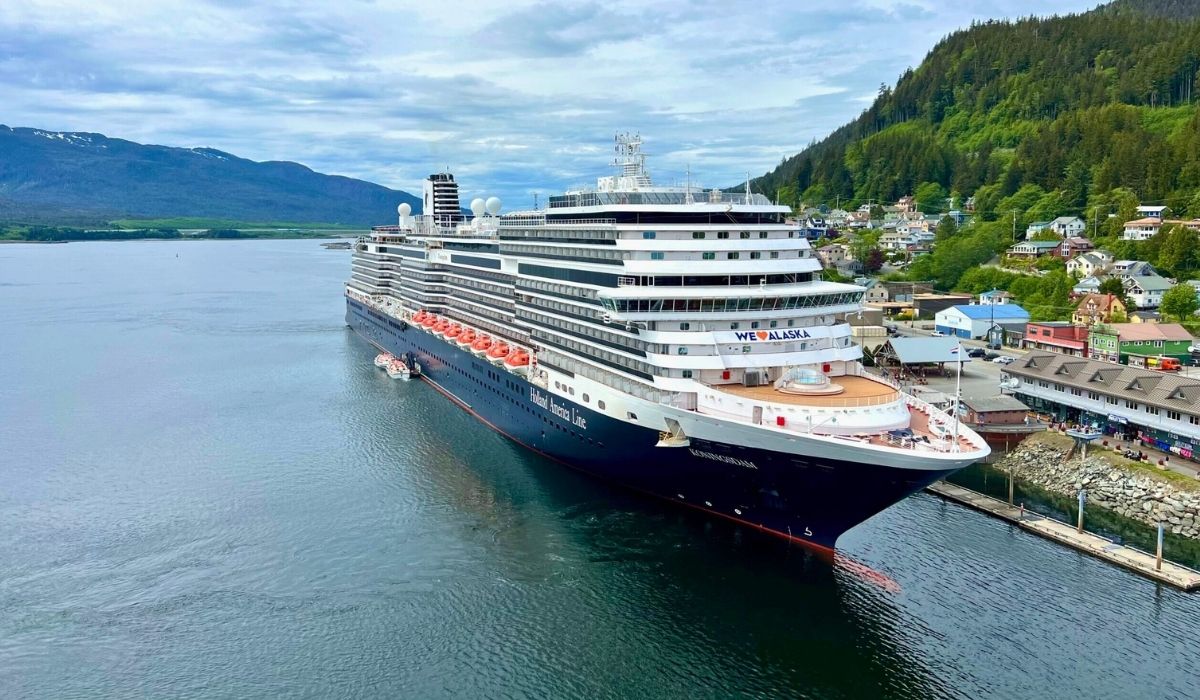
For covering the breadth of Alaska’s highlights — multiple locations, glacier access, wildlife viewing, comfortable accommodations, and meals — a cruise is genuinely hard to beat, especially since some places in Alaska aren’t accessible by roads.
Could you spend two weeks driving through Alaska independently and go more interior? Absolutely. But you’d also be navigating complex logistics, driving between remote destinations, and spending significantly more money. A cruise visits destinations like Glacier Bay National Park, Juneau, Skagway, Ketchikan, and the Inside Passage in a single trip with zero packing and unpacking between destinations.
For first-time visitors especially, a cruise is not just a good way to see Alaska — it’s the best way to get a comprehensive introduction to the state. If you’re a returning visitor, cruise lines also offer cruisetours which combine a cruise with a land portion that often visits Denali National Park. With a cruisetour, you’ll see more of the state and still have all the travel logistics handled for you.
Myth #2: Summer Is the Best Time to Cruise Alaska
Summer, specifically late June through mid-August, is the most popular time to cruise Alaska. It offers the warmest temperatures, the longest days, and the most active wildlife. So in many ways, this assumption isn’t wrong.
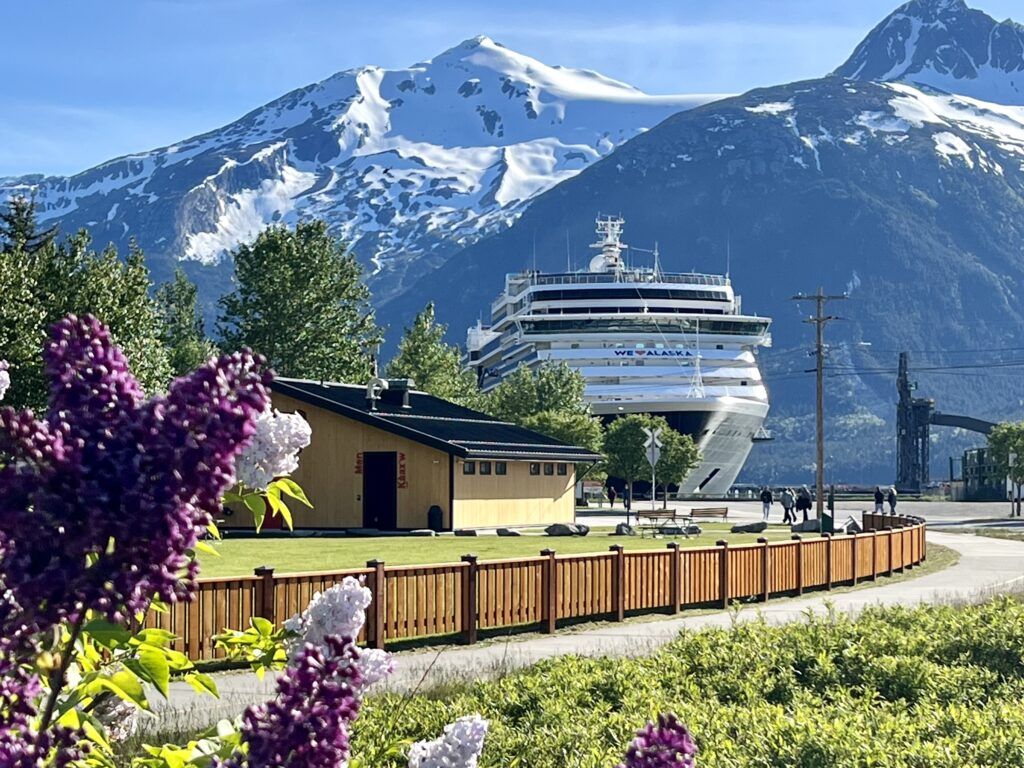
But “most popular” and “best” aren’t always the same thing for all travelers. Shoulder season sailings in May and September offer real advantages that Alaska cruisers need to know. May brings lower prices, fewer crowds, and an early-season energy to the destination. September delivers stunning fall foliage, and again, lower pricing and thinner crowds.
If your schedule is flexible, don’t automatically assume that you should book your Alaska cruise in July or August. It really depends what you want out of the trip. A May or September sailing might actually deliver a better overall experience at a lower cost. In fact, we’ve cruised to Alaska during all months and prefer shoulder season sailings, specifically for the lower crowd levels.
Myth #3: You Need to Be Outdoorsy or Adventurous
Alaska has a reputation as a destination for hikers, kayakers, and adventure seekers. While those experiences absolutely exist, they’re only one slice of what an Alaska cruise offers.
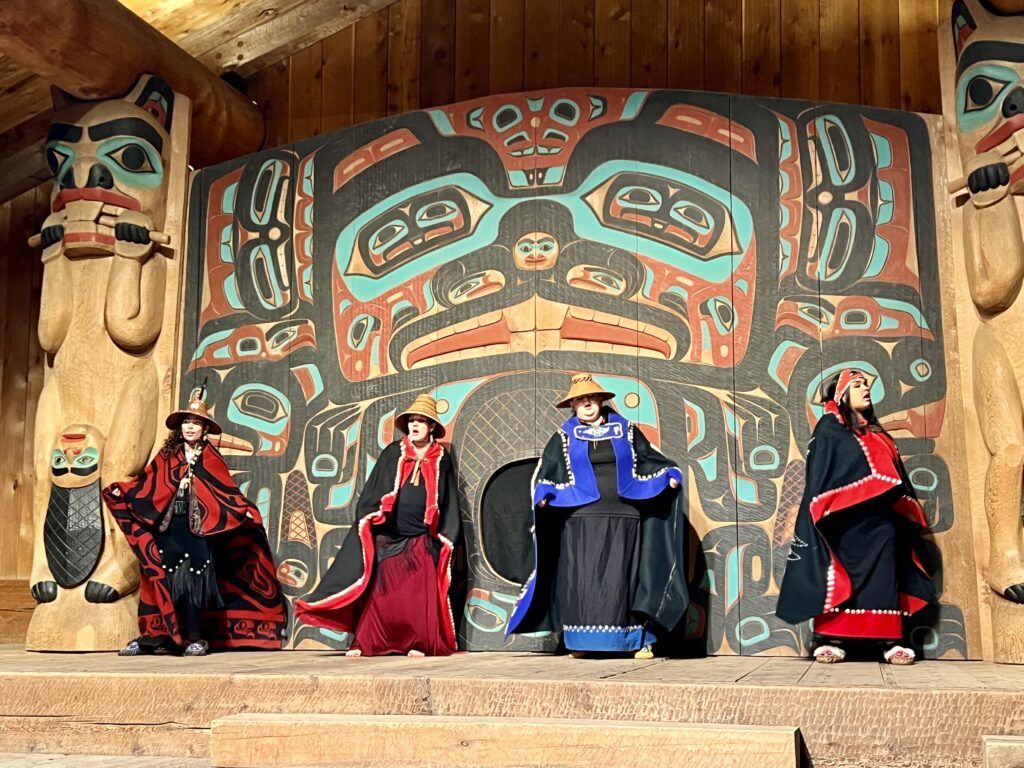
For every helicopter glacier landing or hiking adventure, there’s a scenic narrated catamaran tour through Misty Fjords or a foodie’s dream crab feast. For every white water rafting or zipling excursion, there’s a relaxed afternoon exploring a charming port town or watching native Alaskan cultural performances. The scenery itself is extraordinary without any physical effort required.
Alaska cruises are accessible to travelers of all fitness levels and interests. Believe me: I’m not an outdoorsy person at all and still love Alaska.
Myth #4: It’s Too Cold to Enjoy
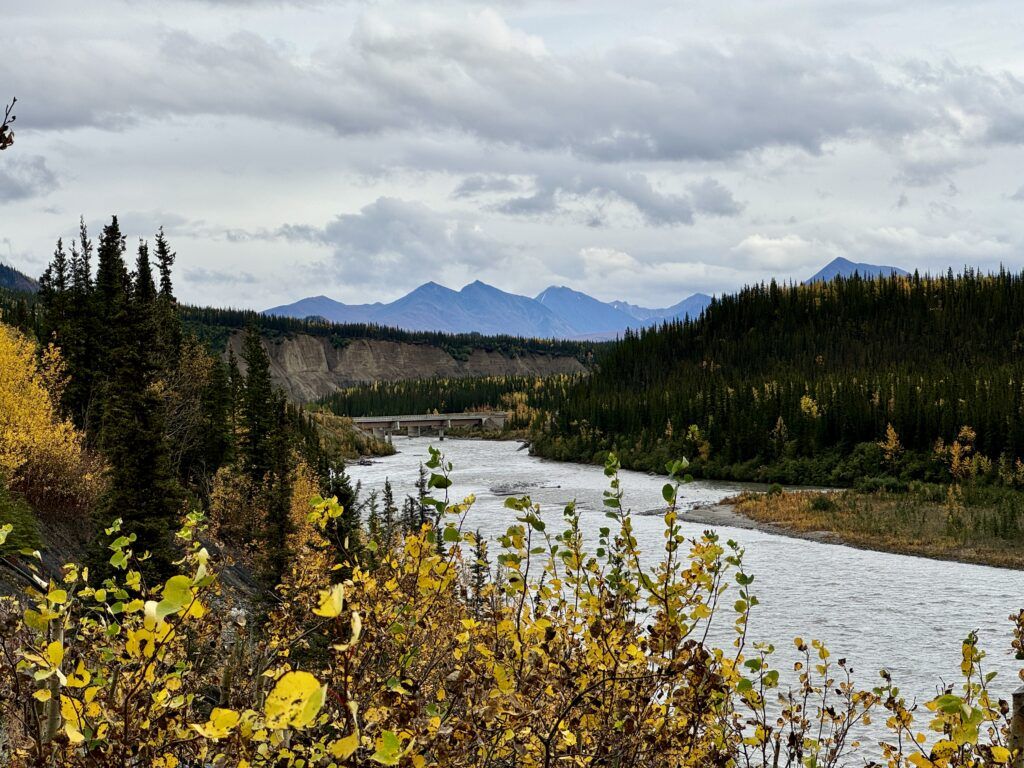
Yes, Alaska is the “Last Frontier”. Yes, it can be chilly, especially in the mornings and evenings. But “too cold to enjoy” is simply not an accurate description of Alaska during the cruise season. Most cruisers are pleasantly surprised by how comfortable the temperatures actually are.
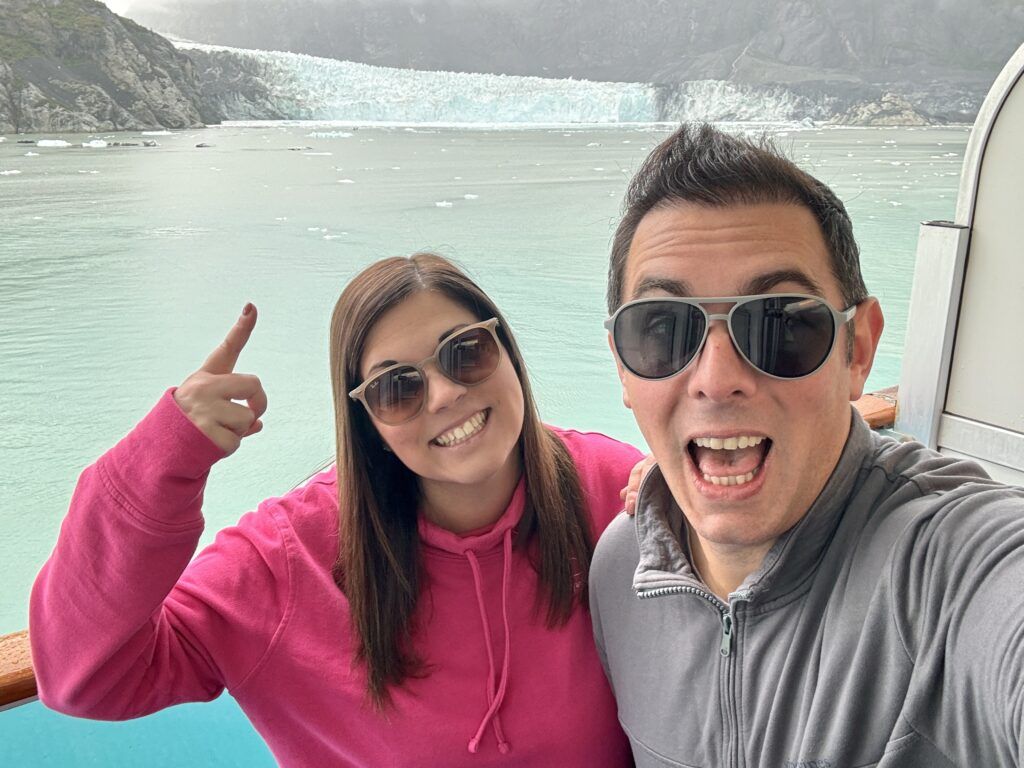
You will experience crisp, fresh air in the mornings — the kind that makes glacier viewing from the bow of a ship feel exhilarating rather than miserable. But, it will usually warm up into the 50s or even the 60s by midday. We’ve actually experienced temps warm enough for shorts.
Of course, everyone has a different cold tolerance. But generally, if you dress appropriately, the weather becomes part of the experience instead of an obstacle. Even on cool or foggy days, Alaska has dramatic beauty that many cruisers end up preferring to a hot and sunny Caribbean afternoon.

Myth #5: You’ll See the Northern Lights
We hate to be the ones to tell you this, but if seeing the Northern Lights is a primary reason you’re booking an Alaska cruise, don’t do it. Instead, choose a sailing to Norway or Iceland.
Alaska cruises operate during the summer months when there are long hours of daylight. The Northern Lights require darkness, and there simply isn’t enough of it during peak season to produce visible aurora displays.
Your best shot at seeing the Northern Lights in Alaska is a September sailing, when darkness starts returning to the region. Even then, sightings on a cruise are possible but far from reliable. If Northern Lights are at the top of your Alaska bucket list, a cruisetour that ventures up to Fairbanks is your best bet. And even then, it’s not a guarantee.
Myth #6: Wildlife Sightings Are Guaranteed
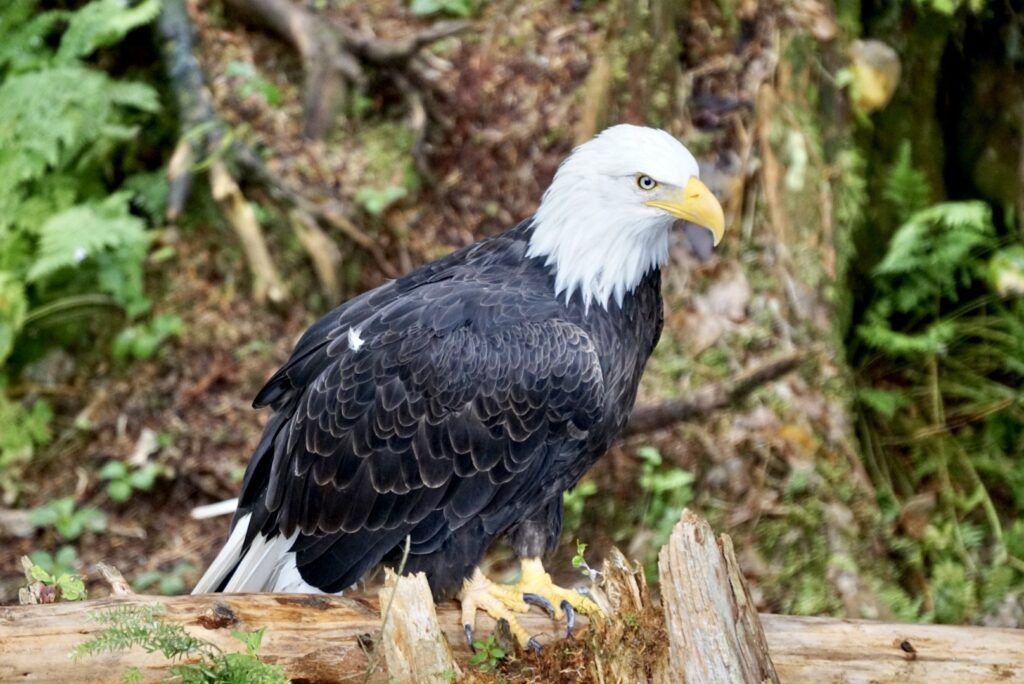
Wildlife sightings? That’s not a guarantee either. It’s true that Alaska is one of the best places in the world to see humpback whales, orcas, brown and black bears, bald eagles, sea otters, Steller sea lions, and more. But, seeing these animals during your Alaska cruise isn’t a sure bet.
What we can tell you is that your odds are significantly better than most other cruise destinations, and there are things you can do to improve them. Spend time on deck during scenic cruising, especially in the early mornings when seas are calmer and wildlife is more active. Bring binoculars to scout the shorelines. Listen to announcements from the onboard naturalist or your captain.
Of course, you can also book excursions — like whale watching or bear viewing tours. Though honestly, some of the best wildlife moments on an Alaska cruise often happen not on a paid excursion but from the rail of the ship at 7 AM with a cup of coffee in hand.
Myth #7: You Need a Balcony Cabin in Alaska
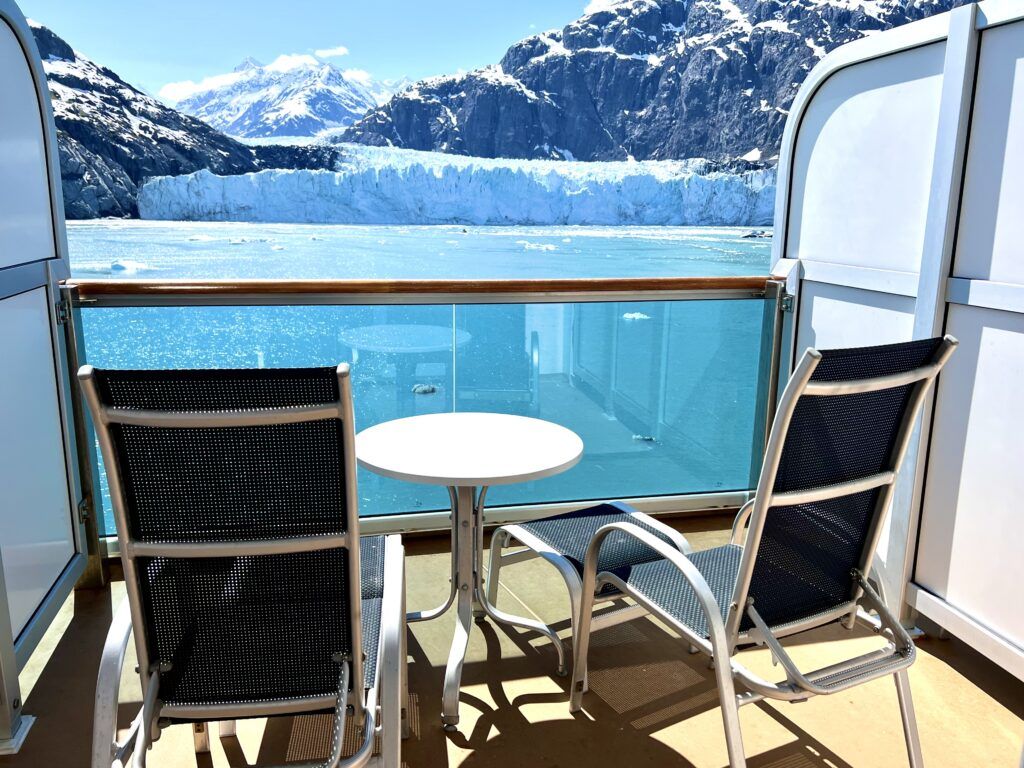
The balcony debate is one of the most hotly contested topics in cruising, especially during Alaska cruise planning. Here’s our honest take: a balcony is wonderful in Alaska and we’d always recommend one if your budget allows. The ability to step outside at 6 AM in your pajamas when the captain announces a whale sighting or to just admire the natural landscapes is genuinely valuable. Private glacier viewing with some breakfast in bed can’t be matched either.
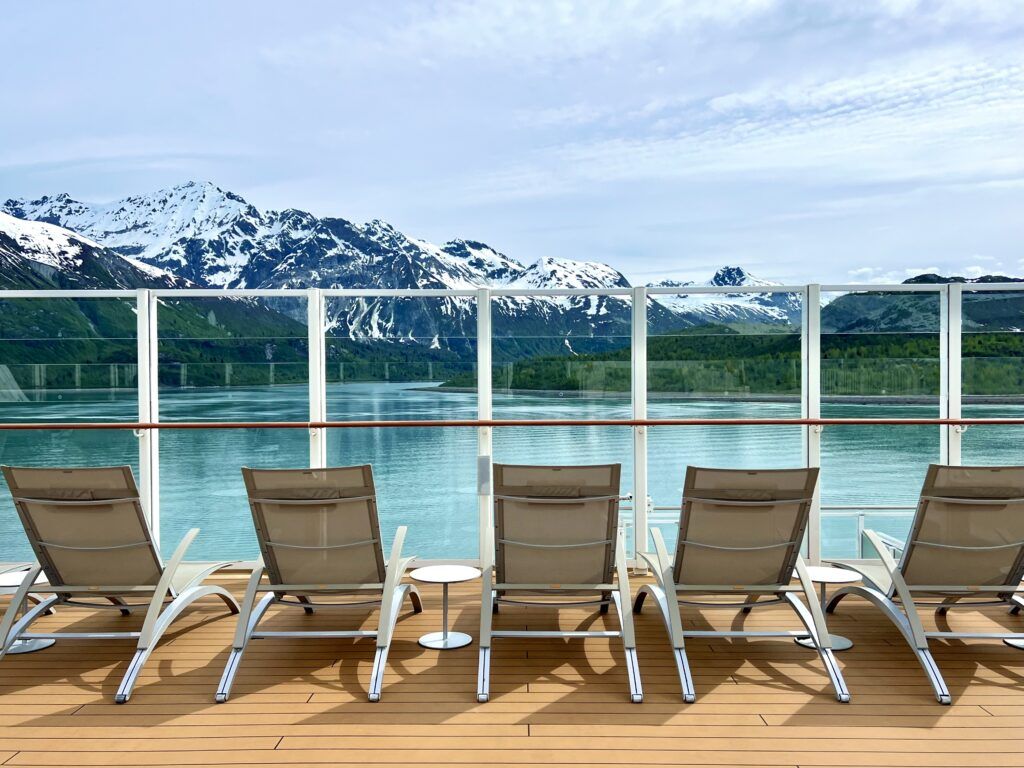
But is a balcony required? No. Cruise ships that sail the region have plenty of public viewing spaces. You’ll likely spend the majority of your scenic cruising time on the open decks. Many cruise ships also have indoor observation lounges if you don’t feel like braving the elements.
If the price difference between an interior cabin and a balcony is the difference between going and not going, just book the inside stateroom. You will not be disappointed.
Myth #8: You Don’t Need a Passport
Technically, on a closed-loop cruise — one that departs from and returns to the same U.S. port — U.S. citizens can sail with a birth certificate and government-issued photo ID instead of a passport. So, this myth does have some truth to it. But practically speaking? We always recommend having a passport for an Alaska cruise.
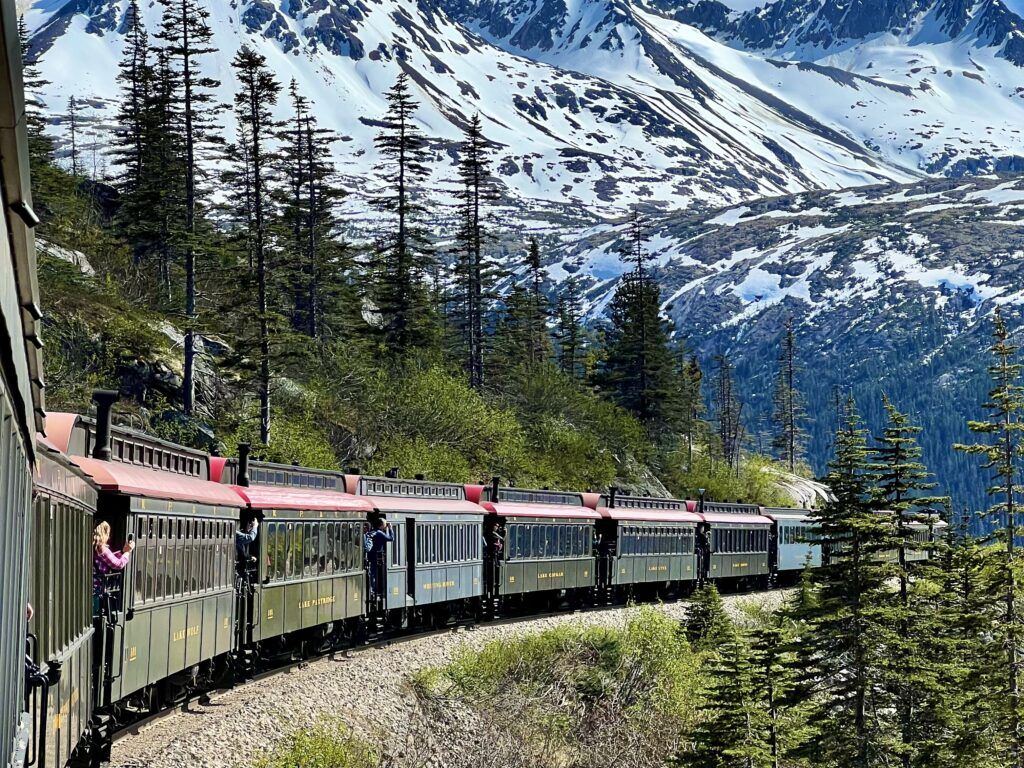
If a medical emergency requires you to fly home from a Canadian port, you need a passport. If you plan to take any excursions that cross the Canadian border by land, like the very popular White Pass Railway, you’ll need a passport as well. This is not a myth worth testing; just get the passport.
Myth #9: Rain Will Ruin Your Trip
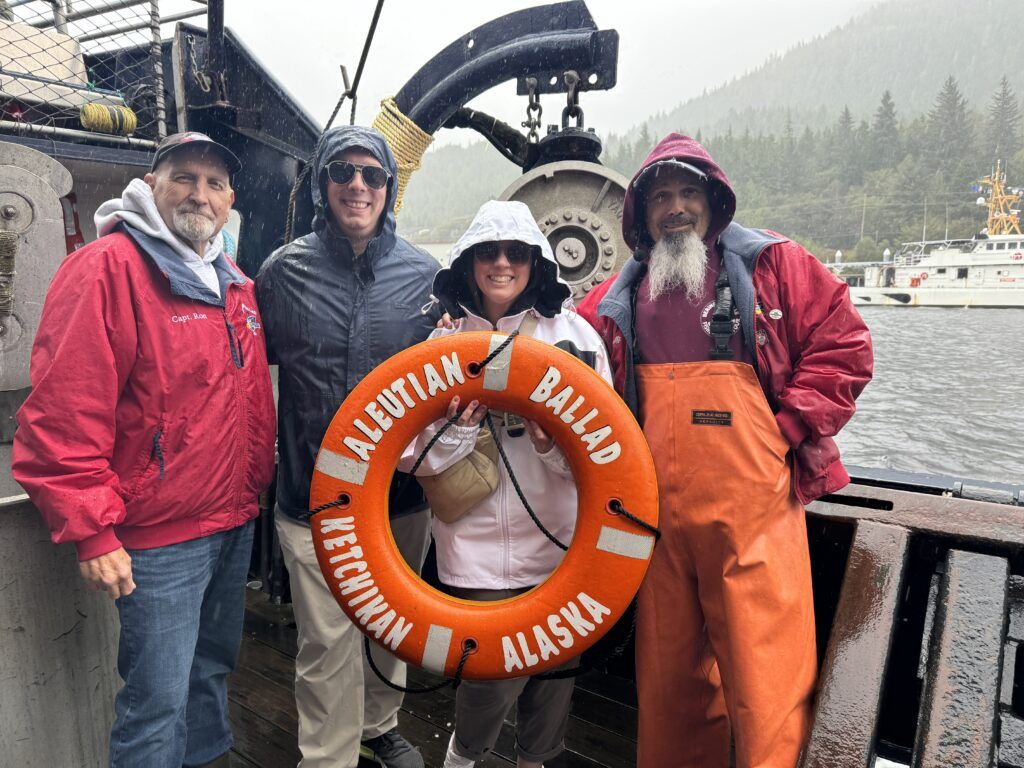
While wildlife is not guaranteed on your Alaska cruise, one thing is: it will rain! We’re not going to pretend otherwise — especially if Ketchikan is on your itinerary, as it receives over 150 inches of rain annually.
But rain ruining an Alaska cruise is almost entirely a mindset issue. With a quality waterproof jacket, waterproof shoes, and the right attitude, a rainy day in Alaska is still a spectacular day. Plus, the rain usually doesn’t last the whole day and it’s often only light showers.
So, pack your rain gear and embrace the adventure.
Myth #10: An Alaska Cruise Is Just Like Any Other Cruise
If you approach an Alaska cruise the way you approach a Caribbean sailing — sleeping in, pool days, late nights dancing and drinking — you will miss what makes Alaska cruising truly spectacular.
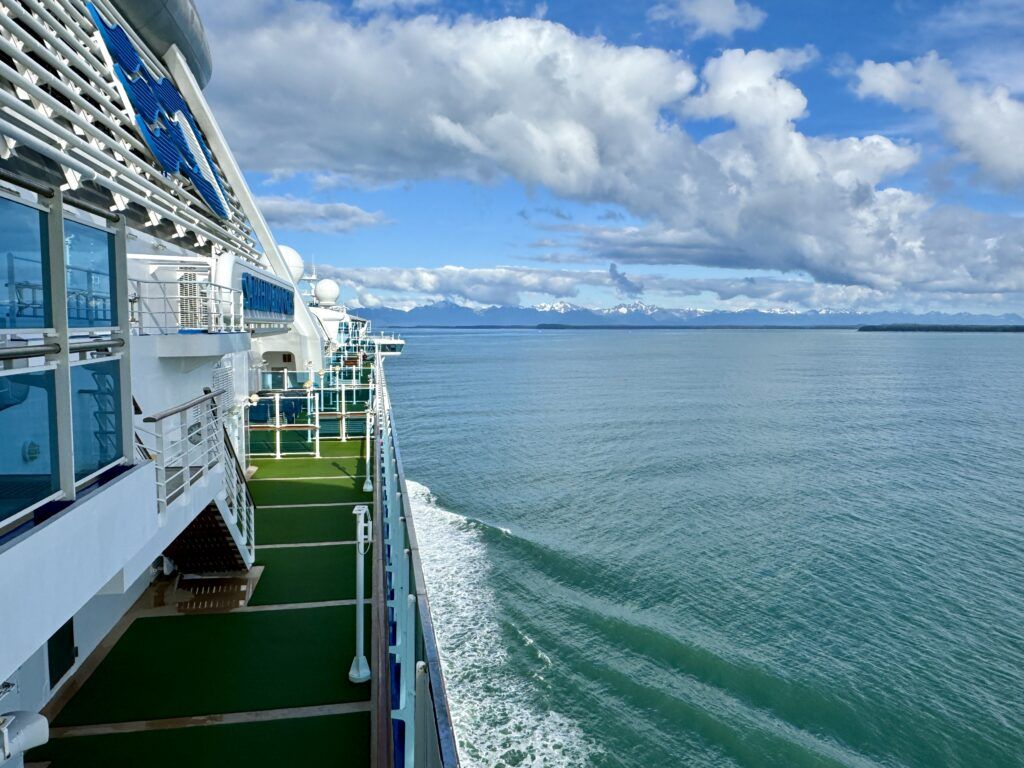
Alaska cruises have a different rhythm. You set an alarm for early scenic cruising and glacier viewing. You linger on deck watching for wildlife instead of enjoying poolside cocktails. The quiet of the Inside Passage becomes the norm instead of loud deck parties. You retire early, usually after dinner and a show or a couple cocktails.
The destination is the entertainment. When you understand that difference, an Alaska cruise goes from being “just another cruise” to one of the most memorable travel experiences of your life.
Myth #11: You Need Heavy Winter Gear
This is probably one of the most common Alaska cruise packing mistakes. First-time Alaska cruisers show up with bulky ski jackets, several heavy wool sweaters, and ski boots that remain in their luggage the entire trip.
The reality is that Alaska in summer is nowhere near as cold as New England in winter. Temperatures in the main cruise season (May through September) typically range from the low 50s to the mid-60s Fahrenheit, with warm afternoons that can push into the 70s in some ports. Yes, it will likely be chilly during those early morning hours, but it warms up nicely in time to go ashore.
The bigger challenge isn’t the cold, it’s the variability in temperature. You can experience a 25-30 degree temperature swing in a single day, from a crisp 40°F morning at the glacier to a pleasant 65°F afternoon in port. The solution is layers. A moisture-wicking base layer, a mid-layer, and a packable waterproof outer shell will serve you better than any heavy coat.

Myth #12: All Alaska Cruises Are the Same
This one can lead to some serious disappointment if you believe it. Alaska cruises vary greatly — not just in the ships that sail the region and the ports they visit, but in the type of glacier access they offer, the route they sail, and the overall experience they deliver.
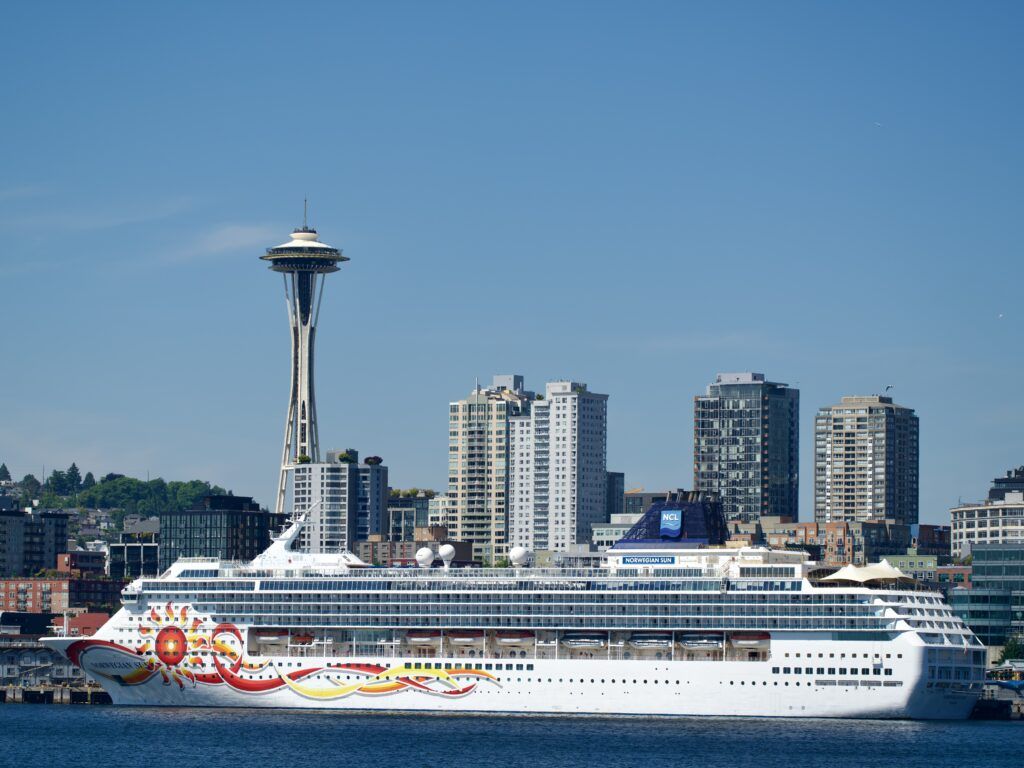
A roundtrip Seattle sailing is a very different trip than a one-way Gulf of Alaska itinerary from Vancouver to Whittier. A ship that sails into Glacier Bay National Park offers something genuinely different from one that visits Hubbard Glacier or Endicott Arm and the Dawes Glacier. Some itineraries spend full days in port, while others only stop for 6 hours.
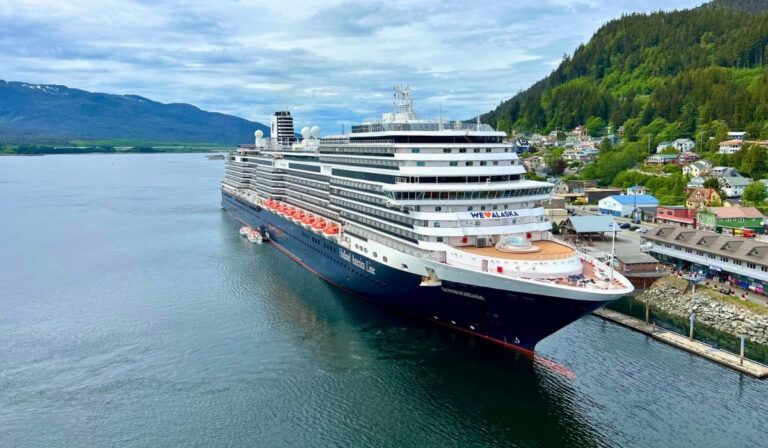
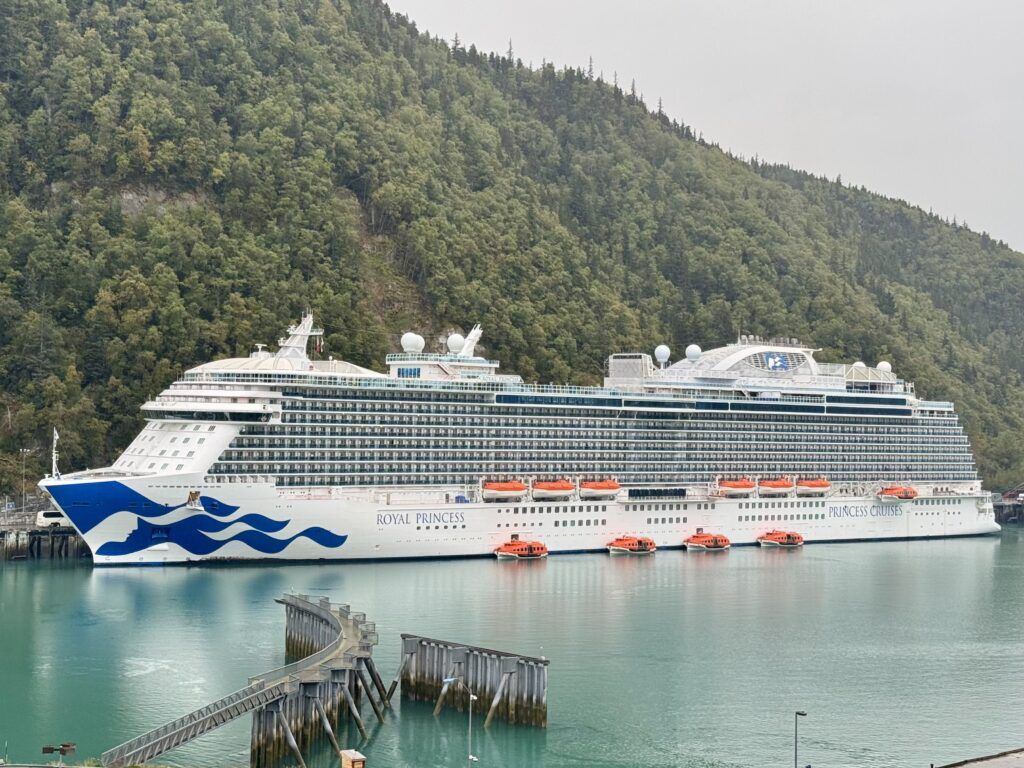
The ships themselves vary just as much, from familiar brands carrying 3,000+ passengers to intimate, small-ship expedition vessels. Some cruise lines, like Princess and Holland America, have invested heavily in Alaska-specific programming. This includes everything from onboard naturalists and expert lecturers to locally sourced food and beverages.
Before you book, understand exactly what itinerary you’re getting, which glaciers you’ll visit, and what your cruise line (and cruise ship) brings to the Alaska experience.
Myth #13: Alaska Cruises Are Too Expensive
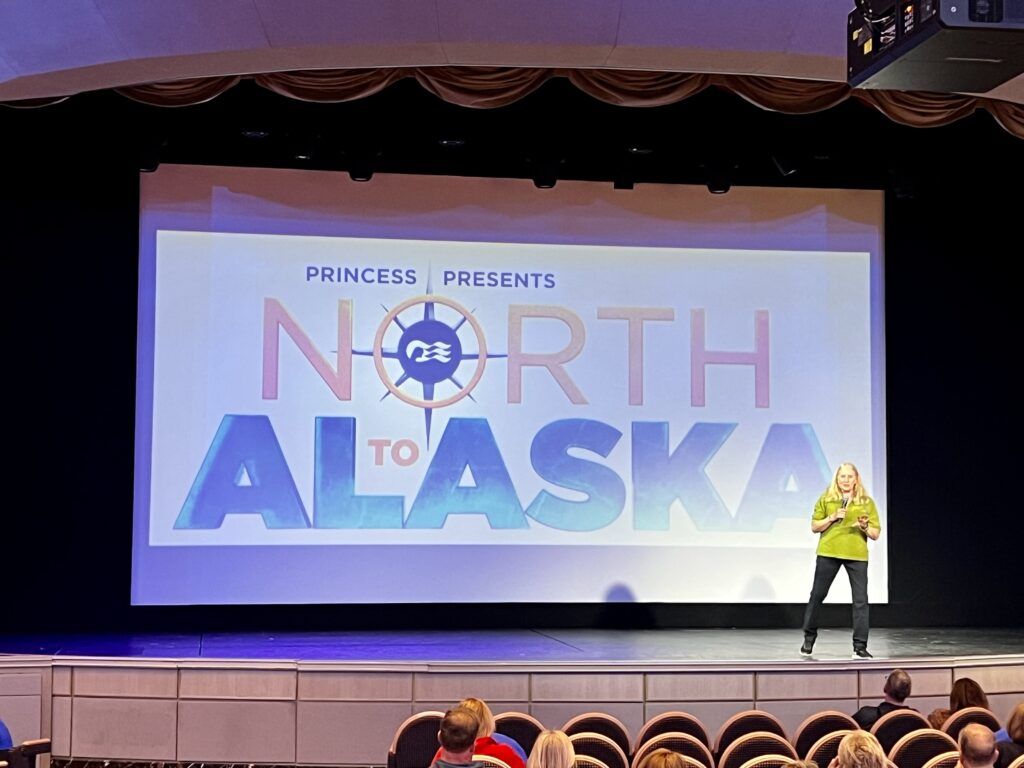
Sticker shock is real when you first start pricing out Alaska cruises, especially compared to a 7-day Caribbean sailing. But, look at the full picture. Alaska is remote. Getting there independently, with flights to Anchorage or Fairbanks, transportation, lodging in remote areas, and meals, adds up shockingly fast. Once you realize this, a cruise quickly becomes the cheaper and easier option. A cruise includes your transportation between ports, accommodations, most meals, and access to some of the most spectacular scenery in southeast Alaska.
Alaska cruises don’t have to break the bank. Sailing during shoulder season in an inside cabin is considerably cheaper than sailing in July in a balcony cabin. In fact, it will likely save you $1000 or more per person, and you’ll have a very similar cruise experience.
Myth #14: Alaska Cruises Are for Older Travelers
We understand that Alaska cruises have historically skewed toward a more mature demographic. And that cruise lines like Holland America and Princess have reputations for attracting seasoned travelers. But the demographic is far more mixed than the stereotype suggests.
In fact, Alaska is one of the fastest-growing cruise destinations among younger travelers. This is driven largely by the increased number of adventure-focused excursions available — think glacier treks, white water rafting, kayaking, zip lining, and more.
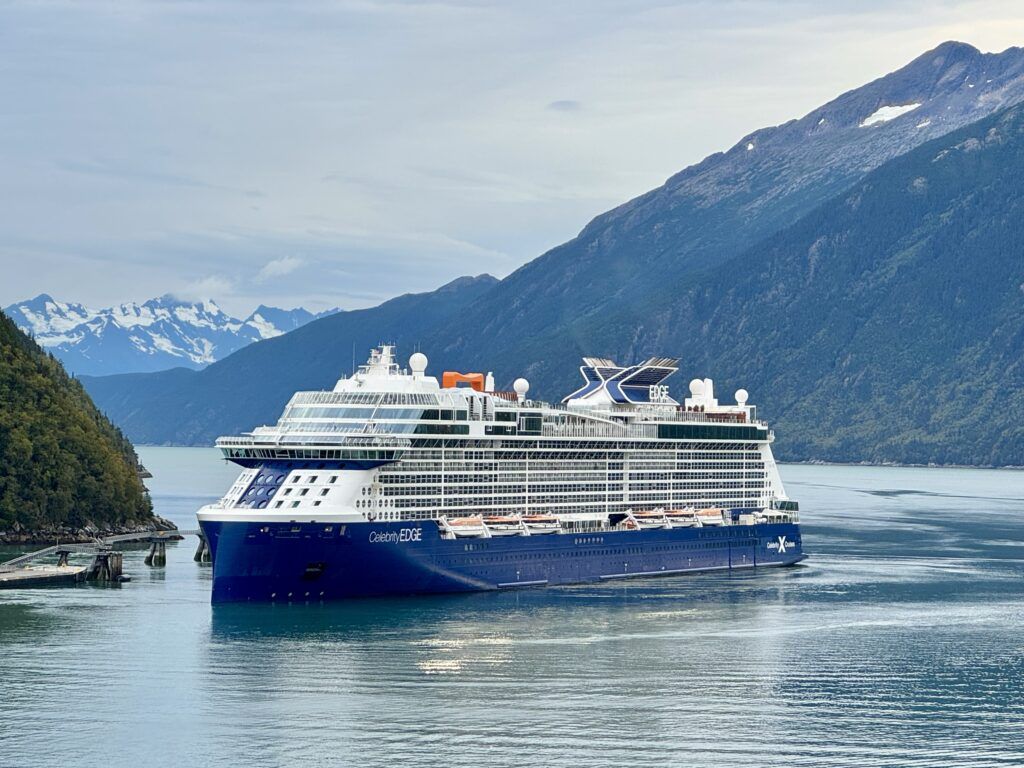
Whether you’re 35 or 75, you’ll have a memorable time in Alaska. We’re in our 40s and have cruised to Alaska with Celebrity Cruises, Norwegian Cruise Line, Princess Cruises, and Holland America Line, and every single trip has been unforgettable.
Myth #15: Alaska Cruises Aren’t for Families
Similarly, Alaska cruises aren’t just for adults. Honestly, Alaska might be one of the most underrated family cruise destinations out there.
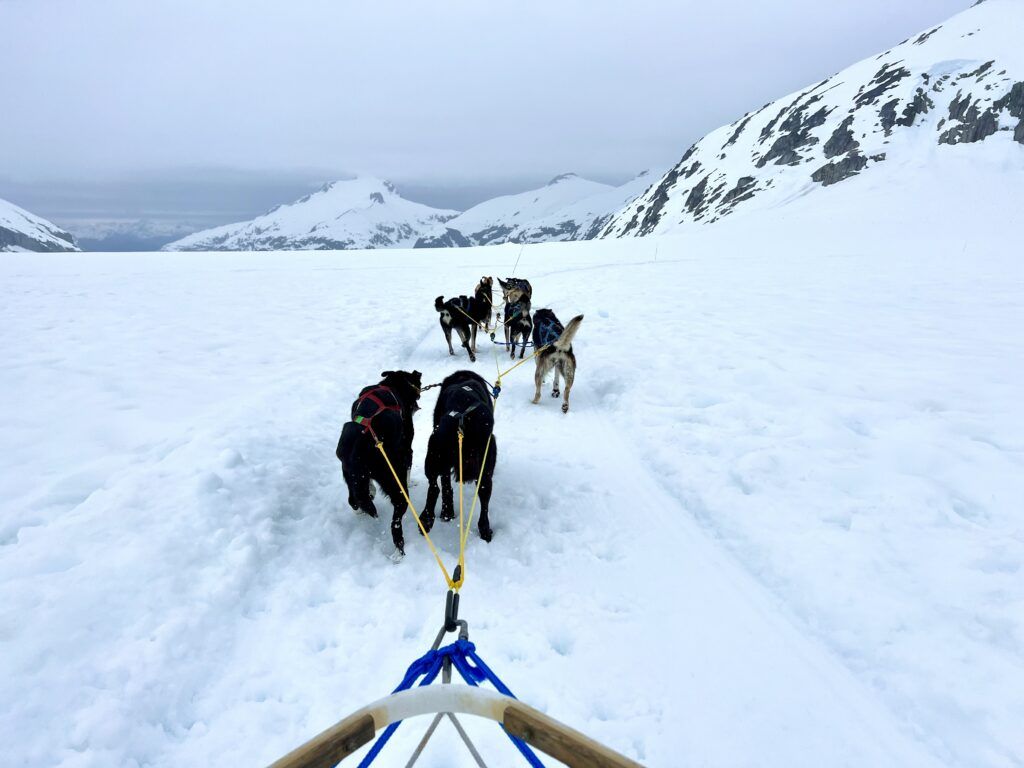
Think about your child’s excitement when they spot a humpback whale, watch a massive chunk of glacier calve into the water with a thunderous crash, pan for gold like a real Klondike prospector, or meet sled dogs before their musher explains what life on the Iditarod trail is actually like. These experiences captivate kids in ways that beach destinations often don’t. This sense of exploration as a family is truly unique.
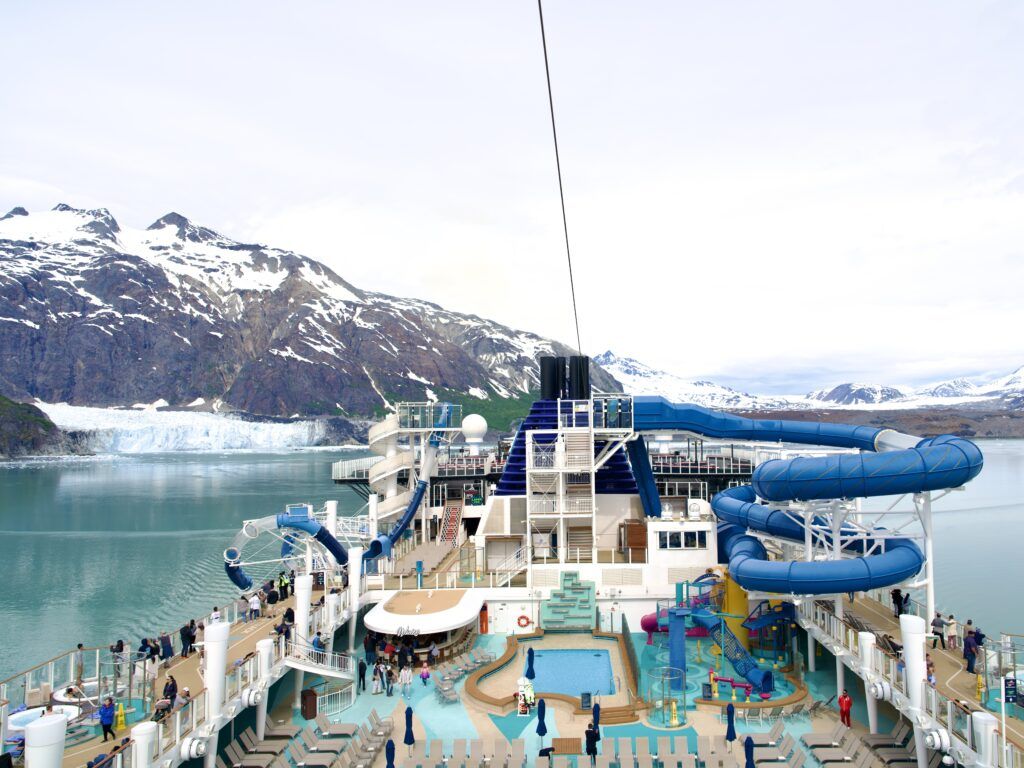
Cruise lines like Royal Caribbean, Norwegian Cruise Line, and Disney Cruise Line have made the destination very family-accessible, combining the destination’s natural wonders with their signature onboard family programming. From exciting tours ashore to age-appropriate activities and hands-on experiences onboard the ship, kids of all ages will find plenty to love.
Myth #16: You Need to Book Shore Excursions in Every Port
It is absolutely true that you cannot treat Alaska shore excursions like Caribbean ones, where you can often decide what to do the morning you arrive. The most popular Alaska excursions like helicopter glacier landings, whale watching, bear viewing tours, and dog sledding all book up months in advance. If there are bucket list experiences on your Alaska itinerary, you need to secure those early.
But it’s not essential that you book an excursion in every single port. Some ports are perfect for independent exploration. Ketchikan‘s Creek Street, Juneau‘s downtown, and Skagway‘s historic district are all walkable and easy to explore without a structured tour.
We recommend you identify your must-do experiences and book those immediately. Then, alternate these high price tag activities with more budget friendly ones. Whether it’s do-it-yourself options or wallet-friendly walking and sightseeing tours, you can still have a good time without spending a fortune on shore excursions.
Myth #17: There’s Nothing to Do Onboard
While admiring the Alaska scenery does take up a good portion of your time and attention, the cruise ships themselves are more than just floating hotels. Alaska cruises still offer activities like trivia, game shows, and nightly theater entertainment. Most ships sailing in the region still have casinos, pools (some indoors!), a spa, and kids’ clubs.
However, the big draw is that some of the more Alaska-focused cruise lines enhance the onboard experience even further. Lines like Holland America and Princess offer naturalist-led programming, ranger talks in Glacier Bay, and enrichment lectures on Alaskan wildlife and culture. Princess Cruises even features “Puppies in the Piazza” during visits to Skagway. Some cruise lines also offer signature Alaska cocktails or featured main dining room dishes.
Yes, the vibe of an Alaska cruise is different from a Caribbean one, but cruisers will still find many familiar favorites to enjoy between ports of call along with educational opportunities.

Myth #18: There’s No Time for Relaxation
Alaska cruises have a reputation for being the opposite of a relaxing tropical getaway — early morning alarms for glacier viewing and port days packed with excursions. And it can be that way if you want it to be, but it doesn’t have to.
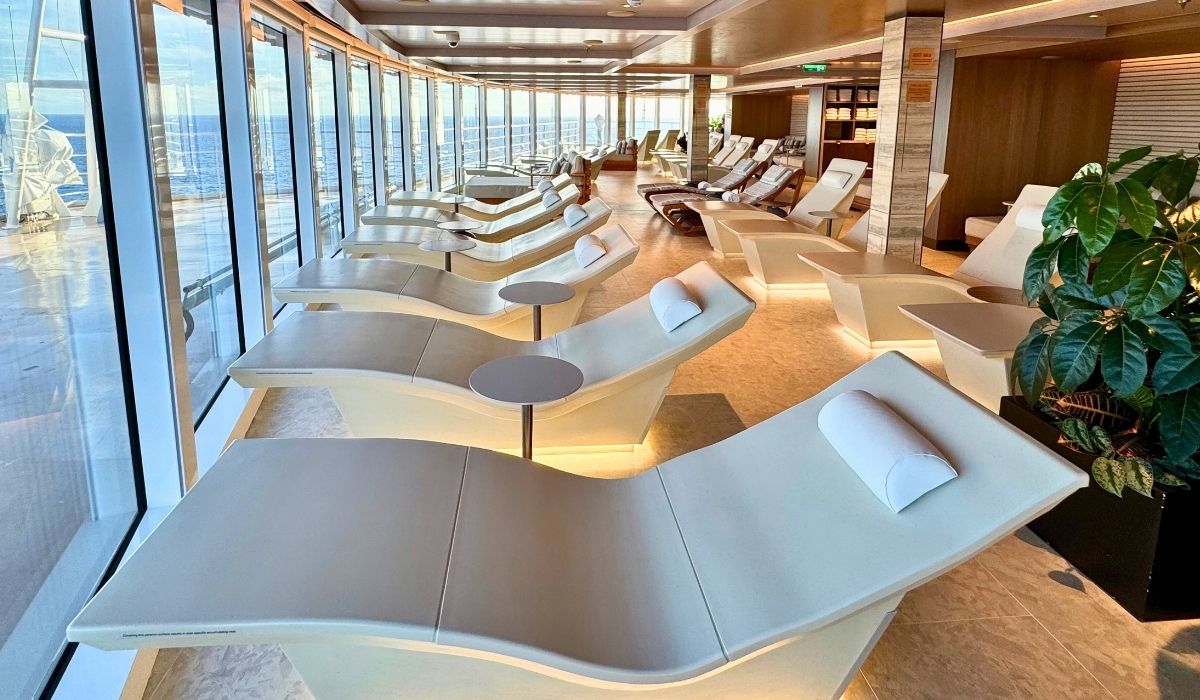
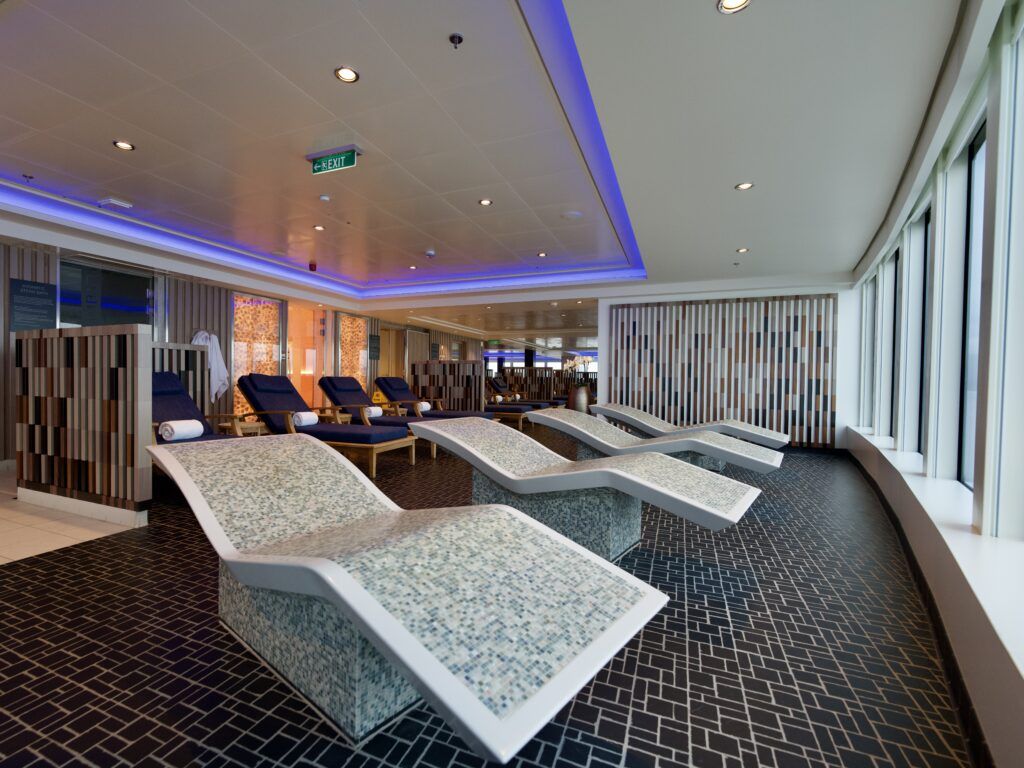
Relaxation options are always available if you want them. Sea days in the Inside Passage are among the most peaceful at-sea experiences. They’re also the perfect time to enjoy a hot tub with scenic views, take a dip in the solarium pool, read a good book in the observation lounge, or rejuvenate in the spa’s thermal suite. What could be better than lying in a heated stone lounger while admiring panoramic vistas as you sail through fjords?
Myth #19: The Waters Are Rough and You’ll Get Seasick
The Inside Passage, which is the primary route for roundtrip Alaska cruises, has some of the calmest waters. It winds through protected channels, fjords, and waterways flanked by islands and coastline, meaning you’re rarely on open ocean. For many sailings, particularly roundtrip from Seattle or Vancouver, rough water is not a huge concern.
However, some itineraries do cross the Gulf of Alaska, which can be rougher. These itineraries tend to be the one-way routes to/from Seward or Whittier, Alaska.
If you’re prone to seasickness, choose an Inside Passage itinerary, book a mid-ship cabin on a lower deck, and bring your preferred motion sickness remedy as a precaution. But don’t let the chance of seasickness talk you out of an Alaska cruise; the vast majority of passengers have no issues.
Myth #20: It’s a One-and-Done Destination
We completely understand that Alaska is a bucket list item for many — the kind of trip you do once, check off your list, and move on. But once you actually visit, you’ll realize why this simply isn’t true.
After a visit in July, you’ll start to wonder what it looks like in May. Or what a different itinerary with Hubbard Glacier instead of Glacier Bay would feel like. Or what a Cruisetour combining a sailing with a land journey through Denali and Fairbanks would add to the experience.
Alaska is one of those destinations that’s different on every visit. The wildlife is different, the weather is different, and the shore excursion options are endless. We’ve sailed to Alaska seven times and will be returning for our eighth visit this season. It’s far more of a repeat destination than most first-timers expect.
Comments
Do you have any other Alaska cruise myths that need to be debunked? Do you agree with these common misconceptions? Drop us an anchor below to share your Alaska cruise experiences.