 Don Bucolo
An HX Galapagos cruise is unlike anything we’ve experienced before. Heidi and I have sailed on over 100 cruises, many of them to the Caribbean and Bahamas. We’ve enjoyed the warm sun, the crystal clear water, and plenty of time on the ocean. We’ve also witnessed the impressive landscapes of Alaska and the Norwegian fjords.
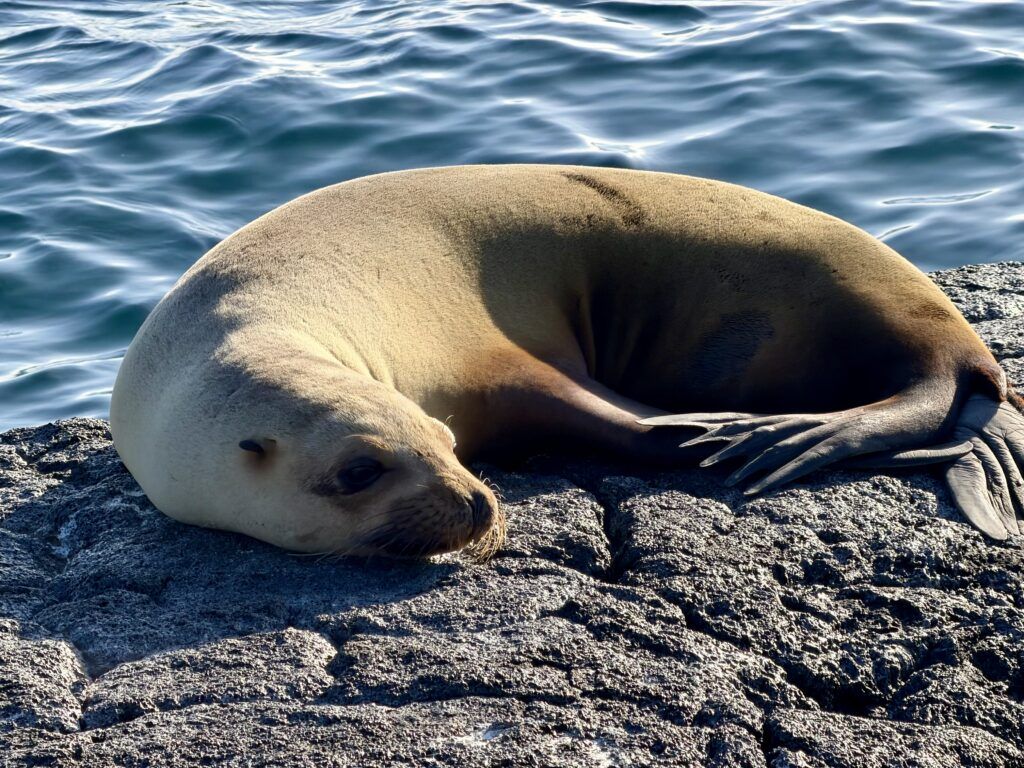
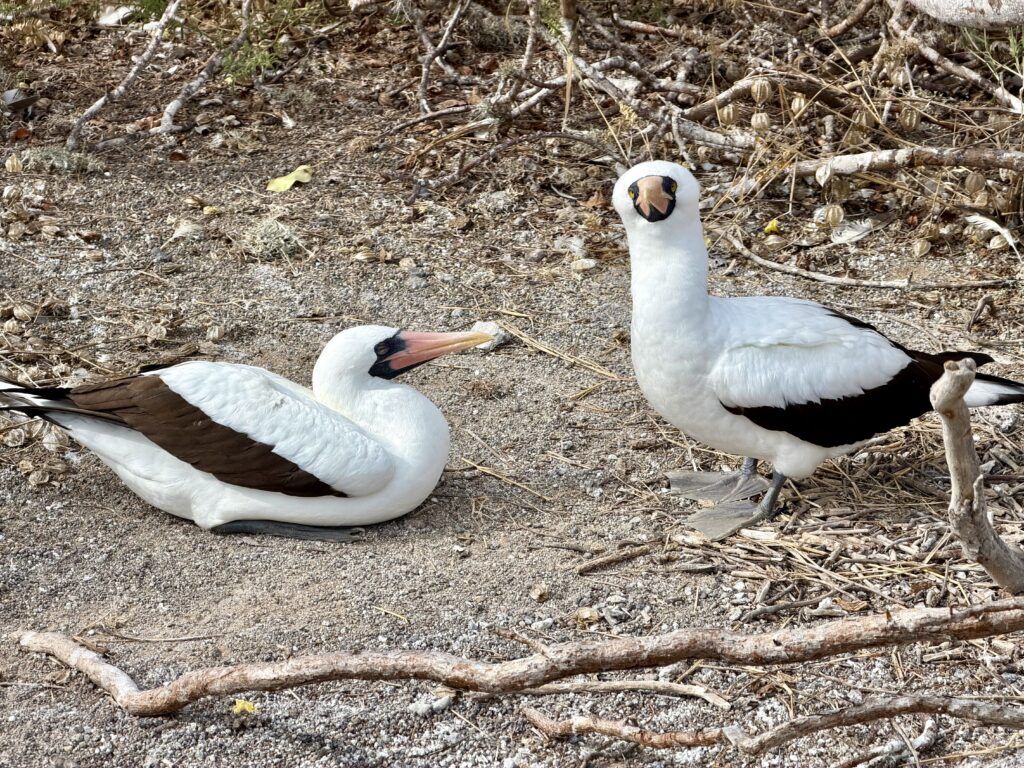
The Galapagos has all of that too. But it also has so much more. Over nine days, we watched Nazca boobies build nests mere feet from us, swam alongside playful sea lions, and hiked across lava fields that looked like another planet.
The Galapagos is one of the most unique destinations in the world. And the cruise itself was anything but ordinary. It was truly an expedition. One we might not have been entirely prepared for.
What to Expect on a Galapagos Cruise
To reiterate, this is an expedition not your typical cruise vacation.
More than 70 vessels operate in the Galapagos, and every single one is small. The National Park caps capacity at 100 passengers per ship, and many carry even less, some as few as 16 guests.
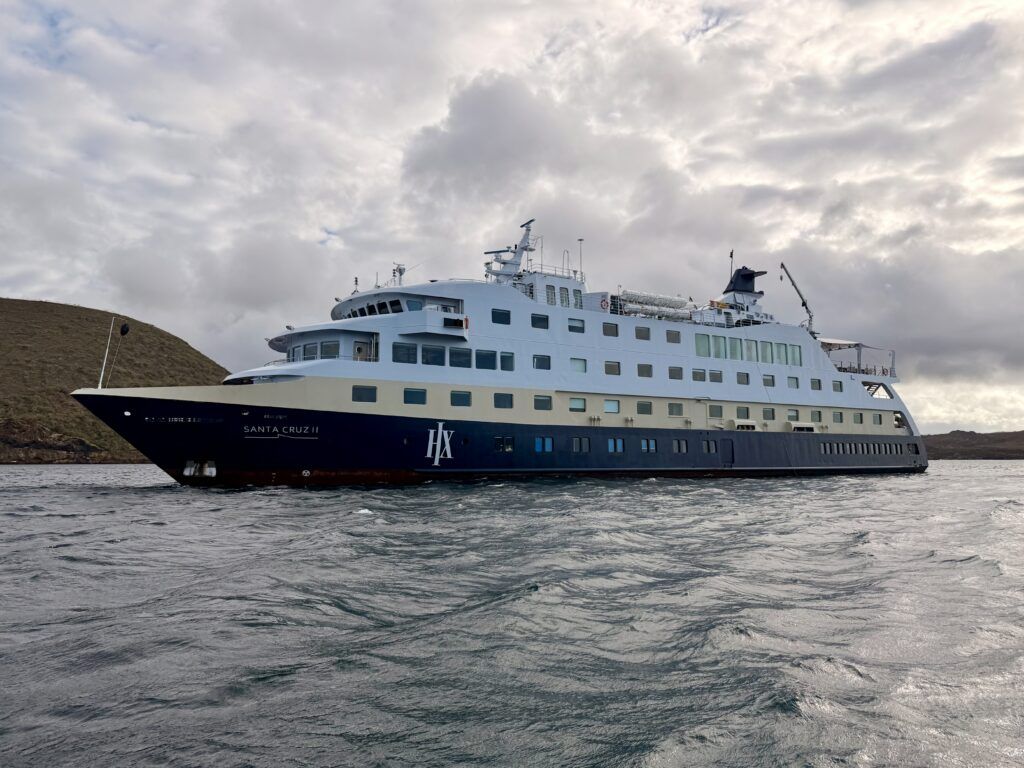
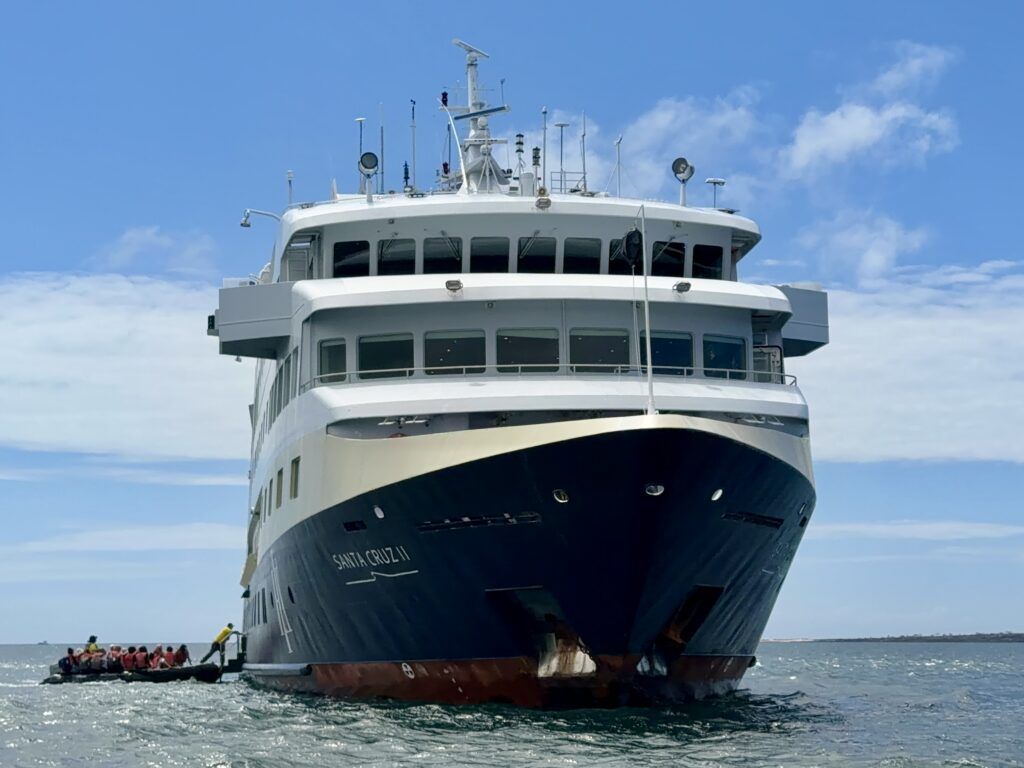
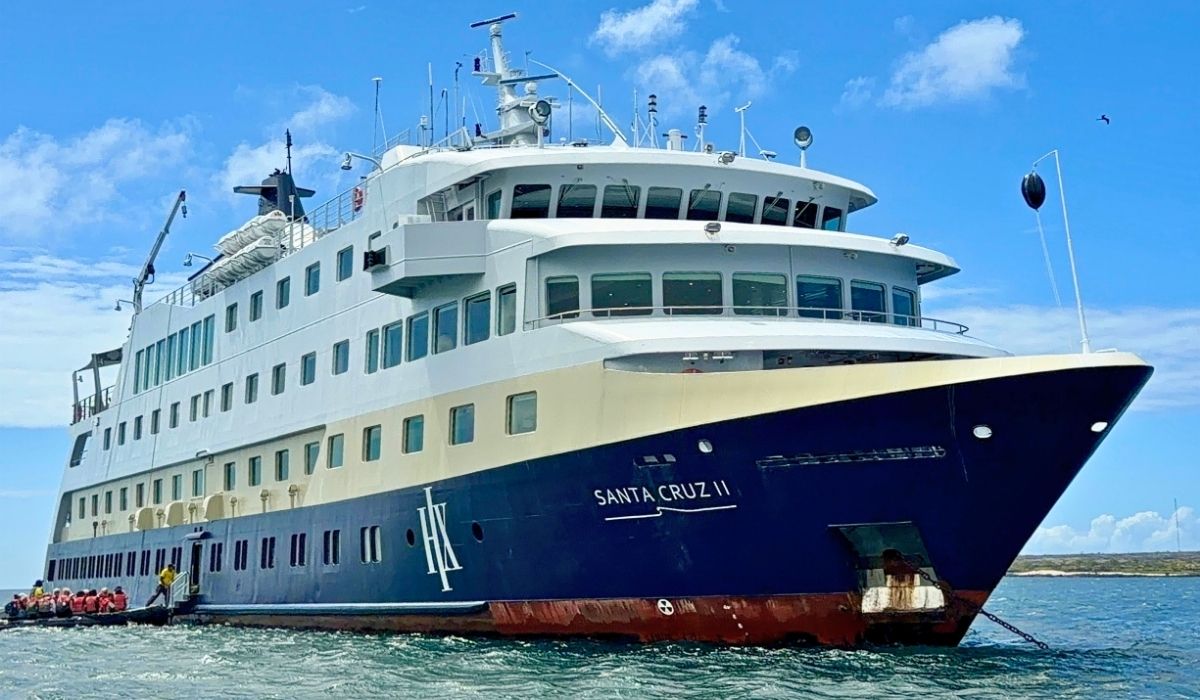
For this cruise, we were guests of HX Expeditions, sailing aboard the Santa Cruz II, which has a maximum capacity of 90 guests. For context, we have sailed on ships carrying 6,000 passengers.
We knew expedition cruising was active, but even our Antarctica sailing didn’t prepare us for how packed these days were. Most days brought three or four outings, two before lunch and two after, with a mix of water-based activities and landings ashore.
Of course, we think cruising is the best way to see many destinations. But for the Galapagos, it’s almost essential. You cannot fly directly to the Galapagos from an international airport. Every visitor connects through Quito or Guayaquil, Ecuador and then takes a domestic flight to Baltra. HX includes these roundtrip flights from Quito to Baltra in the cruise fare.
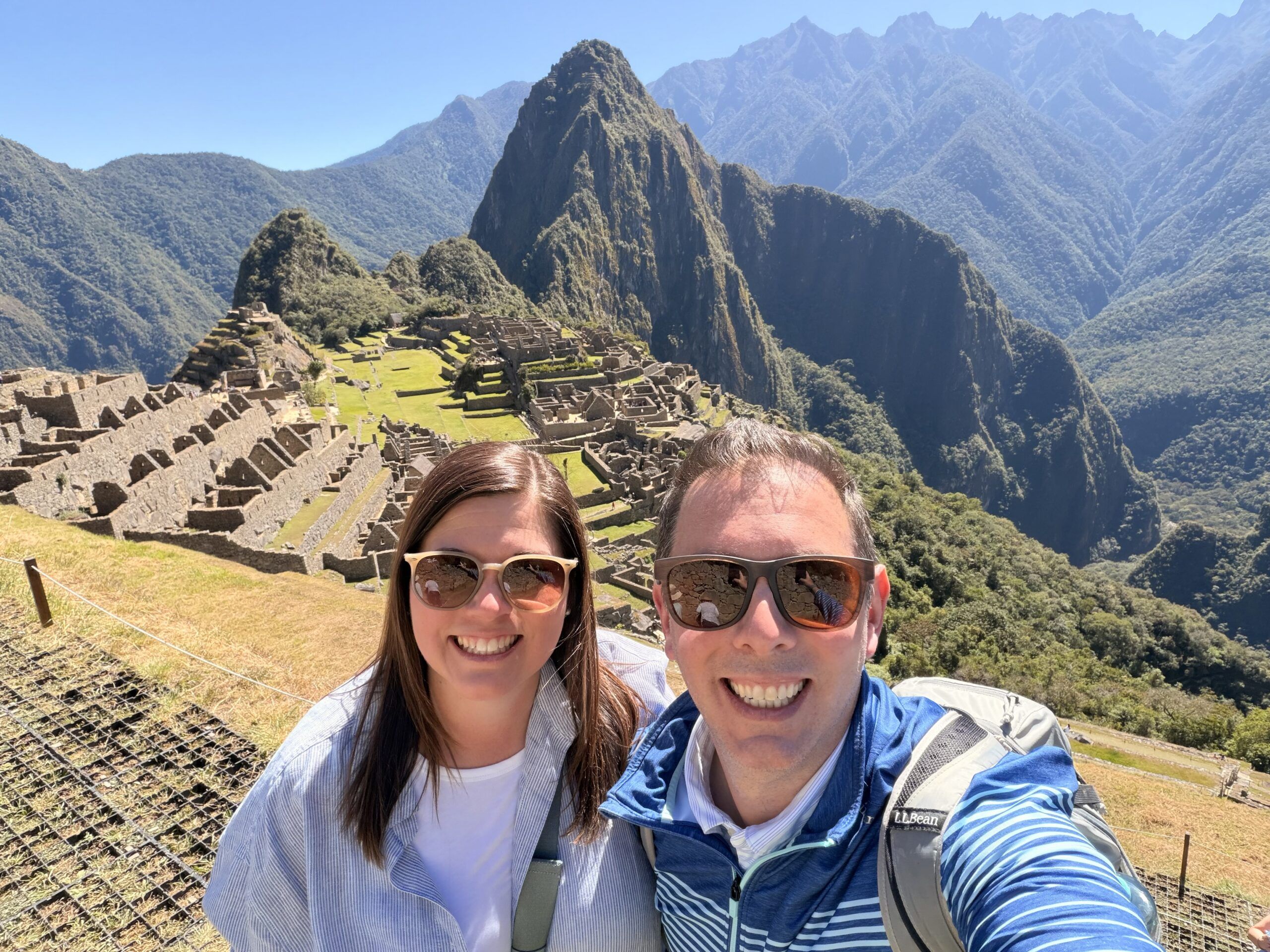
When booking the Nine of the Best Isles itinerary with HX, the package includes two nights in Quito. You can also opt for a 5-night extension to Peru and Machu Picchu. Which we obviously did!
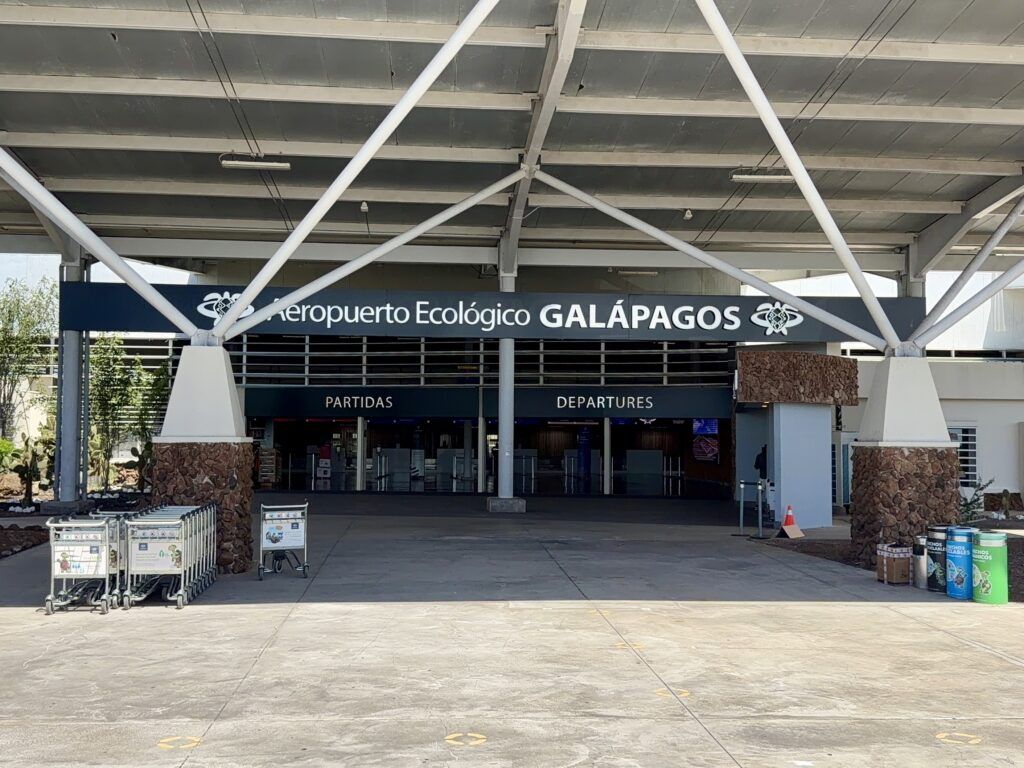
Every visitor also pays a $200 National Park entrance fee and a $20 Transit Control Card fee, both of which are required before you set foot on the islands. Again, HX took care of getting these documents for us, which was one less thing to sort out at 6 AM in an airport.
Before you fly to Baltra, your bags are also screened and sealed as a biosecurity precaution. All your luggage goes through biosecurity before the Baltra flight, and checked luggage comes out zip-tied shut until you land.
Our Ship — MS Santa Cruz II
Our first look at Santa Cruz II came from a zodiac, also known as a panga in South America. There was no gangway, no terminal, and no check-in desk.
We handed our checked bags to HX staff at the Baltra airport, boarded a bus with our carry-ons, and rode to a small pier. From there, we climbed into a panga, laptops and all, for a ten-minute ride out to the ship anchored offshore. Not the embarkation day that we expected!
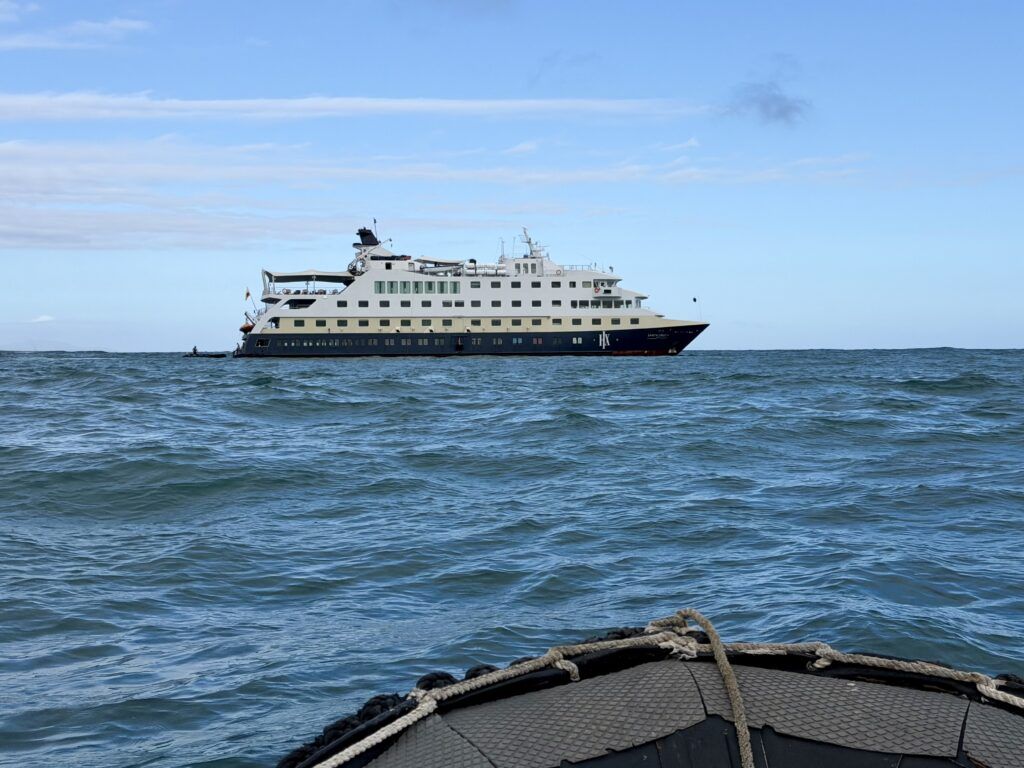
HX charters the MS Santa Cruz II from Metropolitan Touring, an Ecuadorian company that has operated in the Galapagos for decades, and the ship underwent a full renovation in 2021.
Admittedly, the ship is smaller and older than the ones we usually sail, but the main focus of this trip is the Galapagos Islands after all. There are no balconies and no pool on Santa Cruz II, only two hot tubs.
There’s one bar and lounge. The Panorama Bar on deck 3 was open most of the day. It also had an aft outdoor lounge. This was a great place to relax between activities or spend a lazy afternoon outside admiring the scenery. It’s also where the evening port talks occurred.
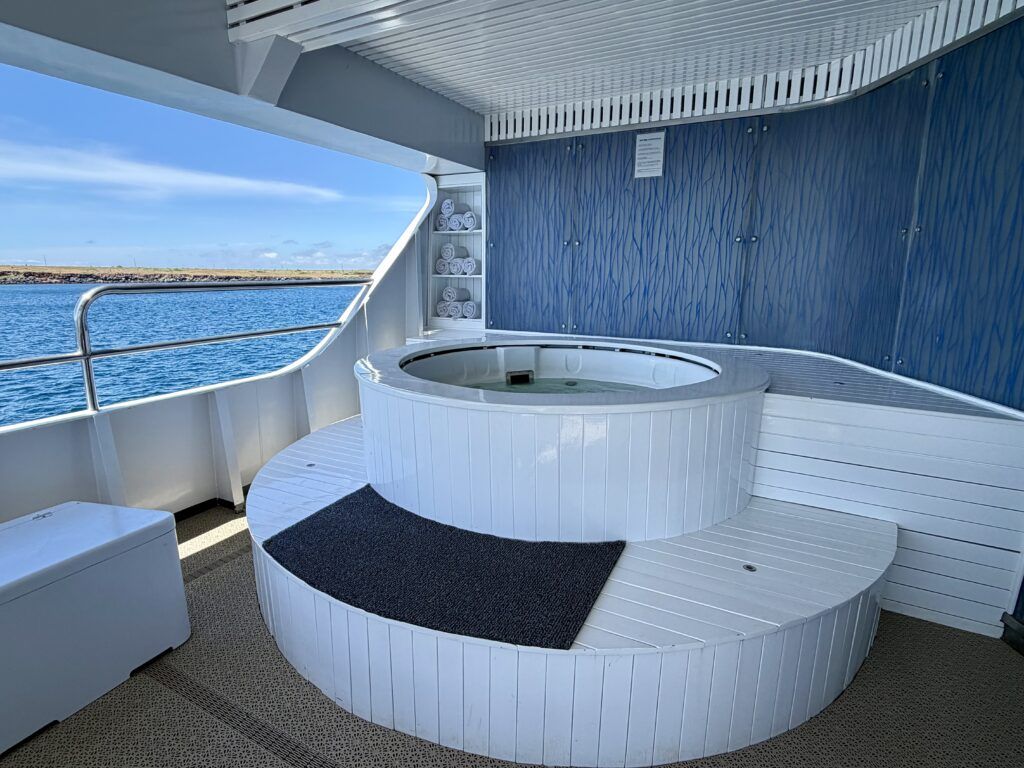
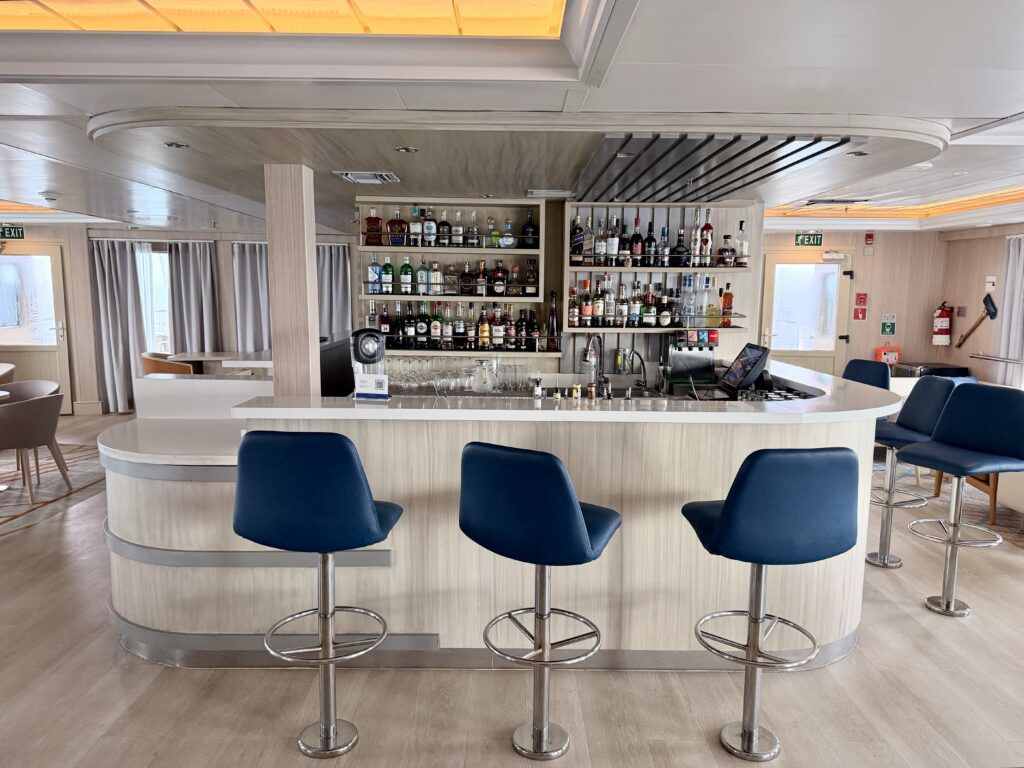
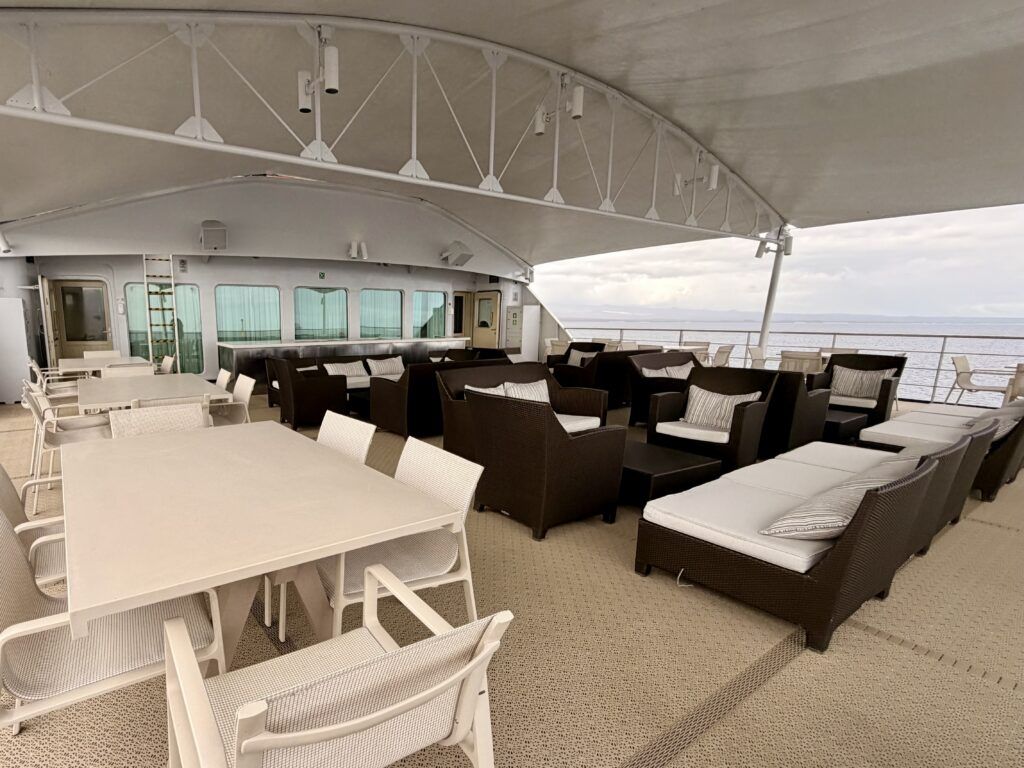
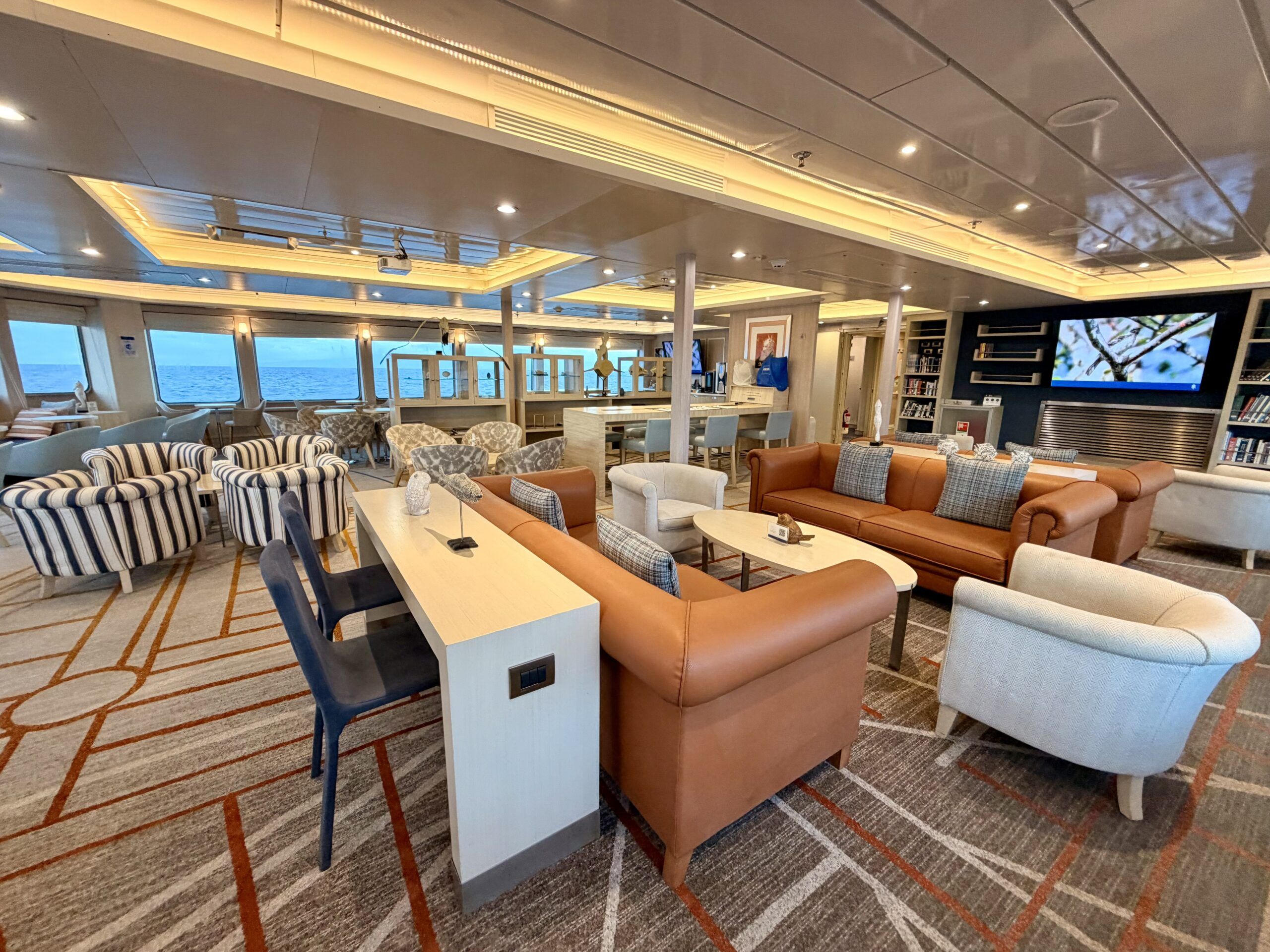
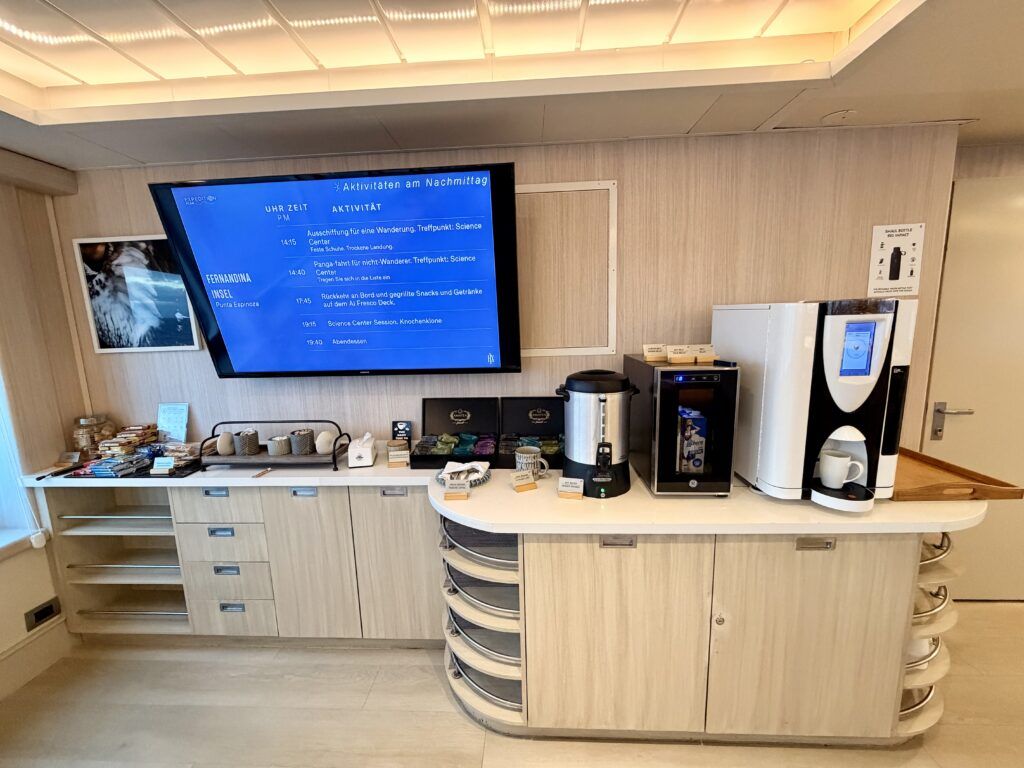
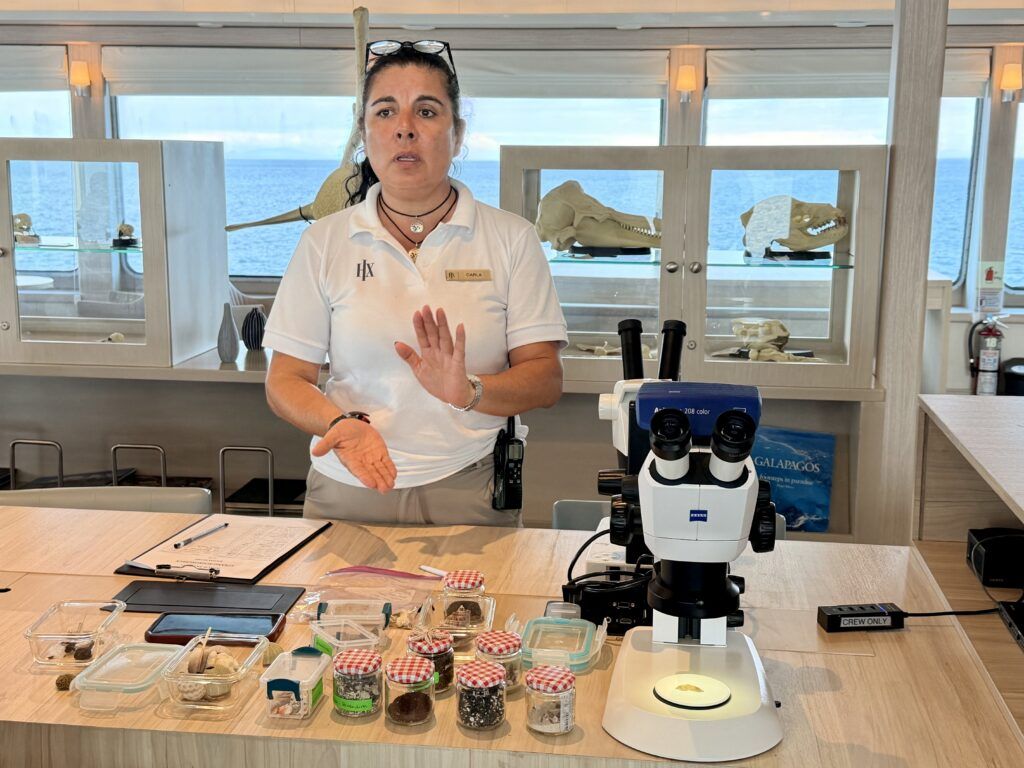
In terms of other public venues, there’s a 24-hour fitness center, a singular restaurant, a small shop, and the Science Center. This is where we met for many activities; it also housed a small library, some furniture for lounging, and the coffee machine. Outdoors, you’ll find a couple observation decks as well. We liked the small area overlooking the bridge in front of the Science Center.
Given the cruise was so packed with expedition activities, we really didn’t miss any of the amusements you typically find on today’s mega ships.
What’s Included in an HX Galapagos Cruise
Similar to our previous expedition cruises, this HX Galapagos cruise was mostly inclusive.
As we already mentioned, the package includes round-trip airfare to the Galápagos from mainland Ecuador. The fare also includes two nights pre-cruise in Quito, a guided tour in Quito, and all necessary documentation and entry fees for the national park.
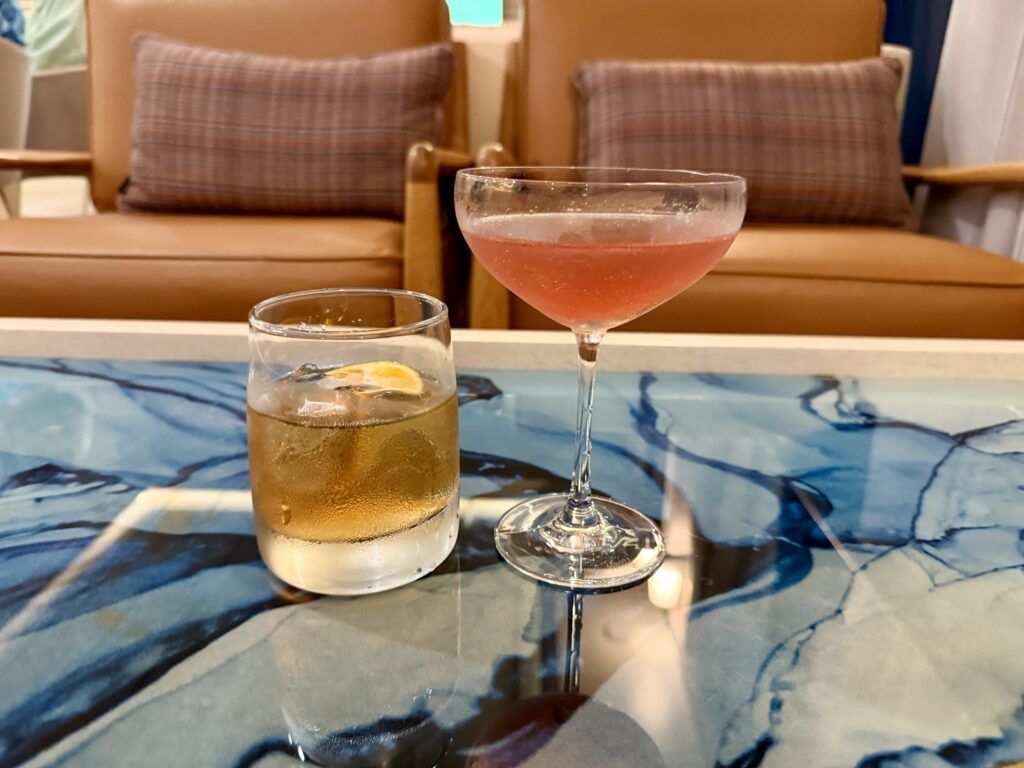
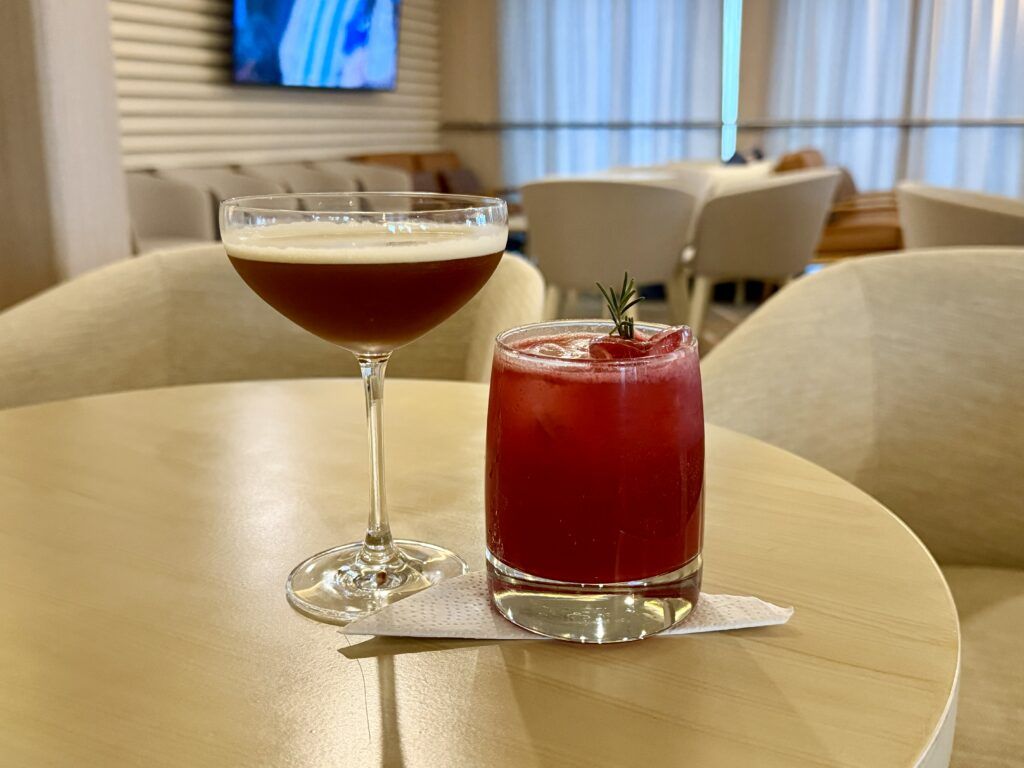
Once onboard, all beverages (alcoholic and non-alcoholic) are included, with only premium selections carrying a charge. There is also a self-serve coffee station in the Science Center that brews cappuccinos and espresso-based drinks. We visited this stand far more often than we care to admit.
All meals are included too, but we’ll get to the dining in a bit.
Starlink WiFi is included as well, one account per person, and it works across multiple devices. We checked social media, kept up with email, and even ran a few video conference calls without much trouble. But streaming video platforms like YouTube or Netflix are not acessible.
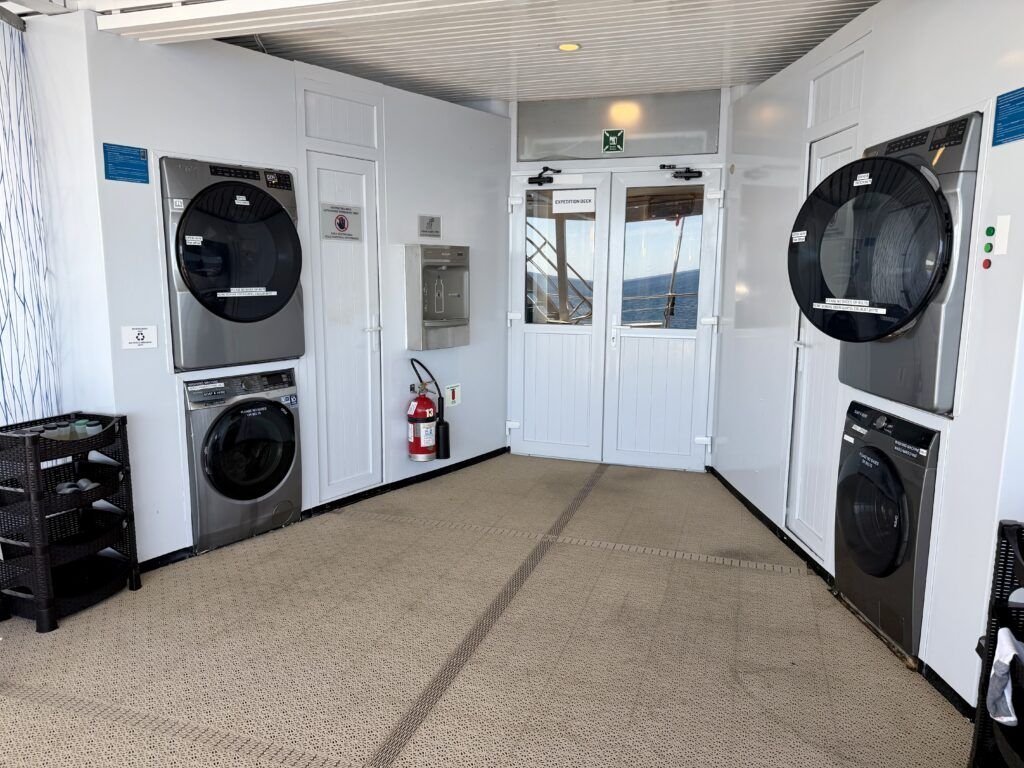
HX even includes self-service laundry, with an approved eco-friendly detergent. After two weeks of traveling and full days of hiking, snorkeling, and sweating, we were grateful for it.
HX also has a professional photographer/videographer onboard, and the photos and videos he captures during the week are shared with guests after the cruise. Of course, this did not stop us from taking too many photos and videos as well.
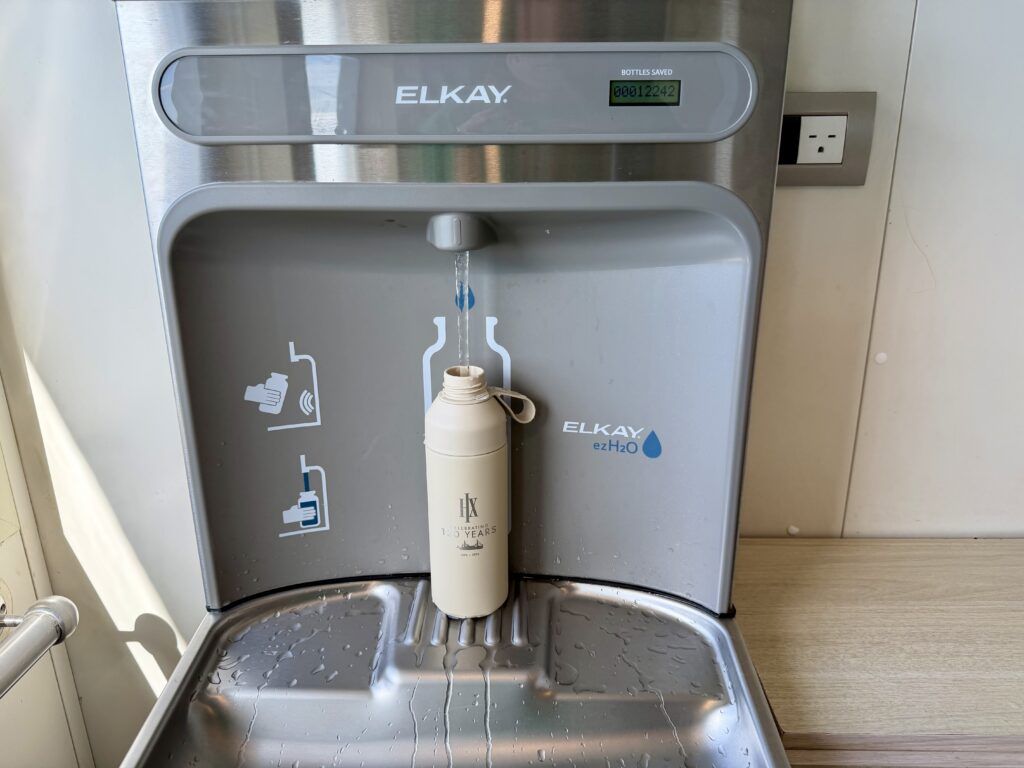
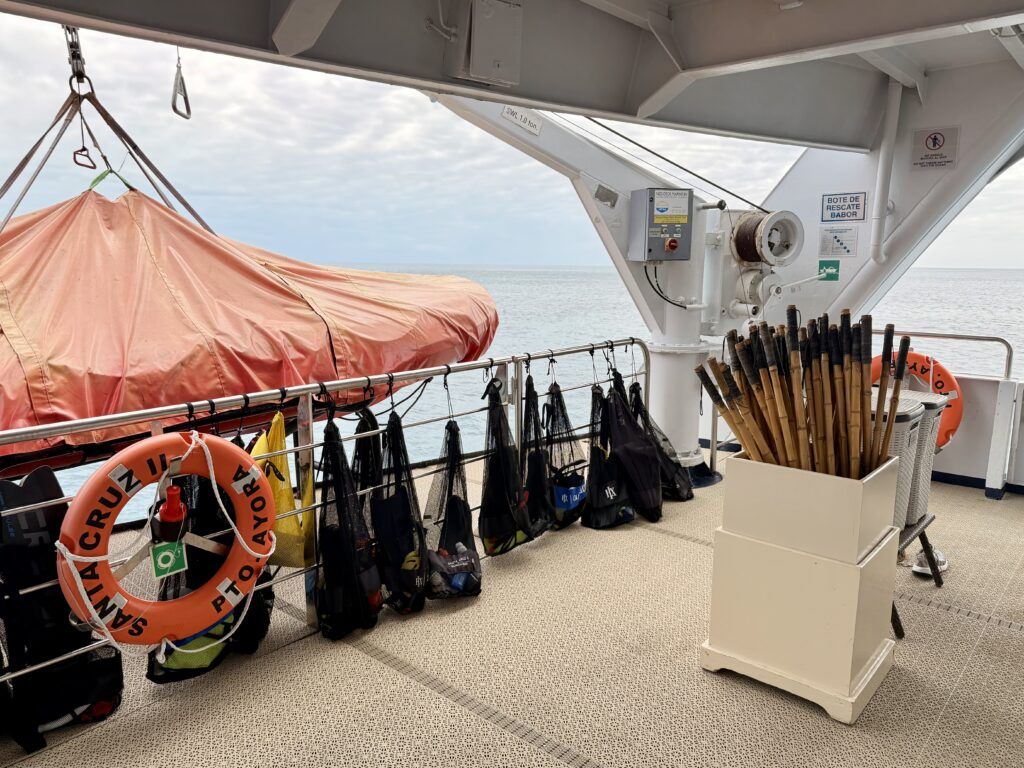
All activities are included, including ashore landings, kayaks, paddleboards, panga rides, glass bottom boat rides, and snorkeling. HX even provides the gear, including snorkel equipment, wetsuits, and walking sticks. In the stateroom, you’ll find an expedition backpack, an HX cap, and a water bottle, all of which are yours to keep.
Additionally, all service charges are included. At the end of the cruise, you can provide additional gratuities to the crew, bar staff, and expedition guides, or tip individual crew members directly at your discretion.
Besides the onboard boutique, which offers some souvenirs and gifts, there are essentially no additional costs once on the ship.
Dining on MS Santa Cruz II
There is one dining venue on Santa Cruz II, the Beagle Restaurant on Deck 0.
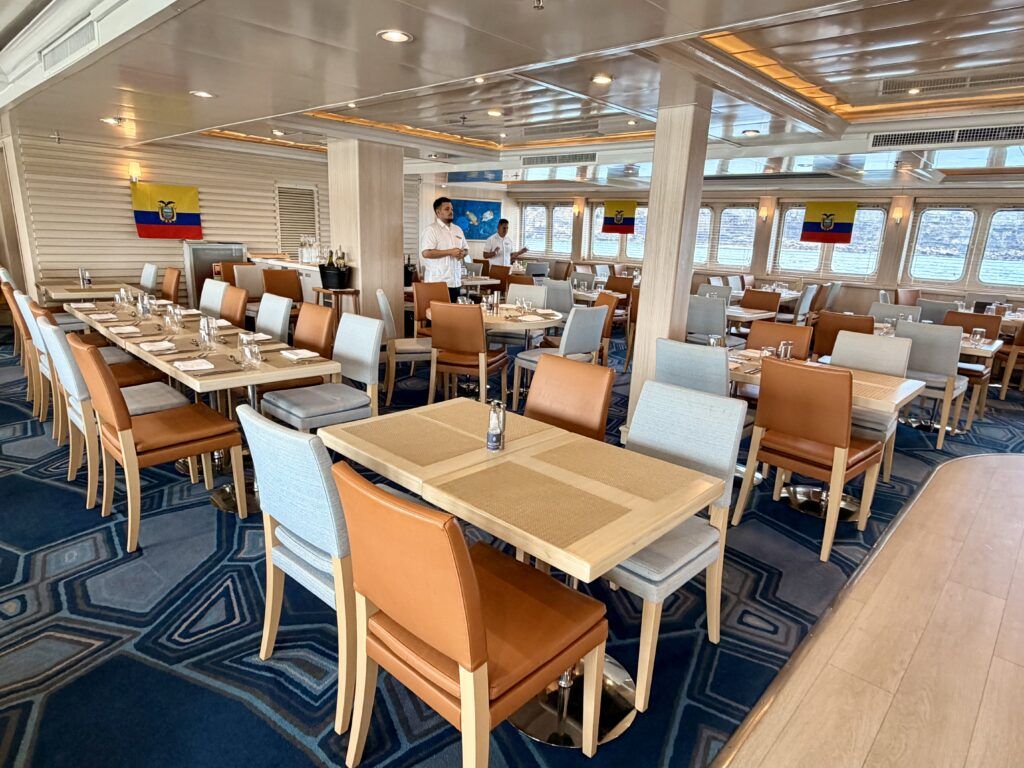
Meals ran on a fairly fixed schedule, with a buffet setup for breakfast and lunch and a table service meal at dinner time. Breakfast fell between 6:30 and 7:30 AM, depending on the day’s activities. Lunch landed around noon or 12:30 PM. Dinner was rather late by our standards, usually between 7:30 and 8 PM, following the evening’s expedition plan and announcements. It was open seating but most passengers gravitated toward the same table, especially since you had to pre-order dinner during lunch (which we thought was rather odd).
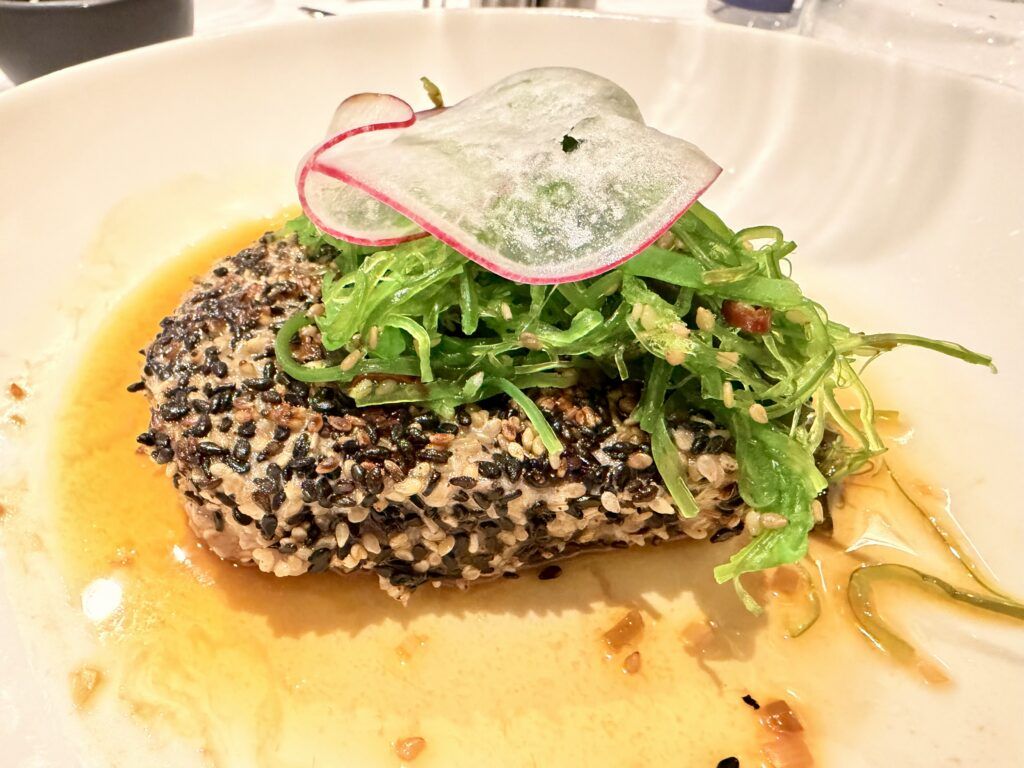
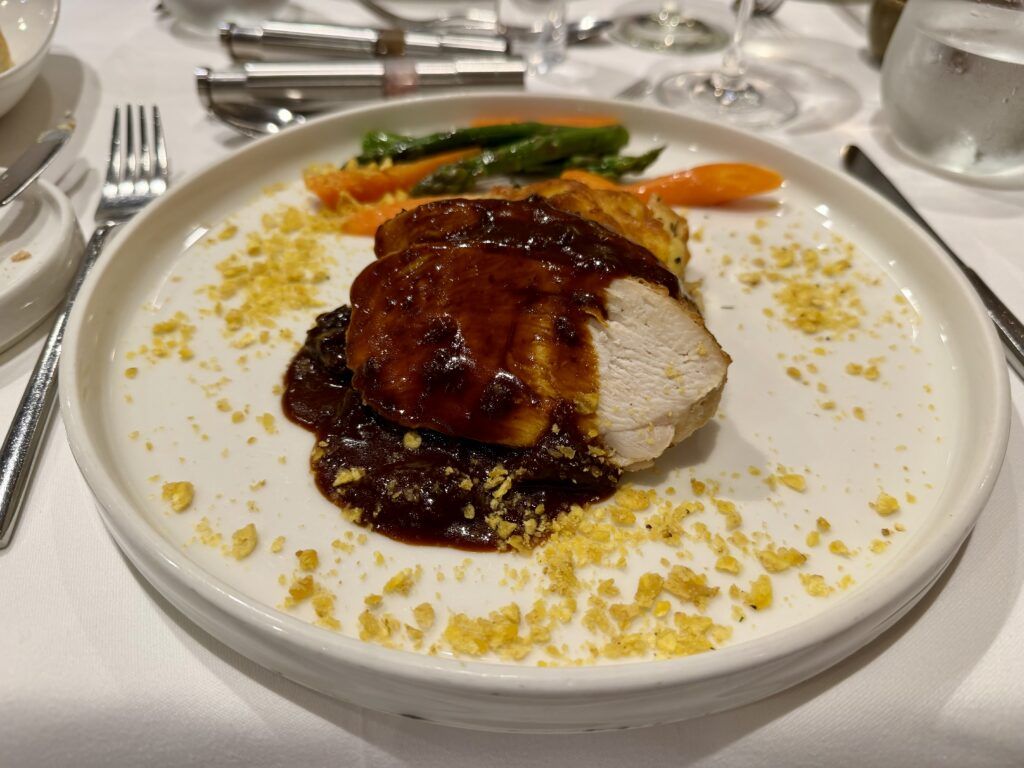
Overall, the food was passable but certainly not a highlight. We never went hungry, but it didn’t measure up to the other expedition cruises we’ve done in the past from brands like Atlas or Viking. That said, we suspect the destination bears more blame than the galley. Ecuador enforces strict limits on what can be imported into the islands, and the cruise line has to source a good deal of its supplies from local vendors.
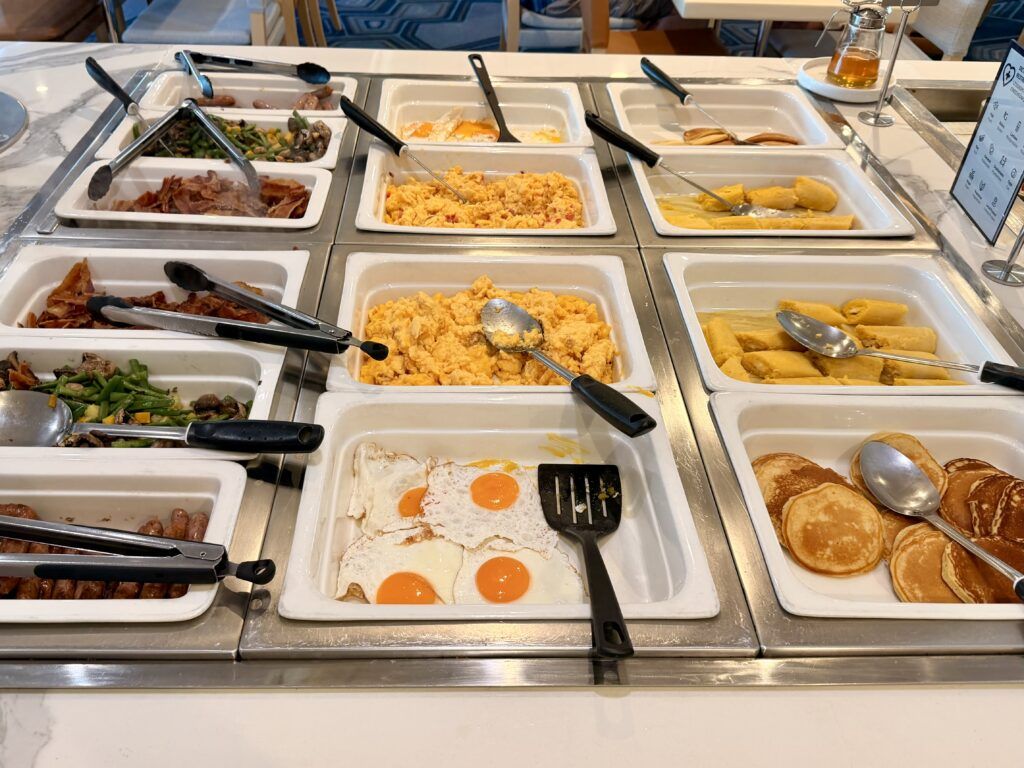
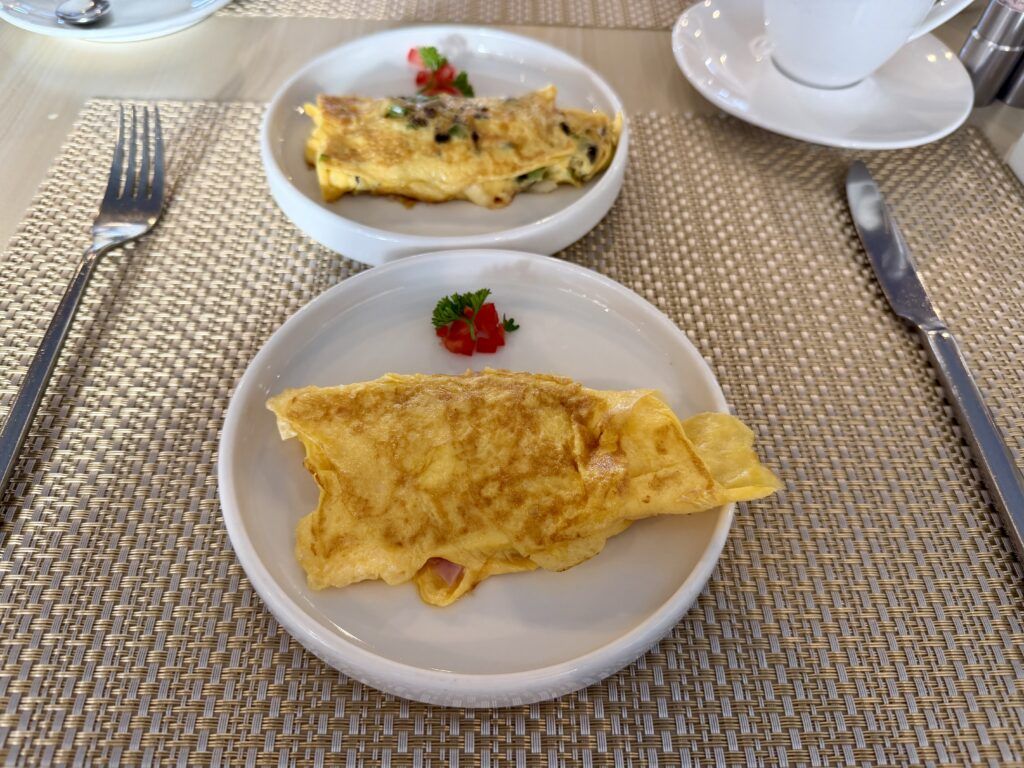
Breakfast was nearly identical each morning, with scrambled eggs, breakfast meats, fruit, cereals, pastries, and continental items, plus a rotating option such as French toast or pancakes. You could also order custom eggs and omelets, which we did more than once.
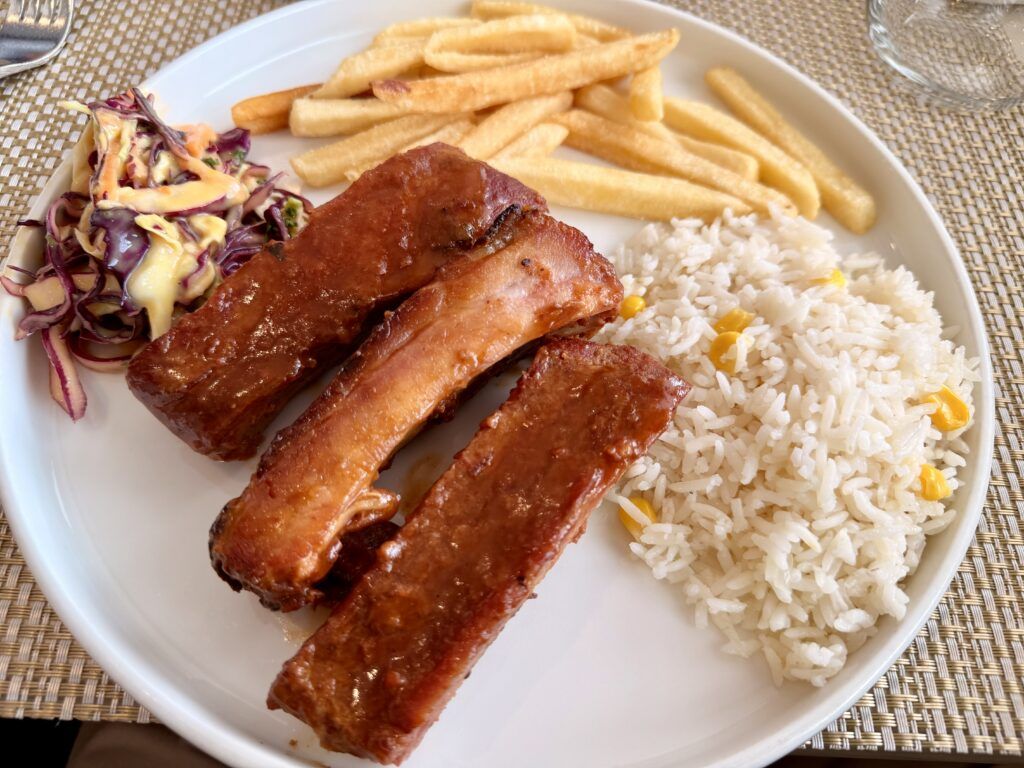
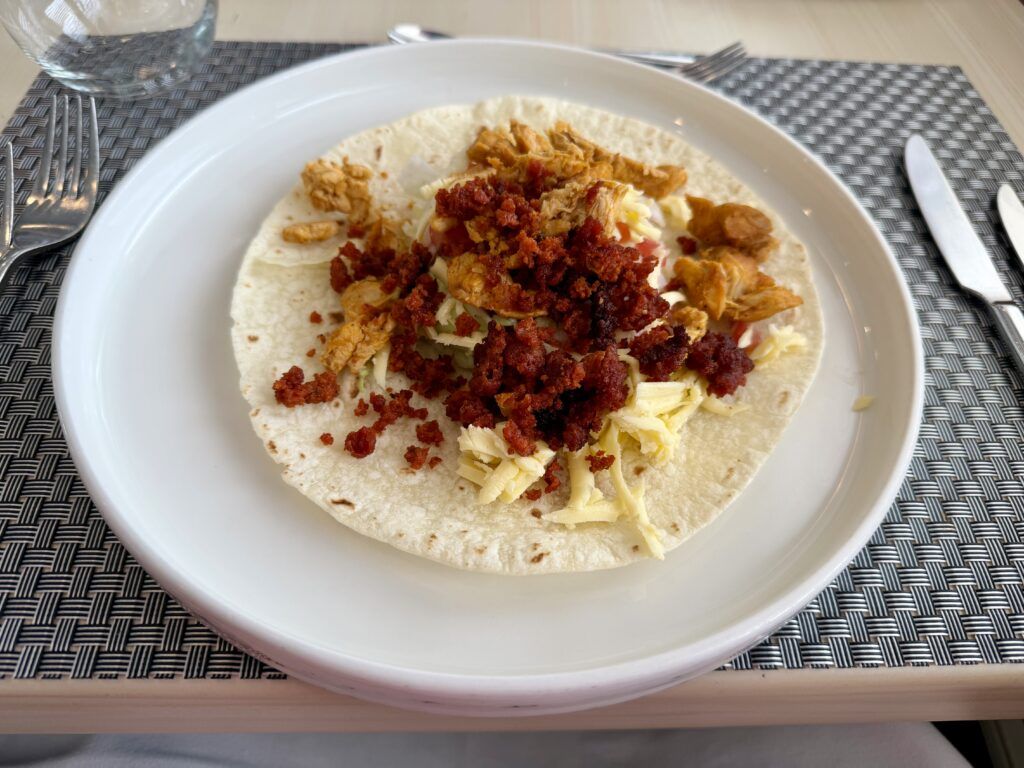
Lunch typically offered one or two entrees, usually beef or fish, with rice and assorted sides. Chicken turned up now and then, which Heidi appreciated. There was a charcuterie spread with meats and cheeses, a salad bar, pasta of the day, and a couple of desserts.
On occasion, there was a carving station with items like roasted pork or grilled fish, which I was quite fond of. The Mexican-themed lunch with a taco bar and nachos was a highlight for us, which ironically showed up after Mexico beat Ecuador in the World Cup.
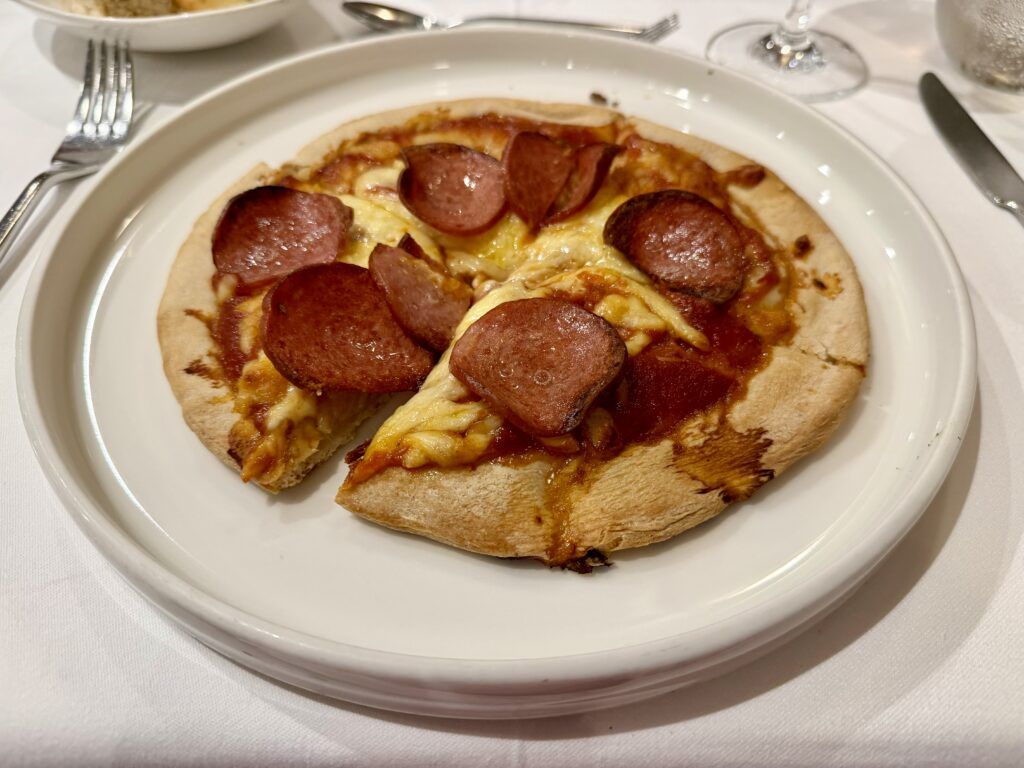
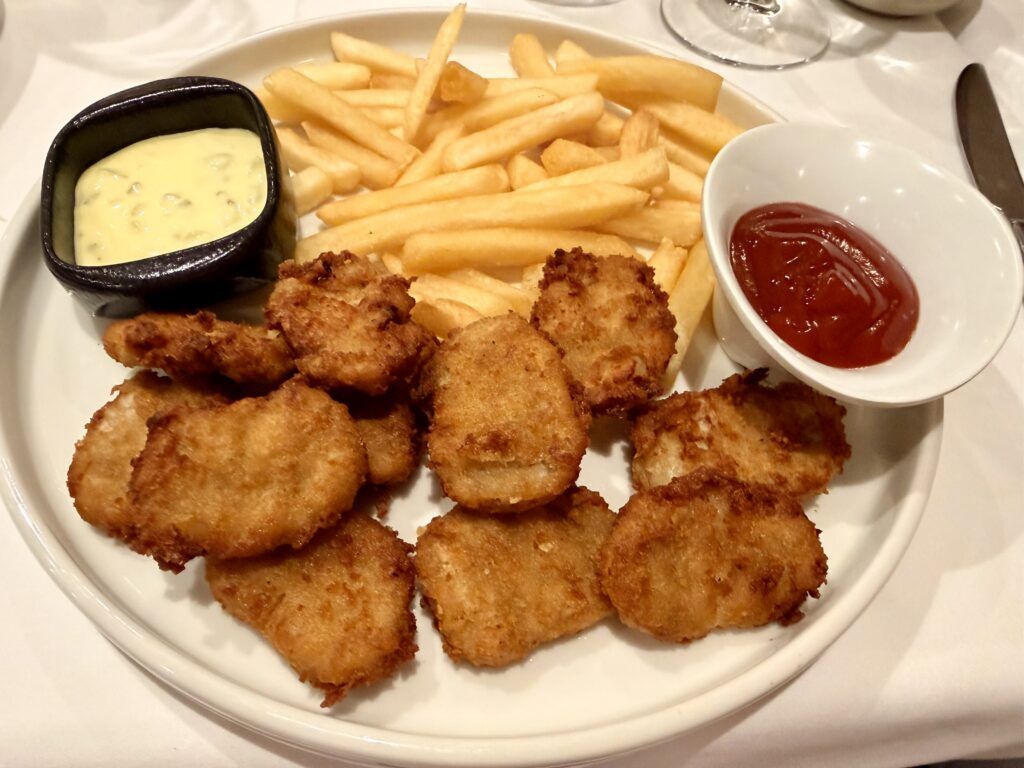
Each night for dinner there was roughly three choices each for starter, entree, and dessert. The menu changed nightly, but there was no real theme. There was also a comfort menu of Western classics that remained the same throughout the voyage. Some of the options included pizza, a burger, and grilled chicken with fries. You don’t want to overlook the kids chicken nuggets either.
Life Onboard MS Santa Cruz II
Every day followed a similar rhythm. The day started with breakfast, then one or two morning outings. Some mornings brought a guided walk, and other times we had a choice of activities. Everyone was back onboard by lunchtime. Then, there were one or two more activities in the afternoon, with the last one usually a hike with our assigned group.
By the time we got back onboard, we were exhausted from a long day. Some activities started as early as 6 AM and some finished as late as 6 PM, which meant we had to rush to shower and get ready for the evening.
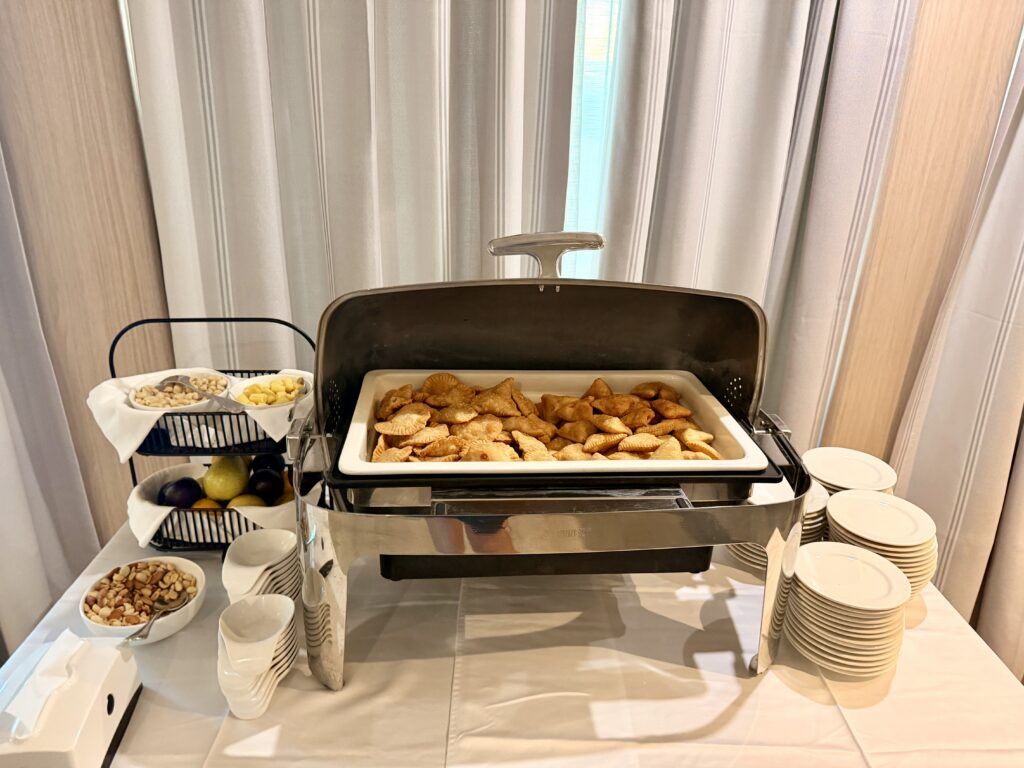
On a few evenings, the crew met us with grilled snacks and drinks on the outdoor lounge. Other days, there were snacks in the bar at 6 PM, like cheese and crackers, sushi, or mini empanadas. Given the late dinners and active days, these snacks disappeared quickly.
Before dinner, there was usually a “tiny talk,” a short lecture given by a different member of the expedition team. Topics ranged from the mating rituals of blue-footed boobies and the difference between seals and sea lions to the islands’ colonization history, mangroves, and giant tortoises. Now, I will never forget that the Galapagos has no seals at all.
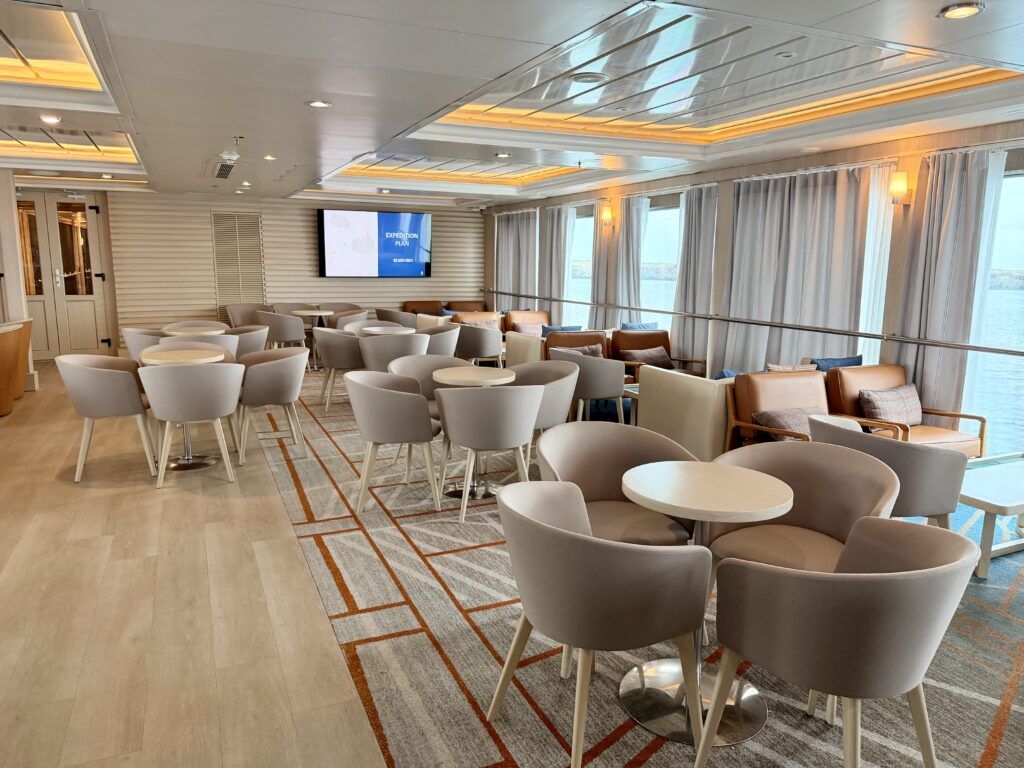
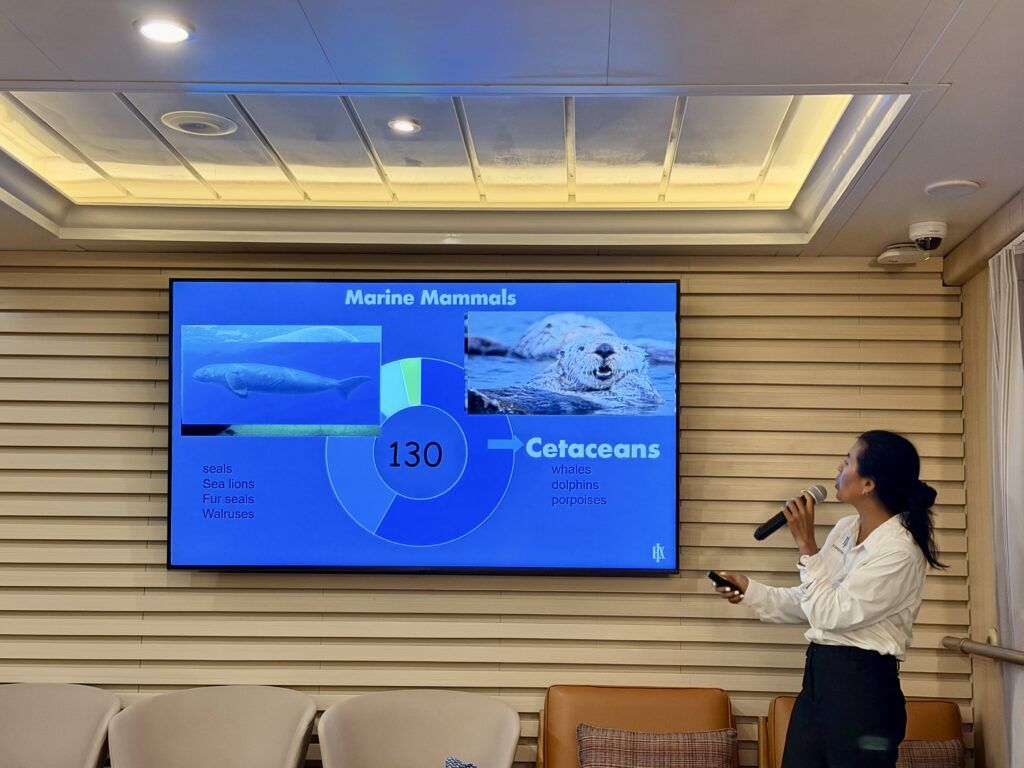
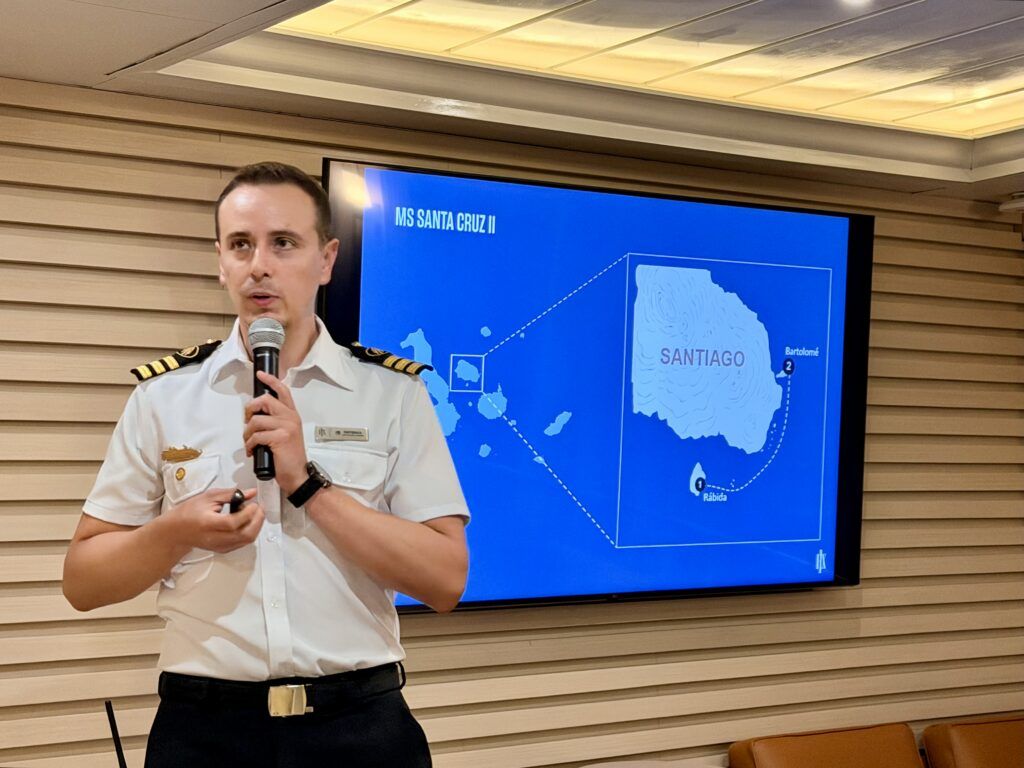
The expedition leader, Esteban, usually followed with the next day’s expedition plan and the activity options. A few nights brought something extra, like a captain’s toast, a slideshow from the photographer, or an HX charity auction.
With the long days, we often finished eating and went straight to bed. Although, the Panorama Bar is open until 11 PM. One night, I joined a bunch of the crew and a few fellow cruisers to watch the Ecuador World Cup Match. Another night, when we knew we had a later morning, we dragged ourselves to the bar around 9:30 PM and there was only one other couple there.
While we initially thought we might miss some of the usual cruise happenings like live music or trivia, it turned out we didn’t.
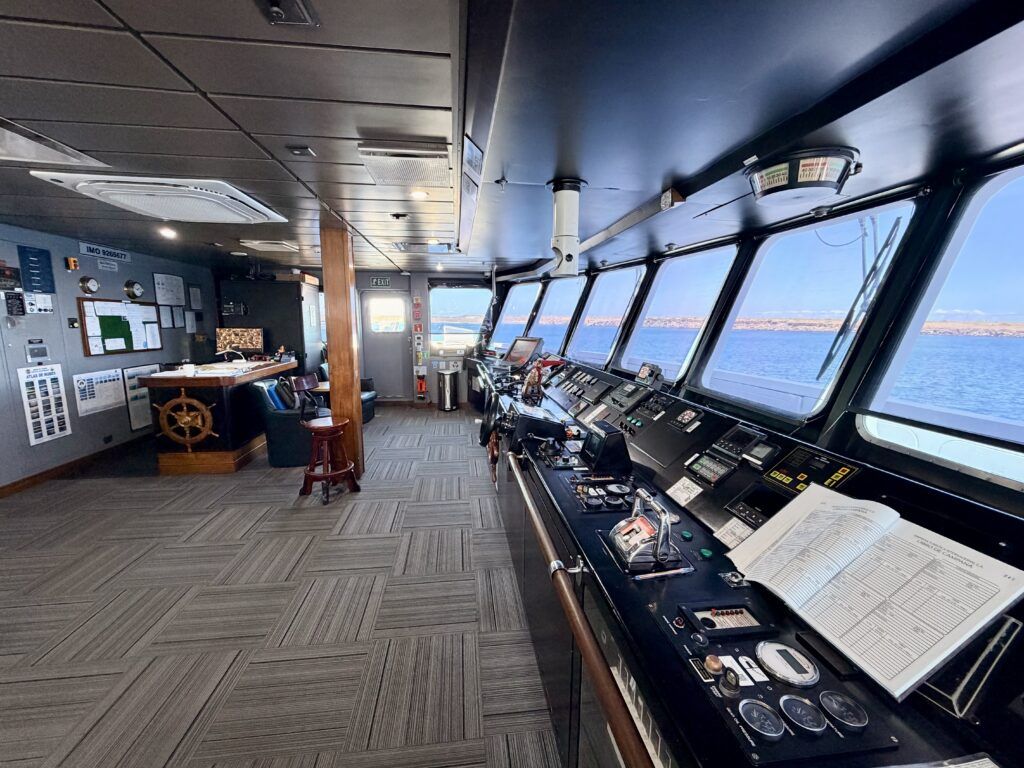
Beyond the evening “tiny talks” and expedition briefings in the Panorama Bar, there wasn’t much else going on. There were a few longer lectures on Galapagos Natural History and Darwin and the Galapagos. The Science Center also hosted a recurring hands-on series led by the expedition team on various topics. Guests could tour the bridge as well upon request at the reception desk.
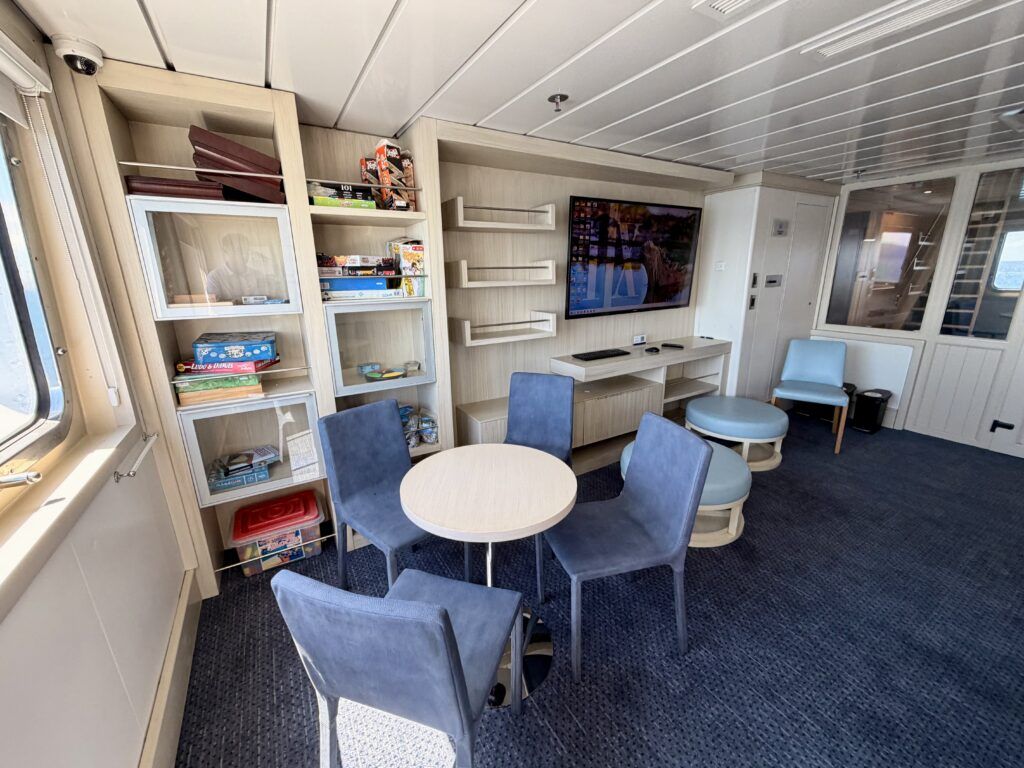
The Discovery Room is the other onboard gathering space, stocked with games for families and a television with a DVD player.
One thing that surprised us was how many families were on board, but HX does run a Young Explorers program with dedicated activities for kids.
And then there’s another odd quirk. There are no televisions in the staterooms, not even to watch one of the talks you may have missed.
Our Oceanview Cabin
We stayed in cabin 120, an oceanview stateroom on Deck 1. The cabin was located on the starboard side near reception. At roughly 150 square feet, it was tiny, even by cruise ship standards. It consisted of one queen bed, two nightstands, a desk, and a bathroom. There was no seating area at all — no sofa, no chair, just the stool at the desk.
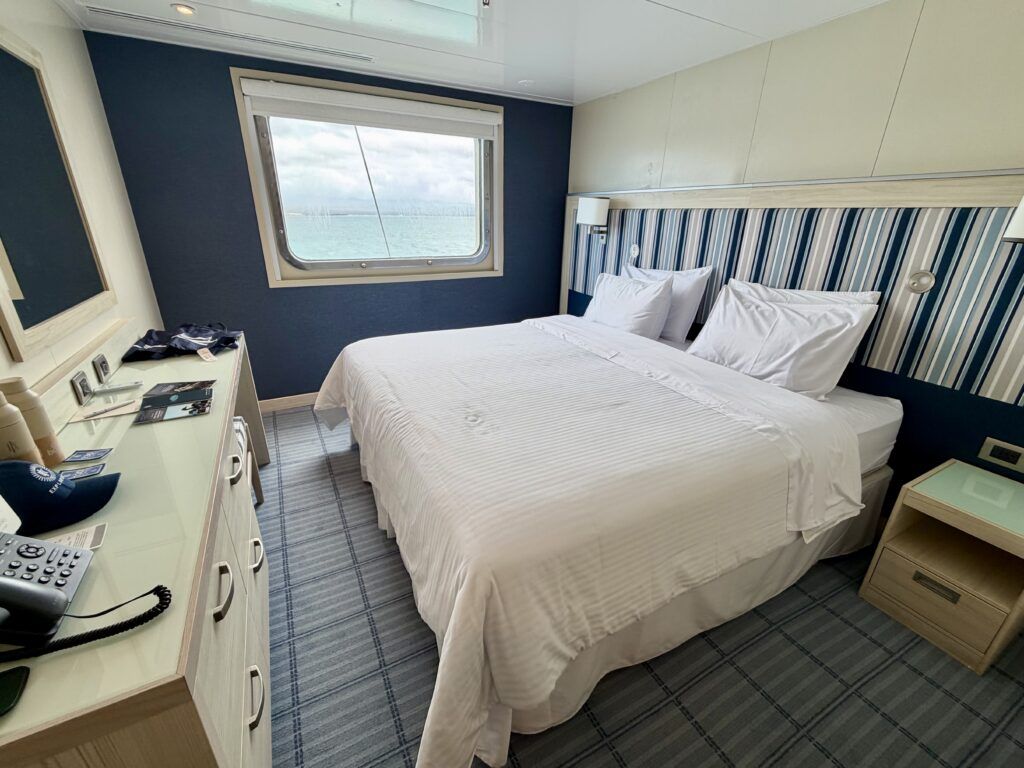
Entering the stateroom, the bathroom sits immediately on the right with the rest of the room opening up beyond it.
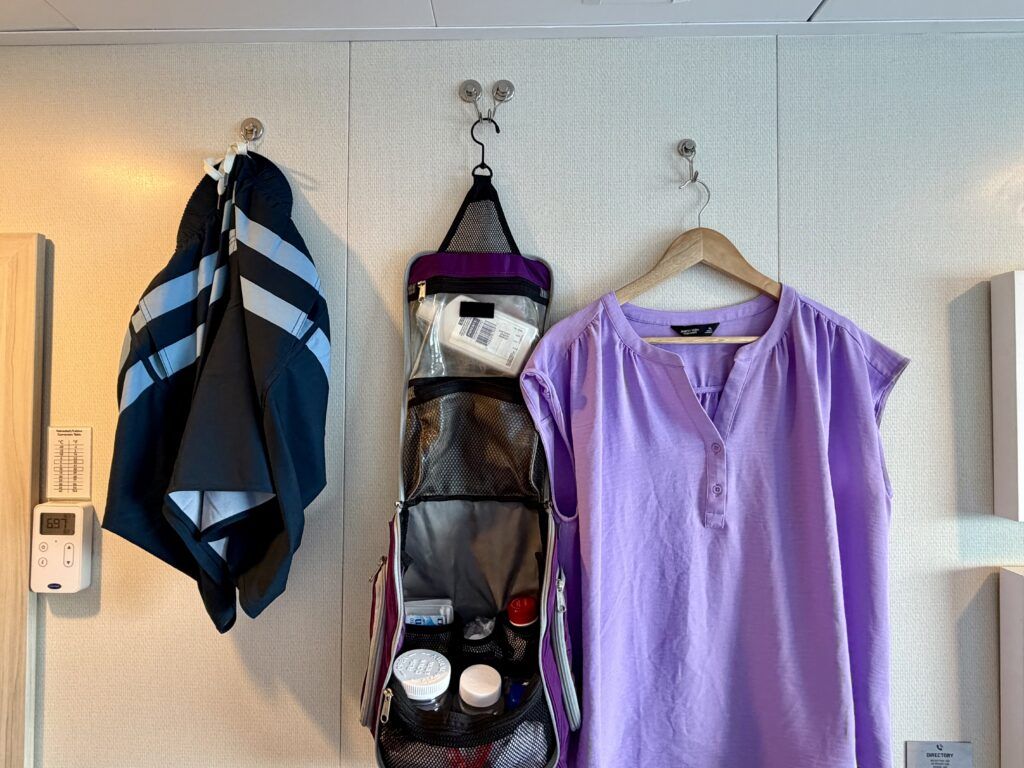
Storage was a real constraint. Drawer space was limited, with a few on the desk and one small one in each nightstand. The closet offered a short clothes bar and only a handful of hangers, which does not go far for overpackers like us with 2+ weeks’ worth of clothes.
Packing cubes saved us here, as did our magnetic hooks, which we used all week to hang bathing suits, raincoats, and laundry to dry.
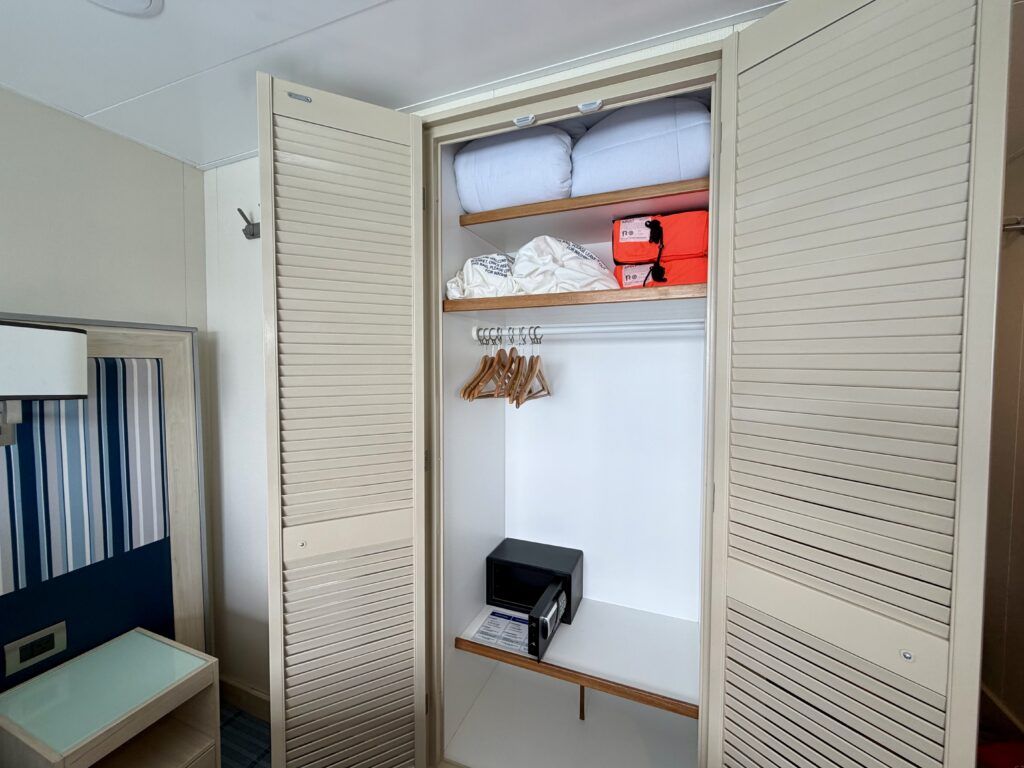
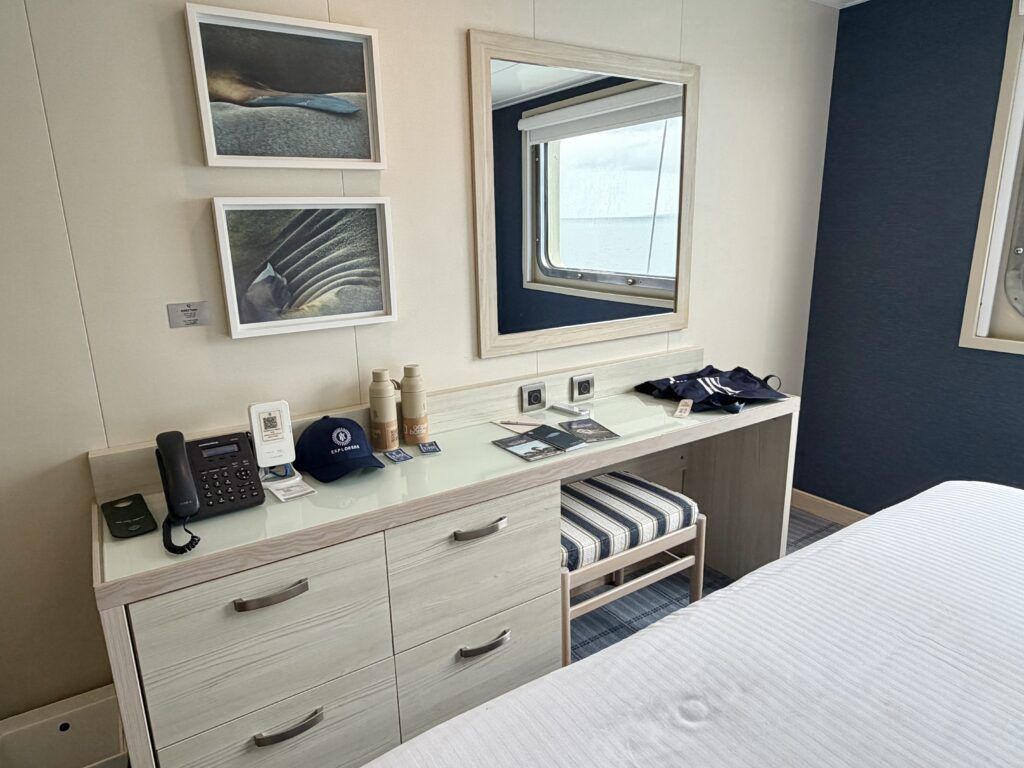
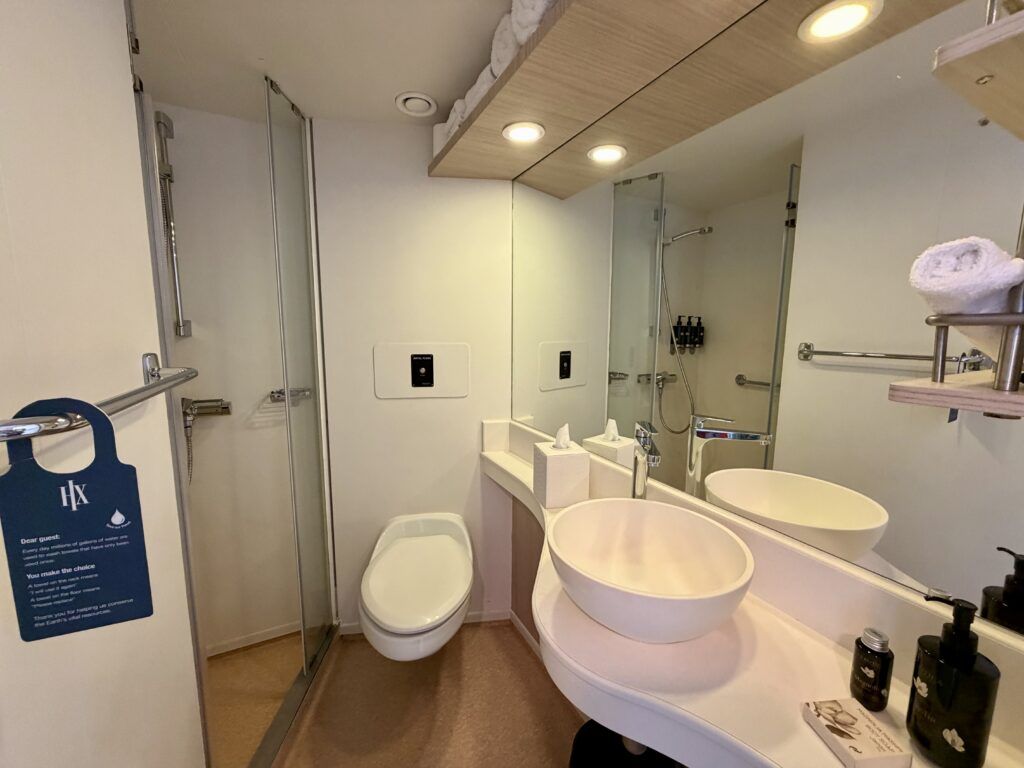
The rest of the cabin worked fine, even if the shower was extremely small too. Outlets sat next to each nightstand, and we were glad we packed a cruise-approved power adapter along with a few extra plugs. Two people charging phones, a camera, a GoPro, and a laptop will use every outlet you can find.
As we mentioned earlier, one glaring omission from the stateroom was a television. While we didn’t have time to watch anything, it would be nice to have additional programming available for asynchronous viewing during the day or between sessions.
Another thing about the cabin that surprised us was the fact that we didn’t have a key card. While the room did lock from inside, we couldn’t lock the door when leaving the ship. Apparently, this “open door” policy is common on smaller expedition vessels in the Galapagos Islands.
Our Galapagos Itinerary
Excursions and Activities
Every day brought three or four outings, and most came with choices. There was always at least one daily hike, sometimes two. There was usually at least one snorkeling session as well. Alternative options like short walks in place of the hikes or panga rides and glass-bottom boat rides for those who didn’t want to snorkel were also available. Sometimes, there was free beach time which could be used to relax, snorkel, or kayak.
We were all assigned to a group named for Galapagos wildlife. We were the Cormorants, and our group included a few people we had met during the pre-cruise tour, along with several others we got to know over the course of the week.
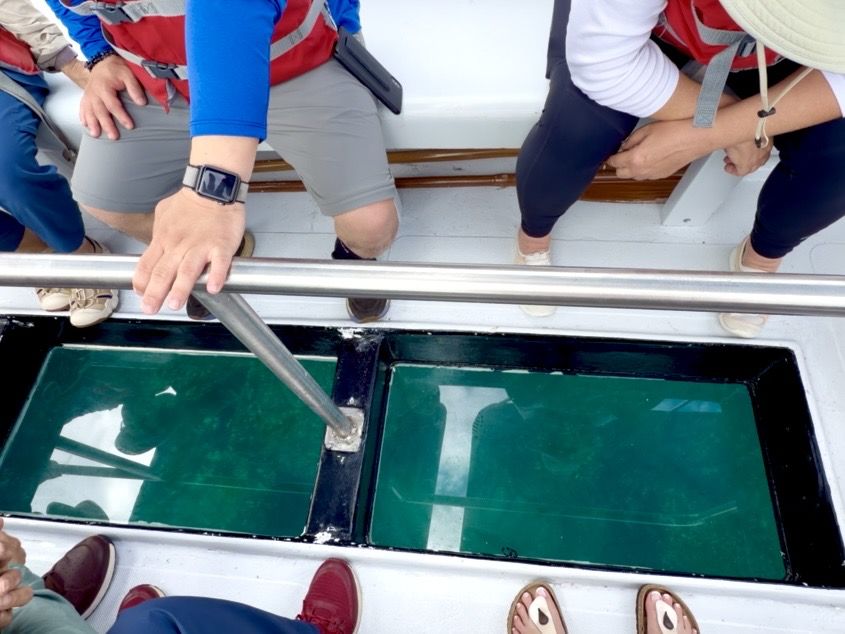
While you never had to sign up for the hikes becasue these were always by assigned group, the other optional water-based activities did require daily sign-ups in the Science Center. For activities like glass-bottom boat rides or kayaking, you often had to sign up for a specific time. The glass-bottom boat, for example, might run at 9:40, 10:20, and 11:00 AM, while others are off on a deep-water snorkeling trip.
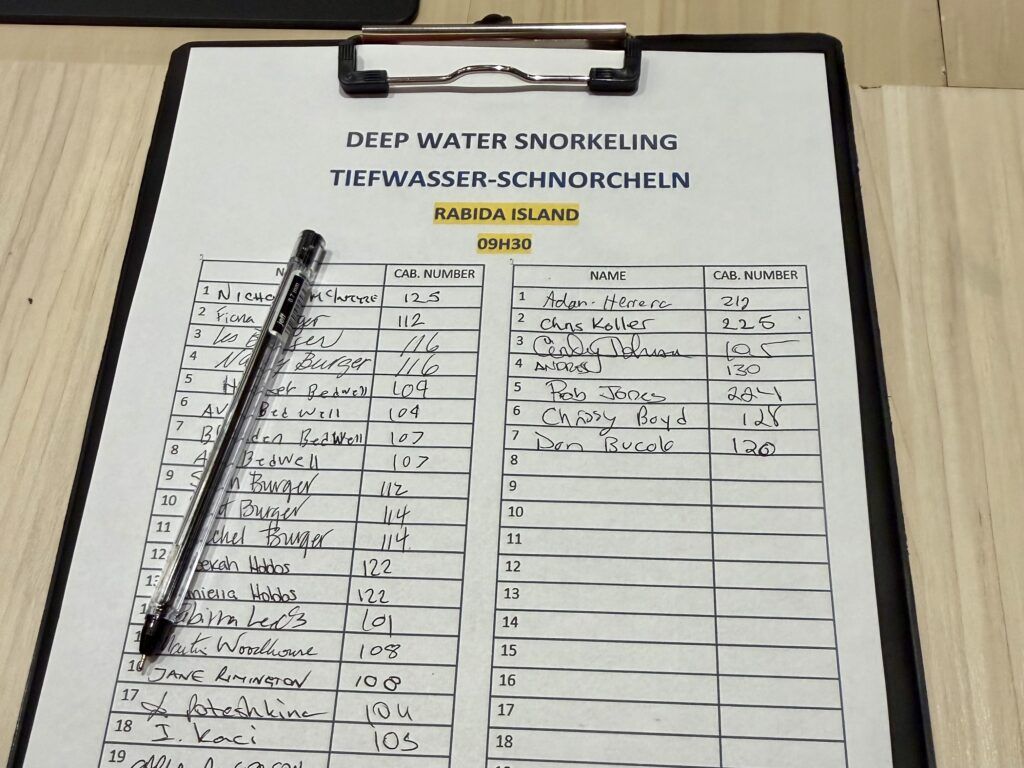
Wet and Dry Landings
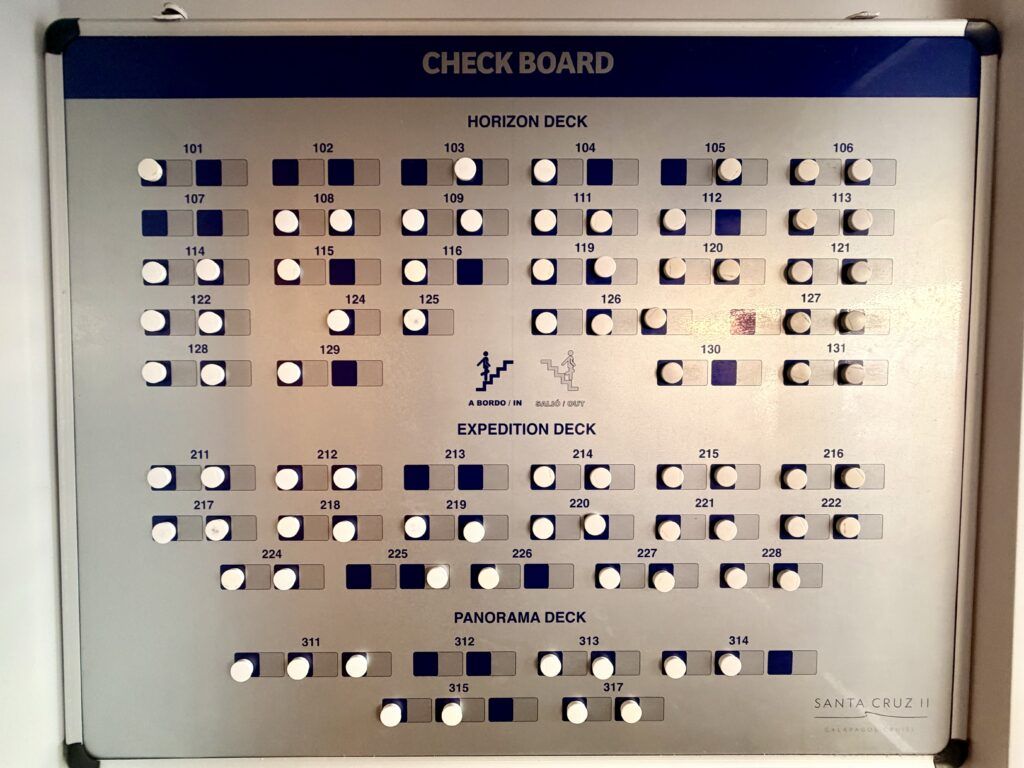
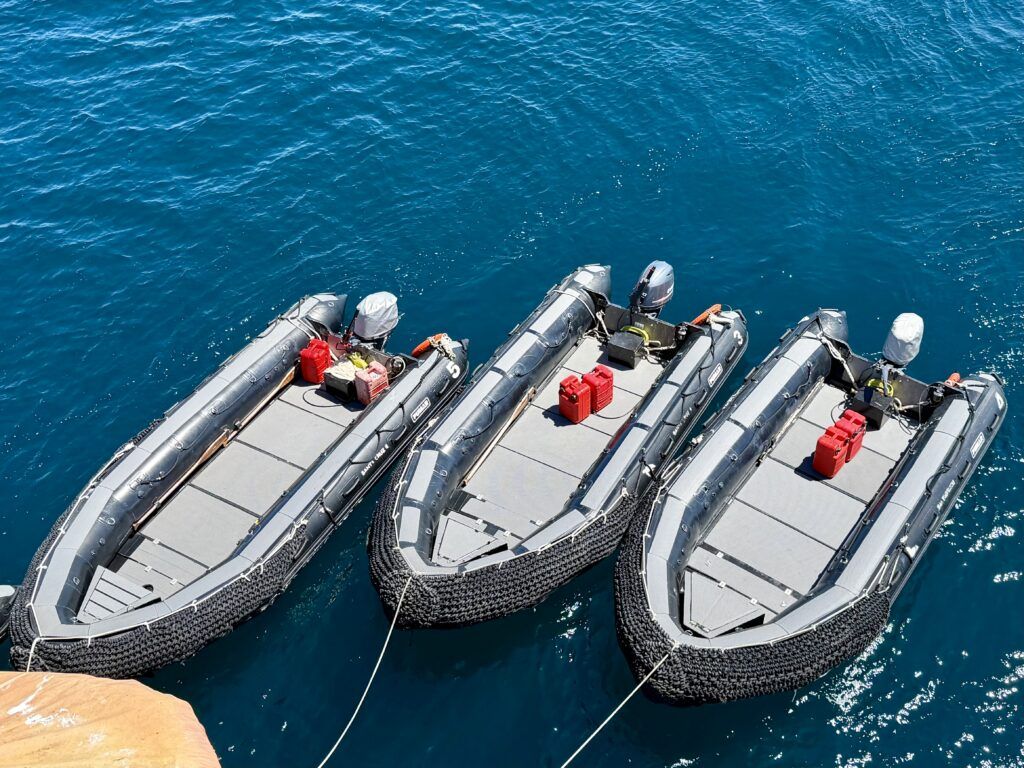
Every excursion starts with a climb down into the panga from the back of the ship. But first, we needed to check out on the magnetic board (because there are no key cards to scan off) and grab any equipment like snorkel gear or walking sticks.
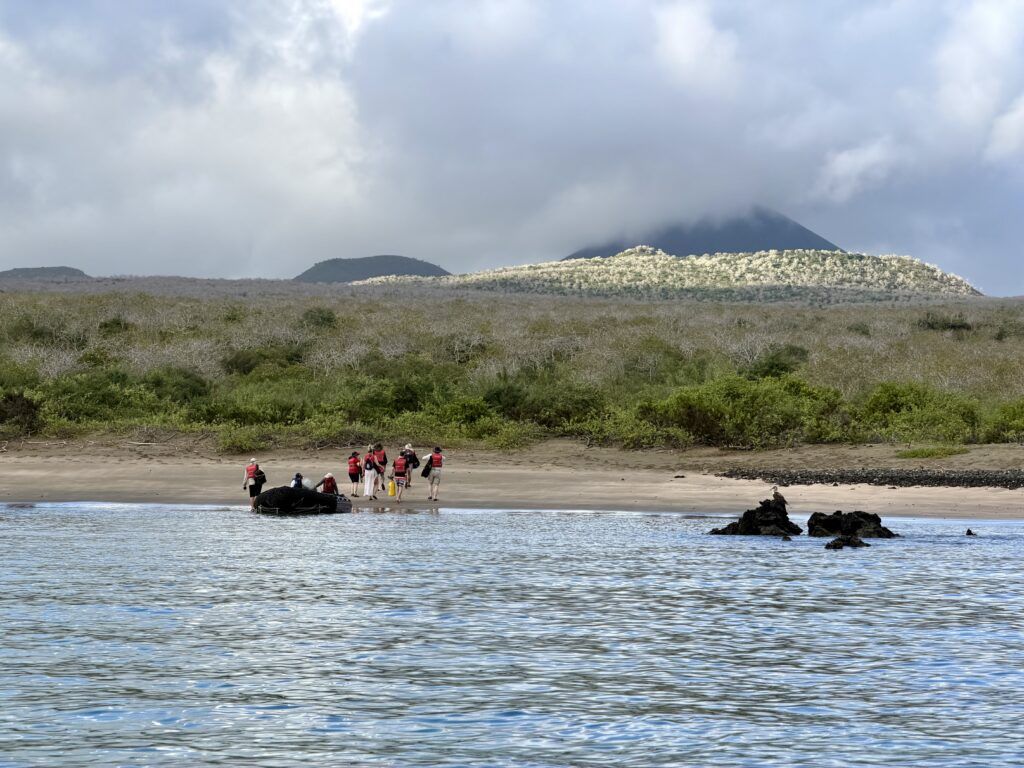
When heading ashore, it is either a wet landing or a dry landing, so it’s important to have the appropriate footwear. A dry landing means the panga pulls up to a small dock or a rock ledge and you step off without getting wet. A wet landing means you swing your legs over the side into ankle-deep water and wade to shore.
The expedition team tells you which one is coming at the briefing the night before and reminds you again in the morning. Dress accordingly. We wore hybrid water and hiking sandals for the wet landings, and for the most part, they worked perfectly.
Every Landing Requires a Guide
Every landing in the Galapagos happens with a licensed naturalist guide on a marked trail. Space on the beach is marked out, and you have to stay within designated snorkeling areas when in the water.
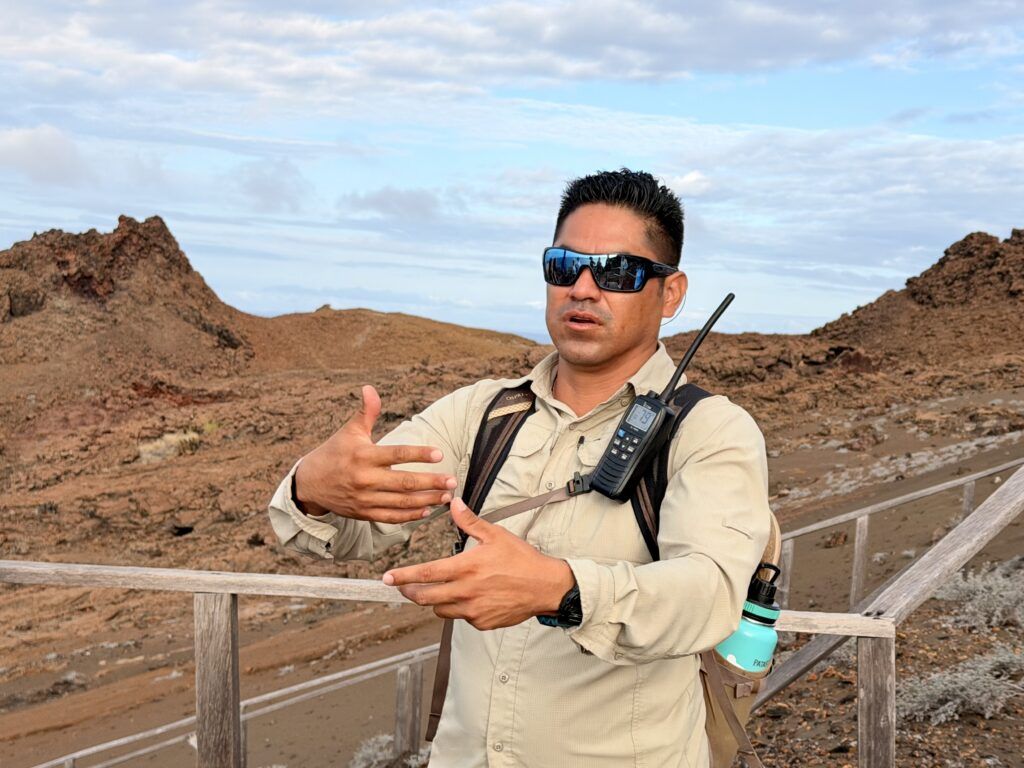
Carlos led most of our land treks and hikes, and he was the highlight of our trip. Like most of the crew, he is from the Galapagos. He was a wealth of knowledge and a passionate guide, and you could tell how much he cared about this place. He got excited every time he spotted wildlife, and he never ran out of things to explain.
On the optional outings, the guides rotate, so you get to meet several over the course of the week. We especially enjoyed Alexis, who guided us at Post Office Bay on Floreana, and Enny, who hosted a number of the panga rides.
How Physically Demanding Is a Galapagos Cruise?
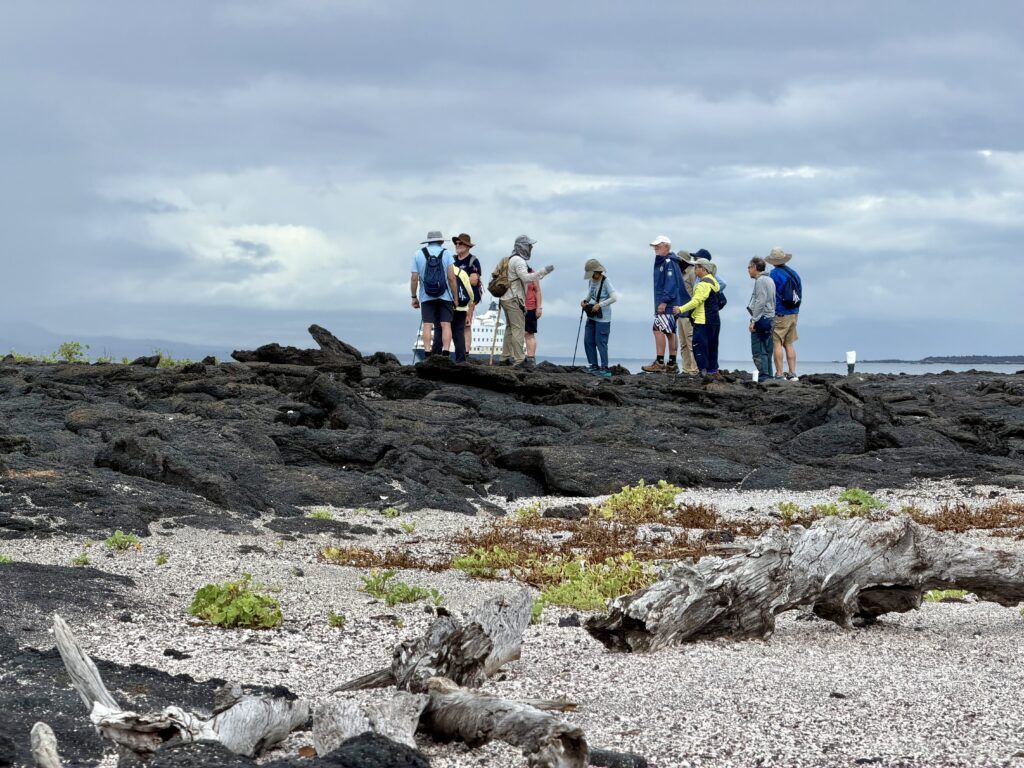
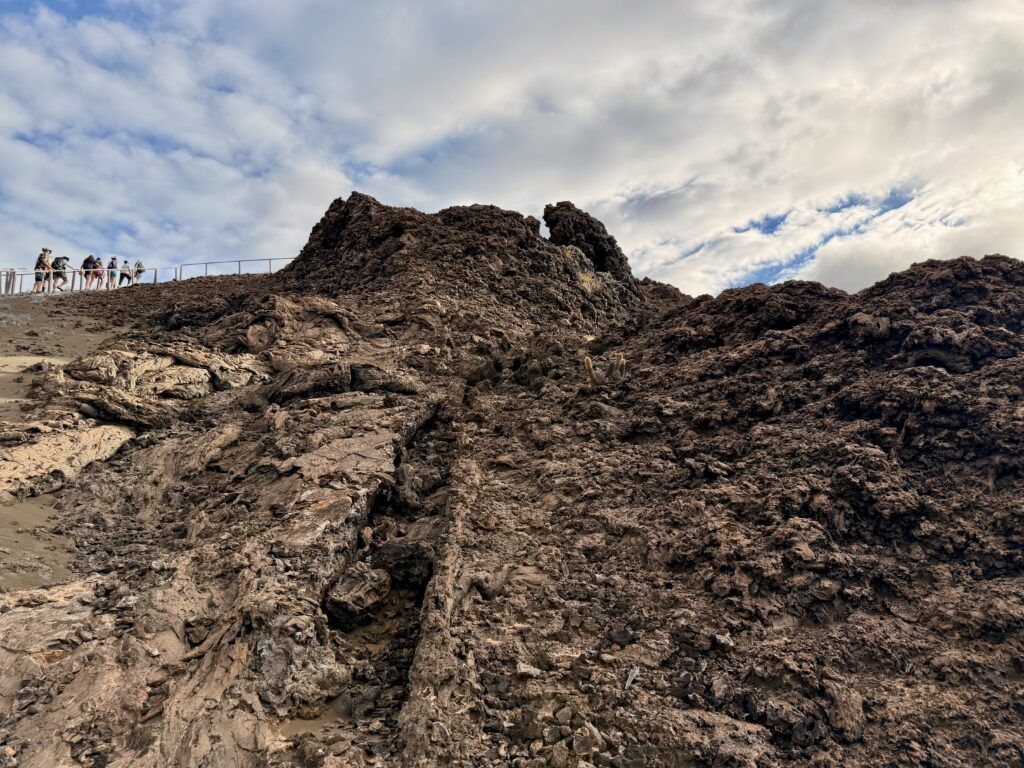
The hikes are manageable for most people with an average fitness level. Guests on our sailing ranged across every age, from kids to an 87 year old who kept pace. Depending on the island, trails run over sand, rocks, and lava fields, so footing matters just as much as fitness. Most of the trails had little elevation. The steepest hike I did was the 372-step climb at Bartolomé, while Heidi opted to view Pinnacle Rock from the comforts of a panga.
Most days offered a short walking option that was less strenuous for those wanting to take it easy. The other thing to consider, though, is the heat and humidity in which you’ll be hiking. This definitely adds to the strain.
Deep-water snorkeling is where conditions vary the most. Some sites had noticeable current, but the guides adjusted for it by changing the entry point or the swim direction based on the group’s abilities.
That said, this trip is not accessible for everyone. There is no elevator on Santa Cruz II. Every landing requires you to climb in and out of a zodiac, often into ankle-deep water and onto uneven ground. And if you want to participate in the outings, you should have some degree of physical fitness and be able to climb stairs. Know your limitations before you book, and be honest with yourself about them so you’re not disappointed.
Pre-Cruise Extension (Machu Picchu & Quito)
Booking the pre-cruise extension through HX, we spent about a week in Peru and Ecuador before the cruise. The cruise line handled everything, including the hotels, flights, trains, guides, and most meals.
This pre-cruise tour was outstanding. We stayed in four- and five-star properties along the way, including the Tambo del Inka in the Sacred Valley, a luxury resort on the Urubamba River with an indoor-outdoor pool, gorgeous grounds, and an excellent restaurant.
Starting in Peru
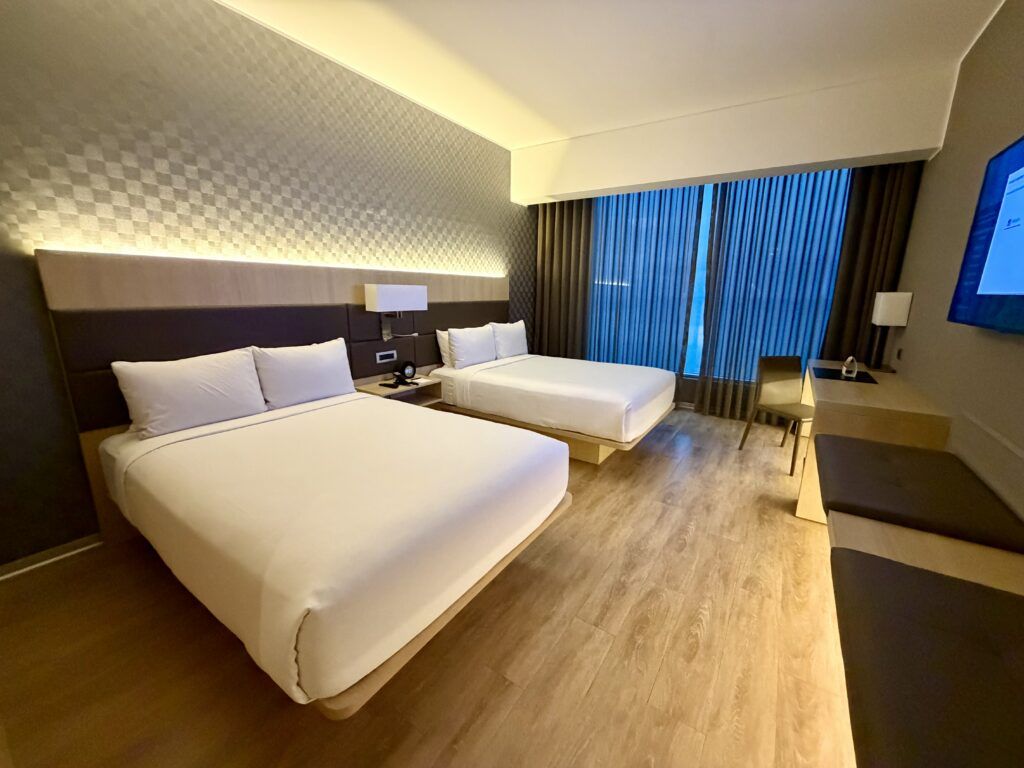
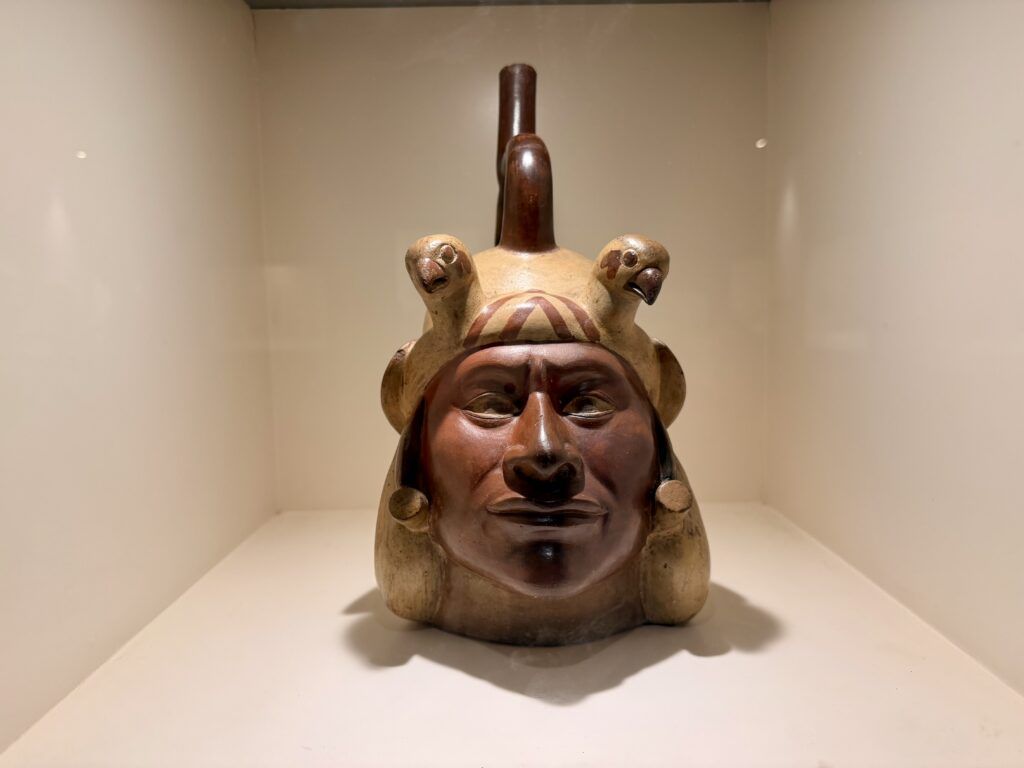
The trip opened in Lima with a 2-night stay at the AC Marriott in Miraflores and a walking tour of the historic city center, a UNESCO World Heritage Site. The highlight was the Larco Museum, home to the finest private collection of Pre-Columbian art in the country.
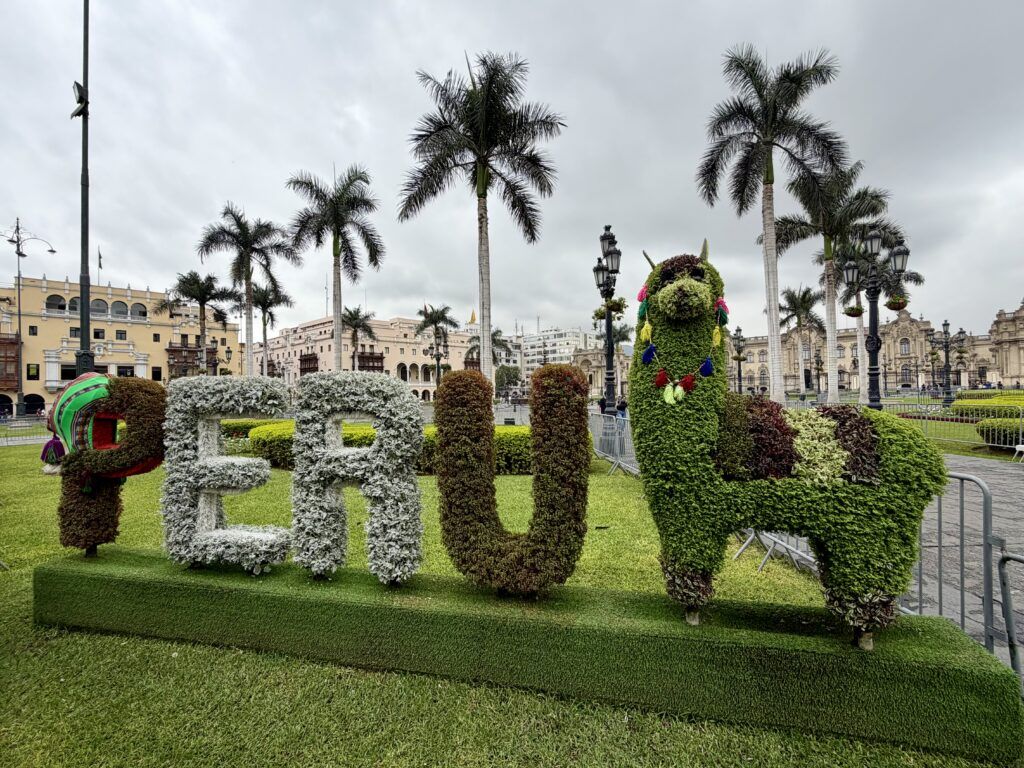
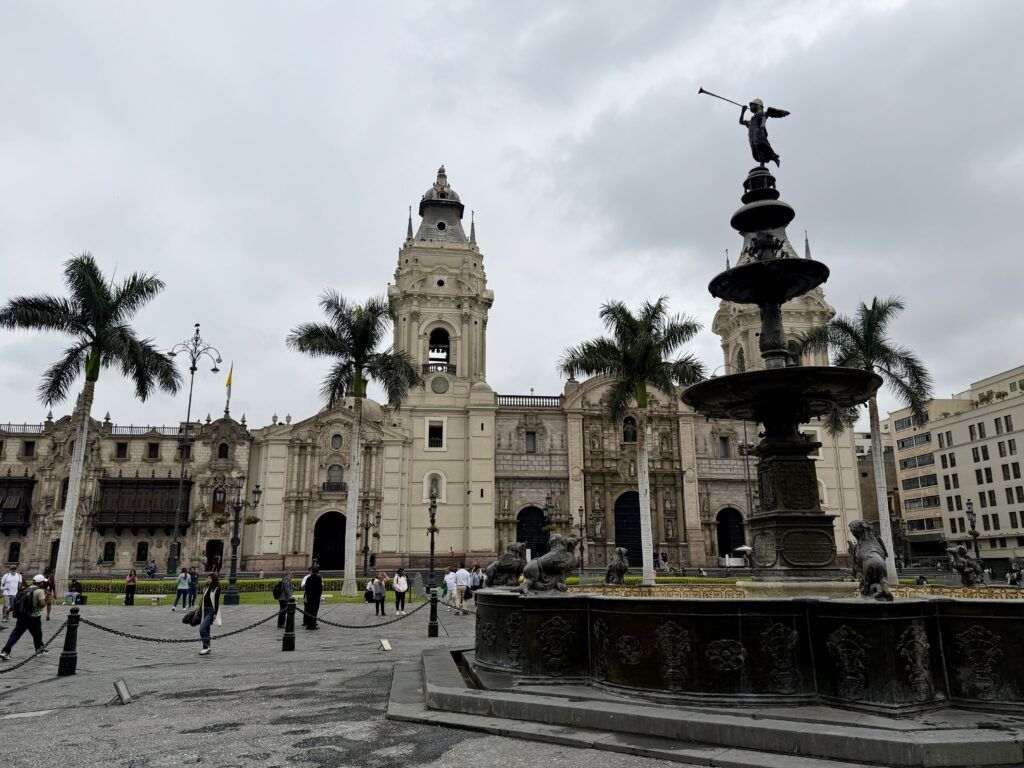
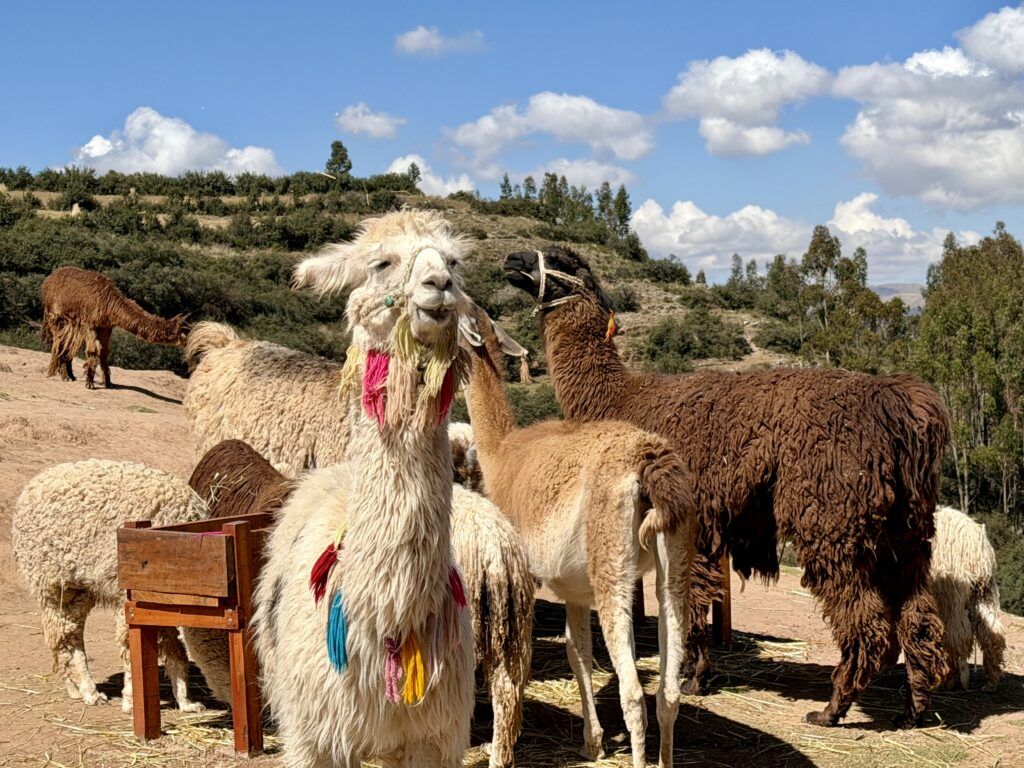
From there, we flew to Cusco. We wasted no time, with a full day of exploration right after our morning flight. Highlights included a visit to a textile museum and some adorable llamas and alpacas. Later in the morning, we visited the Sacsayhuamán fortress, an Inca ceremonial compound with panoramic views over the city, before making the two-hour scenic drive out to the Sacred Valley. Here, we stayed at the luxurious Tambo del Inka for two nights.
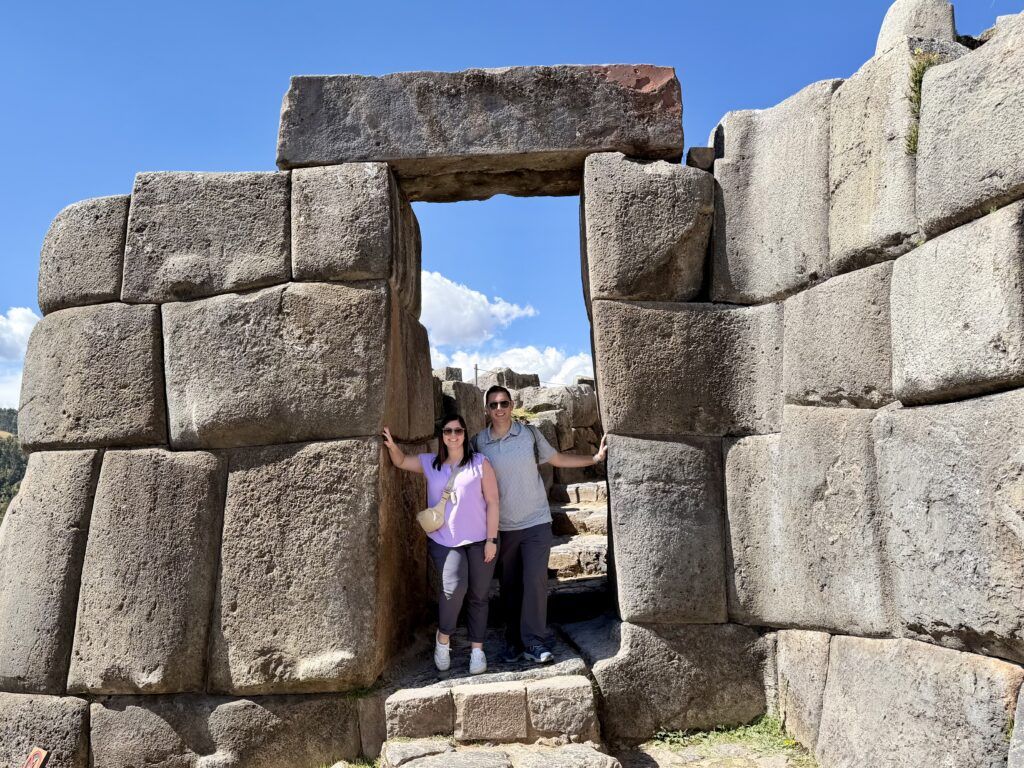
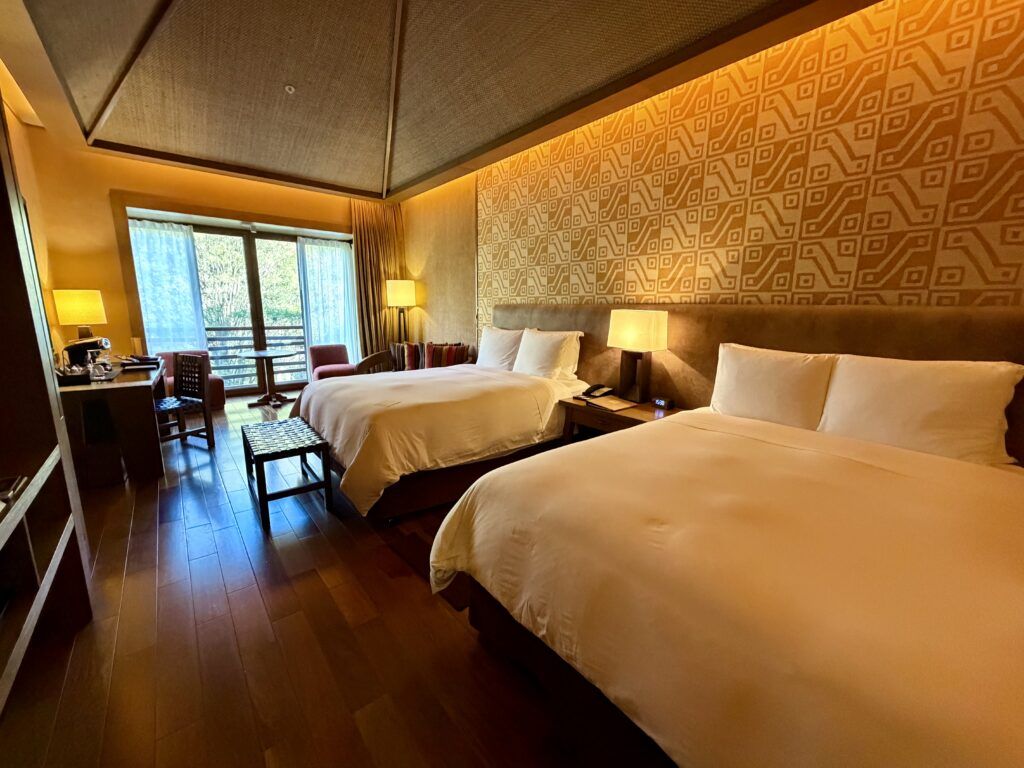
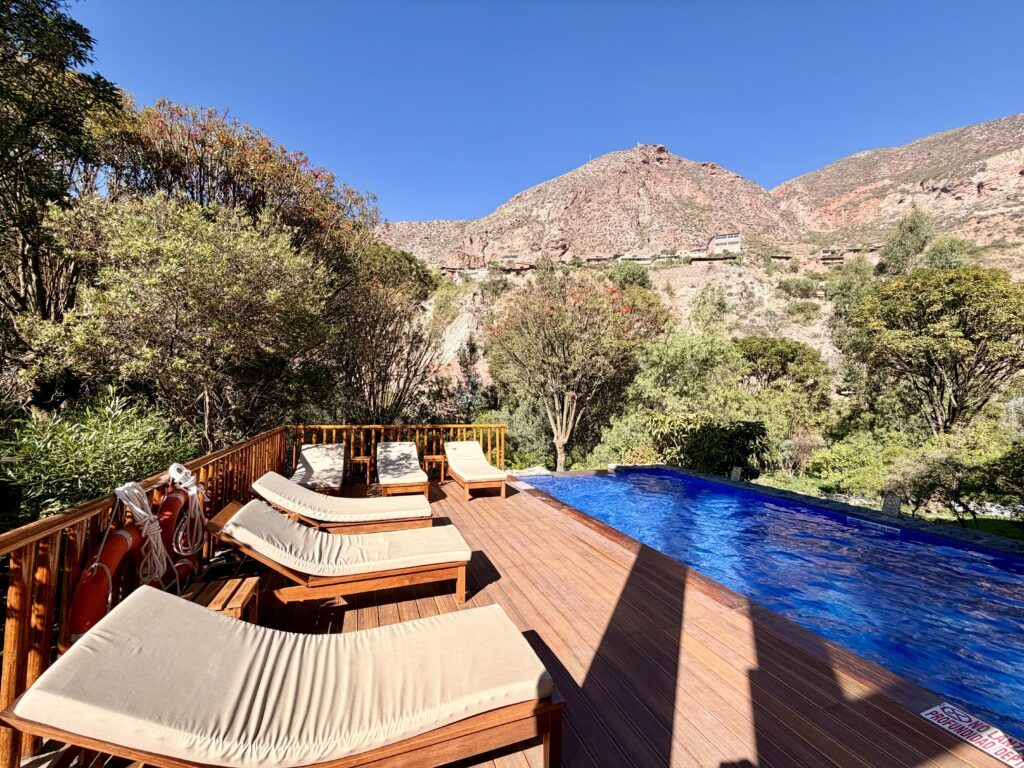
It was in Cusco, at over 2 miles above sea level, that we began experiencing symptoms of altitude sickness. For us, it was mostly headaches and fatigue, but it definitely impacted our oxygen levels and our ability to sleep for a couple of nights.
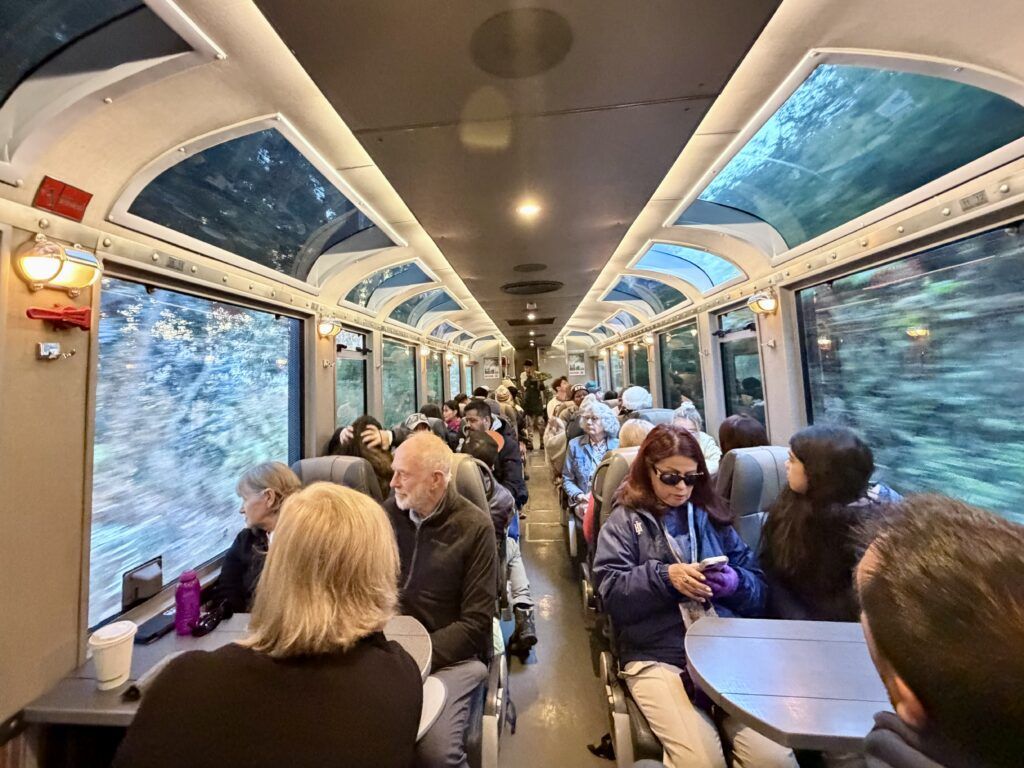
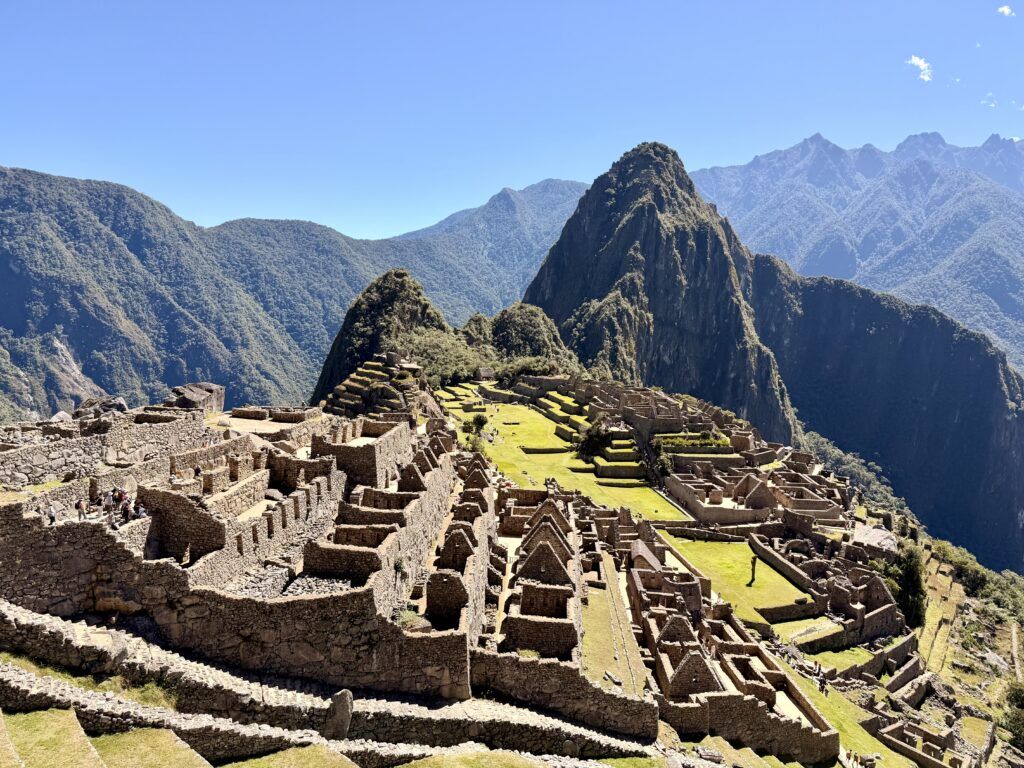
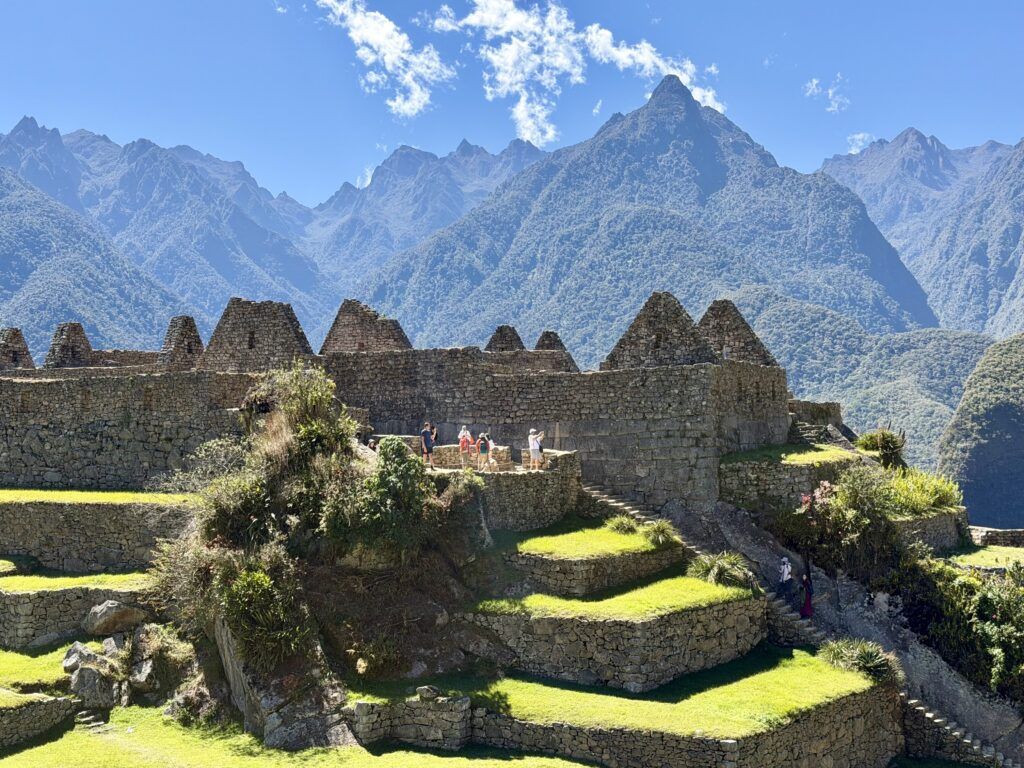
Machu Picchu was the centerpiece of this extension. Again, HX managed all the logistics. We rode the Inca Rail from Ollantaytambo, which offered 360-degree views, stopped in Aguas Calientes, and took the short bus ride up to the site. We walked Circuit 2, the classic route, with our guide, and spent a couple of hours taking in a 600-year-old city that somehow still looks impossible.
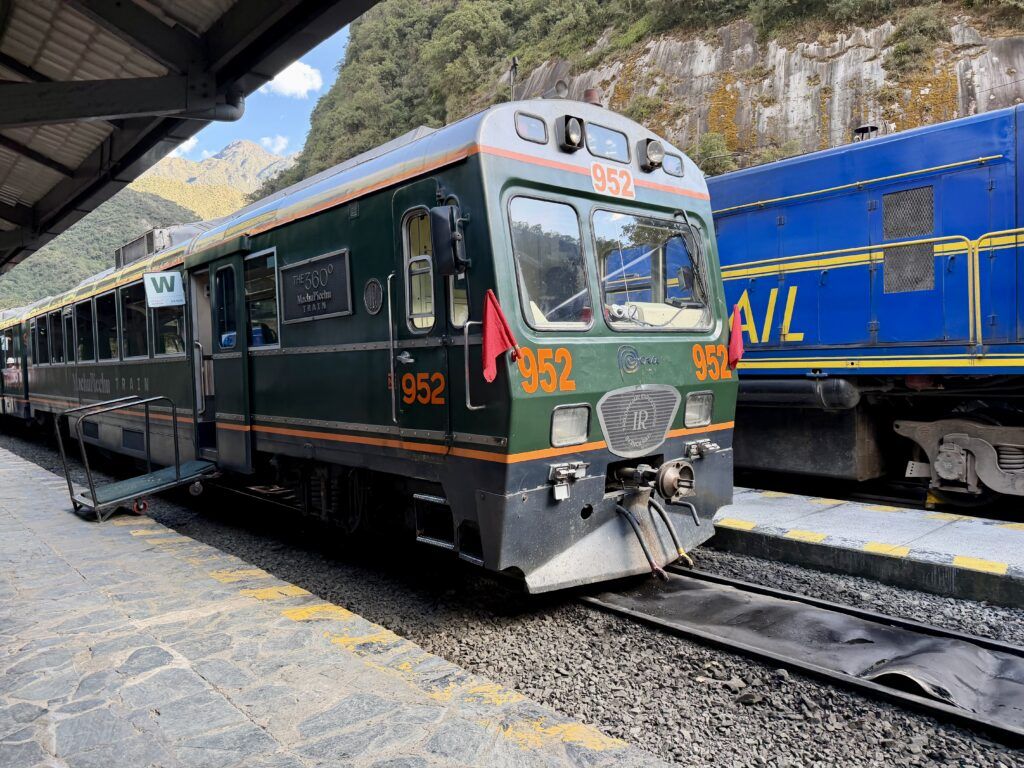
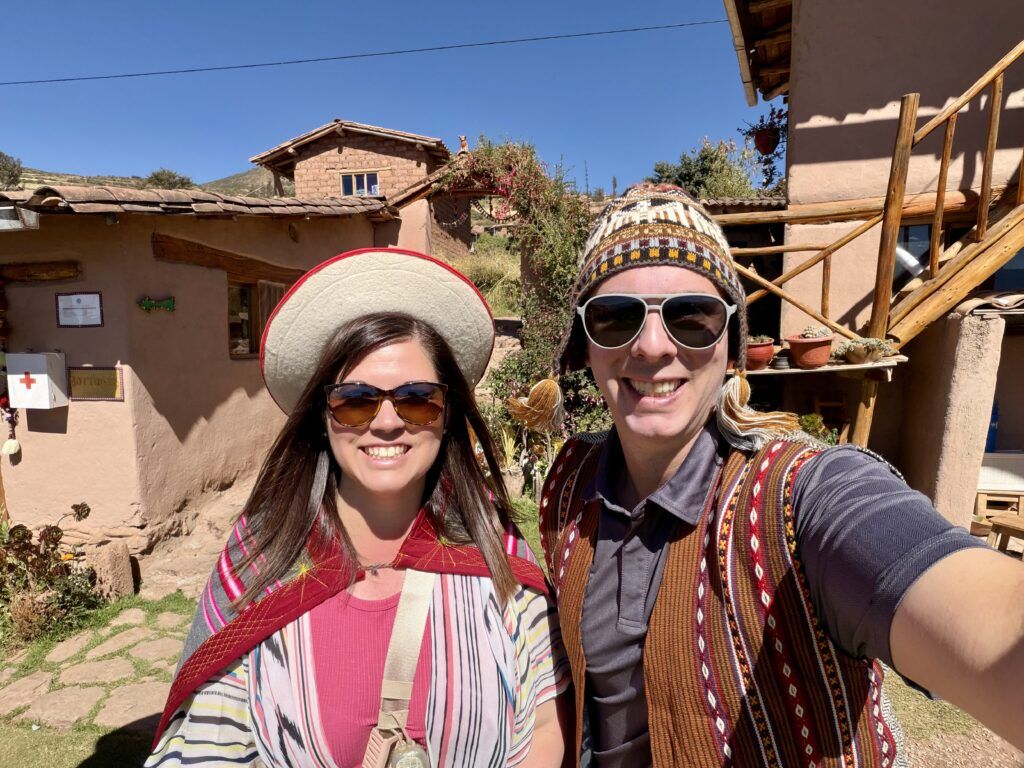
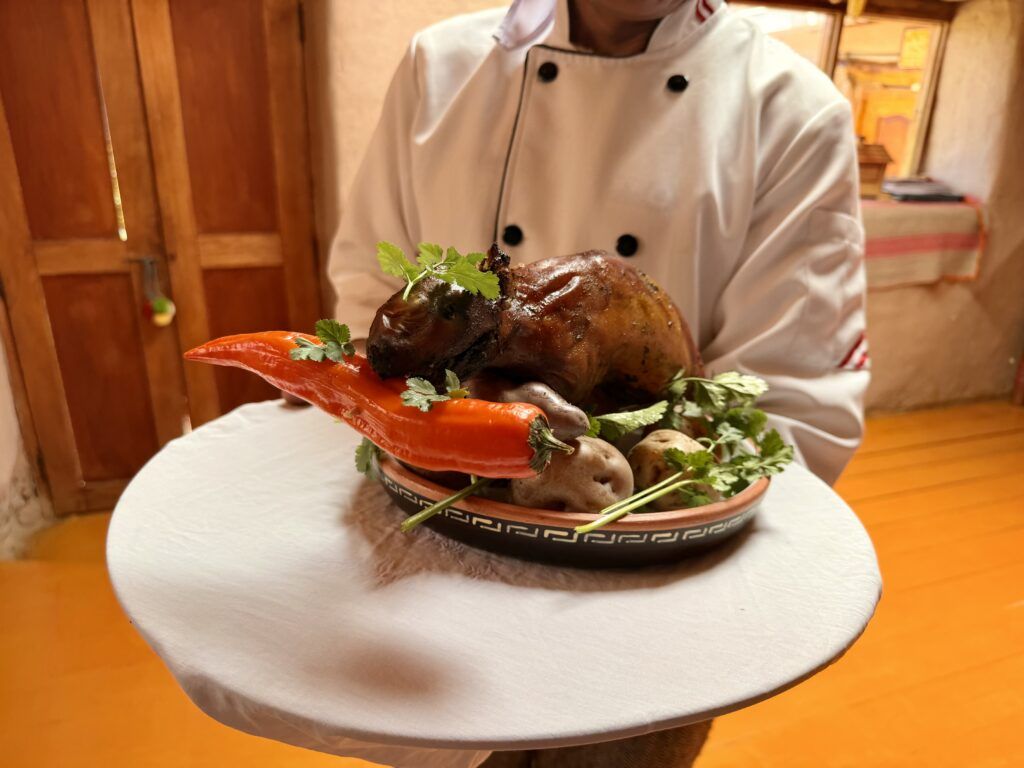
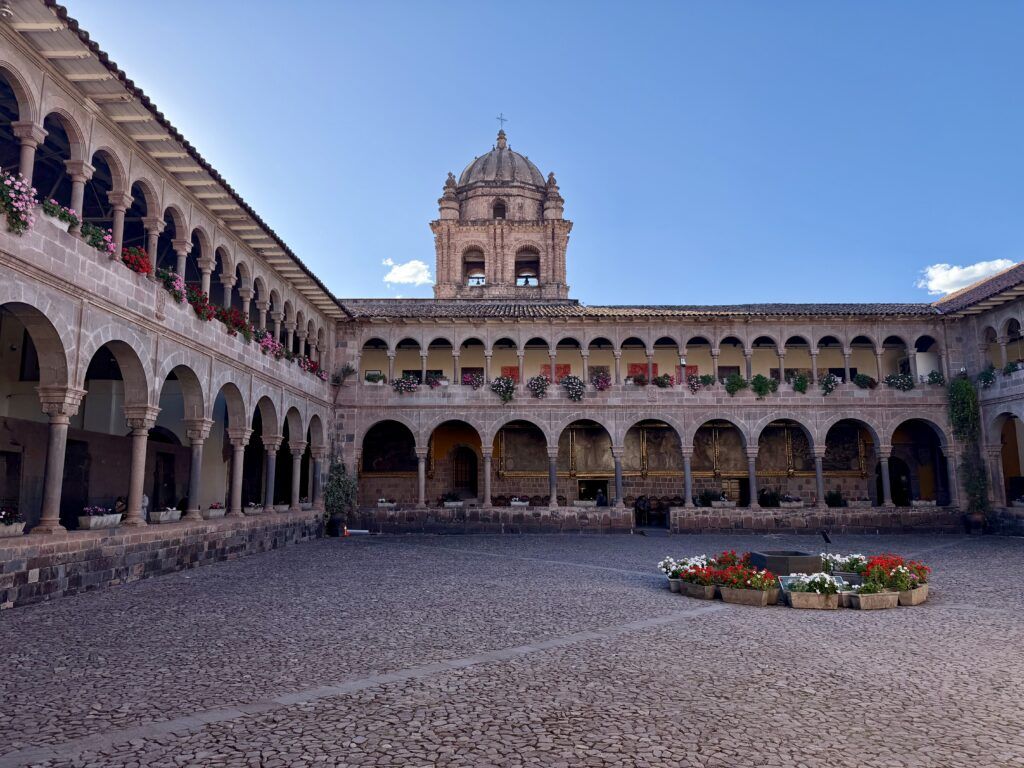
After two nights in the Sacred Valley, we headed back to Cusco. Our first stop was the Misminay community, where Andean highlanders still practice ancestral farming techniques, textile weaving, and folkloric traditions passed down through generations. Lunch featured roasted guinea pig, a Peruvian specialty. In the afternoon, we had a walking tour in Cusco, from the Plaza de Armas and its post-conquest architecture to the Inca walls a few blocks away.
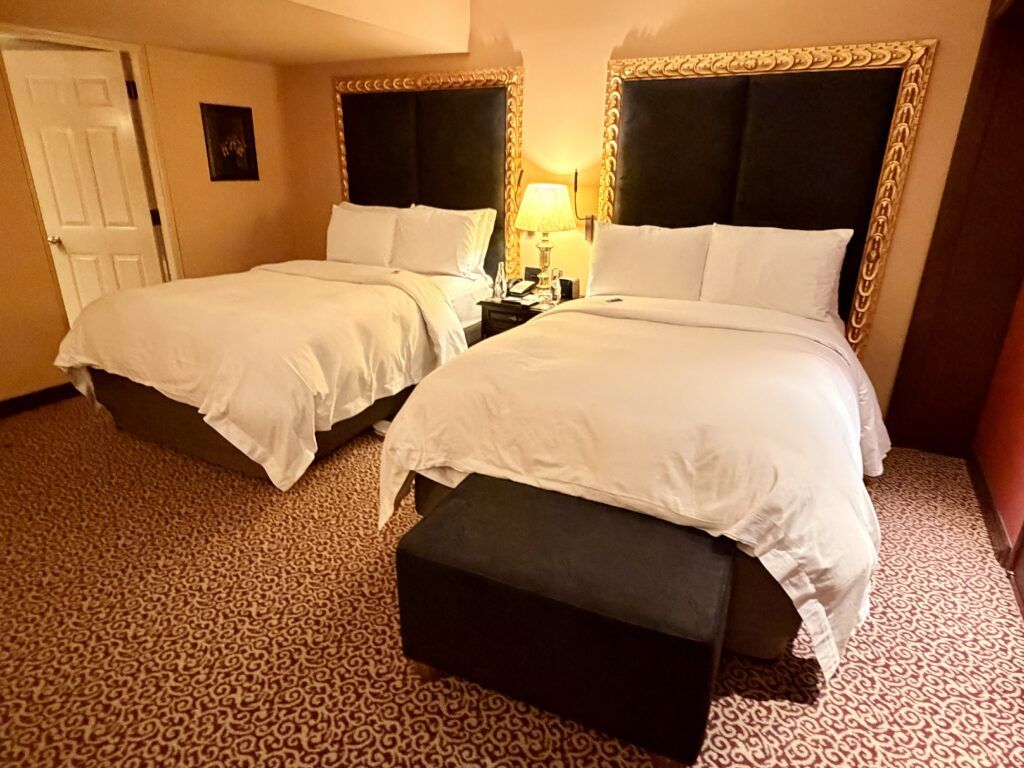
We then tucked ourselves in for one night at Palacio del Inka in the center of the city before an early depature to Quito the next morning.
Meeting Up with The Rest of the Expedition
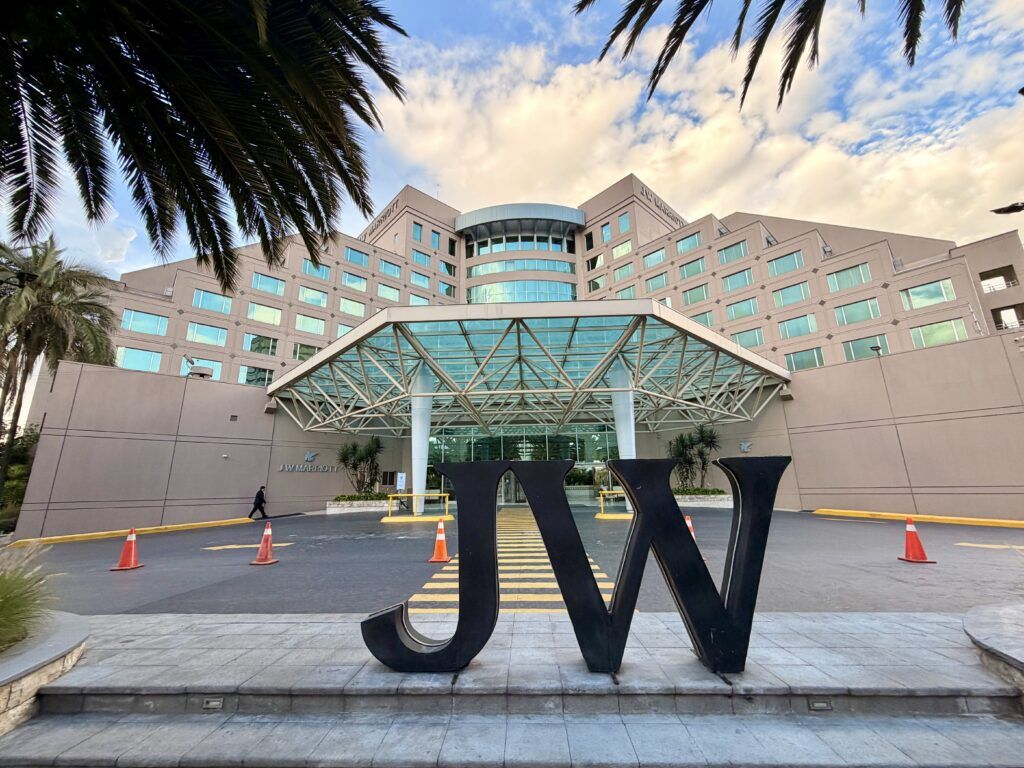
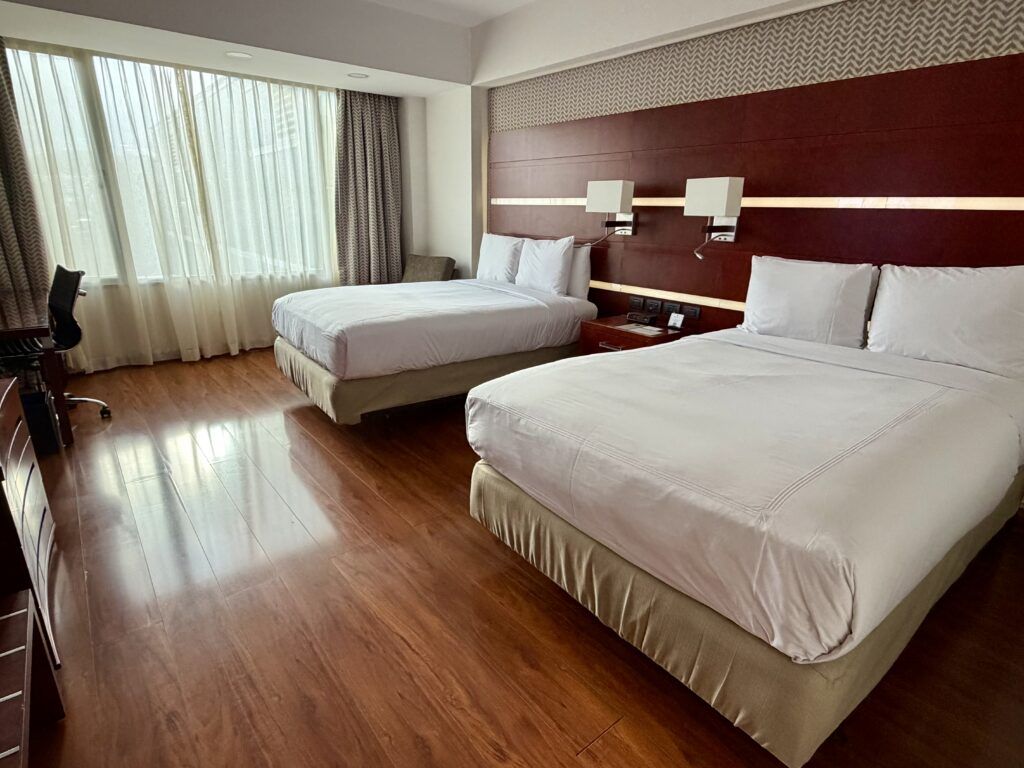
After a long morning of travel from Cusco to Lima, then finally to Quito, we met up with the rest of the group heading to Santa Cruz II at the J.W. Marriott for a 2-night stay.
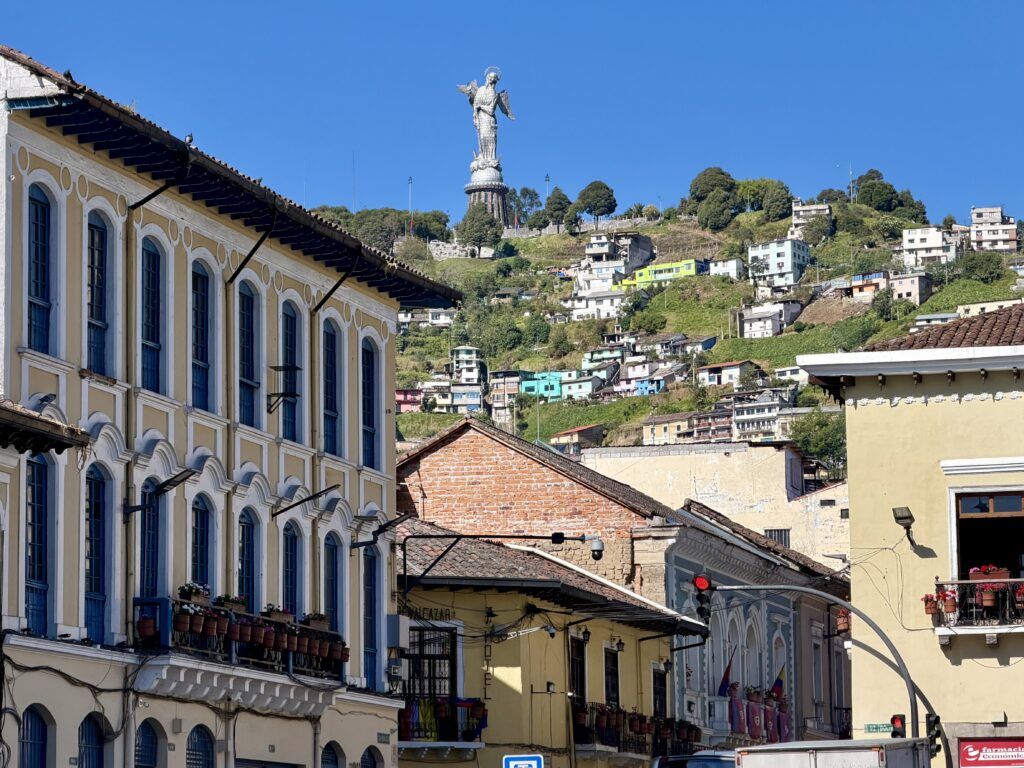
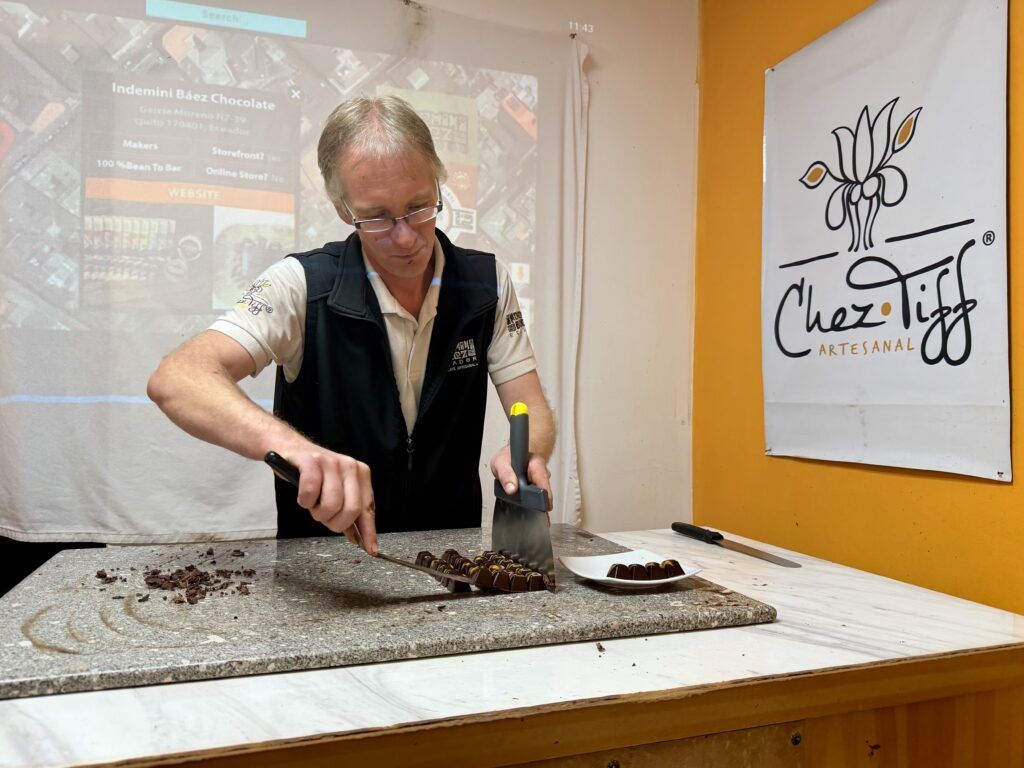
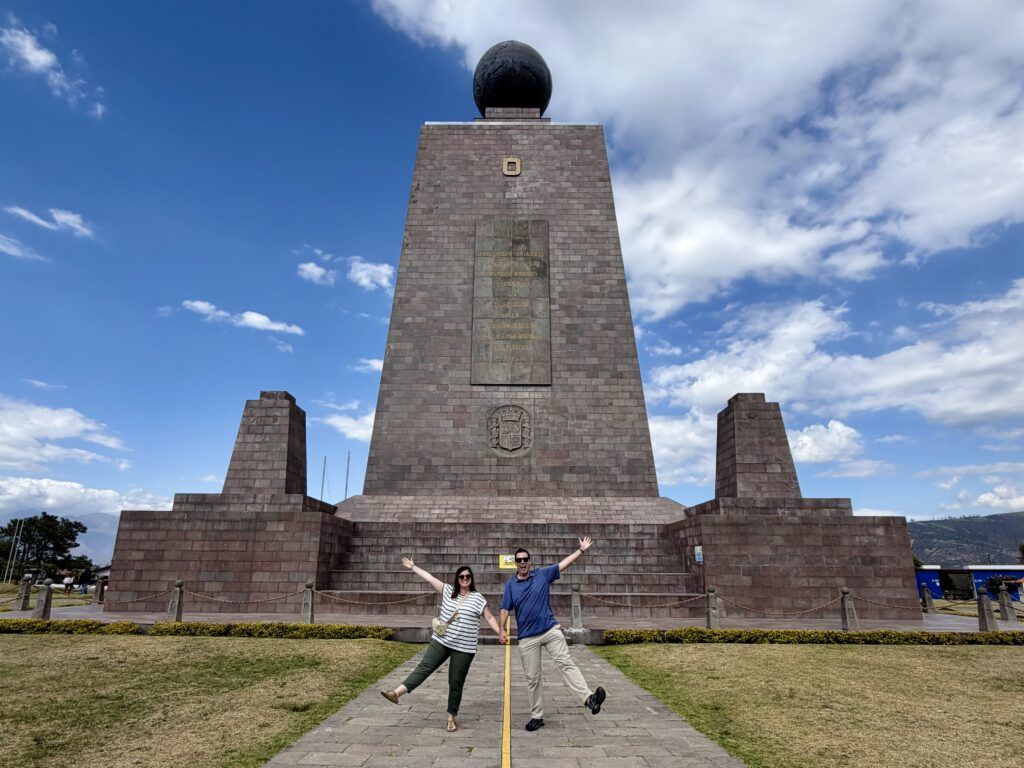
The next day, we toured Quito’s Old Town, one of the largest and best-preserved colonial quarters in South America, and had an Ecuadorian chocolate experience. Then, we headed north to the “Middle of the World” to stand with one foot in each hemisphere at the equator monument. It was a fitting way to end our land journey before heading to the Galapagos.
Santa Cruz (We Landed Here Three Times)
Because our 9-day (8 nights) route combined the Western and Northern itineraries, Santa Cruz turned up three separate times, on three different days, at three different landing sites. It is also the most densely populated island in the archipelago, making it the one place on the itinerary where you can see how people and wildlife coexist.
Day 1 — Cerro Dragón
Our first afternoon set the tone for the entire week. We flew from Quito to Baltra, transferred to the ship, completed lunch and mandatory briefings, and then were back off the ship to start exploring.
The ship sailed along the north shore of Santa Cruz to Cerro Dragón, which translates to Dragon Hill. The first stretch of the walk passes a brackish lagoon. From there, the trail climbs inland and opens onto views of the bay and the western islands beyond.
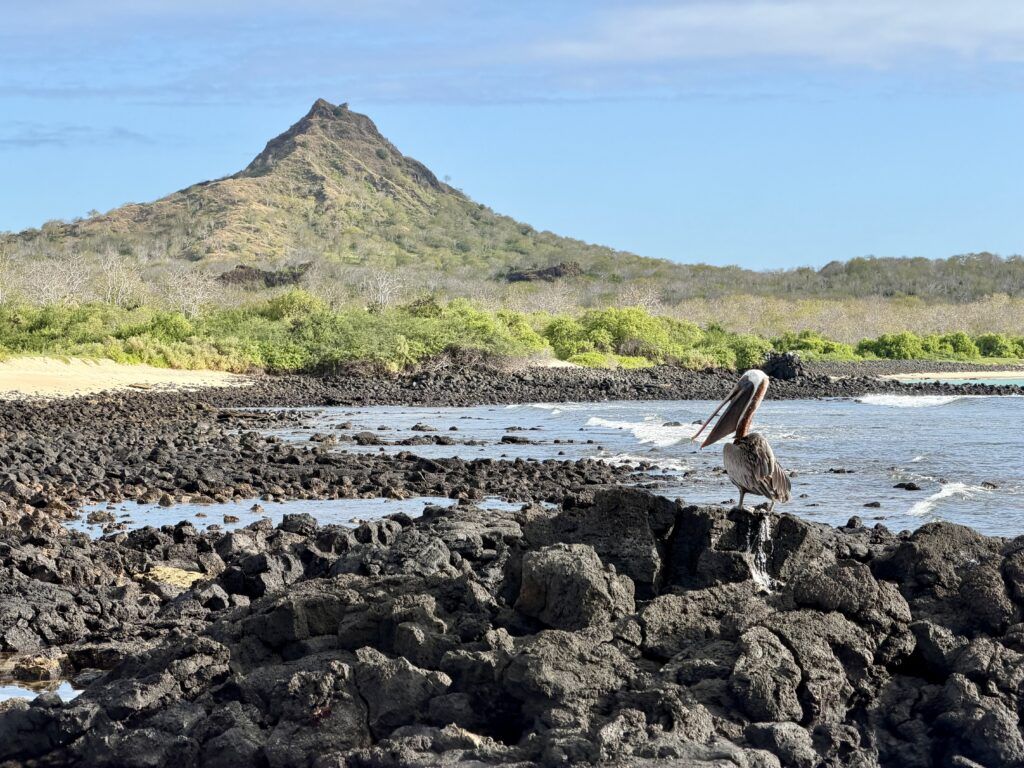
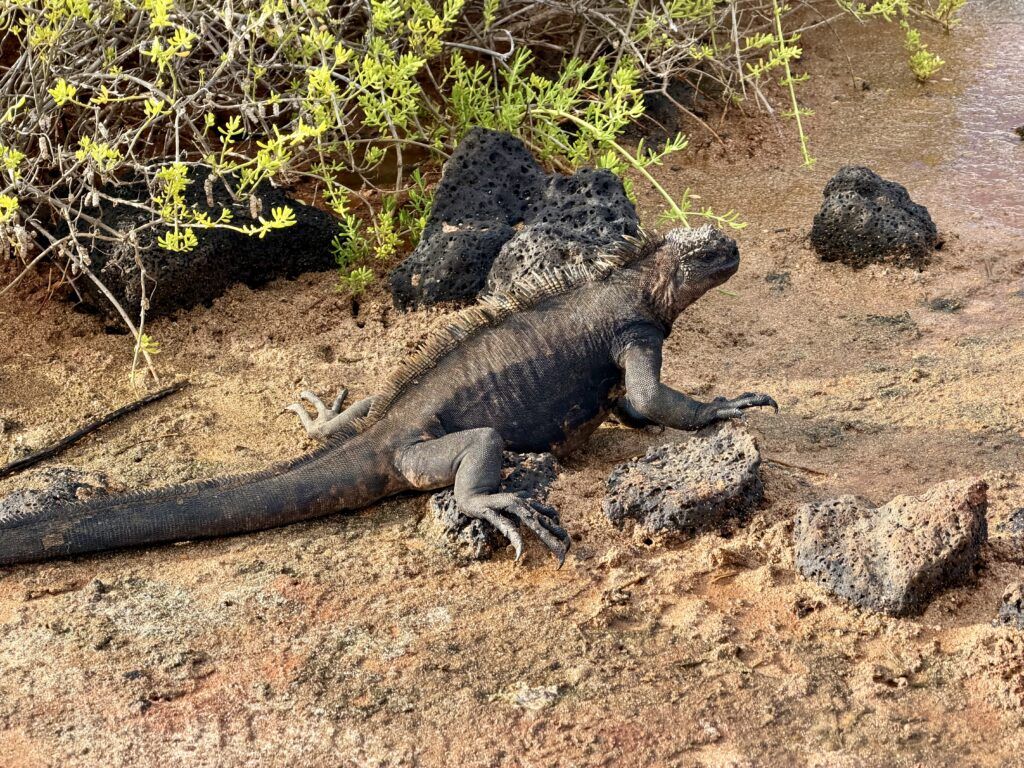
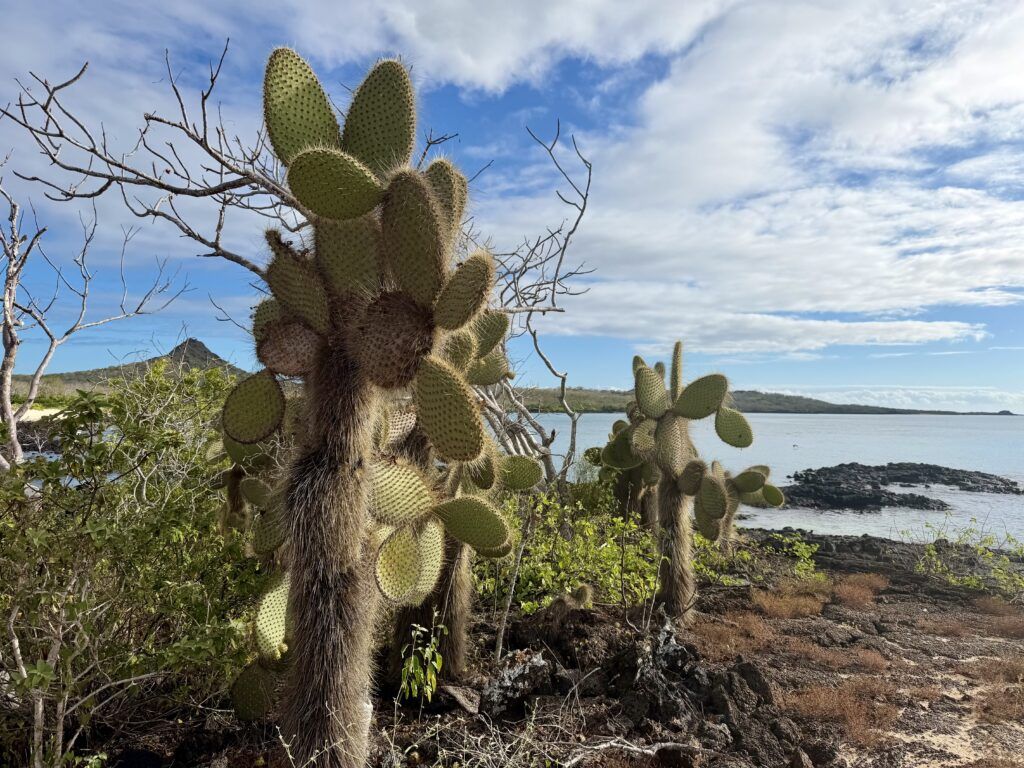
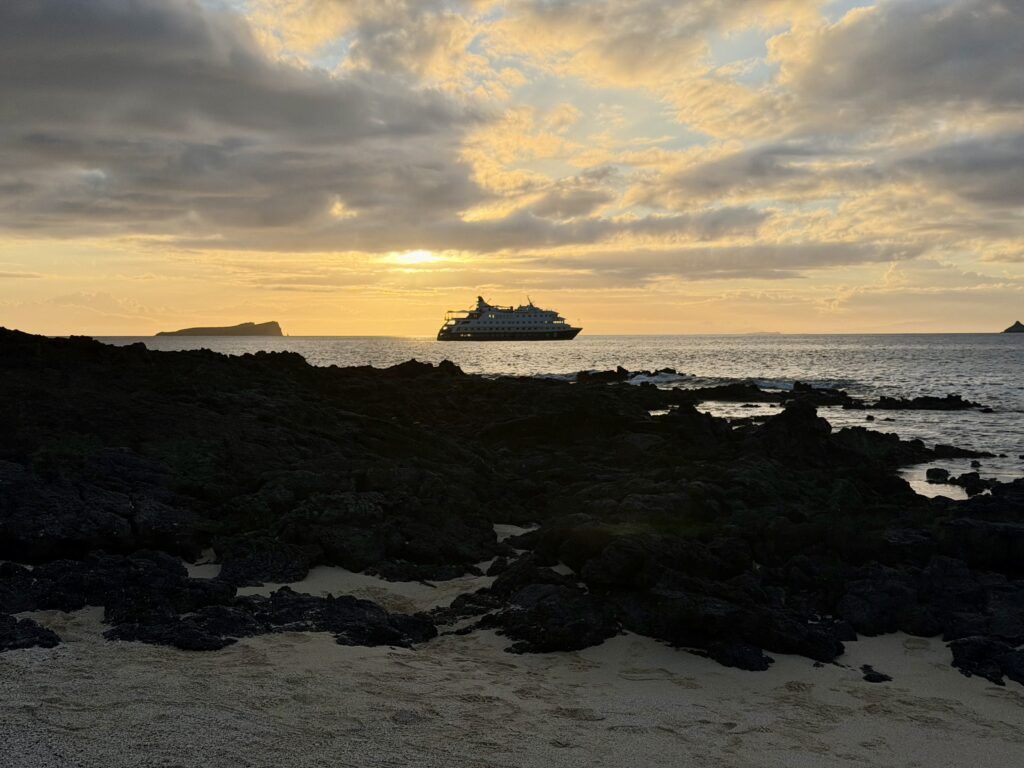
We saw both land iguanas and marine iguanas and some birds on this walk, which was a strong start. The terrain and elevation was rougher than we expected though, making us second-guess our fitness levels for this trip. Then again, we had been going since 5 AM! Dragon Hill turned out to be one of the more difficult walks of the whole trip.
As the sun set over the ship, we made our way back around 6 PM. It was a picturesque ending to our first real taste of what the Galapagos has to offer.
Day 3 — Puerto Ayora and the Charles Darwin Research Station
Day three was our only full day ashore, and it was the closest thing to a traditional port day we had all week.
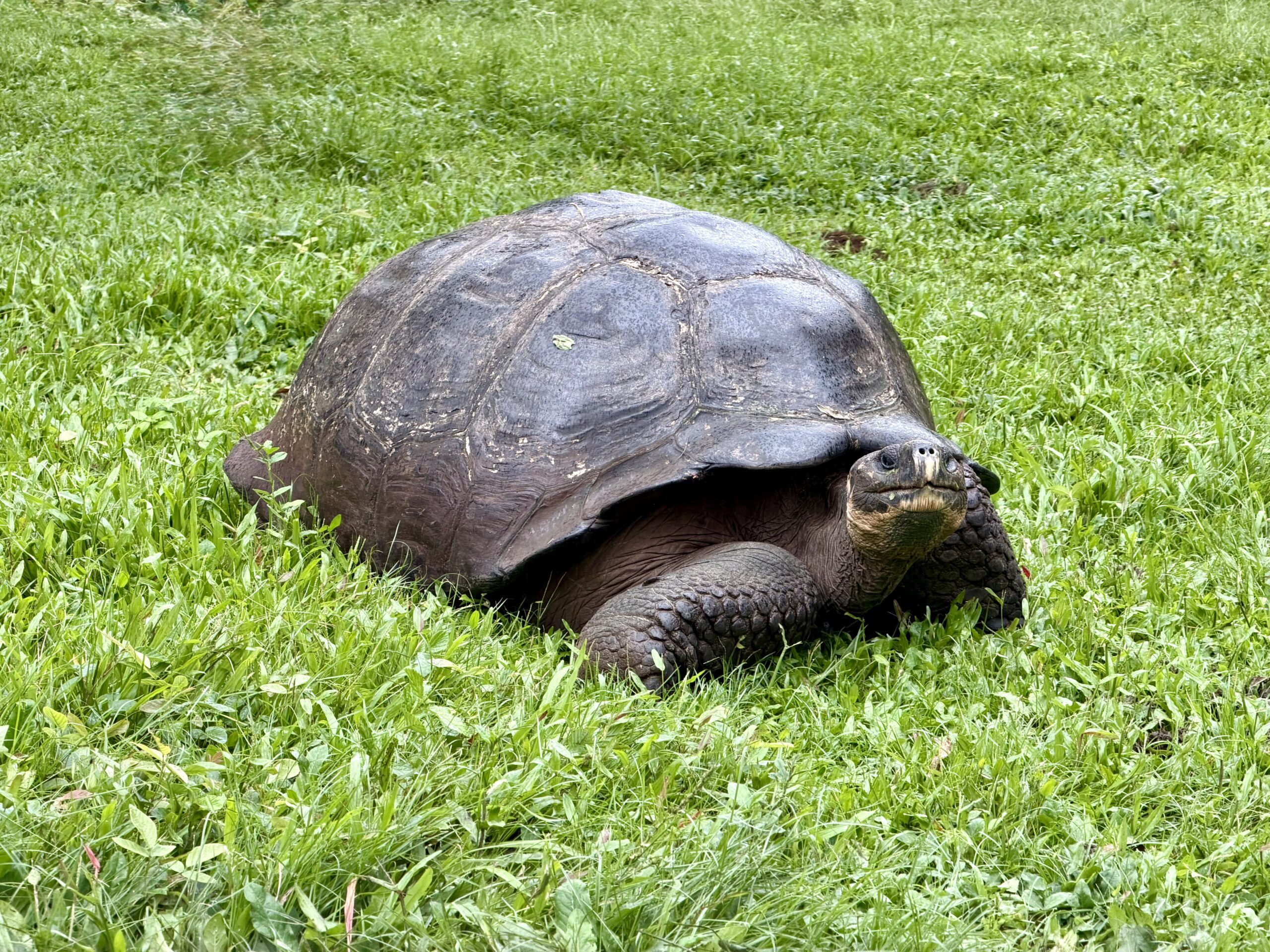
We started at the Charles Darwin Research Station in Puerto Ayora, the center of conservation work in the Galapagos and home to the giant tortoise breeding program.
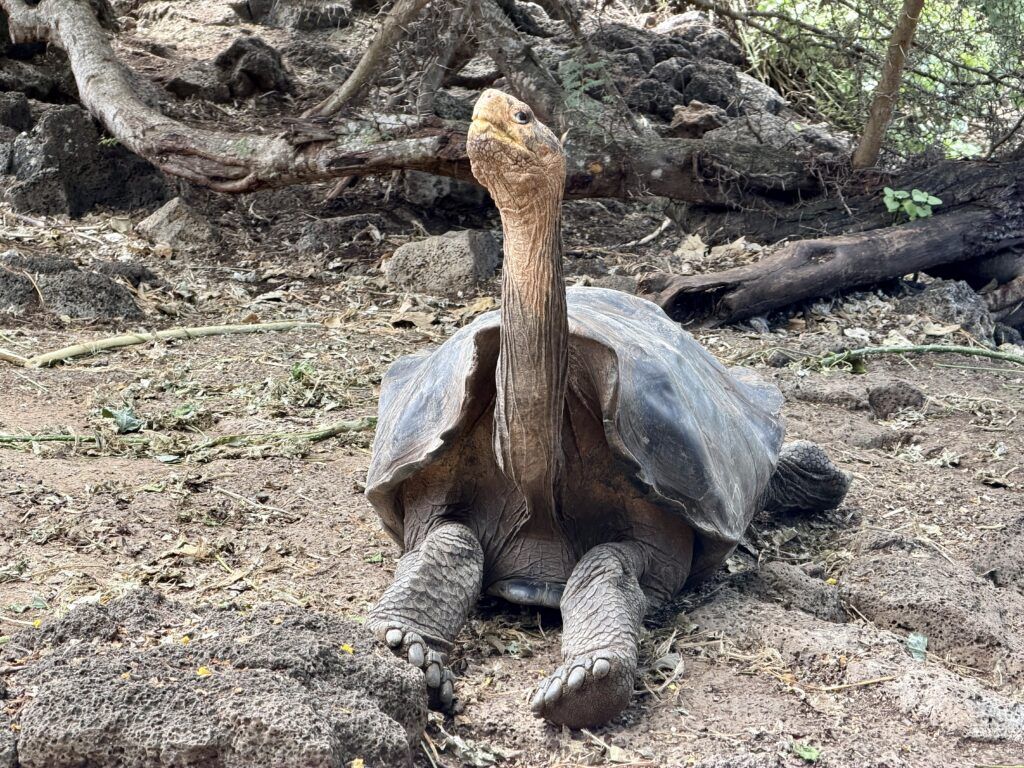
From there, we had the option for a bike ride into the highlands to a sugar mill, and I took it. It was hot and humid, but I did it anyway. Because when else am I going to bike through the Galapagos?
The second part of the day included a rather hearty lunch at a local farm called Manzanillo, and then the part everyone comes for: giant tortoises in the wild.
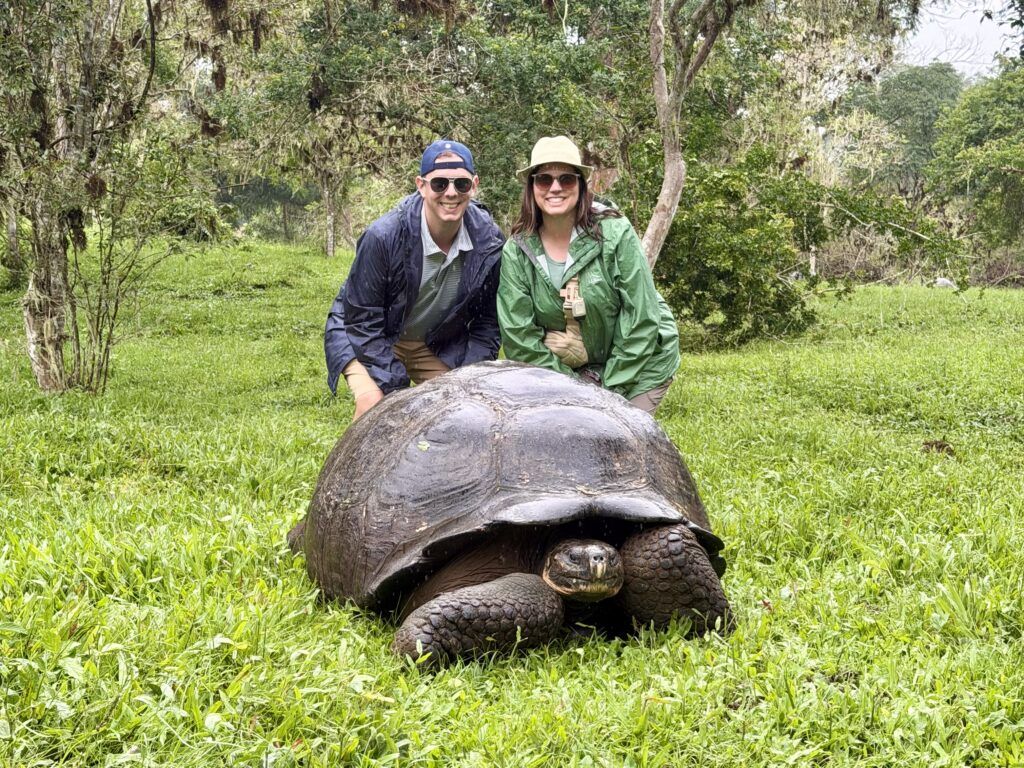
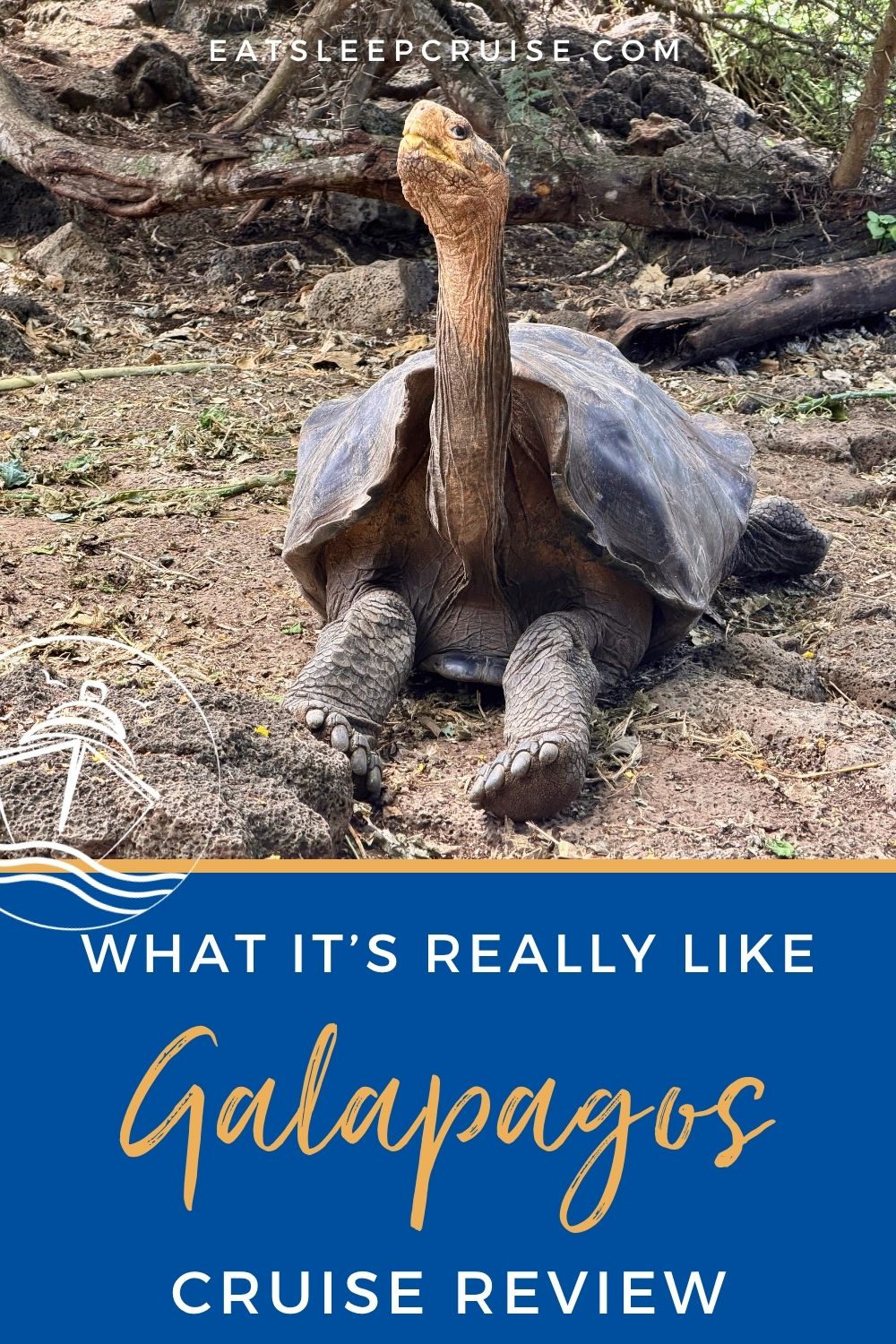
While it was a bit rainy, we could not get enough of the impressive giant tortoises with their massive shells protruding from the tall grass. These majestic creatures weren’t bothered by all of us taking videos and photos. They were just out doing what they have been doing for a hundred years.
Day 5 — Las Bachas
Day five was our turnaround day. The ship pulled into Baltra in the morning for a group of guests to disembark and a new group to board. Since we were staying on, we finally had a morning to sleep in.
The afternoon took us to Las Bachas, a soft sandy beach on the north shore. Heidi stayed on the beach while I did the beach snorkel, where I saw a lot of the same creatures, but I did get up close and personal with a turtle, which made my afternoon.
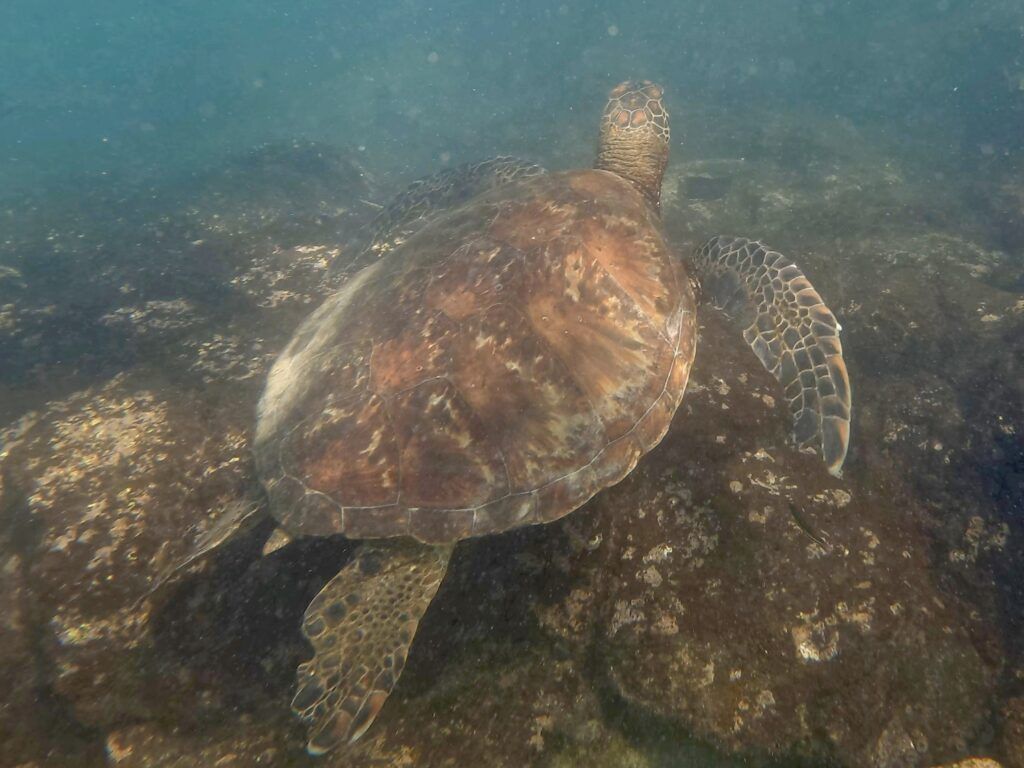
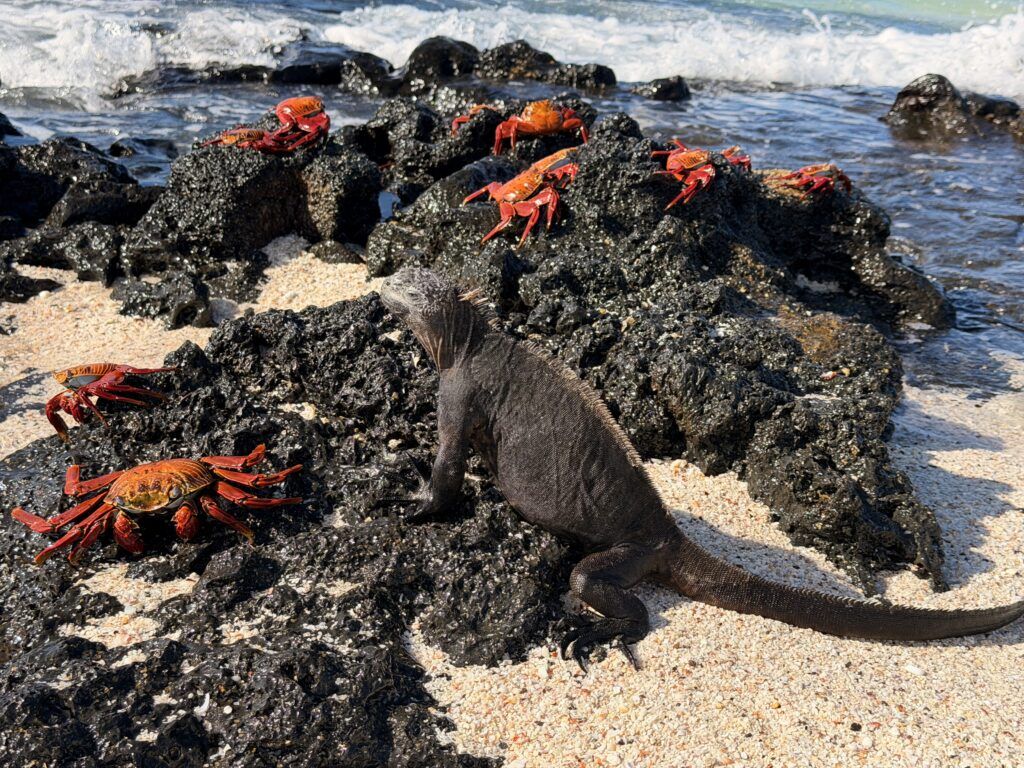
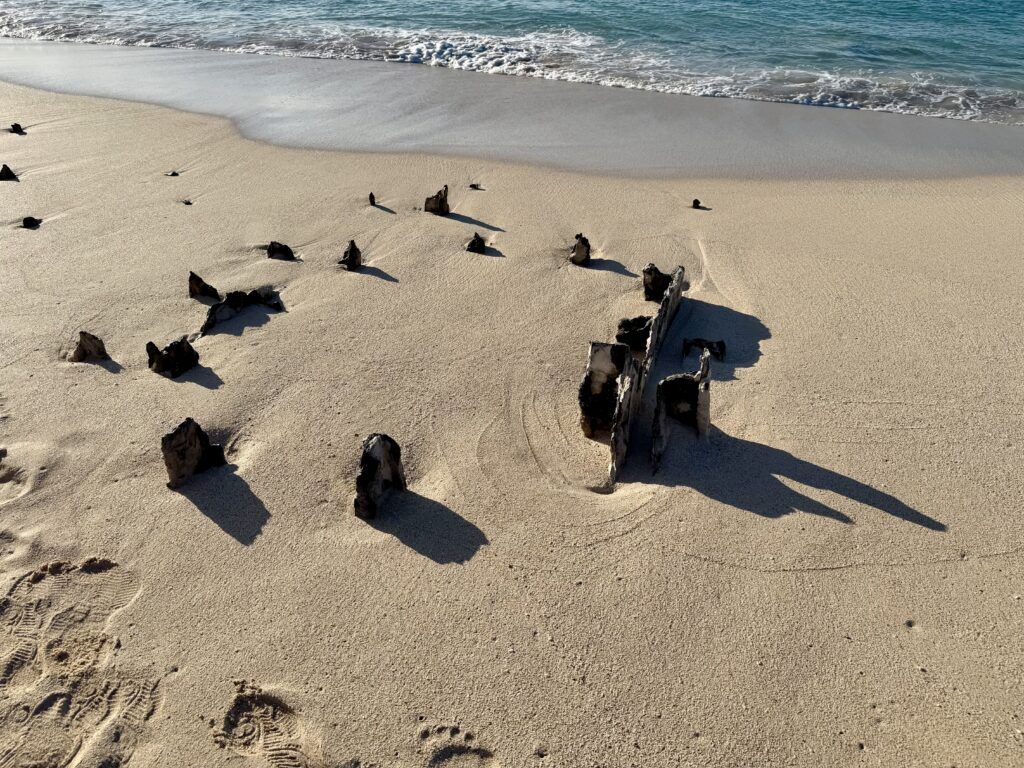
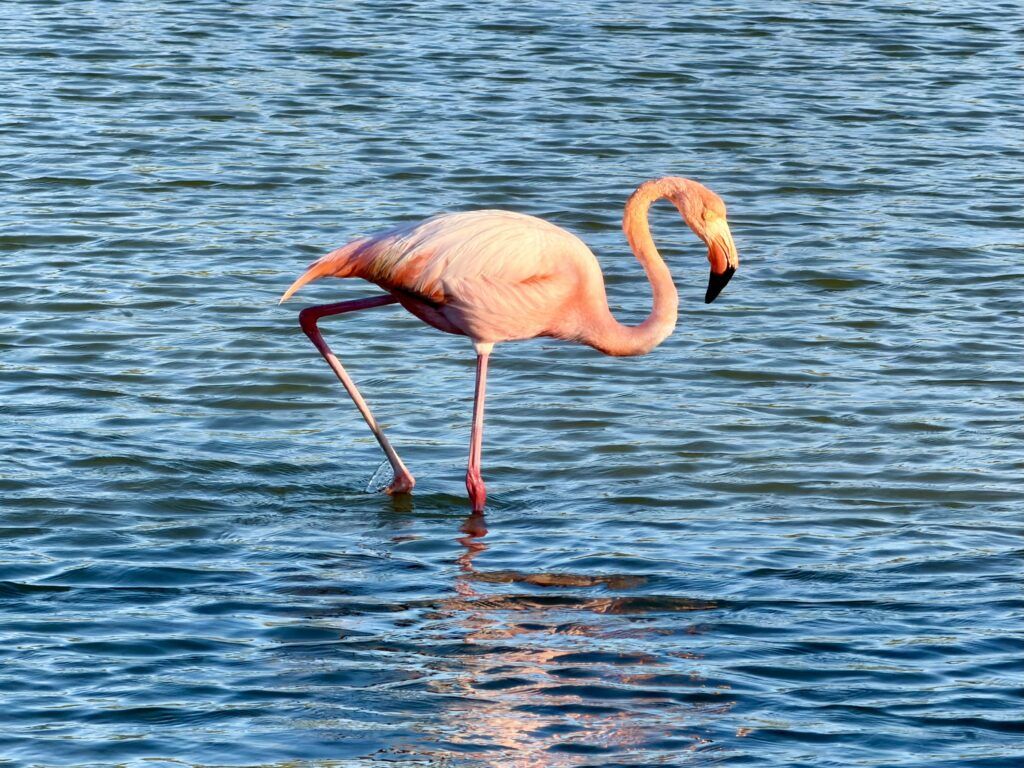
Afterward, we did the afternoon walk together, which follows the coast and delivered more wildlife sightings. Sally Lightfoot crabs everywhere, bright red against the black rock, and flamingos in the lagoon behind the beach.
A Morning in Isabela on Day 2
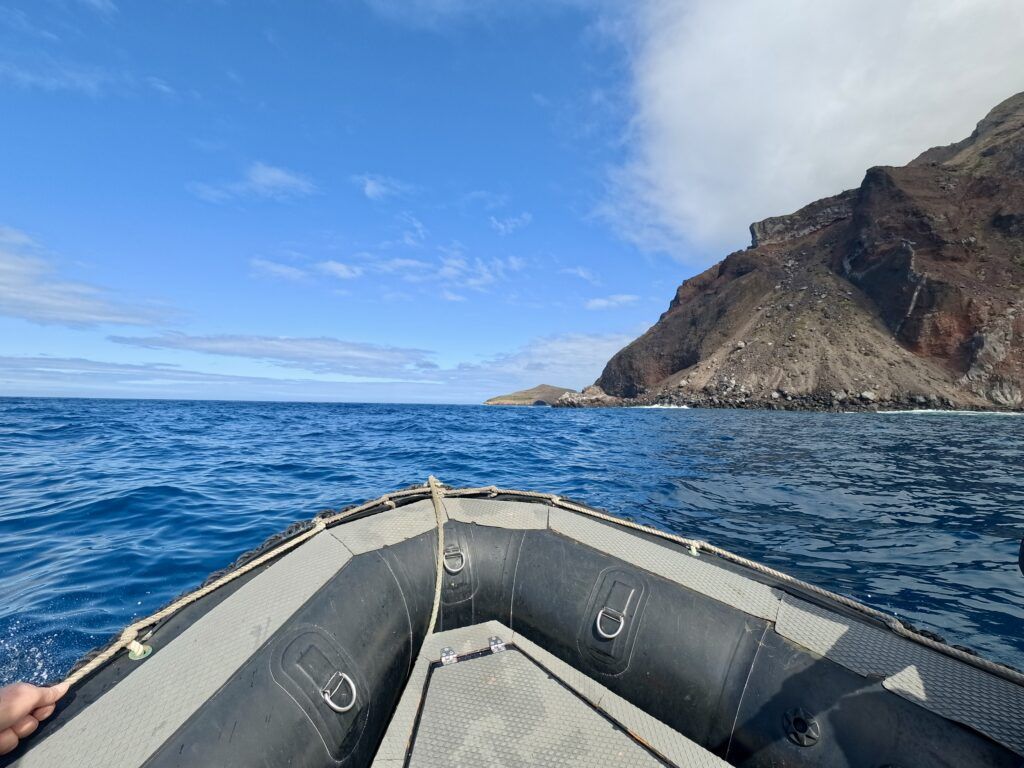
There was no ashore landing at Punta Vicente Roca. Everything here happened from a boat or in the water.
This was also the morning Heidi and I first divided and conquered. I did the first deep-water snorkel of the trip while she took the panga ride followed by a glass-bottom boat ride a couple hours later.
We were fitted for gear early that morning. I took a mask, snorkel, and fins but skipped the wetsuit. Water temperatures ran in the mid-70s Fahrenheit for the entire cruise, so it felt like bath water to me. They handed us a life jacket as well but told us it was optional. I wore mine for the first session, then ditched it so I could free dive and get better photos and videos.
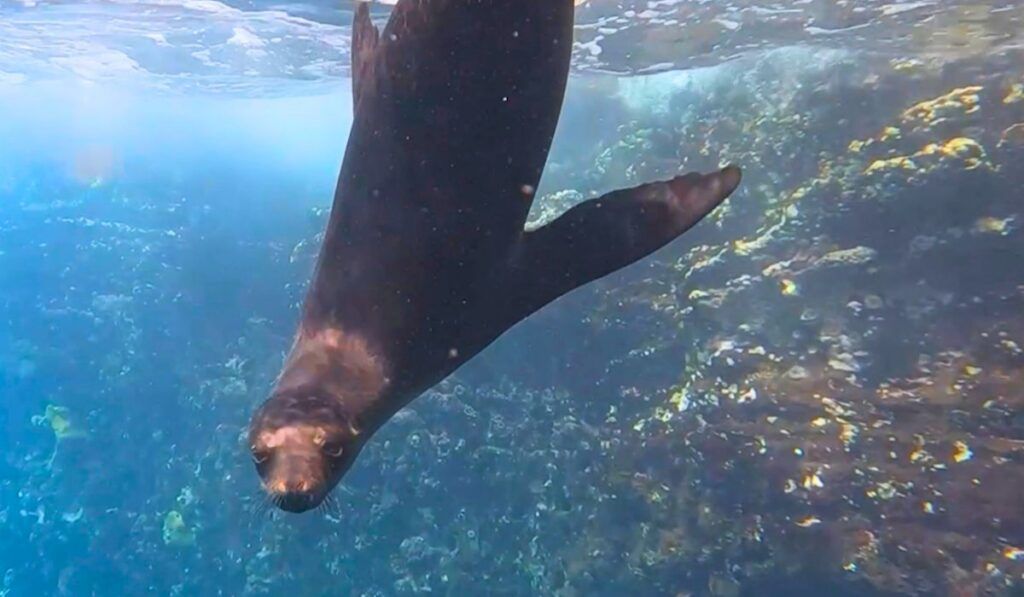
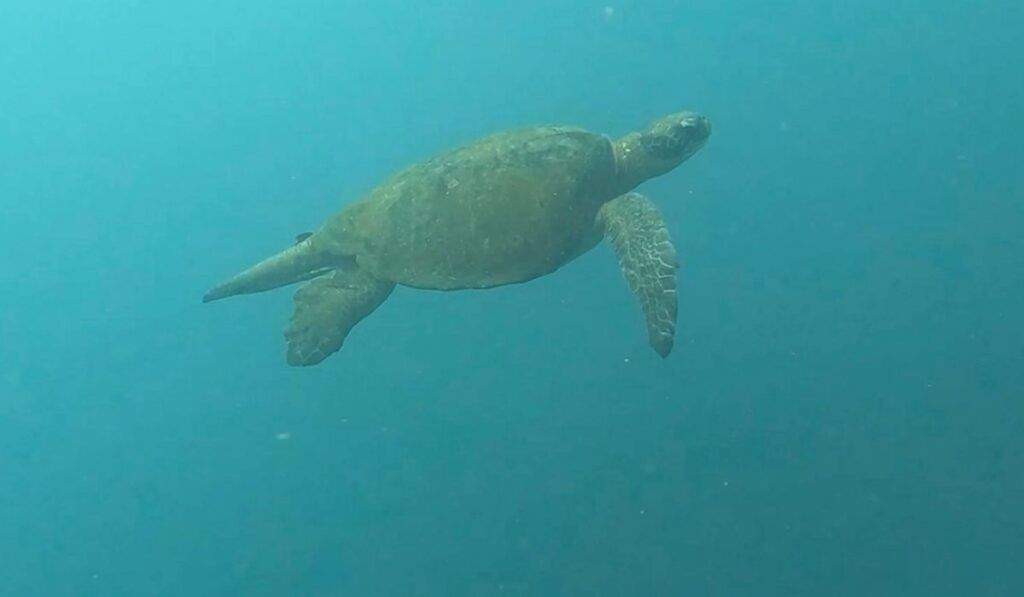
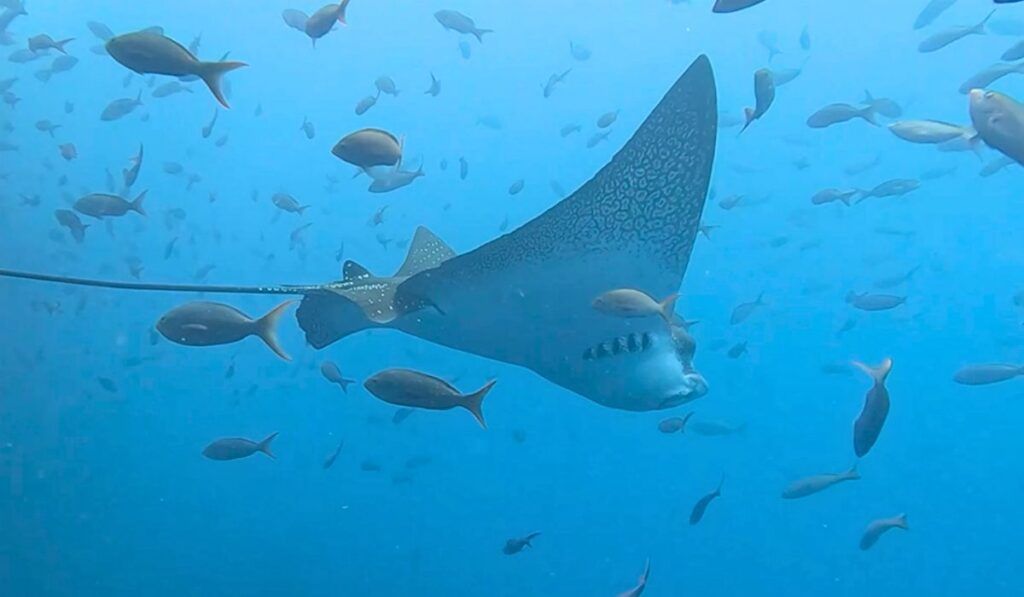
The snorkeling session ran about 90 minutes, which turned out to be typical. We made several stops and got our first real look at what lives below the surface here. Schools of colorful fish, eagle rays, a giant sea turtle, and our first (of many) swimming sea lions.
An Afternoon in Fernandina on Day 2
Fernandina is the youngest island in the archipelago, and it looks the part. The landscape is raw lava, black and jagged, with almost nothing growing on it.
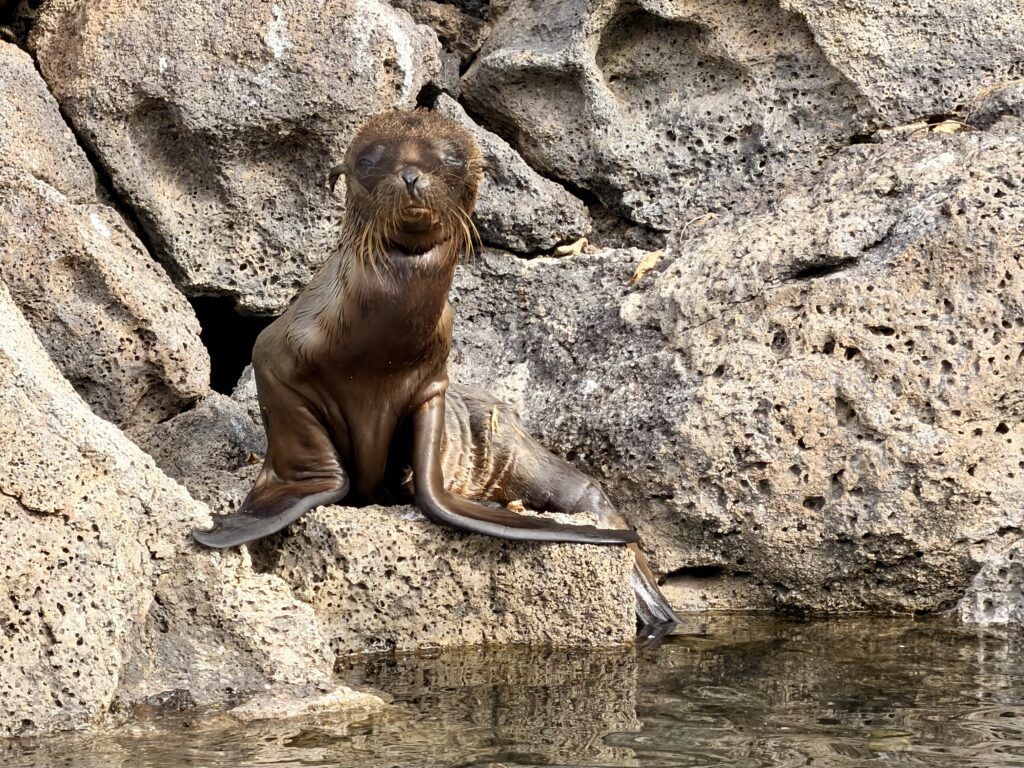
It also holds the largest marine iguana colony in the Galapagos. We walked right up on them. Not one or two, but big colonies piled on top of each other across the rock, close enough that you have to watch where you step. Sea lions were scattered along the beach as well, including a baby that stole the show.
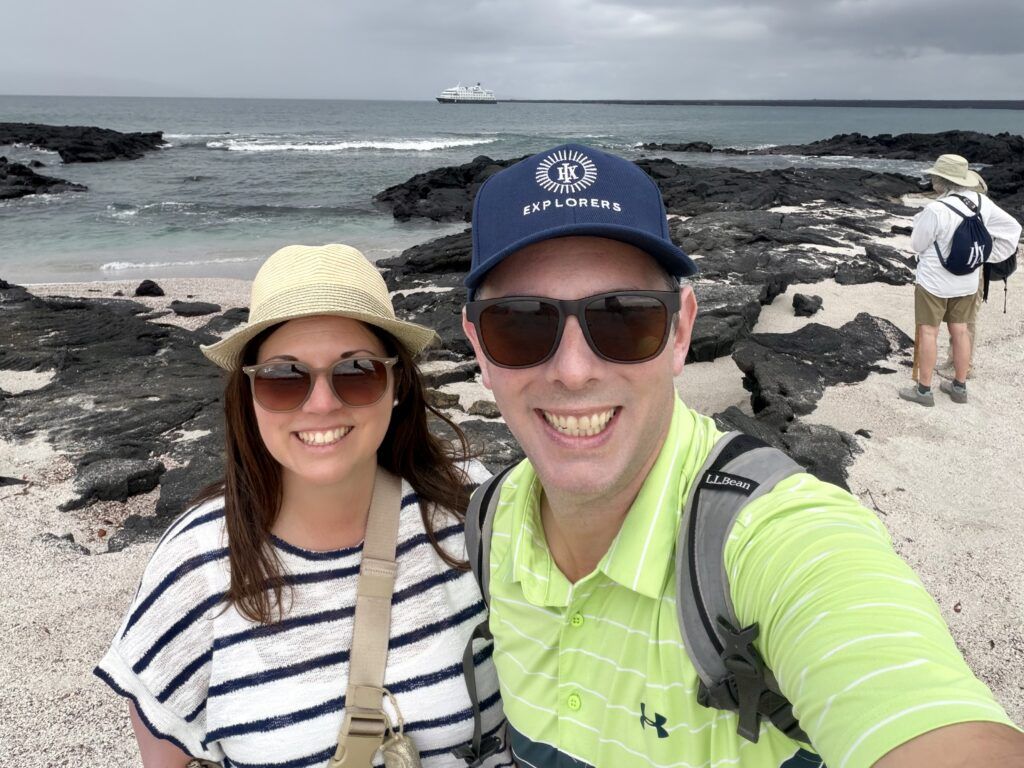
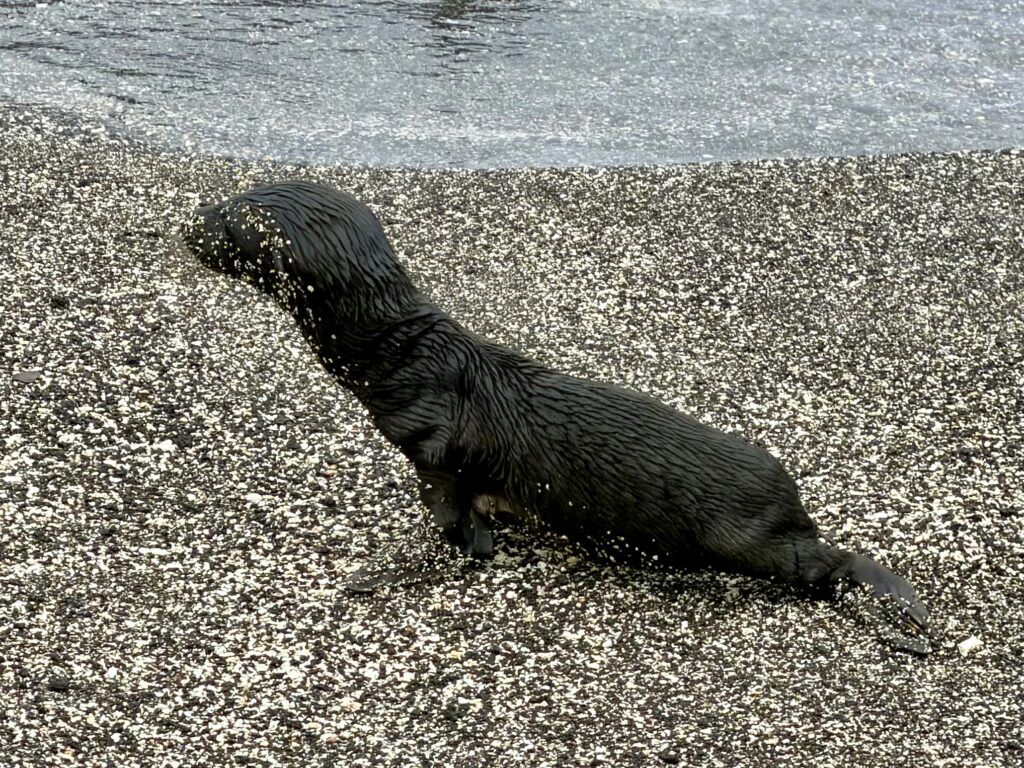
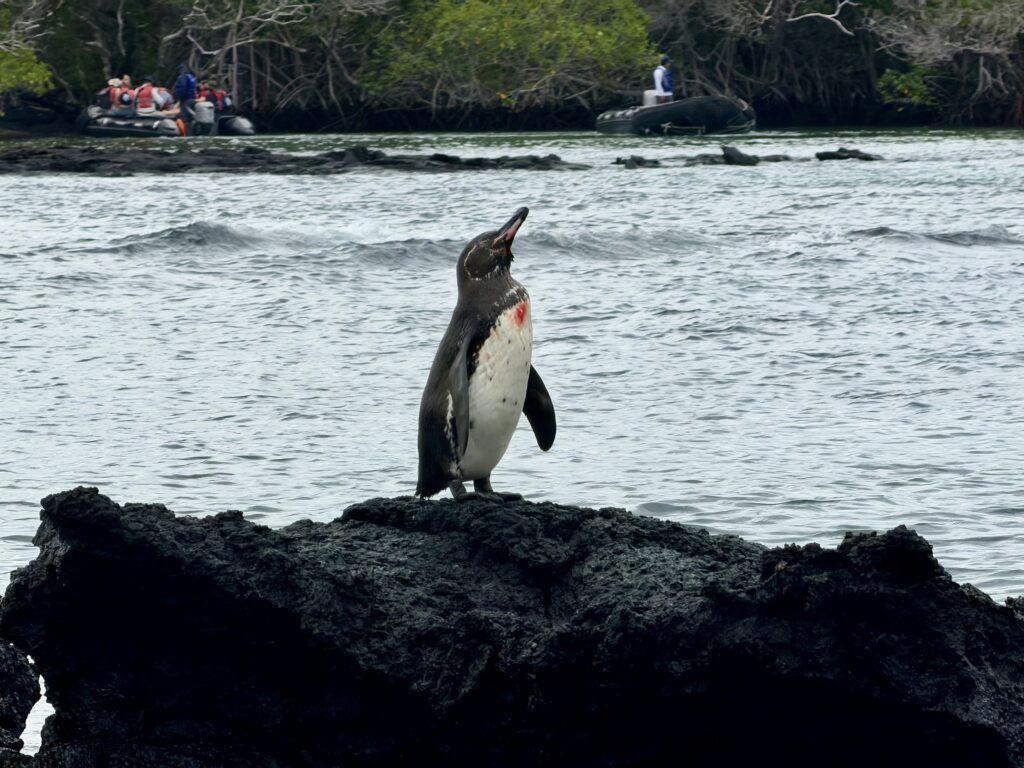
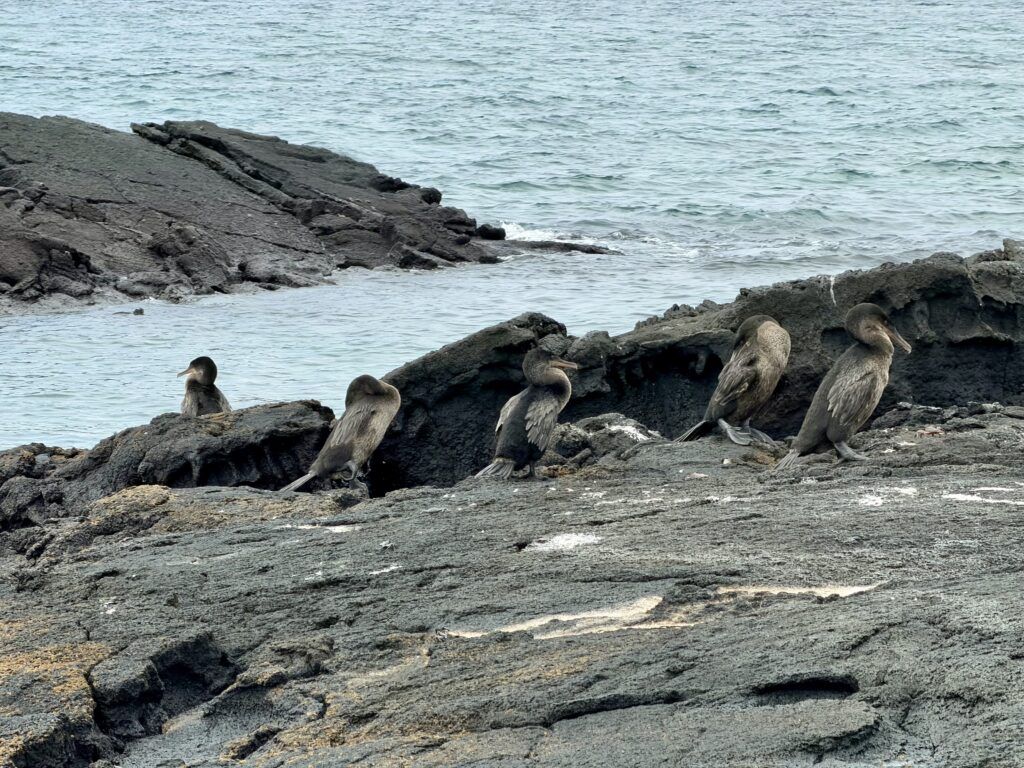
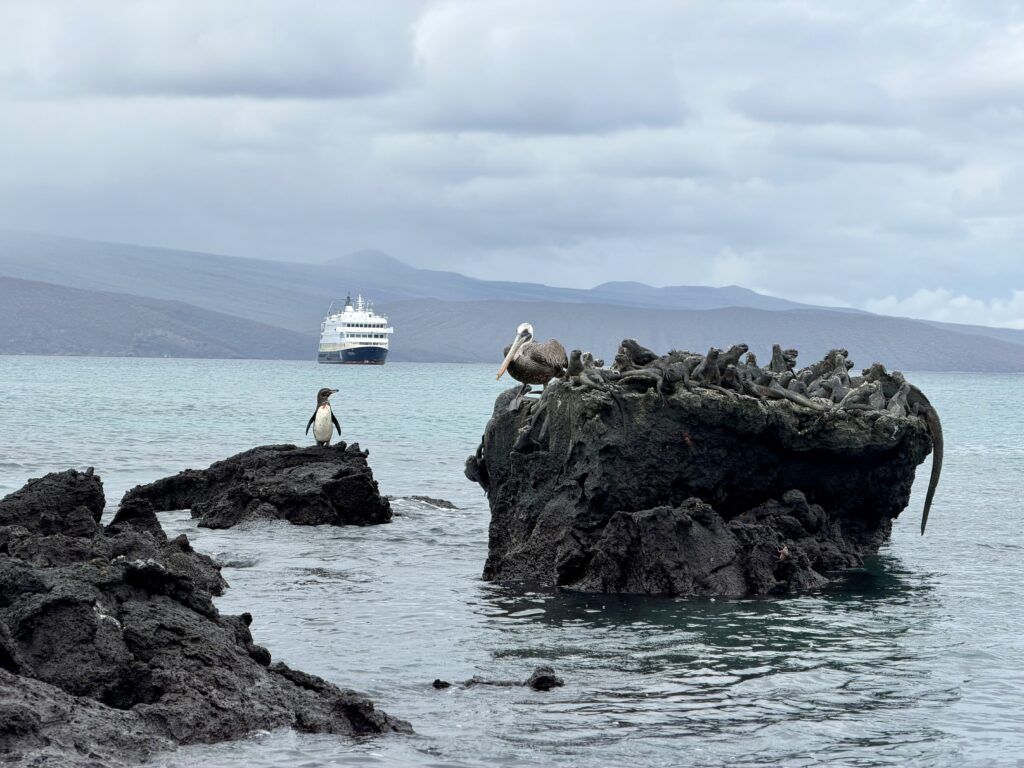
Not to mention, we saw our first Galapagos penguin and some flightless cormorants that are exclusive to these western islands. Our guide also pointed out a Galapagos hawk in a tree, though even with the zoom on my camera, I couldn’t verify it was truly a hawk.
A Full Day in Floreana on Day 4
Floreana was our fullest day of the trip, and the one that gave us our single best wildlife moment.
Post Office Bay
We were off the ship by 7:30 AM for the Post Office, which is one of the odder traditions in travel. Whalers set up a wooden barrel here in the late 1700s so passing crews could leave letters for others to carry home. Two hundred and fifty years later, visitors still do it.
Plenty of people found cards from their state or country. We turned up exactly one from Massachusetts. Which reminds me, we still need to mail it to them!
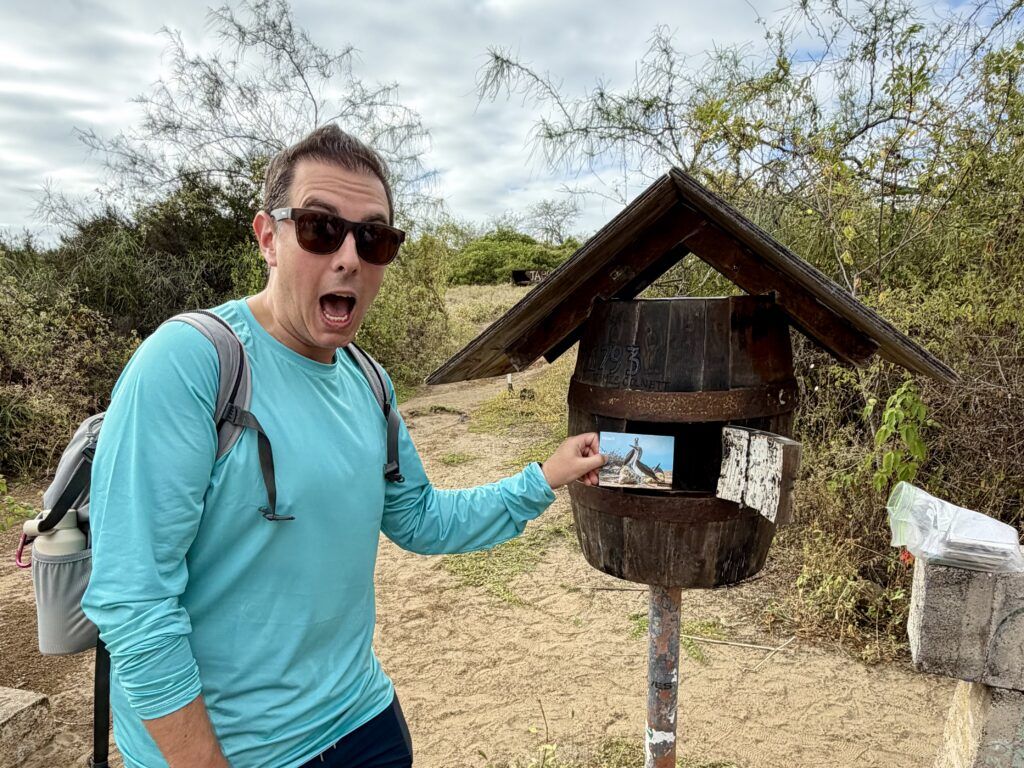
Afterward, the beach offered snorkeling, kayaking, or paddleboarding. Heidi relaxed beachside, and I went kayaking. It was calm, and we did not see much wildlife, but paddling around that cove on a still morning was its own reward.
Punta Cormorant and Devil’s Crown
After lunch, we divided and conquered again. I did the deep water snorkel at Devil’s Crown while Heidi took the glass-bottom boat.
Devil’s Crown is a submerged volcanic crater that the guides said was some of the best snorkeling in the area. At first, it did not live up to it. Our first two stops turned up some fish and a hammerhead shark I could just barely make out.
Then, while we were moving between sites, a massive pod of dolphins came through. There had to be a hundred of them, maybe more. The pangas raced over, but they were gone as fast as they arrived. We got back in the water, figuring lightning would not strike twice. Within minutes, I heard someone yell “dolphin,” and a second pod came right through us.
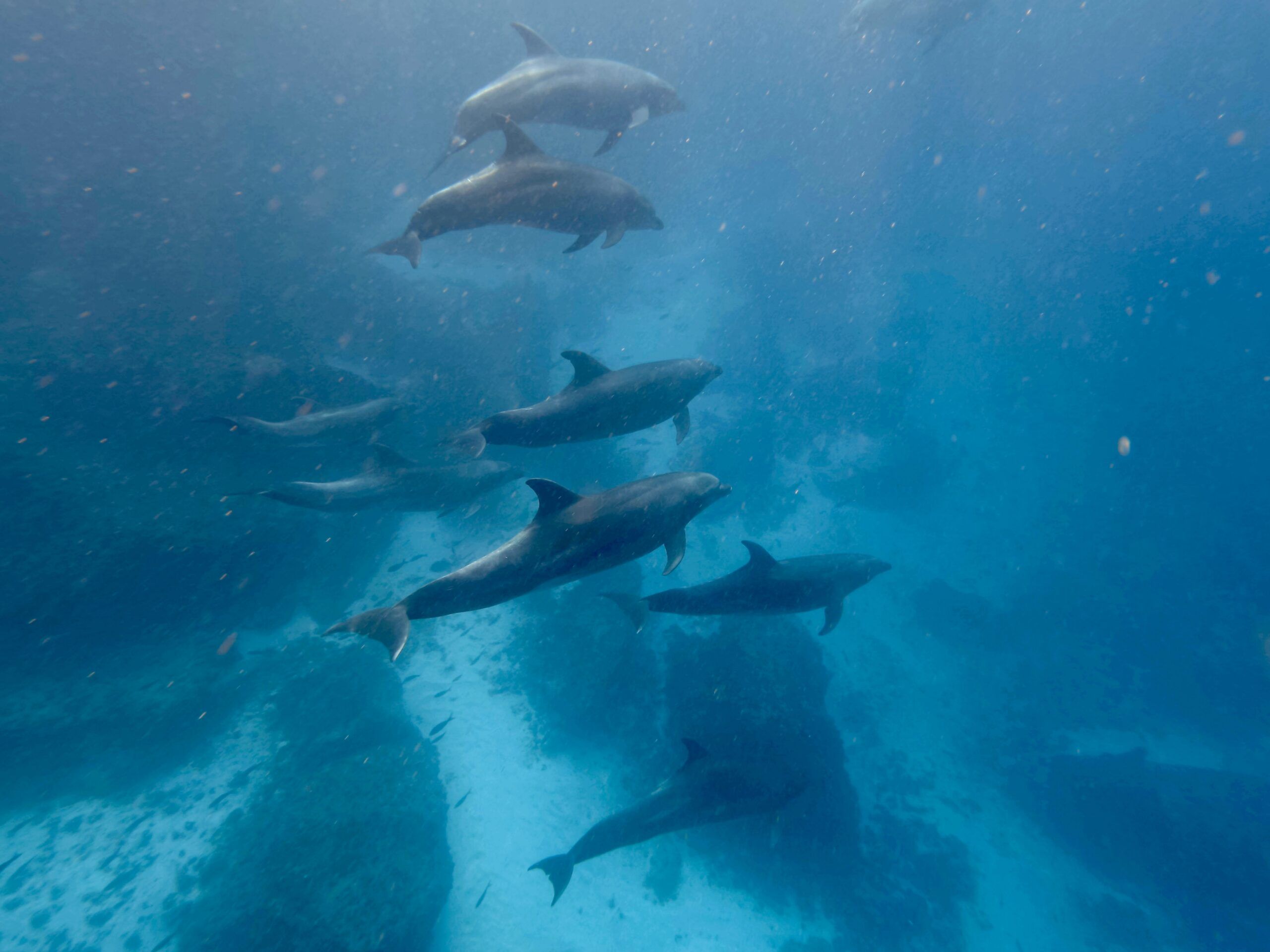
They swam between forty or so snorkelers while I tried to hold it together long enough to get the video. It is the moment from this trip I will be talking about for years.
Back on board, I changed and reunited with Heidi for the afternoon hike with our group. The trail runs along sand dunes dotted with sea turtle nesting sites, and frigatebirds were circling overhead, looking for a chance at the eggs.
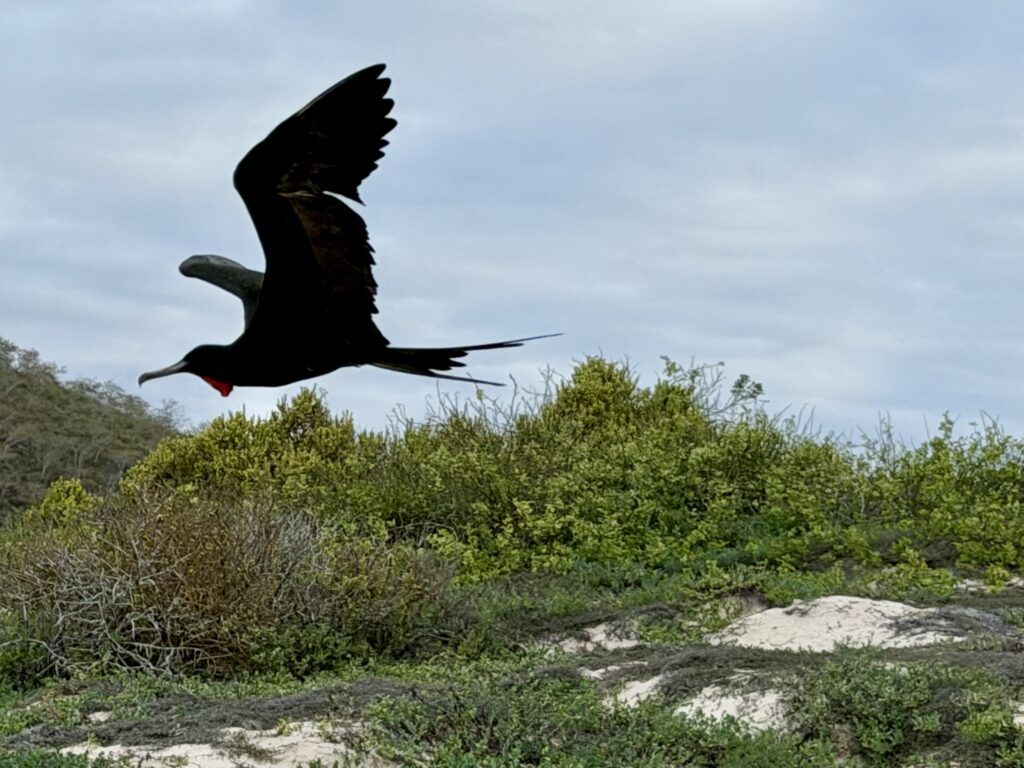
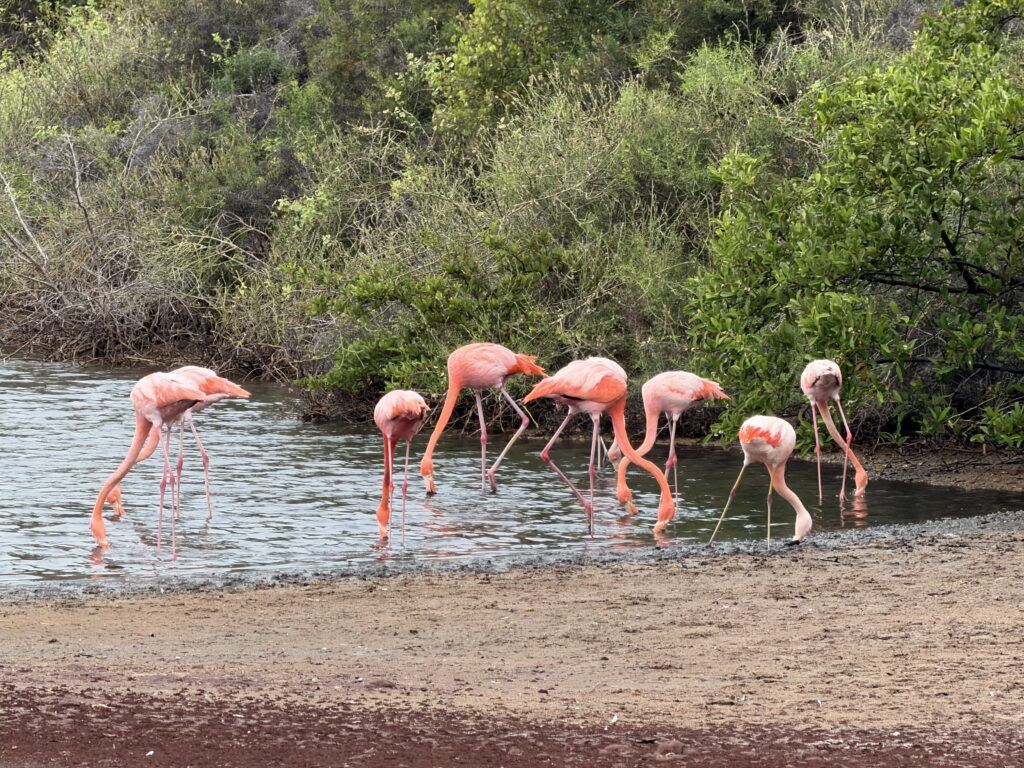
Further in, we came upon flamingos fishing for dinner in an interior lagoon. While it was one of our less scenic walks, Carlos still took the time to point out unique flora and share more personal backstory about how he became a naturalist and tour guide.
Seeing So Much of Santiago on Day 6
We spent the entire day six in Santiago, positioning at Buccaneer Cove in the morning followed by Puerto Egas in the afternoon. Both stops offered unique experiences.
A Morning at Buccaneer Cove
We did the morning panga ride together with our fellow Cormorants along the coast of Buccaneer Cove.
The rock formations here are impressive, including one that looked like a praying monk and Elephant Rock. Along the way, we spotted seabirds on the cliffs and a couple of fur seals lounging on the rocks. A few dolphins swam past, and we tried to follow, but a panga is no match for them.
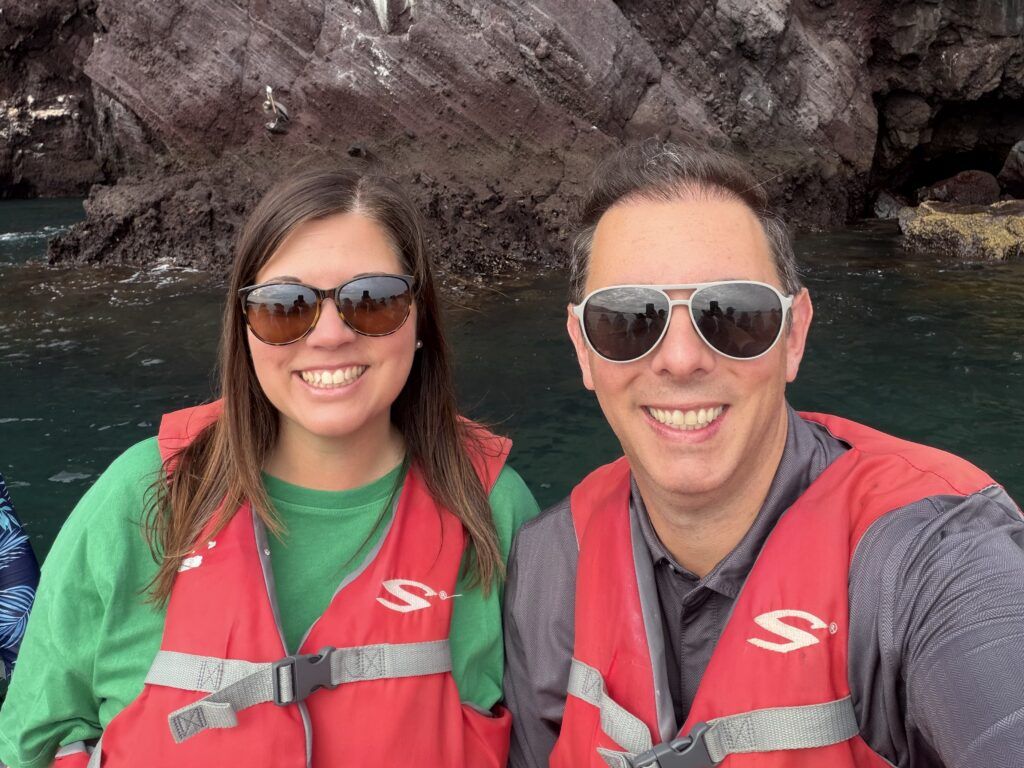
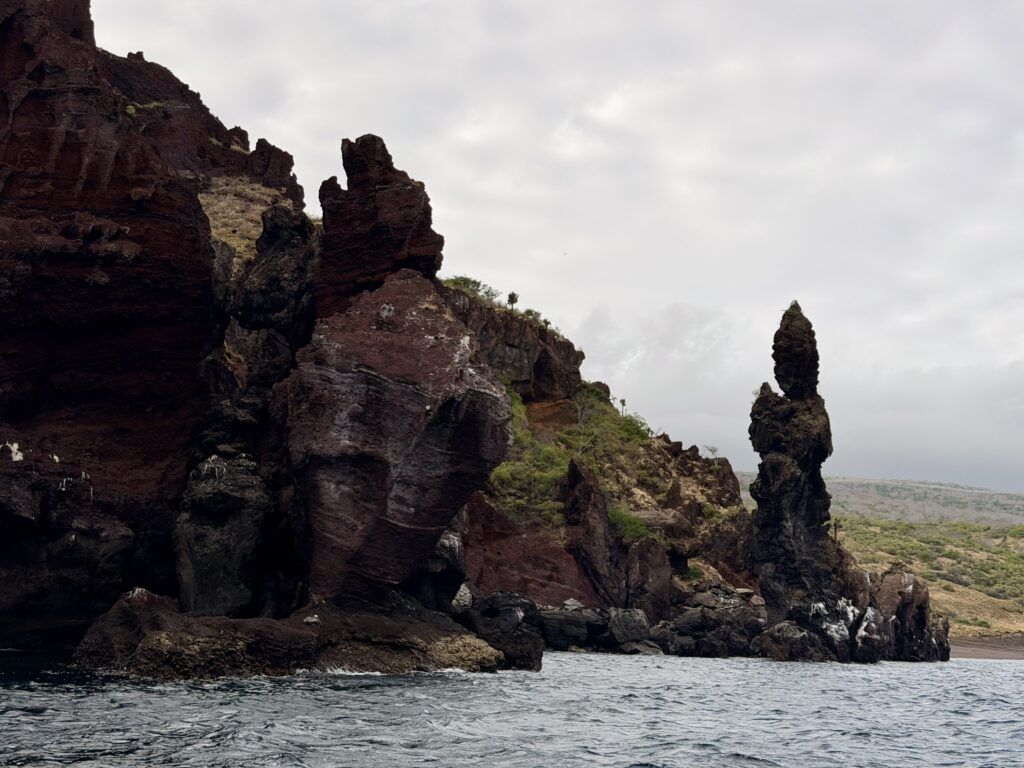
The deep-water snorkel that followed more than made up for the rather uneventful panga ride. It was yet another exhilarating moment surrounded by wildlife.
Skies were slightly overcast, which sounds like bad news, but it was the opposite. Visibility was perfect without the glare of direct sun.
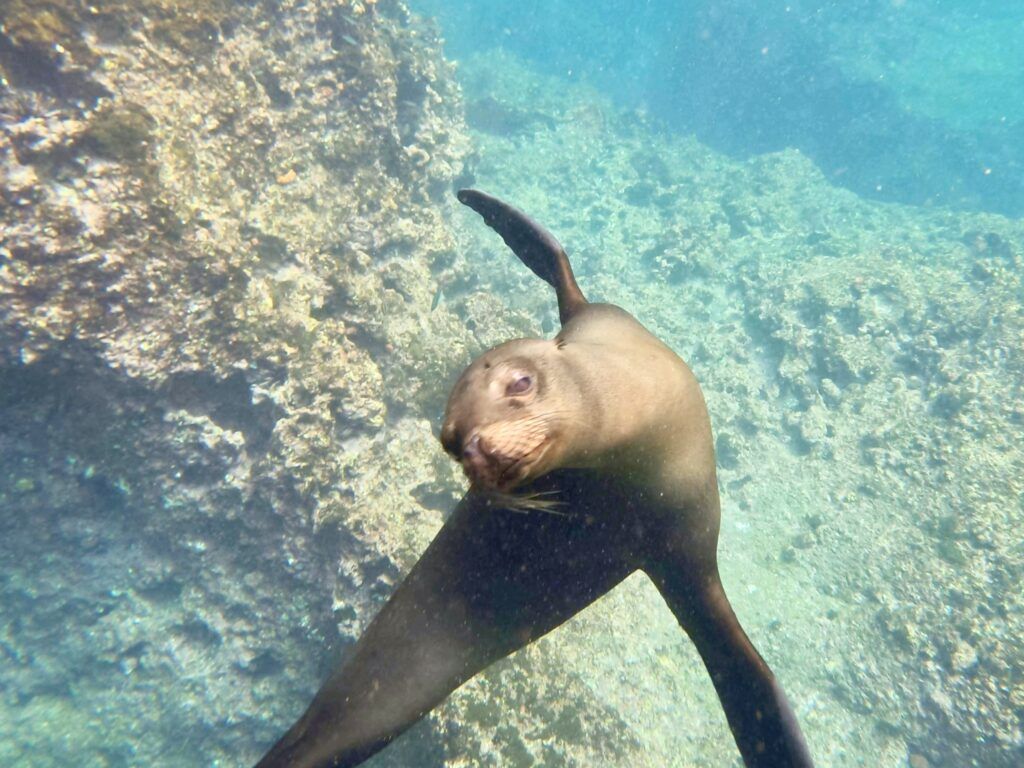
We saw colorful fish everywhere and Galapagos sharks cruising below us. A young sea lion even swam right into the group twisting, rolling, and showing off. The same could not be said for Heidi who took the glass-bottom boat one last time in hopes of seeing some marine life since she doesn’t snorkel.
An Afternoon in Puerto Egas
I skipped the beach snorkel after lunch because I had to get some work done. But the late afternoon nature walk more than made up for it.
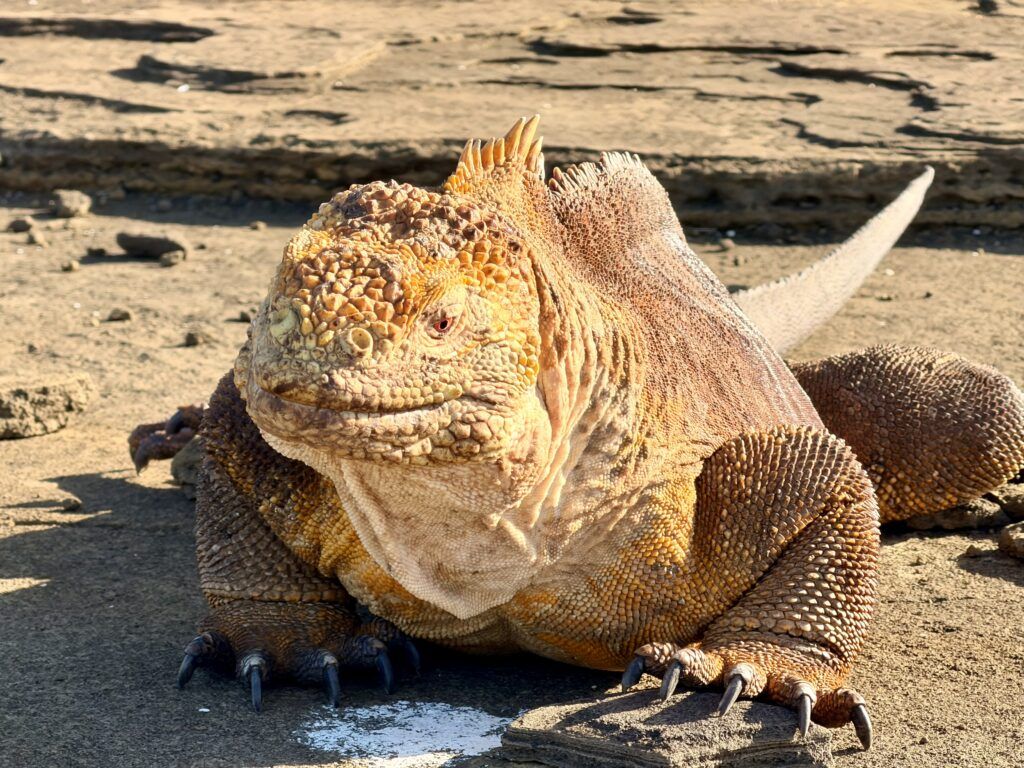
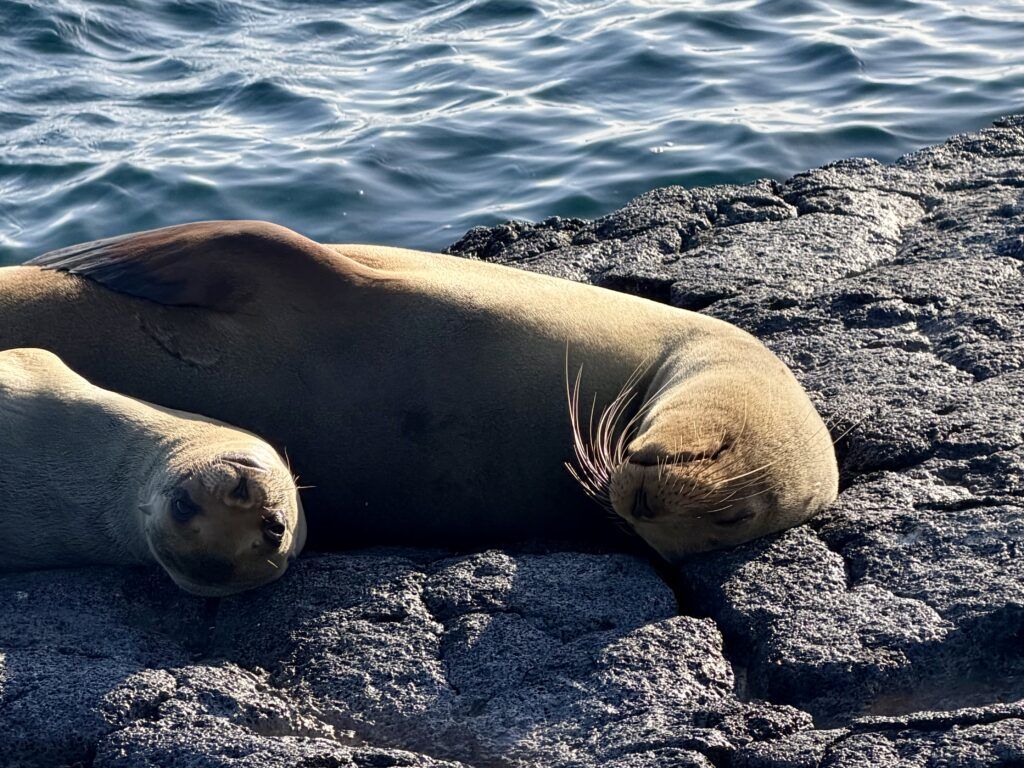
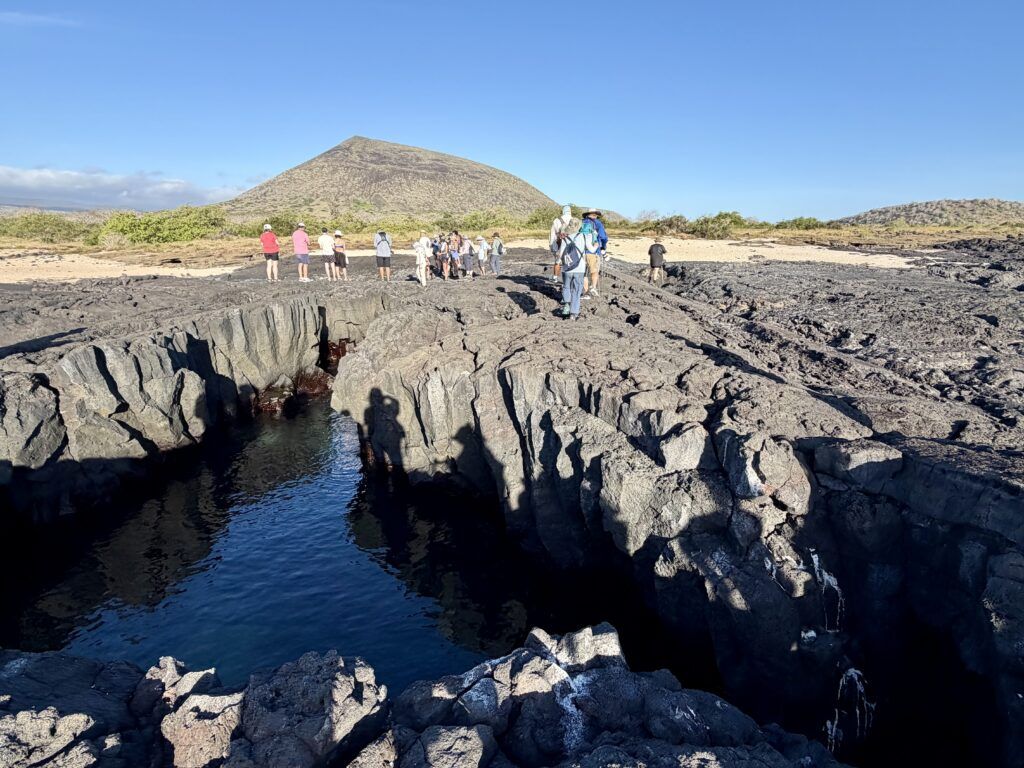
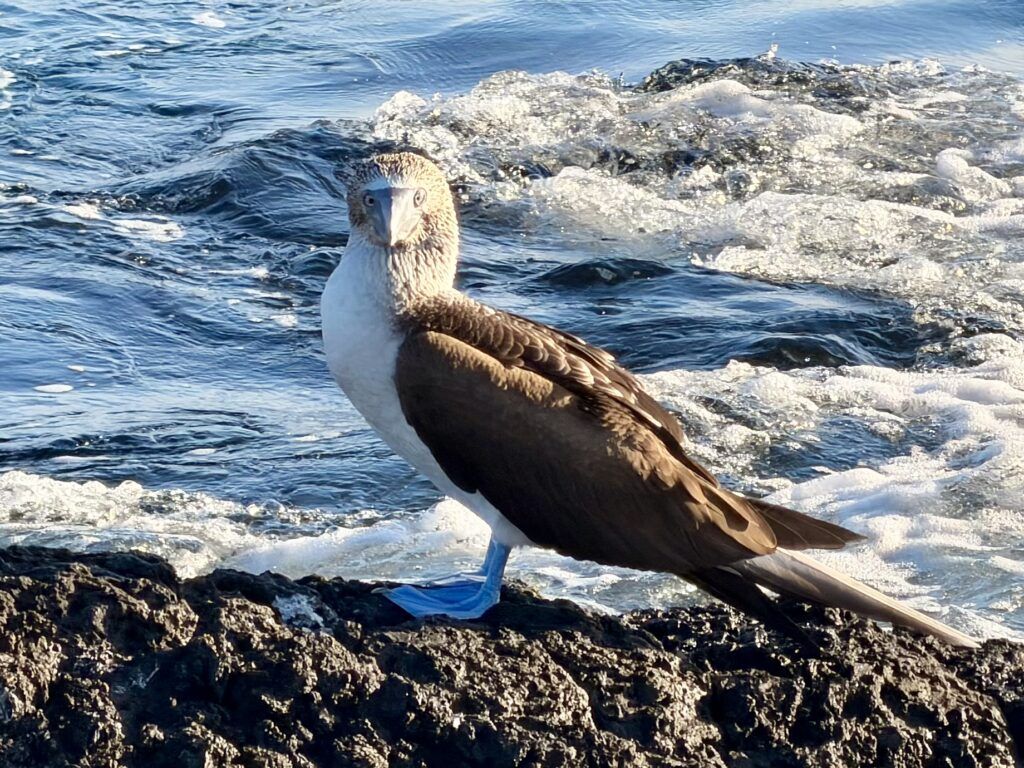
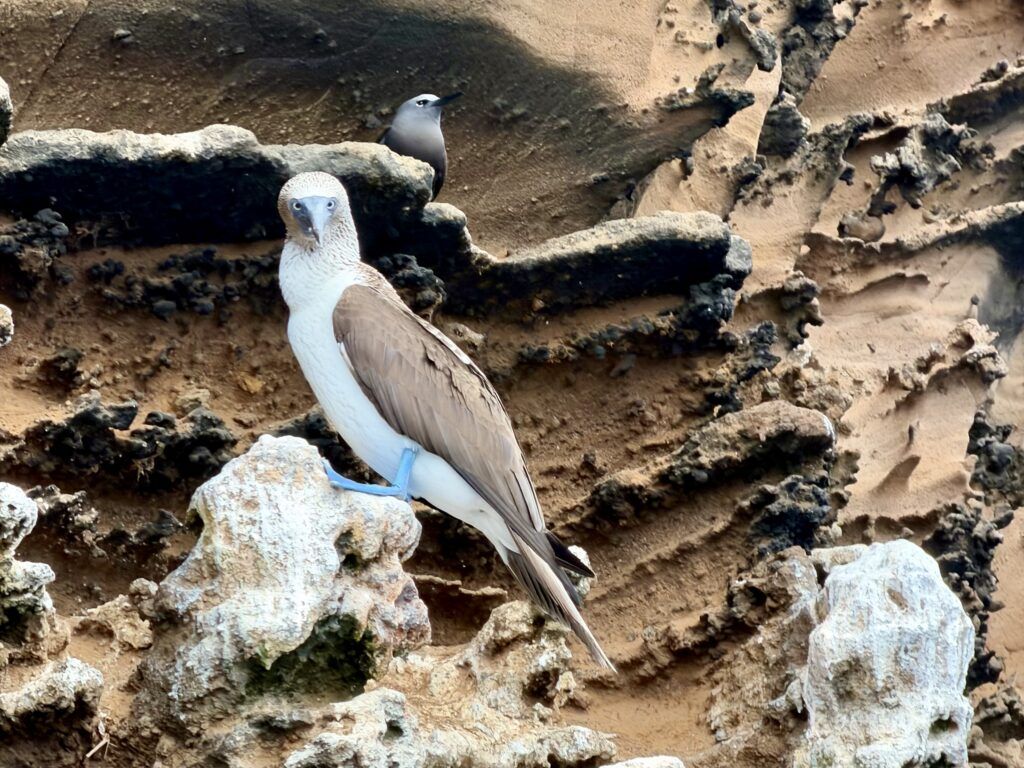
A massive land iguana posed for us as if it had done so before. Manta rays leaped out of the water just off the beach. They were too fast for my camera, though! Fur seals posed on the dramatic lava formations. And we even saw a blue-footed booby.
An Early Morning at the Red Beach on Rabida Day 7
Day seven had the earliest start of the whole cruise. Snacks and some espresso-based drinks in the Science Center at 5:50 AM, and disembark at 6:10 for a sunrise walk along the beach.
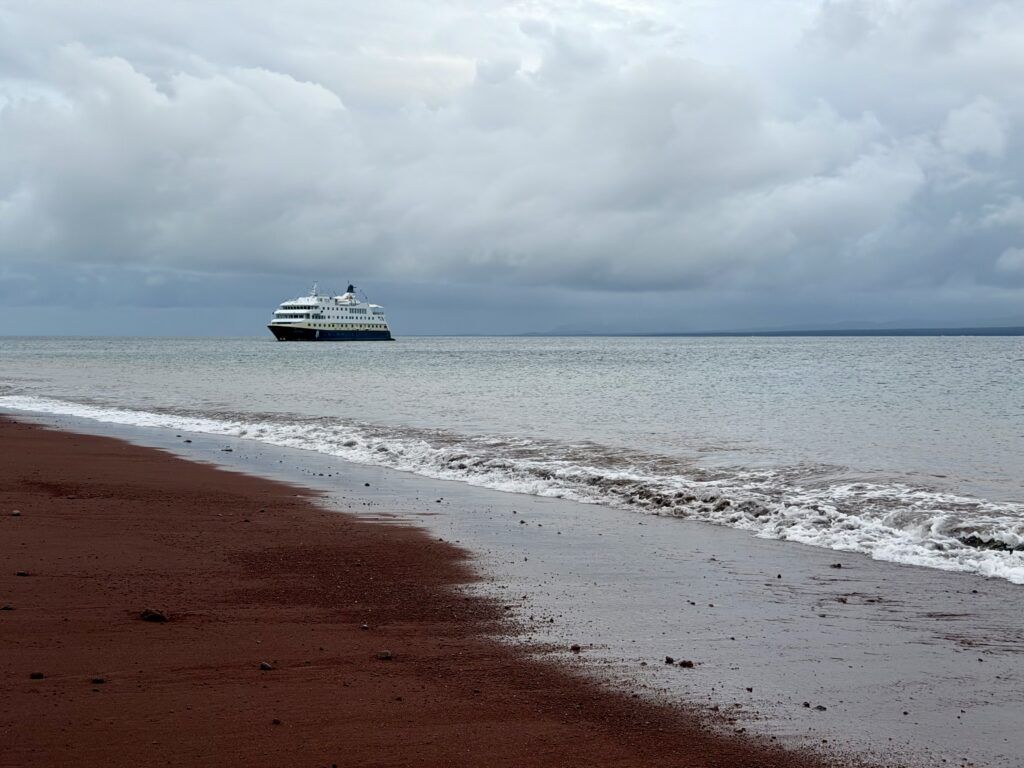
Rábida is the red sand island. Iron in the volcanic rock gives the beach a deep rust color that looks almost artificial in photos.
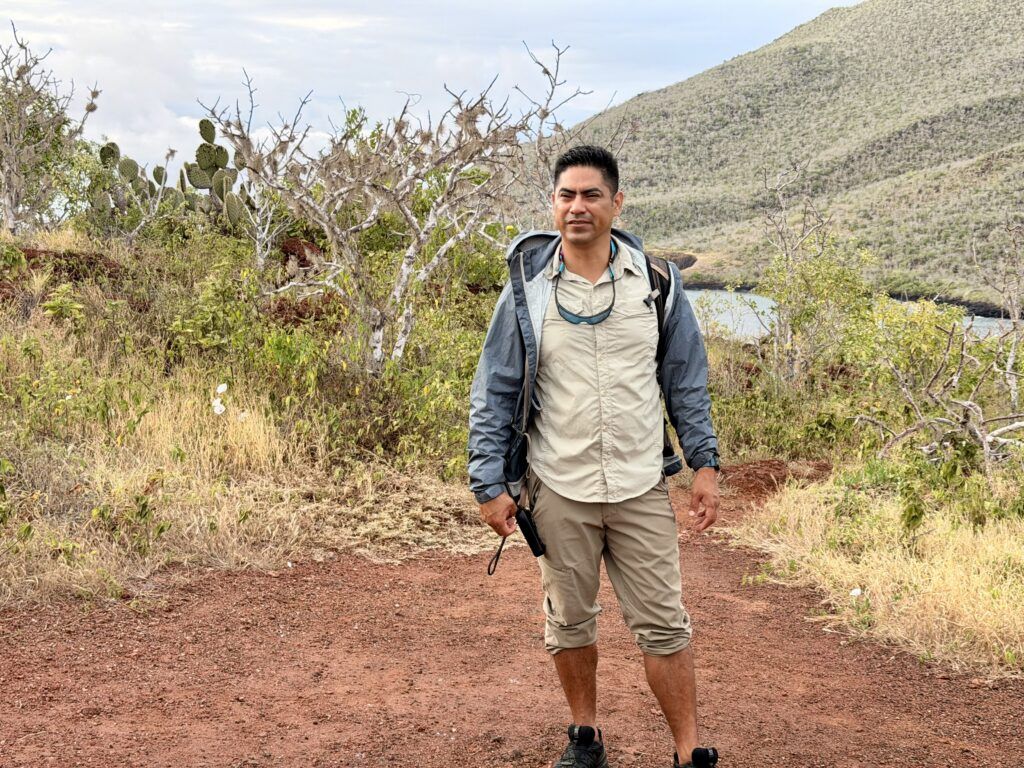
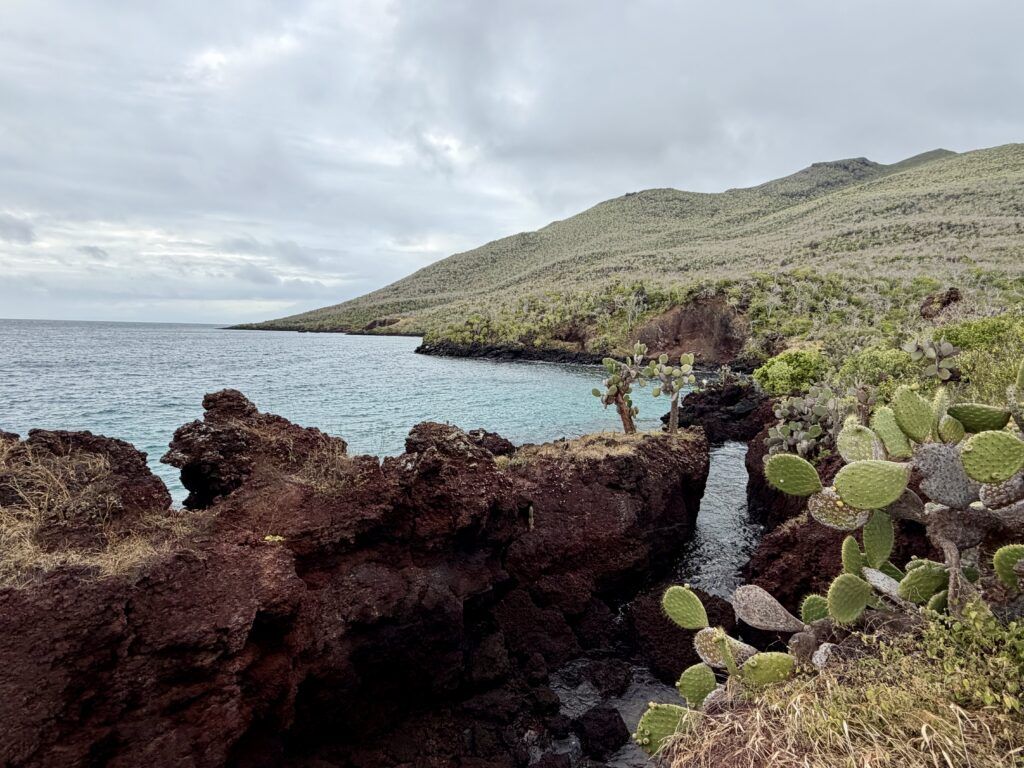
Despite the early morning wake up, Carlos was in his element here. He walked us through the different species of flora found in the Galapagos as we passed the cacti lining our path. Wildlife gets all the attention on this trip, so it was a good reminder that the plants have their own story.
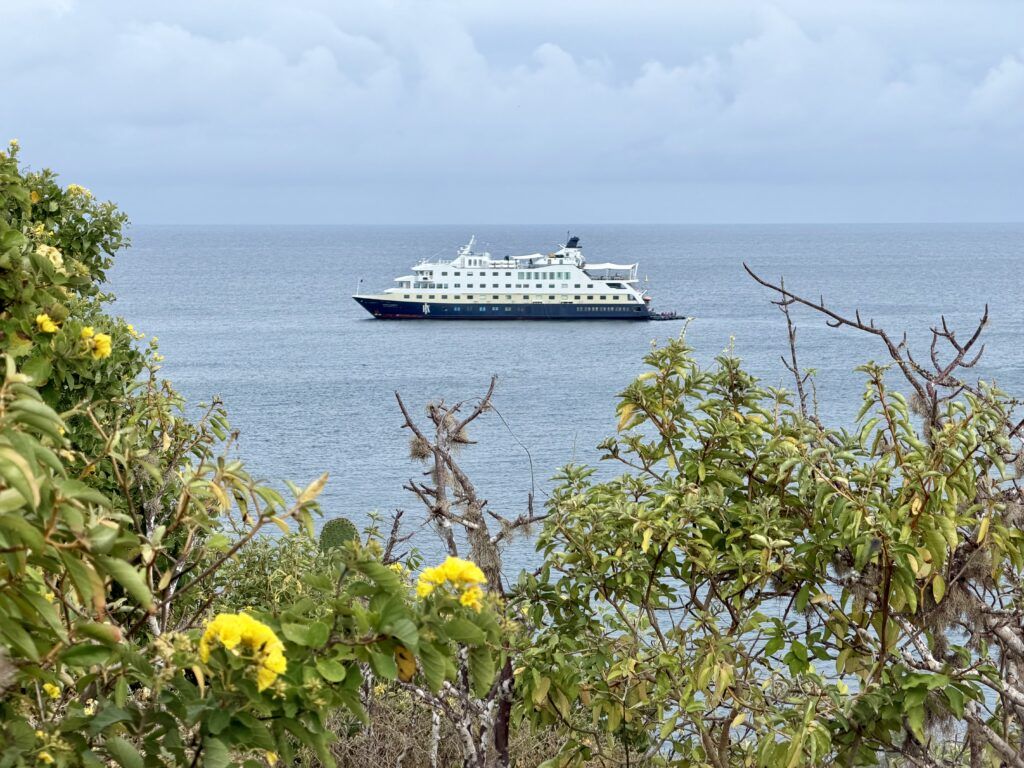
Santa Cruz II sat anchored off the coast, and the videos and photos from our elevated vantage point made the walk worth it. There were also several flamingos in the lagoon behind our landing spot.
Then, we headed back aboard for breakfast and more coffee.
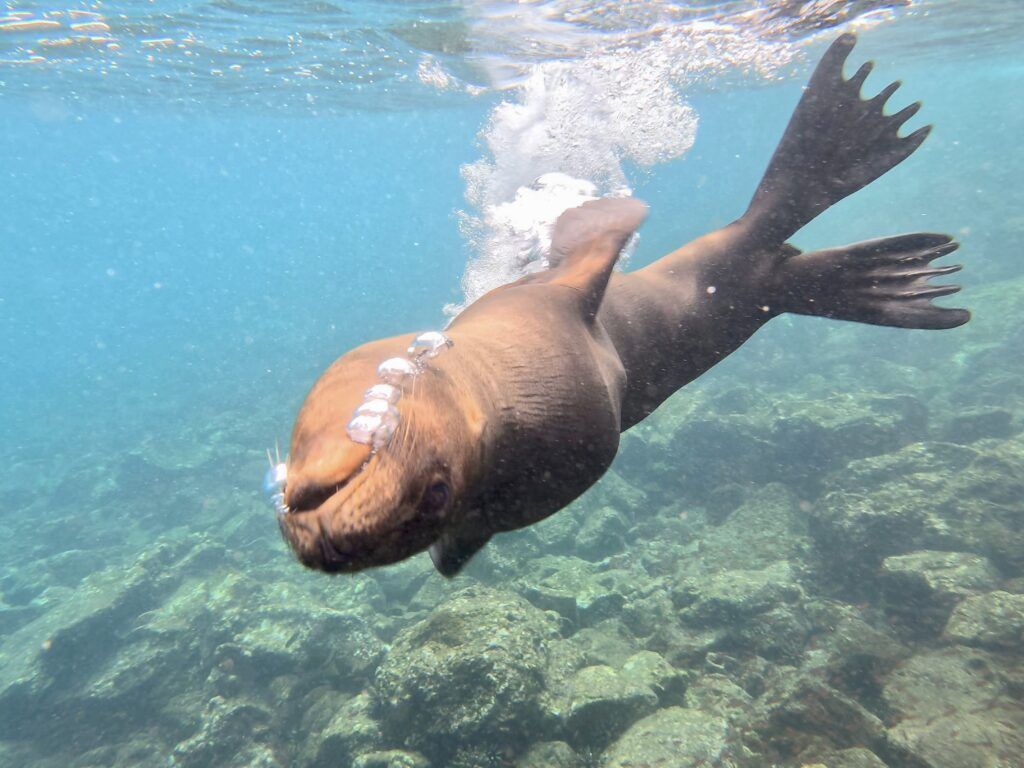
I did the deep water snorkel later that morning, and it delivered yet again. Turtles, sea lions, and starfish, and another playful sea lion that spent over 15 minutes with our group — all of them closer to the coastline than at previous sites, which meant more up-close photos.
Heidi passed on the glass-bottom boat today and stayed onboard to start organizing our photos and videos.
Mastering the Bartolome Viewpoint
The afternoon took us to Bartolomé, and here we had some options.
I did the beach snorkel and the hike. Heidi skipped the beach and took the panga ride around Pinnacle Rock instead of climbing the nearly 400 steps to the viewpoint.
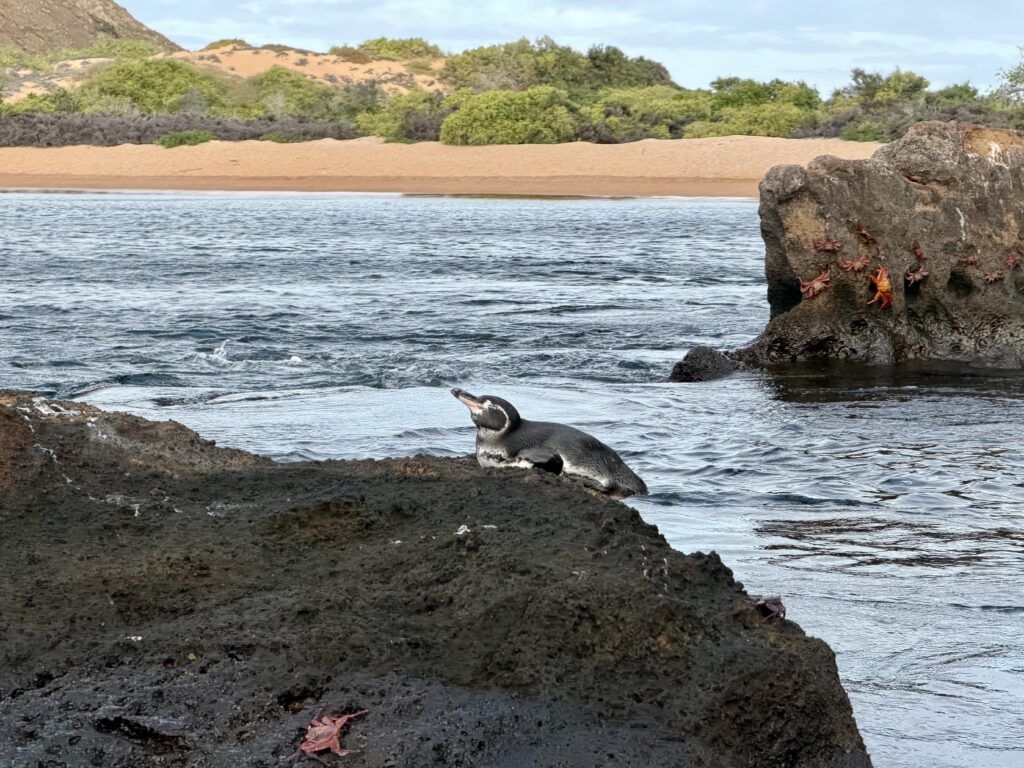
For the snorkel, our panga pulled up to the beach just in time to find a penguin sitting on a rock. He picked up a friend a little later. Several people spotted the penguins while snorkeling, but I was not one of them. Instead, there were giant sea lions, sea turtles, and sharks. Even an abbreviated snorkel here was eye-opening.
Back on the ship briefly to change clothes, I was off again for the climb to the summit viewpoint. It is a steep ascent, but the whole thing is a wooden staircase up a volcanic cone.
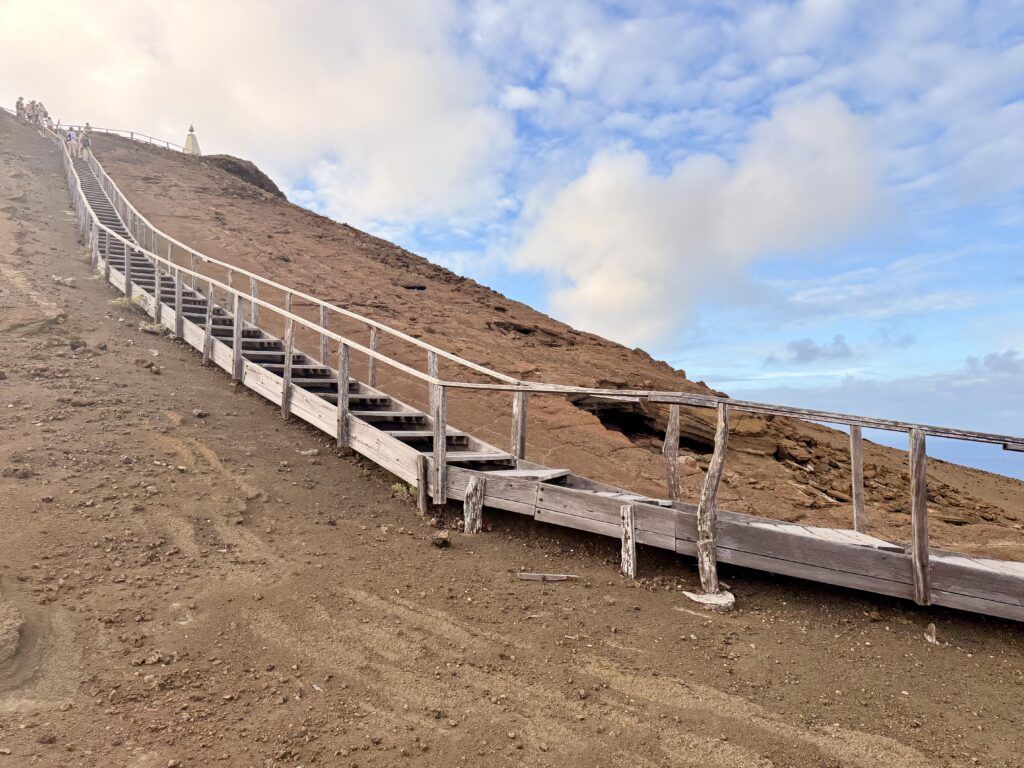
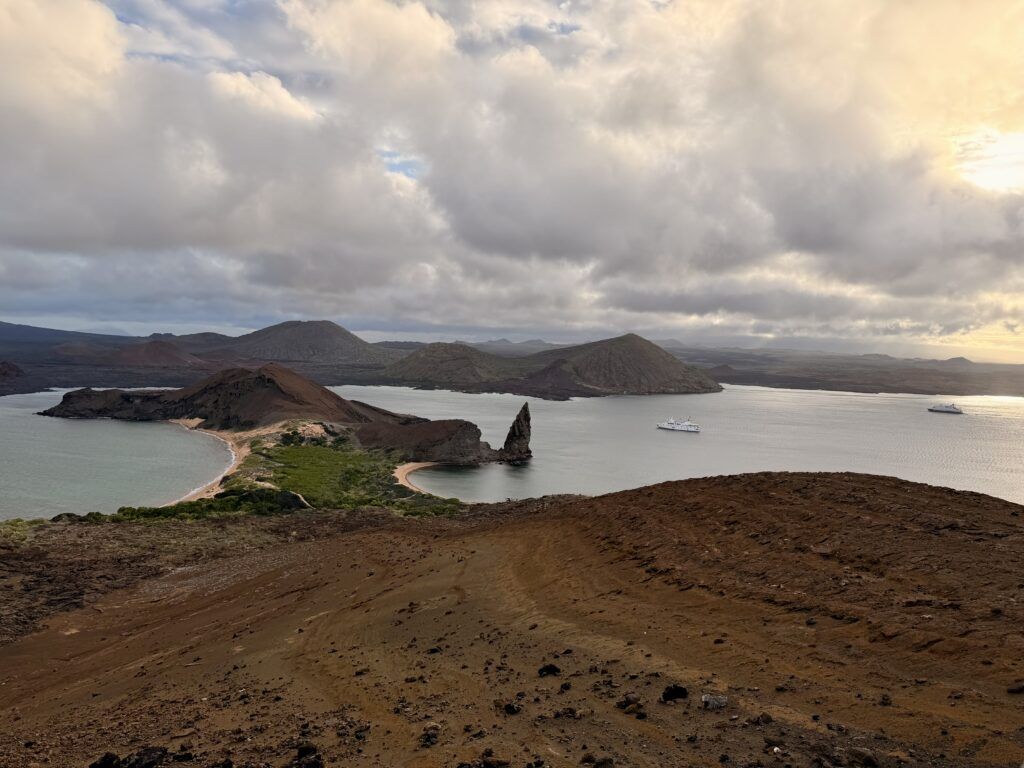
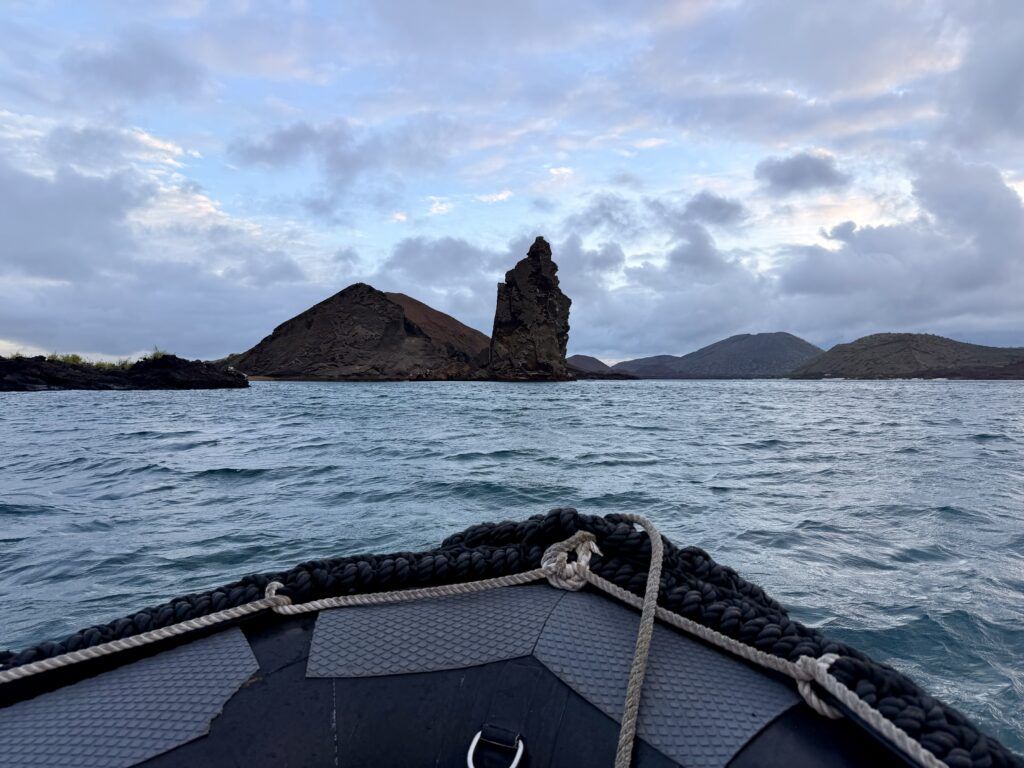
We stopped at several vantage points along the way to learn about how the island formed, how the lava fields took shape, and about the Galapagos on the silver screen. Master and Commander was filmed at this spot, which turned an already famous landmark into an even bigger one.
Cormorants Take Flight to Genovesa on Day 8
Genovesa is known as Bird Island, and it earns the name. This morning, we shared landing sites with another ship. So, throughout the day, we flip-flopped locations with their guests, both groups working around the same set of winged residents.
Prince Phillip’s Steps
The morning was a dry landing at the base of a steep rock staircase, which we climbed to reach a marked trail across the relatively flat top of the island.
The path was lined with birds. Different finch species. Nazca boobies building nests right at the edge of the trail. Red-footed boobies with their nests tucked neatly into the trees a few feet from our cameras. There were frigatebirds, storm petrels, and plenty of others that we didn’t see like the elusive short-eared owl.
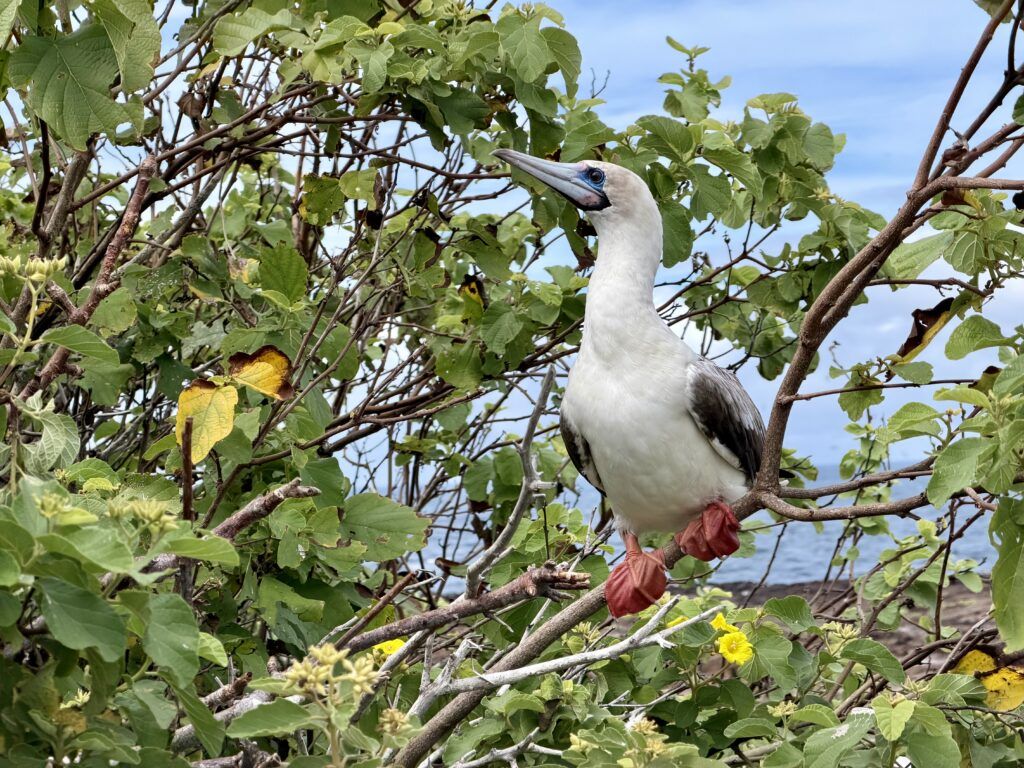
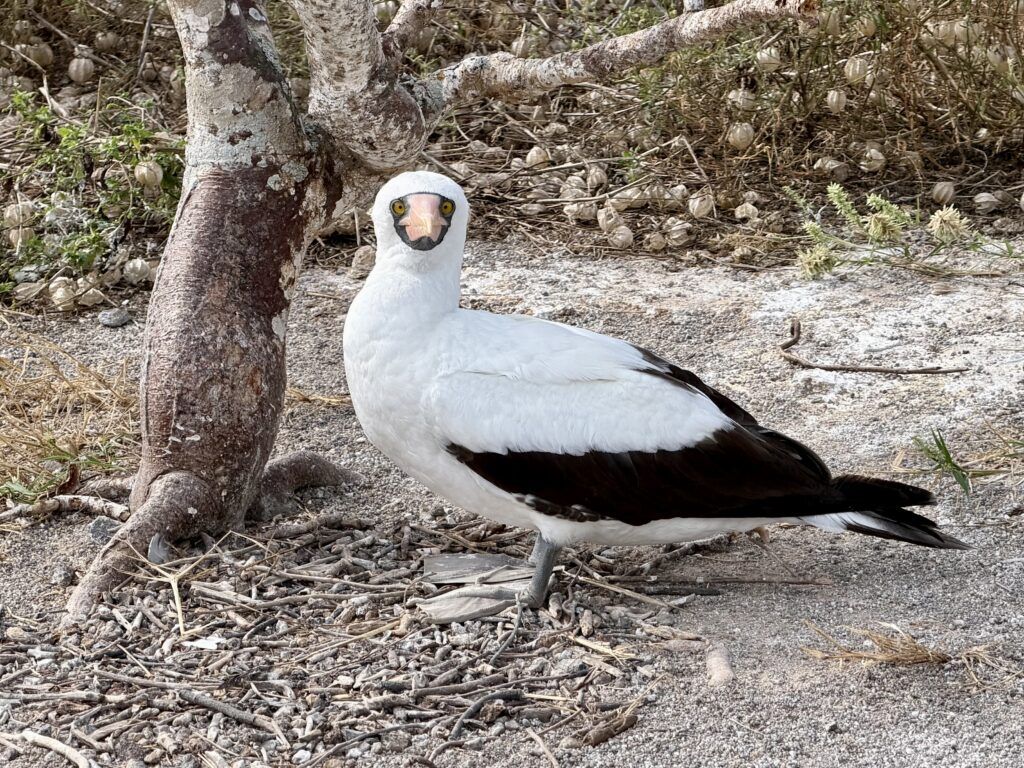
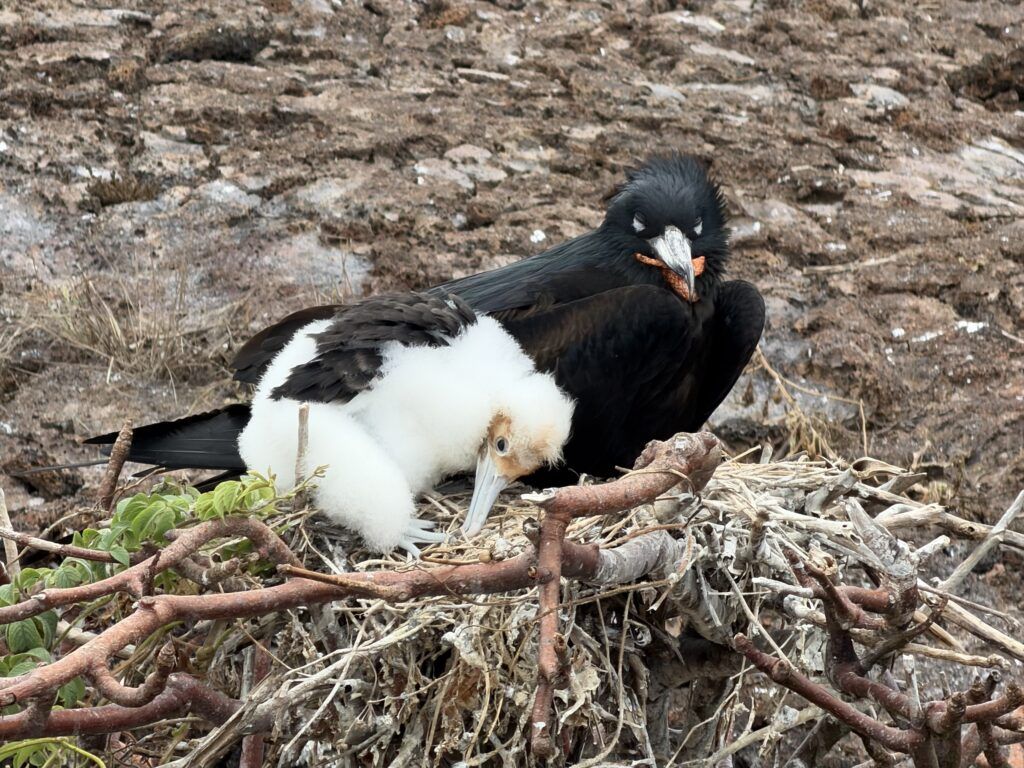
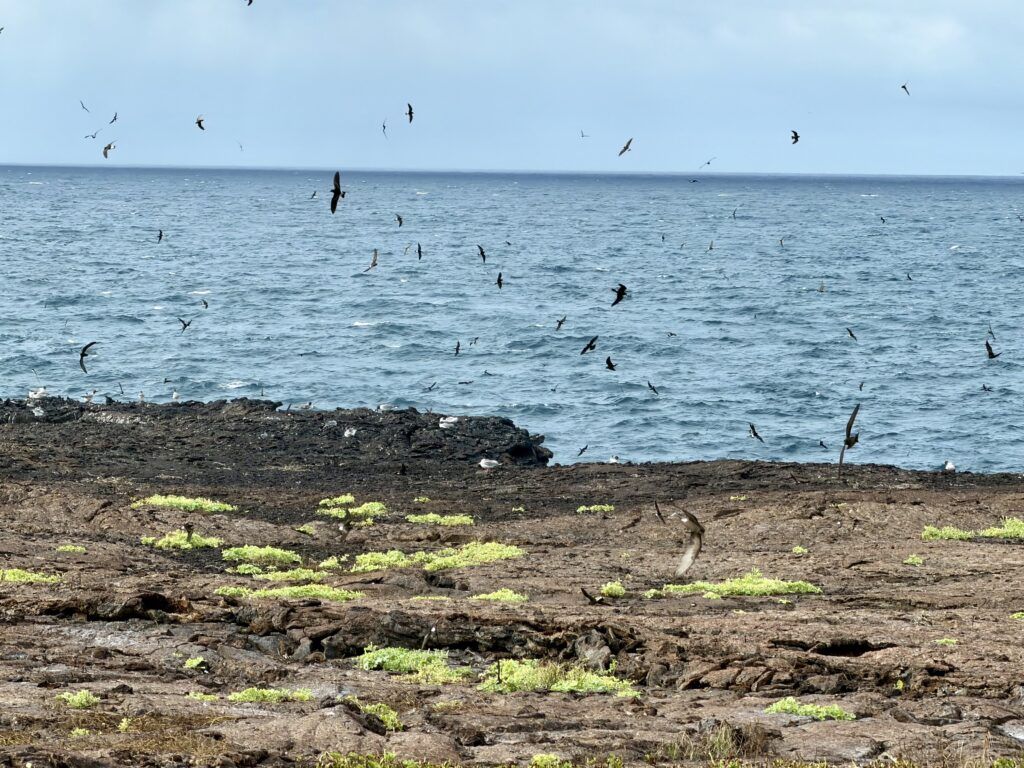
The pace was quick because there was a lot of ground to cover and many reasons to stop. The birds are completely unfazed by people. They walk up to you. They wander onto the trail alongside the group and carry on with their day.
Darwin Bay
The afternoon walk was shorter and flatter, running along the beach at Darwin Bay.
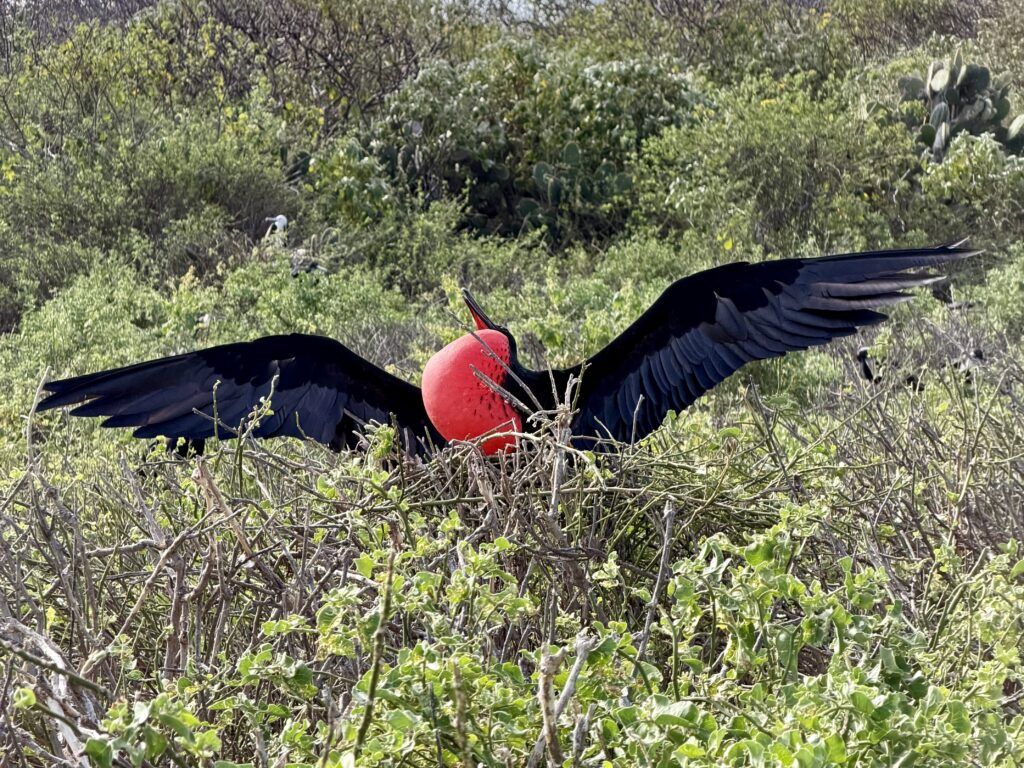
We saw more frigatebirds, and this time we finally caught a male in full display, gular pouch inflated into a bright red balloon under his throat. More red-footed and Nazca boobies rounded out the walk.
Bird watching is not something we would say we are into. But you cannot help getting drawn in here. You are standing a few feet from birds that evolved in isolation for millions of years.
Plus, we also got to see more sea lions along the shore, including the cutest pup ever.
The Wildlife We Saw
Over nine days, we saw 12.5 of the Big 15 — which we thought was quite impressive.
Galapagos giant tortoises out in the wild in the Santa Cruz highlands. Marine iguanas by the hundreds on Fernandina. Land iguanas at Cerro Dragón and Puerto Egas. Galapagos sea lions on nearly every landing. Fur seals on the rocks at Buccaneer Cove, Isabella, and other stops. A Galapagos penguin waiting on the rocks for our panga at Fernandina and Bartolomé. Blue-footed boobies on Isabela and Fernandina, along with the flightless cormorants. Red-footed and Nazca boobies at Genovesa. Frigatebirds circling the turtle nests on Floreana, and a male in full display at Darwin Bay. American flamingos in the brackish lagoons of a few islands. Not to mention, sea turtles, sharks, stingrays, and more during our snorkeling adventures.
Technically, we had a couple sightings of Galapagos hawks, but both were at a distance (where the 0.5 comes in).
The two we missed outright were the waved albatross and Santa Fe iguana. Waved albatross nest almost exclusively on Española, and Española and Santa Fe both sit on the eastern Galapagos route.
One disappointment was that we saw fewer blue-footed boobies than we expected, and we never caught the courtship dance. Late June should be prime season for it. But as our guides pointed out, climate change and shifts in currents have impacted animal behavior.
How Much Does a Galapagos Cruise Cost?
Galapagos cruises are expensive. Depending on the cruise line, you can expect to pay around $800 to $1,500 per person per day. An HX Galapagos cruise is toward the middle end of that range. But keep in mind that the itinerary and length of the trip factor into the costs.
Most of the cruise options in the region are all-inclusive, including all onboard dining, WiFi, drinks, use of snorkeling equipment and walking sticks, as well as all outings and excursions.
HX also includes round-trip airfare from Quito to Baltra in their fares, two nights in a Quito hotel, airport transfers, a guided day in Quito, the $200 National Park entrance fee, and the $20 Transit Control Card.
Further, HX offers flexibility, with everything from seven-day sailings to eleven-day sailings, plus longer adventures that include Machu Picchu or other land extensions. That gives you anywhere from five to nine days in the islands, along with two nights in Quito on every itinerary.
Solo travelers also benefit from HX’s generous solo supplements. Most cruise lines charge a full 100 percent, which effectively doubles the fare. HX often runs 30 to 50 percent instead, and during promotions, it drops the supplement entirely. We were surprised by how many passengers on our expedition were traveling solo. In fact, for HX, the Galapagos is the second most popular destination for solo travelers, accounting for 13% of all solo travelers.
We were also surprised by how many families and multigenerational groups were onboard. HX is family-friendly, offering the most interconnecting cabins in the region and kid-friendly programming. So, it makes sense.
Whether you are cruising as a couple, with your family, or looking for an adventure on your own, a Galapagos cruise should certainly be on your bucket list.
Is an HX Galapagos Cruise Worth It?
Yes, absolutely. But, you need to understand exactly what a Galapagos expedition really entails.
If you’re a cruiser, then it’s likely that sometimes you sail for the ship and sometimes you sail for the destination. The Galapagos is definitely the latter, and Santa Cruz II is built accordingly. She is functional and comfortable but doesn’t compete with luxury vessels or modern ships you’ve sailed in other regions.
Honestly, we were initially hesitant about not having a balcony, the tiny cabin bathroom, and the lack of amenities onboard. But after a couple of days, we weren’t thinking about the ship at all. As long as there was an endless supply of caffeine, which there was, all we were thinking about is what we had just seen and what was coming next.
Would we do it again? Of course! We still have 2.5 animals to scratch off the Big 15. I guess that means an Eastern Galapagos route is in order for the future.
You Should Book an HX Galapagos Cruise If:
- You want the wildlife to be the whole point, not a stop along the way
- You are comfortable with early mornings, three or four outings a day, and very little downtime
- You would rather have an expert guide than a balcony cabin
- You value inclusive pricing and dislike being nickel-and-dimed
- You snorkel, or you are willing to learn, because half this trip happens underwater
- You want a small ship where you know the crew and guides by name
- You are traveling with kids or grandkids
- You have realistic expectations about the food and the cabins
- You have some degree of physical fitness
You Should Skip a Galapagos Cruise If:
- You cruise for the ship, the entertainment, the dining, and the nightlife
- You want to sleep in or lounge by the pool with a drink in hand
- You need a balcony, a spa, or a specialty restaurant to enjoy a sailing
- You cannot climb in and out of a zodiac, or you require a wheelchair or an elevator
- You are working with a tight budget
- You want to explore independently (every landing requires a licensed guide)
- You get motion sickness and rough seas are a dealbreaker
- You prefer larger ships over itimate ones where you know everyone by name
Comments
Would you consider taking an HX Galapagos cruise? What is the most adventurous sailing you have been on? Drop us an anchor below to share your expedition experiences.





1 comment
Heather
Don and Heidi,
A very comprehensive review (no need now for me to write up my trip :-). I think we all enjoyed the trip.
Re the coat hangers – I always pack 3 or 4 plastic hangers, which serve us well for drying the washing or extra in the wardrobe. Next time, we will definitely pack some magnetic hooks.
Cheers Heather