
 Heidi Bucolo
We’ve sailed big ships and small ships from oceans to rivers, itineraries built around beaches and others around glaciers, fjords, and ancient ruins. Though, the Galapagos doesn’t fit neatly into any of these categories. It’s part cruise, part expedition, part wildlife encounter. You won’t fully believe it until you’re standing in the middle of it. The Galapagos Islands operate by their own rules, and much of what we’ve learned about cruising over the years simply doesn’t apply here. Whether you’re just starting to research or already have a sailing booked, these are the Galapagos cruise tips we wish we knew before our trip.
1. The Galapagos Is Unlike Any Cruise You’ve Taken Before
If you’re coming to the Galapagos expecting anything resembling a traditional cruise vacation, toss those expectations out the window. There are no port towns, no beach clubs, and no onboard frills. The islands are a protected national park — one of the most ecologically significant places on the planet — and this impacts every aspect of your visit. The wildlife is the destination, and the ship is simply your transportation between islands.
2. Choosing the Right Ship and Cruise Line Still Matters
With that said, you should still give some consideration to the cruise line and ship you choose for your Galapagos cruise. There are over 70 ships offering expeditions.
In most cruise regions, the choice comes down to amenities, entertainment, and onboard vibe. However, in the Galapagos, your decision should be based on your preference of ship size, expedition and educational level, and to a somewhat lesser degree, the onboard comforts. It’s important to know that all ships are small, as they are the only ones allowed to access this protected ecosystem. Still, they vary in capacity from 16 to 100 passengers. The caliber of your naturalist guides, the depth of your wildlife encounters, and the onboard enrichment component also vary by operator. And then there’s travel style, which ranges from luxury brands like Silversea and Celebrity Flora, to premium adventure products like HX Expeditions and Lindblad Expeditions, to the budget-friendly G Adventures.
3. Itinerary Is Everything — Eastern, Western, and Northern Routes Are Different
Along with choosing the right cruise line, you’ll want to carefully consider the itinerary options. Not all Galapagos itineraries are created equal. The archipelago is typically divided into route zones: eastern, western, and northern, each offering a distinct landscape and wildlife profile. It really surprised us how vastly different each island actually was!
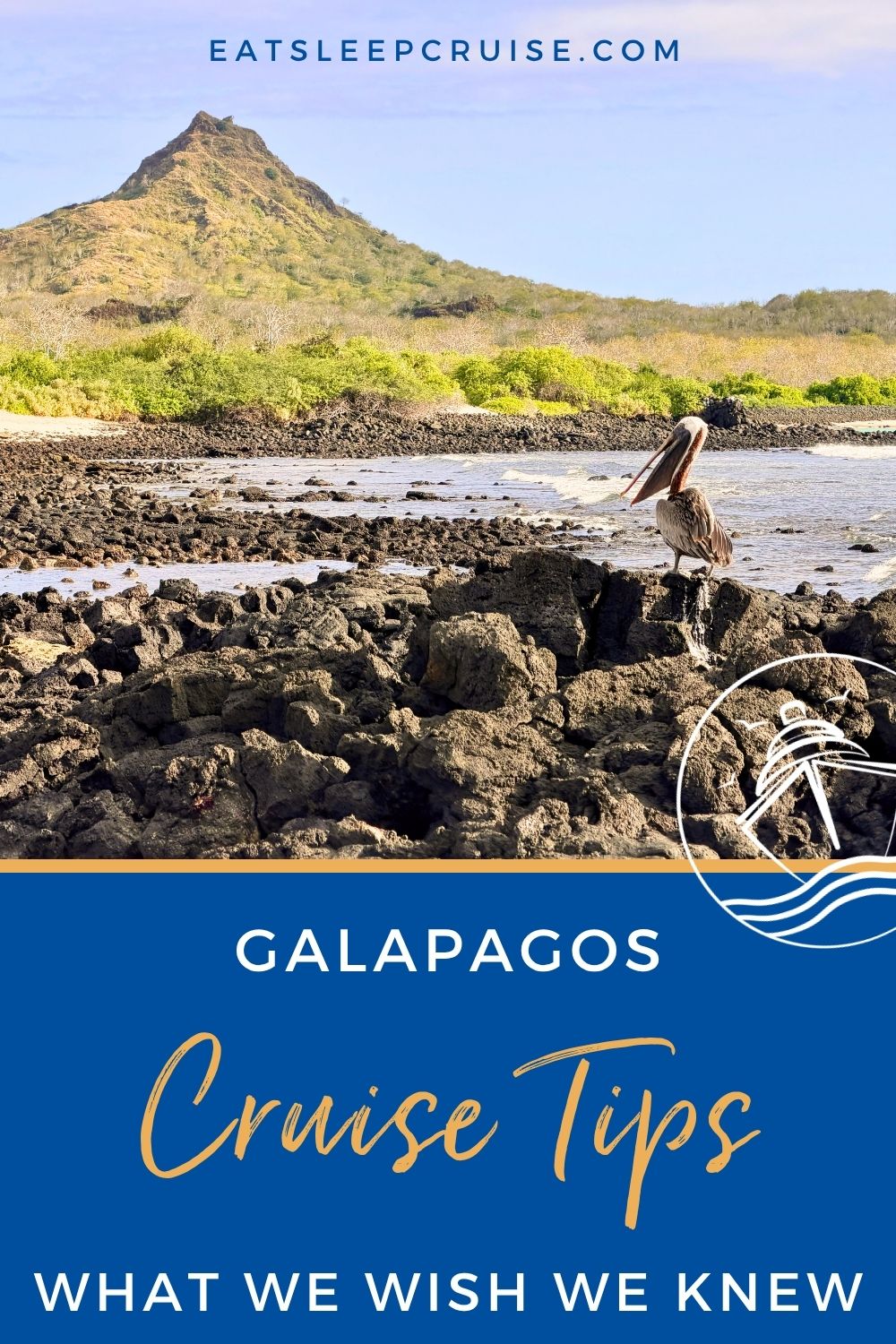
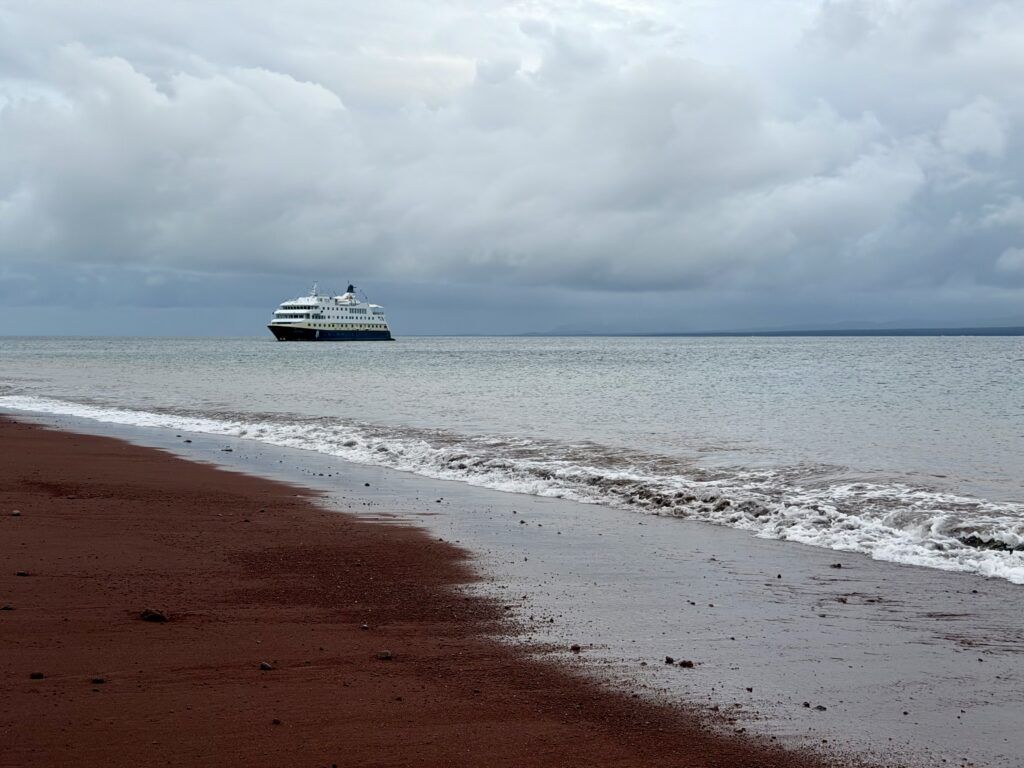
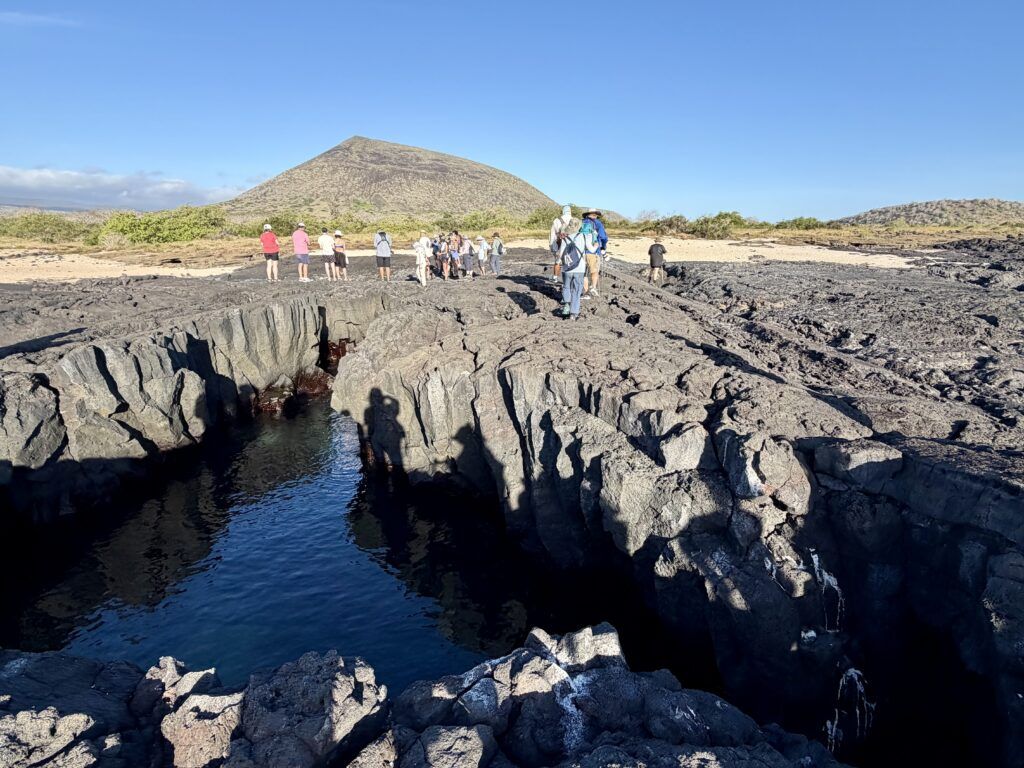
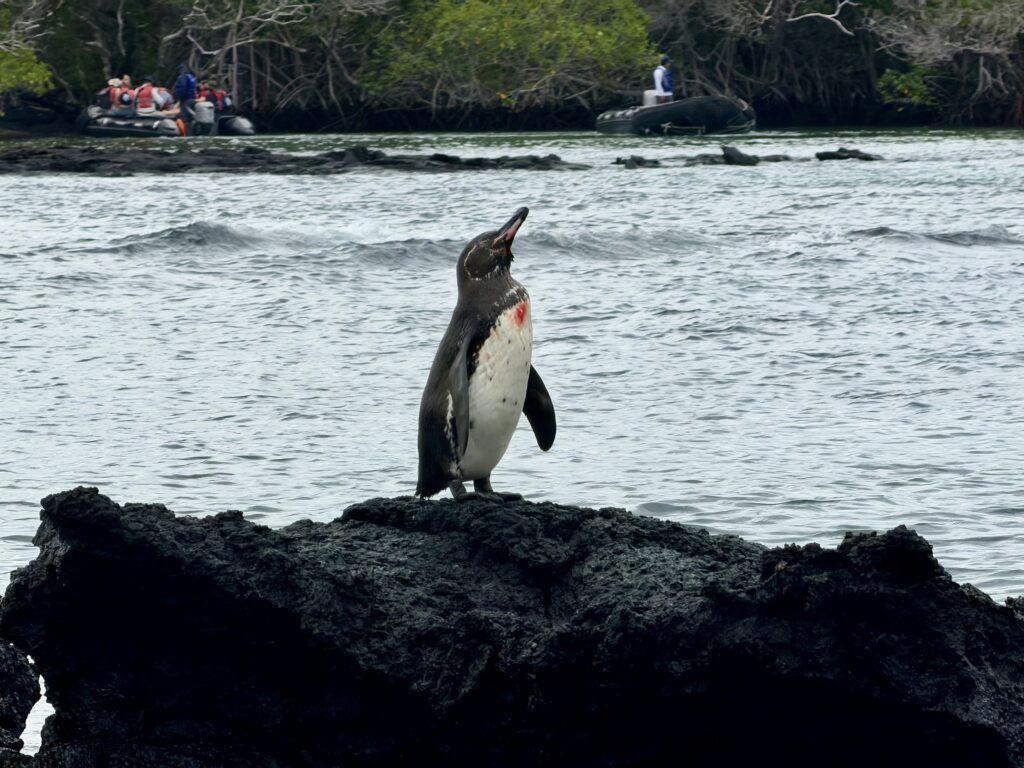
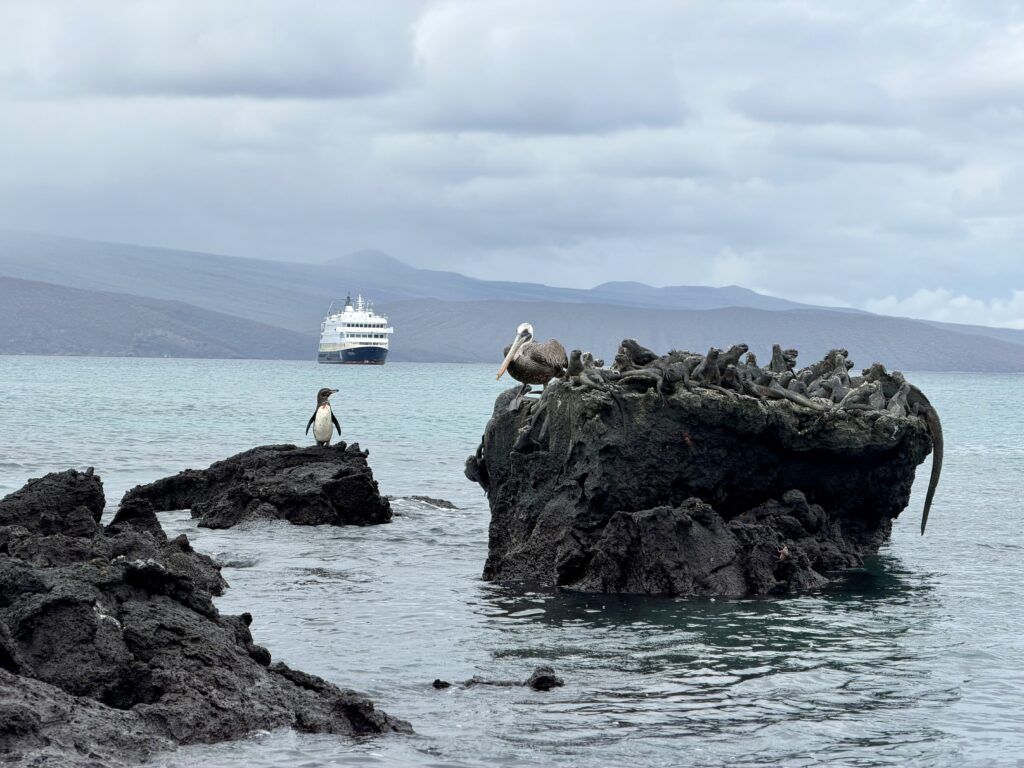
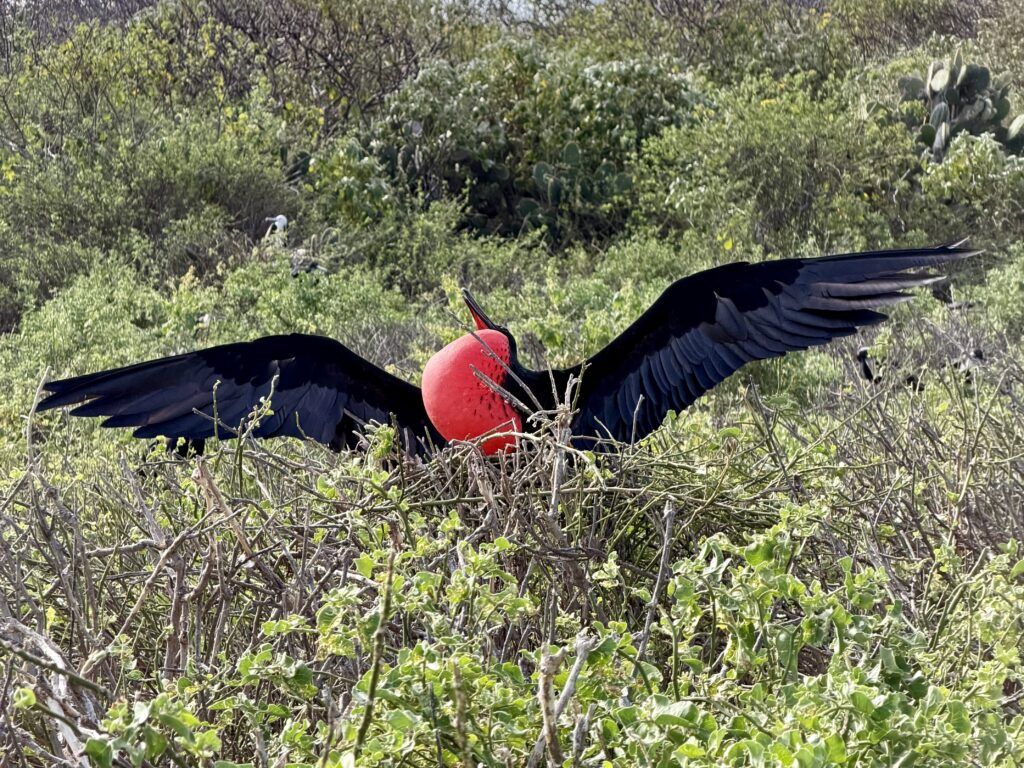
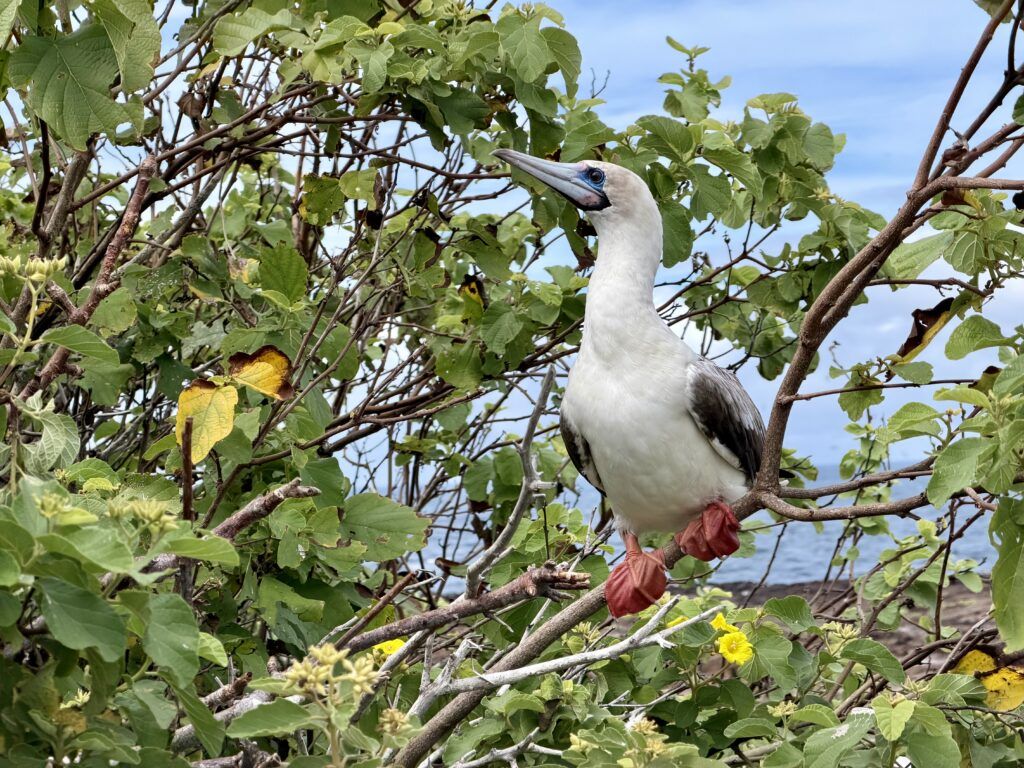
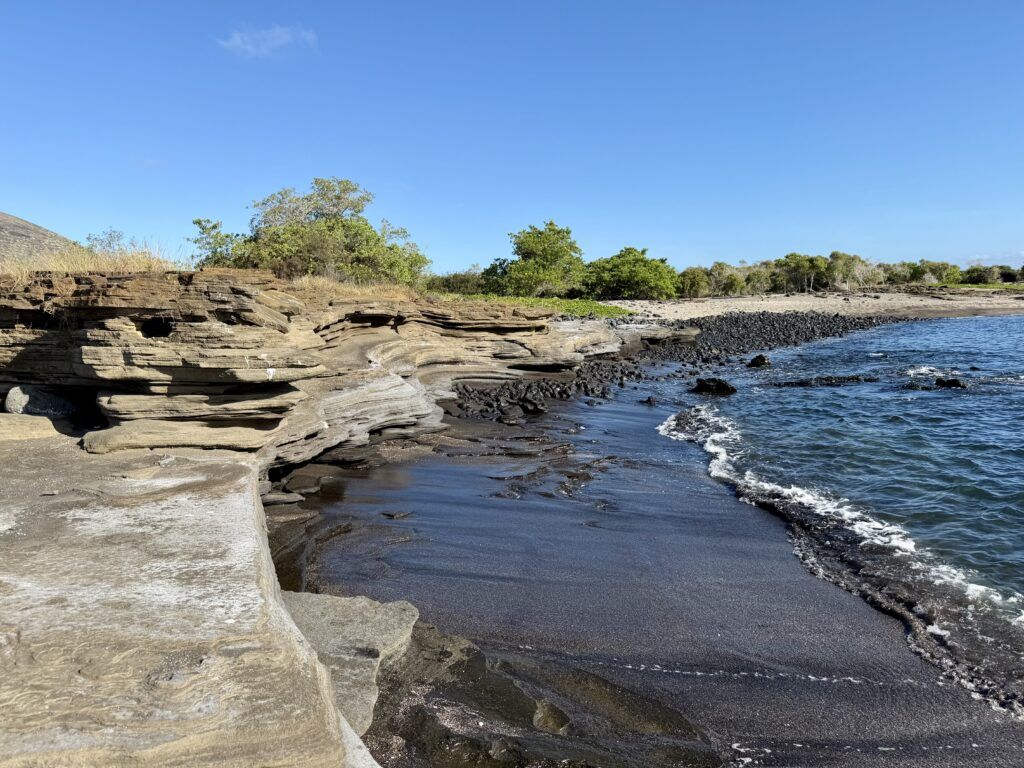
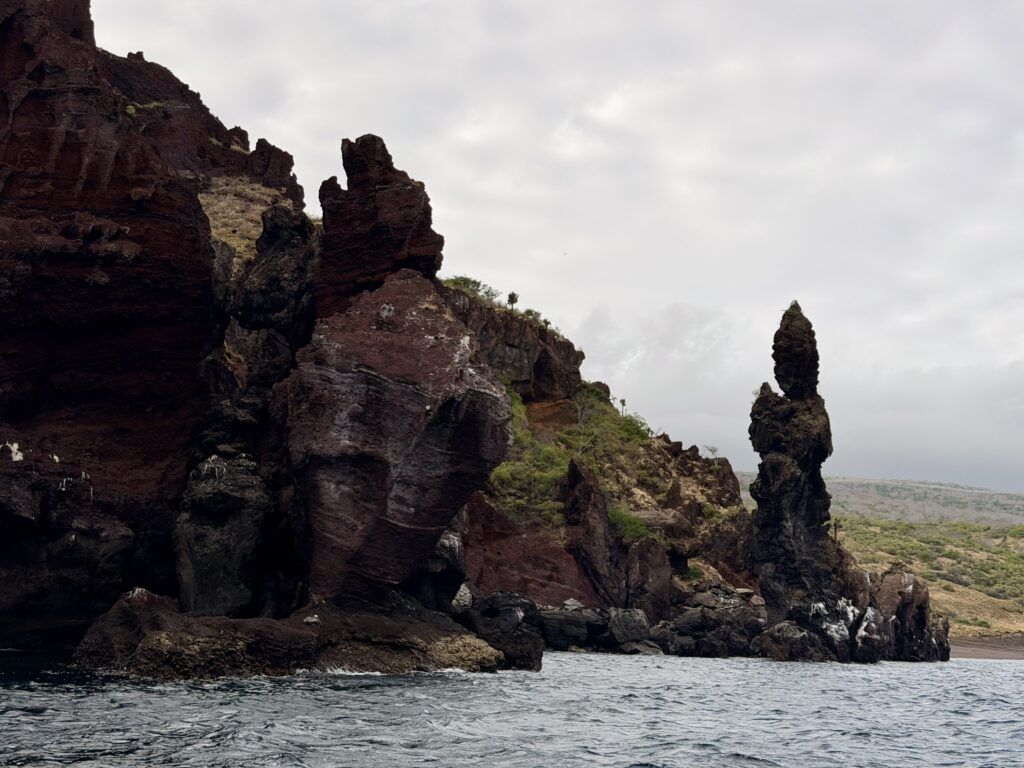
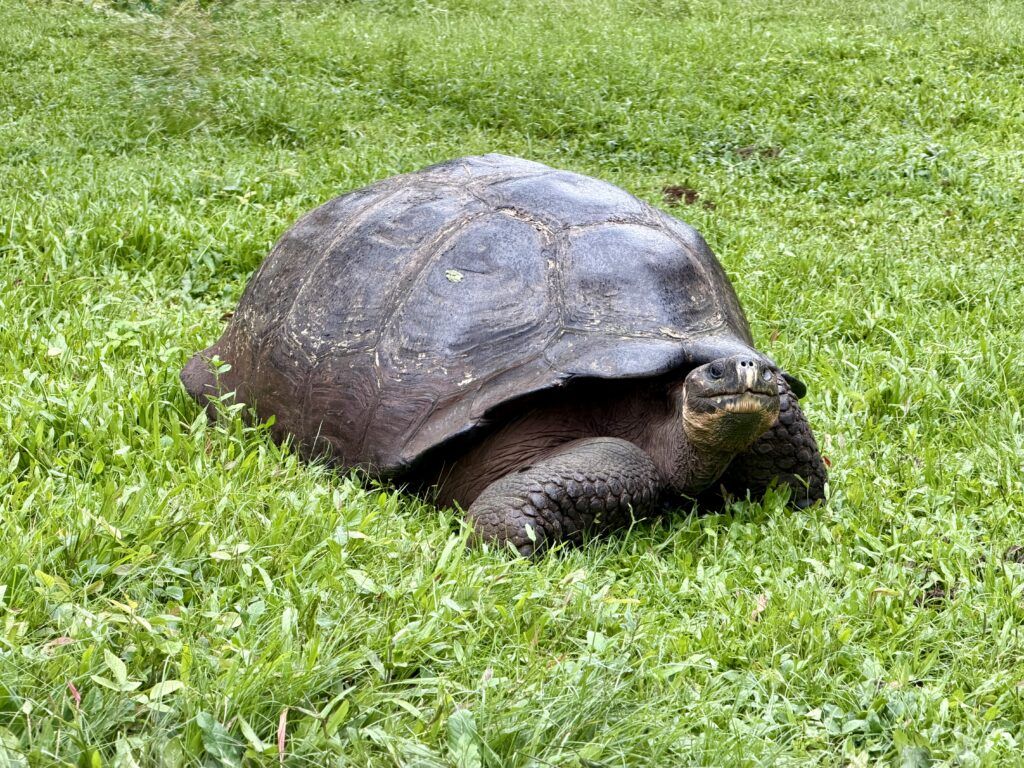
The western route, which includes Fernandina and Isabela, is where you’ll find flightless cormorants, Galapagos penguins, and dramatic volcanic landscapes. The eastern and central routes around Santa Cruz, San Cristobal, Espanola, and Floreana offer giant tortoises, sea lion colonies, and albatrosses. The northern route, reaching Genovesa, is famous for bird life including red-footed boobies and frigatebirds. Most itineraries don’t cover every zone, so decide what wildlife matters most to you and choose accordingly. Or, you could combine itineraries for a longer and more comprehensive visit!
4. A Pre- or Post-Cruise Extension Is Worth Every Penny
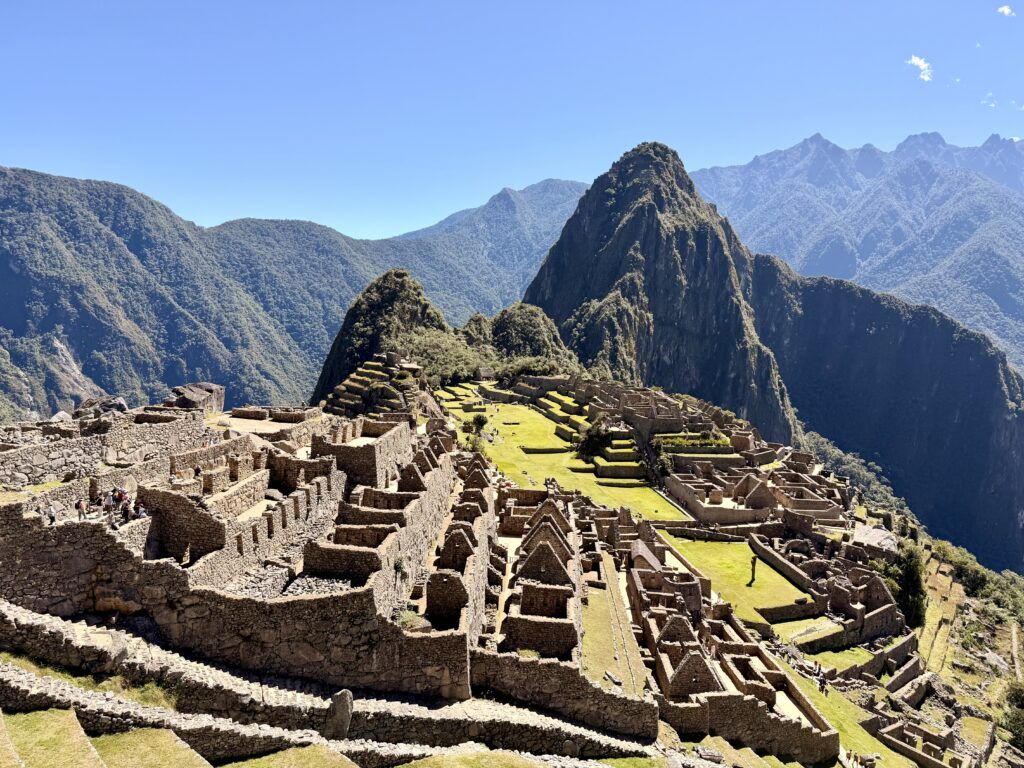
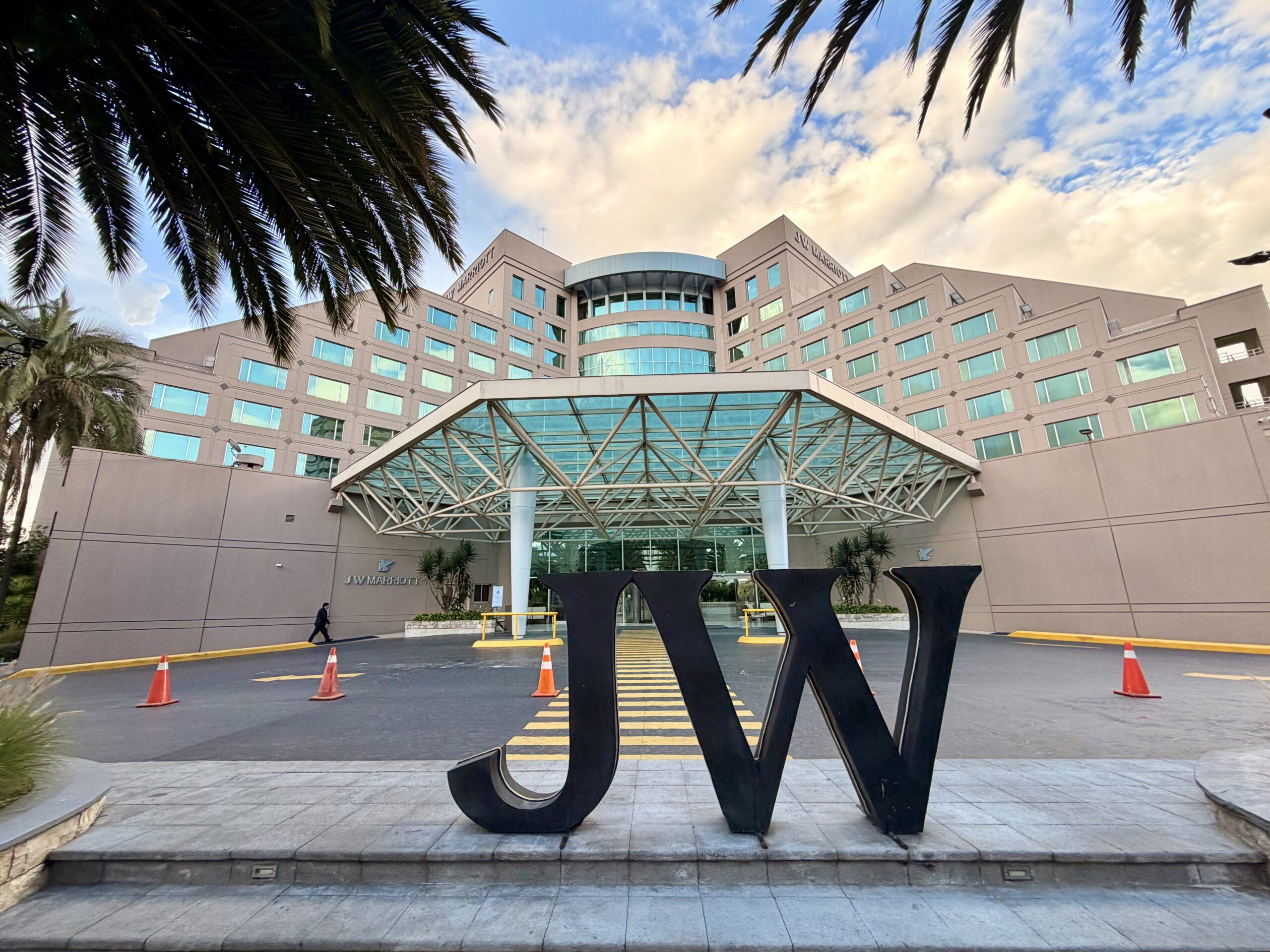
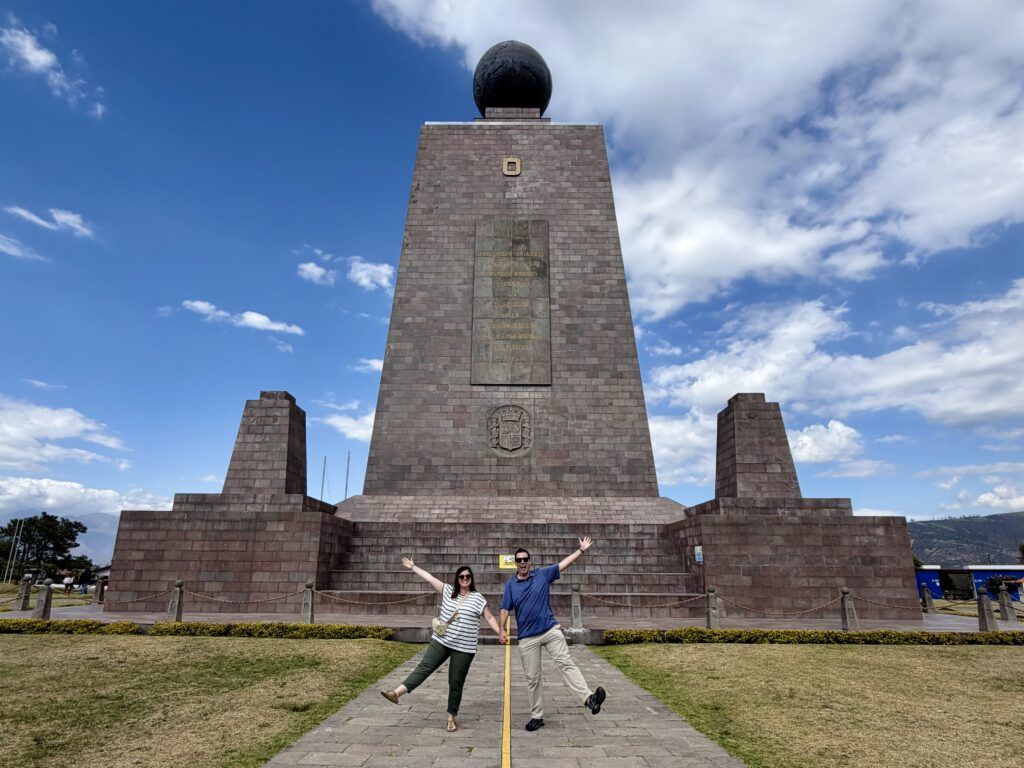
The Galapagos sits off the coast of Ecuador, which means you’re already in one of the most spectacular regions in South America. It would be a shame to fly all that way and not extend your trip. Machu Picchu in Peru is a natural pairing and is one of those bucket-list experiences that fits perfectly. On the Ecuador side, Quito’s historic old city is a UNESCO World Heritage Site and an impressive destination in its own right. The Amazon basin is also accessible from Quito for those who want a full immersion in South American wildlife. Regardless of what you choose to do, building in some extra days around your sailing is worth every penny.
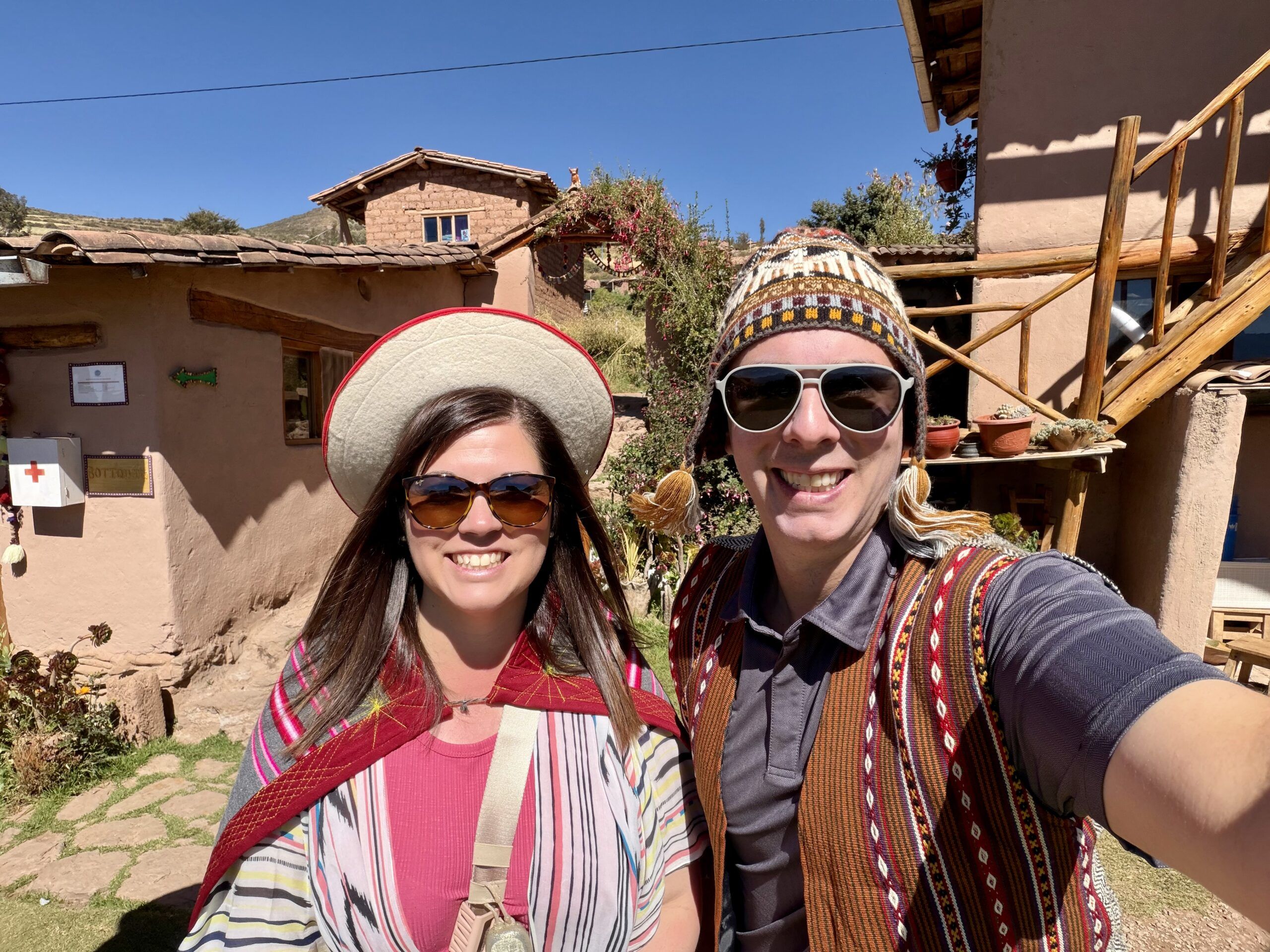
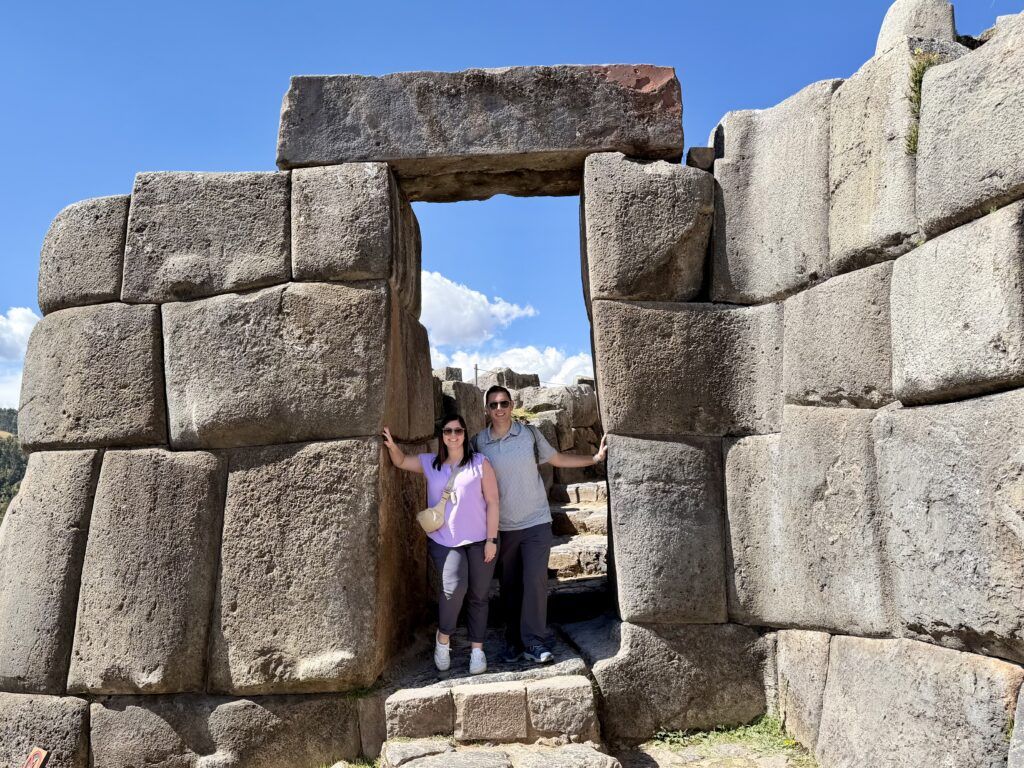
Just be prepared for lots of long days and lots of travel. The closest comparison we could draw was the land portion of our Alaska cruisetour. During our Machu Picchu extension, we stayed in four different hotels over the span of a week, transiting from Lima to the Sacred Valley to Cusco to Quito and finally to Baltra to board our ship.
5. The Time of Year You Go Shapes What You’ll See
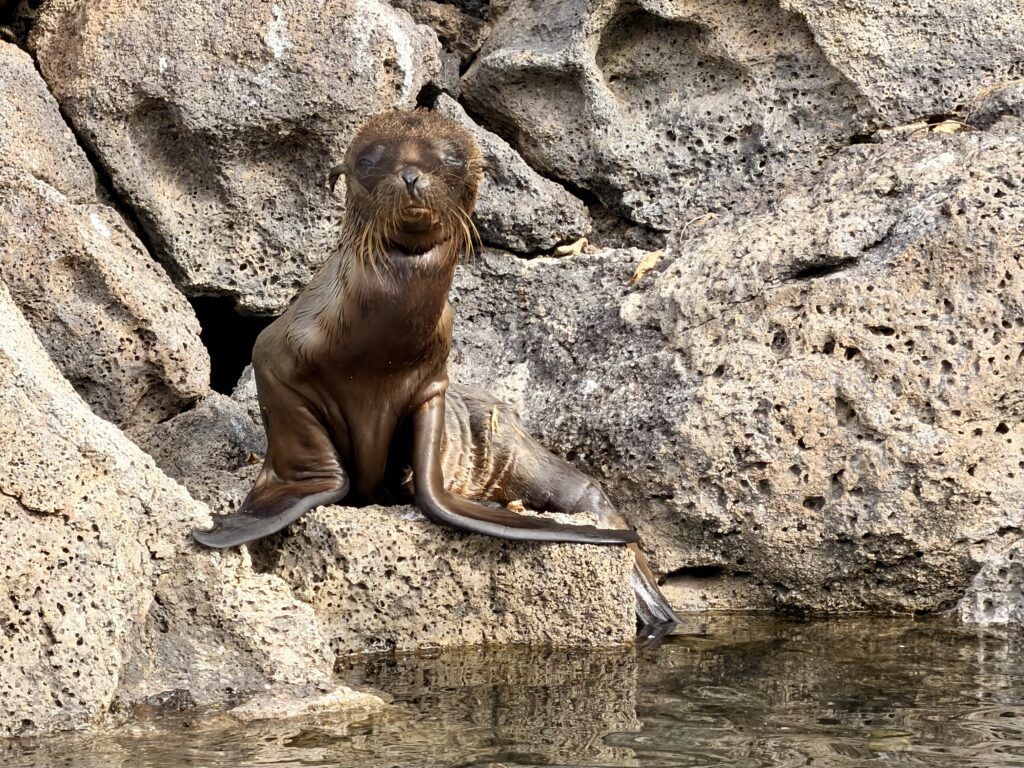
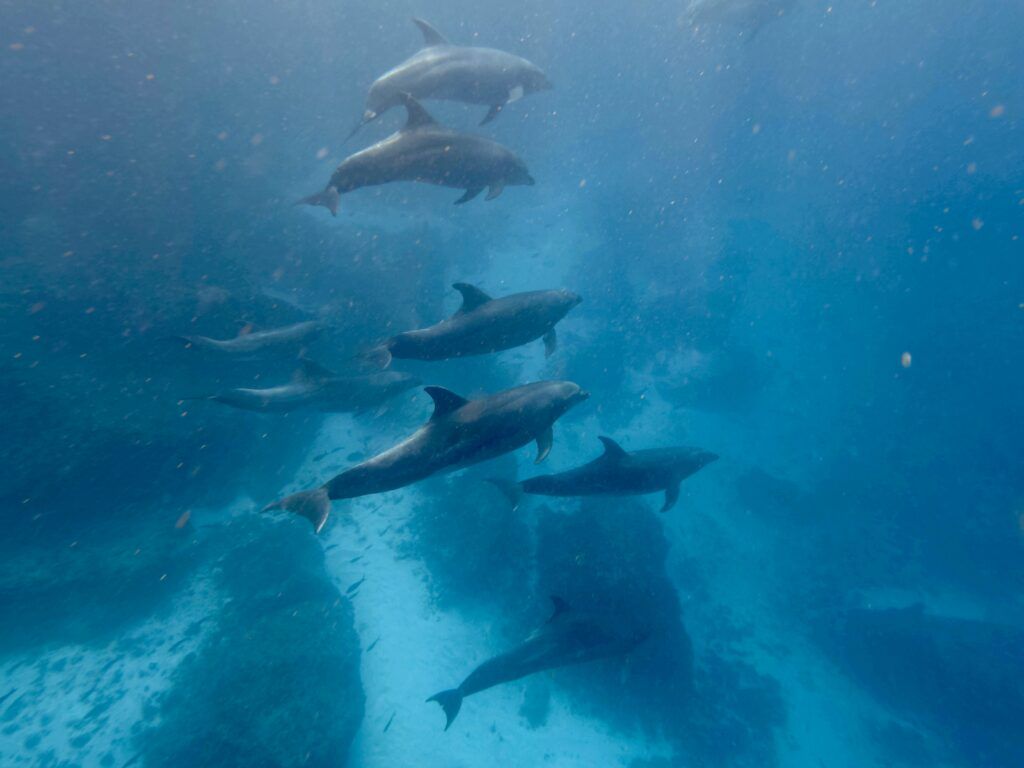
The Galapagos is a year-round destination, but the season you choose does have an impact on your experience. The warm, but rainy, season generally runs from December through May, bringing calmer seas, warmer water, lush green landscapes, breeding season for land reptiles, and excellent snorkeling conditions. The cool, dry season roughly from June through November brings colder water, potentially rougher seas between islands, and an influx of marine life including sharks, dolphins, and active sea lion pups. Neither season is “better” — it depends entirely on what you most want to see. Research the wildlife calendar and plan around that.
With that said, Mother Nature isn’t always predictable. Given recent shifts in weather patterns, our late June/early July sailing wasn’t 100% typical. The weather was actually still quite warm and humid, as were the water temperatures due to El Niño impacts.
6. Budget Carefully — This Trip Is More Expensive Than You May Expect
Galapagos cruises are not cheap, and the total cost goes well beyond the price of the cruise itself. The cruise fare is just the starting point. Add flights, a pre- and/or post-cruise hotel stay, tips for your guides and onboard crew members, onboard extras (if applicable), and any add-on excursions or land extensions, and you’re looking at a minimum of a few thousand dollars extra per person in addition to the cruise fare. Mid-range cruise fares typically start at $5,000 to $10,000 per person, with higher end expeditions costing even more. Factor all of this in early so the final cost doesn’t catch you off guard.
In addition, every visitor must pay a $200 USD National Park entrance fee and a $20 Transit Control Card fee upon arrival. Some cruise lines, like HX Expeditions, take care of these fees for you by bundling them into the cruise fare.
7. Book Early — This Isn’t a Last-Minute Destination
The Galapagos National Park strictly limits the number of visitors allowed on the islands, which means total capacity across all ships is capped. Popular itineraries and in-demand vessels book up early, especially for peak wildlife seasons. The best cabins go first as well, and prices tend to rise as departure dates approach. If you have a specific route, season, or cruise line in mind, start the booking process as early as possible. Locking in early also gives you more time to handle logistics like flights and extensions, save money, and read up on the Big 15 (wildlife species endemic to the Galapagos Islands).
8. Use a Travel Advisor Who Specializes in This Region
In addition to being completely different than ocean or river cruises, the Galapagos has more variables than most cruise destinations — so navigating it on your own takes significant research. A travel advisor who specializes in expedition cruising or South American travel can match you to the right itinerary for your interests and handle all the logistics for you. This is exactly the kind of trip where the right advisor earns their value many times over. Our travel partner MEI-Travel can help you through this process at no additional cost to you.
9. Fly In at Least a Day Early (We Recommend More!)
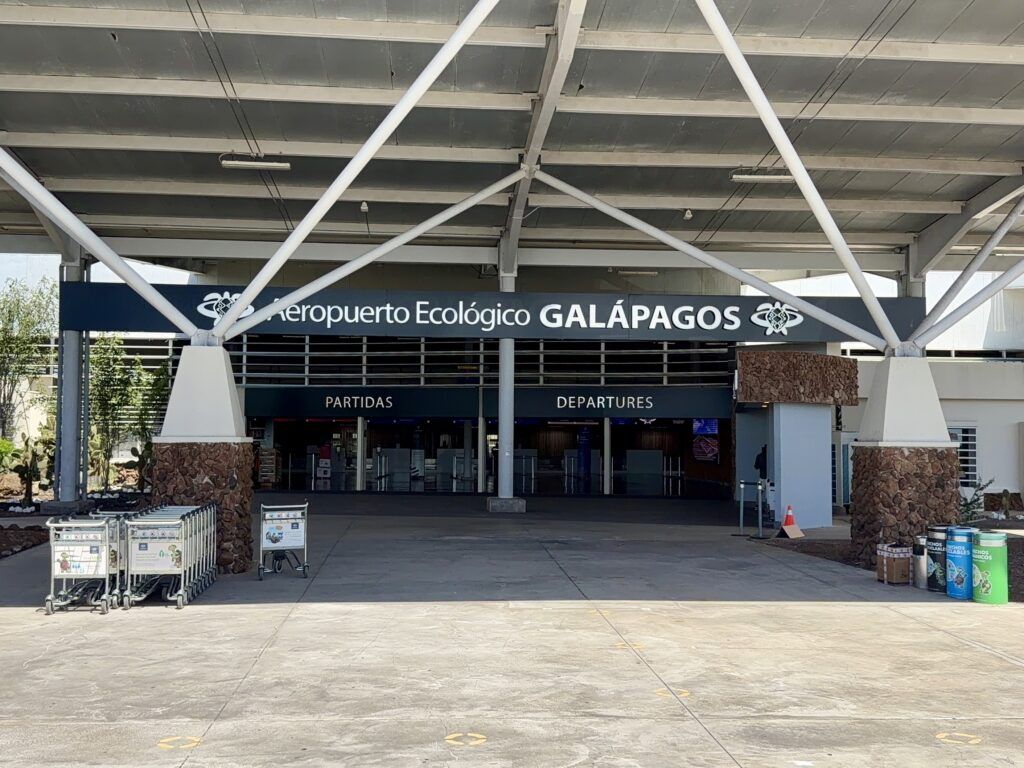
There are no international flights into the Galapagos. All visitors fly first to mainland Ecuador — either Quito or Guayaquil — and then take a domestic flight usually to Baltra Island to complete embarkation. While most major cruise lines include this domestic flight, the plane won’t wait for you if you have any issues with your international flight into Ecuador.
Flying in at least one day early gives you a buffer against delays and gives you time to experience Quito before heading to the islands. It also gives your body a chance to rest before the expedition schedule begins, which matters more than you might think.
10. Understand the Entry Requirements Before You Arrive
Getting into the Galapagos involves a few steps that are easy to miss if you’re not prepared. As mentioned previously, you’ll need to obtain a Transit Control Card (TCT) and pay the National Park entrance fee. If not taken care of by your cruise line, you’ll need to pay both of these fees in cash in US dollars.
Before boarding the domestic flight to Baltra, all bags must undergo a biosecurity screening as well. Your checked bags will then be zip-tied shut until you arrive in the Galapagos (not your carry-on luggage, though).
11. Don’t Expect a Traditional Embarkation Process
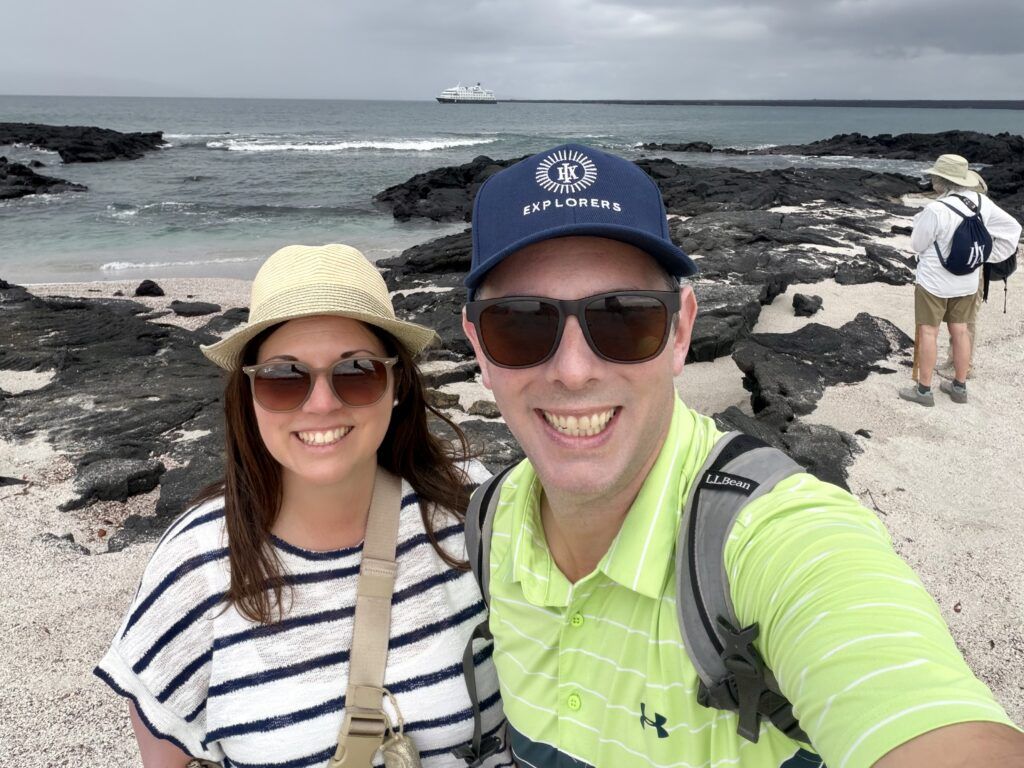
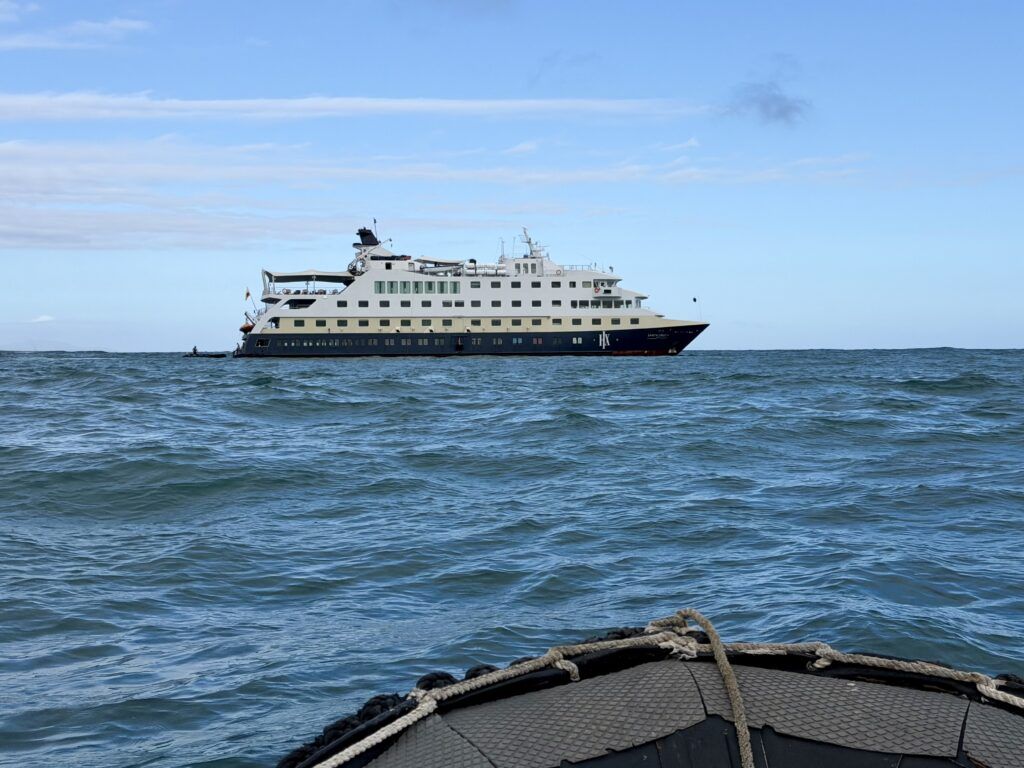
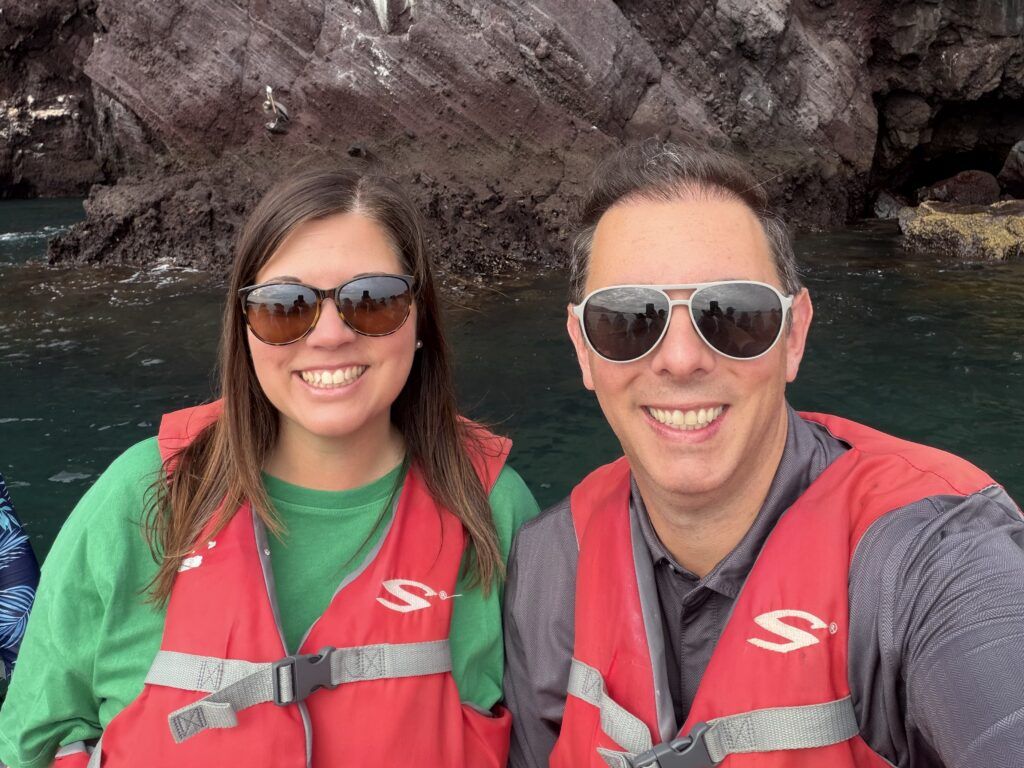
One thing that surprised us, but I guess we should have expected, was that the embarkation process was anything but ordinary. Upon arrival at the Baltra airport, we dropped off our checked luggage with HX staff and boarded a bus with our carry-on bags. We were then transported to a small pier where we climbed into zodiac boats with our gear (laptops included) for a 10-minute or so ride to the ship that was anchored nearby. No security screening. No traditional check-in process. No walk up the gangway.
With that said, come prepared with the essentials like sunscreen, sunglasses, a rain jacket, and non-slip shoes. You need to take the zodiac ride to the ship whether it’s rain or sunshine.
12. Come Prepared for Seasickness
The Galapagos Islands lie at a convergence of multiple ocean currents, and cruising between islands can be surprisingly rough — particularly during the cool season when the Humboldt Current sweeps up from Antarctica. Even seasoned cruisers who’ve never had an issue with motion sickness have found the Galapagos waters to be a different story. Don’t wait until you’re already feeling ill to address it. Pack some seasickness remedies like Dramamine or Bonine, ginger candies, or Sea-Bands just in case. Many crossings happen overnight while you’re sleeping, which sounds convenient until you can’t sleep because you’re sick.
13. Know the Difference Between Wet and Dry Landings
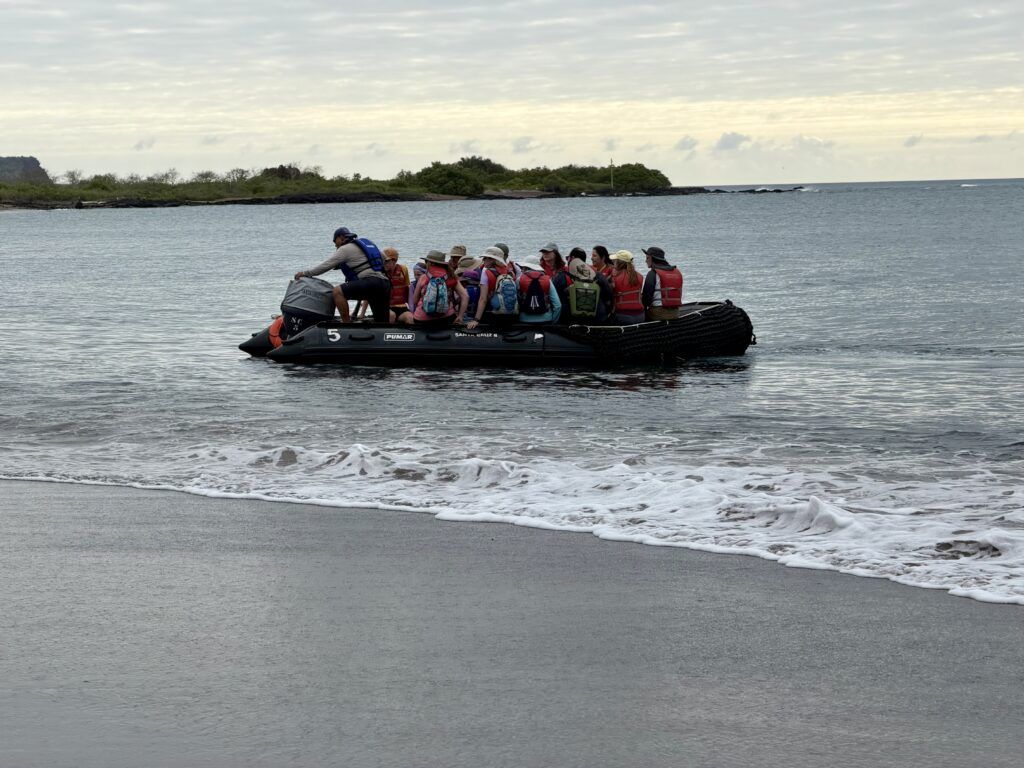
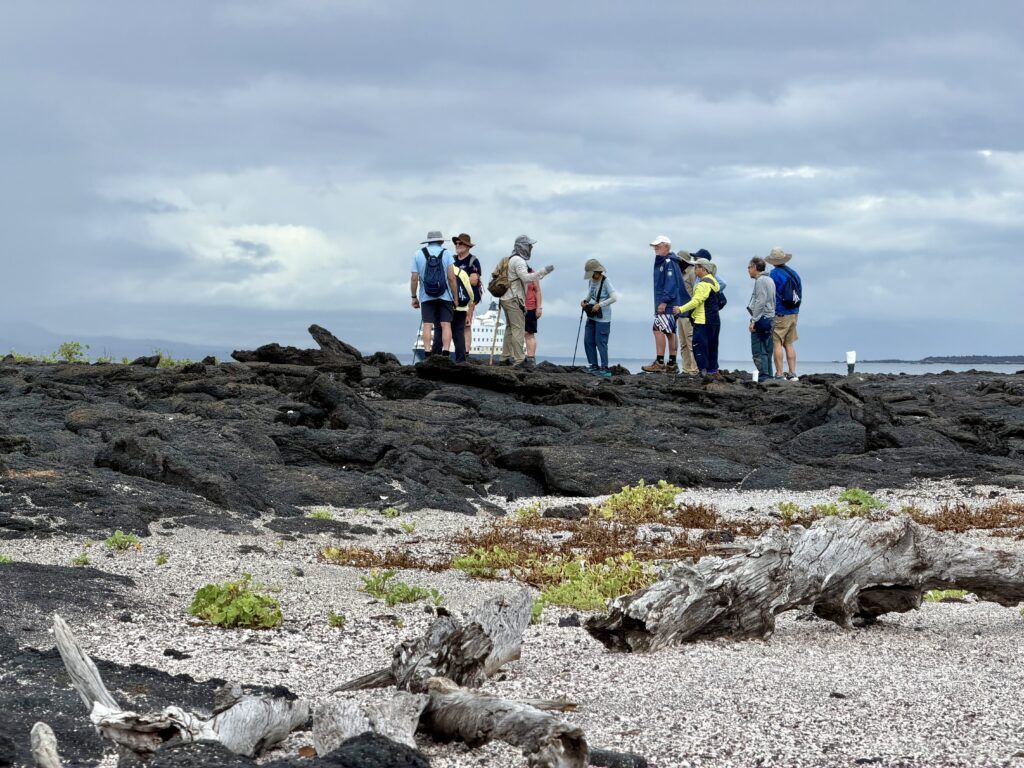
Similar to other expeditions like Antarctica, shore excursions are a bit different in the Galapagos. Every shore excursion involves a zodiac boat (or panga) and can either be a wet landing or a dry landing. Knowing which one is coming changes how you dress for the tour. A dry landing means the zodiac pulls directly up to a small dock and you step off without getting wet. A wet landing means you hop off the zodiac into usually ankle-deep water and wade to shore.
Your expedition team will tell you what to expect before each excursion, but being prepared makes the transition smoother. For wet landings, you’ll want to wear water shoes and keep good footwear stowed in a dry bag or wear hybrid water/hiking sandals like Keen’s Newport H2 closed toe sandals.
14. Know What Wildlife to Expect — and When
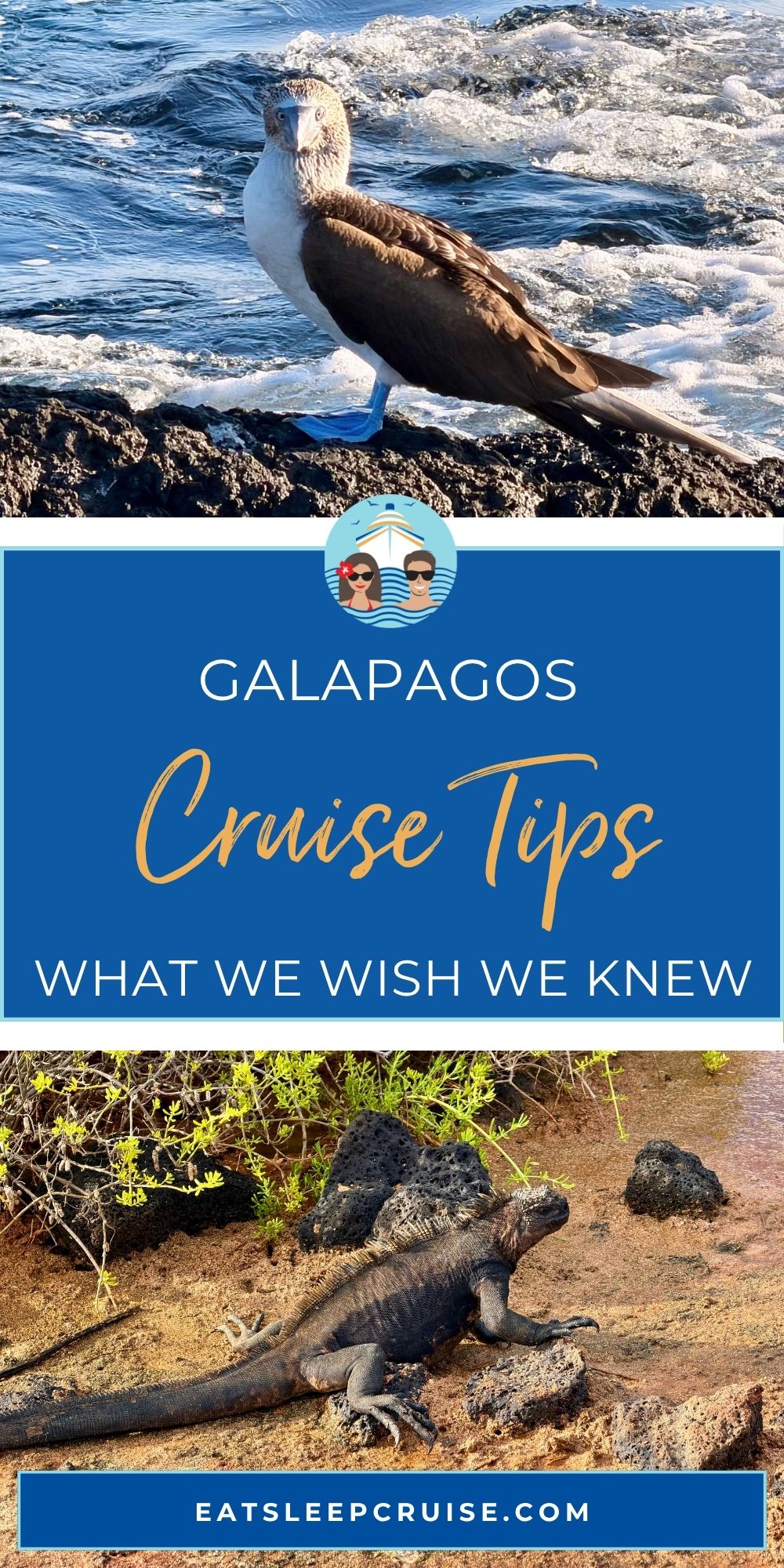
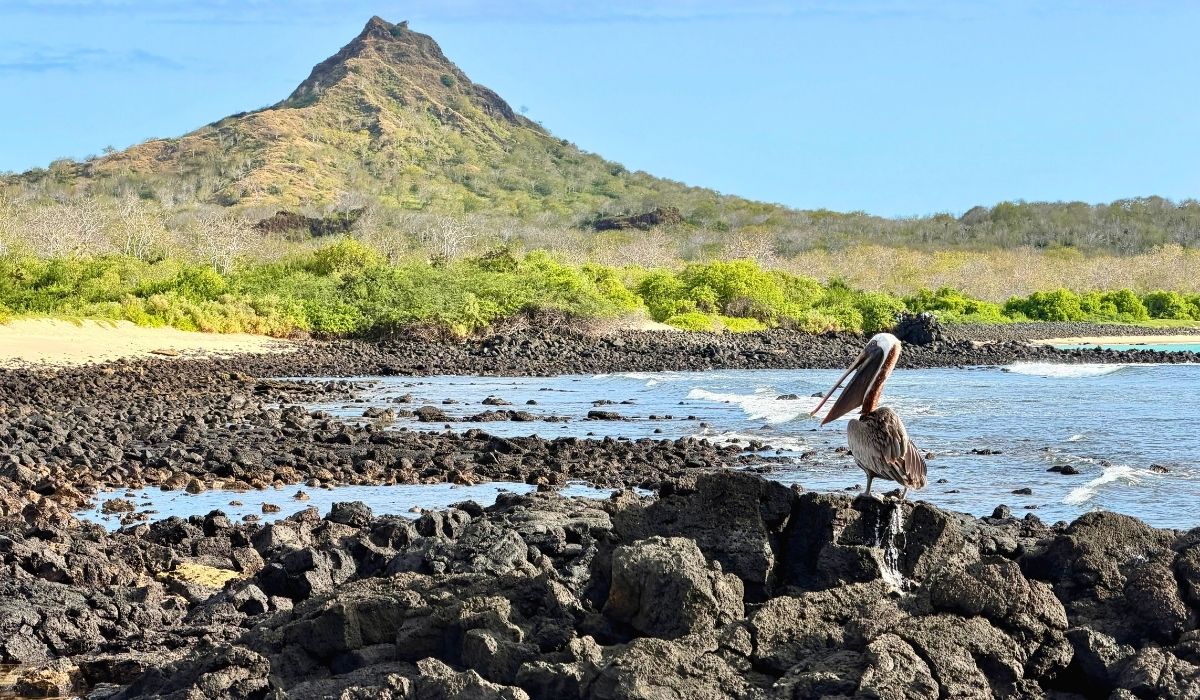
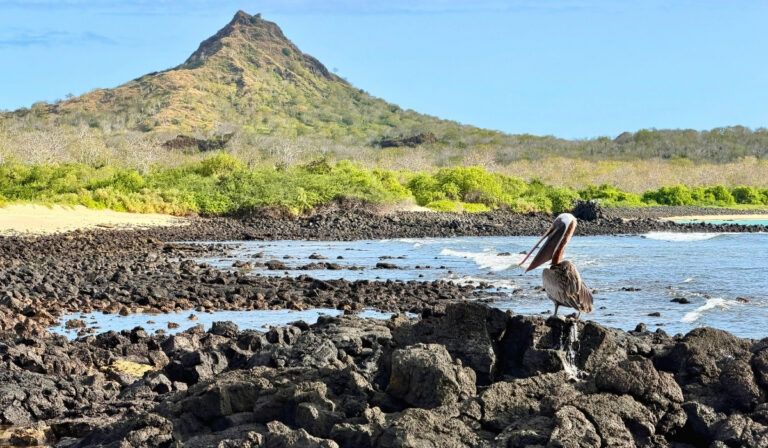
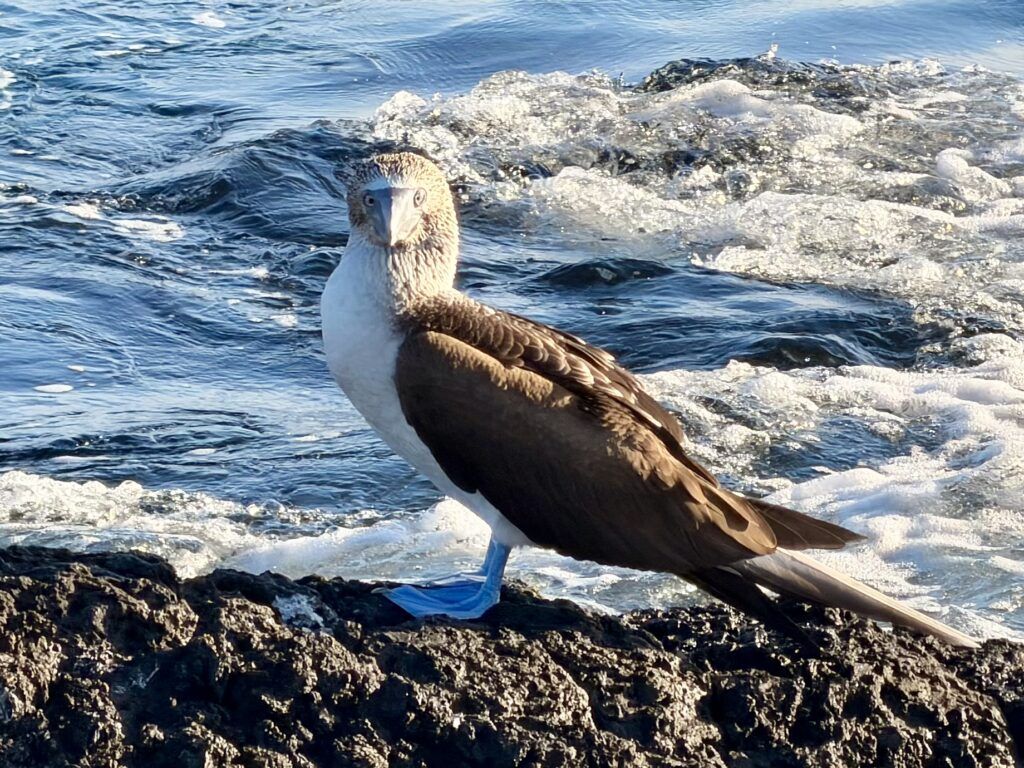
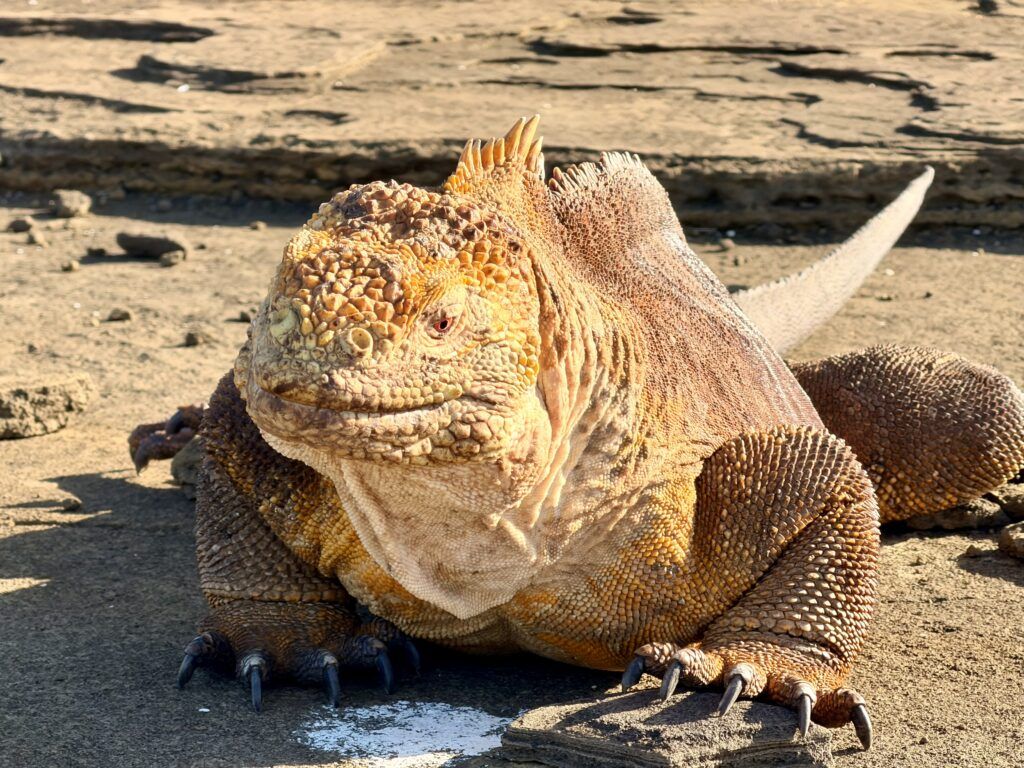
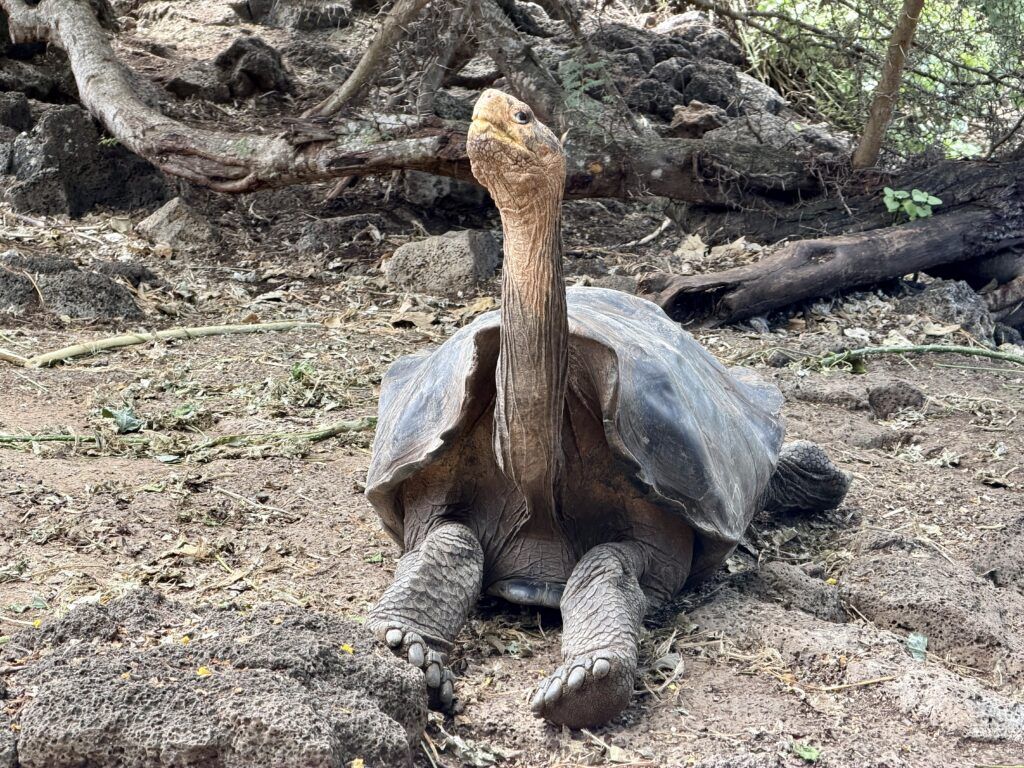
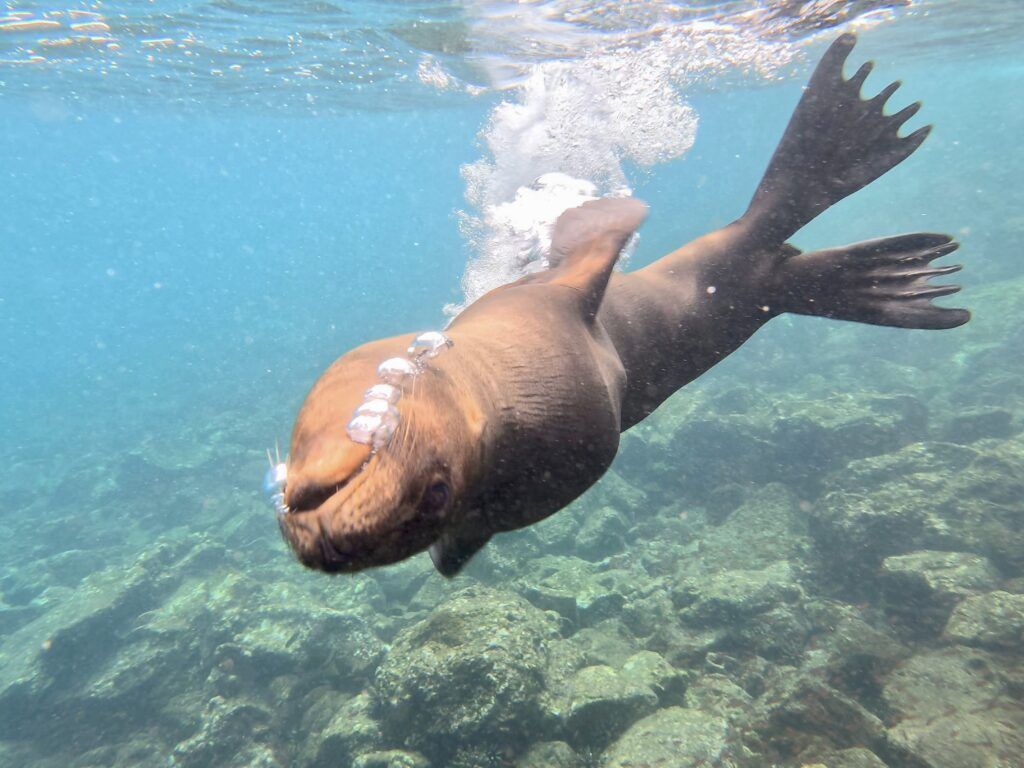
The Galapagos is home to an extraordinary array of wildlife, many found nowhere else on earth — think giant tortoises, marine iguanas, blue-footed and red-footed boobies, Galapagos penguins, flightless cormorants, frigatebirds, waved albatross, sea lions, sharks, and more. But not all wildlife is visible year-round or on every island.
For example, blue-footed boobies typically do their courtship dance between June and August. Waved albatross are only found on Española, while flightless cormorants are only found on Isabela and Fernandina islands. And whales and sharks are most commonly spotted from July through November. So before you sail, spend some time understanding the seasonal patterns for the species you most want to see and plan accordingly.
15. It’s Not a Cruise — It’s an Expedition
If you’re used to sea days spent lounging at the pool, port days relaxing on the beach with a drink in hand, and evenings full of entertainment options, the Galapagos cruise experience will feel entirely different. Days are highly structured and packed from early morning to dinner. National Park rules dictate when landings happen, which often means early mornings and back-to-back activities. And then sometimes, Mother Nature has other plans, so flexibility is crucial.
Think of it less like a cruise and more like a nature expedition that happens to have a comfortable ship as your base. If you’ve cruised Antarctica or the Arctic, the rhythm will feel familiar. Come energized and ready for a one-of-a-kind trip.
16. If You’re Spending Time in Quito (or Cusco), Prepare for Altitude Sickness
Quito, Ecuador’s capital and the most common gateway city for Galapagos cruisers, sits at nearly 9,400 feet above sea level — significantly higher than Denver, and high enough that many visitors feel the effects. Cusco, the gateway for Machu Picchu, is even higher! Symptoms of altitude sickness can include headaches, fatigue, shortness of breath, dizziness, and disrupted sleep, and they often hit within the first several hours of arrival. The good news is that the Galapagos Islands sit at sea level, so any altitude effects are purely a mainland concern.
Coming from a homebase of roughly sea level, we definitely felt the effects in Cusco but had thankfully adjusted by the time we arrived in Quito. Just existing felt like exercise, we had to take ibuprofen to combat headaches, and our sleep was impacted.
To manage altitude sickness: drink plenty of water, avoid alcohol, take it easy on arrival day, and consider talking to your doctor about altitude medication if you’re particularly sensitive.
17. Pack Specifically for This Environment
The Galapagos requires a more intentional packing list than the Caribbean. The ecosystem is fragile and the activities are active, which means your gear choices matter. You’ll need reef-safe sunscreen and bug spray. Water shoes are essential for wet landings and rocky shorelines. Sturdy hiking shoes or sneakers with good traction will serve you best on lava fields and inland walks. A hat, sunglasses, UV-protective clothing, and a lightweight rain jacket or poncho are also essential. Binoculars are one of the most-recommended items by experienced Galapagos visitors.
And given how much time you’ll spend in zodiacs and near water, a dry bag, a waterproof phone case, and a phone lanyard or wrist strap are worth adding before you leave home. You might want to consider a waterproof camera, like a GoPro, as well for snorkeling and water activities.
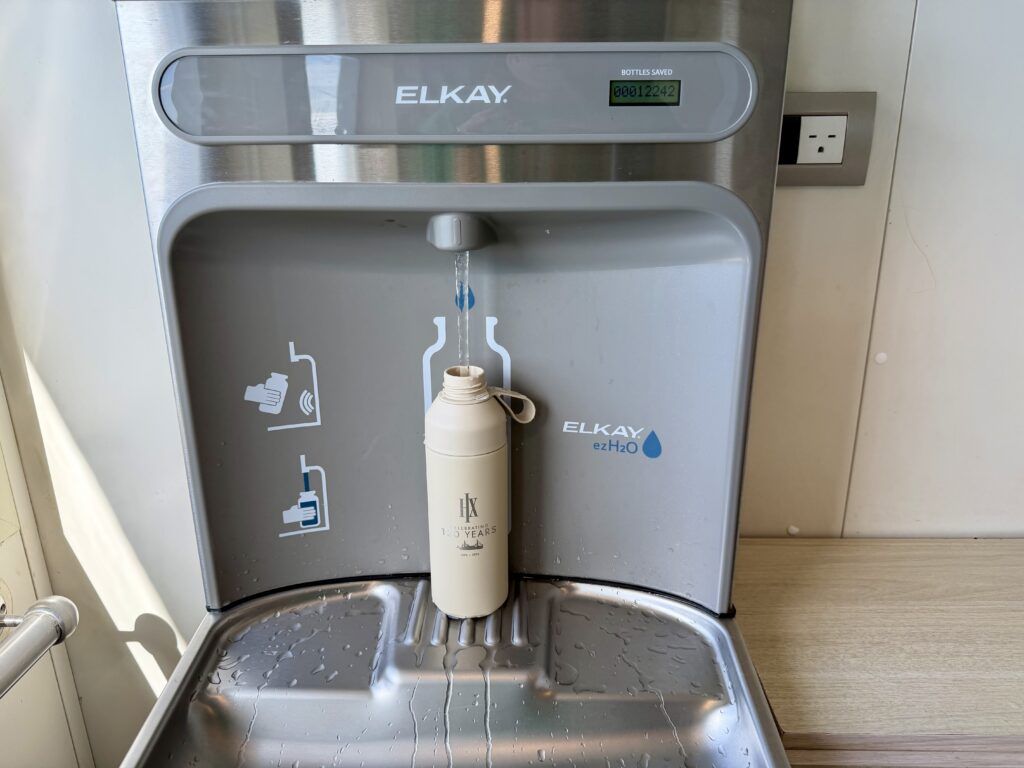
Of note: most cruise lines provide reusable water bottles and refill stations on the ship. This water is filtered and completely safe to drink (unlike tap water in Peru or Ecuador).
18. These Cabin Hacks Go a Long Way
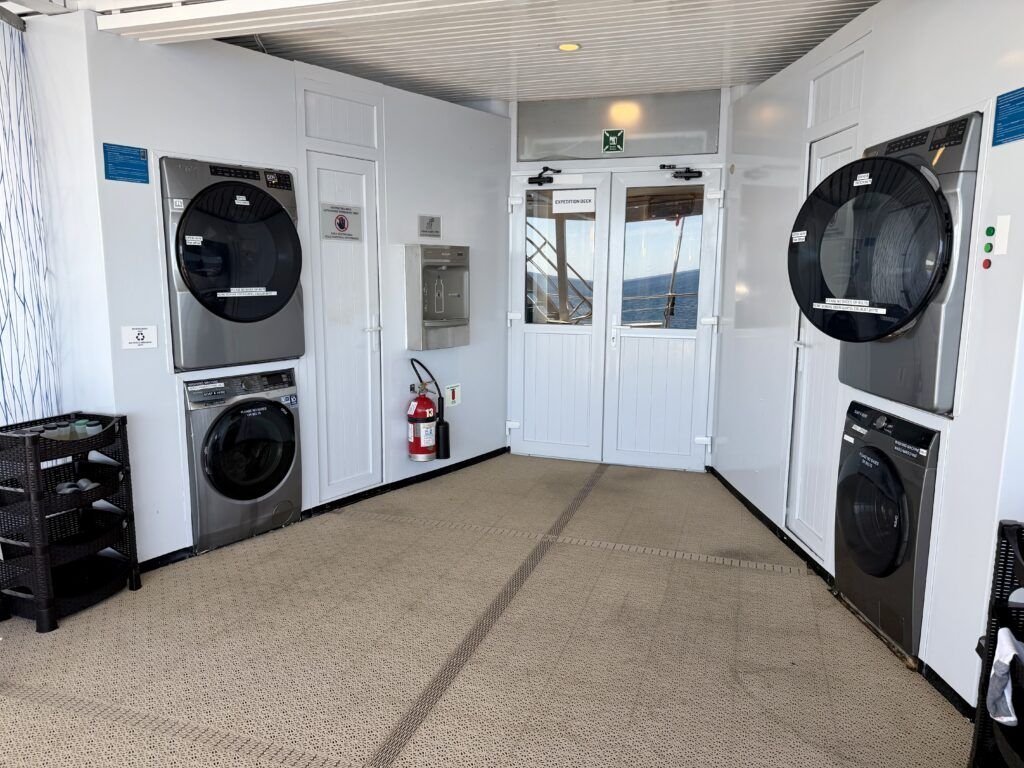
In addition to the above-mentioned essentials, you’ll want to pack some items to keep your cabin organized. The number one item we always recommend are magnetic hooks. These can be used to hang hats, bags, and jackets. You might also want to pack some travel hangers or a travel clothesline and clips to help with drying wet bathing suits and laundry. Yes, regardless of how well you pack, you will have to do laundry during the cruise.
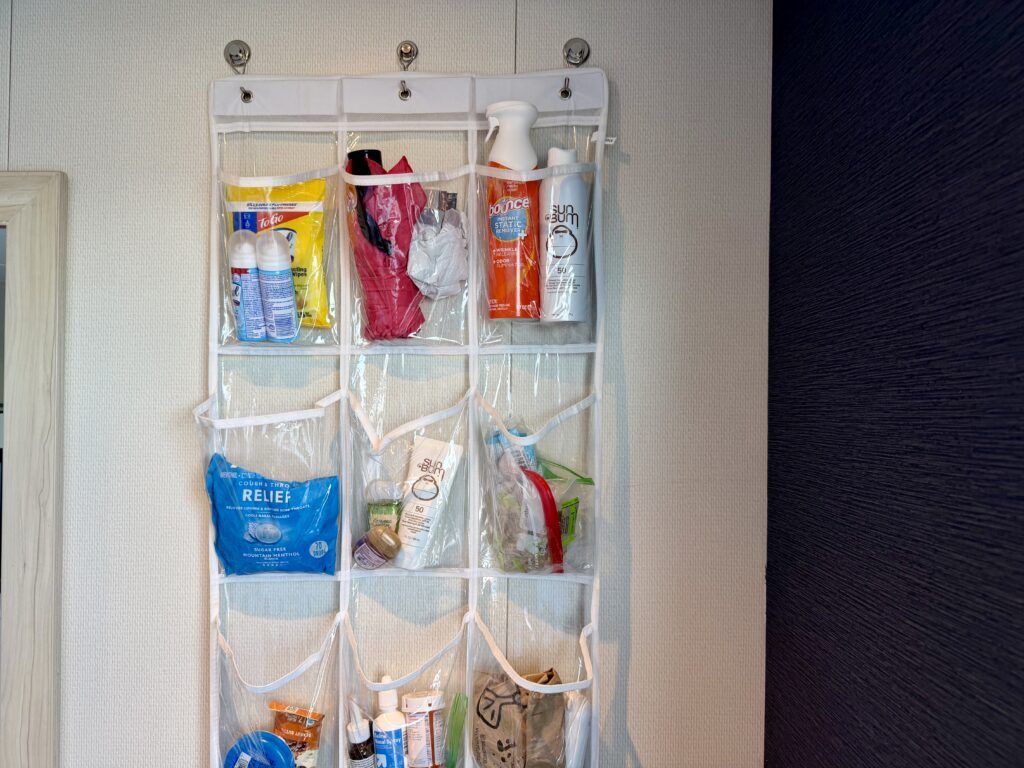
We always pack a plastic shoe organizer as well that we hang on the wall with magnets. We use this to store small items like toiletries, glasses and sunglasses, medications, sunscreen, binoculars, charging cords, and the like. With compact cruise cabins, these space-saving hacks go a long way in helping to free up closet and counter space.
19. The Currency and Power Outlets Work for U.S. Travelers
Ecuador uses the US dollar as its official currency, which is convenient for American travelers. However, many small vendors accept cash only and you’re not likely to find ATMs, so be sure to have enough cash on hand. Beyond the mandatory National Park fee and Transit Control Card (if not included in your cruise fare), you’ll want cash for crew and guide tips, any local purchases, and incidentals.
Another convenience is that power outlets in Ecuador are 110V so you won’t need any converters during your pre-cruise hotel stay. Though, you should check what outlet types are available on your cruise ship before packing.
20. There Are No Restrooms During Shore Landings
This is one of those practical realities that you might not think of right away, but it’s worth knowing upfront: once you’re ashore on a Galapagos landing, there are no bathrooms. You won’t find public facilities at visitor sites — the islands are protected wilderness, and the infrastructure simply doesn’t exist. Excursions typically run two to three hours per landing, so the timing is manageable for most people. The key is to make use of facilities on the ship right before boarding the zodiac. It’s also worth being mindful of water or coffee intake in the hour or so before each outing.
21. The No-Trace Rules Are Strict
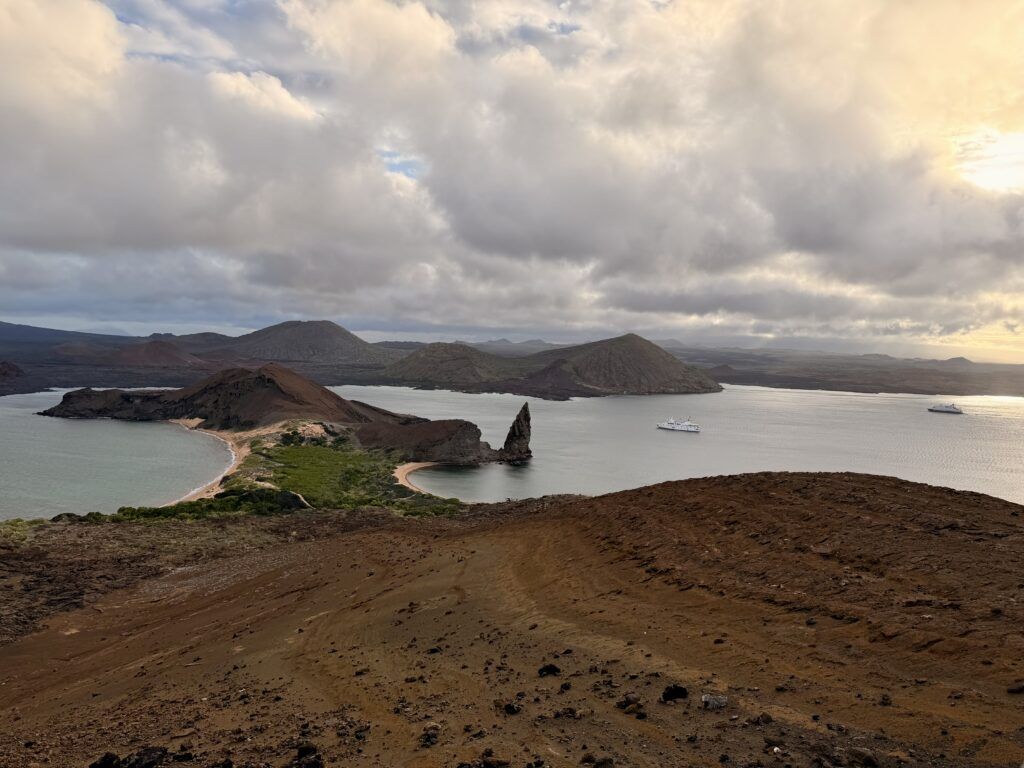
The Galapagos National Park operates under rigorous conservation rules. You must stay on marked trails at all times. You must maintain a minimum distance from wildlife — though the animals themselves often ignore this boundary entirely and approach you on their own terms. Further, you cannot touch, feed, or disturb any wildlife. No food or drink goes ashore except water and nothing comes back. All visits take place with a licensed naturalist guide, and going off on your own is not permitted.
In fact, HX takes conservation so seriously that they don’t even risk guests losing their ship key cards while ashore. The cruise line does not use key cards at all (which does mean that your rooms do not lock when going ashore — they can still be locked from the inside).
22. Life Onboard Is Casual and Expedition-Focused
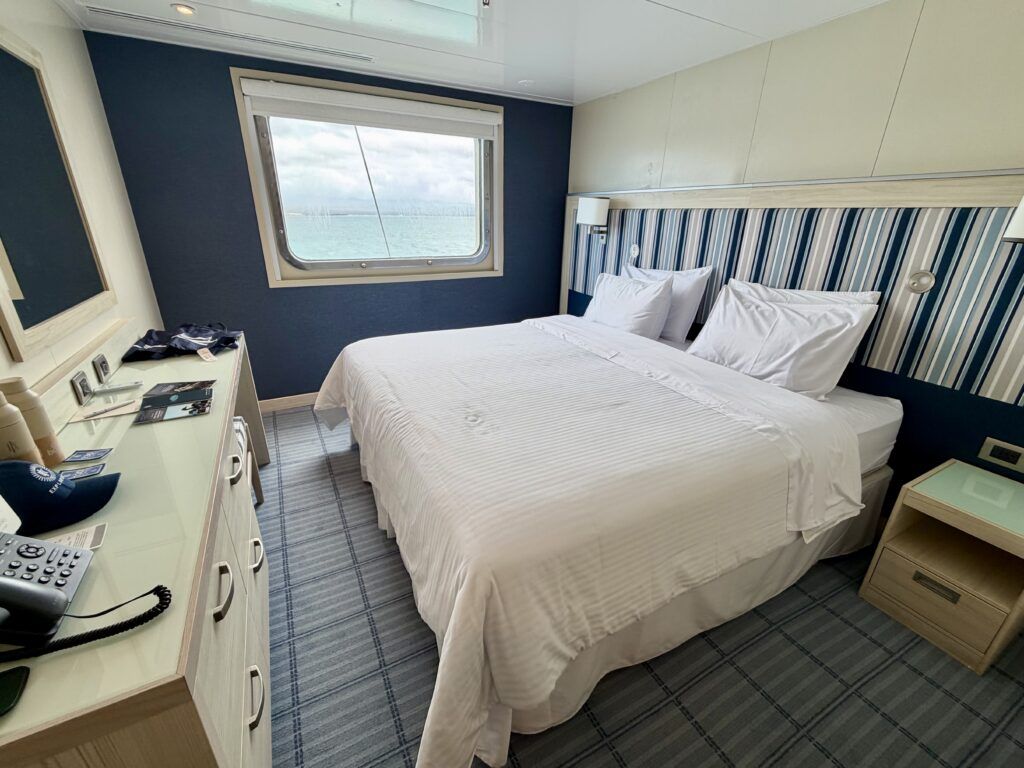
Don’t pack your formal outfits or worry about dress codes. Galapagos ships, particularly expedition-style vessels, are casual. The focus is entirely on the journey during the day, so you should dress comfortably for these activities. Evenings onboard are relaxed too — an expedition briefing for the next day, dinner in the main restaurant, and early bedtime. There is a bar onboard, but you’ll likely be too tired most nights to even grab an after-dinner drink.
Quick-dry clothing, layers for cool evenings, and comfortable outdoor gear cover virtually everything you’ll need. Of course, you’ll still want to shower and change up for dinner, but there’s no need for anything fancy. During our sailing, evening outfits ranged from shorts and t-shirts to jeans and collared shirts for men and casual dresses for women.
23. There’s Little Down Time
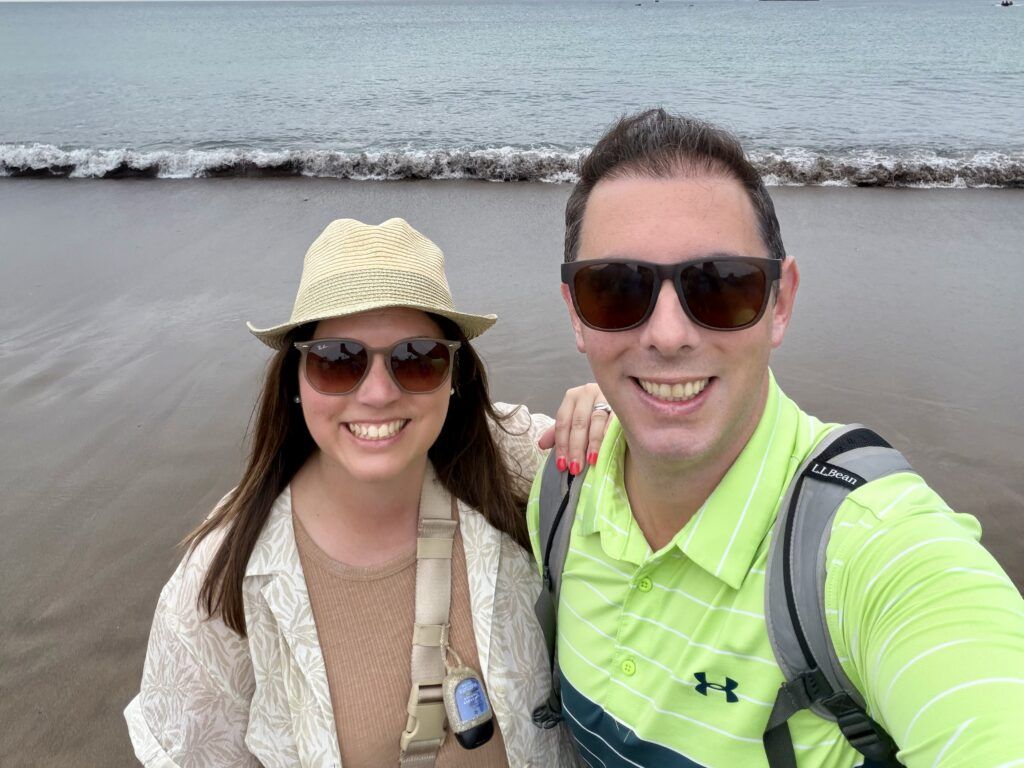
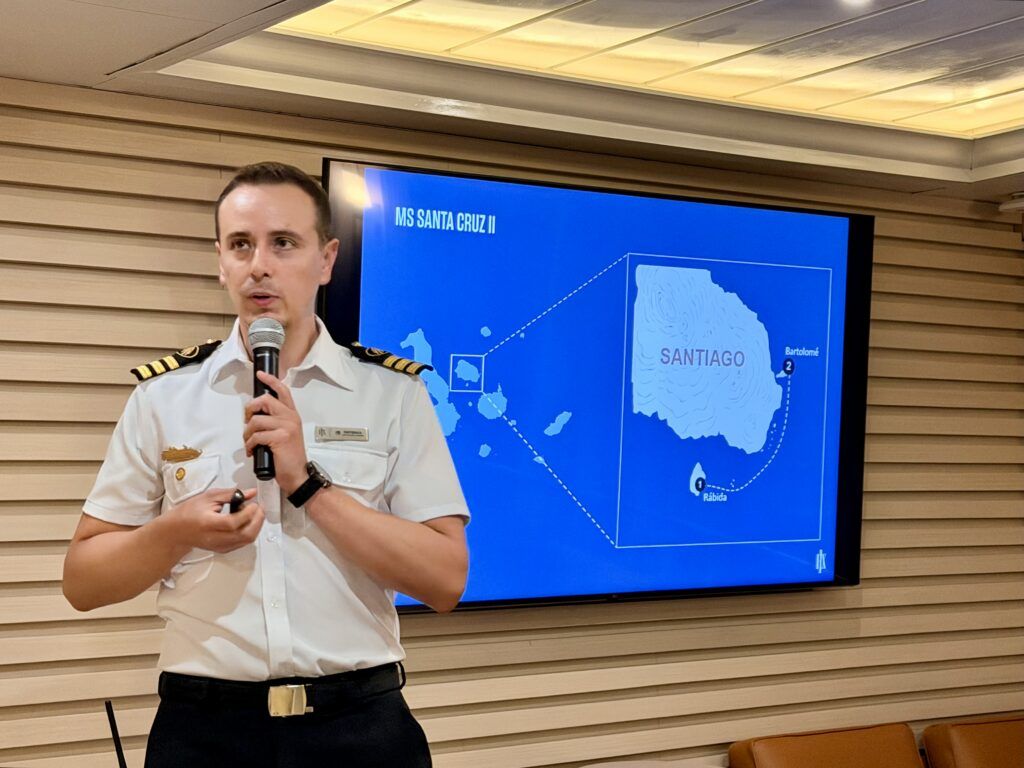
While we knew expedition cruising was active, even our previous Antarctica sailing didn’t fully prepare us for just how packed our itinerary would be. It started on embarkation day with a 6 AM hotel departure, flight from Quito to Baltra, mandatory briefings and safey drill once onboard, and an afternoon hike before dinner.
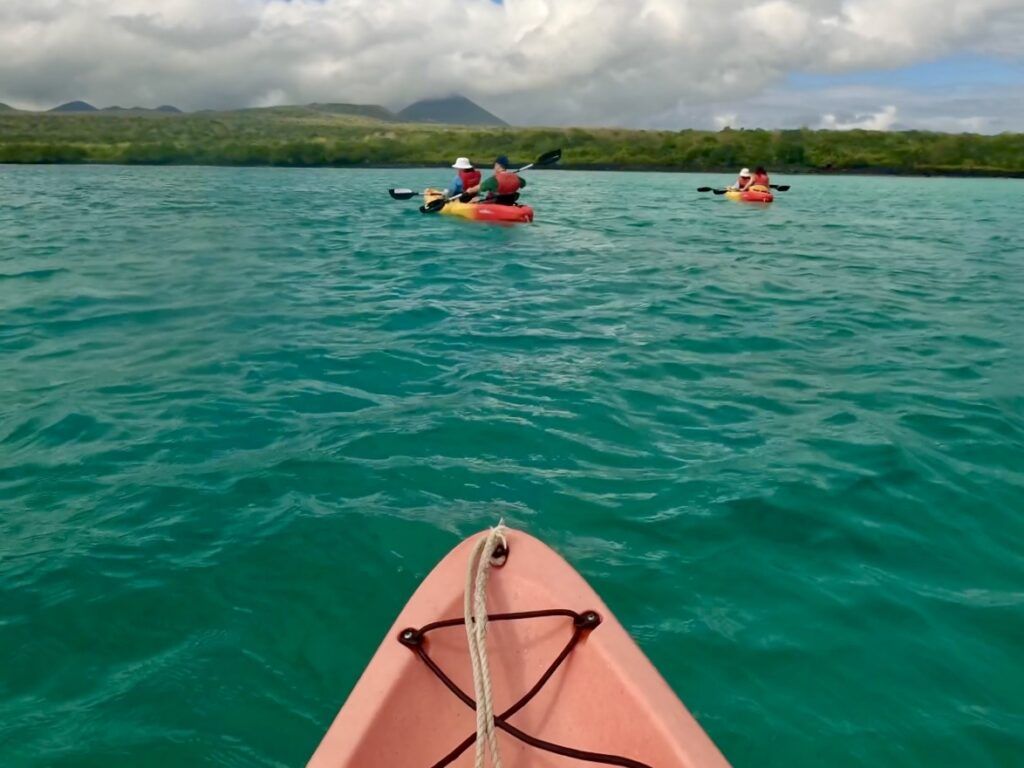
During our sailing, each day thereafter typically had three or four outings which could include hikes, deep water snorkeling, kayaking or paddleboarding, panga rides, beach landings for free time or snorkeling, and glass bottom boat tours for non-snorkelers. The schedule usually featured two activities before lunch and two activities after lunch with some starting as early as 6 AM and wrapping up as late as 6 PM.
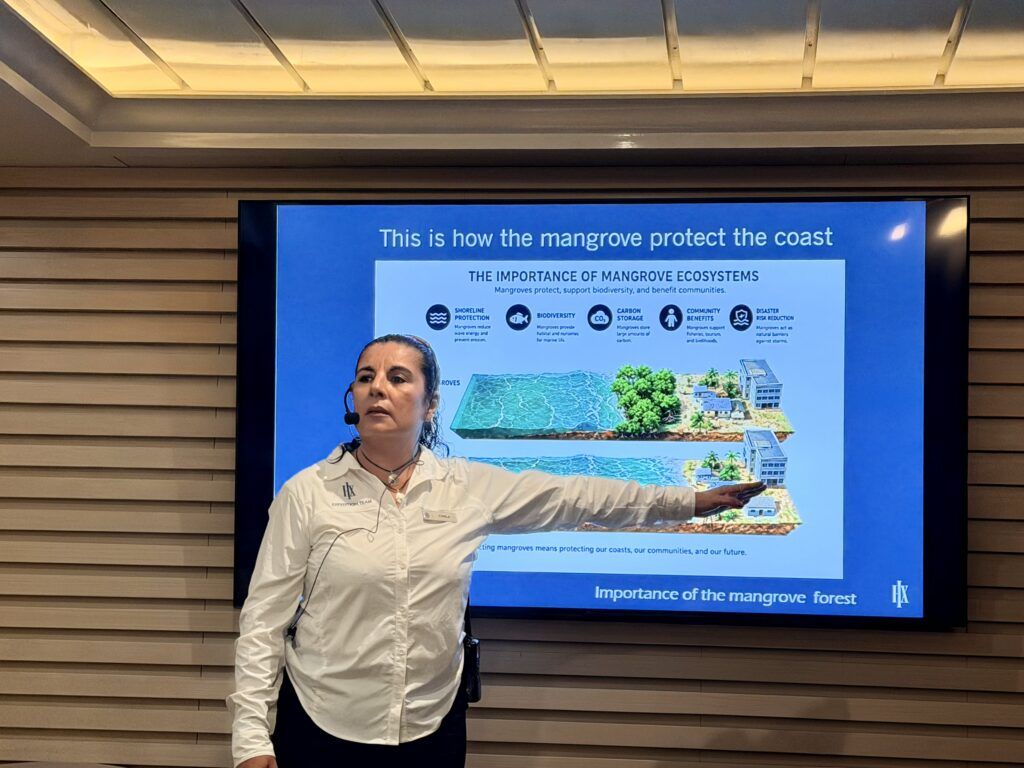
The evening activities started between 6:30 and 7 PM, consisting of a “tiny talk” (or mini-lecture), an expedition briefing for the next day, and then dinner. Other rare moments of free time were filled with educational talks, documentaries, and the like.
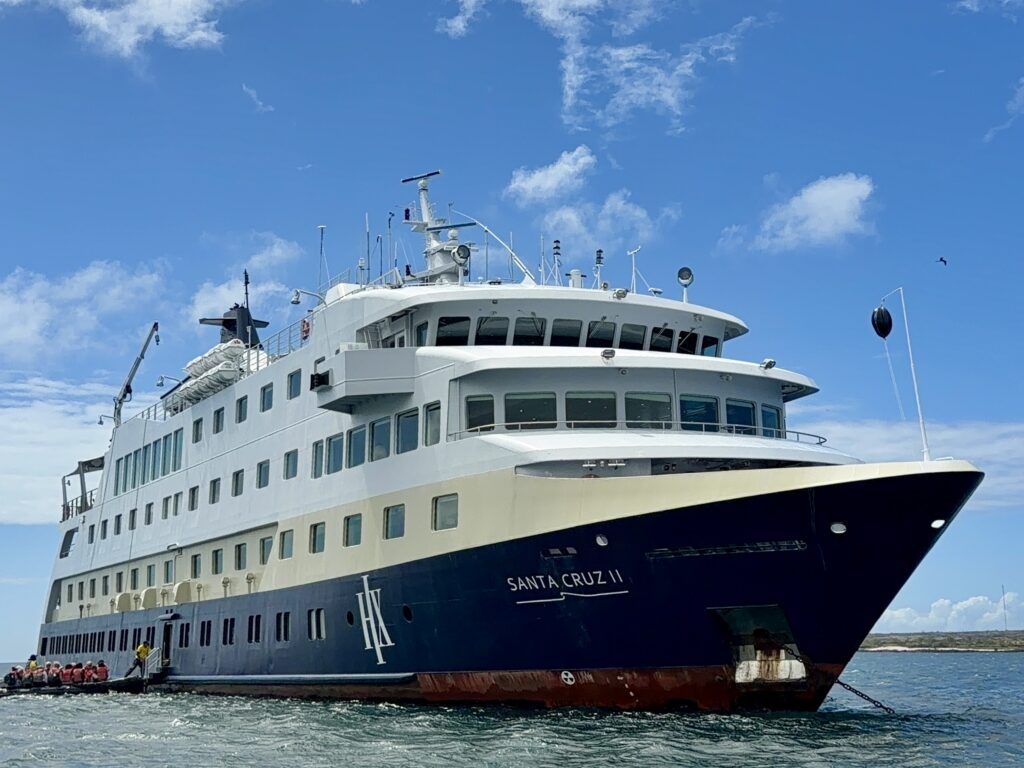
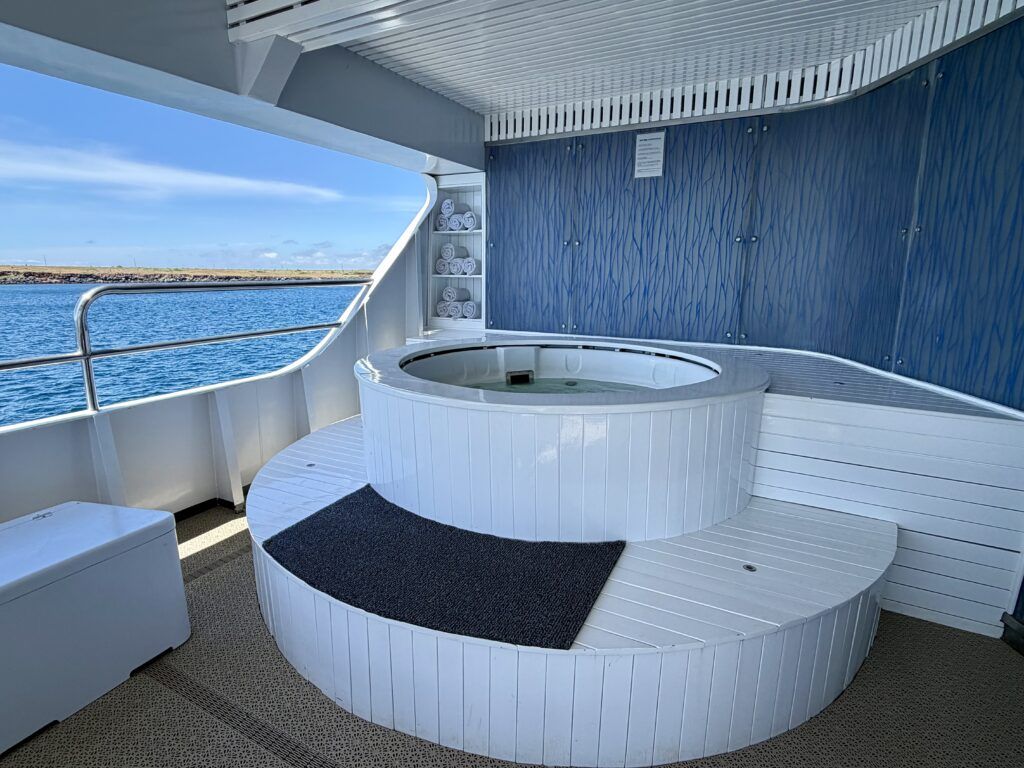
Of course, guests aren’t required to do it all. If you’d prefer some time to relax, you can do that too. Specifically on HX Santa Cruz II, there’s a bar with televisions to catch a game, a sundeck, two hot tubs, and the Science Center to grab a coffee and relax with a good book.

24. The Destination is Family-Friendly
Another thing that surprised us about our Galapagos cruise was the number of kids onboard. While this will vary by the specific cruise line you choose, the Galapagos in general is a very family-friendly destination. It’s also a great multi-generational trip. Most cruise lines sailing in the region allow kids around 6 years and older to sail.
Kids love animials, the outdoors, and active adventures, so parents will never have to worry about them being bored. Many lines even provide onboard activities and educational opportunities specifically for younger travelers.
Of note: while there are alternate options for those who want a less intense hike or don’t want to snorkel, a Galapagos cruise isn’t accessible for all guests. You must be able to climb in and out of a zodiac boat at the very least.
25. You’re Not as Disconnected as You Might Think
It’s true that the Galapagos Islands are remote, and you may want to truly disconnect during your trip. But you don’t have to! Starlink has revolutionized internet access in the Galapagos. While your international cell phone coverage probably won’t work while ashore in the National Park, the WiFi on your cruise ship is adequate for most needs. You likely won’t be able to stream Netflix or YouTube, but we had no issues checking emails, posting on social media, sending iMessages, and even completing a few Teams calls during the trip.
Bonus: Why Choose HX Expeditions
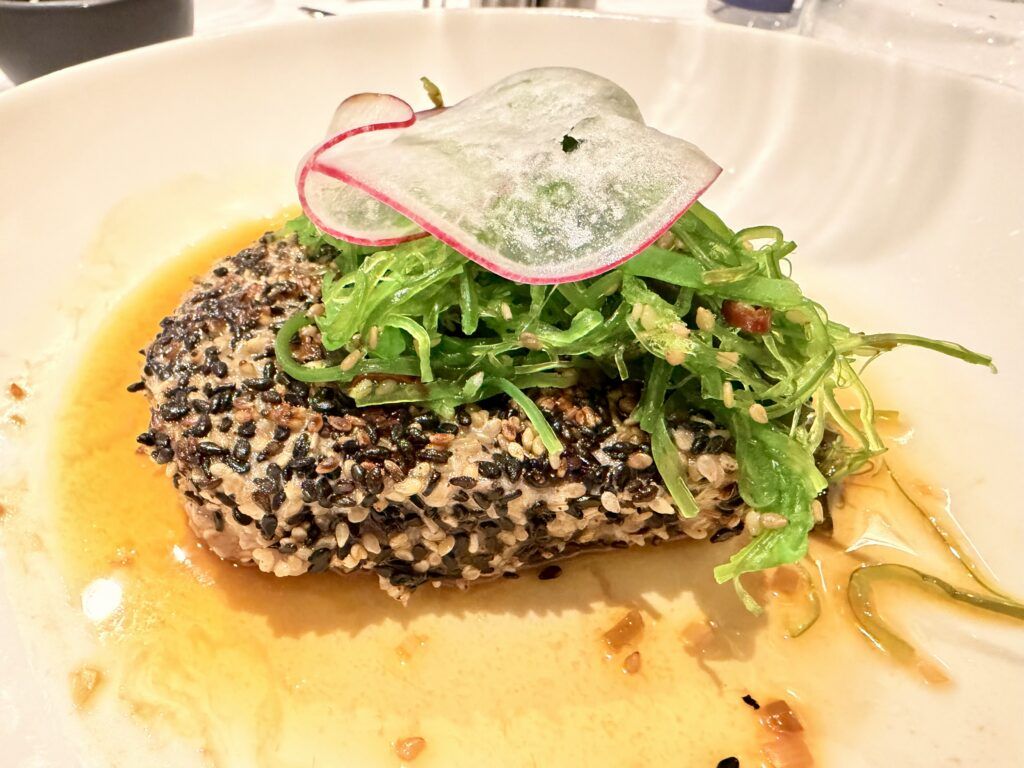
While inclusions will vary from cruise line to cruise line, we recently sailed with HX Expeditions and can tell you that quite a bit is included in the fare. An HX Galapagos cruise includes flights from Quito to Baltra and back, two nights in a hotel in Quito, airport transfers, an excursion in Quito pre-cruise, National Park admission fee, expedition gear (backpack and water bottle), all onboard activities, shore excursions along with use of snorkel equipment and walking sticks, all meals, all drinks (except premium offerings), gratuities, and WiFi.
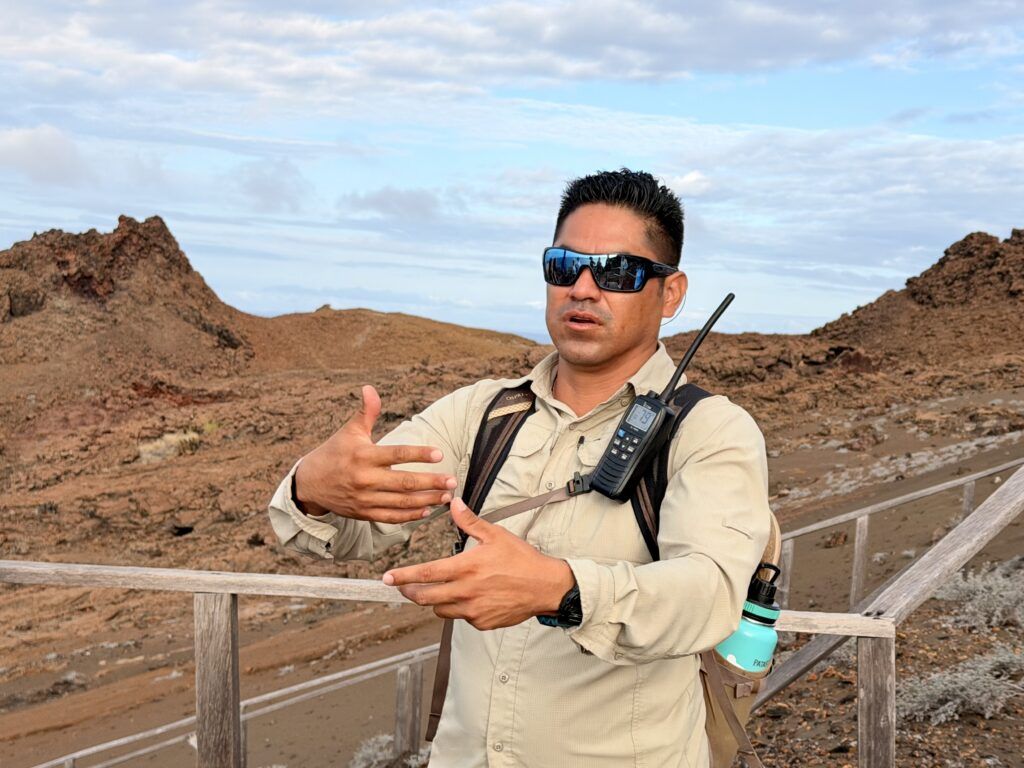
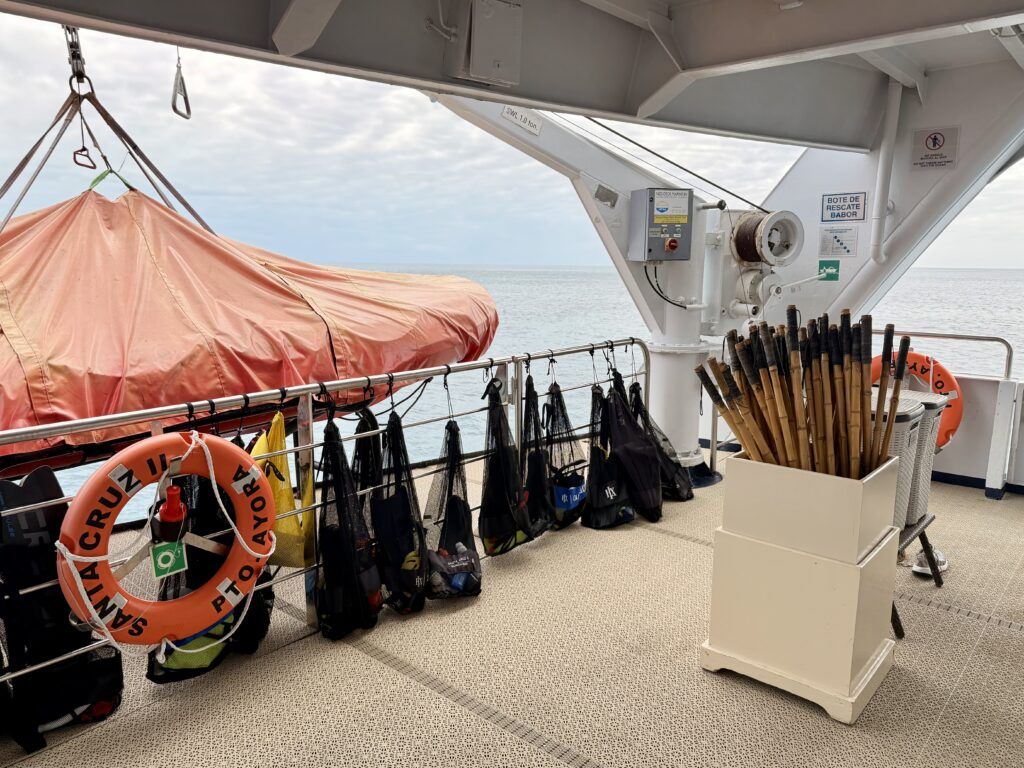
There are many options in the region, but HX has 130 years of expertise! The line places an emphasis on conservation and sustainability, and it appeals to a wide range of travelers from couples and families to adventurers and even solo travelers by offering a low single supplement.
While Santa Cruz II is a bit different than other ships in the fleet (think smallest and oldest), we can confidently say we wouldn’t hesitate to step aboard another HX ship in a different region of the world.
Comments
Are you planning a Galapagos cruise? If you’ve traveled here before, what other Galapagos cruise tips would you add to this list? Drop us an anchor below to share your expedition cruise experiences.