

 Heidi Bucolo
We’ve been cruising for 20 years and have visited hundreds of ports. We’ve made plenty of port day mistakes along the way too. A poorly planned day, a nearly-missed ship, a few dollars handed over that we didn’t need to spend. The good news is that almost none of it’s difficult to avoid once you know what to watch out for. Here are 20 cruise port day mistakes we’ve learned the hard way, along with the port day tips we use now to get the most out of every stop.
Showing Up With No Plan
The most common port day mistake made by first-timers is stepping off the ship with no idea of what to do while ashore. You end up burning precious minutes of a short stop standing on the pier deciding, or getting talked into the first overpriced tour a vendor waves at you. You’re often in port just five to eight hours, so you need to make the most of it.
Instead, decide before you sail whether you want to book an organized shore excursion (and book it ahead of time) or plan a do-it-yourself day. If you’d rather explore on your own, settle on the top things you most want to see or do while in port and map out a game plan. Even a loose plan with a rough order of stops beats wandering off the gangway and hoping to stumble upon something that catches your eye. Planning how you’ll get around for the day is also a smart move, whether that means walking, a taxi, Uber, or public transit.

Not Knowing Whether It’s a Tender Port
Not every port has a dock, and even if it does, they may be full or your ship might be too big to reach it. In this scenario, the ship anchors offshore and ferries you to shore on small boats. This process changes all the logistics. Tendering adds time on both ends, lines build quickly or you may even be required to get tender tickets in advance, and guests with booked tours usually get priority off the ship.
The fix is to check whether each stop is docked or tender before you sail, which the itinerary or a quick search will tell you. If it’s a tender port, either grab a tender ticket early or plan a relaxed later start instead of fighting the first-wave crowds. This is an instance where it might make sense to book a tour with the cruise line, or make sure to give yourself enough wiggle room to get ashore if you do book a private tour.

Getting Off Without Knowing the All-Aboard Time
Perhaps the biggest cruise port day mistake you could make is not knowing what time you need to be back on the ship. The all-aboard time is not the same as the departure time; it’s usually 30 to 60 minutes earlier to give the crew time to pull up the gangway before sailing on to the next stop. And remember, the ship will not wait for independent travelers who are late getting back. We’ve watched plenty of pier runners over the years and heard all the stories of those people who actually missed the ship.
What we do is always check and double check the all-aboard time in the daily planner or the app before we step off, then take a screenshot as a back up. You can even confirm with the staff as you scan off the ship. Knowing that time is the single most important thing to do on a port day.
Not Setting Your Phone to Ship Time
Don’t let your phone make you miss the all-aboard time either. When you need to be back on the ship is always based on ship time; however, ship time might not always match local time. Your phone grabs local time the moment it finds a signal in port, often even if you leave it in airplane mode. That gap has stranded plenty of cruisers who planned their return around the wrong clock and showed up an hour late without realizing it.
It’s better to take the phone off automatic time zone and set it manually to match the ship’s clock, then leave it there for the whole sailing. That way you’re always working from the only clock that matters, the ship’s.

Cutting It Too Close Getting Back
Nobody plans to be the pier runner in everyone else’s vacation video, but it happens when you leave no buffer. Traffic is heavy, independent tours return late, the walk back to the pier is farther than it looked, or you lost track of time on the beach. Even though you know the all-aboard time, it doesn’t help if you don’t make it back to the ship on time! Remember, the only instance the ship will wait for you is if you’re on a cruise ship excursion. Otherwise, it’s your responsibility to meet the ship in the next port on your own dime.
We always aim to be back at the pier 30 to 60 minutes before all-aboard, and build in even more cushion if we’re venturing off to attractions a considerable distance away. Padding the schedule has saved us more than once, due to unforeseen traffic from accidents.
Not Knowing Your Docking Location
Large cruise ports often have multiple terminals, and knowing exactly where your ship is docked matters more than people expect. You’ll need to know this information for meeting an independent tour, for finding your way back or giving directions to the taxi driver, and for anything that goes sideways during the day. It’s also important for planning and time management because some docking locations are significantly further away from town than others.
Before we get off the ship, we note the specific pier name, the address, and the local port authority contact. We recommend screenshoting all of it, which can usually be found somewhere on the daily planner. Handing a taxi driver an exact address at the end of a long day, especially when there’s a language barrier, beats telling them “cruise ship pier” and hoping you end up at the right berth.
Forgetting Your ID
Another big port day mistake is going ashore without any identification. You’ll need your keycard to get both off and back on the ship. However, it’s also important to carry some form of ID, just in case something goes wrong. Some ports even require one. While a driver’s license is usually enough, some destinations do require a passport so be sure to confirm before heading out for the day.
We always take our cruise keycard along with our driver’s license when going ashore (and a photo of our passport on our phones). We prefer to leave our physical passports on the ship unless required, so there’s less chance of them getting lost or stolen while in port. Sorting out the ID requirements before you reach the gangway beats discovering it once you’re already standing in the line to disembark.
Heading Out Without a Day Bag
Because you don’t need to worry about anything while you’re on the ship, walking off in port empty-handed seems natural until you’re thirsty, sunburned, and three hours into the day with a dead phone. This is a sure way of turning a fun port day into a miserable one.
Instead, always pack a small day bag with all the essentials. These include a water bottle, sunscreen and sunglasses, hand sanitizer, any medication you might need, a portable phone charger, a light layer and a hat, and a raincoat or umbrella. Some bug spray or even a few bandaids might be helpful if you’re planning an active adventure. Also, check your shore excursion tickets for directions on whether you need to bring swimwear or towels from the ship. Being prepared is crucial for a smooth day ashore.
Relying on Your Phone to Work in Port
Assuming your phone will just work in port is a fast way to run up roaming charges or get lost in a dead zone with no map. The moment you need directions or a translation is the moment you don’t want to be searching for a signal.
Before leaving on the trip, confirm what your cell phone plan actually covers abroad, and decide whether you want/need to purchase additional international coverage (for cellular, data, or both). Either way, plan ahead and download offline maps, a translator app, and any tour tickets ahead of time. Even if you do have coverage, it could be spotty. We also screenshot the key details like tour meeting points, just in case.
Ignoring Local or Tour Dress Codes
Just because you’re cruising to the Caribbean or the Mediterranean, it doesn’t mean you can automatically dress like you’re going to the beach at every port. Churches and religious sites often require covered shoulders and knees, a few countries prohibit camouflage clothing (many in the Caribbean), and several tours call for closed-toe shoes or long pants. You’ll want to know about these requirements in advance so you can pack accordingly for the trip and dress appropriately for the day.
The fix is to check your shore excursion tickets before you dress and wear something appropriate for where you’re actually headed. Comfort is key, but you also want to make sure you’re following the rules or you may be denied entrance or participation in an activity. When traveling in Europe, it’s always a good idea to keep a light scarf or layer in your day bag as a backup, so you’re never caught off guard by the dress code at a church, temple, or mosque.

Not Having Local Currency or a Credit Card
When traveling abroad, it’s always smart to have some local currency, especially small bills. Assuming your card works everywhere, or relying on the exchange booth at the pier, will cost you. Small vendors, taxis, and tips are often cash only, and pier-side exchange rates are usually the worst you’ll find anywhere in the port.
Instead, plan to get local currency from your bank before you travel. Also carry a credit card that charges no foreign transaction fees. That combination should cover you for almost every situation while ashore in a port of call. The amount of cash you bring depends entirely on you. Consider how much shopping you want to do, how much you’ll tip guides, and whether you’d prefer to pay for everything in cash or use a credit card where accepted.
Not Knowing What You Can Bring Off and Back On the Ship
Every port has customs rules, and so does your ship. Fresh food, plants, and illegal substances are always prohibited, but certain other goods can be confiscated coming or going as well. Places like Australia are very strict about biosecurity, so you’re not allowed to bring anything off the ship, not even snacks for the day. On most major cruise lines, alcohol you buy ashore usually gets held until the end of the cruise, so don’t plan to buy a bottle of Caribbean rum or wine to drink on the ship.
Always pay attention to the port’s customs basics which are usually printed in the daily planner or announced to guests before going ashore. Also know your cruise line’s re-boarding rules and list of prohibited items before you spend. A little homework keeps a souvenir from turning into a confiscated one at the security checkpoint on the way back aboard.
Booking Every Excursion Through the Cruise Line
We get it: the cruise line’s tours feel like the safe default, especially for first-timers who are concerned about missing the ship. But these shore excursions usually carry a higher price tag and operate on large tour buses. If you want something a bit more authentic, a cheaper price, or smaller group sizes, you have other options.
What we do now is compare independent options before booking, including third party vendors like Shore Excursions Group that back their tours with a return-to-ship guarantee. We frequently book comparable trips for less with smaller groups that offer an equivalent or better experience. The ship tours still earn their place in certain situations like short port stops or tender ports, but they’re no longer our automatic first choice everywhere.
Booking a Shore Excursion in Every Port
Locking in an organized shore excursion at every stop can get expensive and exhausting. In destinations like Alaska or the Mediterranean, each tour can cost hundreds of dollars, meaning a family of four can easily spend $5000+ just on tours. Plus, by mid-cruise you might end up feeling so worn out and over-scheduled that you don’t even really enjoy the experience.
Instead, book excursions for bucket-list activities or sites you can’t easily reach on your own, and alternate with some low key or do-it-yourself days in other ports. Wander a walkable town on foot, grab lunch at a local restaurant, or take a taxi to the beach. Even if you do prefer a scheduled tour in each port, book a mix — short 3 or 4-hour tours coupled with full-day excursions and relaxing experiences paired with demanding adventures.
Feeling Like You Must Get Off at Every Port
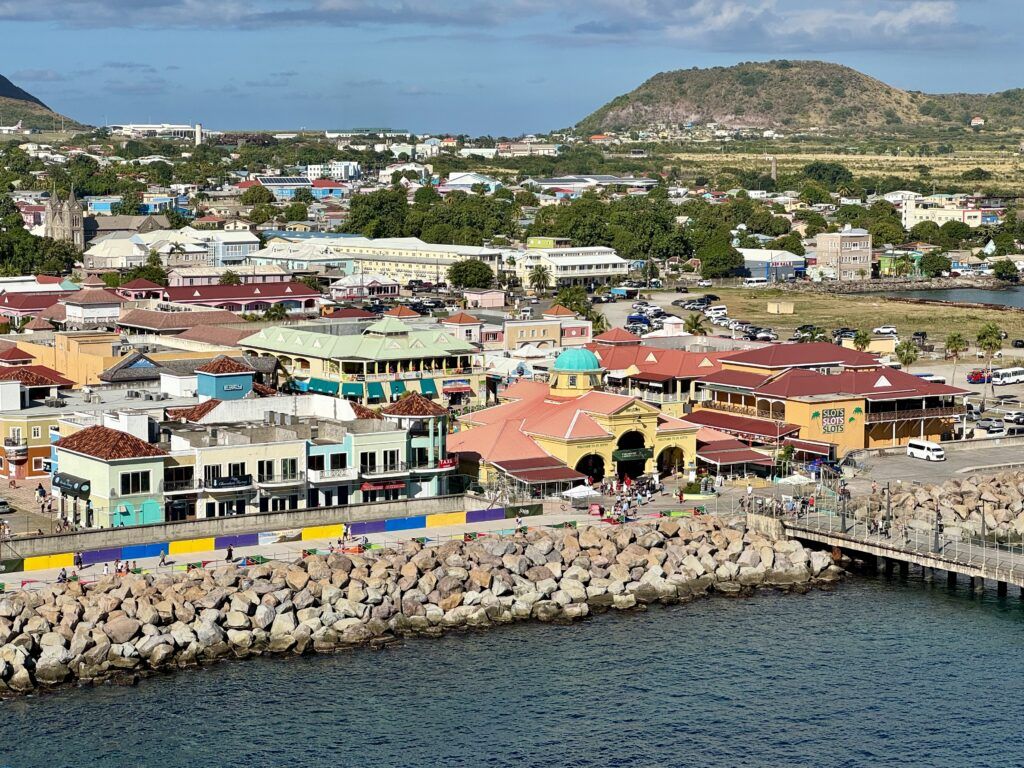
Treating every port as mandatory is definitely a cruise mistake and one it took us a while to realize. Just because your cruise ship is docking in a destination for the day, it doesn’t mean you have to get off the ship. You can absolutely stay onboard and enjoy the near-empty ship while everyone else is ashore. The pools are free, the loungers are plentiful, and the lines disappear the moment the gangway crowd heads into port.
If we’ve visited a port many times before or one simply doesn’t interest us, we stay aboard on purpose and enjoy the calm, maybe even a port day deal at the spa. This is also a great opportunity to take advantage of the ship’s onboard attractions and amenities: ride the waterslides, play a round of mini-golf, take a dip in the pool, read a book in the quiet observation lounge, or dine at one of the specialty restaurants for lunch (if open).
Letting Bad Weather Ruin the Day
A rainy or brutally hot port day only ruins the plan if you didn’t properly prepare for it. Weather at a port of call can swing from a passing shower to an all-day soaker, and heat and humidity can be draining if you’re caught without water or shade. It can also cancel your plans outright, since tenders, catamarans, helicopter tours, and other outdoor excursions are the first things called off when bad weather rolls in.
Instead, check the weather before you head out, pack a compact rain jacket or umbrella, and always keep a plan B in mind, just in case a tour or activity gets canceled due to rain, wind, or fog. If it’s going to be exceptionally hot, pack extra water, a hat, and portable fans or cooling towels. A little prep goes a long way.

Overscheduling Your Day
The flip side of no plan is too much plan. Cramming two tours and time for shopping into a six-hour window means rushing everything, enjoying none of it, and adding the risk of missing all-aboard time. Booking full-day tours in every single port is also exhausting and leaves no time for spontaneity.
It’s better to build the day around one or two major attractions with generous travel time between them, and leave slack for the unexpected or downtime to just wander. We typically don’t recommend booking more than one tour in each port either, unless you’re docked until late in the evening. You should also consider your gameplan across the entire week to avoid travel fatigue towards the end of the cruise.
Letting Your Guard Down in Port
Vacation mode makes it easy to forget that tourists are targets. Common port scams range from inflated taxi fares to selling misrepresented services, pushy vendors, and overcharging your credit card for purchases. Cruisers also need to stay vigilant for pickpocket teams working the crowded spots near the main attractions or on public transportation.
Some helpful cruise port day tips are: agree on a price before getting in any taxi, keep valuables in a crossbody bag in front of you not in pants or jacket pockets, stay aware in busy areas and stick with your travel party or tour group, only book tours with reputable operators, don’t engage with aggressive sales tactics, and always confirm the price before swiping your credit card.

Sleeping In and Wasting Part of Your Port Day
Port hours are finite, and a slow start to the day can cost you. Most ships are cleared for passengers to go ashore within the first hour after they dock, yet plenty of cruisers roll off hours later. Mornings are usually cooler, less crowded, and the window when sites and tours are at their calmest. On a short stop especially, an extra hour in bed is an hour you miss exploring a new destination.
Instead, order some room service while you get ready or grab a quick breakfast in the buffet and get off the ship early. Front-load the day’s must-dos when it’s cooler and less crowded, then head back to relax onboard in the afternoon if you want downtime. If you have a tour that starts a little later in the day, consider getting off the ship beforehand to walk around on your own before joining the group activity.
Doing the Same Thing in Every Port
Falling into the same routine at every stop is a big port day mistake. Grabbing lunch at the pier-side chain restaurant, a drink at the local tourist trap, and a magnet from the first street vendor you see, means you miss what actually makes each place different. The same applies if you make every day a beach day. The whole point of traveling is seeing and doing new things.
What we try to do instead is experience something specific to each stop. That might mean visiting the signature attraction, trying the local dish, grabbing a coffee at a less touristy cafe, or challenging ourselves with a new adventure. The unique history, culture, cuisine, and landscape are exactly what set one port apart from the next, and they’re what you’ll actually remember long after the trip.
Comments
Which of these cruise port day mistakes have you made? Do you have any other port day tips to add? Drop us an anchor below to share how you make the most of your time ashore.









)
)