 Heidi Bucolo
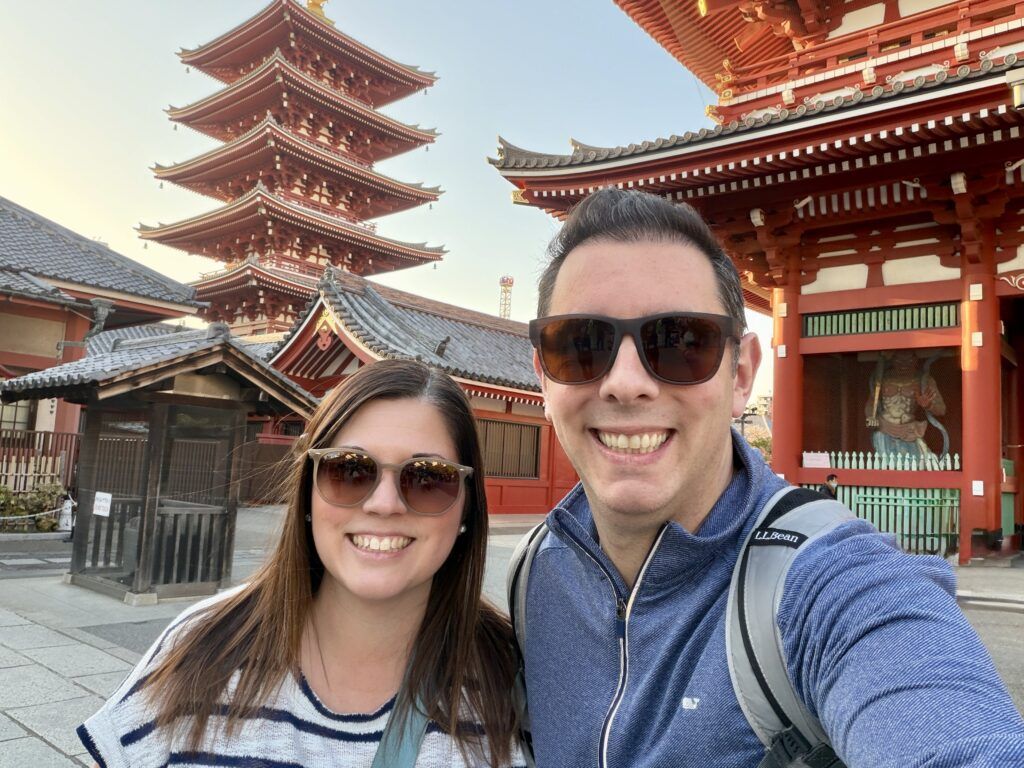
During our nearly 20-year cruise history as a couple, we’ve visited many exciting cruise destinations around the globe but we had never been to Asia until now. We just returned from our first cruise to Japan and it was fascinating — ancient shrines and temples, unique food options, and a culture so distinct that even seasoned travelers visiting for the first time may find themselves surprised.
Much like any new destintation you’re visiting — whether that’s Alaska, Antarctica, or elsewhere — the more prepared you are before you sail, the more you’ll get out of every port day. If you’re planning a cruise to Japan, we’ve got lots of helpful Japan cruise tips following our recent trip. Here’s everything we wish we knew before our first cruise to Japan.
1. Why a Cruise Is One of the Best Ways to See Japan
Japan is an island nation with dozens of distinct regions, each with its own food, culture, and character. Seeing it by cruise ship is one of the easiest ways to experience that variety without the logistical headache of trains, hotels, and transfers between cities. You unpack once and wake up somewhere new every day. With popular ports and historic sites spread across the country, a cruise connects them into one seamless trip.
Japan is very safe, and the people are extremely friendly, making it an ideal cruise destination even for those who might be nervous about exploring in a country with such a language barrier.
2. Best Time of Year to Cruise Japan
Japan has four distinct seasons and each one offers a different experience, so the “best time” depends what you’re looking for in your vacation. Spring, when we visited, is the most popular time to cruise thanks to the cherry blossoms, or sakura season. Summer brings festivals, lush greenery, and warmer temperatures, though it can be hot and humid particularly in southern ports. It’s also worth noting that Japan’s typhoon season, much like hurricane season in the Caribbean, runs from summer through early fall. Though, August and September carry the highest risk of disruptions to itineraries.
Autumn may be Japan’s most underrated season. The fall foliage, known as koyo, transforms the landscape into vivid shades of red, orange, and gold, and the crowds are significantly lighter than spring. Winter sailings are less common but offer a quieter experience.
For most first-timers, spring or fall are the sweet spots.
3. Cherry Blossom Season & What to Expect
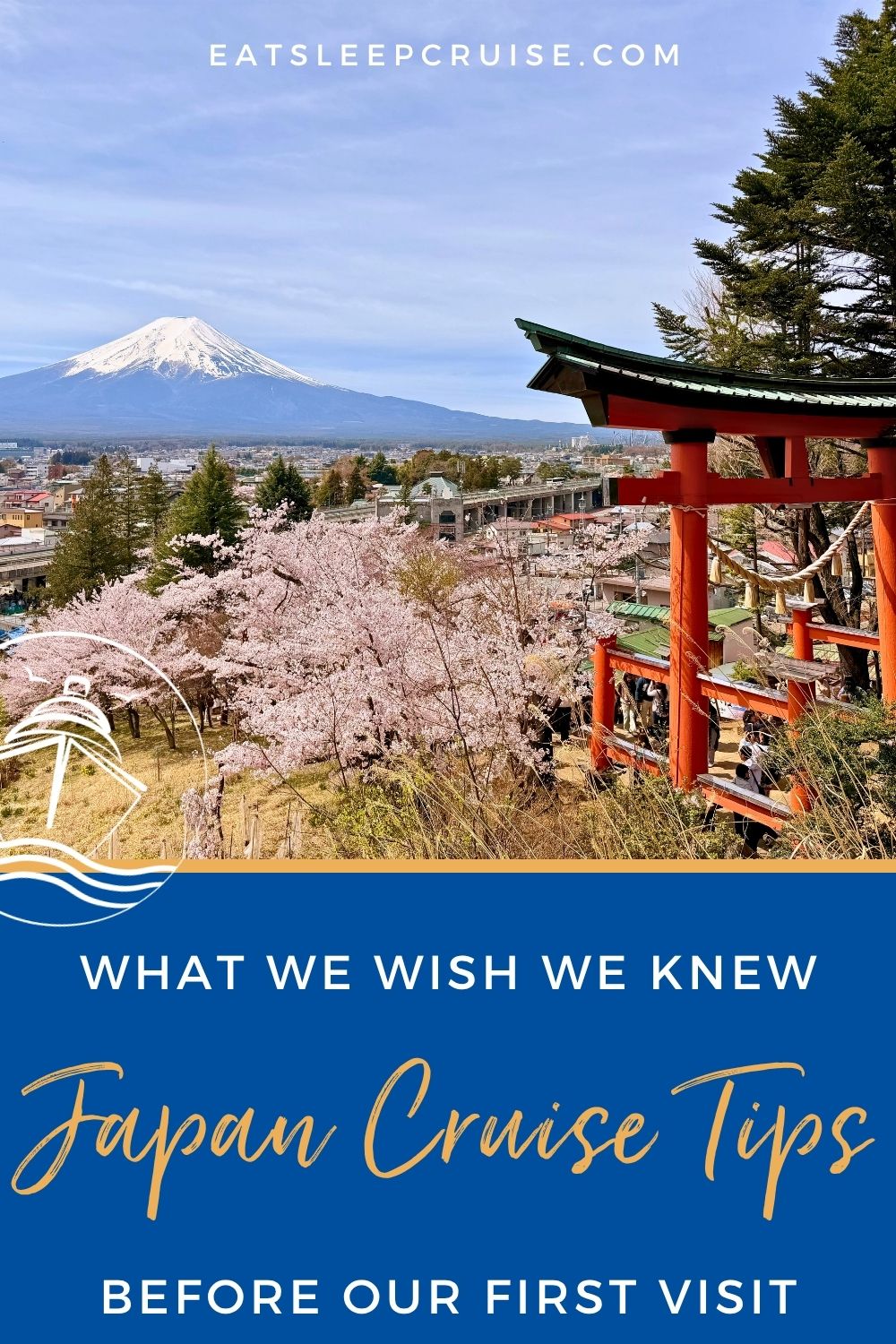
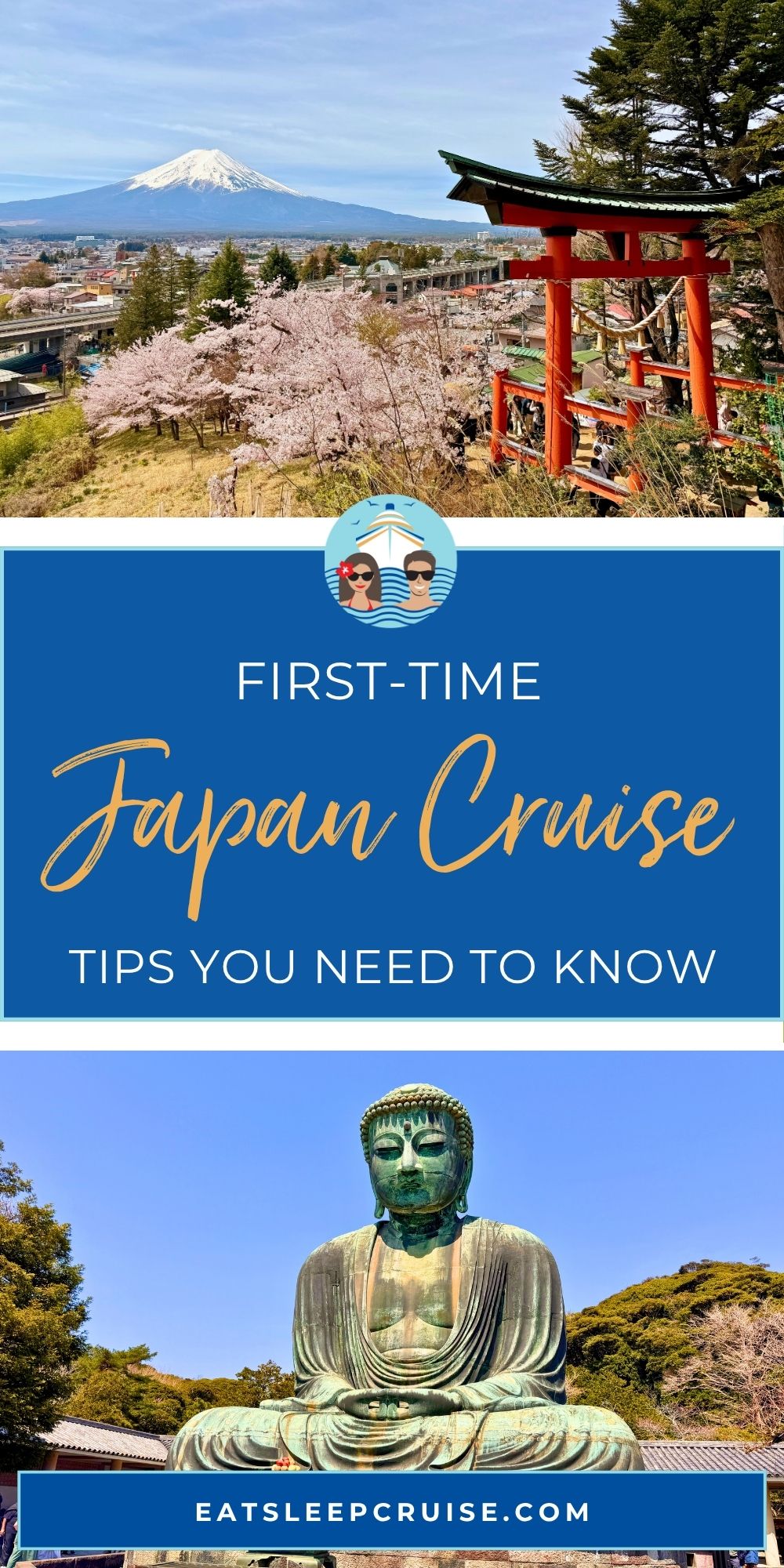
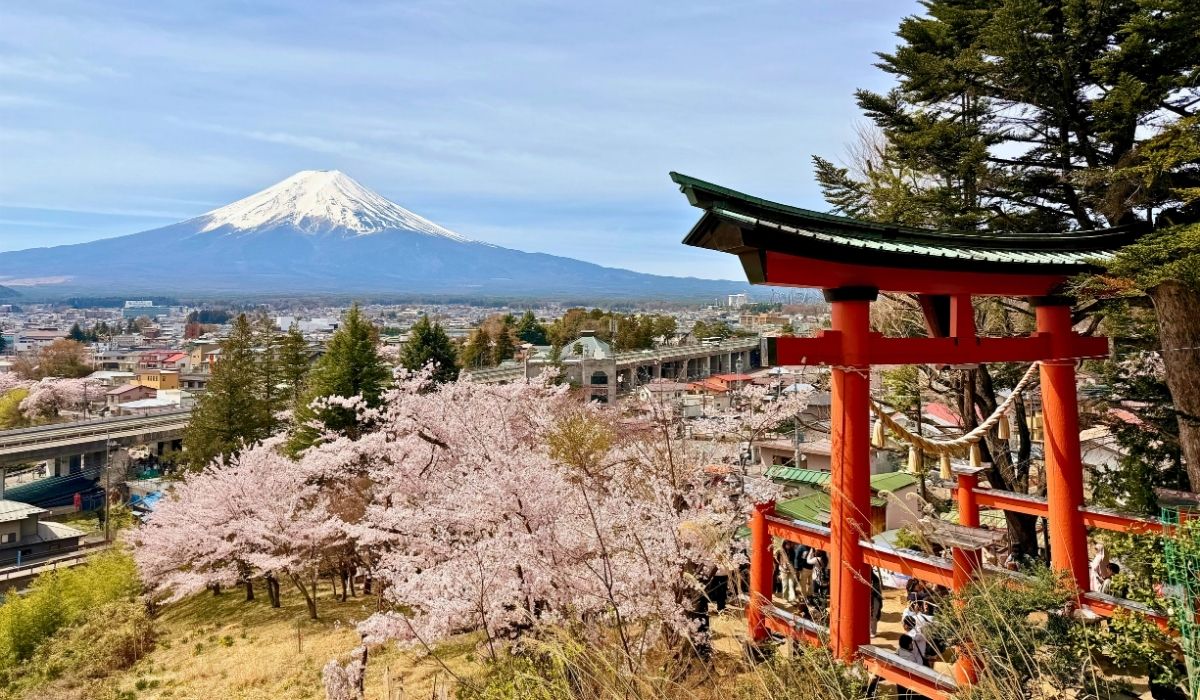
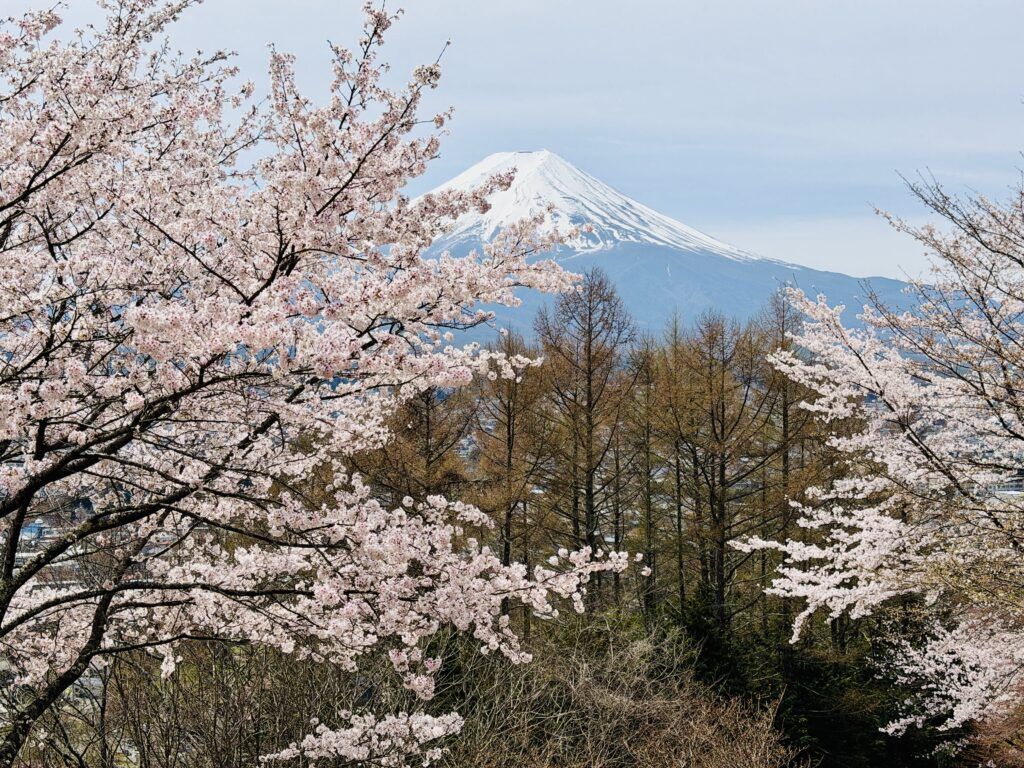
Sakura season is on many travelers’ bucket lists for good reason. When Japan’s cherry blossoms are in full bloom, typically late March through mid-April (depending on the year and region), the entire country transforms into something truly magical. Parks, temple grounds, and city streets are blanketed in pink and white blossoms. Imagine seeing Mt. Fuji framed by beautiful pink flowers!
However, this means that sakura season is Japan’s peak tourism period and cruise ships sailing during this window fill up fast — often a year or more in advance. Port cities will be noticeably more crowded, and shore excursions could sell out well in advance. None of this should deter you, but just go into the trip prepared and with realistic expectations.
4. Which Cruise Lines Sail to Japan
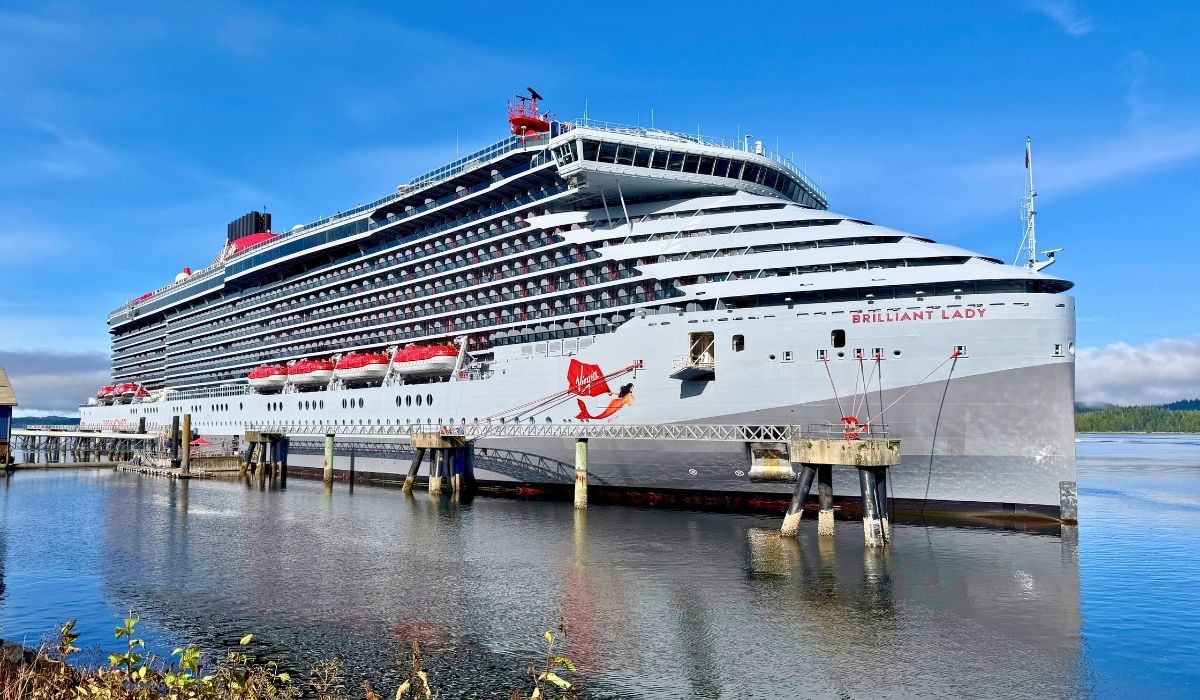
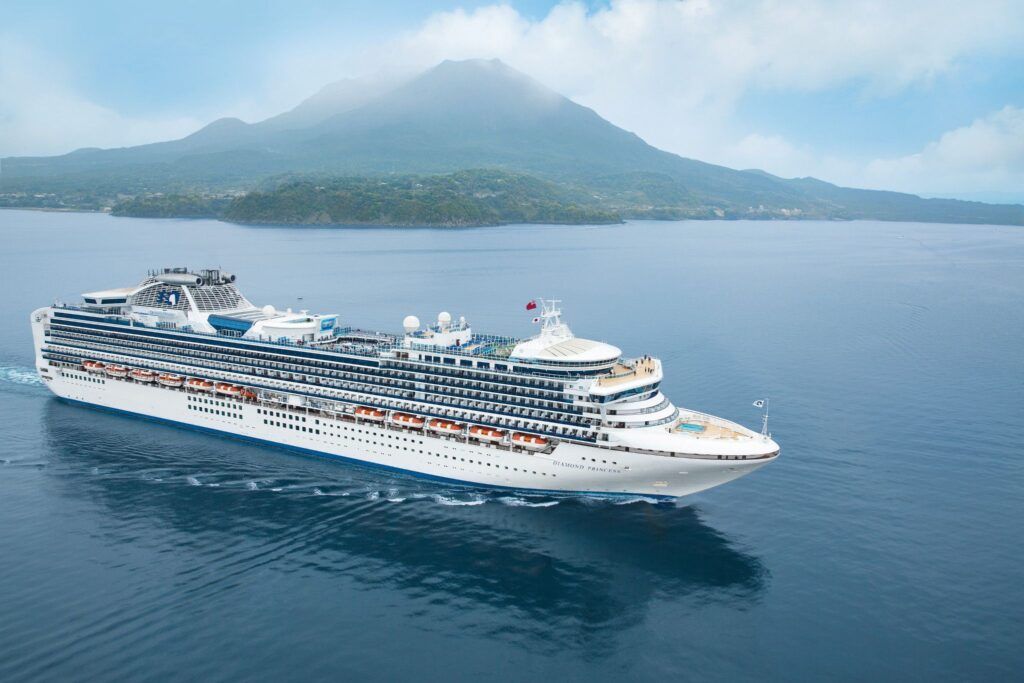
Several major cruise lines operate Japan itineraries seasonally, giving you plenty of options depending on your budget and travel style. Princess Cruises is a leader in Japan cruising for North American travelers, with Diamond Princess built specifically for the region and offering dozens of itineraries. In 2027, both Diamond Princess and Sapphire Princess will sail in Japan.
Royal Caribbean, Celebrity Cruises, Holland America, Norwegian Cruise Line, MSC Cruises, Oceania, and Azamara all offer Japan sailings as well, often as part of longer Asia itineraries. For luxury travelers, Silversea, Seabourn, and Regent Seven Seas all offer smaller-ship Japan voyages with more immersive port lineups. And for something truly different, Japanet offers curated itineraries that you won’t find on other lines — more on this later.
5. Understanding Japan Cruise Itineraries
Japan cruise itineraries generally fall into a few categories. Shorter sailings of 7-11 days typically focus on the highlights — Tokyo/Yokohama, Osaka or Kobe for Kyoto, Hiroshima, Nagasaki, and Hakodate. Longer voyages of 14-28 days allow for a fuller circumnavigation of Japan, adding ports like Kanazawa, Kagoshima, or Okinawa, in addition to stops in neighboring countries. Repositioning or transpacific cruises sail between Japan and the US West Coast.
Port lineups do vary by cruise line and itinerary length. If you want a deeper, less-touristy experience, look for itineraries that include smaller ports on the Sea of Japan side.
6. How Much Do Japan Cruises Cost
Japan cruises tend to sit at the higher end of the cruise pricing spectrum, reflecting both the distance and demand for the destination. A 7-10 night Japan cruise on a mainstream line like Princess or Royal Caribbean typically starts around $1,500-$2,500+ per person for an interior cabin, with balconies running $2,000-$4,000 or more per person. Longer voyages and luxury lines scale up significantly from there.
Beyond the cruise fare, budget for flights to Tokyo (which can be substantial from the US), pre- or post-cruise hotel nights, shore excursions, and onboard spending. Once you factor everything in, don’t be surprised if the trip costs upwards of $12-15K for a couple on a mainstream cruise line or $25-30K for a more luxury experience.
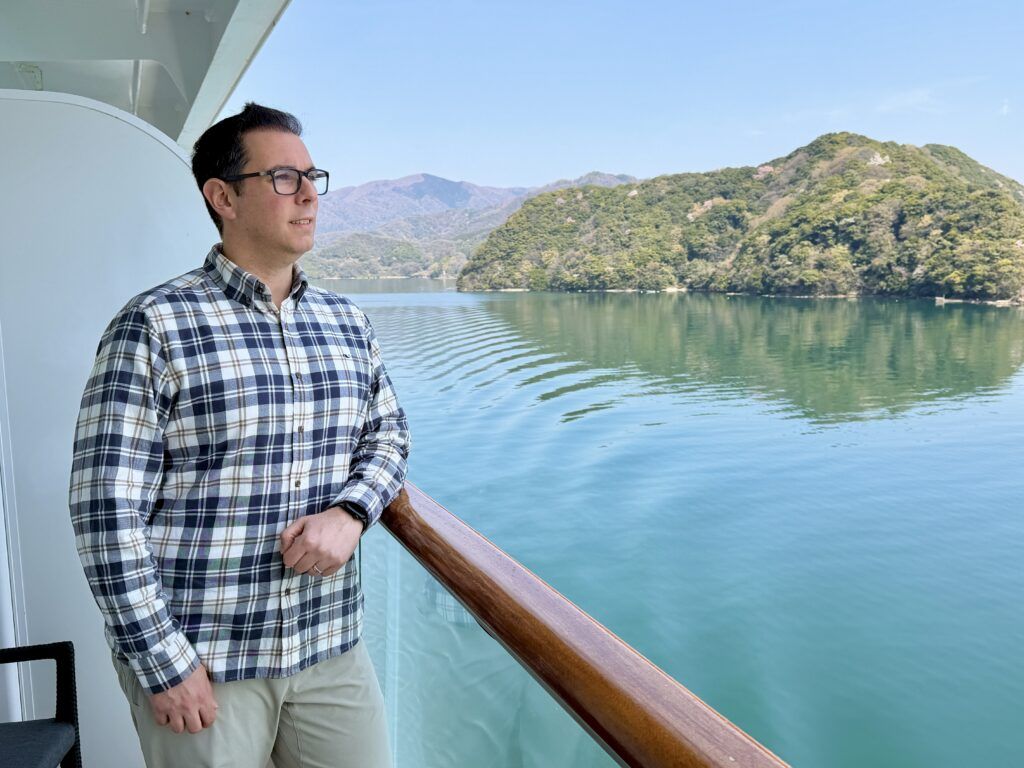
7. Visa Requirements — and Other Pre-Trip Logistics
Currently, US citizens do not need a visa for tourism stays in Japan of up to 90 days, making a cruise to Japan straightforward from a documentation standpoint. Of course, you do need a valid passport. It’s also advisable to complete immigration and customs declarations via the Visit Japan Web site to expedite arrival.
On the power front, Japan uses Type A outlets (the same flat two-prong plugs used in the US) and runs on 100V, so most American electronics will work fine without an adapter though some devices may charge slightly slower.
8. Check Your Medications Before You Pack
This is one of the most important and most overlooked Japan cruise tips. Japan has some of the strictest pharmaceutical laws in the world and a surprising number of common US medications are completely illegal to bring into the country — even with a valid prescription. For instance, Adderall and other ADHD medications are banned outright with no exceptions. Common OTC cold, allergy, or sinus meds containing pseudoephedrine are also on the banned list.
Narcotic-based medications and injectable meds require advance permission obtained at least 14 days before travel. It’s also advised to keep all meds in their original bottles, not a travel pill planner.
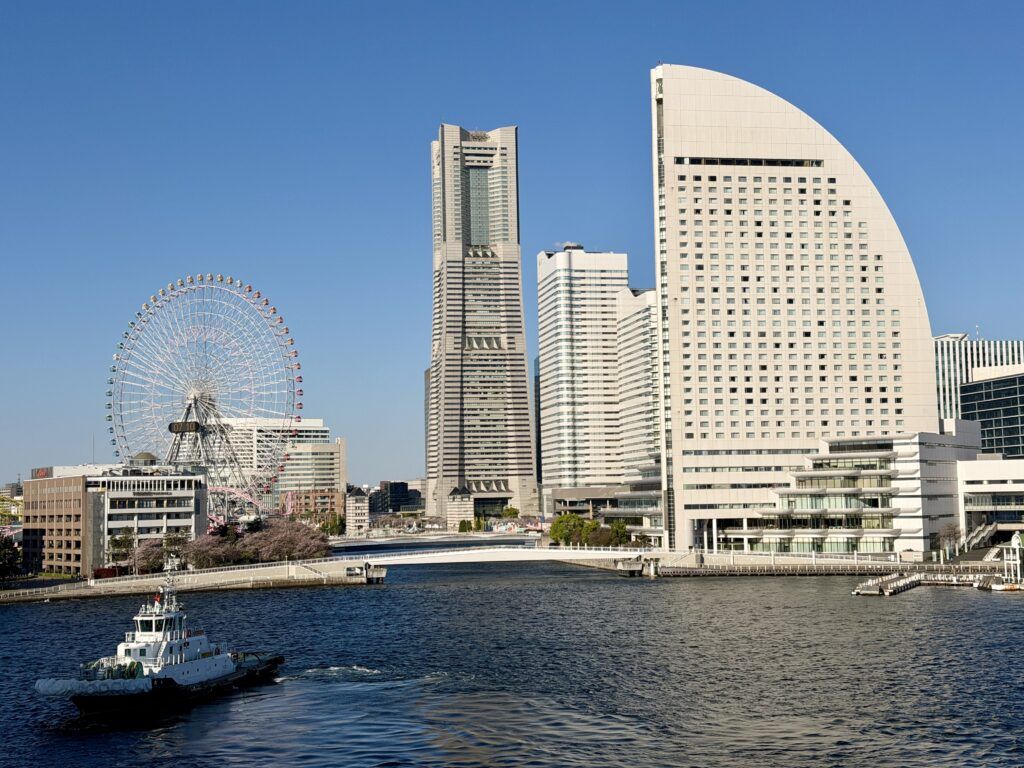
9. Yokohama vs Tokyo — What to Know About Embarkation
Tokyo is served by two international airports: Narita (NRT) and Haneda (HND). Haneda is significantly closer to Tokyo and Yokohama (20-30 minutes). Narita is farther out and requires a longer transfer (1-2+ hours depending on traffic). So, factor this into your planning if you have a choice of flights.
When a cruise line says it departs from “Tokyo”, it often really means Yokohama — usually the Osanbashi Pier, Daikoku Pier, or sometimes Shinko Pier in Yokohama’s port. Some ships also use the Tokyo International Cruise Terminal in Tokyo Bay, which is closer to the city center. These two areas are located about 45 minutes away from each other, so be sure to check your specific ship and terminal well in advance and plan your transfer accordingly.
10. Plan Pre or Post Cruise Days in Tokyo (& Yokohama)
Tokyo deserves more than a rushed transfer day. Flying into Japan and crashing in a hotel for one night, or even worse heading straight to the ship, is one of the most common Japan cruise mistakes. You’re jet-lagged, you haven’t adjusted to the time zone, and you’re missing out on a great city. We strongly recommend building at least two to three nights in Tokyo into your trip either before or after your sailing.
While you’re there, top experiences include the Senso-ji Temple in Asakusa, Shibuya Crossing, Meiji Shrine, Takeshita Street in Harajuku, the Imperial Palace, and the teamLab digital art museums. Tokyo Skytree and Tokyo Tower also provide fantastic views of the entire city. If you’re traveling with family or have Disney-loving travelers in your group, Tokyo Disneyland and Tokyo DisneySea are both quite different from their American counterparts.
In addition, you could spend a day in Yokohama. The waterfront area is very walkable; there’s also the Cup Noodles Museum and the largest Chinatown in Japan that are worth exploring.
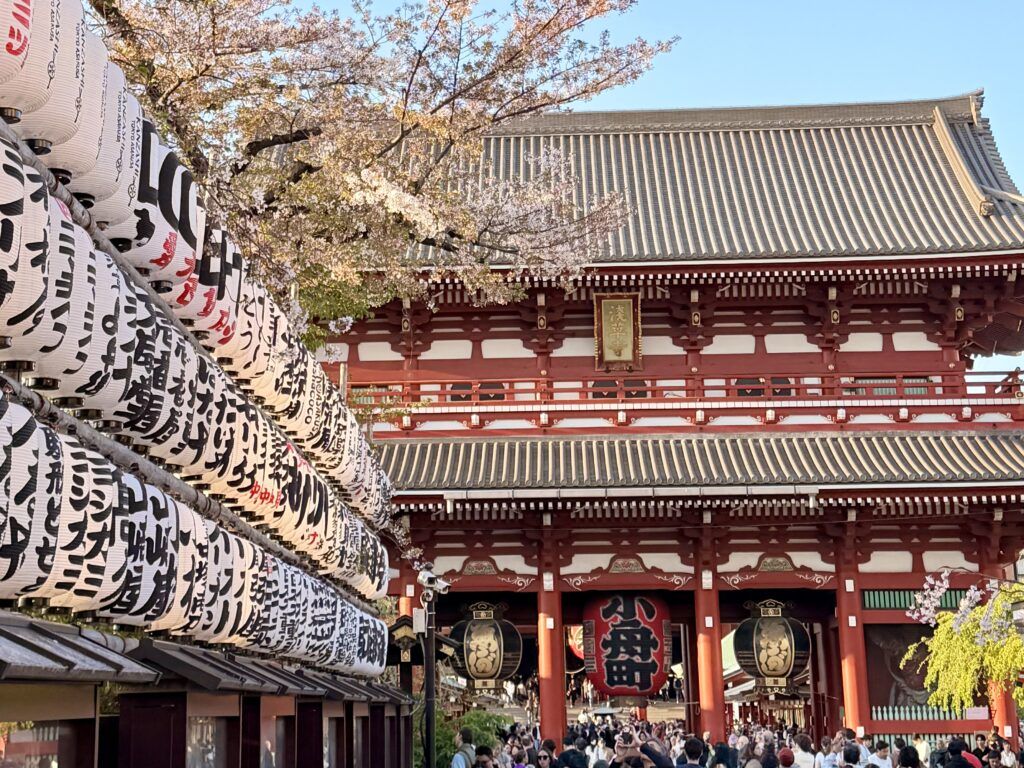
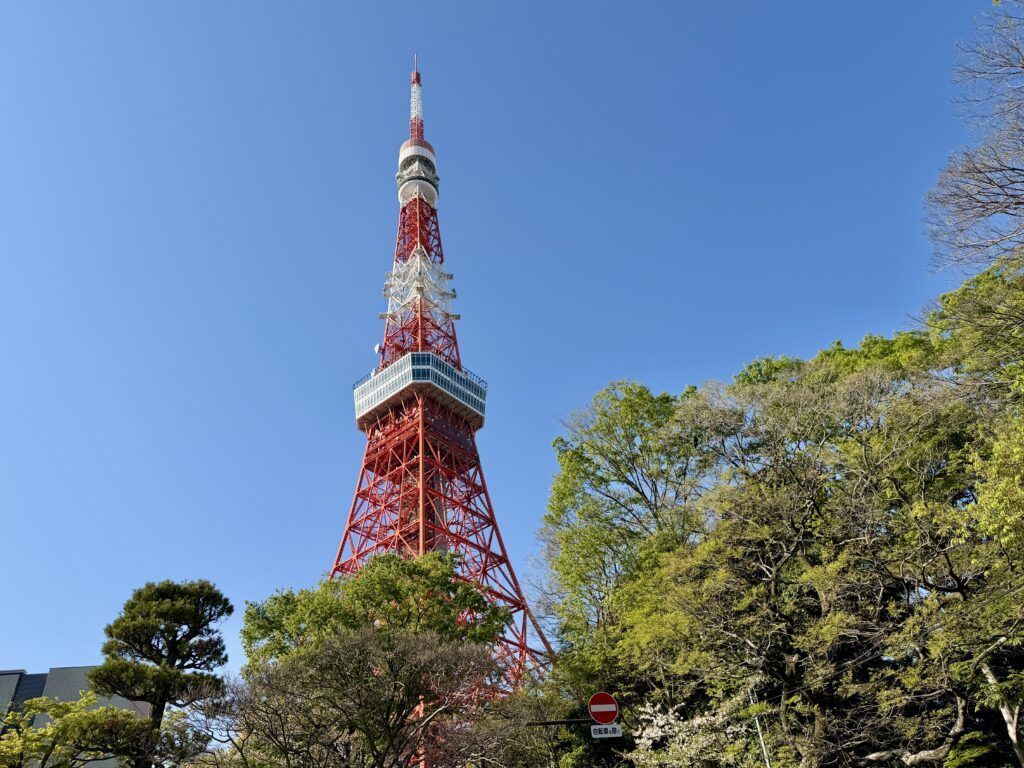
11. Shore Excursions vs Independent Exploration in Japan
Should you book organized shore excursions with the cruise company, third party vendors like Shore Excursions Group, or explore on you own? Regardless of destination, we always recommend a combination for the best possible experience. Our general rule: use ship excursions (or companies that offer return-to-ship guarantees) when the logistics are complex or the stakes of missing the ship are high; consider going independent when the port is compact and walkable.
For those who like to explore on their own, Japan’s public transportation is top-notch, crime is extremely low, and signage in major cities is usually available in English. In Tokyo, the subway system connects virtually every neighborhood. Yokohama’s pier area is also conveniently walkable to the city’s highlights.
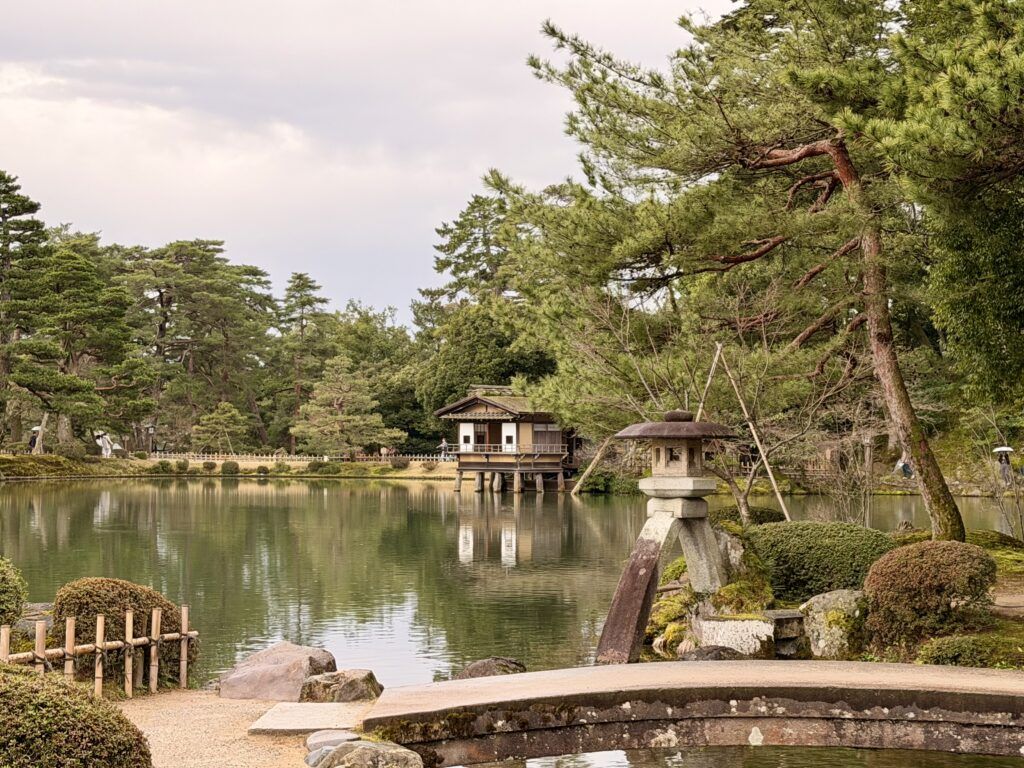
In some other ports like Hakodate or Kanazawa, the main attractions are close by as well; some cruise lines will even offer shuttle service into the city center from the cruise terminal. However, for destinations like Kyoto, or ports where key attractions are far from the ship, an organized shore excursion is your best bet.
12. Getting Around in Port
Where available, Japan’s public transportation system is efficient, clean, and easy to use. The key tool is an IC card which works like a prepaid transit card for tap-and-go travel nationwide. You can pick one up at major train stations as well as Narita and Haneda airports. Simply tap on and tap off at the gates.
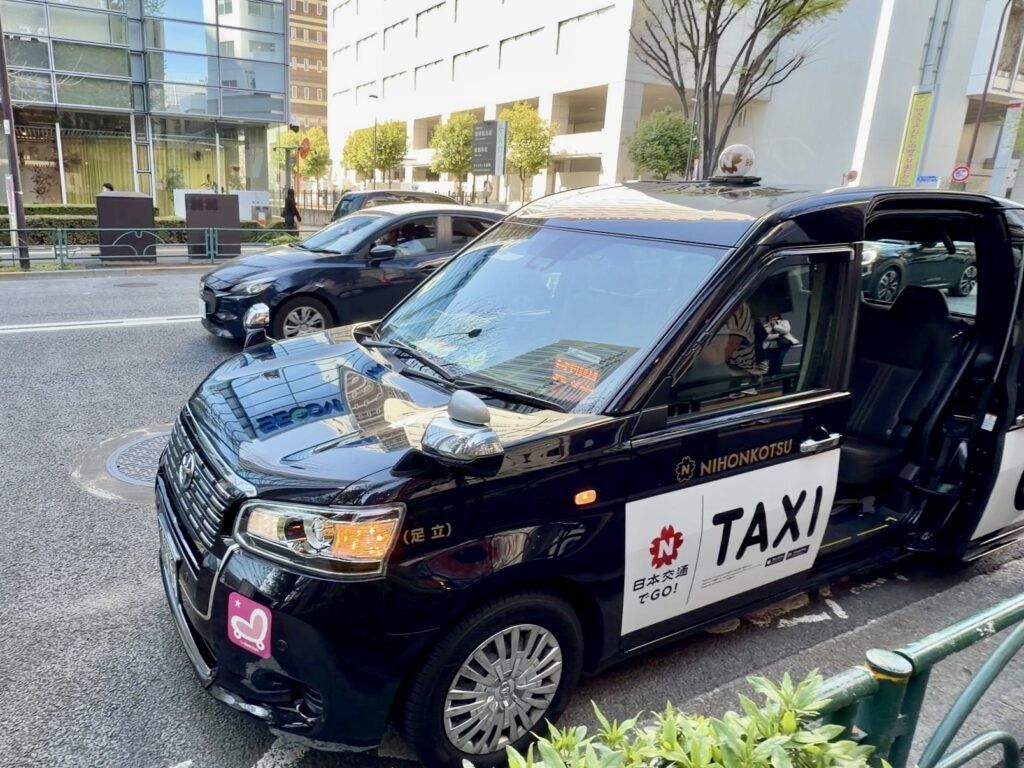
Taxis are readily available in Japan as well. While Uber does exist, it operates in a limited capacity and isn’t the go-to option. Instead, download the GO taxi app. Available in English, you can request and pay for taxi services in the app, and there’s no language barrier issues with pick-up or drop-off locations.
13. Cash, Cards, and Currency — What to Know
Japan remains a surprisingly cash-first country. While more and more establishments do accept credit cards, many smaller restaurants, local shops, and rural port areas still operate cash only. Don’t assume your credit card will work everywhere.
The Japanese yen is the currency and the exchange rate fluctuates, so check current rates before you go. As of this writing, the current conversion is approximately 1 USD to 157 Yen. If needed, the most reliable place to withdraw yen in Japan is a 7-Eleven ATM — they accept foreign cards whereas many Japanese bank ATMs do not. The airports also have currency exchange counters.
14. Will My Cell Phone Work in Japan
The good news is that modern smartphones generally work in Japan without any compatibility issues. The question is whether you’ll have affordable access. And it’s important to sort that out before you leave home. Many carriers offer some form of international coverage either within the plan or as an add-on travel pass.
If you don’t have international coverage or want a more cost-effective alternative, you can purchase a Japan-specific eSIM before departure. But this only works if your phone is unlocked. A rented pocket WiFi device is another option. It’s worth considering especially if you’re traveling as a group since one device can connect multiple phones simultaneously.
Either way, having reliable data coverage in Japan is essential — you’ll likely lean on Google Maps and Google Translate a lot during your trip.
15. Tipping Culture — Don’t Do It
This one is simple but important: tipping is not customary in Japan. This applies to restaurants, hotels, and anywhere else you might instinctively reach for extra cash in the US. While not necessary, some taxi drivers and tour guides may accept tips.
The other exception is onboard your cruise ship, which operates under usual tipping guidelines and will handle gratuities the same way any cruise does.
16. Language Barrier Tips
The honest answer is that most visitors get around Japan just fine without speaking any Japanese, particularly in larger cities and tourist areas. English signage is common on public transit, major attractions have English information, and younger Japanese people particularly in cities often know basic English.
That said, venturing into smaller ports or local restaurants can be a different story. But there are a few tools that can help. Google Translate and iPhones both have camera functions that can translate menus and signs in real time. Learning a handful of basic phrases goes a long way too.
17. What to Eat in Japan & Tips for Picky Eaters
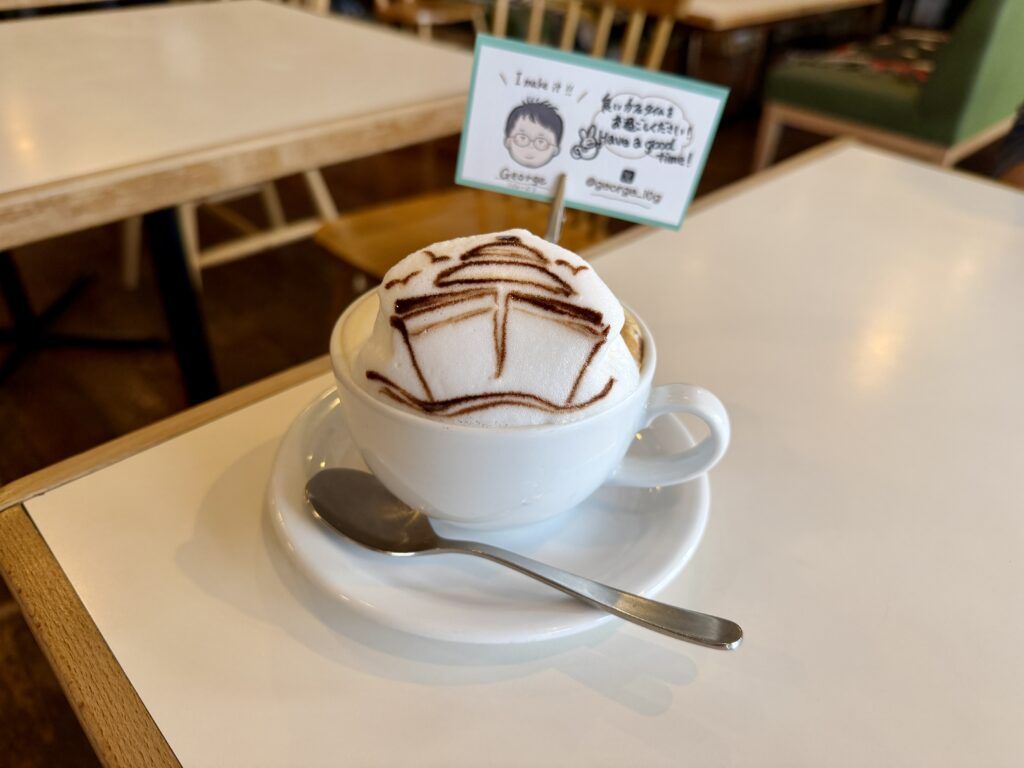
For foodies, one of the highlights of cruising Japan is that food changes from port to port. Hakodate is famous for fresh seafood, Kanazawa for elegant Kaga cuisine, Nagasaki for champon noodles and castella cake, and Kobe for its legendary wagyu beef. Don’t overlook the Japanese convenience stores either as they’re nothing like their Western counterparts.
Picky eaters like myself, or those with allergies and dietary restrictions, may find it a bit more difficult. Customizing menu items just isn’t a thing in Japan. And catering to the wide range of American preferences and restrictions — dairy, peanut, soy, vegetarian, vegan, gluten-free, shellfish, etc. — is sometimes lost in translation. If you have strict dietary needs, learn to communicate them in Japanese before you go. But even still, they might not get it quite right. They often mistook my “no seafood” preference as “no raw seafood” and attempted to serve me cooked fish and shrimp instead.
18. Cultural Etiquette
When visiting Japan, there are some cultural etiquette tips you should know.
- If your excursions include visits to temples or traditional spaces, be prepared to remove your shoes.
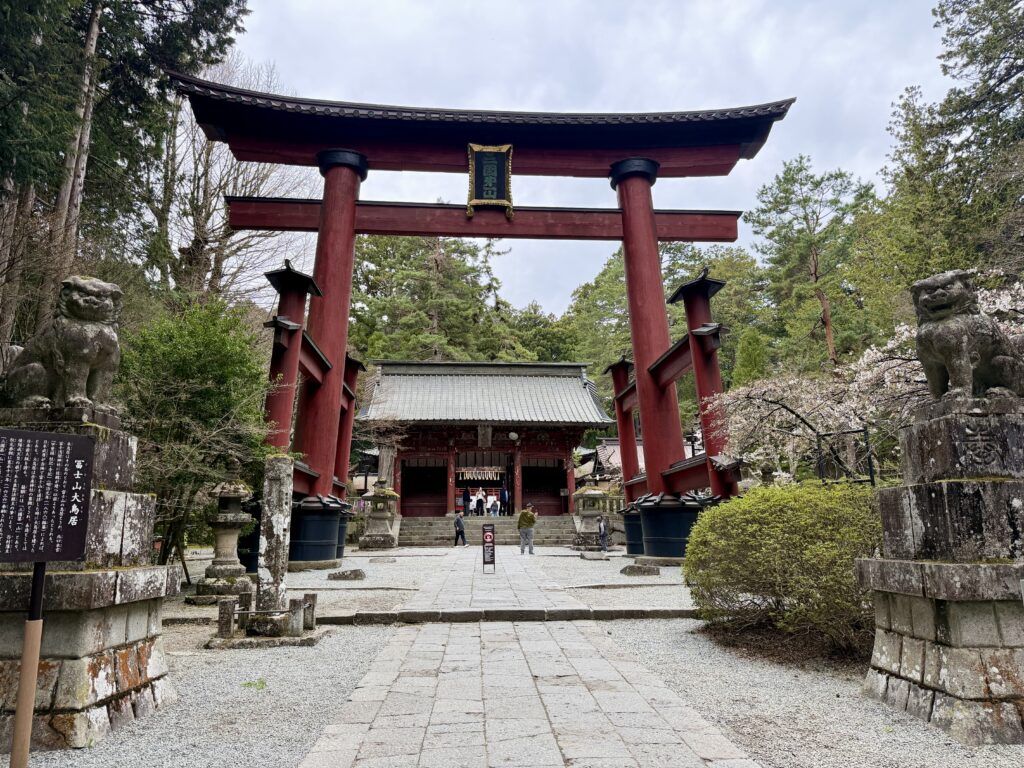
- Bowing before entering a torii gate is customary as is purifying your hands near the entrance of the shrine or temple. Also, carry coins for offerings.
- Photography is generally fine at temple and shrine exteriors and gardens but look for signs prohibiting it in interior spaces and near sacred objects.
- If you grab street food while exploring, eat it standing near the stall rather than walking and eating.
- On any public transit, keep phone calls brief, speak quietly, and don’t eat.
- Queuing is taken very seriously in Japan, so always join the line and wait your turn.
- Public trash cans are rare, so carry a bag to store your trash until you can properly dispose of it.
- If there is one, place money in the small tray at the register rather than handing it directly to the clerk.
- If you plan to visit an onsen, be aware that many ban tattoos or require them to be covered.
- Being on time actually means arriving early!
19. What to Buy in Japan
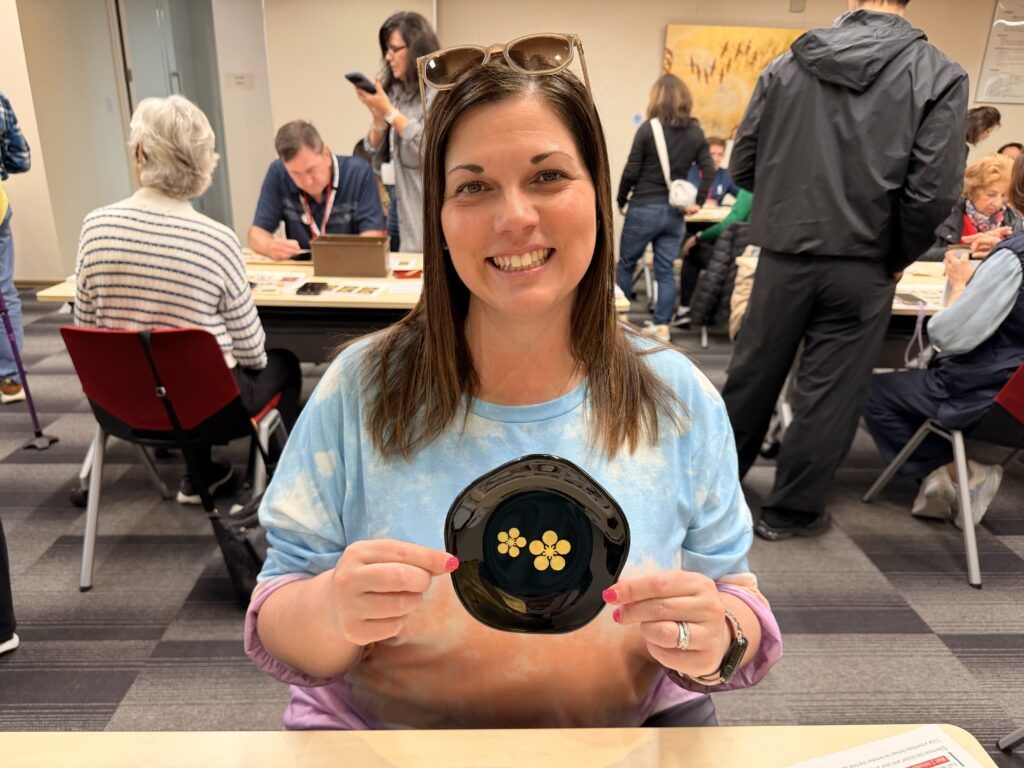
Japan offers so many unique, high-quality souvenirs and each port has its own local specialties. Across Japan look for traditional ceramics, handcrafted wooden goods like chopsticks, sake, premium green tea, and matcha products. Gold leaf products are a distinctly Japanese souvenir too. Kanazawa produces the vast majority of Japan’s gold leaf and you’ll find it infused into everything from cosmetics to food items.
For edible gifts, castella cake, Marusei butter cookies, Japan’s famous flavored Kit-Kats, and Royce chocolate make perfect treats to bring home. Beyond food and drink, some of the most memorable souvenirs from Japan include hanko (personalized Japanese name stamps), sensu folding fans, maneki-neko lucky cats, traditional tea sets, and kimonos.
20. Japan Packing Tips
Comfortable walking shoes are non-negotiable; Japanese port cities involve a lot of walking, often on uneven grounds, gravel paths, inclines, and lots of stairs. Slip-on shoes are very useful given how often you’ll be removing footwear. Pack layers regardless of season — temple and shrine grounds can have significant shade making it feel cooler.
A small day bag or backpack is essential for port days. Bring a compact umbrella as Japan can be rainy in spring and summer. A small hand towel is also practical as many public restrooms don’t have hand dryers or paper towels. Other items to include in your day bag when going ashore are cash, a portable phone charger, your passport (yes, it’s required that you carry it with you in Japan), IC card for transportation, sunscreen, and a refillable water bottle.
21. What About the Toilets
No Japan travel guide is complete without addressing the toilets — and yes, they really are just like you’ve heard. Japanese toilets, particularly in hotels, restaurants, and attractions, often have heated seats, bidet functions, adjustable water pressure, and in some cases sound effects to mask noise.
Public restrooms in Japan are plentiful and generally pretty clean. Finding one when you need one is rarely the stressful experience it can be in other countries. And more importantly, they are free and include toilet paper. But be aware that many include both Western-style toilets and traditional, ground-level squat toilets, so if you don’t want to squat just wait for another stall to become available.
22. Consider a Japanet Cruise for Something Truly Off the Beaten Path
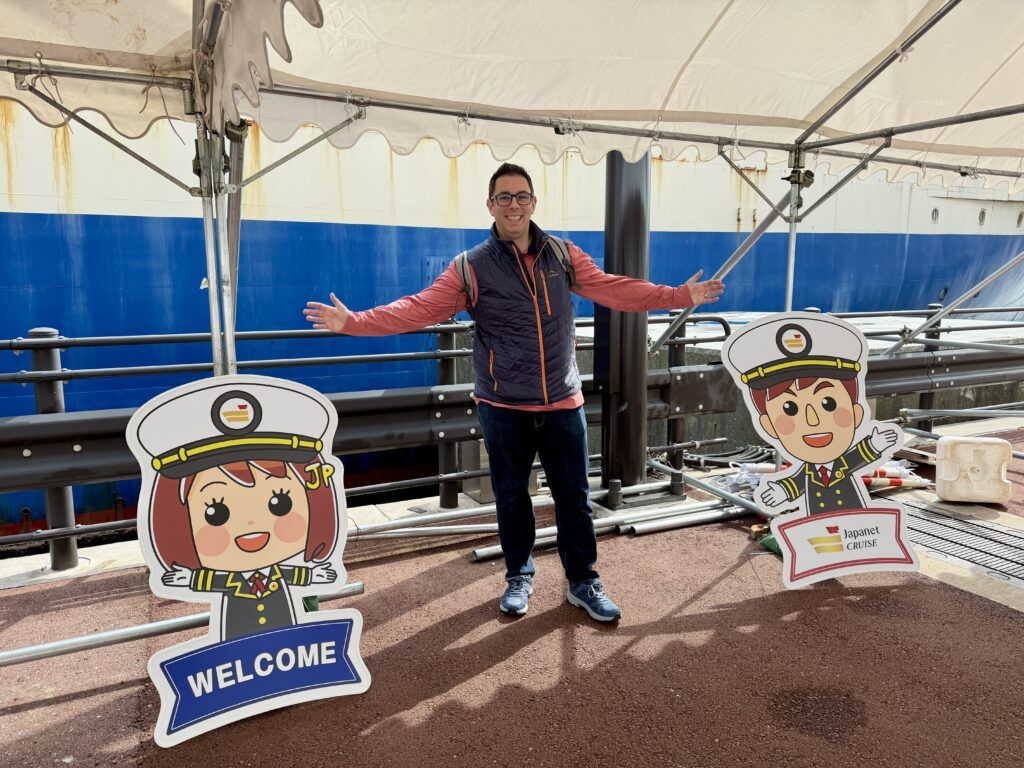
If you want to experience Japan the way Japanese travelers do — with deeper cultural immersion, less-visited ports, and a more local atmosphere onboard — consider sailing with Japanet. This chartered cruise experience is expertly crafted by locals. While primarily catering to a Japanese audience, Japanet also offers select all-inclusive tours for Americans.
Some of the ports on our itinerary were places most American cruisers never visit. The shore excursions, and pre- and post-cruise stays, were thoughtfully curated around authentic cultural experiences, and being surrounded by Japanese fellow passengers made every moment of the trip immersive. If you’re looking for something completely different, it’s worth serious consideration.
If you need help booking, MEI-Travel is happy to help at no additional cost to you.
Comments
Have you cruised to Japan? Do you have any other Japan cruise tips to add to this list? Drop us an anchor below to share your experiences cruising Japan.