 Theresa Russell
  Heidi Bucolo
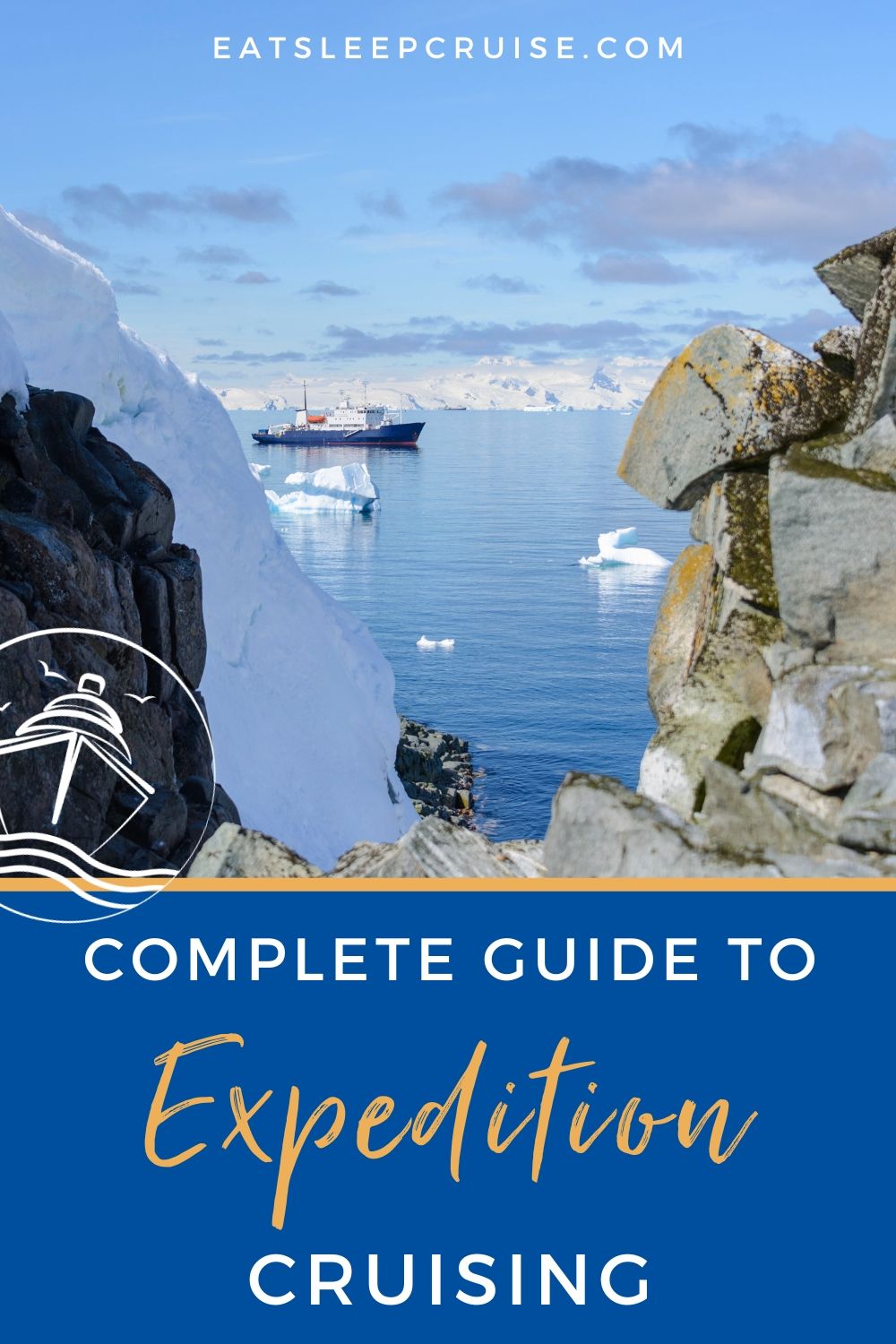
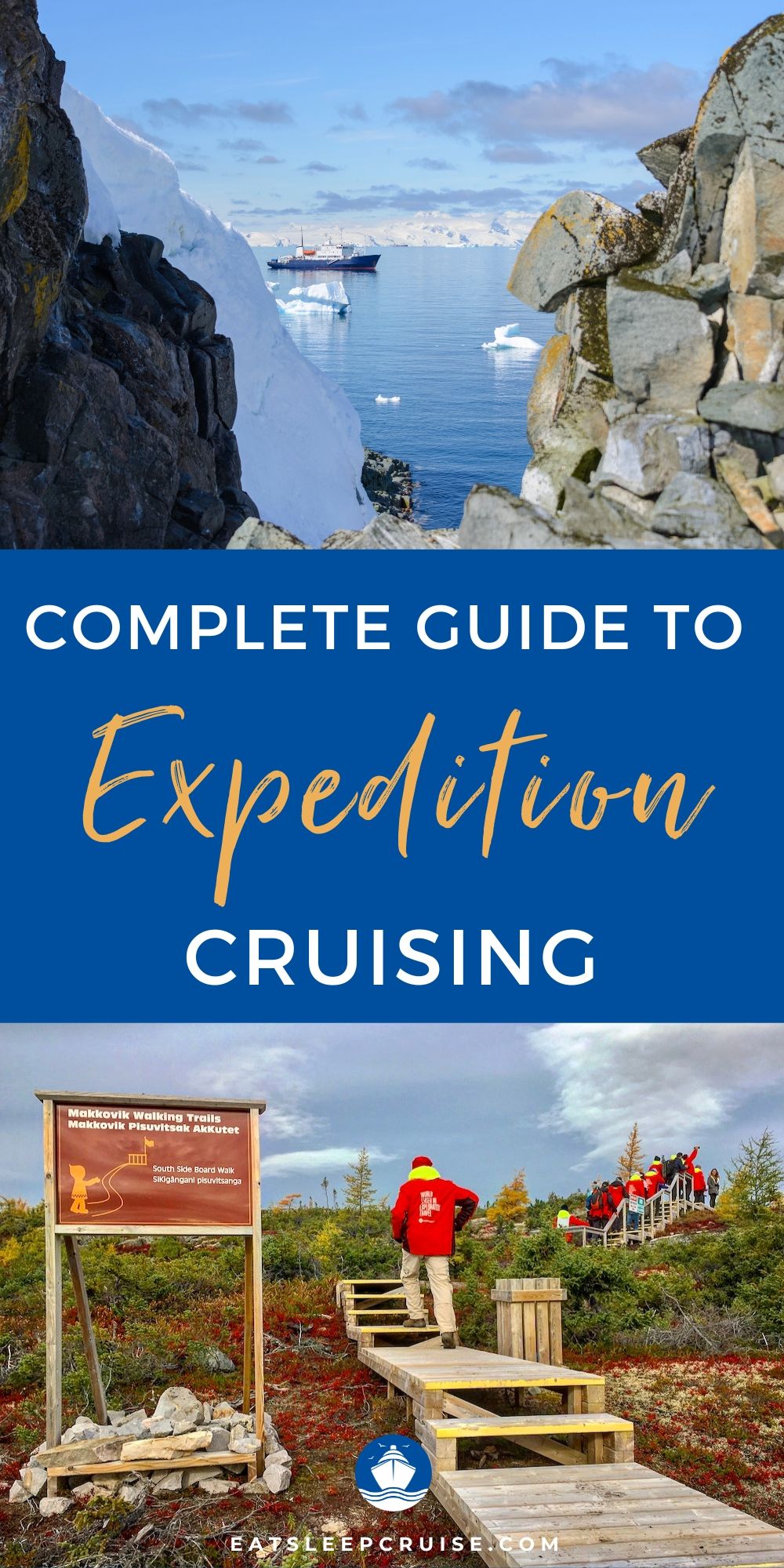
 Expedition cruising is booming, with these bucket list voyages taking guests to some of the most far-flung destinations across the globe like Antarctica, the Arctic, and the Galápagos. But there are vast differences in what an expedition cruise actually entails. One line hands you a kayak and a wet landing. Another pours the champagne and sends you out in a submarine.
Which one is right for you? This guide breaks down what nobody tells you before you book, including the differences among travel styles, destinations, and costs, so you can choose the expedition cruise that fits you best.
What is an Expedition Cruise?
An expedition cruise is a small-ship voyage focused on remote destinations, wildlife, and immersive exploration rather than onboard entertainment. Still, the label covers a lot of ground, and the experience can vary greatly depending on the destination and the cruise line. The itinerary usually isn’t set in stone either.
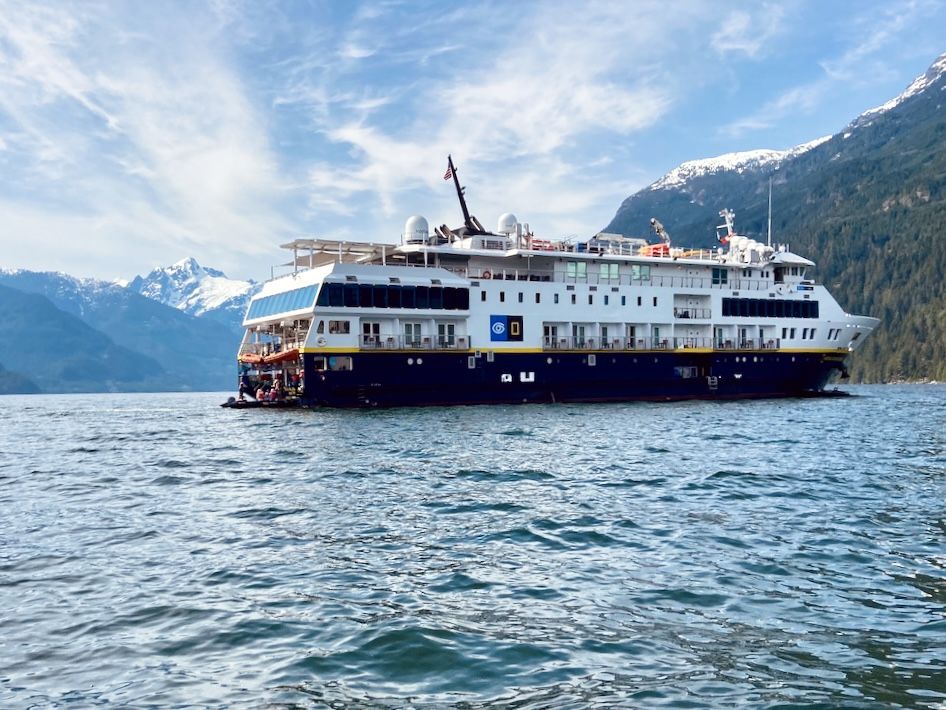
For some people, a cruise to a destination like Alaska might qualify as an expedition. And there are absolutely some components of an Alaska cruise that are characteristic of a true expedition voyage. Aligning with nature. Seeking smaller ports. Focusing on the local culture. An Alaska cruise is an ideal gateway to the expedition cruising experience.
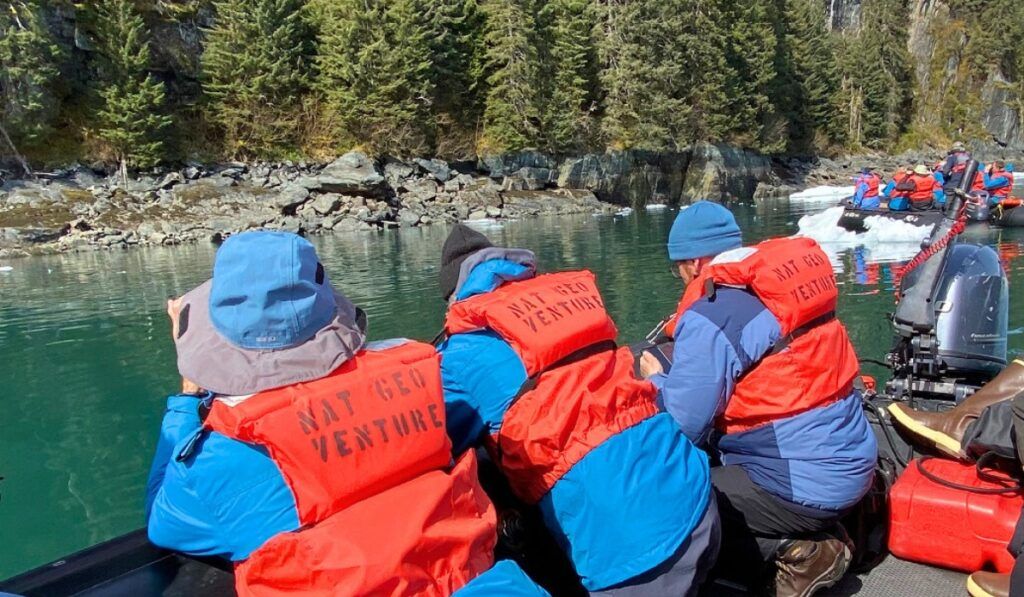
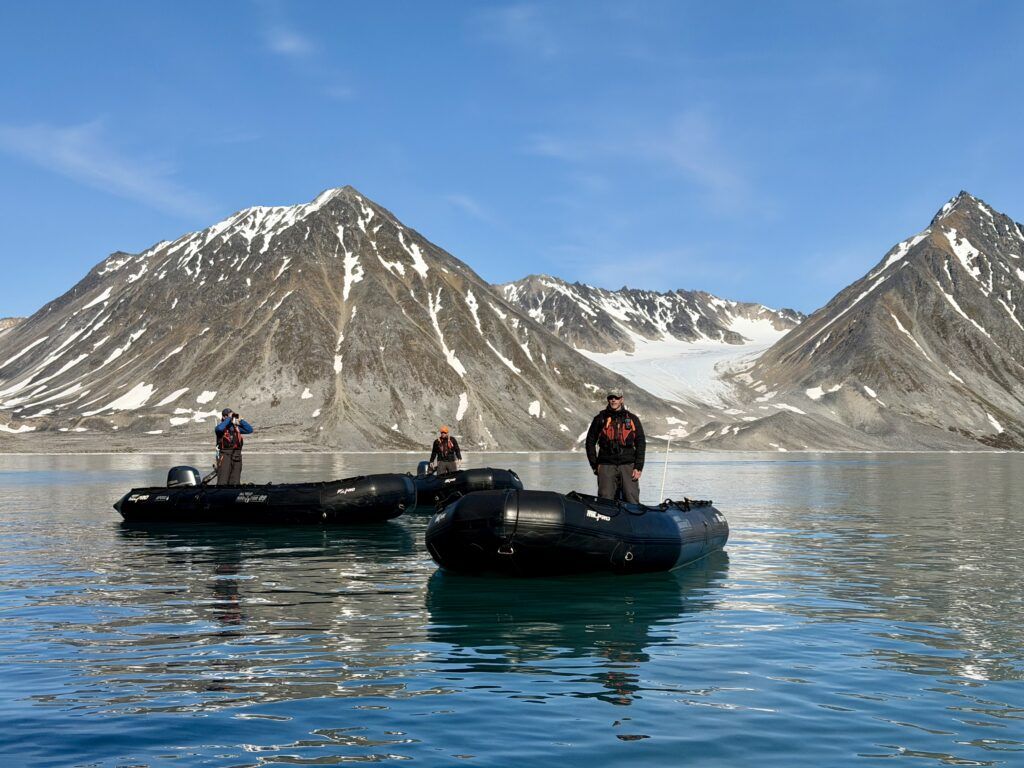
For example, on a recent Lindblad Expeditions cruise through the Inside Passage, we explored places that the large cruise ships could not safely navigate. Even then some of our destinations couldn’t be reached by our small ship, NatGeo Venture. We often used zodiacs to explore the area or to get us to shores that required wet landings.
These types of voyages span a huge range, from the family-friendly Lindblad Expeditions to the adults-only cruise line Viking. The onboard vibe makes them all very different experiences.
How Big Are Expedition Ships?
Size really does matter when it comes to expedition cruising. Smaller ships carry fewer passengers, thus limiting the effect of a mass of crowds descending upon a destination. In fact, many ports of call on expedition ship itineraries are inhabited by just a few people.
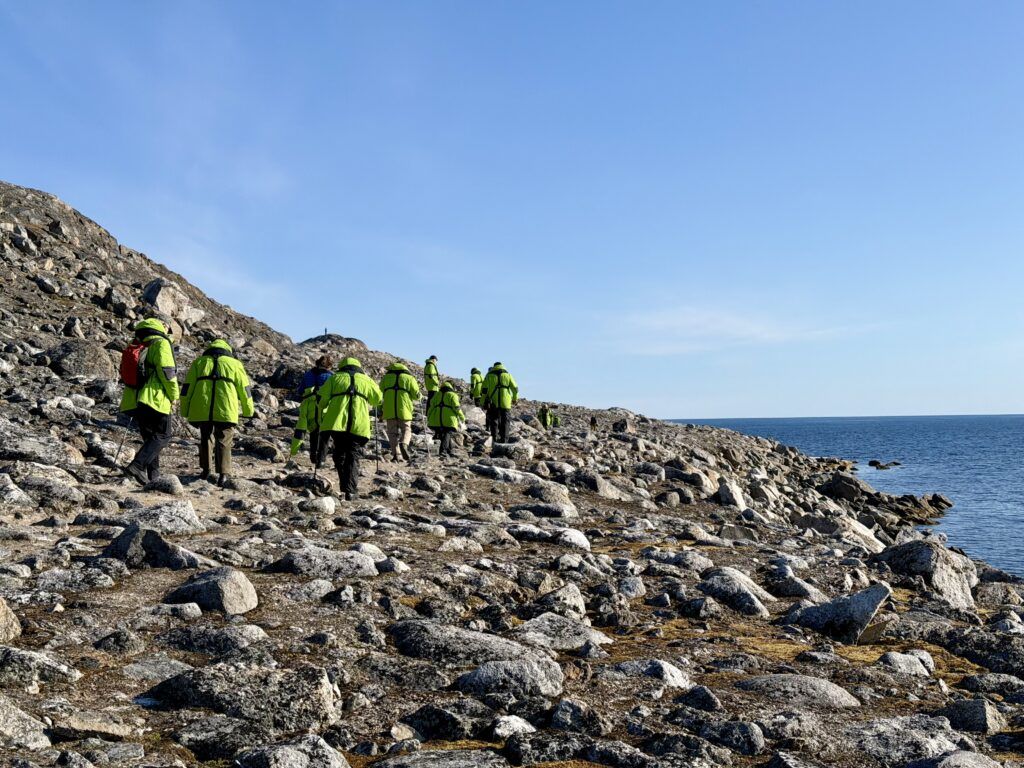
For example, on my HX Expeditions cruise to Greenland, we stopped at towns so small that there appeared to be no source for food or basic necessities. The locals, if even encountered in these tiniest of towns, shared their stories with us passengers. On one stop, one man claimed to have been looking for a wife forever. He nearly proposed to one of the younger members of our group. Such encounters make for lasting memories.
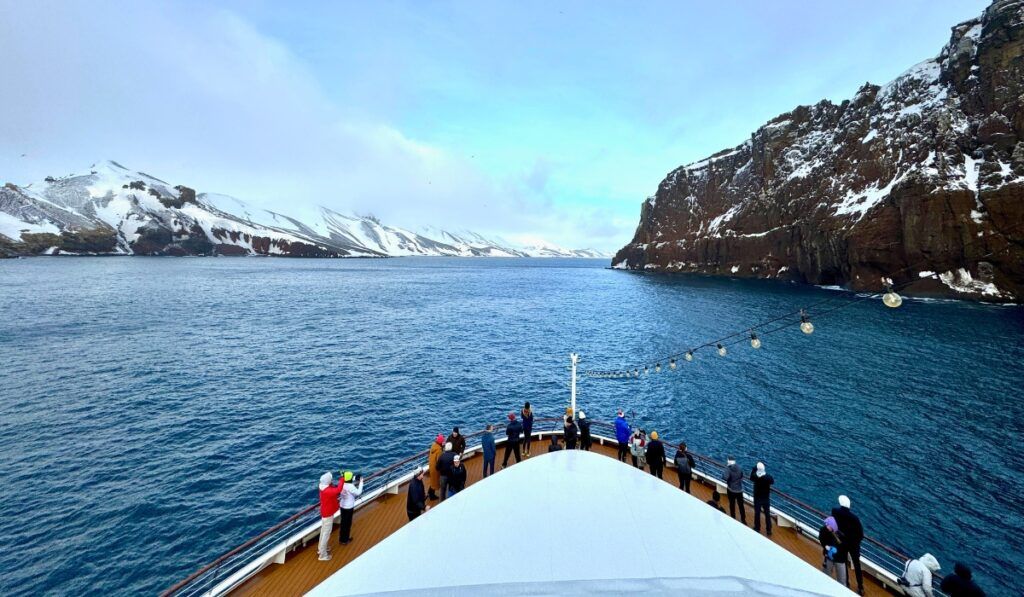
Ships must carry fewer than 500 passengers to make shore landings in Antarctica. But keep in mind that only 100 people may land on a spot at one time. That could mean waiting to go ashore. The Galapagos limits capacity to fewer than 100 passengers. And the Arctic, including Svalbard and Greenland, have caps in place as well.
How Fit Do You Need to Be?
Expedition cruising doesn’t necessarily mean intensive physical activity or requiring you to be an athlete to participate. Many cruise lines define their excursions according to level of difficulty. This allows passengers the option of choosing which level of physical exertion they are comfortable with.
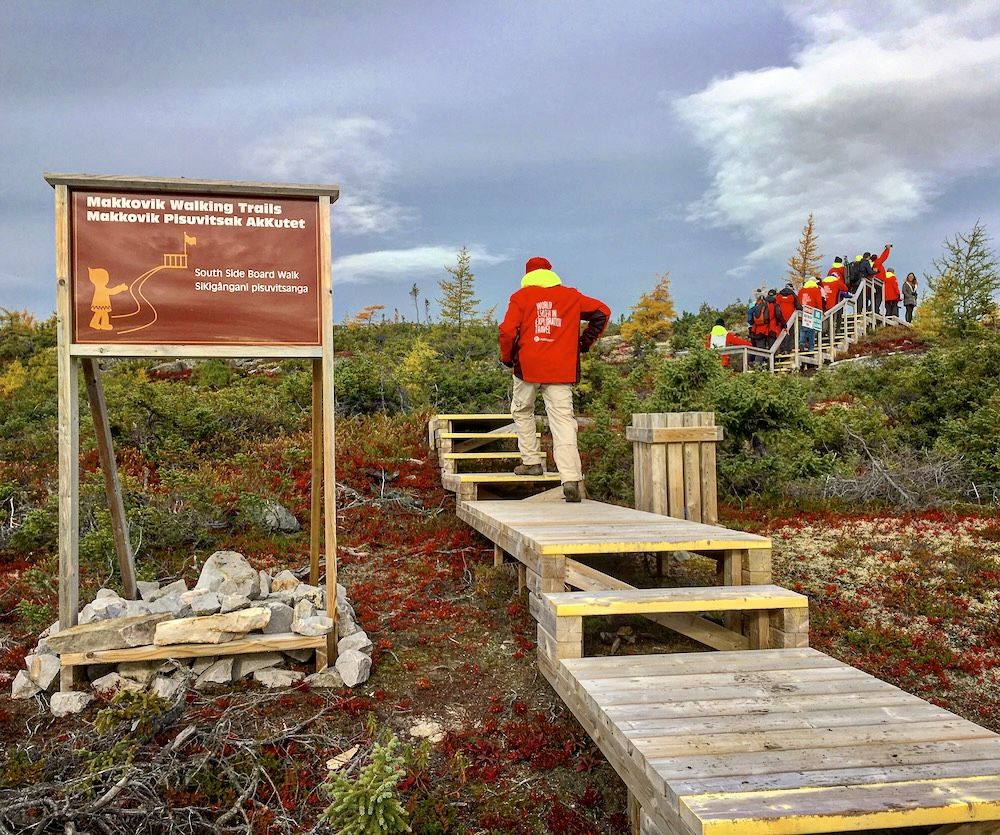
Participation in most events is not mandatory. An expedition could be birdwatching, hiking, kayaking, snorkeling, or searching for bears and whales in a zodiac boat. Still, you should be mindful of your fitness levels before signing up. Often times, you’re required to stick with the group, meaning if you start the trek you have to finish.
You should also consider your health status. Due to the remoteness of places visited and lack of medical services, many expedition cruise companies require evacuation insurance for their passengers. If an emergency arises, you’ll likely need to be evacuated by helicopter to the nearest hospital.
Where Do Expedition Cruises Go?
Most expeditions reach exotic and bucket list destinations, but that is just one of the characteristics of expedition cruising. Besides an Alaska expedition cruise, the vast majority of expedition cruises visit the polar regions: the Arctic and Antarctica. The spectacular beauty, the nature, and the ability to witness wildlife keeps passengers returning.
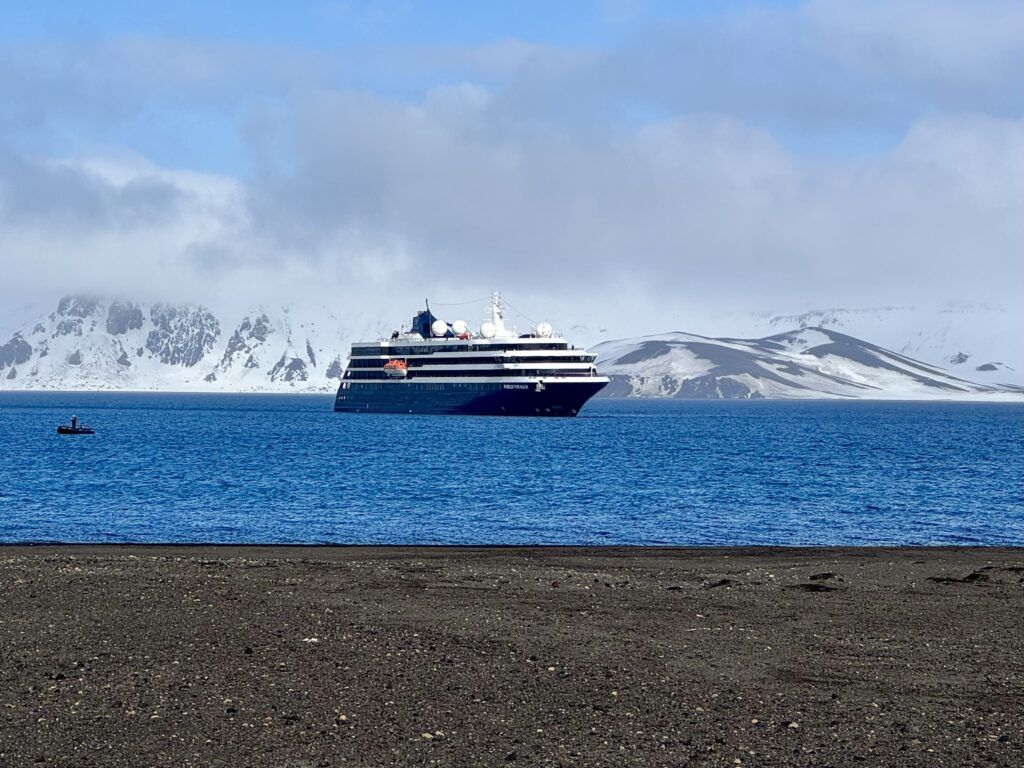
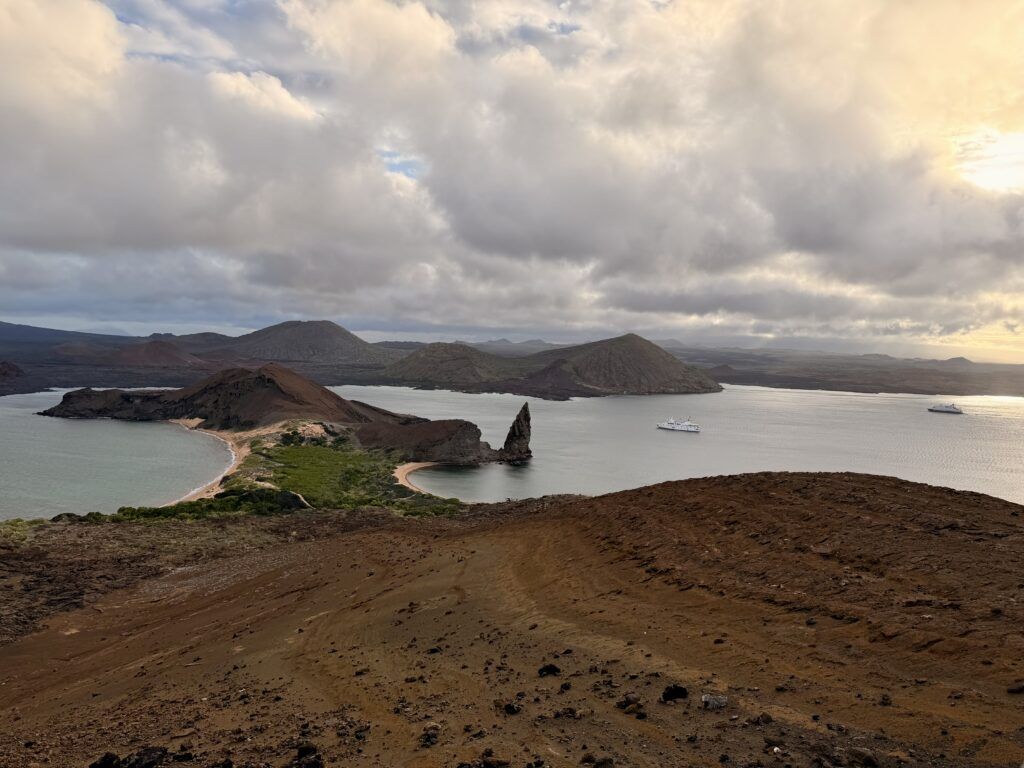
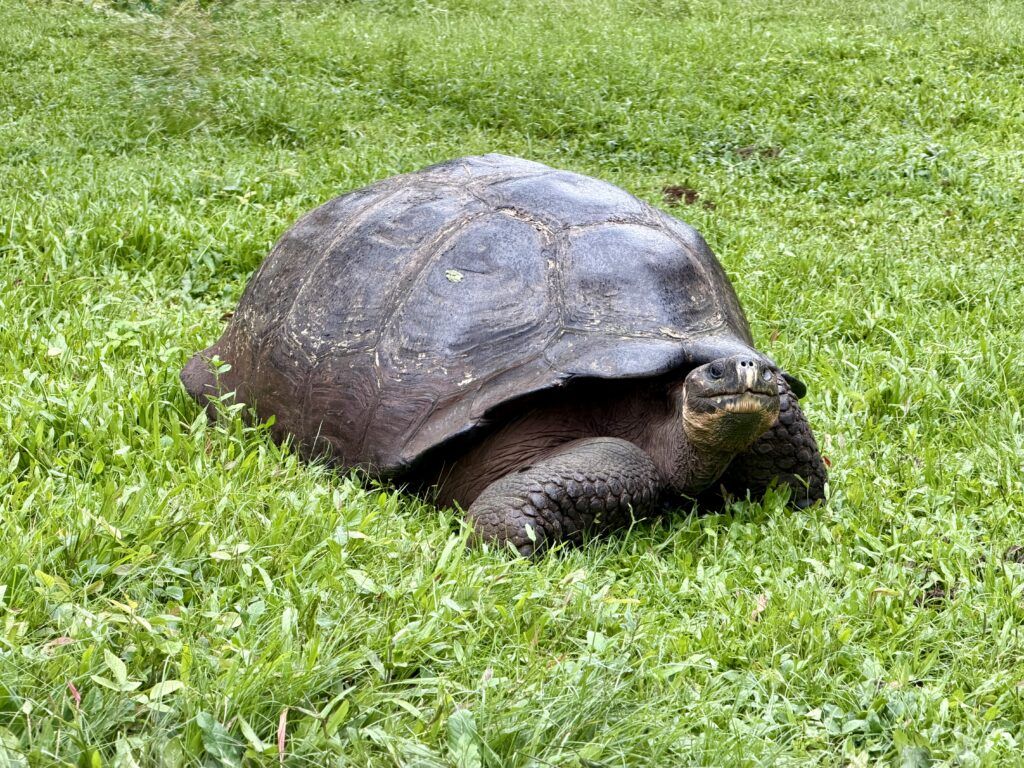
However, expedition cruising doesn’t require extreme and cold conditions. While an expedition cruise to the Galápagos probably comes to find first, the Amazon, Australia’s Kimberley, Baja California, and Mekong are just a few other warmer weather destinations.
In fact, Atlas Ocean Voyages, which does visit the polar regions, puts a twist on the definition of expedition with epicurean and cultural expedition voyages. That brings in another component of expedition cruising: immersion.
What Makes Expedition Cruising So Immersive?
Expedition cruising focuses on in-depth exploration of a particular topic or region. You may have heard of Celebrity Cruises‘ newest ships like Celebrity Xcel or Celebrity Beyond, but did you know that they have an expedition ship that sails the Galápagos Islands and offers an entirely different cruise experience?
Part of the expedition cruising experience involves a staff of experts in their fields. Naturalists, scientists, ornithologists, historians, and photographers are just a few of the different types of experts found on an expedition cruise.
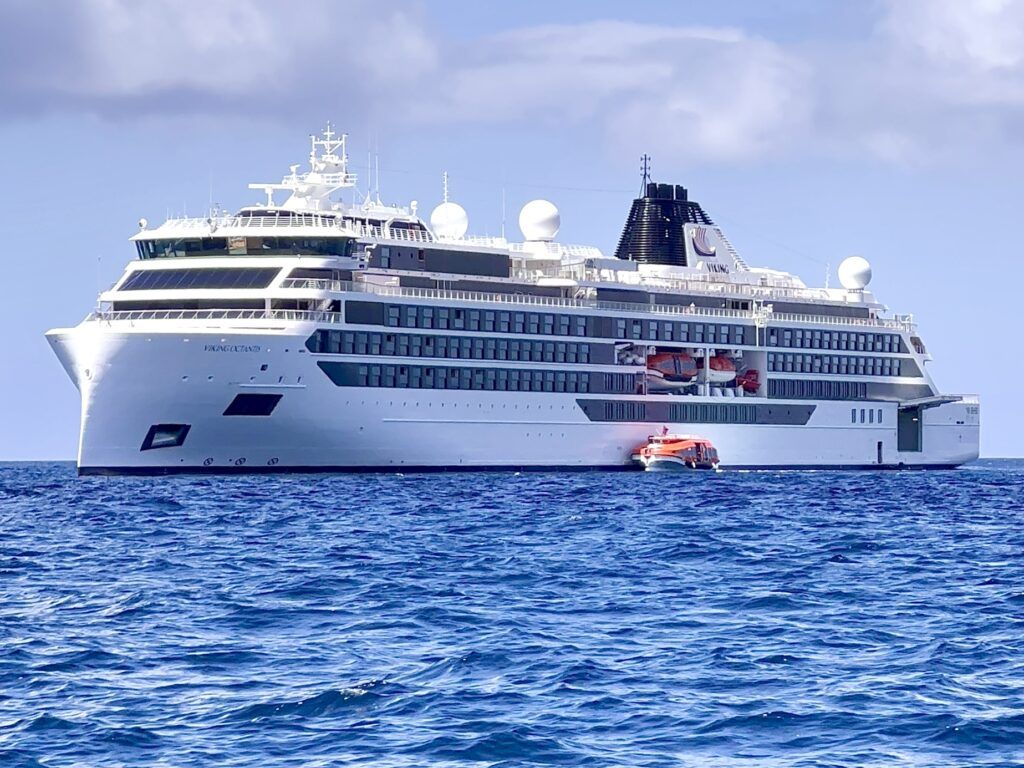
Guests will explore the seas with these experts who lecture throughout the day, set up labs or share their research with guests. On Viking, citizen scientists participate in activities, such as identifying microplastics in the onboard labs. Viking cooperates with NOAA and launches weather balloons, a highlight of a Viking expedition cruise.
Professional photographers document the voyages and many cruise lines provide guests with a photographic or videographic memory of their cruise at the end of the sailing. During the sailing, photographers are on hand to share their expertise with guests. Lindblad even offers cameras and lenses for guests to try out.
Expedition Cruise Cabins and Dining: What to Expect
Expedition cruising doesn’t necessarily mean bare bones accommodations. It is possible to sail on a ship with more basic accommodations and dining options, but others offer ultra-luxury amenities.
UnCruise and others source local foods, giving their guests a true flavor of the area. While good food is important, an expedition ship usually has fewer menu items and few, if any, alternative dining restaurants.
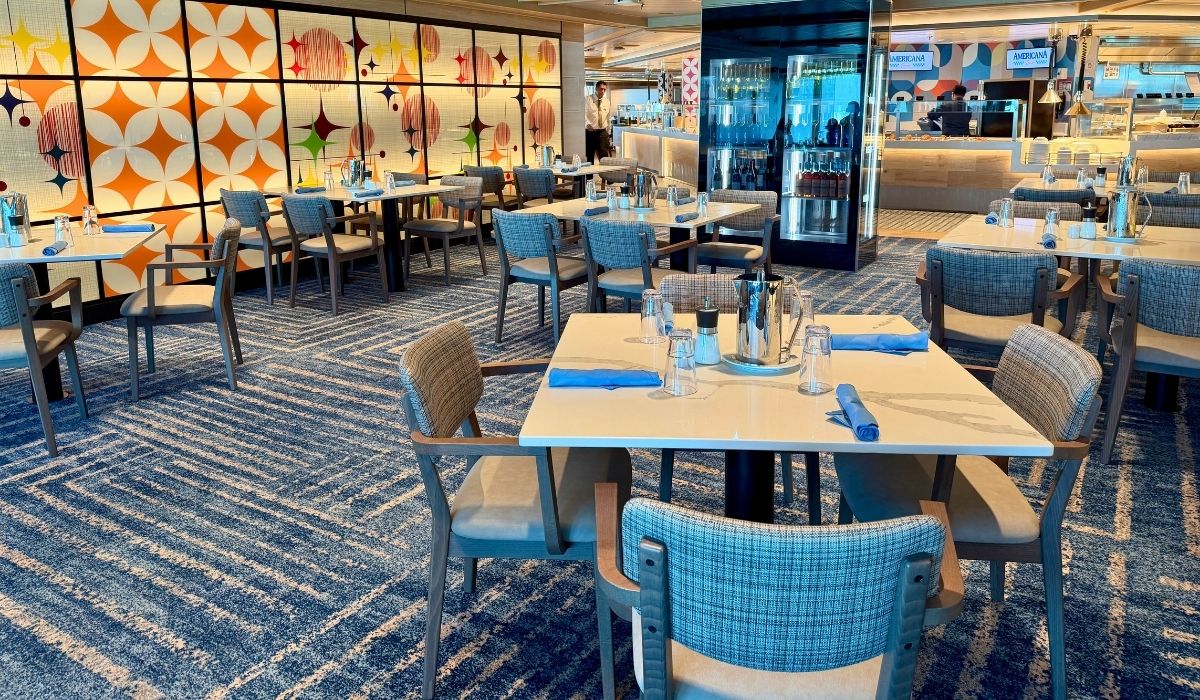
Many expedition ships also have few public areas, so guests are relegated to the only public area on the ship, which is often the lecture lounge. A small ship makes efficient use of its space, so there is no additional space for extra lounges or alternative dining rooms.
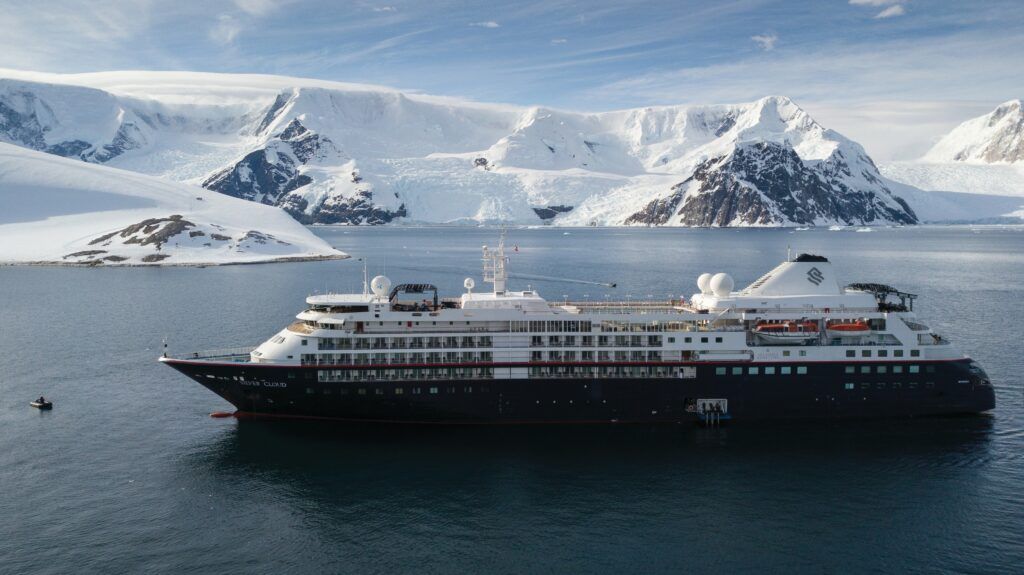
At the other end of the spectrum, there are ultra-luxury cruise lines like Scenic, Seabourn, and Silversea. Scenic Cruises continually reconsiders what expedition cruising means to their guests and adjusts accordingly. They combine ultra-luxury with expedition. After kayaking, hiking, or other high energy exploration, who doesn’t want to return to a ship that offers creature comforts?
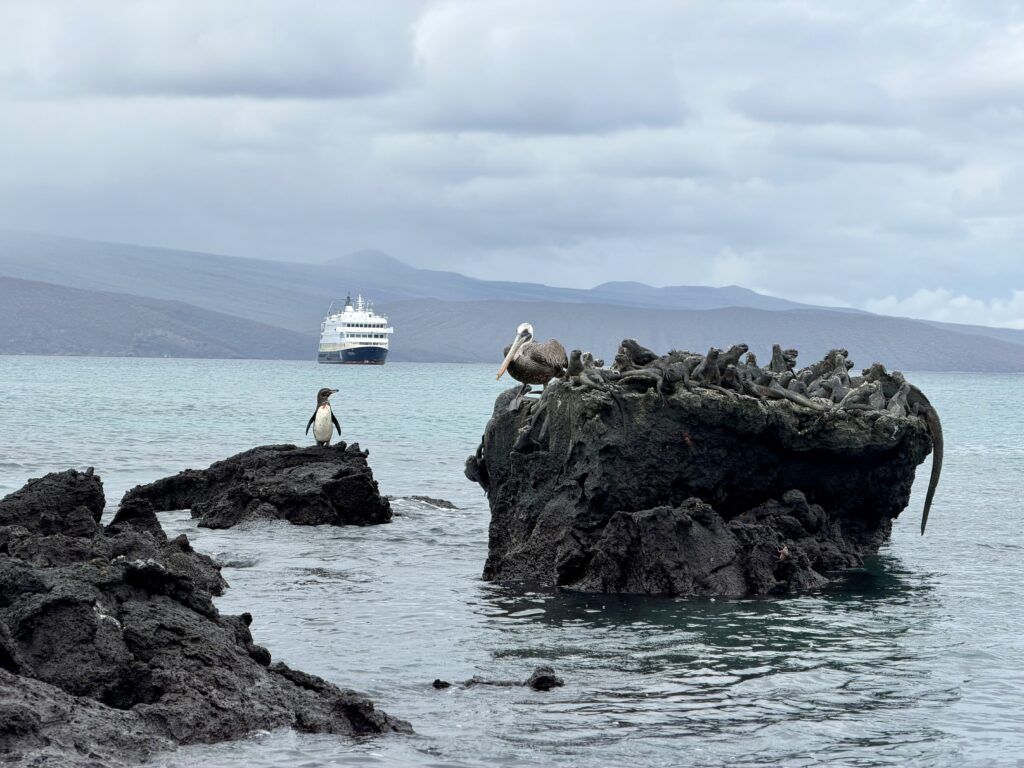
Expedition cruising includes intangibles. HX Expeditions started way back in 1896. Along with their expeditions around the world, they have also addressed environmental concerns and sustainability, another common feature of expedition cruising.
They consider themselves the most sustainable adventure travel company in the world, pioneering the banning of single-use plastics and heavy fuel oil. They launched the first battery hybrid-powered cruise ship, MS Roald Amundsen.
Who Goes on an Expedition Cruise?
Expedition cruising guests primarily look for adventure and immersion into less-explored geographic regions. They are usually highly educated and have disposable income. Attending lectures or becoming a citizen scientist comes naturally to them. They prefer small-ship experiences and likely would never take a traditional cruise.
They tend to be well-traveled, though not always experienced cruisers. For some, the destination is the entire draw, and an expedition ship is simply the only way (or best way) to reach it. That is part of why the audience is widening. Along with the seasoned repeat cruisers, there’s been a trend over the past few years of more younger and solo guests, plus even families on the lines that cater to them.
How Much Does an Expedition Cruise Cost?
Expedition cruises typically run from about $5,000 to more than $50,000 per person, with most mid-range week-to-two-week polar voyages falling between $8,000 and $17,000 per person. That is more than a comparable mainstream cruise, and the reasons are built into the experience. Fewer passengers mean less revenue to cover the same crew and expert staff. Regional permits, remote logistics, and purpose-built ice-class ships all add cost. You are paying for access to places most ships cannot reach.
The range is wide because so many factors move the price. Destination matters most. Antarctica and the high Arctic sit at the top, while warmer routes like the Galápagos or the Amazon often cost less over a shorter sailing. Cabin category, trip length, and season shift the number further. Ultra-luxury lines with lavish suites, submarines, and helicopters will be at the extreme high end of pricing.
One thing to watch as you compare fares. Some expedition lines are fully all-inclusive, while others charge separately for excursions, gear, or drinks. A lower headline price is not always the better deal. Before you book, check exactly what each fare covers and what gear is provided.
How to Choose the Best Expedition Cruise for You – 10 Questions to Consider
Just like ocean-going ships have distinct styles of sailing, so do expedition ships.
Be sure to do your research in advance. Celebrity Cruises, Seabourn, Silversea, and Viking offer expedition products. If you enjoy their ocean cruising experience, you may want to give their expedition cruises a try. But there are plenty of other lines that are solely focused on expeditions.
Are you more focused on a destination or on an educational experience?
Decide this first, because it narrows your options fast: some lines only sail certain regions, and others are built around expert-led learning rather than the destination itself.
If you are considering The Galápagos or The Amazon, you can rule out several companies just for the fact that they don’t sail there.
If you are focused on learning about the flora and fauna of a particular destination, you may want to read the bios of the naturalists and other experts sailing on a particular itinerary.
Are you looking for lots of space to spread out or get away from other passengers?
If you value getting away from other passengers, check the ship size, because smaller expedition ships (some as small as 12 or 16 passengers) take you to remote places but give you few places to escape the same group day to day.
Some tour operators like Road Scholar use expedition ships for their programs. They have their own activities planned including shore excursions exclusively for them.
Smaller ships unload more quickly and get guests to shore more efficiently. In landing spots where only so many guests from a ship are allowed on land at a time, this is definitely something worth consideration. For instance, Aqua Expeditions has ships ranging in capacity from 16 to 40 guests.
Are you able to spend days away from commercial ports of call?
Expect long stretches with no shopping or big towns, since the whole point is off-the-beaten-path stops, and some sailings hit only two or three small ports in two weeks. Expedition ships are unlikely to stop at more commercial ports.
For example, on my recent Lindblad Expeditions cruise, we stopped in Victoria, BC, on our way up through the Inside Passage to Alaska. Over the two weeks of cruising, we stopped in only two other small ports. If shopping is of prime importance to you, you might reconsider whether expedition cruising is a good choice.
Do you need mobility equipment for maneuvering?
Many expedition ships can’t accommodate mobility devices, and the polar regions in particular can’t support guests needing special assistance, so confirm accessibility directly with the line before booking.
While some do have semi-accessible or accessible cabins, most of the expedition experience involves physical activity. Further, few expedition ships are equipped with elevators. However, if you are satisfied with hearing the lectures and enjoying the scenery, you may be content to stay on the ship.
Boarding a ship might be challenging, too. Speak with a travel advisor familiar with the cruise line that you will be sailing or speak directly with the cruise line. Getting into zodiacs isn’t always the easiest process. On my cruise on Iceland ProCruises, the steep metal stairway to access the zodiacs took some extra care.
Some of the expedition cruise lines may require that you have the ability to climb stairs and some may require anybody with physical disabilities to travel with a companion who can assist.
I was impressed by a group of women with walkers exploring one of the ports where the ship docked. I admired their spirits. This is a long winded way of saying that you need to know your limitations and objectives for choosing a particular destination or ship for your expedition cruise.
Are you traveling with your family?
Family-friendly expedition cruising exists but varies widely, with some lines welcoming any age and others setting minimums, limited connecting rooms, and no kids clubs.
Companies like Lindblad and HX Expeditions are very kid-friendly. Just keep in mind that some of the expedition cruise lines allow one age for sailing, but a higher age for partaking in certain activities.
Several of the expedition cruise lines have special activities for children and even special sailings catering to families. Many ships have a limited number of rooms that can accommodate more than two people, though.
Are you traveling solo?
Solo expedition cruising is growing, and many lines offer roommate matching or reduced single rates, so ask your travel advisor what might be available.
That single supplement is the thing to watch. Because expedition fares run high to begin with, a solo traveler paying the full single rate can face a steep premium over the per-person double price. Some lines waive it entirely on select cabins or sailings, others cap it, and a few will pair you with a same-gender roommate so you avoid it altogether. Availability is limited and books early, so flag your interest as soon as you’re considering a sailing.
The upside is that expedition ships suit solo travelers well. The shared meals, small group excursions, and daily lectures make it easy to meet friends, so you rarely feel like you’re traveling alone.

Do you need to be entertained?
If your idea of a good night is a Broadway-style production or a magician, an expedition ship will disappoint. The entertainment here is the destination itself, and for most guests that turns out to be more than enough.
The rhythm of an expedition day tends to be full. Between morning and afternoon landings, zodiac outings, lectures, and wildlife watching, you are often worn out by dinner. Evenings are usually low-key and center on the day you just had. Many ships hold a daily recap where the expedition team reviews what you saw and previews tomorrow’s plan.
That said, local performers or small acts do come aboard from time to time to share regional music and culture, which becomes its own kind of immersion. But keep your expectations set correctly. Some ships do not even have televisions in the staterooms!
Are you flexible?
Expedition itineraries bend to nature, so the captain may linger for a breaching whale or reroute around ice, and a rigid schedule won’t survive the trip.
Expedition cruising often follows a general schedule. With a focus on viewing charismatic mega fauna, the captain of the ship might stop or sail in a certain area for an extended length of time hoping to see whales, polar bears, or other wildlife. The same can happen on a zodiac outing.
While in Endicott Arm, hoping to get to Dawes Glacier at the end of the arm, NatGeo Venture in the name of safety, stopped when the ice became too treacherous. We hopped in the zodiacs and sure enough, spotted a whale close to shore. Just near to that spot, we stopped to watch a mother bear and her cubs enjoying the shoreline and entertaining us.
Our original plan had been to explore another area, but with all the activity happening right near us, we spent time there and abandoned the plan to explore another inlet.
Tides, weather, and other restrictions can affect the sailing schedule as well. So, whether you’re planning to visit Alaska, Antarctica, the Galapagos, the Arctic, or beyond on an expedition sailing, being able to go with the flow is crucial. If you need a rigid schedule, expedition cruising may not be your best choice.
Are you able to get comfortable with the weather?
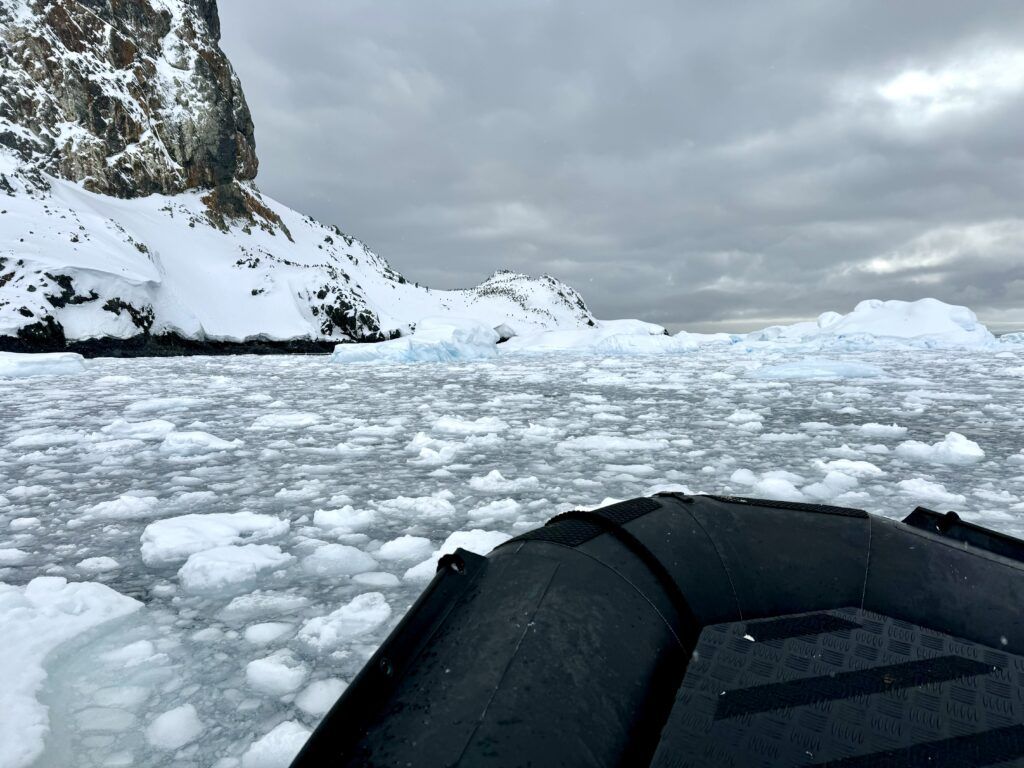
Prepare for extremes and unpredictability, since even polar summers may turn rough and warm-weather routes like the Amazon or Galapagos can bring intense heat, so choose your dates and region accordingly and pack for the right conditions.
If you absolutely hate the cold, the polar regions may not be your best choice for an expedition cruise. Even in the respective summer season, the weather may be unpredictably stormy and cold. Warmer destinations run the risk of sunburn and extreme temperatures in the summer months.
Packing the proper gear greatly enhances the experience, though. Expedition cruise lines provide you with a list of items that you should bring, including mandatory items like muck boots for wet landings. Some will provide these boots and walking sticks for guests to use while others require passengers to bring their own. So check with your cruise line before packing.
Is an expedition cruise in your budget?
The headline fare is only part of the picture, so look closely at what each cruise actually includes. Some expedition lines are fully all-inclusive, covering excursions, gear, drinks, and even charter flights to remote destinations. Others price those separately, and the extras add up fast. When you compare two similar sailings, ask what you will pay beyond the fare for things like beverages, gratuities, or equipment rentals and activities once onboard the ship. The all-inclusive option is sometimes the better value once you total everything.
Overall, your final choice comes down to your preferences, reviews from others who have sailed, and the real cost once the extras are counted.
Best Expedition Cruise Lines
Here is a quick list of some of the most popular expedition cruise lines, with a couple features for each one that might help with making your selection.
- Adventure Canada– Family-run, culturally immersive Arctic voyages with strong Inuit and Greenlandic focus. New ships for 2026.
- Aqua Expeditions– River and ocean expeditions from the Amazon and Mekong to the Galápagos. Culinary-forward, with a new yacht reaching the Arctic and East Africa in 2026.
- Arctic ProCruises– Formerly Iceland ProCruises, Icelandic-run specialist in Iceland, Greenland, and Svalbard. Signature Iceland circumnavigation, with local knowledge from a native Icelandic travel group.
- Atlas Ocean Voyages– All-inclusive yachts under 200 guests. Fares include charter flights in polar regions, all beverages, and gratuities. Polar Expeditions plus Epicurean and Cultural sailings.
- Aurora Expeditions– Australian-based company, X-Bow ships for smoother crossings. Ten solo cabins per sailing with no single supplement.
- Celebrity Cruises– Solely the Galápagos. Celebrity Flora, the first all-suite mega yacht built exclusively for the islands, with deck glamping under the stars.
- Hapag-Lloyd Cruises– German-rooted luxury expedition line with modern ice-class ships. Worldwide reach from the poles to the tropics. Now sailing bilingually in German and English.
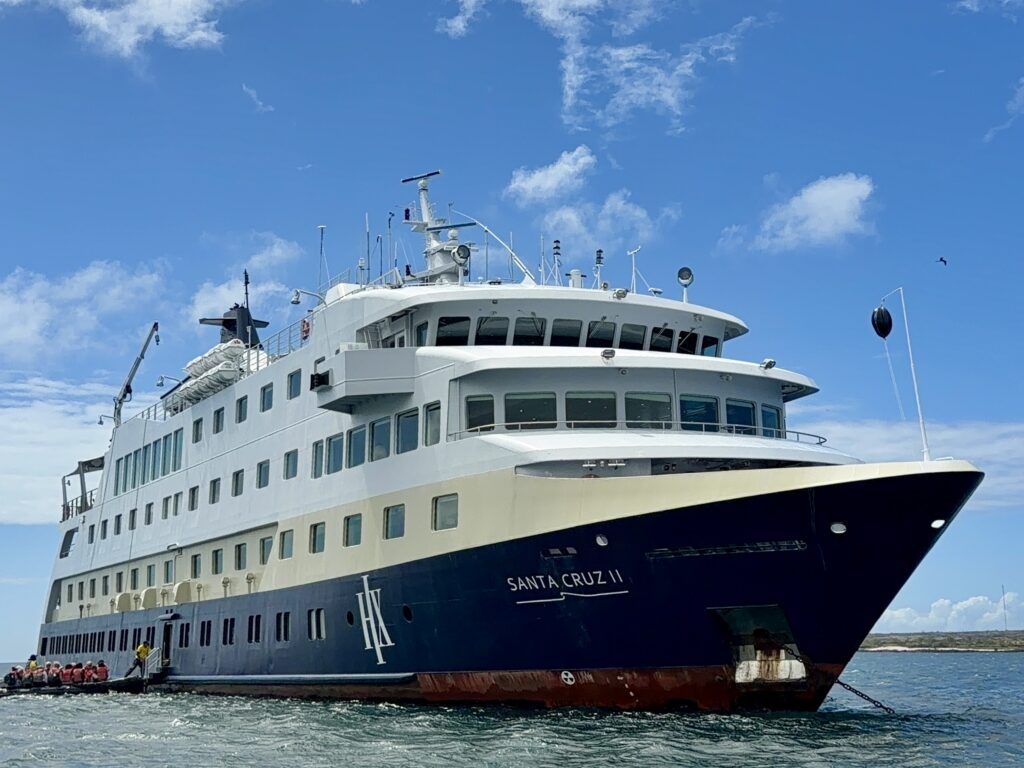
- HX Expeditions– Formerly Hurtigruten, who founded expedition cruising in 1896. Polar regions plus the Galápagos aboard MS Santa Cruz II. Sustainability leader.
- Lindblad Expeditions– National Geographic partnership and deep naturalist programs. Glass igloos on Resolution and Endurance for sightseeing in secluded comfort.
- Ponant Explorations– French luxury and fine dining. Le Commandant Charcot is the world’s only luxury polar icebreaker reaching the geographic North Pole.
- Poseidon Expeditions– Polar specialist with multi-year “Best Polar Expedition Operator” awards. Under 114 passengers for intimate zodiac rides and shore landings.
- Quark Expeditions– Premier polar cruise operator since 1991 that ran the first North Pole tourist voyage. Helicopter flightseeing on Ultramarine along with camping, kayaking, and polar plunges.
- Scenic– All-inclusive ultra-luxury Discovery Yachts with technology for quicker passages and more time on shore. Helicopters and submarines on board as well.
- Seabourn– Ultra-luxury, all-suite vessels with fine dining. Retired its submarine program in 2026 to focus on zodiac cruising, hikes, and snorkeling.
- Silversea– Comprehensive ultra-luxury all-inclusive with door-to-door fares that include flights. Silver Origin is purpose-built for the Galápagos.
- Swan Hellenic– Combines polar expedition with cultural sailings on boutique ice-class ships offering high-end design, academic enrichment, and expert lecturers.
- UnCruise– All-inclusive, active small-ship adventures in Alaska, Baja, Hawaii, and the Galápagos. USA-flagged, so itineraries skip required foreign ports.
- Viking– Adult-only scientific enrichment. First civilian ship sanctioned to launch weather balloons, with onboard science labs, two submarines, and an extensive library.
Comments
Did you find this complete guide to expedition cruising helpful? Have you taken an expedition cruise to one of these bucket list destinations? Drop us an anchor below to share your expedition cruise experiences.