
 Ashley Kosciolek
“I’ve never been on a cruise, and I have no desire to go on one – unless it’s a river cruise,” a relative told us at a recent family gathering. We have now heard this similar refrain from so many people that we’re starting to think river cruising might just be the best option for non-cruise cruisers.
But what are river cruises? What makes them so different from their oceangoing counterparts? And what is it like to go on one? In this river cruise guide, we’ll cover everything from popular lines and who your fellow passengers are likely to be to what you should know about cabins, food, and activity levels before you set sail.
River Cruising Quick Facts
- Ships carry fewer than 200 passengers
- All-inclusive pricing (meals, some drinks, often excursions)
- Multiple ports daily with cultural immersion focus
- Popular rivers: Rhine, Danube, Seine, Nile, Mississippi
- Higher price point than ocean cruises
- Best for: Adults seeking history, culture, and scenic travel
- Not ideal for: Families with kids, budget travelers, or those wanting lots of onboard entertainment and amenities
What is a River Cruise Like?
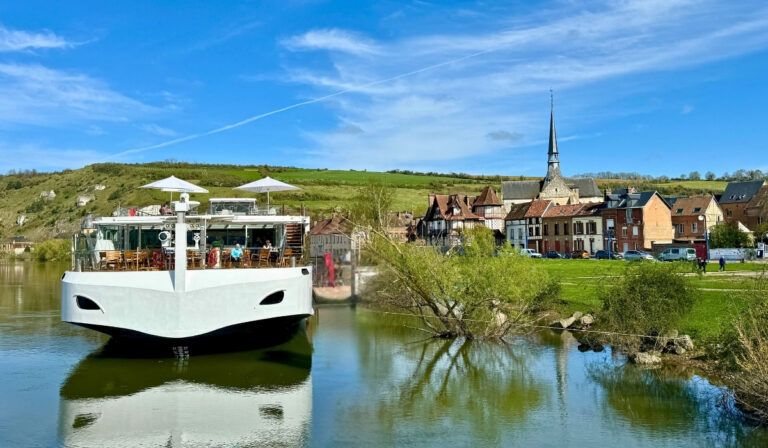
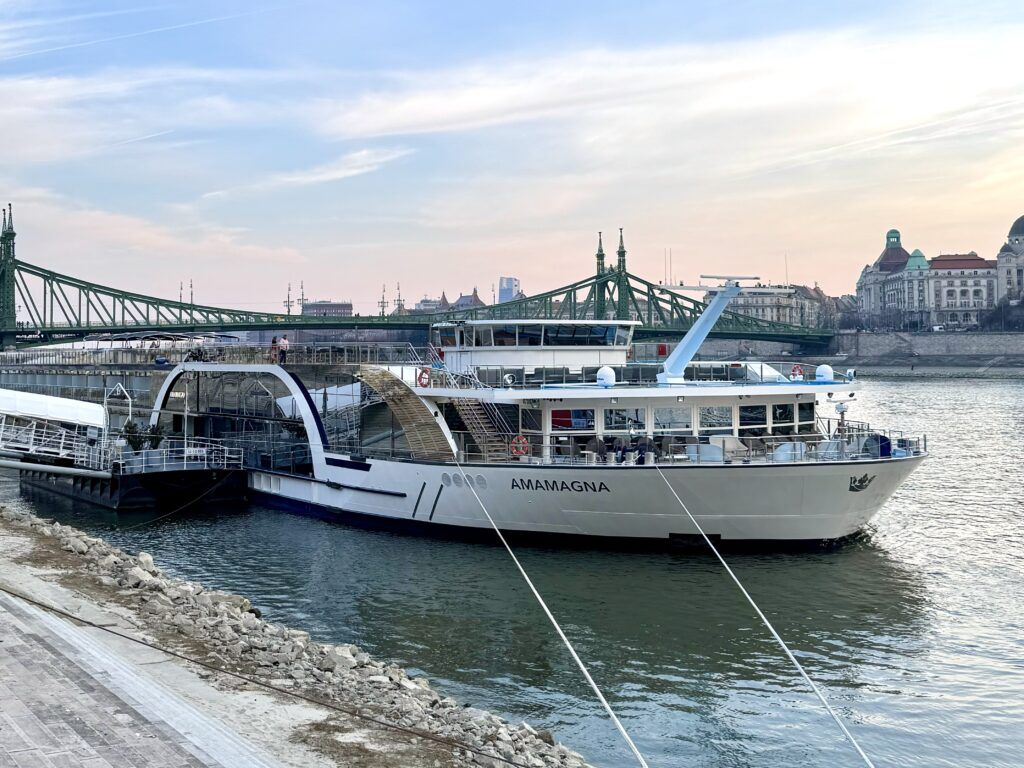
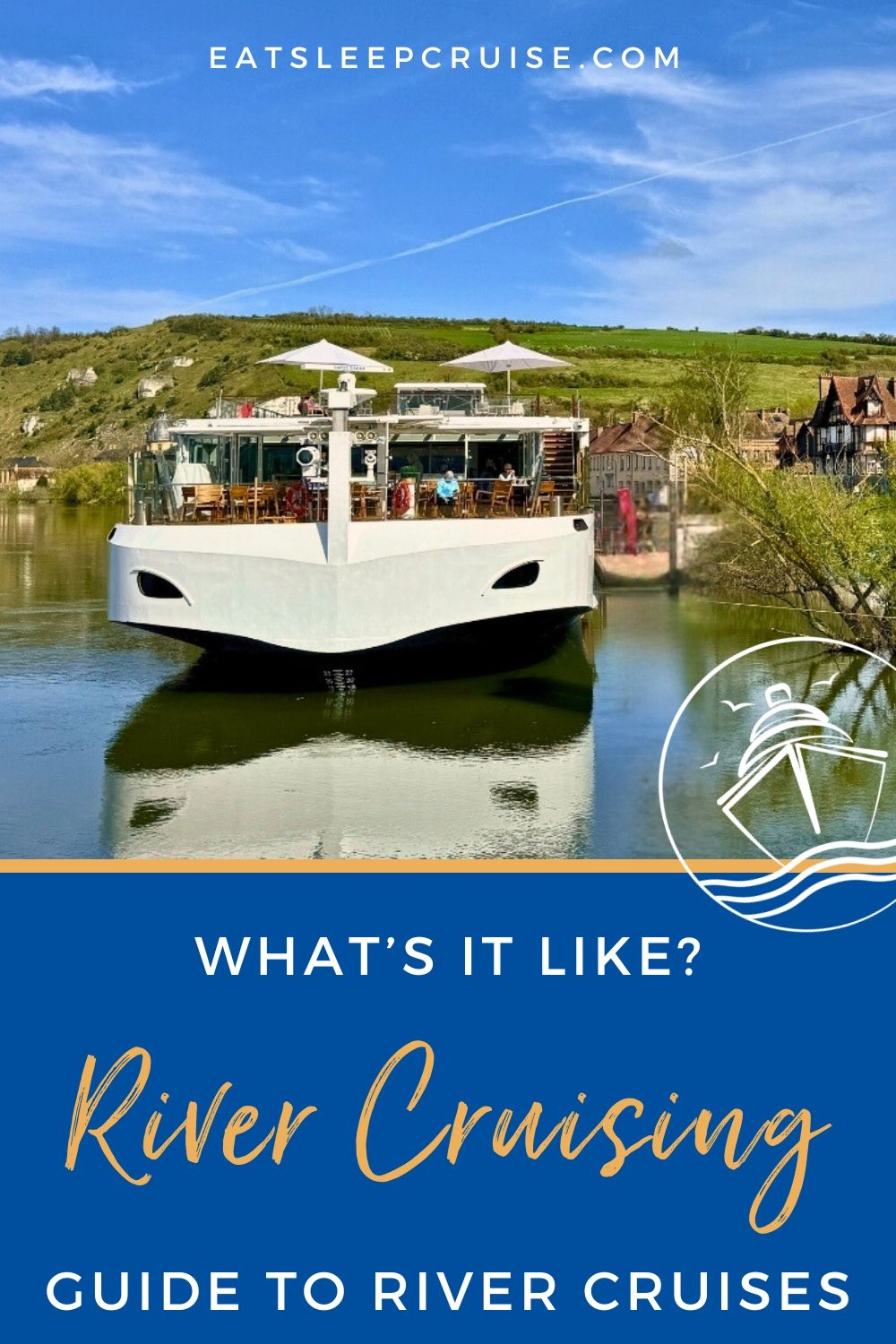
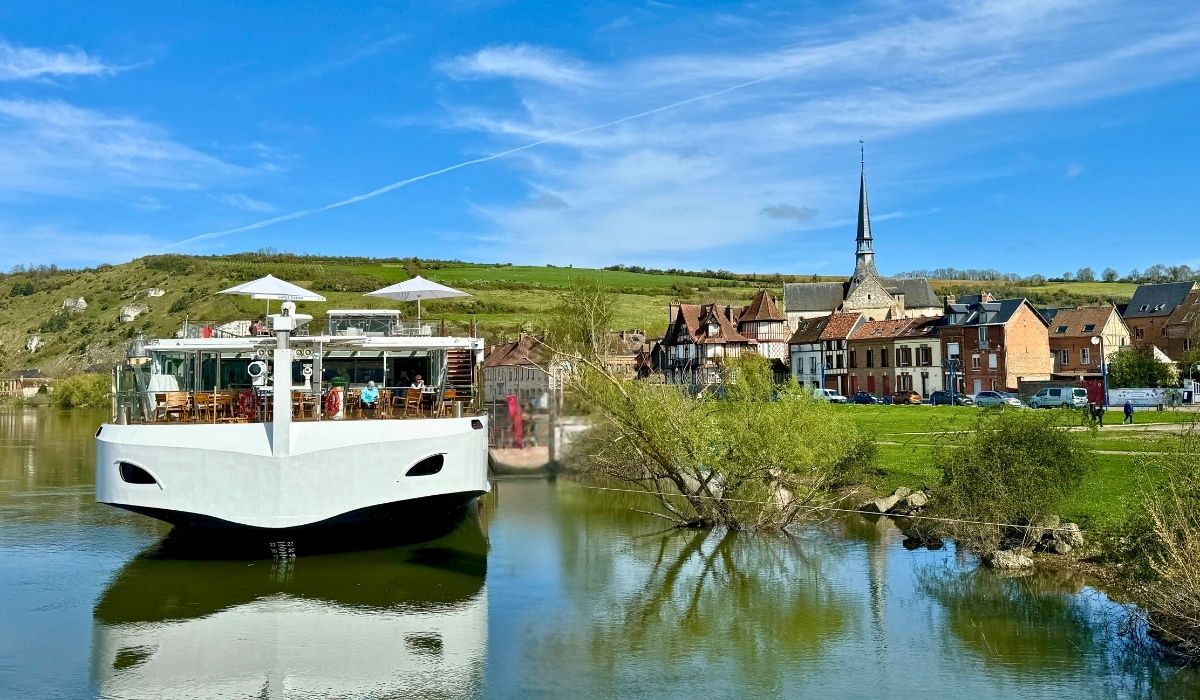
A river cruise is just what it sounds like. It’s a cruise that operates on the world’s rivers and visits ports along the way. But don’t expect one of those 20-deck behemoths you’ve seen on TV. You’ll be sailing on a vessel that’s much smaller. Nor should you expect to visit prefabricated private islands built for tourists who just want to sip mai tais by a pool.
Instead, you’ll spend time in quaint small towns and historic cities dotting the rivers. Each offers beautiful sights, interesting history, excellent food, or a combination thereof.
Although life onboard moves at a slower pace than the average ocean cruise – a result of river vessel size constraints that allow them to pass through river locks – river sailings focus heavily on destination immersion. Local talent comes onboard to perform. There might be lectures on local history or culture. And because river ports are so close to one another, it’s common for passengers to experience multiple ports per day. In fact, we usually feel more exhausted after a couple days on a river cruise than we do at the end of a full week on an ocean voyage.

River ships are often more upscale than ocean ships, too, featuring posh design elements and furnishings, top-tier dining (although with fewer choices than are available on a typical ocean vessel), and in-cabin touches like high-thread-count bedding, marble bathrooms, and pricey brand-name toiletries.
What to Expect on a River Cruise
Where Do River Cruises Go?
River ships ply rivers that include the Rhine, Danube, Rhone, Douro, Seine, Nile, Amazon, Irrawaddy, Brahmaputra, Mekong, Yangtze, Ganges, and others. There are also United States-based river cruise lines that mainly focus on the Mississippi, Columbia, Snake, and Ohio Rivers.
The Rhine is generally the most popular, with ships offering scenic sailings through the Rhine Gorge. Even if prospective passengers don’t know the exact name of the river, they’re almost always familiar with iconic images of stunning castles set high on the surrounding hillsides. If you’re new to river cruising and want a memorable starter itinerary, the Rhine won’t disappoint.
How Big Are River Cruise Ships?
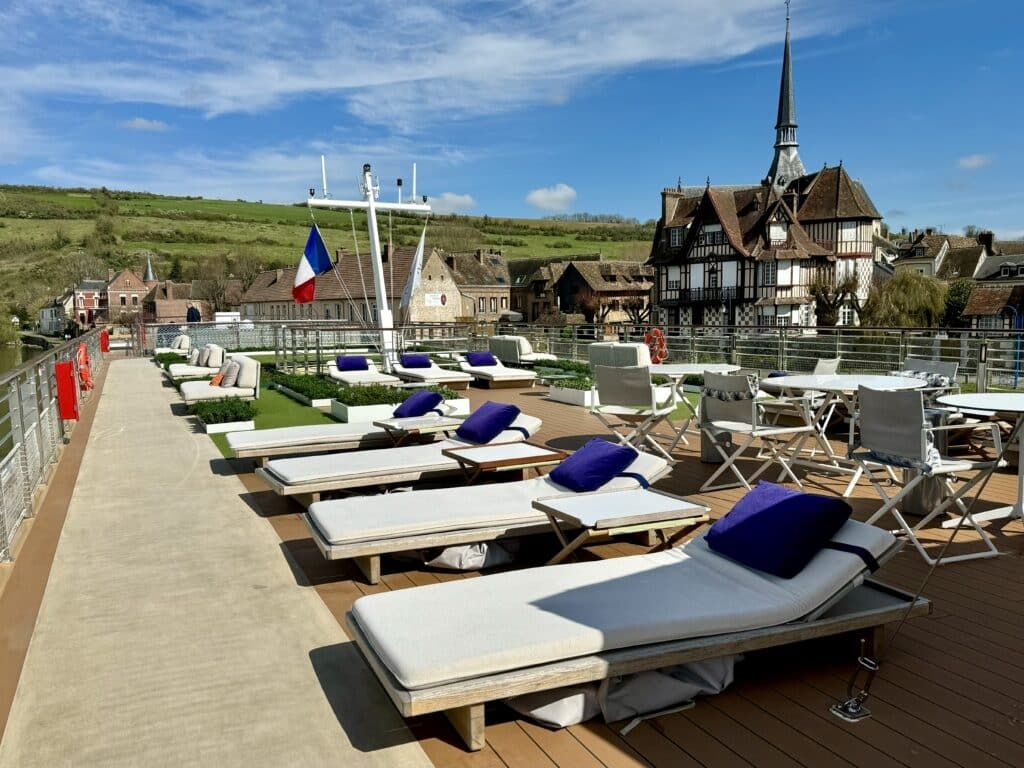
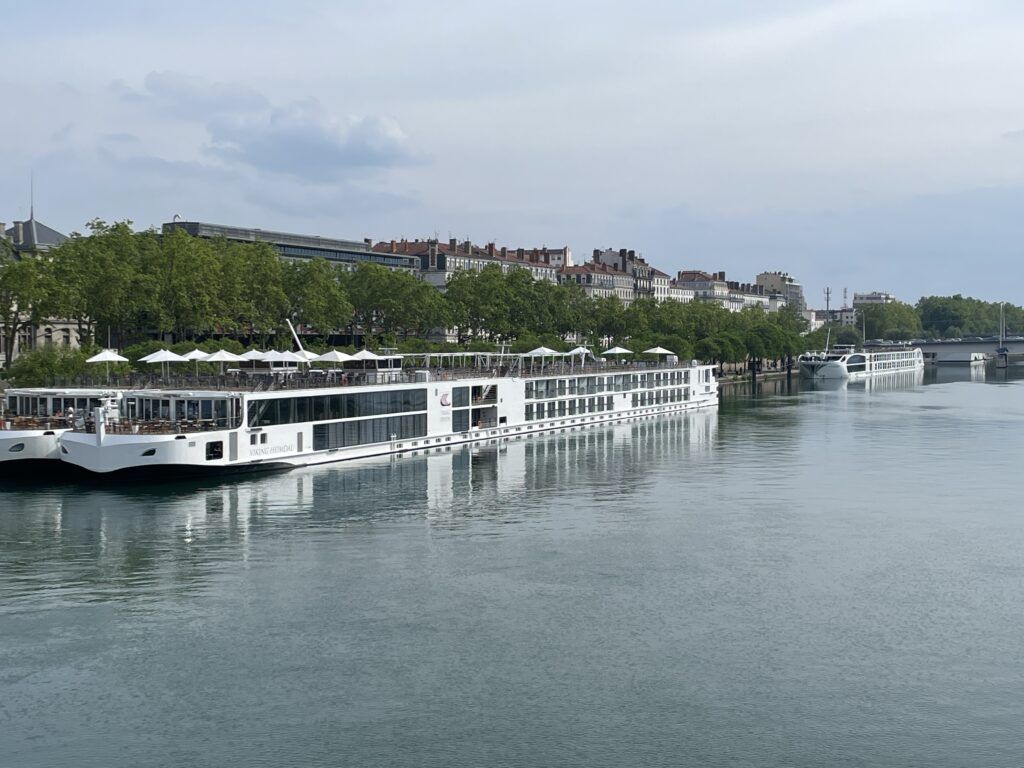
Because river cruise ships must be built small enough to fit through river locks, even the largest vessels are fairly little. They encompass just four decks and carry fewer than 200 passengers. The tiniest ones accommodate fewer than a dozen people.
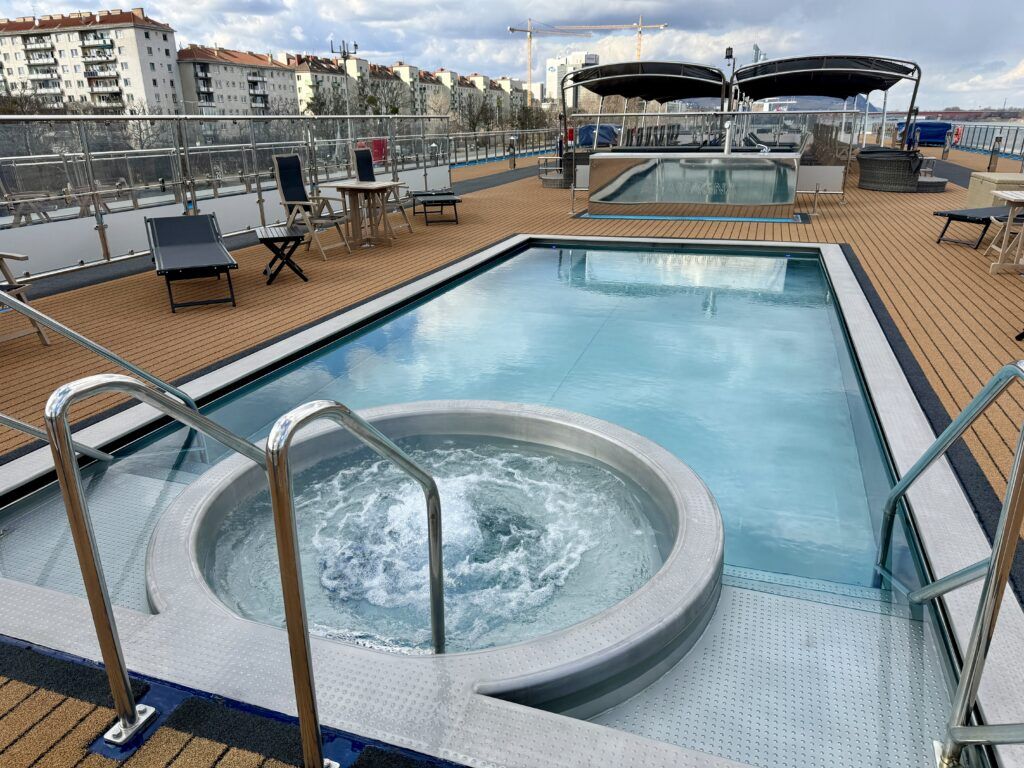
Their limited dimensions usually mean you won’t find a ton of onboard amenities. There are no large spas, fitness centers, or onboard shops; casinos; theaters; a variety of specialty restaurants; or children’s facilities. If there’s a pool, it’s likely to be a plunge pool, rather than one large enough for lap swimming.
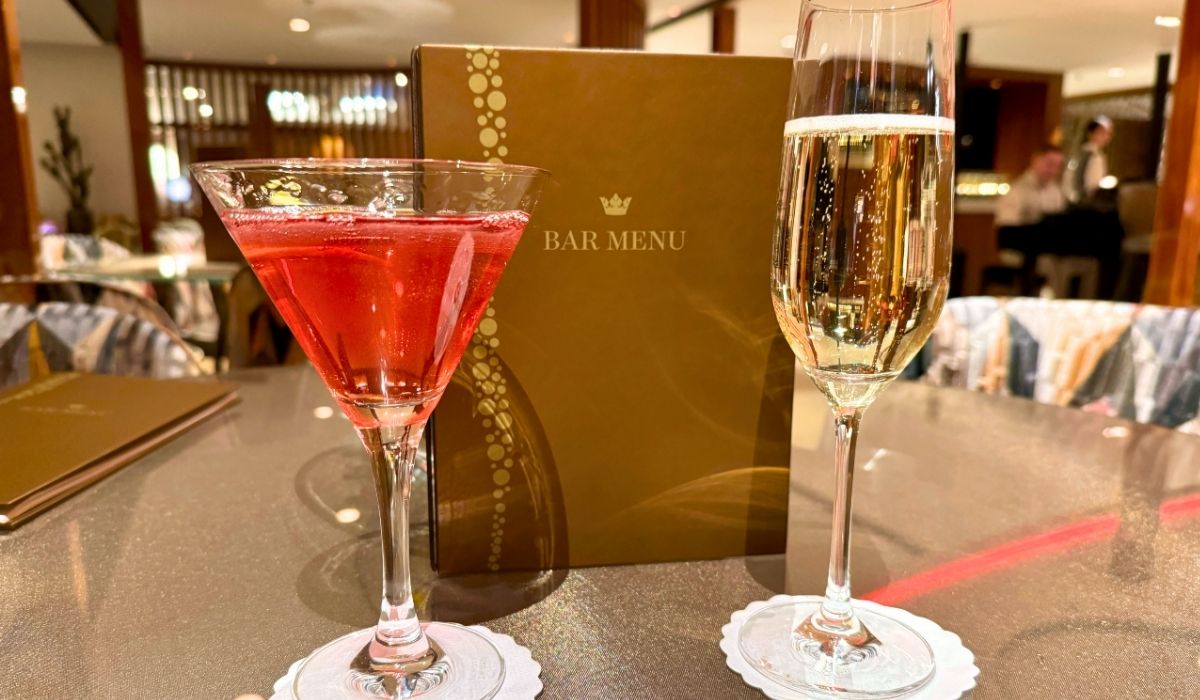
In addition to cabins, you can expect a guest services desk in the main foyer, an outdoor sun deck area (which might be closed when the ship passes under low bridges), a restaurant where everyone eats together at the same time, and a bar and lounge area (which will be quiet during the day but might host local cultural performances or live music at night.
What Is a River Cruise Cabin Like?
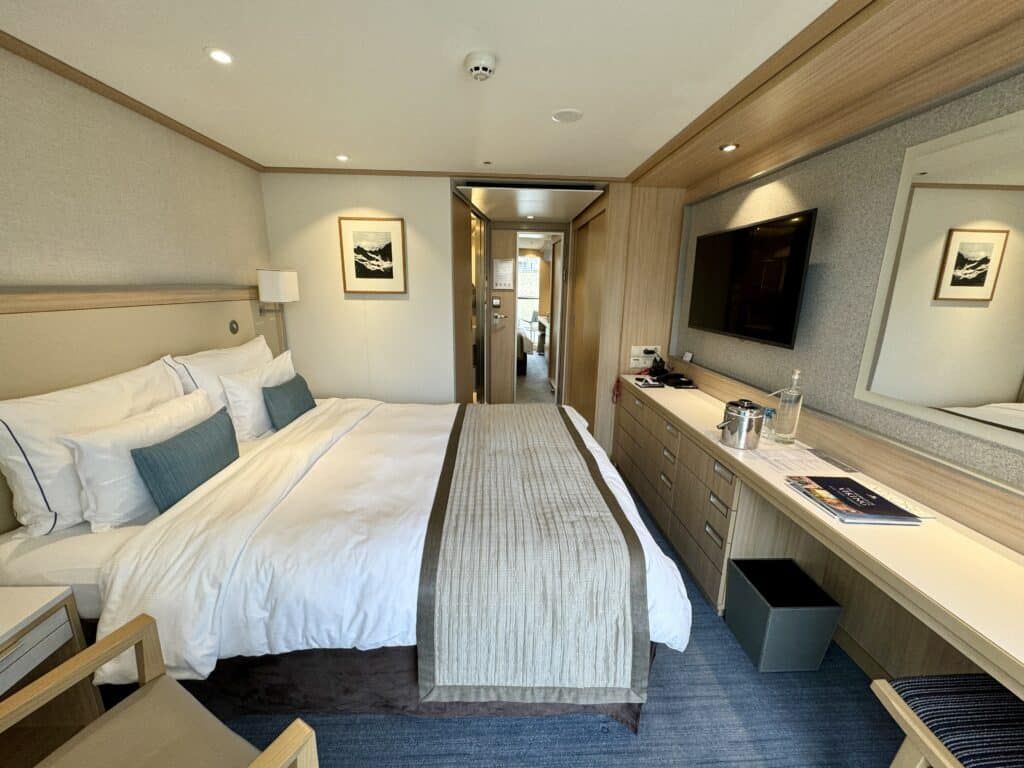
River cruise cabins are most often a combination of insides, outsides, balcony rooms, and suites that sleep two people. Due to size requirements, though, you might see French balconies – sliding-glass doors that open to turn your room into an open-air space – rather than full-size traditional verandas. Each cabin will have its own shower, sink, and toilet, too. There will also be complimentary toiletries (usually shampoo, conditioner, shower gel, and lotion).
If you’re traveling with a group, know that connecting cabins or rooms that sleep more than two people are rare on river cruise ships. Accessible and solo cabins for one are limited, too, particularly in Europe. If you plan to travel by yourself, look for lines that waive single supplements for lone cruisers.
What Kind of Food Is There on River Cruises?
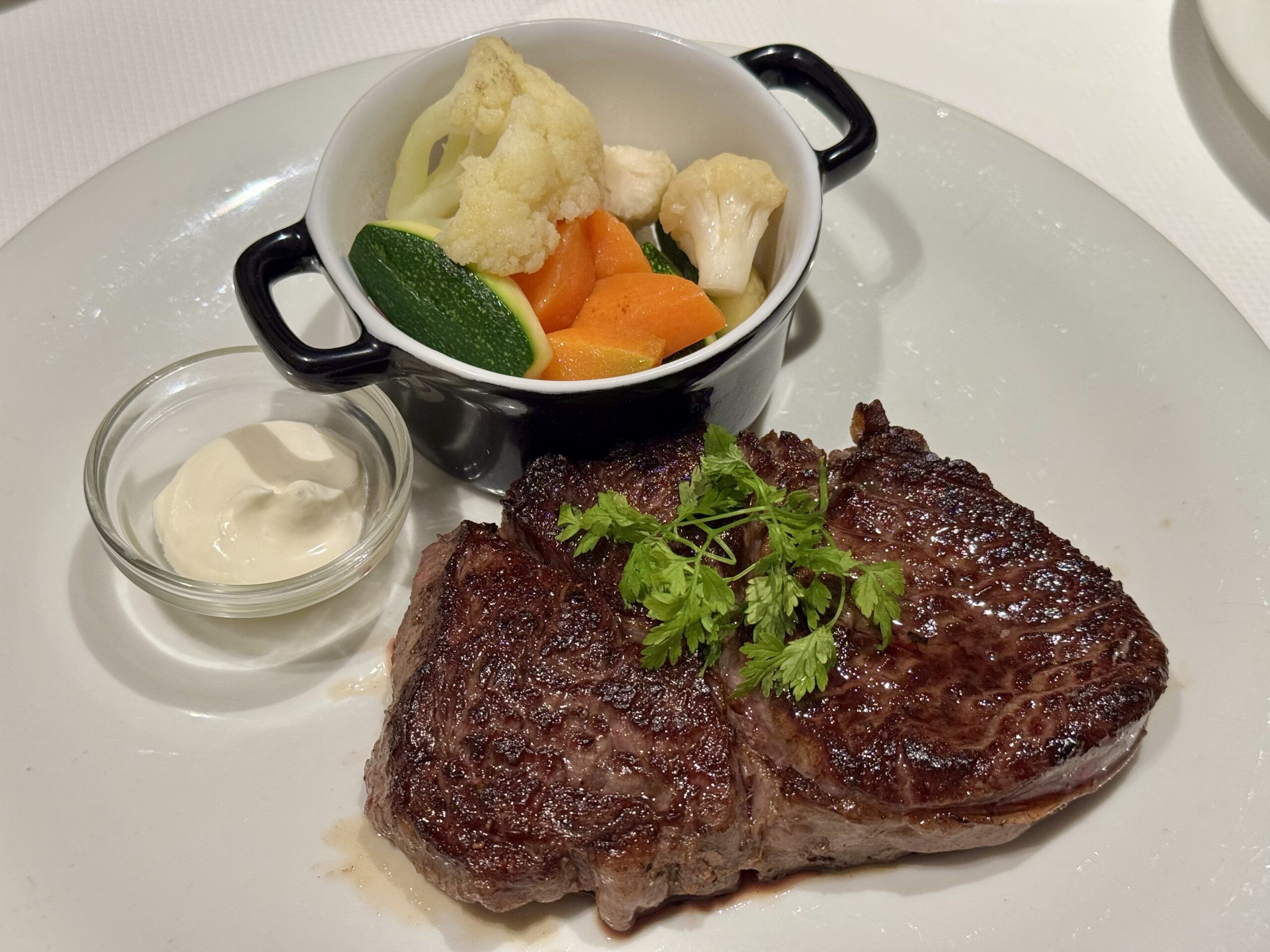
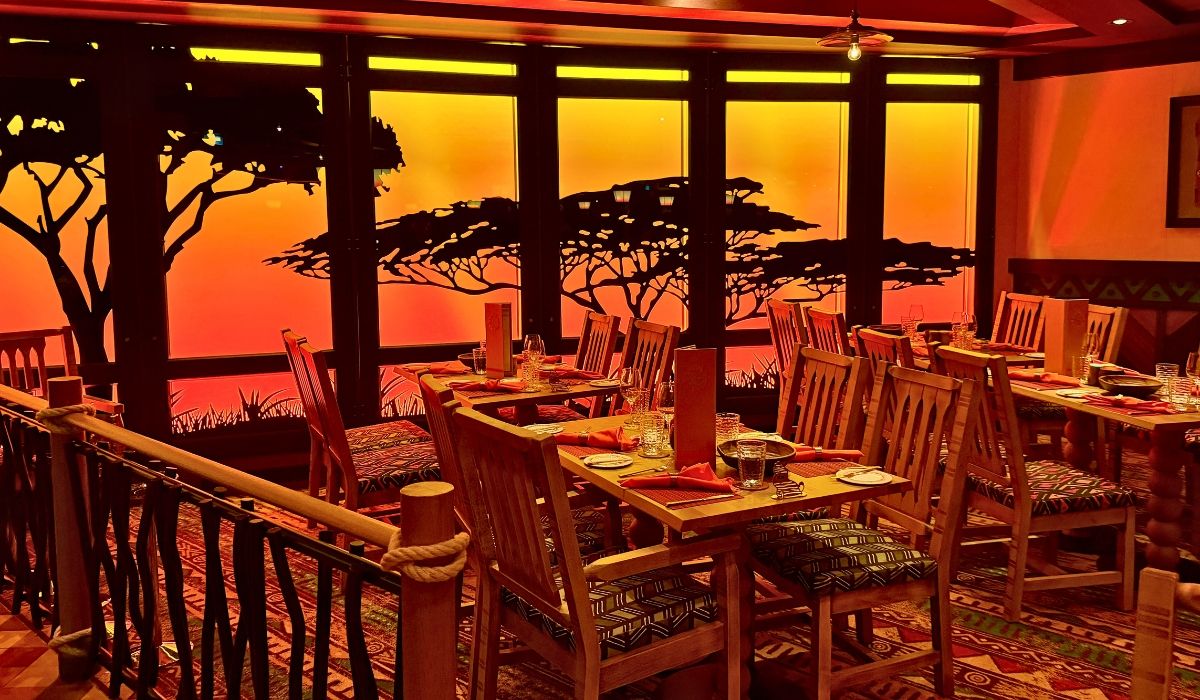
Many river ships have just one restaurant onboard that’s free for all cruisers. There, breakfast and lunch are often served buffet-style. Waiter-served dinner is at a set time for all passengers each night with a set menu that changes daily. What you won’t find on many river vessels is specialty dining. (There just isn’t room for multiple restaurants onboard.)
Food is often superb, featuring fresh, locally sourced ingredients from the regions and ports the ship visits. (Some cruise lines even run special shore excursions where passengers can accompany the ship’s chef to a local market to shop.) Be careful not to skip meals because you’re unlikely to find more than a plate of cookies or fruit between.
River vessels provide standard beverages – water, coffee, tea, soda, juice, and some alcohol – all of which are included in the fares for most river lines.
Who Goes on River Cruises?
Voyages on the rivers – particularly those outside the U.S. – tend to draw affluent passengers who have either “been there, done that” and are looking for something new or who eschew traditional cruising in favor of a more immersive and less touristy experience. Passengers on river cruises tend to skew a bit older than those who sail the oceans. However, anyone of any age who enjoys history, scenery, good food, and conversation will enjoy a river sailing.

Who Shouldn’t Go on River Cruises?
In general, river cruises aren’t the best option for kids, budget travelers, or people traveling alone. There are no kids clubs or dedicated areas onboard. Even the cheapest river cruise is comparable in price to an all-inclusive luxury ocean sailing. And solo passengers will almost always have to pay some sort of single supplement since most cabins are meant to accommodate two people.
River sailings also aren’t the easiest cruises for travelers with mobility challenges. Because of the nature of docking locations and berth availability, river vessels require the use of steep metal stairs or ramps that are often not wheelchair-friendly.
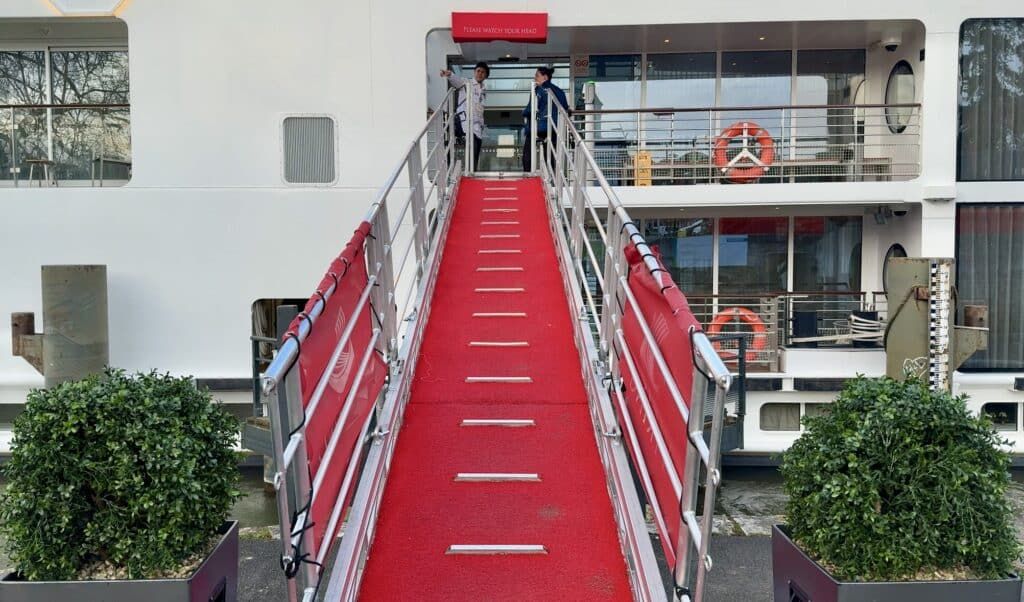
Additionally, on busy days in port, several ships might tie up alongside one another. Passengers sometimes have to walk through the foyer of ships on which they aren’t sailing to reach their vessels. For anyone using mobility aids like wheelchairs, canes, walkers, or scooters, that can be problematic.
Further, even on river ships that have elevators – not all of them do – the cars don’t always run to the topmost deck. That means passengers with limited mobility might not be able to enjoy the sun deck during their sailings.
How Much Does a River Cruise Cost?
Frankly, river cruises aren’t cheap. Even for the most affordable options, you’re easily looking at a couple thousand dollars per person. That doesn’t include any flights or pre- or post-cruise hotel stays you might also need to book.
However, the saying “you get what you pay for” is true here. River cruises include a lot of items that would cost extra on other types of cruises. At minimum, nearly all dining is covered by the cruise fare, and beer and wine is free with lunch and dinner. Some river brands even include Wi-Fi, shore excursions and the use of sports equipment in their prices. Still others might even throw in crew gratuities or complimentary roundtrip flights – some with door-to-door transfers.
Other River Cruise Information
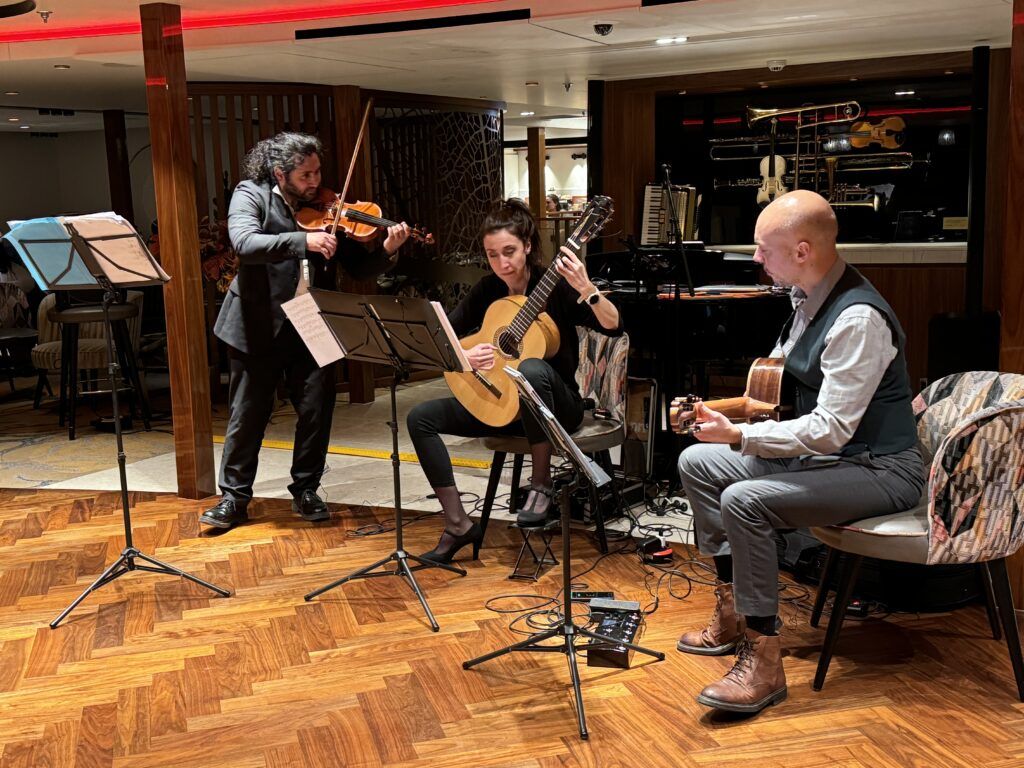
If you’re someone who’s used to more traditional ocean cruises or someone who’s easily bored, you should know that river cruise ships offer little in the way of entertainment. There might be a small library with books, puzzles, and board games. At night, there’s likely to be some sort of live performance or informative talk in the communal lounge area. Other than that, you’re responsible for making your own fun. After all, the focus of the trip is the destination, not the ship.
If you dislike the idea of a mainstream cruise because the idea of being at sea scares you, note that you’ll nearly always have land in sight when you cruise the rivers. That also means medical care is never far away. It’s not typical for river ships to have medical facilities onboard. That’s because it’s easy to transport passengers to the nearest hospital if necessary – something that’s good for cruisers with health issues to know.
And, finally, if you cruise during the summer months – especially if it’s a particularly dry, hot summer – low water levels are a possibility. Sometimes sections of certain rivers are prone to drying up to the point that your ship might not be able to cross. If that happens, passengers will continue their trip via charter bus. If the line has another ship available on the other side of the drought, there’s a chance you could resume and finish your trip on a different vessel.
What’s the Best River Cruise?
Ask us what the best river cruise line is, and we’ll tell you it’s up to you. That’s because each has its own specialty, vibe, and characteristics that make it unique. It also depends on what’s important to you – pricing, amenities and inclusions, ship sizes, itineraries and more.
Below is a handful of the notable brands in the river cruise industry. Note that it is not an exhaustive list.
AmaWaterways: This active river cruise line offers shore excursions for different ability levels in each port, as well as a fleet of its own bicycles that are free for passenger use. Through a partnership with Adventures by Disney, this line offers one of the only family-friendly options in river cruising.
American Cruise Lines: This U.S.-based river cruise line you’ve probably never heard of actually has one of the largest fleets in the entire cruise industry – including oceangoing lines. It focuses its voyages largely on U.S. rivers, offering a slice of Americana to those who don’t want to venture too far from home.
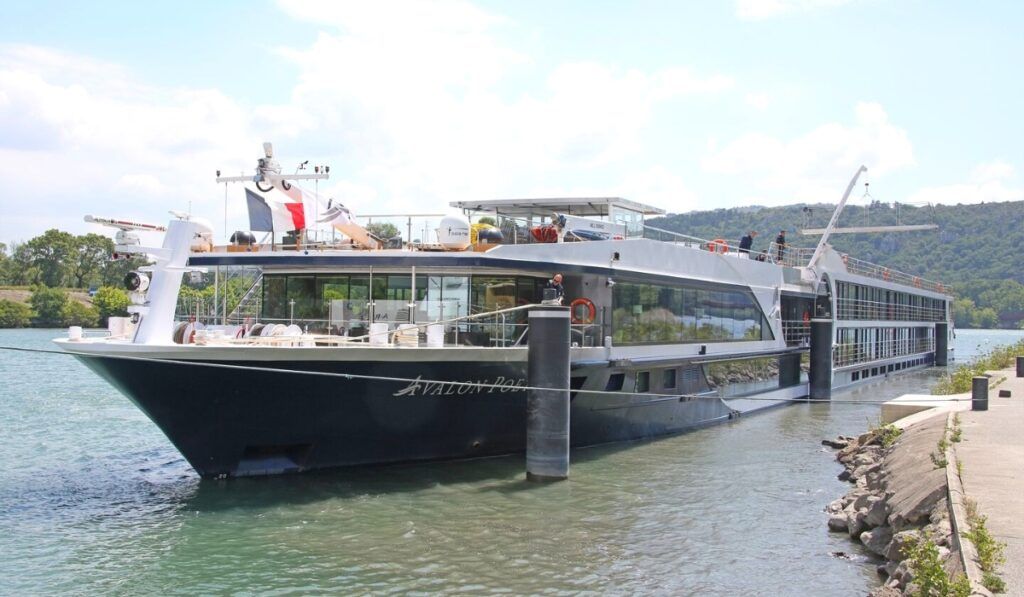
Avalon Waterways: Avalon is a mid-tier brand that caters to passengers without over-the-top accouterments or pricing.
Croisi Europe: Expect to find well-traveled, budget-conscious Europeans as your fellow passengers on sailings with this French cruise line.
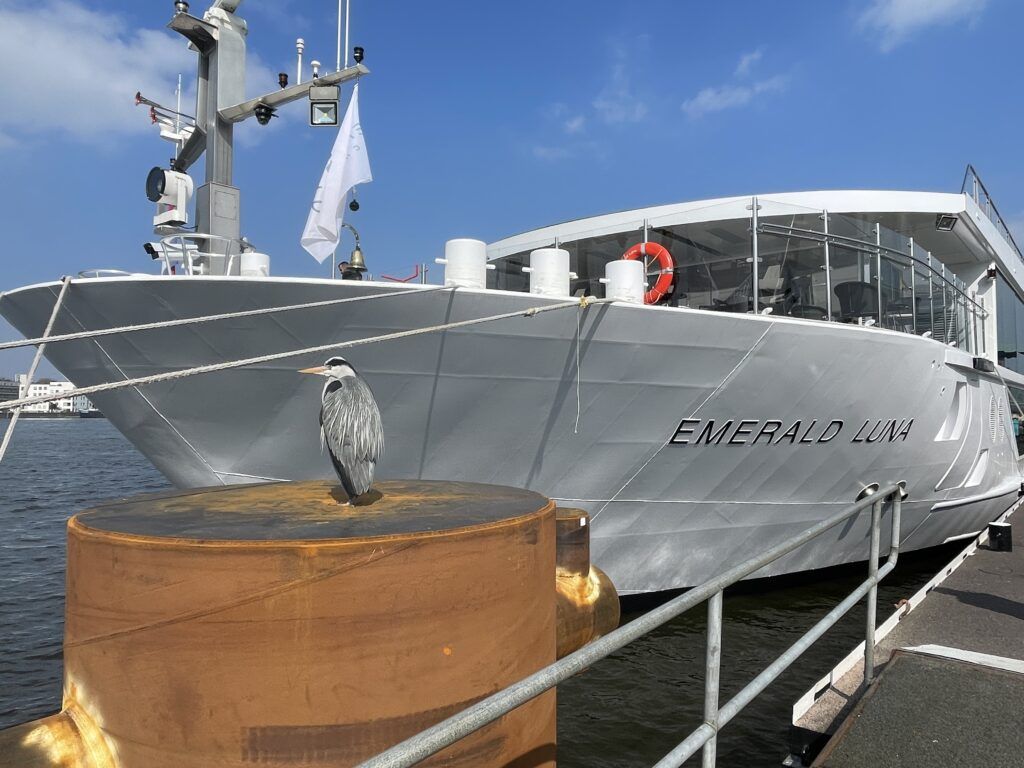
Emerald River Cruises: A sister brand to Scenic, Emerald has everything you’ll need for a comfortable and enjoyable sailing. But, its lower pricing makes it great for budget-conscious travelers.
Grand Circle: Although it has no official age restrictions, Grand Circle caters to passengers 50 and older. It’s also one of the few river brands that has solo cabins designed and priced for one person. That allows people traveling by themselves to avoid paying a single supplement.
Scenic Luxury Cruises & Tours: This ultra high-end line offers multiple onboard dining options and butler service, making it one of the most splurge-worthy options afloat.
Tauck: With a phenomenal cruise director-to-passenger ratio, Tauck is great at providing personalized service on its sailings. Like AmaWaterways, it also offers special sailings for family groups.
Uniworld River Cruises: Uniworld is one of the most high-end brands in river cruising. It features over-the-top lavish luxury with prices to match.
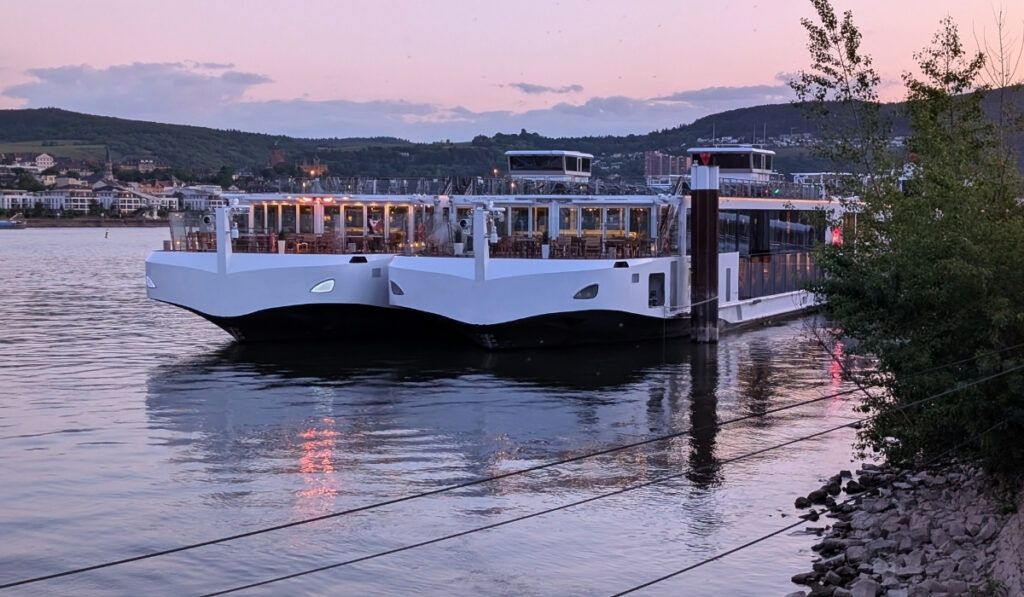
Viking River Cruises: Viking offers a quintessential river cruise experience. It’s a solid product with brand recognition at one of the more affordable prices you’ll find in the industry.
Bottom Line
River cruises are a fun way to cruise without feeling like you’ll be lost in a crowd. Conversely, you’ll be on a smaller vessel in a relatively intimate atmosphere with less amenities. Although the onboard pace is slow, you’ll spend plenty of time exploring ashore and immersing yourself in local culture, history, and cuisine of the region you choose to visit.
Comments
Have you taken a river cruise? Do you have any other river cruise tips to share with first-timers? Drop us an anchor below to share your river cruise experiences.







1 comment
Kent Frederick
Friends of ours took a Viking river cruise last fall. The one aspect of the cruise they didn’t like was the late time for dinner, usually around 7:30.
With most ocean cruise lines offering an early dinner seating, between 5:30 and 6:00, eating dinner so late was unexpected, and a tad frustrating.