

 Ashley Kosciolek
If you’re anything like us, packing for a cruise is one of the most stressful parts of pre-voyage preparation. Do you really need a third bathing suit? What can you do if you forget your toothpaste? Should you bring that extra pair of shoes? And what’s the best way to maximize space in your luggage?
Even if you’re a seasoned sailor, there’s always room for cruise packing tips to improve your methods. Here, we offer crucial suggestions on how to pack for a cruise so you have what you need, scrap what you don’t, and enjoy a more relaxed vacation – perhaps without all of the extra baggage fees.
1. Check the weather and geography in your destination.
Not all cruise regions are created equal when it comes to weather. For example, packing for an Alaska cruise is much different from knowing what to bring when you cruise to the Caribbean. If you’re headed someplace warm, you can usually get away with smaller clothes – bathing suits with cover-ups, shorts and tank tops or T-shirts instead of jeans and bulky sweaters and jackets, for example.

But when you venture to places – like Europe in the winter or Alaska, where conditions can vary by 30 degrees at any given time – with more variable climates, you’ll need to account for fluctuations. The best way to do that is with layers. Focus on bringing enough thinner base layers to carry you through your sailing; pack only one set of bulkier outer-layer items like sweaters, sweatshirts and jackets that you can wear over and over while switching out your base layers each day.
You’ll also want to stay up to date on the latest weather patterns so you know which types of footwear are practical. Headed somewhere cold and rainy? You’ll want sturdy, warm sneakers or some type of quick-dry or waterproof hiking boots instead of flip-flops.
Similarly, if you want to know how to pack for a cruise, you should research the area’s topography. In places where you’re more likely to find cobblestone streets or rugged terrain than sand, stick to sturdy footwear, and keep the sandals at home.

Weather and terrain also affect more than just clothes and shoes. If you’re going someplace chillier, where you’re more likely to be covered up, you’ll likely need a smaller bottle of sunscreen. If there’s little to no rain in the forecast, you can probably avoid bringing an umbrella and opt, instead, for an extra pair of sunglasses.
2. Review your cruise line’s dress code.
Although cruise line dress codes have become more relaxed over the years, there are still some that require passengers to don more than jeans during dinner. Most formal nights are now optional. However, if your line requires at least slacks and a button-down shirt for mealtimes on certain nights, make sure you’re aware to avoid embarrassment or disappointment. Staff in the dining room could ask you to change if you if you aren’t dressed appropriately.
Select specialty dinner options, such as high-end steakhouses or French restaurants, might also ban casual attire. If you have your heart set on trying a particular eatery, toss something suitable into your bag.

3. Use a packing list.
Before you start randomly grabbing clothes out of your closet, sit down, and create a list of items you’ll need. (Start with this list of essentials. Then reference our Alaska and Caribbean packing lists above.) This will help to ensure you don’t forget anything. After all, most cruise ships do sell toiletries, but you’ll pay a premium for them since it’s not like you’re able to just pop over to the drugstore when you’re at sea.
4. Choose items you can mix and match.
One great tip when learning how to pack for a cruise is to choose a few core pieces in a particular color palate so that you can mix and match. Although you might wear the same pants or blazer more than once, pairing them with a different shirt creates an entirely new outfit. Trust us: No one will notice if you’re wearing garments again. This will help you to prevent over-packing.
Neutrals – black, white, gray, brown and tan – are often the most versatile. You can pack a few accent pieces like a fun-colored shirt or two to freshen up the vibe. Or, consider jewelry, scarves, and other accessories that also add flair and take up less space than entire articles of clothing.

5. Plan for one extra day.
When rounding up clothing and toiletries, don’t forget to account for any pre- or post-cruise stays you have planned. Then add a day. There’s no telling when something unexpected – an issue that prevents your ship from arriving back into port on time, a canceled flight, or car trouble – could delay the end of your vacation.
Account for one extra outfit (or one you’re willing to re-wear) and pajamas, a couple extra sets of undergarments, and one to two additional days’ worth of medications, just in case.
6. Pick out everything you want to bring. Then cut it down by one-third.
If you’re a chronic over-packer and want to reform your ways, try this strategy. Gather everything you want to take or think you might need. Include clothing, PJs, shoes, toiletries, accessories, undergarments, outerwear and miscellaneous items.
Then make an effort to cull the pile to roughly two-thirds of its original size. Ask yourself if you can get away with three sets of PJs instead of four by wearing each for an additional night. See which pieces – especially items like bathing suits and jeans – you can wear more than one time, and find shoes that can do double duty so you can decrease the total number of pairs in your bag.
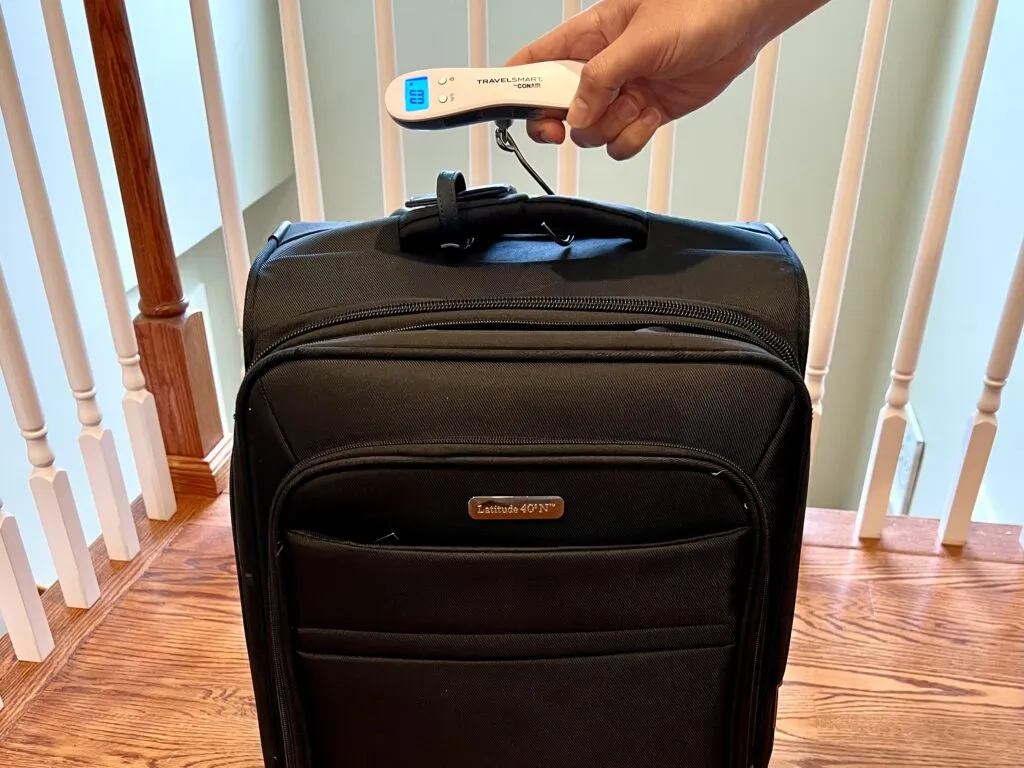
Oh, and those workout clothes? Unless you’re truly die-hard, you’re not going to visit the gym as much as you think you will. Cut the amount of fitness attire in half.
Note that one area where you’ll want to bring more than you need is underwear. Although you can likely reuse barely worn clothes without washing them, you can’t say the same for your undies.
7. Consider doing laundry onboard.
Just about every single cruise ship afloat offers some sort of onboard laundry option. Many lines’ vessels house self-service laundry facilities – some free, some for a small fee. If you want to travel light but don’t want to wear your clothes more than once without washing them, this is the way to go.
For ships that charge for self-service laundry, consider saving some money by bringing your own powdered laundry detergent onboard with you. It doesn’t take up much space, and it won’t go against any carry-on liquid restrictions.
If your ship doesn’t provide self-service laundry rooms or you don’t want to spend your precious vacation time doing a wash, opt for a for-fee send-out laundry service, which most ships also offer. You’ll drop your clothes into a bag, fill out a form, and leave everything for your room steward. In a day or two, you’ll have a fresh, clean pile of folded clothes delivered back to your cabin.

8. Limit your shoes.
By far, shoes are the object that takes up the most space in just about every traveler’s luggage. We enjoy a stylish pair of kicks as much as anyone, but if you’re trying to keep your bag sizes to a minimum, a cruise isn’t the place to show off your footwear.
After gathering the pairs you initially think you’d like to bring, start weeding them out. Perhaps some can do double duty, eliminating the need for others. For example, a pair of dressy sandals might be suitable for a day in port and evening dining, allowing you to leave those 4-inch stilettos at home. Or maybe you can substitute a pair of flats for that chunkier pair of loafers you had originally planned to include.
9. Roll clothes, use packing cubes, or do both.
Now that you’ve compiled your heap of clothes and other necessities, it’s time to actually put them into your suitcase – the literal part of how to pack for a cruise. Rolling clothes and putting them in packing cubes are two ways to save space, but a years-old packing efficiency debate rages on as to which is most effective. If you want to truly shake up the process you could try both: roll your clothes before putting them into packing cubes.
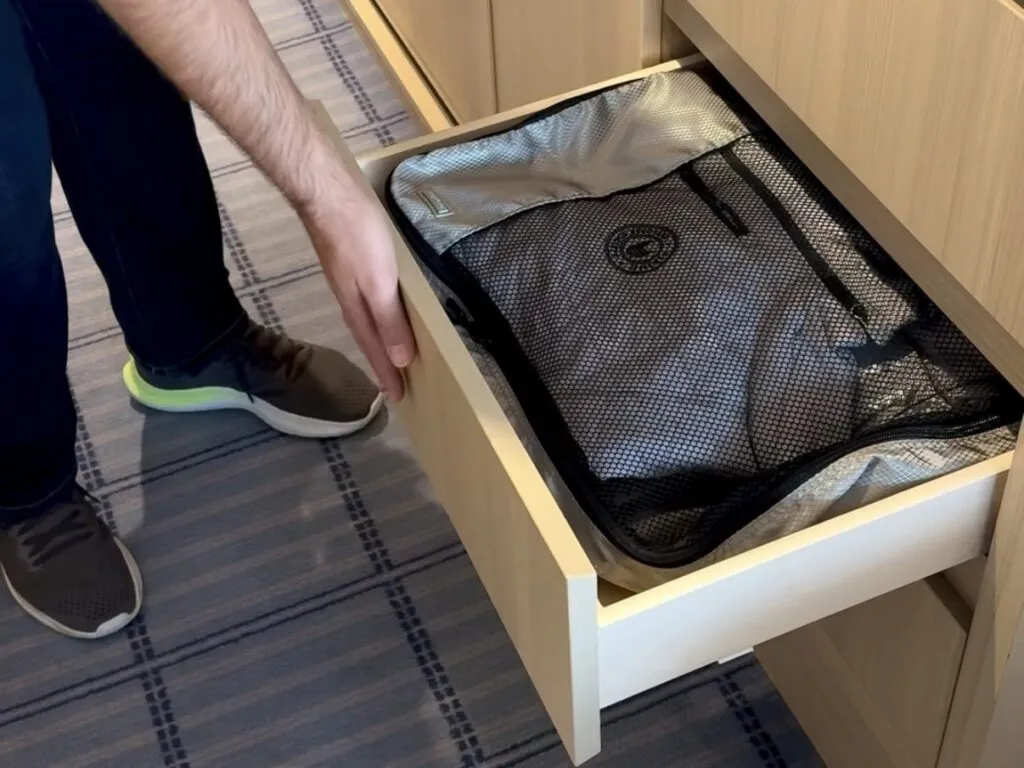
Regardless of the method you pick, be sure to use every possible bit of space by putting smaller items – socks, underwear, etc. – inside of shoes or wrapping belts around rolled items. You can also stuff tinier things inside of any hats you might be packing to help them keep their shape.
Plus, the packing cube method makes it really easy to unpack once on the ship.
10. If you do check a bag, also bring a carry-on.
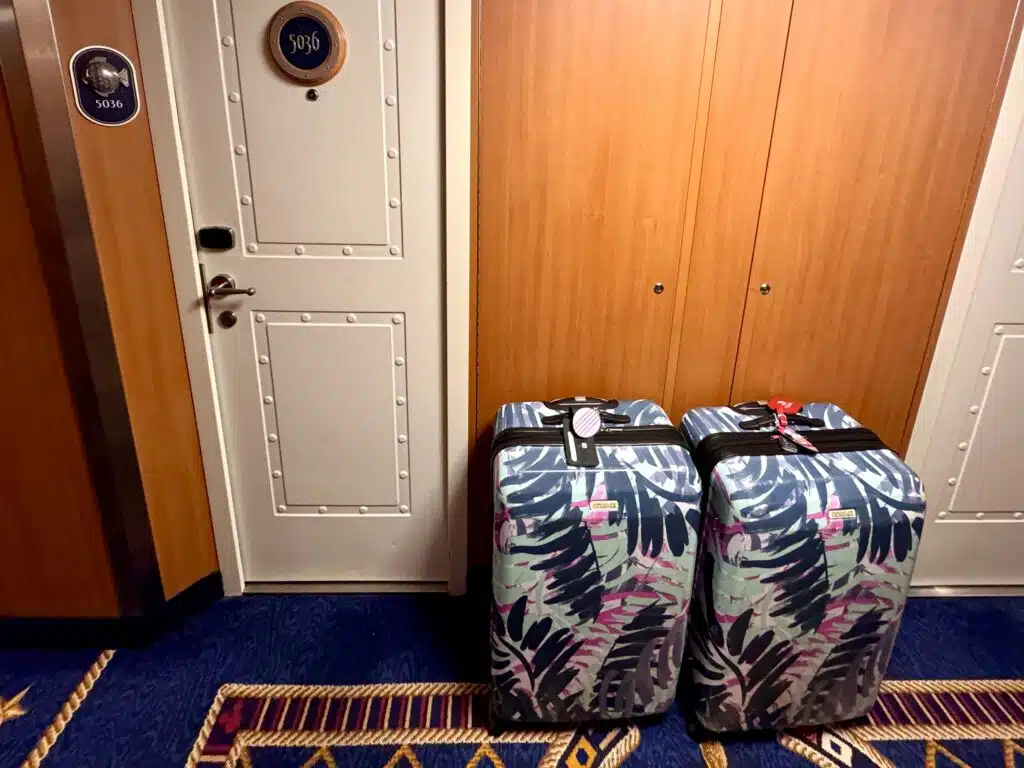
Decided to skip the paring-down process and bring a checked bag? We strongly advise that you also pack a well-stocked cruise carry-on with PJs, a few outfits, underwear, a swimsuit, and key toiletries, just in case your airline or cruise line loses your larger luggage. Plus, if you leave larger bags with the porter when you arrive at the cruise terminal, they might not deliver them to your cabin until after dinnertime.
You should also keep all medications, valuables, money and important travel documents on your person at all times. Don’t accidentally put your passport in your checked bag, or you’ll be denied boarding. If your luggage is lost and your crucial daily pills are in there, you’re out of luck.
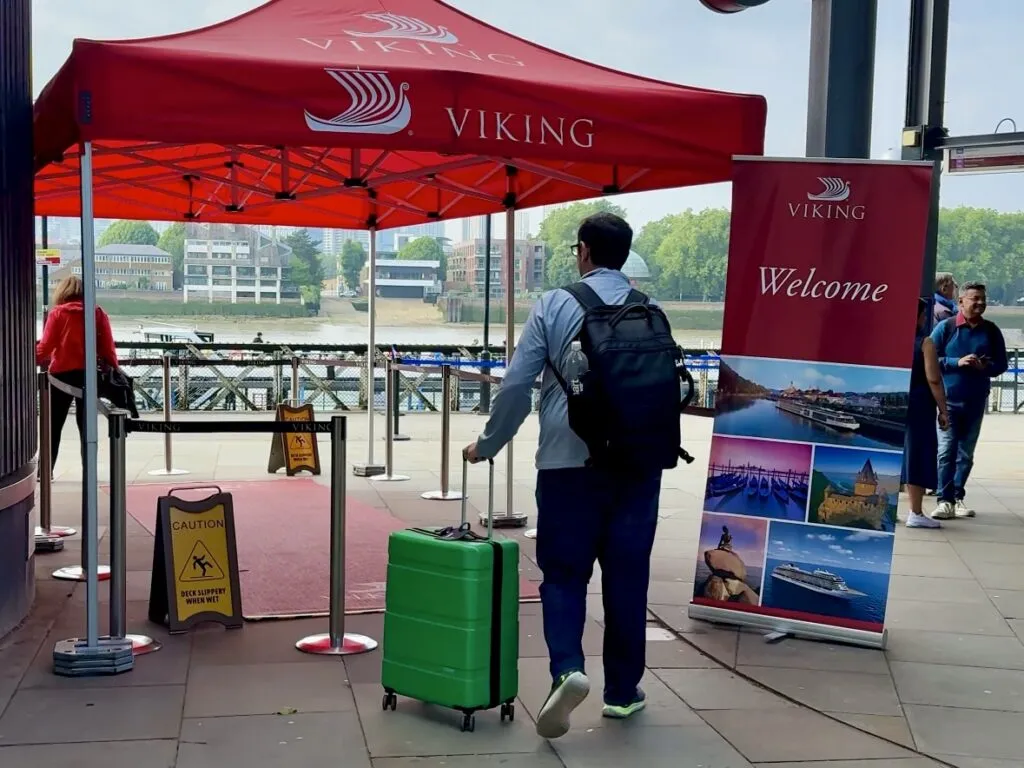
11. Practice co-packing.
In lieu of bringing a carry-on, another strategy if you’re checking bags is to co-pack. Say you’re traveling with your spouse. Instead of packing one checked bag each, check two bags, each of which contains half of your things and half of your partner’s. That way, if one of the bags is lost, you’ll still have some essentials available to you.
Even if you avoid a standard carry-on, we still advise bringing at least one swimsuit and change of clothes in a personal item like a backpack or tote bag on boarding day.
12. Pack your toiletries in plastic.
This one is pretty straightforward. Leaks are never fun, particularly if you didn’t overpack or if you weren’t planning to do laundry. Even non-liquid items like deodorants and powders can make a mess if they’re crushed or their containers accidentally open. Placing toiletries in plastic can help to keep everything contained and away from your clothing.

13. Put luggage tags and trackers in all bags.
If you’re planning to check bags, a solid investment is some sort of digital tracker, whether it’s a Tile or AirTag. Even if you’re not checking bags, having one of these newfangled doohickies in every carry-on or backpack can make it easier to find if it’s misplaced or stolen. Just be sure to select a brand that’s compatible with your mobile device.
14. Leave room for souvenirs.
We know that luggage space is often at a premium, especially if you’ve limited yourself to a carry-on. If you’re a shopaholic or you’re headed someplace known for local specialties that you plan to bring home, make a point to account for souvenir space in your bags. That could mean packing a carry-on amount of clothes in a checked bag and filling up the rest or including a foldable extra tote that you can pull out to use later.
When you consider how to pack for a cruise, a bit of advance planning means you won’t have to pay exorbitant prices to ship items home or purchase new luggage for your haul.
15. Buy travel insurance.
What does this have to do with packing? A lot if you don’t want to do without essentials in the event your airline or cruise line loses your stuff. By insuring your trip, you’ll be reimbursed up to a certain amount (per your individual policy) for clothing, toiletries, and other necessary items if your luggage doesn’t make it and you need to buy replacements. Be sure to read any policy details carefully before purchasing travel insurance, and note that “cancel for any reason” insurance isn’t included in most standard policies.
Comments
Do you have any other cruise packing tips to add to this list? What are some of your must-pack items? Drop us an anchor below to share how you pack for a cruise.