 Heidi Bucolo
We’ve been lucky enough to check a lot of bucket-list destinations off our list over the years. We’ve seen penguins in Antarctica and giant tortoises in the Galapagos. So naturally, the Arctic was calling our name. Recently, we decided to head north to Svalbard on an Arctic expedition in search of polar bears. Even though we’ve taken a polar expedition before, this one was quite different. And we have to admit that we weren’t fully prepared. If you’re considering a voyage north, don’t get caught off guard. These are the Arctic expedition cruise tips we wish we knew before setting sail.
Plan the Right Arctic Expedition
1. Know what “the Arctic” actually includes.
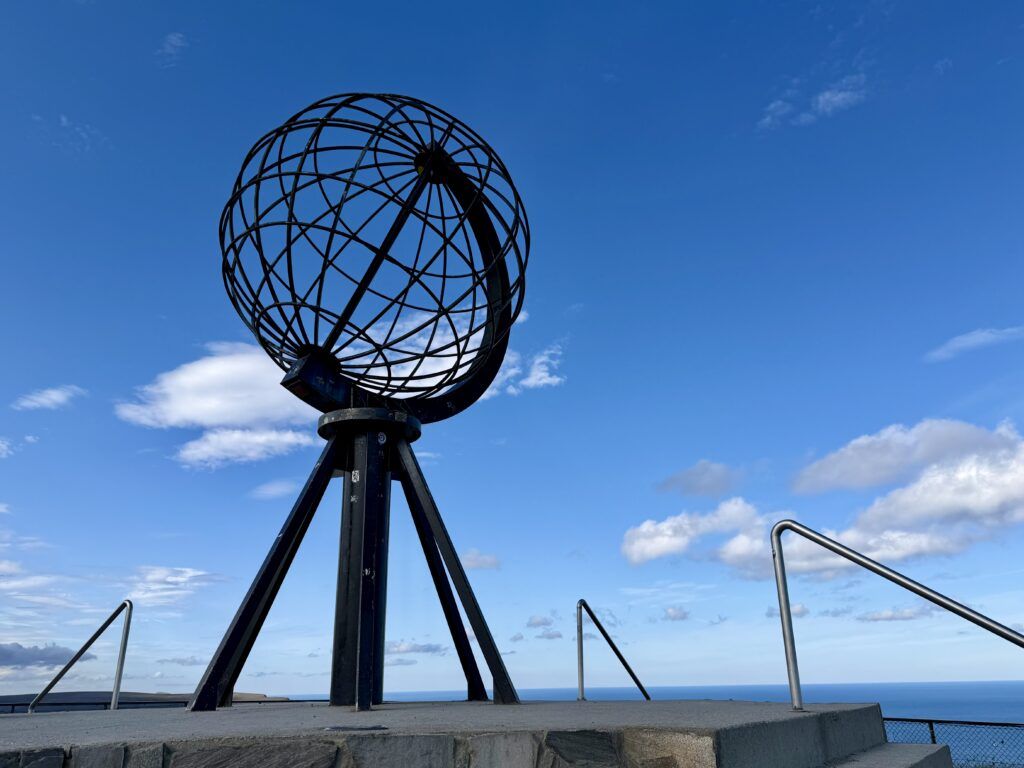
The “Arctic” isn’t a single destination — it’s an entire polar region. Once your ship crosses 66.5 degrees north, you’ve entered the Arctic Circle, and the cruising territory above and around it spans Svalbard, Greenland, and Northern Canada, along with northern Norway, Iceland, and parts of Scandinavia and Russia. That breadth matters, because each region offers a different experience with different wildlife, scenery, and price tags.
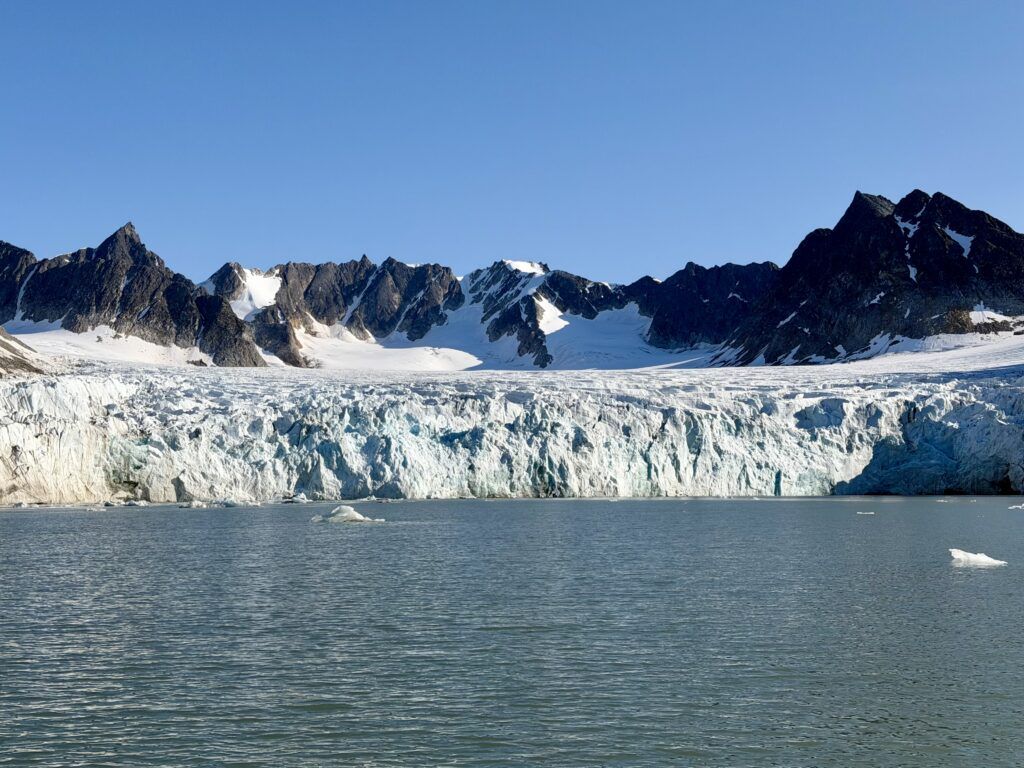
Before you book your Arctic expedition, you should decide where you actually want to visit. Svalbard offers the most realistic polar bear odds and dramatic landscapes; Greenland delivers glaciers, Inuit culture, and sheer remoteness; Northern Canada is the least-trafficked of the three.
2. Pick the right itinerary.
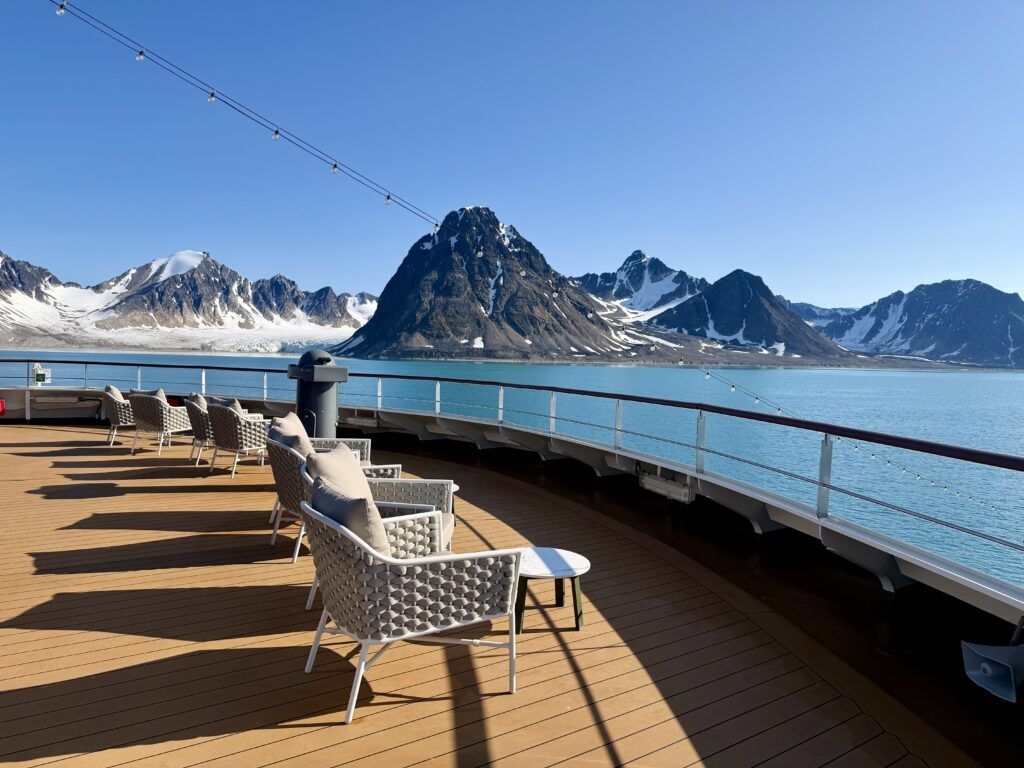
There are more Arctic itineraries than most people expect, and they tend to pair the high-Arctic with a more accessible gateway. The expedition heavyweights are Svalbard, Greenland, and Northern Canada. The Northwest Passage is another popular route into remote Arctic Canada. However, many sailings combine Iceland with East Greenland or the Norwegian coast up to Svalbard. So, if you’ve cruised Antarctica and are looking for a similar experience, choose your itinerary carefully. Not all are created equal, and some may not be as expedition-focused as you’d expect.
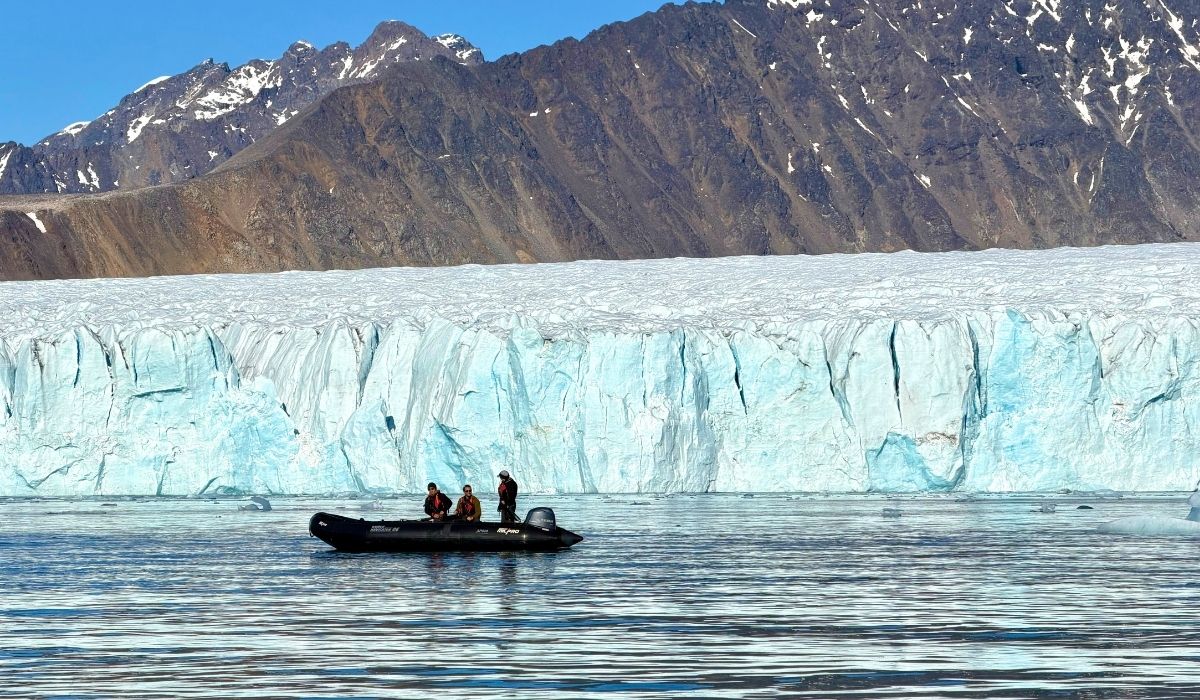
Even though our cruise was 12 days, we only had 3 true expedition days (which took us by surprise!). The other days were more typical cruise ports along the Norwegian coast coupled with sea days as we made our way up to Svalbard. In retrospect, we should have chosen a sailing with more days in Svalbard.
3. Know where your best polar bear odds are (and even still, don’t set high expectations).
For a lot of travelers (including ourselves), polar bears are the whole reason to head to the Arctic, so it helps to know where you’ll have the best odds of seeing them. On a cruise, Svalbard is likely your best bet: roughly 3,000 bears roam the archipelago and its surrounding sea ice. Greenland has a large population too, though they’re more scattered.
You’ve probably heard that Churchill, Manitoba is the “polar bear capital of the world,” and it is, but fewer cruise lines visit. While some expedition lines do call there on Hudson Bay and Northwest Passage itineraries, it is best reached as a land-based tour.
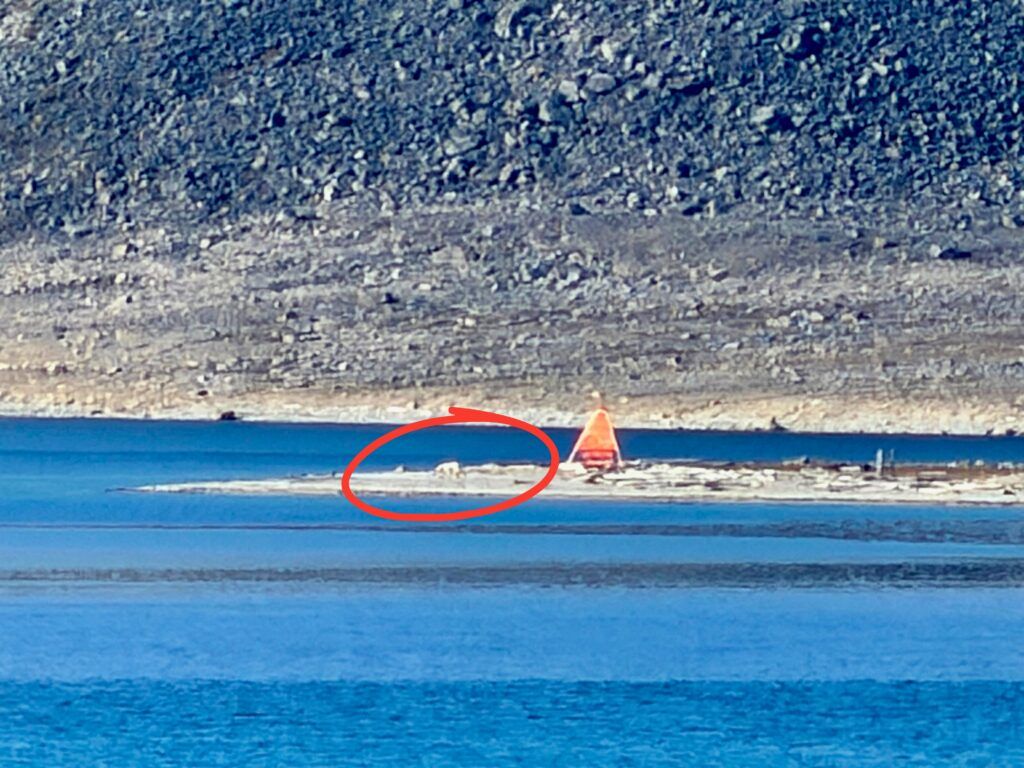
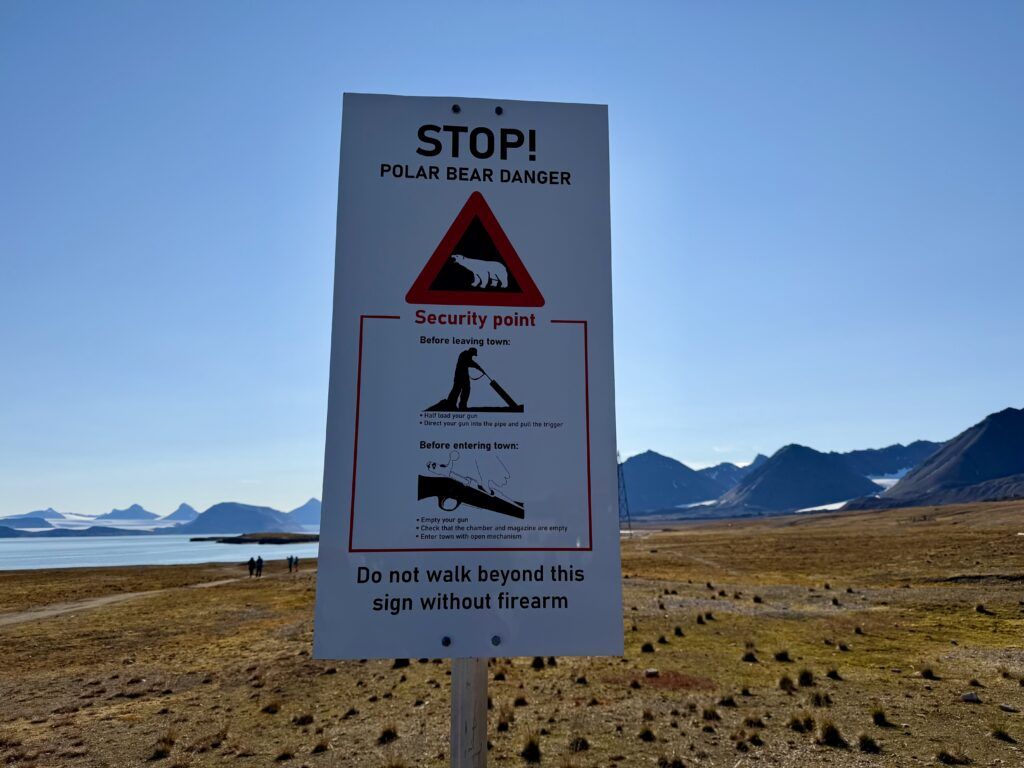
Whichever itinerary you choose, treat a polar bear sighting as a hope, not a guarantee, and know that operators follow strict rules. Ships must maintain a 300m distance at all times, and guides must carry firearms while ashore. The more days your itinerary spends in prime territory, the better your chances of seeing one. But even then, don’t expect amazing photos and videos unless you have a quality camera and zoom lens. Ours basically looked like a walking white dot!
4. Choose the right cruise line.
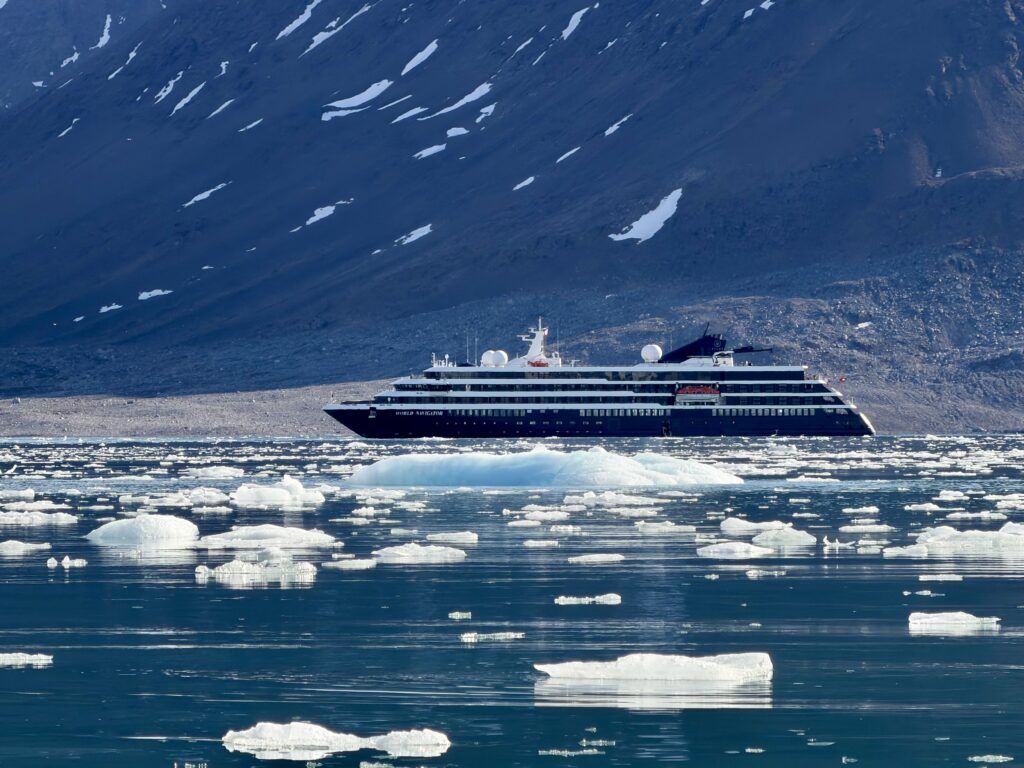
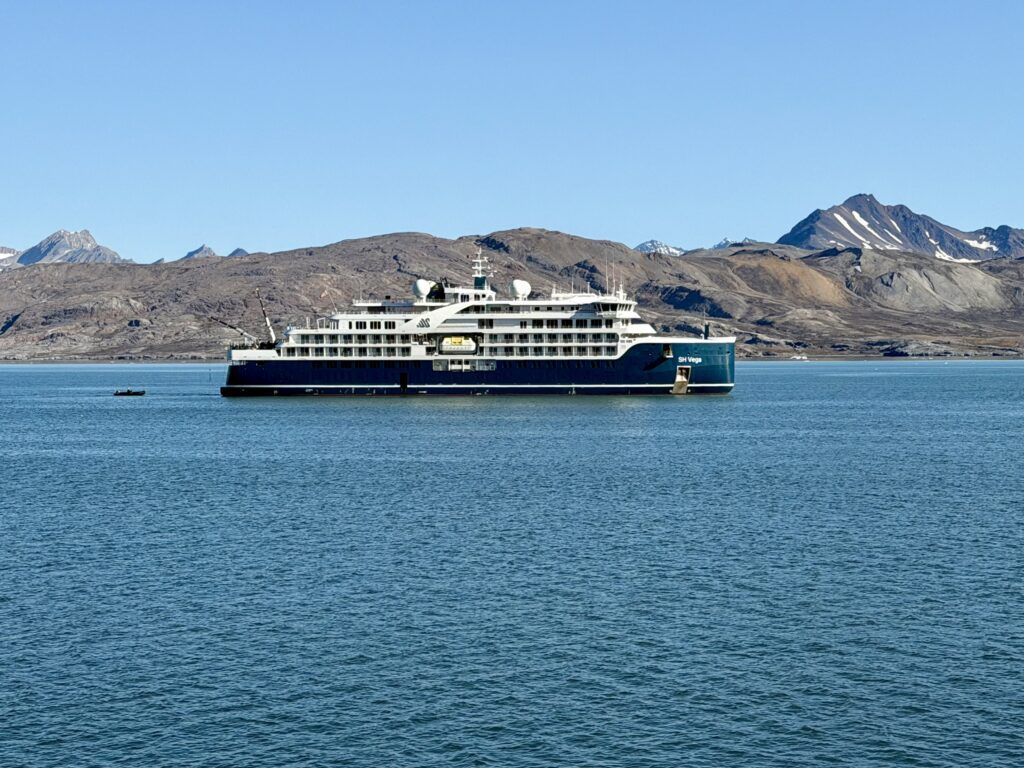
Plenty of lines sail Arctic waters, but they are not all the same product. Expedition-focused operators like HX (Hurtigruten Expeditions), Quark, Aurora Expeditions, Swan Hellenic, Poseidon Expeditions, and Lindblad-National Geographic lean into their expedition credentials. Ponant, Silversea, Seabourn, and Scenic’s expedition sectors layer on more luxury and onboard comfort. Atlas Ocean Voyages — the line we sailed — is a nice mix with refined yacht-style ships and expedition activities without the extremely high price tag.
With expedition cruising in the polar regions, ship size should be a crucial part of your decision process as well. Smaller vessels mean fewer people to cycle ashore, more zodiac time, and access to more remote locales.
Ultimately, you should match the line to how rugged or plush you want the experience to be.
5. Know the cost and budget accordingly.
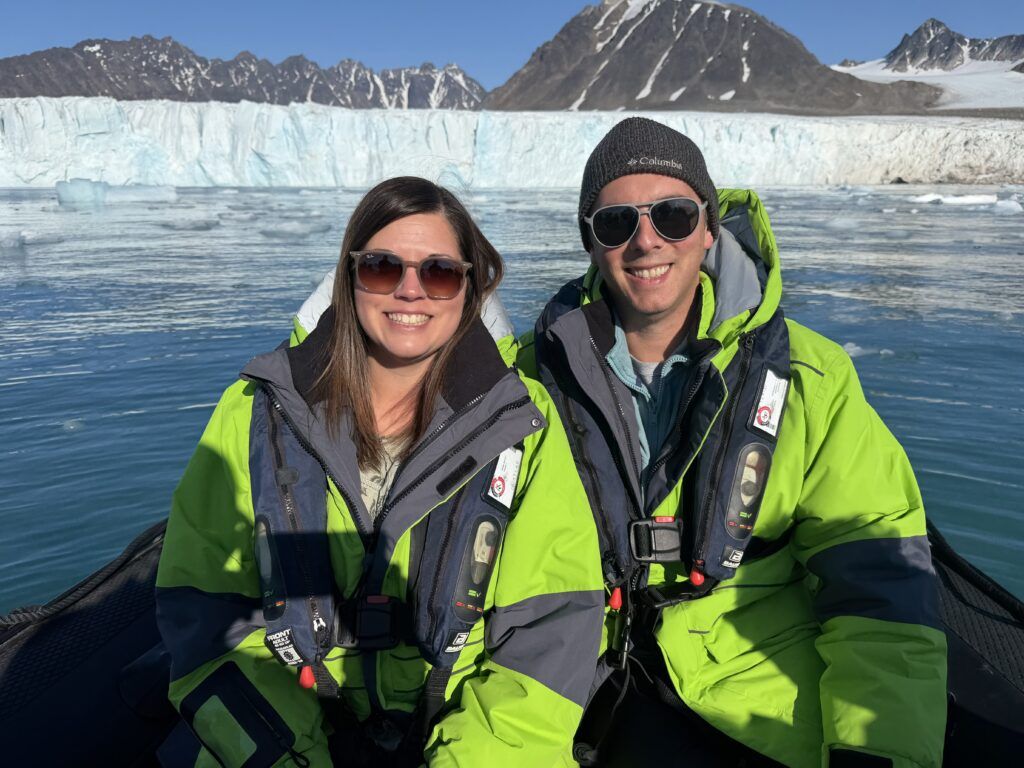
An Arctic expedition is one of the pricier trips in cruising, closer to Antarctica than to a week in the Caribbean or Mediterranean. Fares climb fast for smaller ships, better cabins, and luxury amenities. You’ll also want to confirm exactly what’s included: flights to remote gateways, transfers, and add-on activities like kayaking are sometimes extra. Many provide parkas to keep along with rubber muck boots and walking sticks to use during the sailing but not all cruise lines do. If your itinerary includes stops at other ports beyond the expeditions, shore excursions might have an additional fee too.
Budget for the full picture — airfare, pre- and post-cruise hotels, insurance, gratuities, and optional excursions — so the total doesn’t blindside you. Arctic expedition cruises can range anywhere from around $8,000 to $20,000+ per person depending on the length of the trip, cruise line, and time of year.
6. Use a travel advisor to book.
With remote and complex logistics, seasonal windows, and big differences between operators, an Arctic expedition has a lot of moving parts — which is exactly when a good travel advisor comes in handy the most. We book all our cruises through our trusted partner, MEI-Travel.
Beyond helping you pick the right ship and itinerary and getting you the best price, an advisor can monitor for price drops after you book and can be your advocate if something goes wrong. They can handle all the details for you too, like flights and travel insurance. Even seasoned cruisers benefit from a specialist on a trip like this.
7. Plan to fly in early — and expect charter flights.
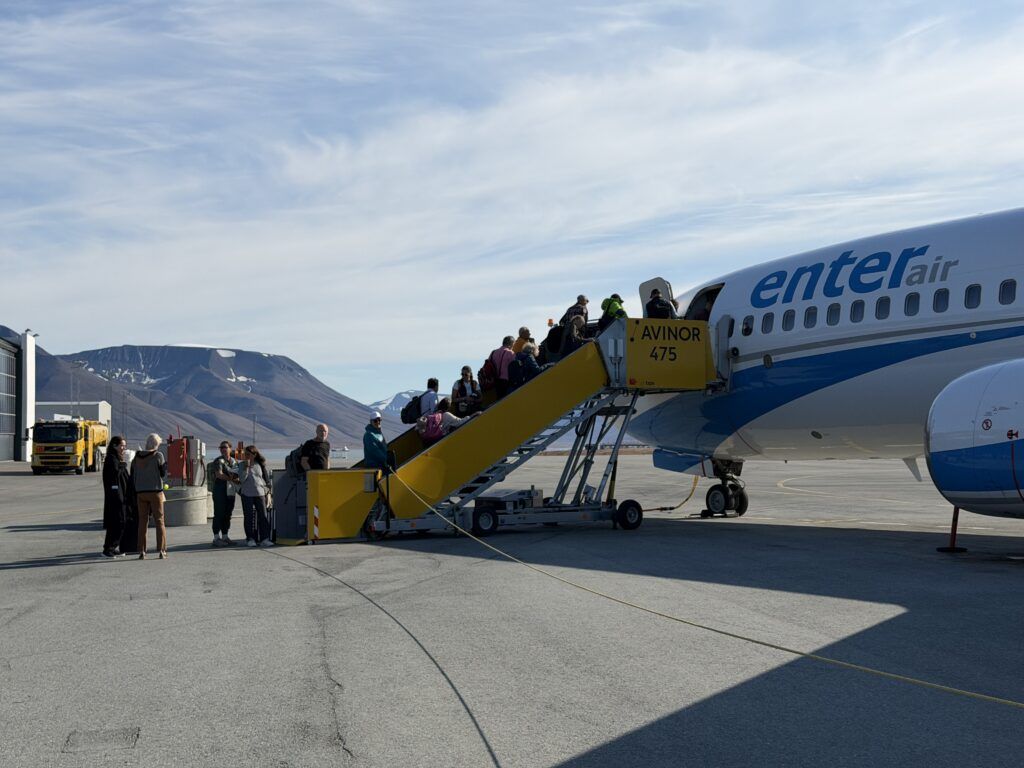
Getting to the Arctic is rarely a direct flight from the United States. Many Svalbard voyages route through Longyearbyen, one of the northernmost towns on earth, and many Greenland voyages start or end in Kangerlussuaq. These itineraries usually require charter flights from destinations like Oslo, Norway or Reykjavik, Iceland. Some are even roundtrip with the same required for the trip home.
A single missed connection this far north can mean missing the sailing entirely, so build in a cushion. Fly to your gateway city at least a day early, and plan the return with buffer too.
Given some delays with our charter flight and immigration (Longyearbyen is NOT part of the European Schengen Area), many passengers missed their onward flights following our recent cruise to Svalbard. Thankfully, we planned an extra night in Oslo all along.

8. Get trip insurance.
We don’t sail anywhere without travel insurance, and recommend you don’t either. But the remoteness of the Arctic is one of the clearest cases for it. You’re a long way from major hospitals, weather can upend your plans, and a medical evacuation from the high latitudes can be extremely expensive without coverage. Look specifically for a policy with strong emergency-medical and evacuation limits, plus trip-interruption protection in case a flight or the weather derails your plans.
Some lines, like Atlas Ocean Voyages, do include emergency medical evacuation insurance. But these plans usually don’t cover other medical care or trip interruptions. So, you’ll still want to purchase an additional plan in case the unexpected happens.
9. Prepare for the midnight sun.
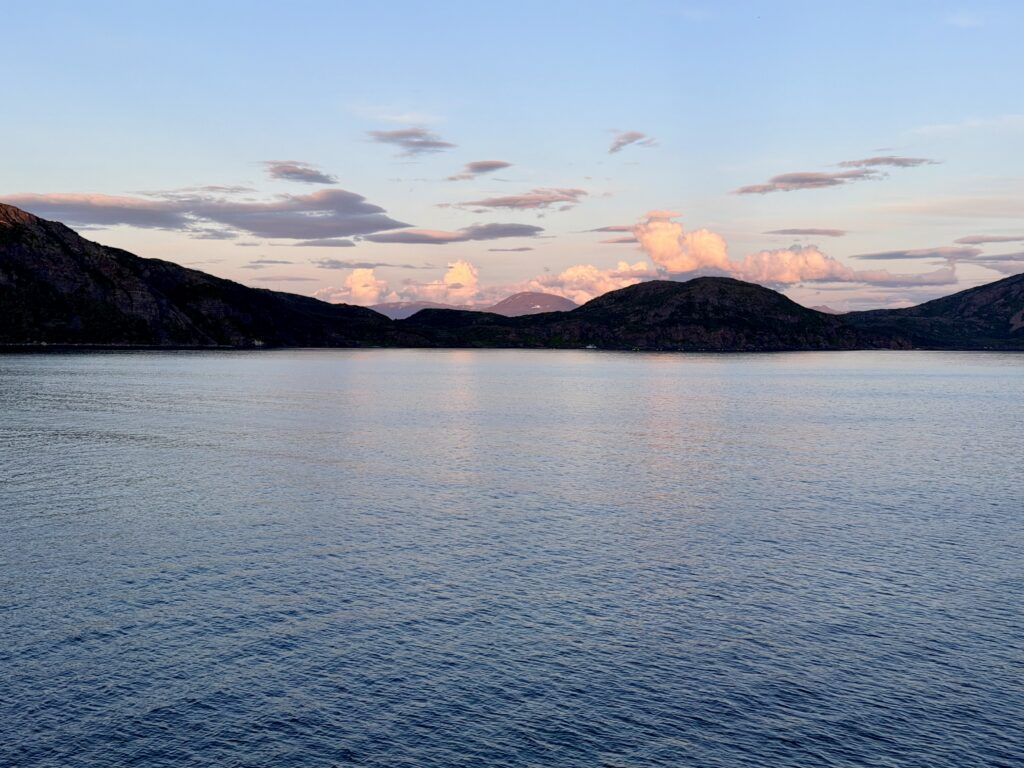
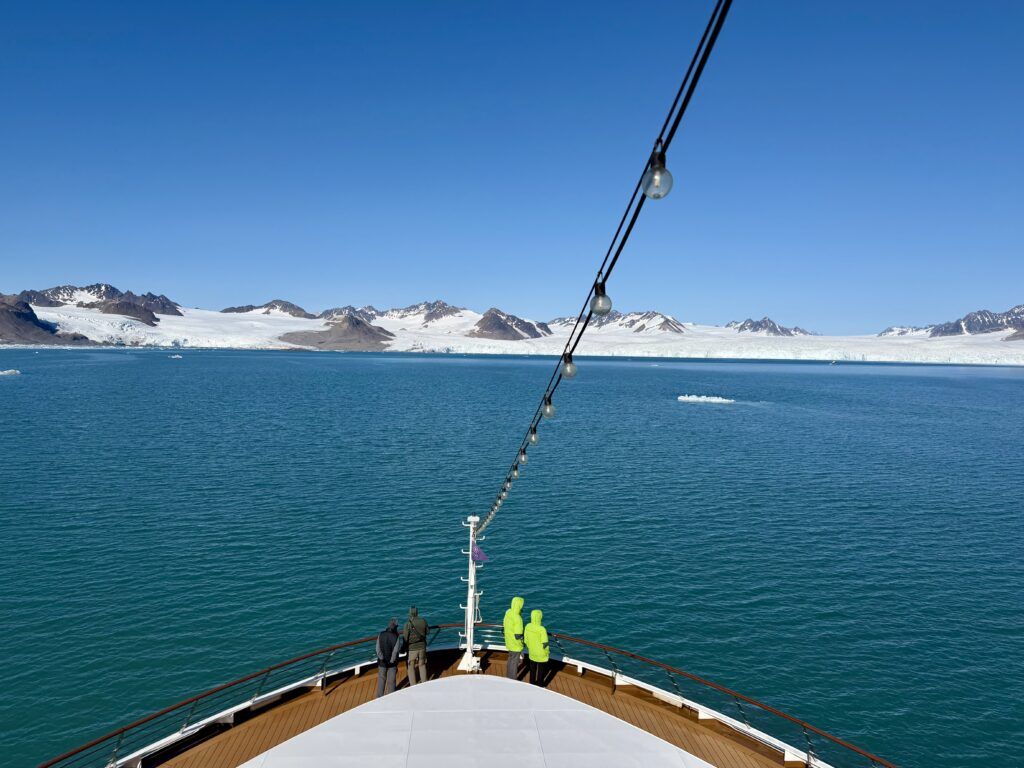
More than 90% of Arctic expedition cruises sail during the summer months. The high-Arctic itineraries run from roughly late May through September, because that’s when the ice retreats and the region is actually accessible. So plan for the midnight sun.
Around the June solstice the sun never truly sets, and scenery is still drifting past your window at 1 AM. It sounds majestic, and it is — but nonstop daylight can also play havoc with your internal clock. Pack a quality eye mask, use your cabin’s blackout curtains, and try to hold a normal sleep routine even when it’s bright as noon at midnight. Believe us: it’s easier said than done.
Northern lights and polar-night sailings do exist, but they’re the exception. And they’re mostly winter sailings along the Norwegian coast rather than expedition voyages.
Reset Your Expectations
10. Remember it’s an expedition, not a cruise.
This may catch some first-time expeditioners off guard. But unlike a traditional cruise, there’s no DJ music and pina coladas on the pool deck, no Broadway-style theater shows, and no nighttime parties. Instead, days revolve around the scenery and the wildlife: zodiac outings, landings, lectures, and plenty of time outside with binoculars. The onboard vibe is much quieter, with many guests retiring to bed after dinner.
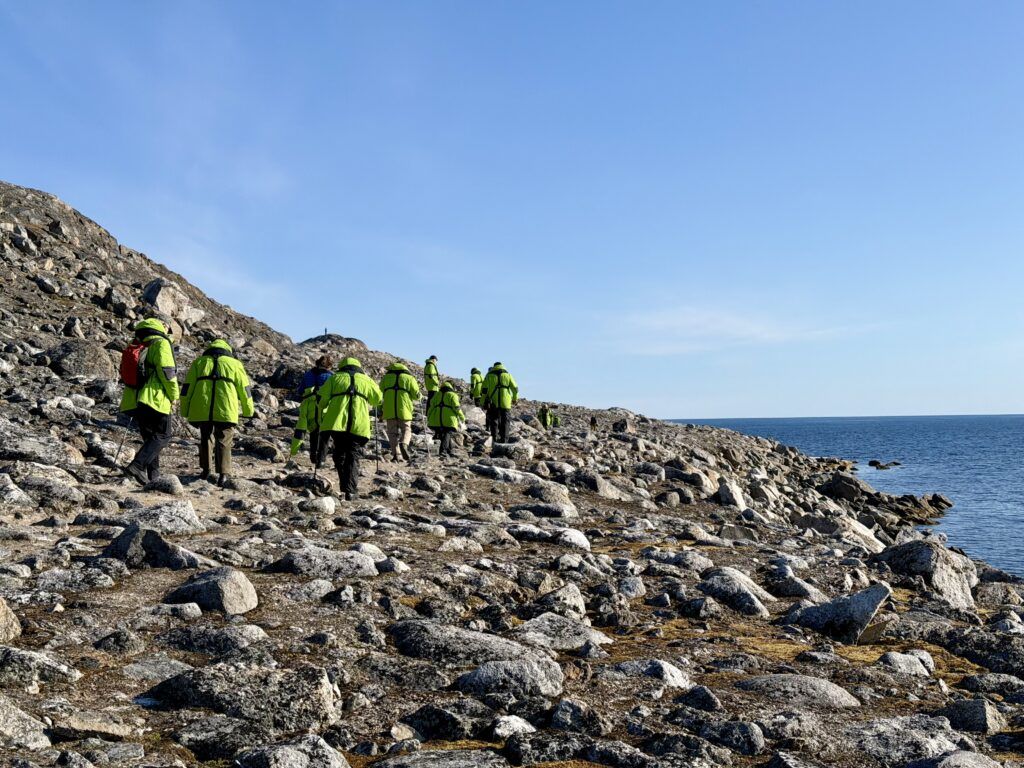
It’s also more physical than a typical cruise — landings can mean stepping off a zodiac into shallow water and hiking over uneven ground. You don’t need to be an athlete, but be honest about your fitness and mobility, and pick an itinerary that matches what you can comfortably do.
11. Know what you’ll see — and what you won’t.
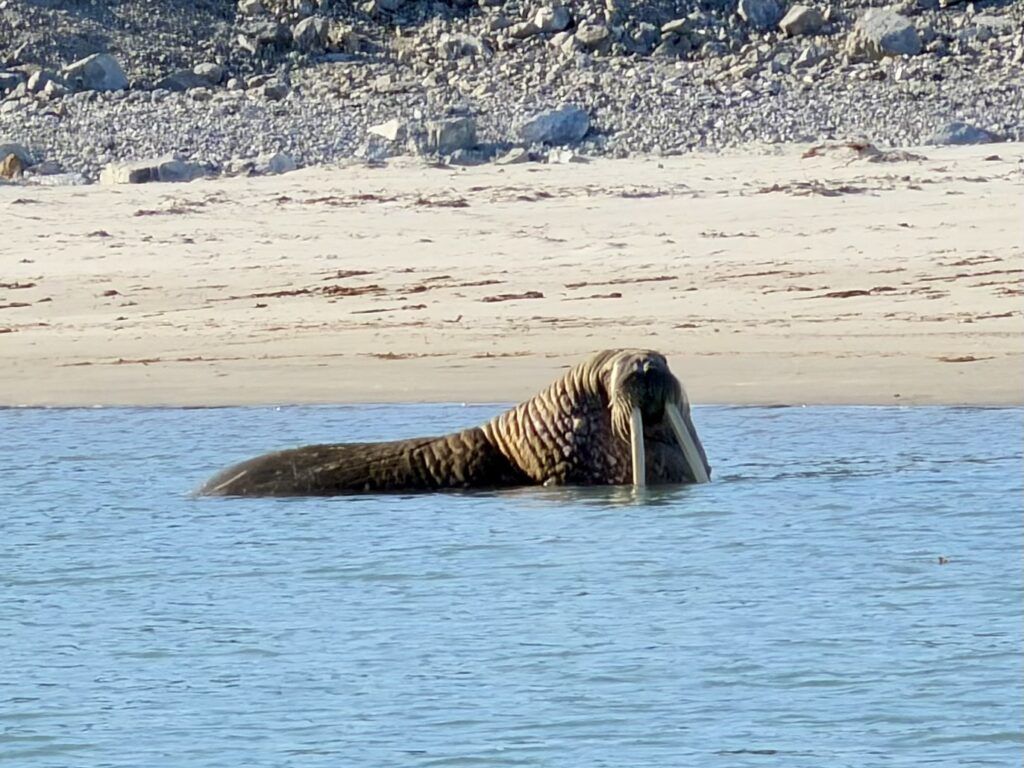
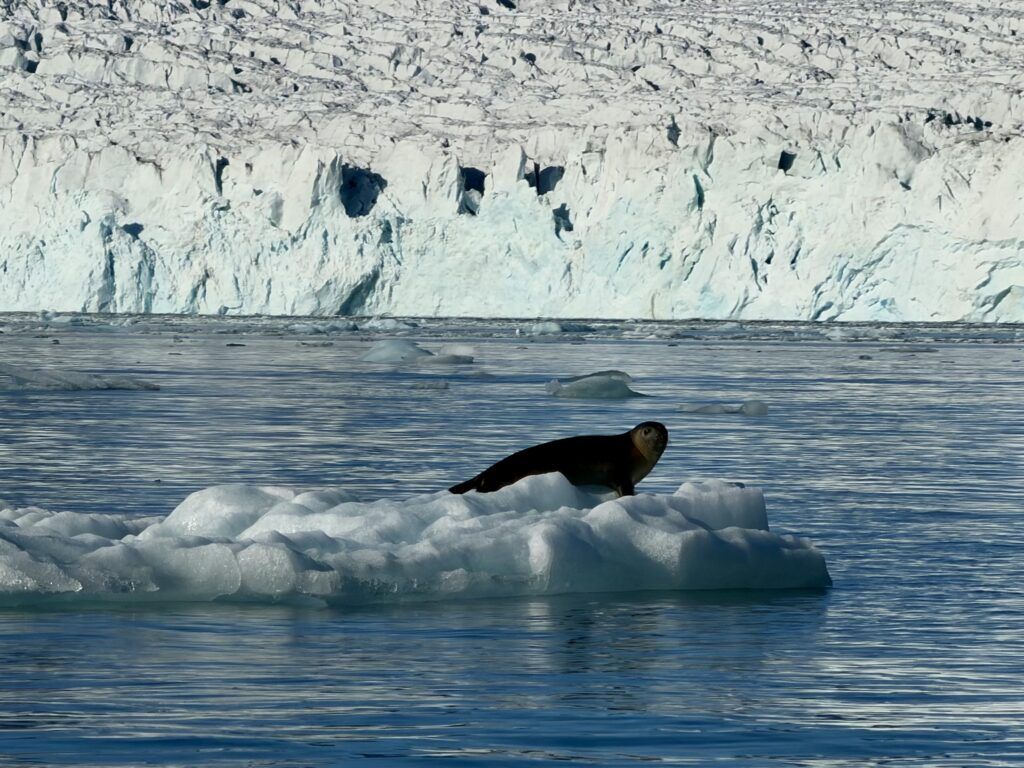
Let’s start with the obvious: there are no penguins in the Arctic. They live in the Southern Hemisphere, so you’ll have to head to Antarctica if you’re looking for these cuddly creatures. Up north, polar bears are the most sought-after animal. The Arctic also delivers a variety of other wildlife, too, that may be more reliable to find. Expect reindeer, Arctic fox, seals, whales like humpbacks and minkes, and seabird cliffs with puffins, guillemots, and more. Walrus are a highlight around Svalbard and Arctic Canada, while musk oxen turn up in Greenland and Northern Canada.
Even still don’t expect to get too close to these animals, like you might in the Galapagos or Antarctica. There are strict regulations in place regarding minimum distances (which may differ based on location).
12. Be flexible — Mother Nature is in charge.
Much like Antarctica, the weather and the ice in the Arctic shape the itinerary. Landings may get moved, swapped, or cancelled; a polar bear sighting might reroute the whole afternoon. We learned this firsthand in Antarctica, where conditions changed by the hour, and the Arctic is no different. Unlike shore excursions that have set departure times, expedition outing times are approximate based on conditions. So, it’s important to stay flexible. You’re among the lucky few who get to be here at all — roll with it.
13. Prepare for seasickness.
While Arctic waters can be calm and glassy, they do cross open stretches like the Barents Sea or Greenland Sea. These are areas where currents collide often causing extreme swells and rough conditions. While we knew about the Drake Passage going into our Antarctica cruise, we didn’t realize the seas in the Arctic could be that turbulent too.
Thankfully we were fine, but even cruisers who don’t normally get seasick should be prepared. Pack your motion sickness remedy of choice, whether that’s Bonine or Dramamine, ginger chews, acupressure bands, or a prescription from your doctor, and use it before you start feeling sick.
Pack and Prep Smart
14. Pack appropriately.
Much like other cold-weather regions, layers are key on an Arctic expedition. You’ll want a thermal base layer, a warm fleece or wool mid-layer, and a waterproof, windproof outer shell. Other essential items to pack include wool socks, waterproof pants, gloves, a hat, sturdy waterproof footwear, and a dry bag.
Some other things people often forget are quality binoculars, a camera zoom lens, sunglasses, and sunscreen. The wildlife is often farther away than you’d like, and sunlight bouncing off ice and water can cause sunburn.
It’s a good idea to research the laundry situation on your ship as well. Some have self-service laundry facilities, which is very convenient, and can help reduce how much you pack. Others only offer for-fee send-away laundry services.

15. Determine what your cruise line provides.
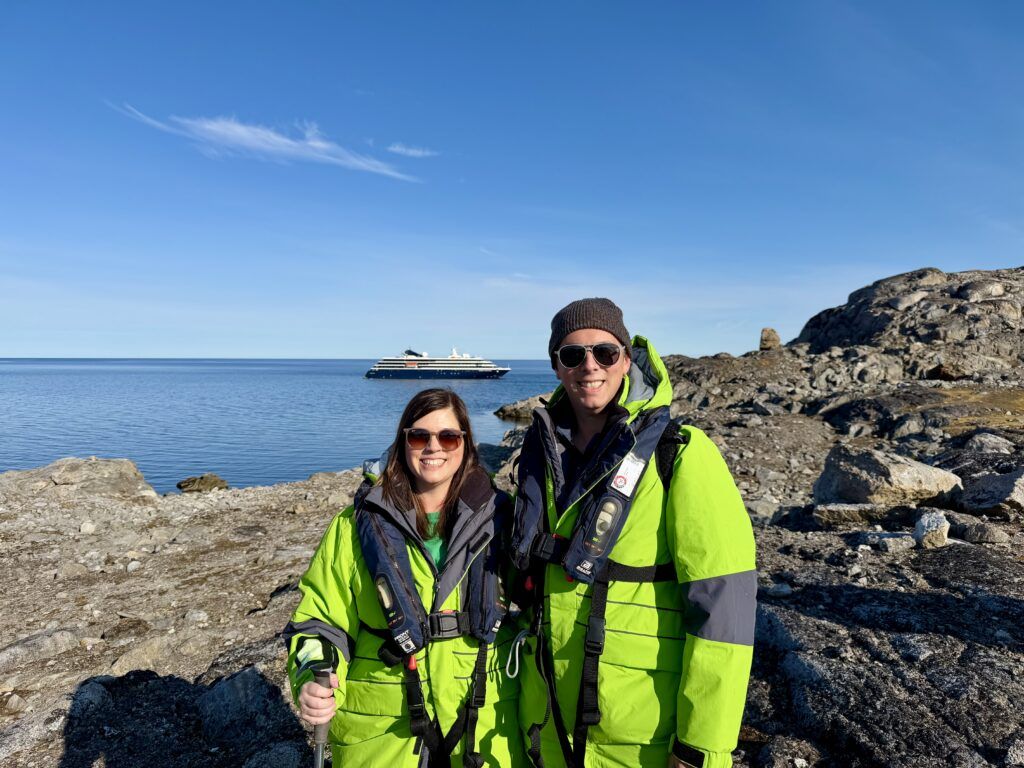
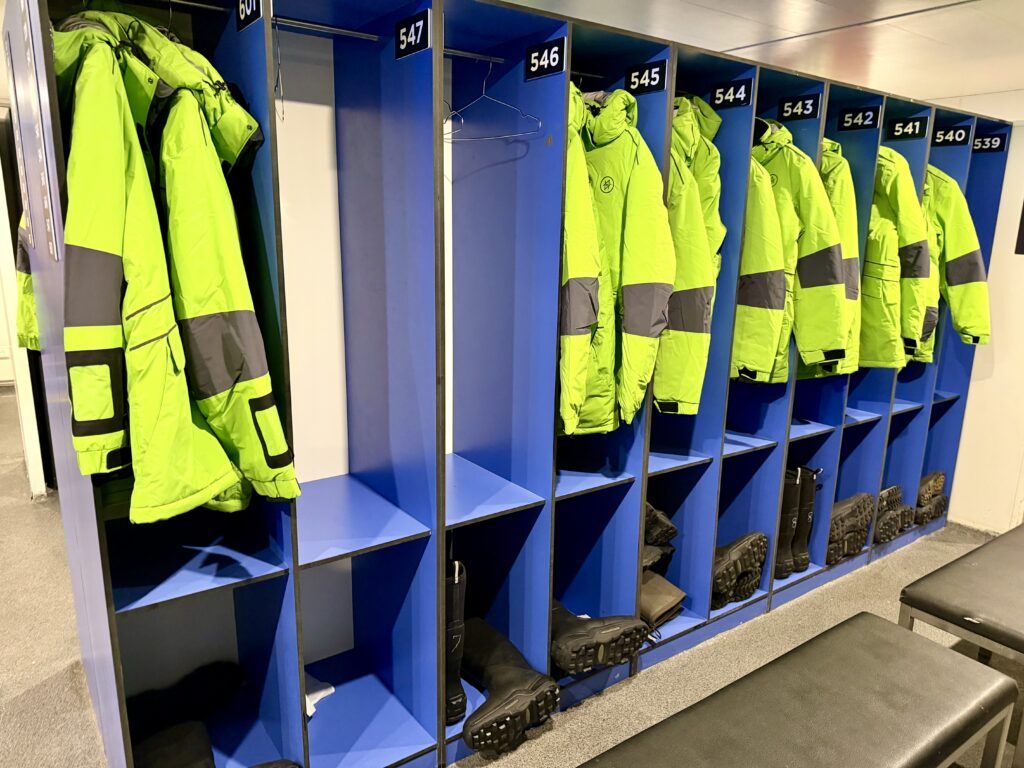
Before packing, you’ll also want to determine what items your cruise line provides. Many provide warm, waterproof parkas for expedition outings, but you may want a thinner puffer jacket/vest and/or raincoat for sightseeing from the ship’s outdoor decks. Some cruise lines also provide walking sticks and muck boots for guests to use, but if they don’t, you’ll need to get your own as they’re essential.
In attempt to minimize single-use plastics in the Arctic region, many cruise lines provide all guests with a reusable water bottle and refill stations around the ship. Some even have binoculars for guests to use during the sailing.
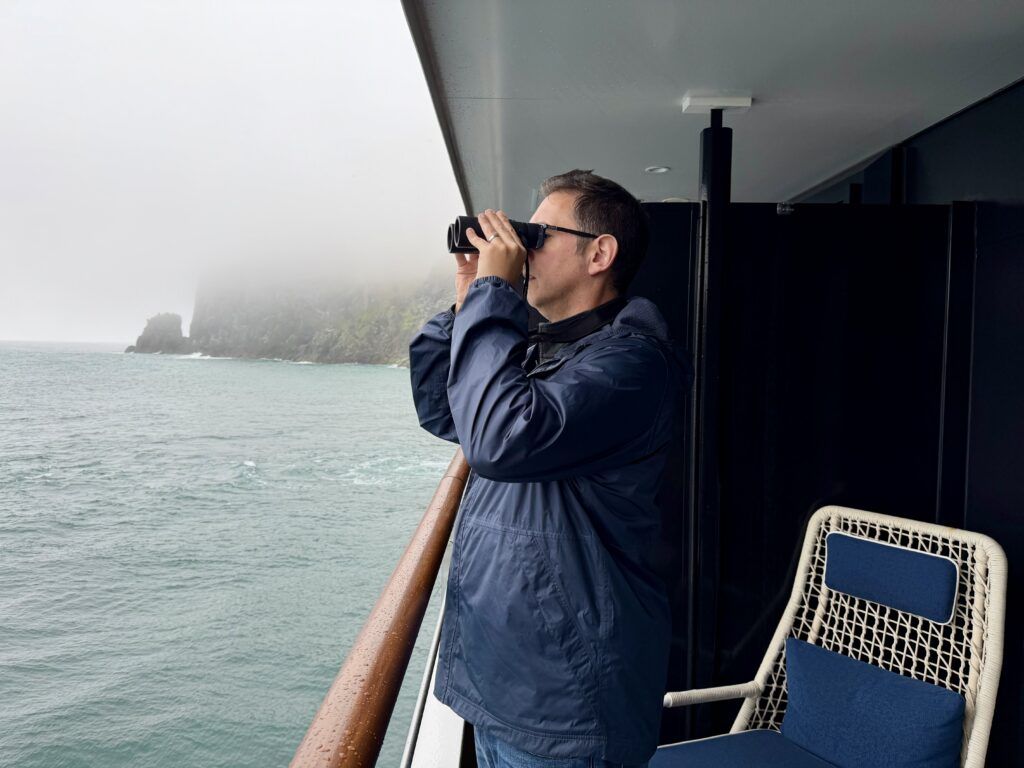
16. Try these cabin hacks.
A few small tricks make expedition cabin life easier. Wet gear is a constant, so bring a couple of strong magnetic hooks — most cabin walls are metal, so you easily can hang wet clothing to dry. You can also use the magnetic hooks to hang bags, hats, or jackets to free up some closet space. Toss in a cruise-approved power adapter and/or outlet converter for the gear you’ll be charging every night. We also always pack a hanging pocket organizer to stow away small items like toiletries, charging cords, sunglasses, and other accessories. This helps to free up counter space and keeps everything neatly organized in one place.
Make the Most of the Experience
17. Attend the lectures and expedition briefings.
The expedition team is the heart of these trips. Their enrichment talks are educational and serve as the replacement for typical cruise entertainment. Throughout the sailing, there will likely be lectures on wildlife, geology, and the region’s history that make everything you see ashore click into place.
Just as important is the daily briefing, usually an evening recap of the day paired with a preview of tomorrow’s plan, weather permitting. These briefings provide the practical details that make the next day’s outings go smoothly.
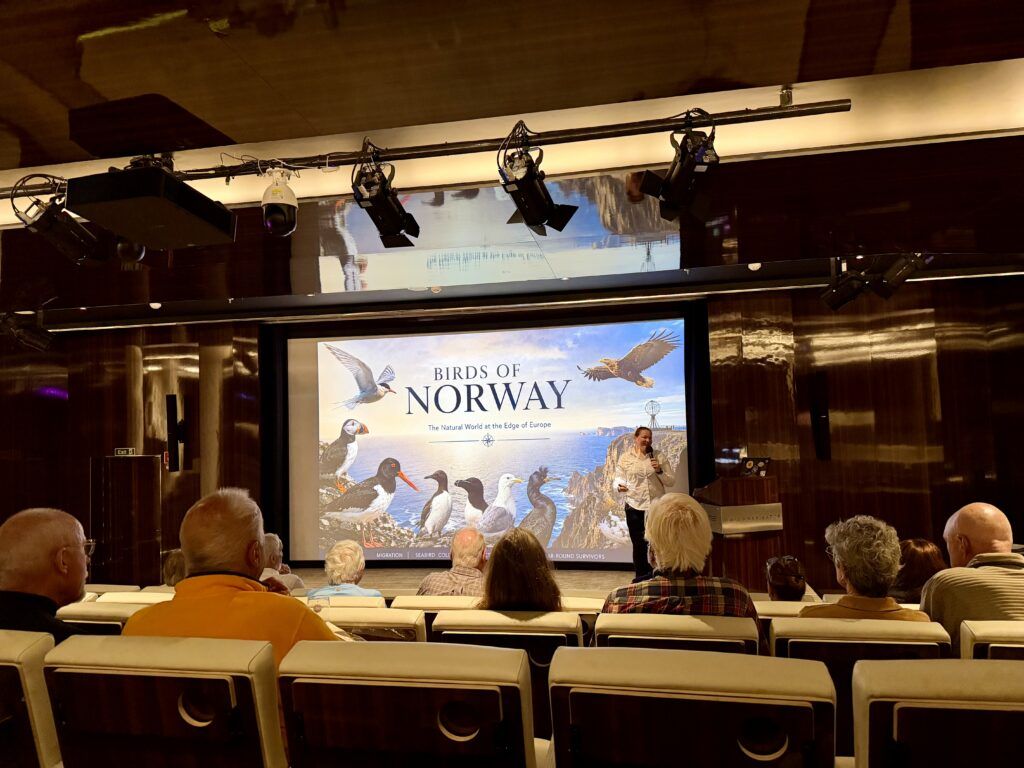

18. Follow the strict rules ashore.
The Arctic’s ecosystems are fragile and heavily protected. In fact, Svalbard has the strictest rules in the world for visitors. Expect biosecurity checks — scrubbing and disinfecting your boots so you don’t carry seeds or contaminants between sites — along with firm guidance to stay on designated paths, keep set distances from wildlife, and never take so much as a pebble, flower, or feather with you.
In polar bear country, armed guides scout and stand watch before anyone steps ashore, and you’ll be expected to stay with your group. These restrictions are in place to keep both the wildlife and you safe. Further, when visiting local communities, you should respect the people and cultures (this might mean not taking photos).
Listen closely at the briefings and follow the team’s lead while ashore.
19. Do the polar plunge — and the blue nose ceremony.
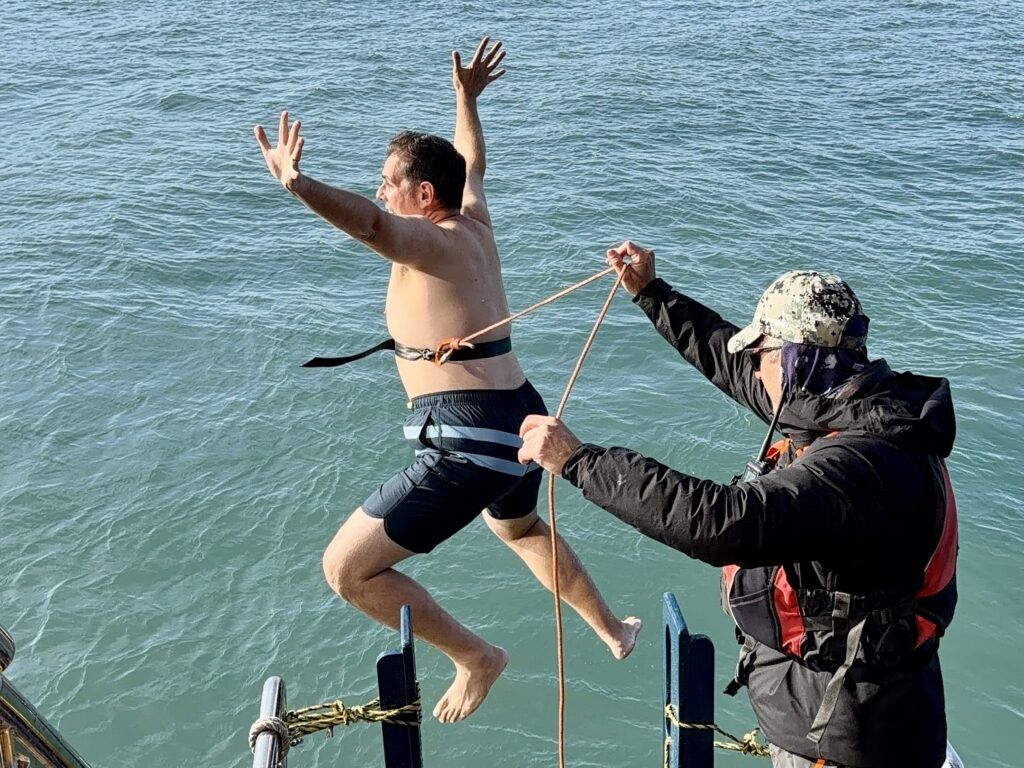
Two Arctic traditions are worth saying yes to if your cruise line offers them. The polar plunge is exactly what it sounds like: a quick, shrieking jump into near-freezing Arctic water, usually with the crew standing by and a shot of liquor on completion to warm up. It’s brief, but it’s one of those did-that stories you’ll tell for years. Now Don can say he’s taken the polar plunge in both poles…I cannot say the same!
The other tradition is the blue nose ceremony — a spin on an old maritime tradition — marking the moment your ship passes the Arctic Circle. The ceremony usually entails some form of celebration and blue paint placed on guests’ noses. Unfortunately, Atlas did not do this on our voyage, only an anti-climatic Arctic Circle party.

20. WiFi might be better than you think (except in Ny-Ålesund, Svalbard).
While the polar regions are remote areas, many expedition ships sailing in these regions are now equipped with Starlink capabilities. This means that you won’t be as “off-grid” as you might think. The WiFi worked well enough on our ship to post on social media, check emails, and even make WiFi calls.
However, there’s one important exception if you’re visiting Ny-Ålesund in Svalbard. Because it is an active international high-Arctic research hub, all WiFi and Bluetooth signals must be deactivated once in a certain geographic distance. This radio silence applies even on the ship itself, meaning you can’t scan on and off the ship (it’s done the old-fashioned way with pen and paper), check the cruise line’s app, or watch television. Our WiFi was turned off for approximately 9 hours on the day of our visit.
Comments
Are you planning your first Arctic expedition cruise? Did these tips help with your planning? Drop us an anchor below to share your questions and your own expedition experiences.