
 Brittany Chrusciel
  Sarah Bretz
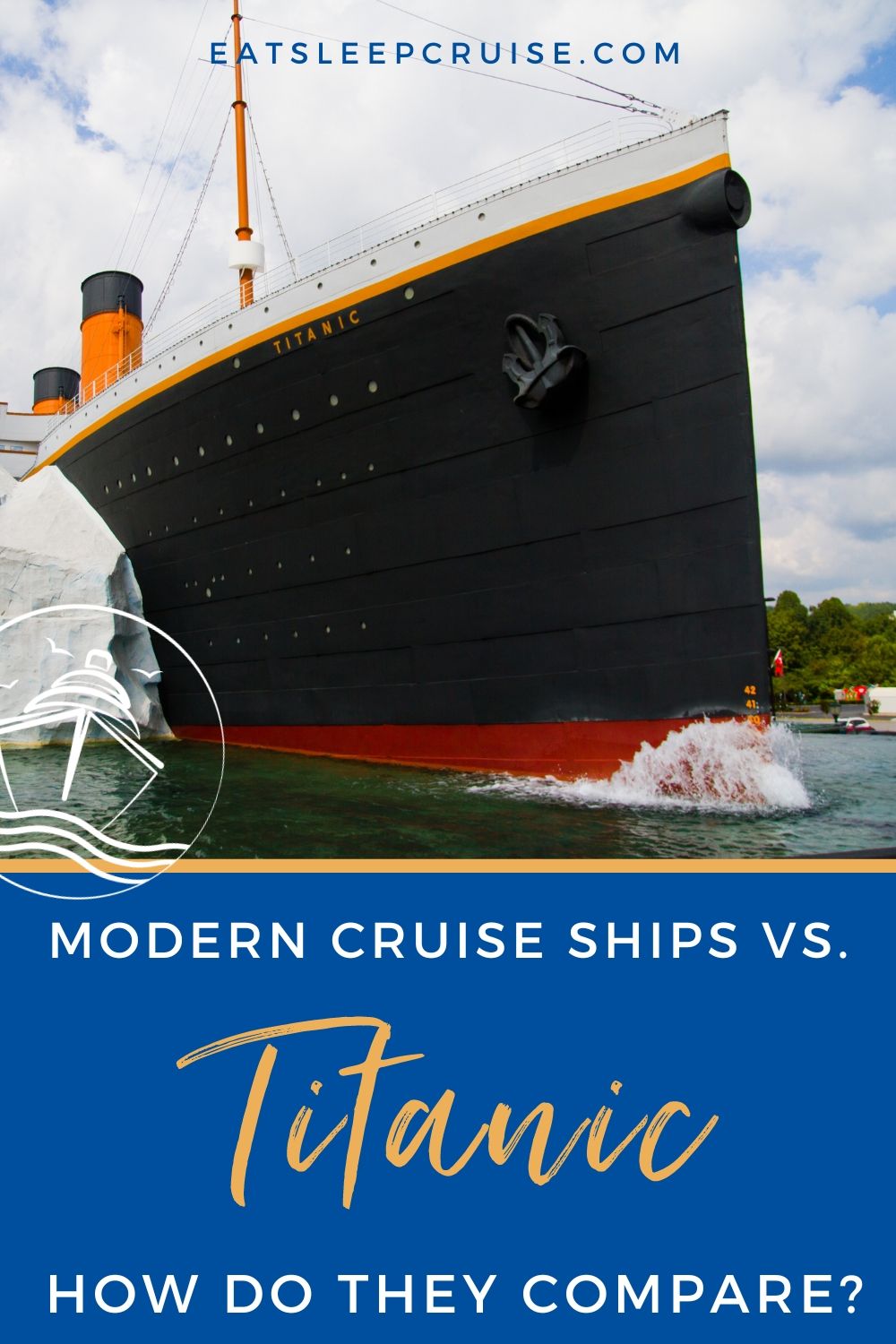
 The most famous passenger ship of all time is a title that still belongs to the Titanic, more than a century after its maiden voyage in 1912. Unfortunately, it’s famous because of its sinking, which is still one of the worst maritime disasters in history — a catastrophe immortalized forever in museums, books, film, and pop culture.
It’s understandable, then, why so many wonder how the Titanic compares to modern cruise ships sailing today. It might be baffling to imagine, but while cruise ships have leapt in size since the world called Titanic the largest ship of its time, they have also drastically reduced their chances of sinking.
Current technology and enhanced safety features all but ensure that any major malfunctions are prevented when it comes to the integrity of a ship’s hull and structure. And of course, all cruise ships must have enough lifeboats and rafts to accommodate everyone onboard — a very glaring oversight that contributed to the Titanic’s avoidable death toll.
What else is there to know about the Titanic vs. modern cruise ships? Read on for some surprising facts and figures.
What is the size difference between the Titanic and modern cruise ships?
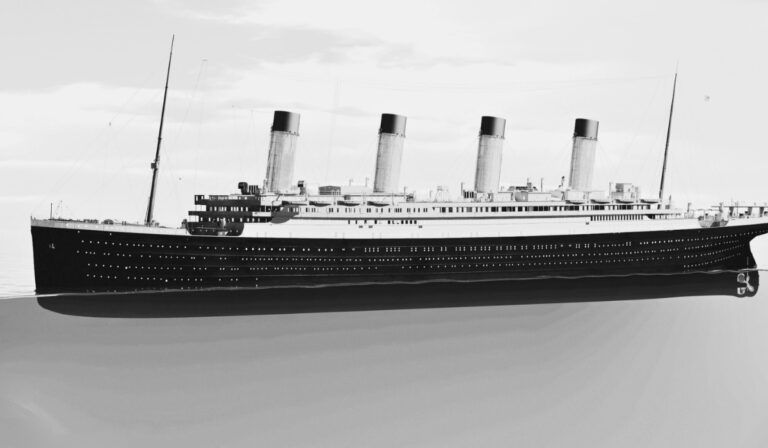
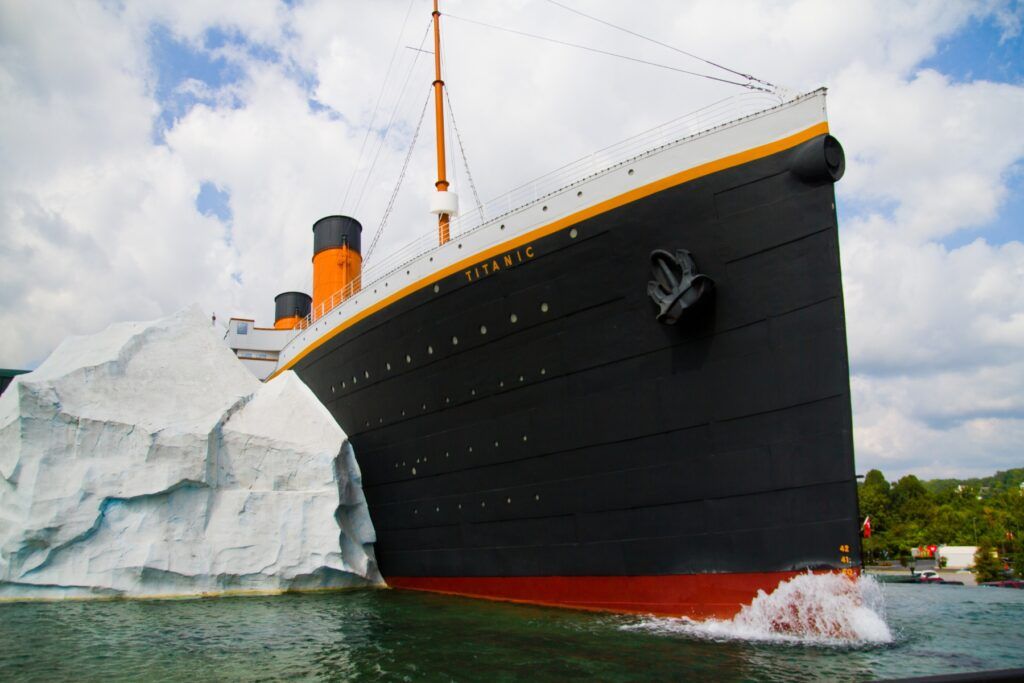
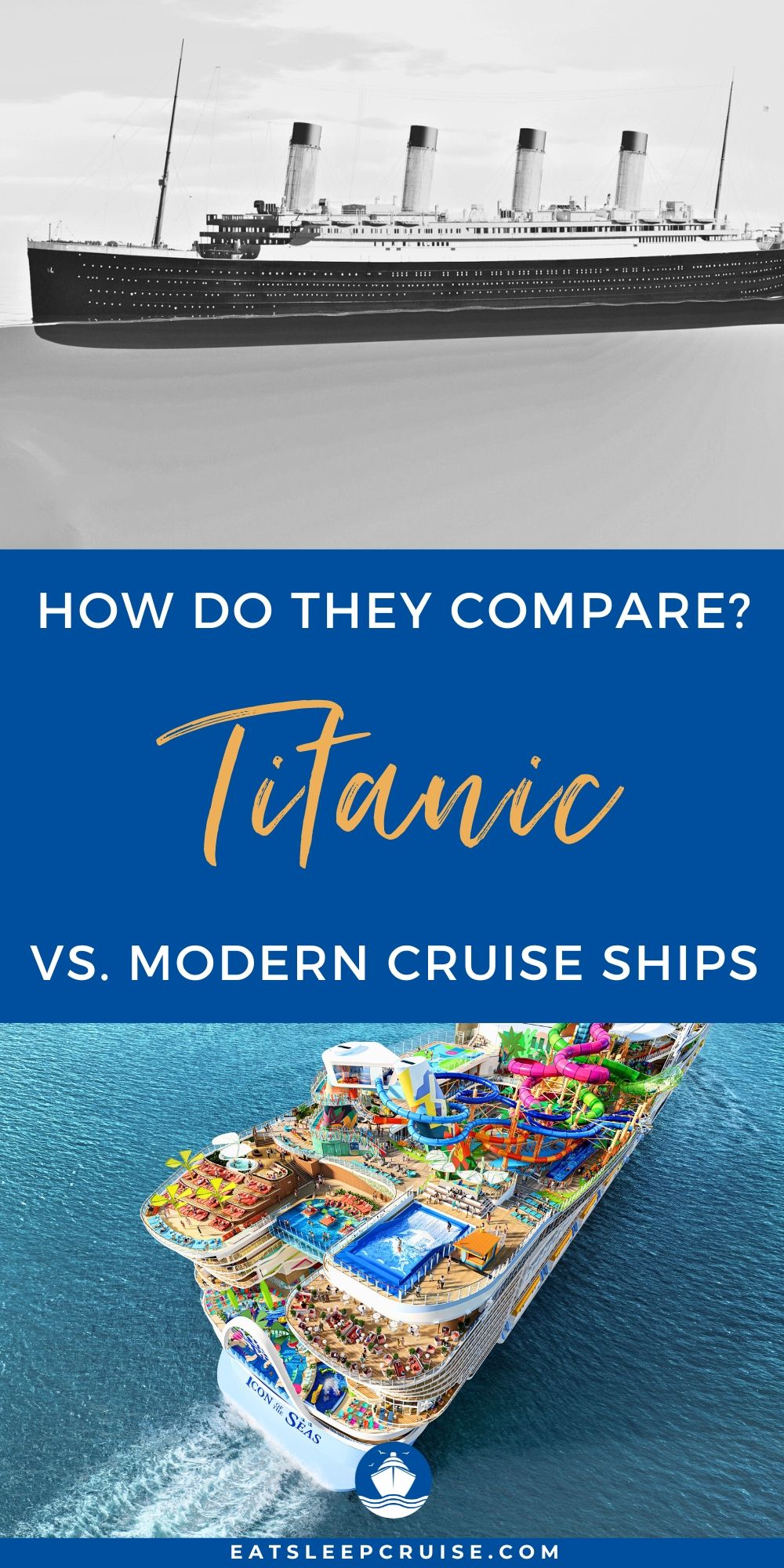
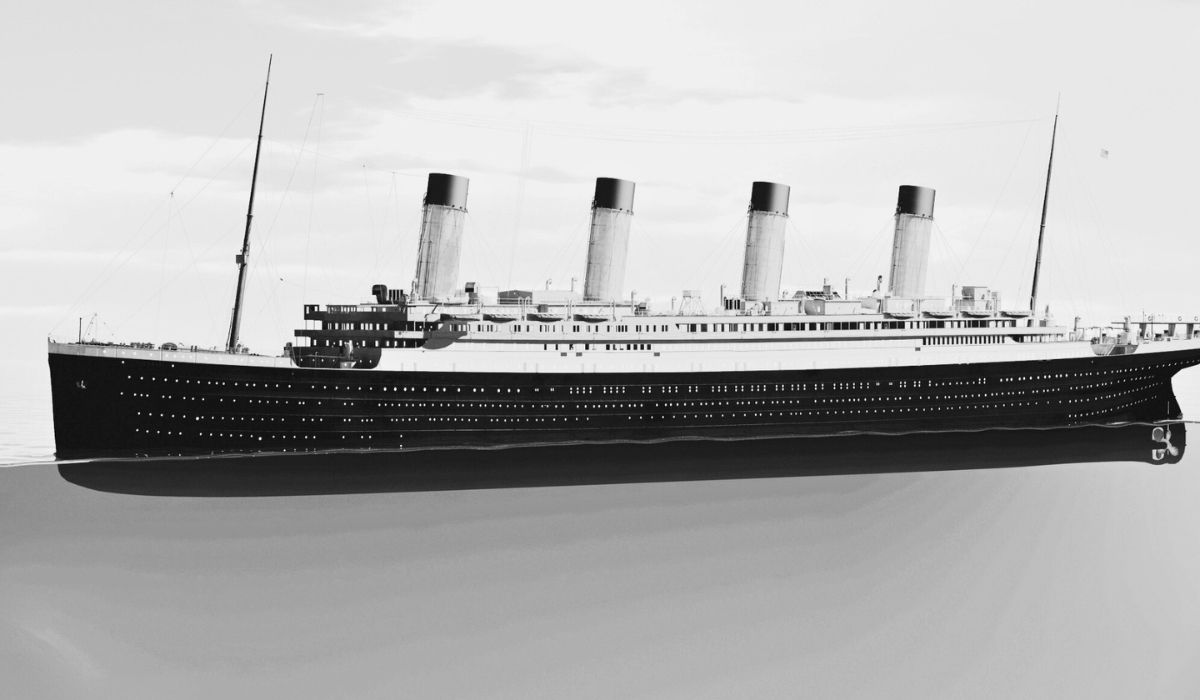
The Titanic was technically an ocean liner, operated by the White Star Line. This means it was designed to transport passengers across the ocean (in this case, Southampton to New York). When built at the turn of the 20th century, the Titanic was a feat of modern engineering. It measured 882 feet long and 46,328 gross registered tons (GRT), which is a measurement that incorporates the ship’s total enclosed volume. It featured 10 total decks.
In comparison, the modern cruise ship version of the Titanic — aka the world’s largest passenger vessel — is Royal Caribbean’s Icon of the Seas. It is 1,198 feet long and measures 250,800 GRT — a staggering five times the size of the Titanic by volume. It also boasts more than twice the number of decks (20).
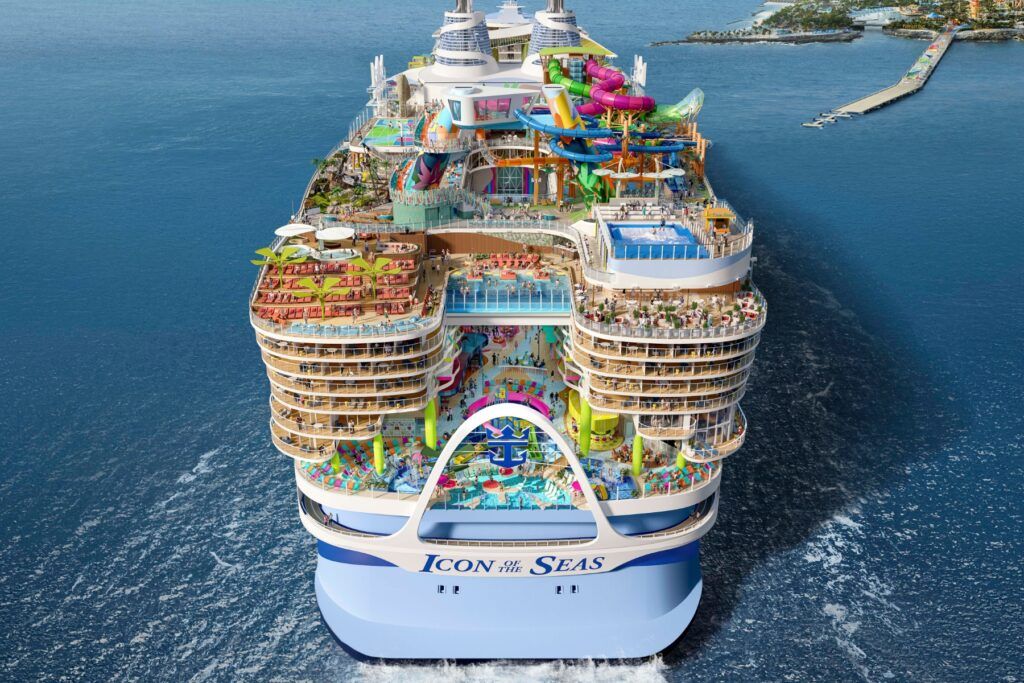
While it only sailed one fateful voyage, the Titanic had a passenger capacity of 3,353 people (2,453 guests and 900 crew) while Icon of the Seas is capable of carrying 2,350 crew members alone, along with up to 7,600 guests.
Average Size of Modern Cruise Ships
It’s important to remember that while cruise ships are remarkably bigger, Royal Caribbean’s mega-ships are an exceptional example. The average size of a cruise ship is much closer to that of the Titanic in length and capacity, though gross tonnage has grown.
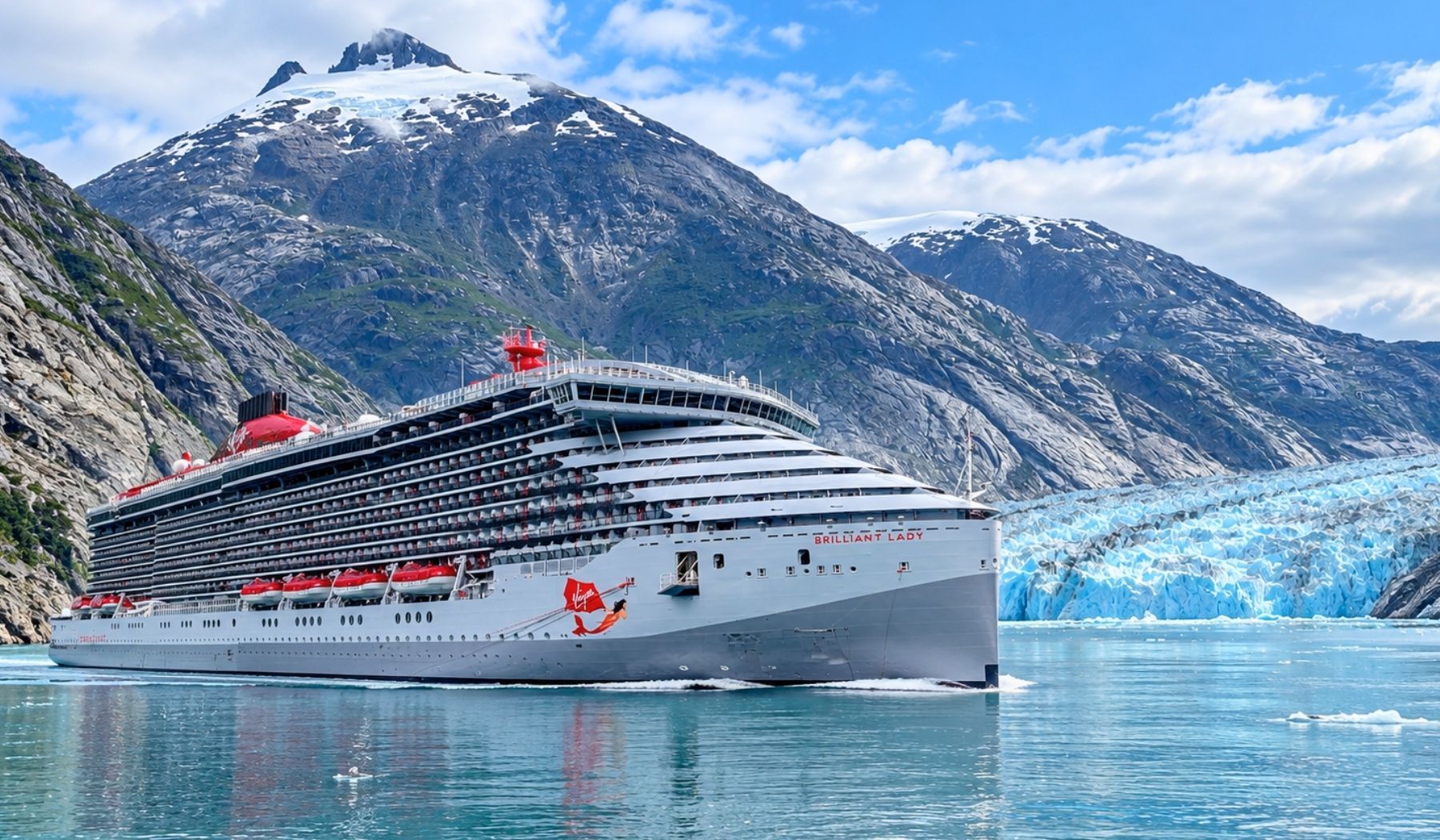
Another recent build is Norwegian Viva, which has 20 decks and is more middle-of-the-road compared to Icon of the Seas in terms of size. Still, it’s about three times the size of the Titanic.
The only ocean liner sailing as a cruise ship today is Cunard’s Queen Mary 2, which offers a similar and historic transatlantic route. In fact, Cunard purchased the White Star Line (which built the Titanic) in 1950. Queen Mary 2 has 18 total decks.
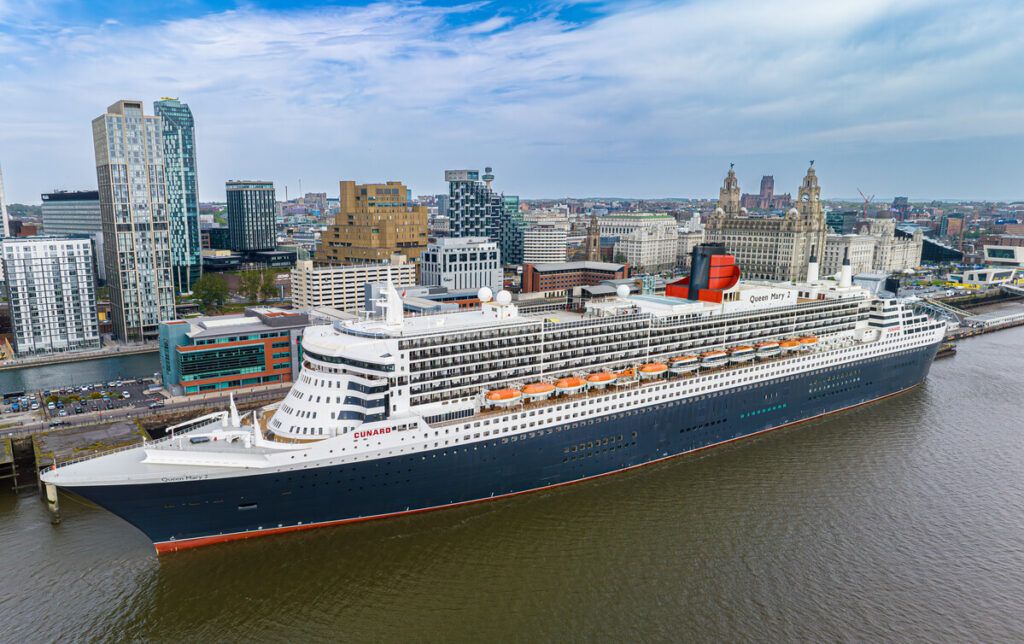
Here’s a table with those ships, as well as a few others, to provide you with a better understanding of how big many modern cruise ships are vs. the Titanic.
| Ship | Gross Tonnage | Length | Guest Capacity |
| Titanic | 46,328 | 882 feet | 2,453 |
| Disney Dream | 129,690 | 1,115 feet | 4,000 |
| Norwegian Viva | 142,500 | 965 feet | 3,950 |
| Queen Mary 2 | 148,528 | 1,132 feet | 3,271 |
| Carnival Celebration | 183,521 | 1,130 feet | 6,500 |
| Icon of the Seas | 250,800 | 1,198 feet | 7,600 |
Despite the vast majority of modern cruise ships being much larger than the Titanic, there are still many that are around the same size or smaller. For example, much of Viking’s ocean ships are around the same size as the Titanic in terms of gross tonnage (47,800 gross tons vs. Titanic’s 46,300 gross tons). However, they hold far fewer guests — just 930 vs. Titanic’s 2,400+!
Luxury lines including Oceania, Seabourn, and Silversea all have ships that are smaller than Titanic was, too. However, the word “luxury” is a key term here. These days, you’ll pretty much only find more upscale, luxury cruise brands that have ships as small (or smaller) as the Titanic.
Titanic vs. Modern Cruise Ships: Staterooms
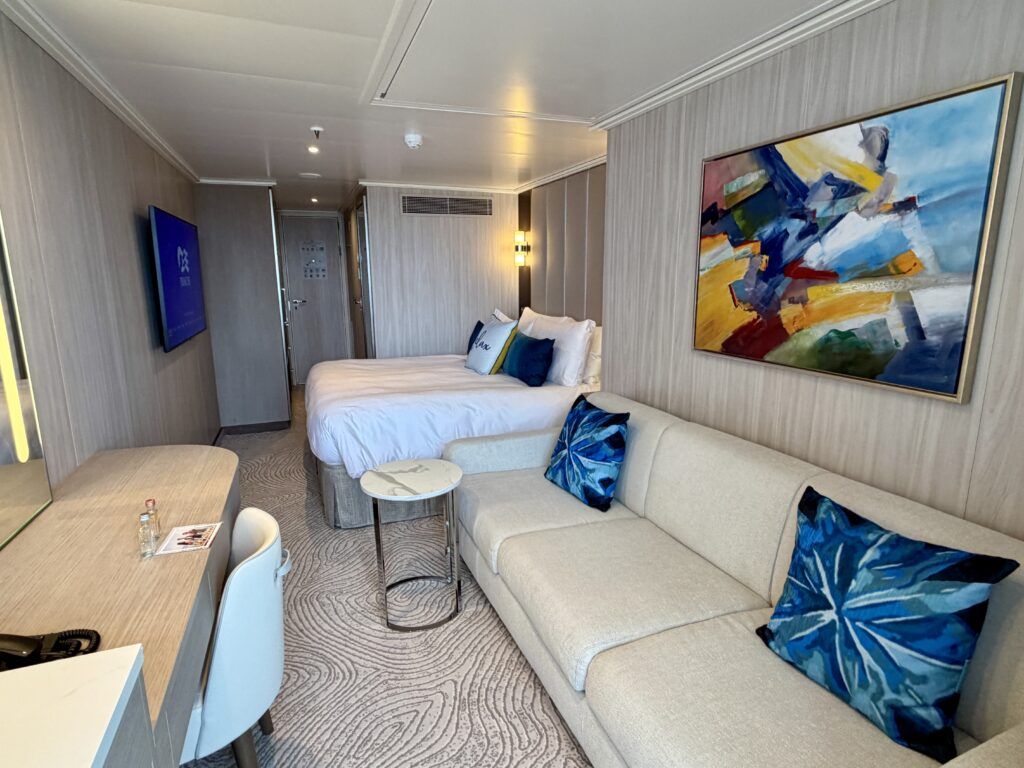
Size isn’t everything, although it was a significant part of what made the Titanic so noteworthy for its time. The passenger experience on cruise ships is significantly different now than it was more than 110 years ago — to say the least.
For starters, while there are cabin categories (like suites) that earn passengers additional perks, all guests onboard a cruise ship today have access to most of the ship’s public spaces and services, including restaurants and entertainment.
This was not the case aboard the Titanic. There were first-, second- and third-class cabins with separate dining rooms, shared bathrooms, and little else to occupy those not in first class. Most passengers were relegated to third class, and cabins — often in unsavory locations like near the engine room in the bowels of the ship — accommodated up to 10 people each!
The “first class” you might be imagining was also far from the plush staterooms available these days. Even though they had up to two bedrooms, a parlor, and an all-important en-suite bathroom (for the very top tier), there were no balconies in any cabin. In fact, balcony cabins didn’t start to become popular on cruise ships until the mid-1990s to early 2000s.
Titanic vs. Modern Cruise Ships: Amenities
Despite everything aboard cruise ships today, from water slides and racetracks to multi-story theaters, the Titanic was actually the most comfortable and amenity-packed ocean liner ever built when it debuted. Some of that glamour can be seen in the 1997 film “Titanic,” which dramatized the ship’s first and only journey. Décor included ornately carved woodwork, European furnishings, and gilded touches.
While it was far from the sprawling spas and fitness centers found at sea today, Titanic did feature a gym with workout gear of the time, as well as a Turkish-style bath, steam room, and treatment room. Other diversions included a pool, promenade, reading/writing room, smoking lounge, and squash court.
While companies over the years have tried and failed to replicate the Titanic as a modern cruising attraction, the classic design of Cunard’s ships is about as close as you might come to the experience of formal dress and traditional decor — albeit in a bit more comfort.
Like Titanic did for its time, modern cruise ships are mostly concerned with staying on top of trends, whether it’s the newest fad in dining or design, to keep passengers happy. But, most importantly of all, they are also well equipped to avoid icebergs and keep passengers safe.
How many lifeboats do modern cruise ships have vs. Titanic?
People often wonder, ‘How many lifeboats did the Titanic have vs. modern cruise ships?’ The short answer is, it actually had about the same number of lifeboats as many modern cruise ships. However, lifeboats now are much larger and more complex.
The Titanic had 20 lifeboats: 14 clinker-built wooden lifeboats that could hold about 65 people each, two wooden cutters intended to be used as emergency boats that could be launched quickly, and four “collapsible” lifeboats that were essentially rafts made of wood, cork, and canvas. Theoretically, the lifeboats aboard the Titanic could hold about half the amount of people on the ship. However, only 18 were successfully launched as the Titanic sank, and most of them were not filled to capacity.
Most modern cruise ships have somewhere between 14 to 22 lifeboats. As you may notice, the amount of lifeboats on the Titanic was actually within that range. However, modern lifeboats are very different. Lifeboats these days are made of watertight materials like fiberglass and aluminum. They’re fully enclosed and have their own engines, ventilation systems, and survival gear. Standard modern lifeboats can also hold up to 150 people each — over double the amount that each boat from Titanic could hold. Not only that, but some of the world’s largest cruise ships’ lifeboats are even bigger — holding several hundred people each.
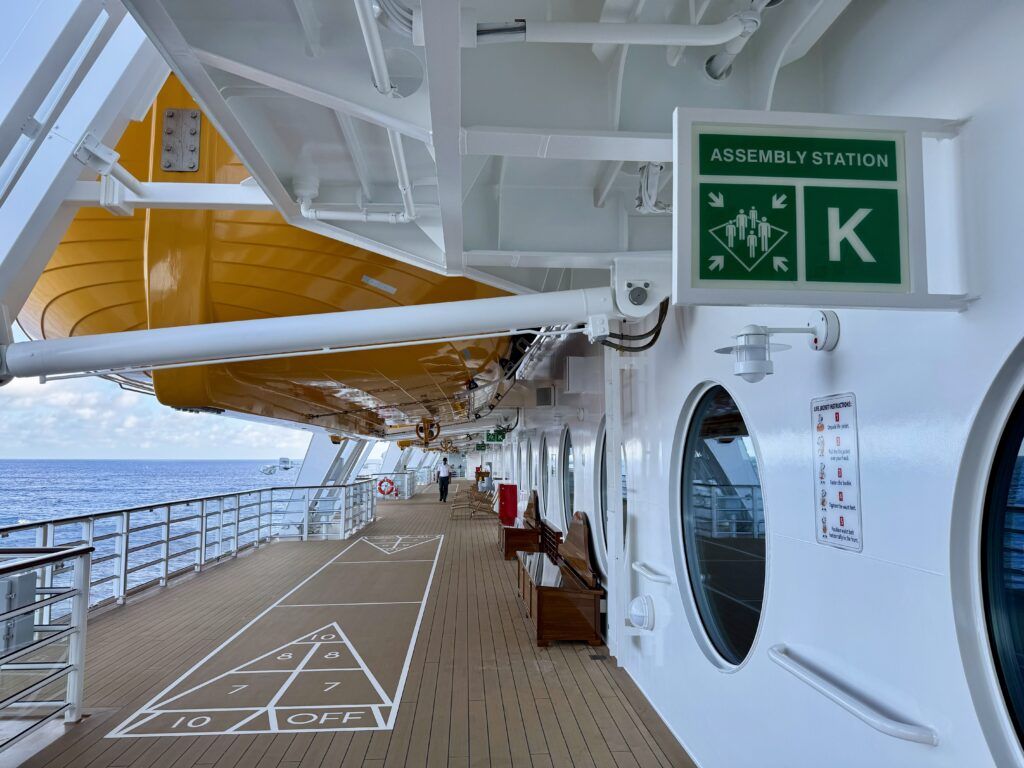
According to current cruise ship safety policies, there must be enough lifeboats for 75 percent of the total number of people on the ship. But not to worry — no one needs to be left behind. The remaining 25 percent that can’t be accommodated in traditional lifeboats can use inflatable life rafts, which are also standard aboard modern cruise ships. Not only that, but there are extra life rafts on board in case some of the lifeboats are damaged or can’t be lowered during an emergency.
If an abandon-ship emergency were to occur, it’s most likely that guests would fill the lifeboats first, then crew would fill the remaining spots. The rafts aren’t as easy to get into, so the remaining crew members would take the rafts as they are more versed in how to launch and board them.
Comments
Do you have anything to add when comparing the Titanic vs modern cruise ships? Do you enjoy geeking out over these engineering marvels? Drop us an anchor below to share your upcoming cruise plans.








1 comment
Sara
Titanic was not a cruise ship. It was an ocean liner.